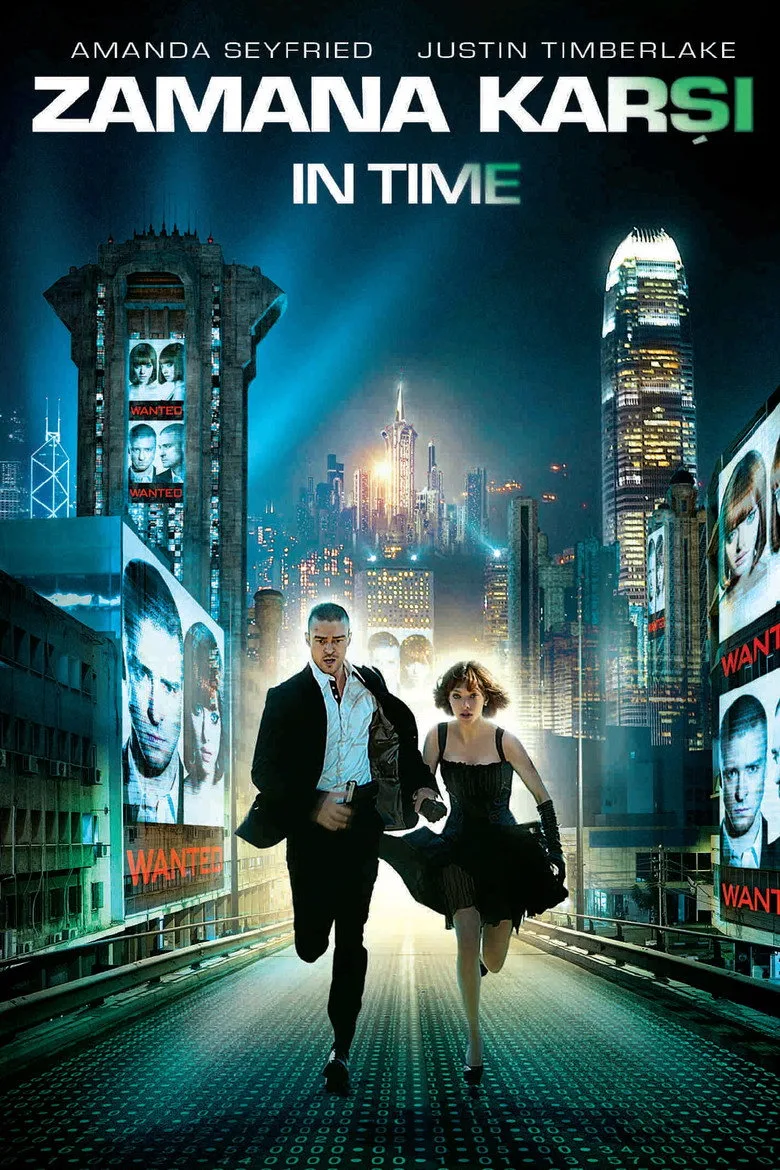
The "shift to video" era that began in the 2010s was a major disaster for publishers. The traces of this mistake are still felt in newsrooms, magazines, and digital media organizations. Like the marks left by BuzzFeed's rubber band-popped watermelon, the effects of this transition remain fresh.
However, the media organizations that were harmed by this change didn't actually make a mistake; they were simply early players in the game and had become overly dependent on the technology platforms that had been providing them with viewers for years. This week, Joe Kahn, the executive editor of the New York Times, described the organization's shift towards video content production as a "race against time" in Peter Kafka's Channels podcast, emphasizing that it represents "a transformation as significant as the shift from print to digital."
Despite the expected sarcastic reactions from media veterans, it seems that the New York Times' strategic move was timed better than many organizations in the industry. Although video has been the dominant form of media for years, it had until now been defined by TV screens. However, 2026 is not 2015; now every video can be TV. Ignoring this situation by traditional media brands would be a significant breach of responsibility.
Since 2015, many popular digital publishers (like Vice and BuzzFeed) and established media brands (like The Washington Post and Vanity Fair) have shifted their budgets towards video content by cutting staff and resources for core text content. This transition was not as strategic a decision as it appeared. Publishers had essentially become dependent on digital platforms, particularly Facebook and Google, to attract viewers. Facebook's prioritization of video content in its news feed became the trigger for this change.

 Thief Series Officially Returns: A New Graphic Novel is Coming
 Luca Guadagnino's 'Artificial' Film Will Not Go on Festival Tour
 Joanna Pettet, Famous Actress, Passes Away at 83
 Hayu Presents Another New Reality Show with 'Summer House Canada'
 Randall Wallace to be Honored at DaVinci Film Festival
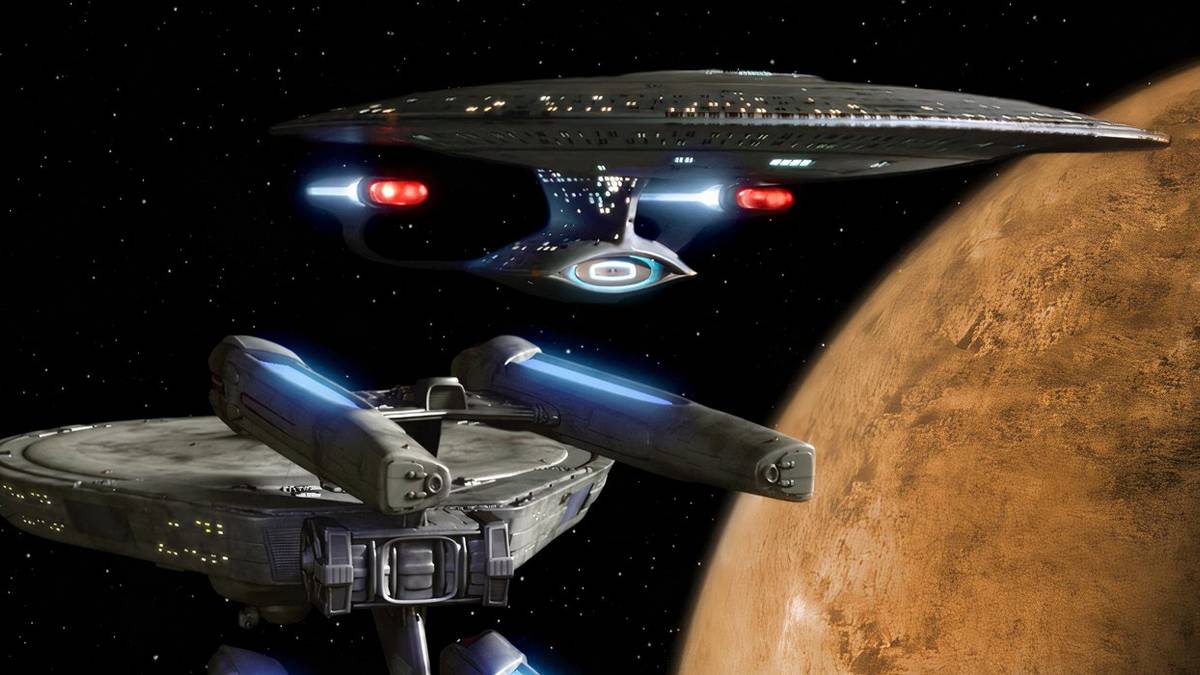 The Darkest Episode of Star Trek and the Unforgettable Space Battle
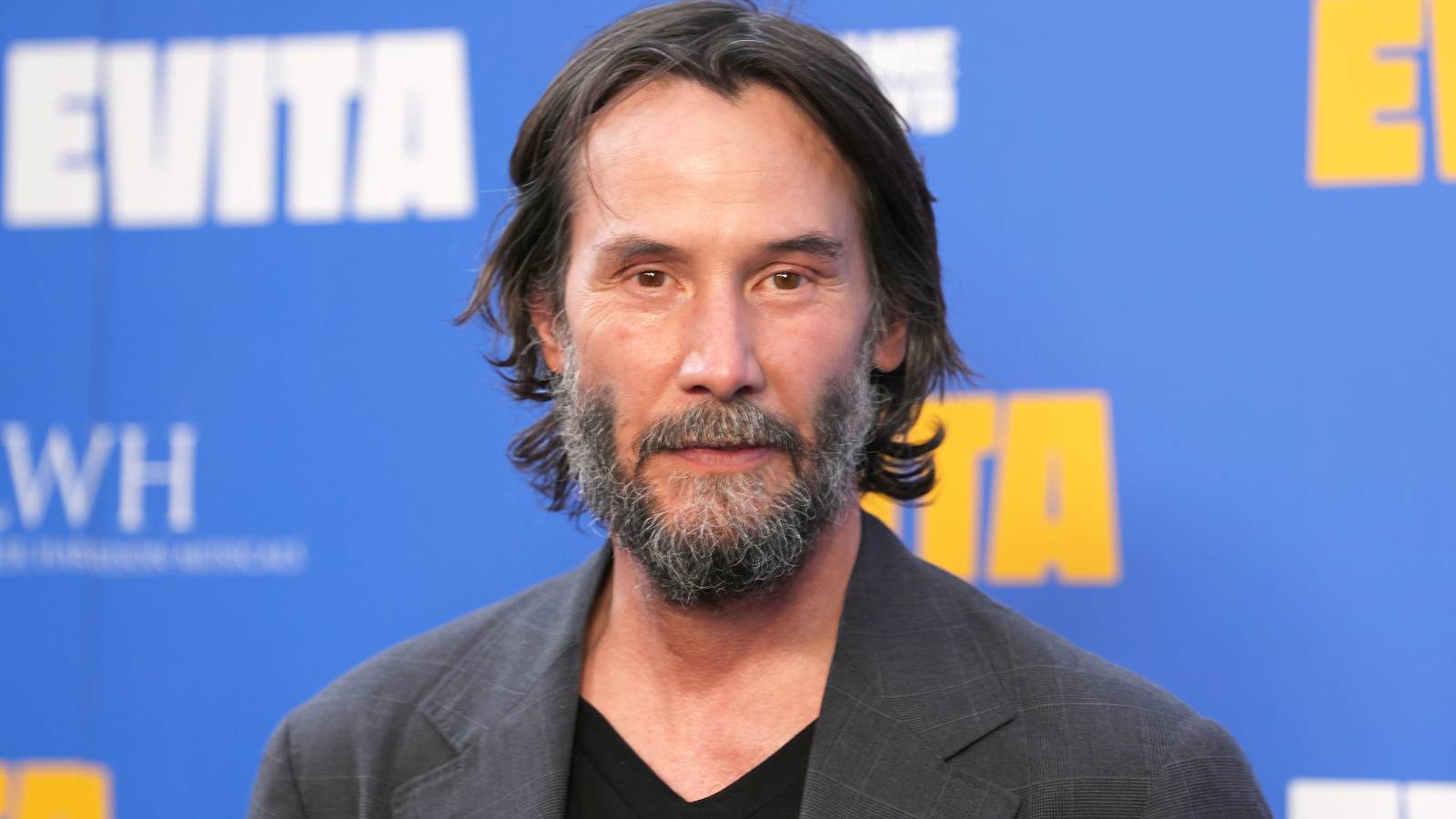 Keanu Reeves Reveals New Sci-Fi Action Movie
 Ari Aster and Lars Knudsen Become Producers for 'Crows Are White' Documentary
 "Task" and "Mare of Easttown" Crossover: Julianne Nicholson Returns
 Former Pineapple Street Duo Launches New Podcast Studio