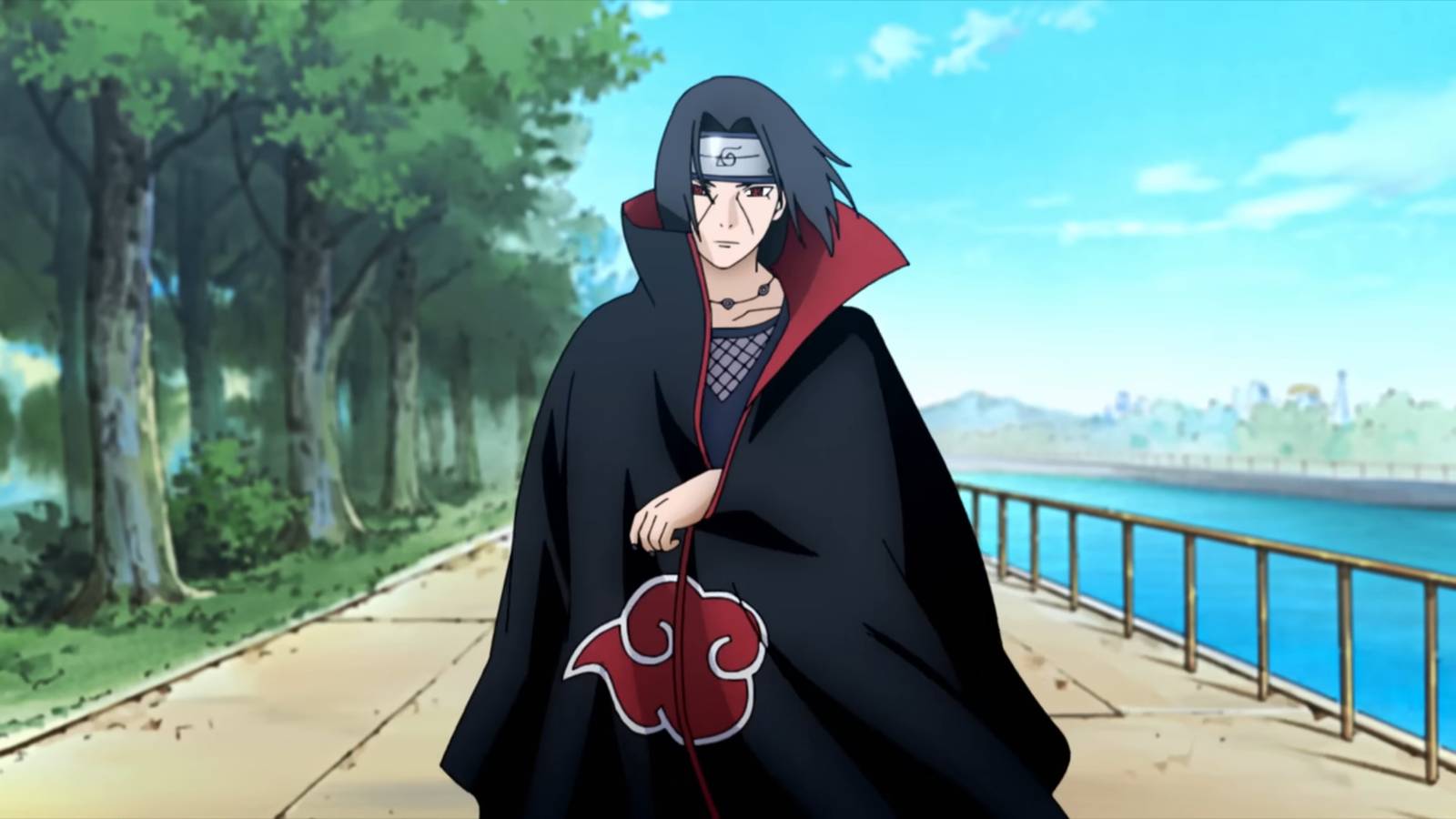
The Naruto series features many unforgettable villains, but Itachi Uchiha holds a truly special place. As part of the shonen genre, this anime presents powerful enemies against its heroes. These villains range from traditional crime lords to god-level threats seeking world domination. However, there is a recurring theme between Naruto and its antagonists: often, these characters are not just evil, but have complex backgrounds and moral depths.
Itachi is one of the best examples of this complexity. From the very beginning of Naruto, this character deeply affects the audience. The idea of a young ninja prodigy betraying his own clan and killing his family in front of his little brother Sasuke is quite chilling. What motivations lie behind this act? Why was Sasuke spared? Throughout many episodes, Naruto takes viewers on Sasuke's quest for revenge to answer these questions. Itachi does not make things easy in this process, explaining to his brother in the early episodes that he is not yet ready for victory.
In Naruto's 85th episode, "Hatred Among the Uchiha: The End of the Clan!" (originally aired in Japan in 2004), Sasuke finally gets the chance to confront his brother, but the encounter does not go well. Despite all his training, the young Uchiha is not strong enough. Itachi reminds him that he is still weak and states that the main ingredient needed for power and revenge is anger. "You are weak. Why are you so weak? Because you have no hatred," his words leave a profound impact on the audience.
Itachi's words are further intensified by the subsequent genjutsu. Sasuke is forced to relive the memory of his family's murder over and over again by his brother. This attack and these words seem ruthless in many ways. However, Naruto reveals that Itachi is not heartless. In fact, his seemingly violent and treacherous behavior is rooted in deep love. Itachi becomes a symbol of Naruto's tragic and complex villains. Even though he had to kill his own clan, we learn that he did so under the orders of the village leaders and that his purpose was to protect his brother.
 Release Date Set for Dan Trachtenberg's Animated Horror Comedy 'Freddy the 13th'
 The Star of the Disabled Journalist World Cup
 Ahead of Denis Villeneuve's 'Dune: Part Three', 'Arrival' Returns to Theaters
 Levi Banks Explains Why He Left Big Brother 28
 Emmy Award Nominations Announced: Taylor Sheridan Excluded Again
 Moana's Live Action Adaptation Faces Box Office Test
 James Corden Returns to Fox's World Cup Show
 The Boys Breaks Viewership Record Despite Emmy Nomination
 Netflix Explains Why It Canceled the Biggest Sci-Fi Series of 2026
 Jennifer Garner Emphasizes the Importance of Filming in Los Angeles