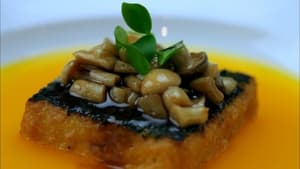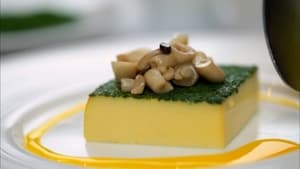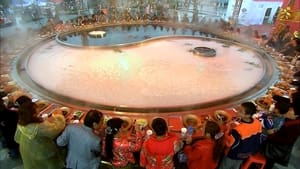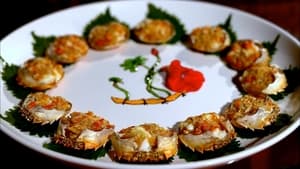
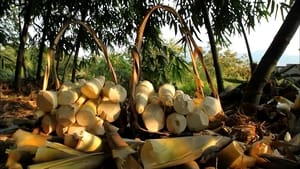
This episode explores the rich bounty of food that is nature's gift to the Chinese people. Elf ear mushrooms gathered near Shangri-La on the Tibetan plateau, bamboo shoots from Zhejiang and Guangxi, traditional salt production and Nuodeng hams in Yunnan, lotus roots from Hubei and Henan, ice fishing in northern Heilongjiang, and finally trawling in the South China Sea.

This episode explores the staple foods that comprise the base of the Chinese diet. Examples are shown of the five traditional grains of China: rice, wheat, broomcorn millet, millet, and beans. Uses for all of the grains are also shown, from sticky rice cakes to noodles, dumplings and breads. It also explores the cultural divide between the southern preference for rice and the northern love of wheat.
This episode looks at several traditional methods of processing food to produce distinctly Chinese delicacies, in particular fermentation. Explore many different varieties of tofu in central China and several varieties of fermented dairy products in Inner Mongolia. Other food processes include alcohol in Shaoxing, preserved meats in Zhejiang and fermented vegetables in north east China.
This episode explores both modern and traditional ways to preserve food - from salting and drying to stewing and smoking. Learn to make kimchi with the Korean ethnic minority of north east China. In Hong Kong sweet cured meats are popular. In mountainous Hunan, discover the famous Souse fish of the Miao ethnic minority. Learn about the Hui style smelly fermented perch. Other foods include Jinhua ham, dried seaweed, dried mullet and shrimp paste.
This episode looks at the various cooking traditions peculiar to the Chinese. In the Tibetan village of Nixi, handmade black pottery pots are the favoured form of cooking. In the Guangdong town of Shunde, Ouyang Guangye cooks a traditional country banquet, including a whole steamed pig. In Yangzhou, Chinese chefs demonstrate their knife skills. In Hunan we visit a Chinese cooking academy and the home of one of the teachers. In Hong Kong, artist Liang Yihu runs a social club where she collects stories and recipes from elderly Hong Kong residents.
This episode examines the flavours that dominate Chinese cuisine. Sweet, salty, spicy, sour and bitter.
The final episode explores the relationship between people and the production of food, specifically how people have adapted to living in geographically diverse regions of China.