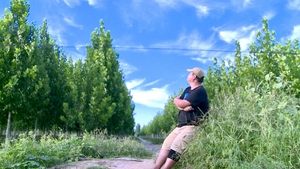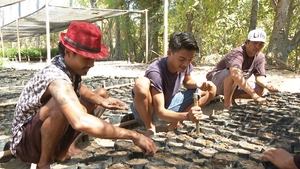
Often called the "Island of gods," Bali in Indonesia has long drawn visitors from all over the world. But the tourism industry has suffered a massive blow from the coronavirus pandemic, with huge numbers unemployed. Many have been forced to return to rural villages and try their hand at farming to make ends meet. One mayor is working to revitalize agriculture and retain some of their newly returned residents. Another entrepreneur is designing an app to improve farmers' incomes. Explore how the people of Bali are using farming to overcome their economic dependence on tourism and make it through the pandemic.
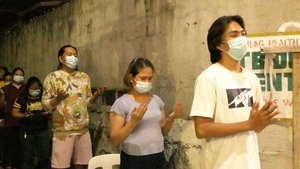
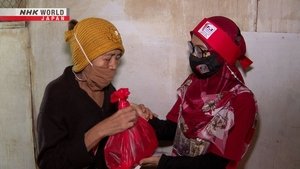
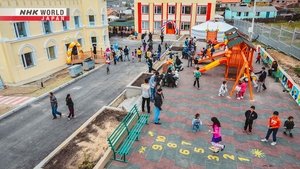
With a Christian population of over 90%, the Philippines is known for its lengthy and elaborate Christmas celebrations, which are ingrained into local culture. But at this time when families give thanks, there was seemingly little to celebrate at the end of 2020, after countless livelihoods and dreams had been suddenly erased by the novel coronavirus pandemic. This episode follows one Filipino family banding together and hoping to reclaim their dreams after a difficult year.
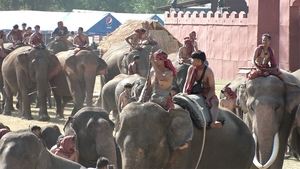
In November 2020, one of Thailand's biggest festivals, the Surin Elephant Round-Up, took place -- despite the coronavirus pandemic. The event went ahead thanks largely to the passion of an ethnic tribe of elephant handlers. With a history of living with elephants that dates back centuries, the Kui people today depend heavily on income from tourism -- a livelihood that is now in danger of disappearing. We follow the people taking on new challenges in a long-running fight to preserve their culture.
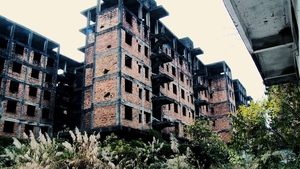
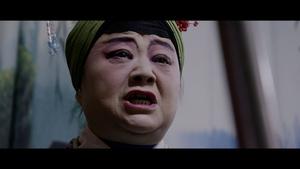
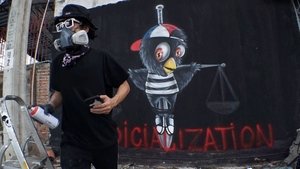
China is one of the few nations experiencing economic growth among COVID-19. But the swift pace of real estate development has led to a strange phenomenon all over the country: "Ghost castles," apartments where building has halted. Hopeful residents are unable to live in the unfinished apartments, all while stuck in deep debt. A group of artists has begun creating art based on the buildings in order to draw attention to the plight. In this episode, we examine this issue faced by modern China.
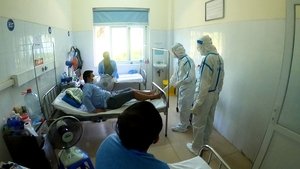
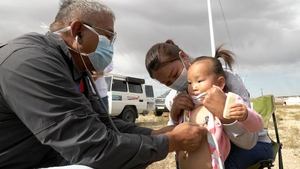
In July 2020, a second wave of COVID-19 hit the city of Da Nang, Vietnam. A team from Hanoi's Bach Mai hospital who survived lockdown in the first wave came to support their colleagues and share their expertise on preventing in-house infections. But with far fewer resources, staff and equipment, it's a tough battle. To prepare for the worst-case scenario, they transform a local sports stadium into a field hospital. Follow the hard work of the medical team as they fight a multi-front battle.
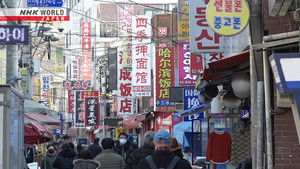
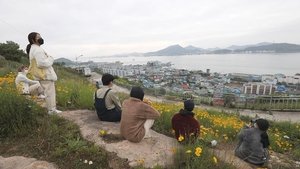
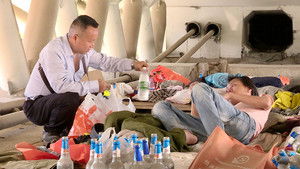
Seoul's district of Daerim-dong is home to a large number of ethnic Korean-Chinese residents. Ethnic Korean-Chinese are the descendants of Koreans who moved to China generations ago. Some seek new lives in South Korea, but much of what they find is hard labor with no job security. Even worse is the prejudice faced from South Koreans, and the recent threat of COVID-19. This episode follows the Korean-Chinese people grappling with their own roots in their ancestorial homeland.
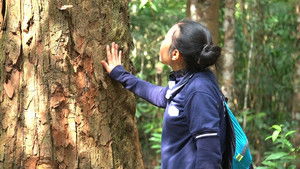
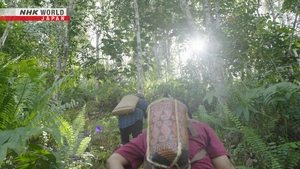
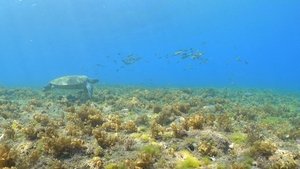
The Nam Theun 2 Dam sits atop the Nakai Plateau in eastern Laos. Most of the power it produces is sold to Thailand, but a percentage of profits is earmarked for nature conservation and for improving the lives of locals. The region is a treasure trove of plant and animal life, so the government has forbidden locals from hunting or logging. Those who have lost their livelihoods are now pinning their hopes on an income from eco-tourism. The residents of one village have had their lives turned upside down by the mega-dam. What can be done to both conserve the environment and improve locals' quality of life?