
1
To know the history of Nickelodeon, we must first know the history of cable television, and of QUBE, Warner Communication's massive experiment in interactive television.

To know the history of Nickelodeon, we must first know the history of cable television, and of QUBE, Warner Communication's massive experiment in interactive television.
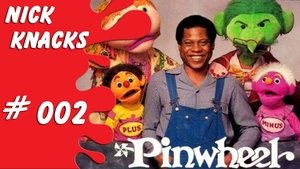
This is where it all started. Pinwheel, QUBE's popular puppet show that became Nickelodeon first flagship program. Join Jake, Ebeneezer T. Squint, Plus and Minus and the rest of the gang as they sing some songs, sing some songs, sing some more songs... for a while there it was just songs.
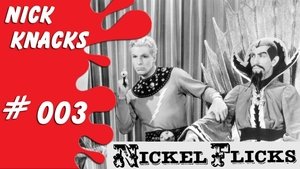
We kick off the Nickelodeon 1979 starting lineup with a tribute to film serials. Flash Gordon, Rin Tin Tinn and Gene Autry entertain, and a host whom kids of the 80s might recognize walking us through it.
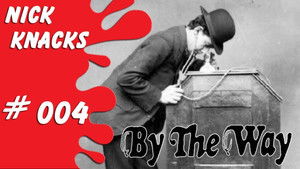
There isn't a whole lot to say about this show, so instead we spend most of the time talking about Nickelodeon's weird pre-World War I aesthetic. Also, more mimes!

Sometimes things are forgotten. Sometimes forgotten things are found again. This is the story of Brad Williams, Pinwheel performer, Hocus Focus star, and one of the hardest working puppeteers of the 1980s.
Today we look at a cheap filler show where a guy reads comic books to kids, and along the way, we explore the history of the motion comic and discover Nickelodeon's mob roots. No, seriously.

Today we look at Nickelodeon's first variety show, it's origins with QUBE, and what it meant for the future of the channel!
Being a channel for children, Nickelodeon didn't have a reason to be on after bedtime. But what should we air in those early AM hours? Before Nick at Nite, there was Star Channel.
It's Nickelodeon 1980! Warner Communications get bought by American Express, a guy in advertising becomes the new head of the station, and someone decided that what a bunch of six year olds really want to watch is a bunch of BBC costume dramas from the 70s.
Nickelodeon taps into the library of the Children's Film Foundation, or CFF, an attempt in British cinema to bring wholesome, charming films to children across the country. It actually had a lot in common with the cable station would ultimately end up on.

Nickelodeon continues down its path of "PBS you pay for" by acquiring this Canadian technology program, What Will They Think of Next! It was originally called Scientific International, but I guess clunkier, grammatically-incorrect titles with in fashion at the time.

This is the story of PopClips, a half hour music video show that might have been the origin of MTV. Or it might not have been. It's also the story of network executives, exploitation film directors, and ex-Monkees.
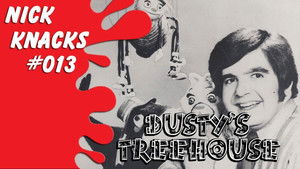
In order to flesh out their lineup, Nickelodeon picked up one of the sweetest, most charming and wholesome children's show from the 1970s. Join Dusty and his puppet friends, Maxine the Crow, Scooter the Squirrel and Stanley the Spider as they learn about the world and themselves. Of course, someone had to come around and corrupt it.

America Goes Bananaz is out, Livewire is in. Just how did this children's talk show differ from its predecessor? What did host Fred Newman bring to the table? And oh my god, baby R.E.M.!

Today we look at Nickelodeon's junk drawer, Special Delivery, a programming block that aired whatever the hell Nick felt like airing. You might get a fairy tale, a rock concert, an after school special, a sports documentary, a really neat Canadian show about First Nations people, or maybe just garbage.
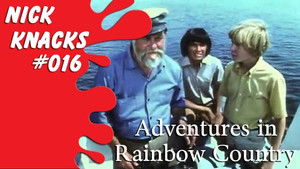
Nickelodeon had a serious lack of narrative television in its first two years, but 1981 is here to correct that. First up, Adventures in Rainbow Country, a wilderness adventure show from Canada! It's got rivers! It's got fish! It's got evil clowns!... wait, what?
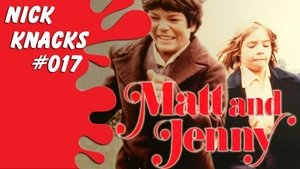
We look at Matt and Jenny, the sister show of The Adventures in Rainbow Country, both shows about two kids having adventures in the Canadian wilderness. I suppose Nickelodeon could get them cheaper as a package.
Nickelodeon embraces its early "PBS You Pay For" idea by just airing old PBS shows. Studio See is a show for kids, about kids, and by kids, which isn't always as good of an idea as it sounds.
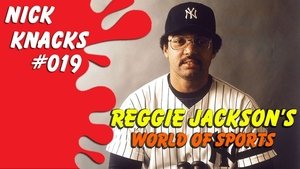
Nickelodeon gets its first celebrity endorsement with Mr. October himself, Reggie Jackson. Kids are playing all kinds of sports these days, and Reggie's here to help you find the sport that's right for you! It's probably a great show, but did reruns hurt its image?

In 1975, a mere seven years after the Civil Rights Movement, PBS released a show about race, culture, and prejudice. It's amazing how little we learned from it.
Once upon a time, children would write stories and poems to Nickelodeon, and five acrobatic grown-ups would perform them on TV! How legit was it? Who was behind it? Let's find out!

What do you get when you mix a children's comedy writer, a computer scientist, and David Bowie lyrics? Well, whatever it is, it was on Nickelodeon in the early 80s, as odd as that seems.

Well, it's the big one, You Can't Do That On Television. A show that's already loved by millions of 80s kids, a show that saved Nickelodeon from self-destruction. But you knew that already. With a show this celebrated, is there anything more to say? Yes, but it's not all pretty...

With Star Channel gone, Nickelodeon needed something to fill their evening hours. Before Nick at Nite, though, they were approached by ABC and Hearst with ARTS (Alpha Repertory Television Service), a programming block offering fine arts programming. How well do ballet and opera fit with Nickelodeon? Let's find out.

We kick off Nickelodeon 1982 with Spread Your Wings, a 26 episode Canadian production profiling kids from around the world as they try to create and perform. Stay tuned for the full interview with the show's creator, Paul Saltzman!

Based on the classic book (sort of), these are the adventures of Black Beauty, Vicky and the rest of the Gordon family. Does it hold up to the book's messages of justice and kindness and fighting against animal abuse? Or is it just a bunch of pony fluff? Let's find out!
And now we reach Against the Odds, the history show created by Cy Schneider himself. Is it really as boring and dreadful as its reputation? Why was Bill Bixby looking for the easy paycheck? And what's the show's connection to Donny and Marie Osmond?

Join Leonard Nimoy as we learn about the making of the coolest new movies, like Return of the Jedi or the Secret of NIMH. We explore Nickelodeon's relationship with Starlog magazine, and meet the guy who did those singing dinosaur commercials!
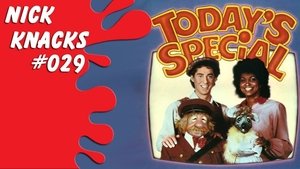
It's after hours at the department store, and you know what that means? It's time for Jodie the display manager, Sam the security guard and Muffy the Mouse to bring Jeff, the store mannequin, to life! We explore the origins of Today's Special, how it was born from a once-in-a-lifetime deal between TVOntario and Roger's Cable, and just what made it tick.
Nickelodeon picks up a Canadian show about young prodigies in the fields of music, sports and teddy bear collecting, starring Chris Makepeace and Keanu Reeves. But more than that, we explore 1983, where a LOT of things happened to Nickelodeon in-directly. How did Ronald Reagan, Mickey Mouse and Atari effect the channel? Let's find out!