-
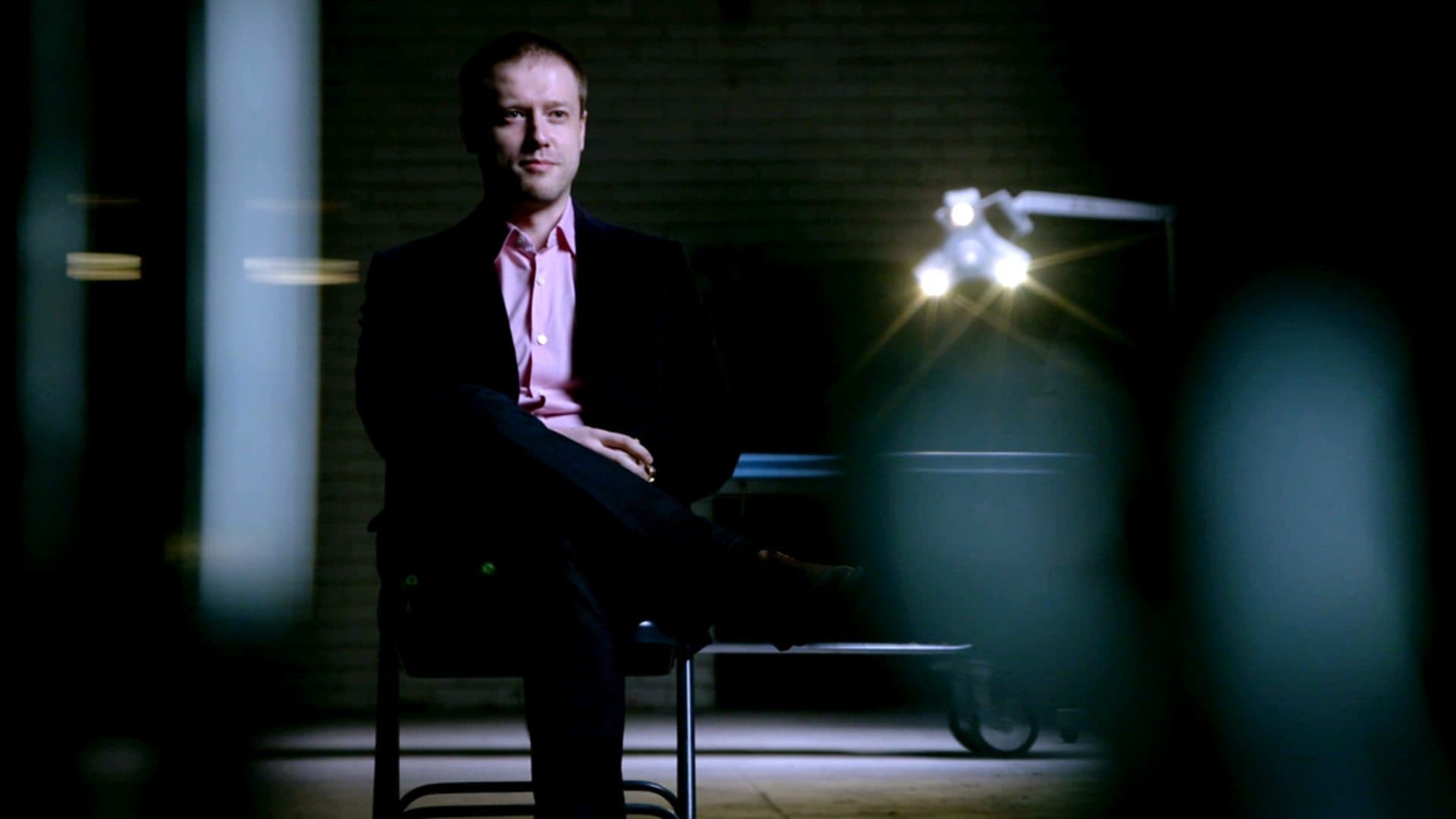
1. Bölüm Investigating the story of how a Russian internet millionaire, Dmitry Itskov, is turning to cutting edge science to try to unlock the secret of living forever. The programme investigates the real science inspiring his bold plan to upload the human mind to a computer, and examines whether his goal of bringing about immortality for humans within thirty years is attainable.
-

2. Bölüm Documentary exploring science's long-standing obsession with the idea of gravity control, including recent breakthroughs in the search for loopholes in conventional physics. The programme examines how the groundwork carried out by Project Greenglow in the mid-1990s by UK defence manufacturer BAE Systems (based on the work of Eugene Podkletnov[82]) has changed the understanding of the universe, making the dream of flying cars and journeys to the stars no longer quite so distant.
-
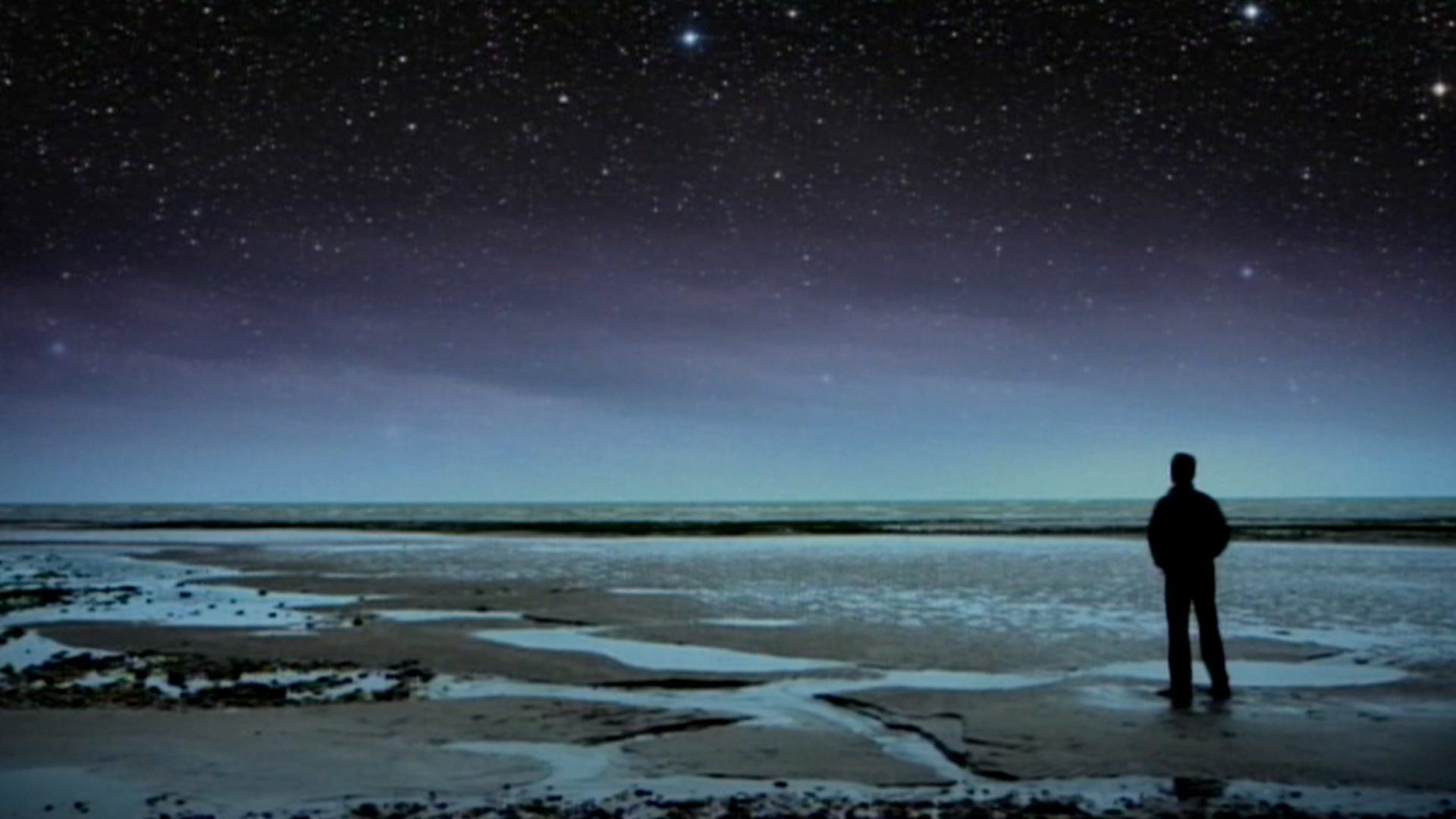
3. Bölüm Examining Dark Energy, the mysterious force that is unexpectedly causing the universe's expansion to speed up. Its effects were discovered in 1998, but physicists still do not know what it is, and its very existence calls into question Albert Einstein's General Theory of Relativity; the cornerstone of modern physics. The hunt for the identity of Dark Energy is on, and although experiments conducted on earth and in space generate data that might provide a clue, physics is hoping another Einstein might emerge and write a new theory that explains the mystery.
-
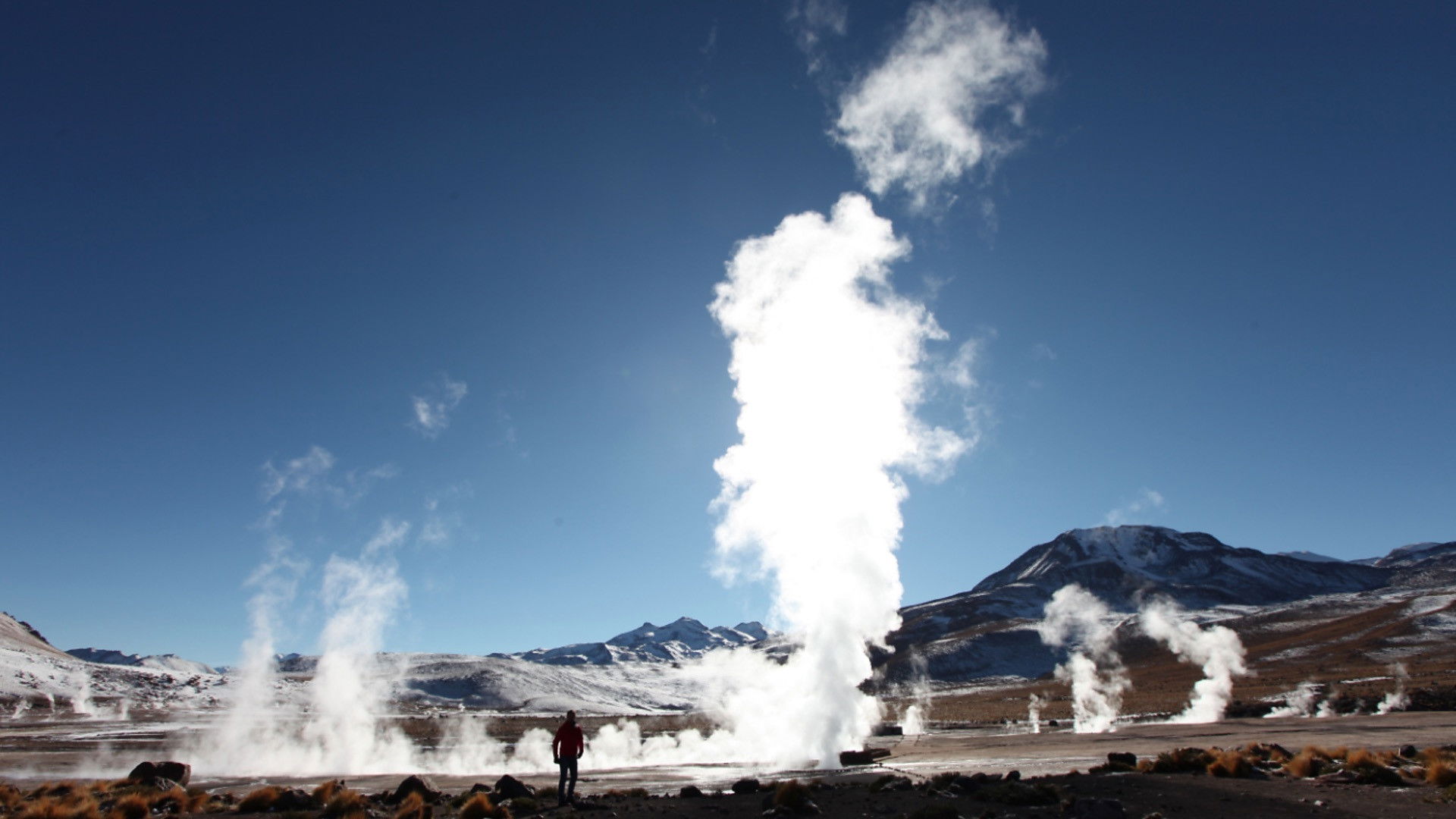
4. Bölüm The oceans define the earth. They are crucial to life and we used to think that they were unique to our blue planet. But we were wrong.
-
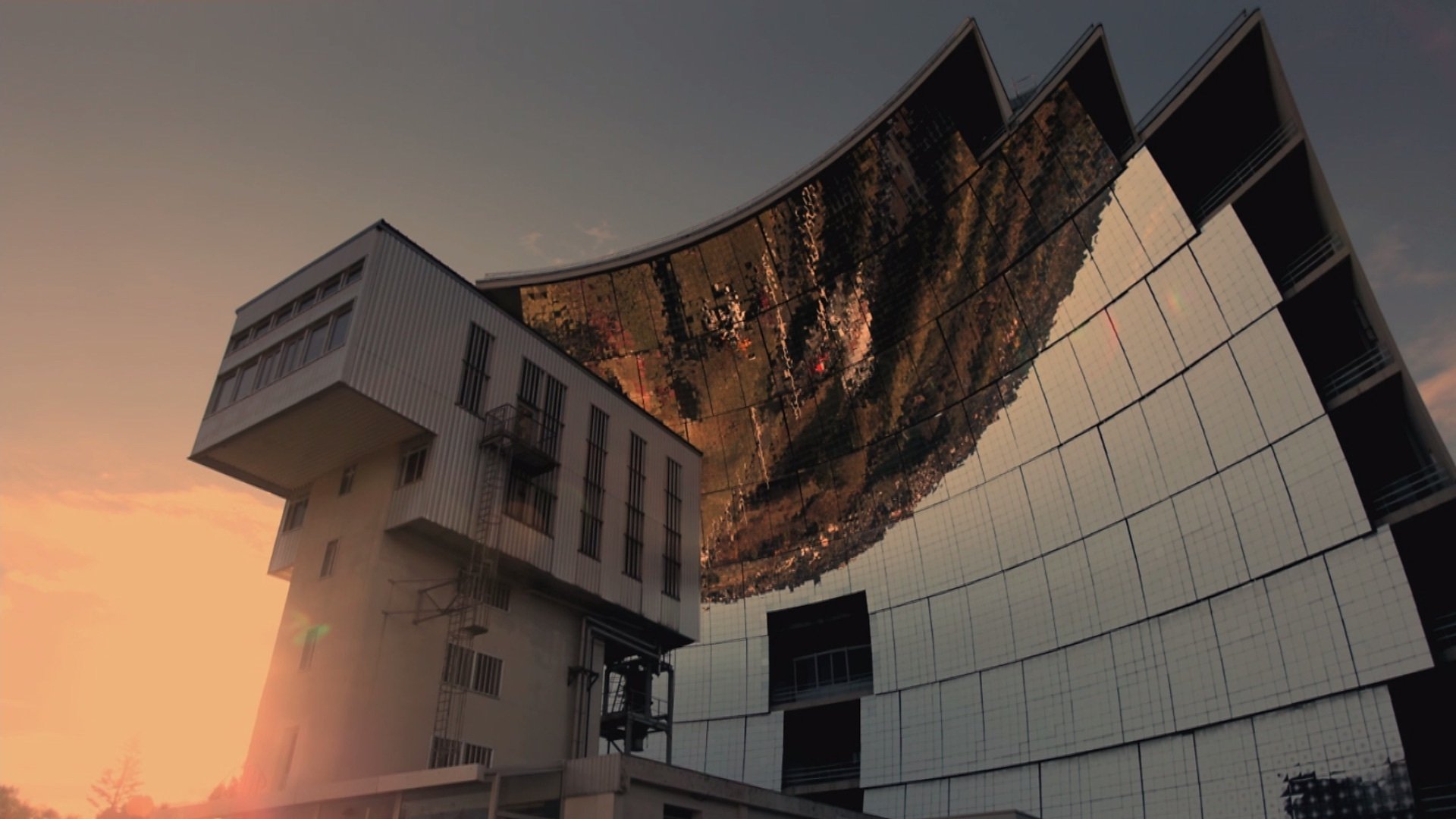
5. Bölüm This is the story of how our solar system will be transformed by the aging sun before coming to a spectacular end in about eight billion years. Astronomers can peer into the far future to predict how it will happen by analysing distant galaxies, stars and even planets in their final moments.
-

6. Bölüm Liz Bonnin presents a controversial and provocative episode of Horizon, investigating how new scientific research is raising hard questions about zoos - the film explores how and why zoos keep animals, and whether they need to change to keep up with modern science or ultimately be consigned to history.
-

7. Bölüm Dr Xand Van Tulleken is single and looking for love. Mathematician Dr Hannah Fry wants to use him as her guinea pig to test whether the algorithms that dating sites use to match people actually work.
-
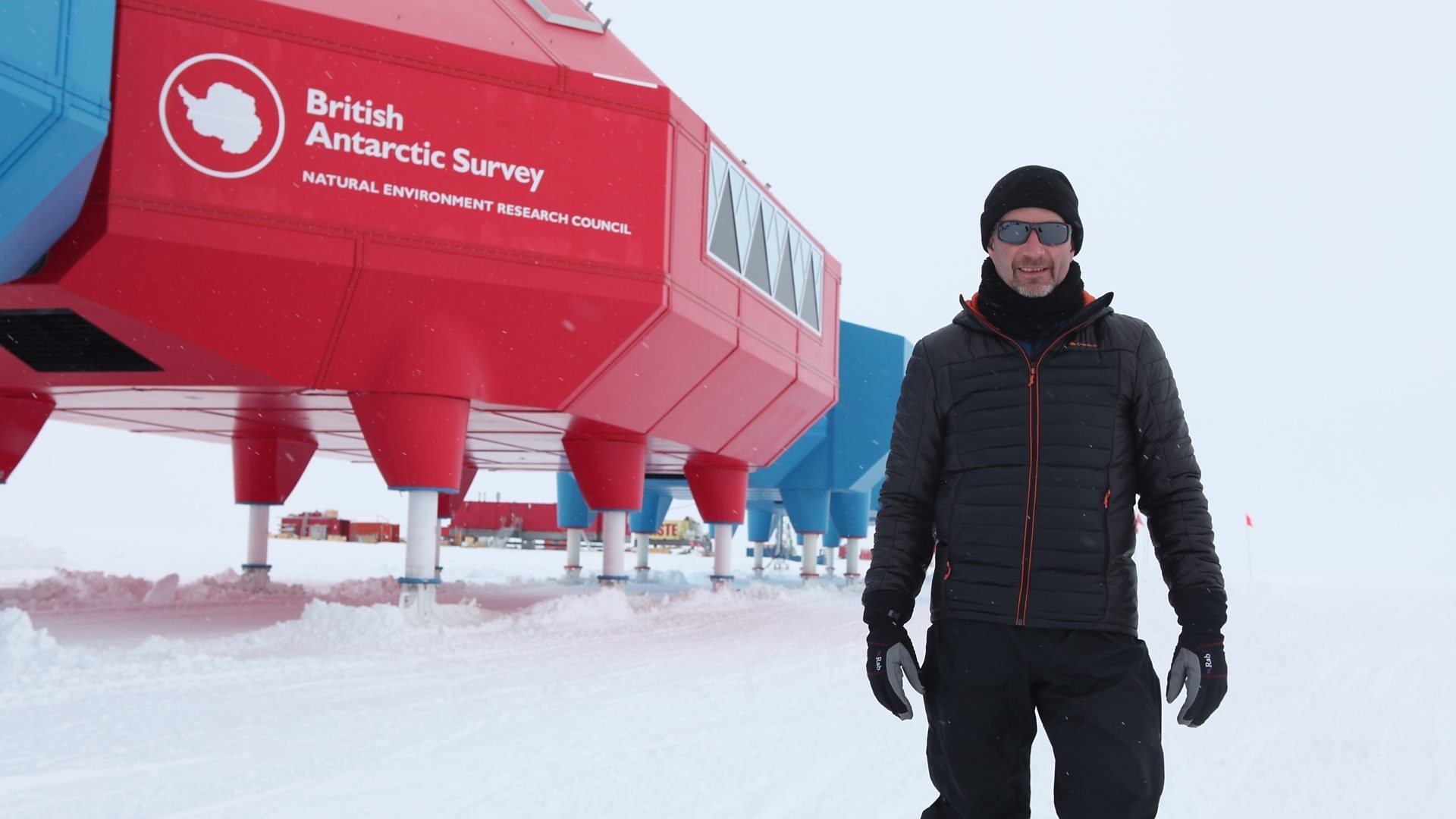
8. Bölüm Antarctica is the last great wilderness. It's the coldest, windiest, driest and most isolated place on Earth. And every winter, for over three months of the year, the sun never rises. But it's also home to the British Antarctic Survey's Halley Research Station.
-
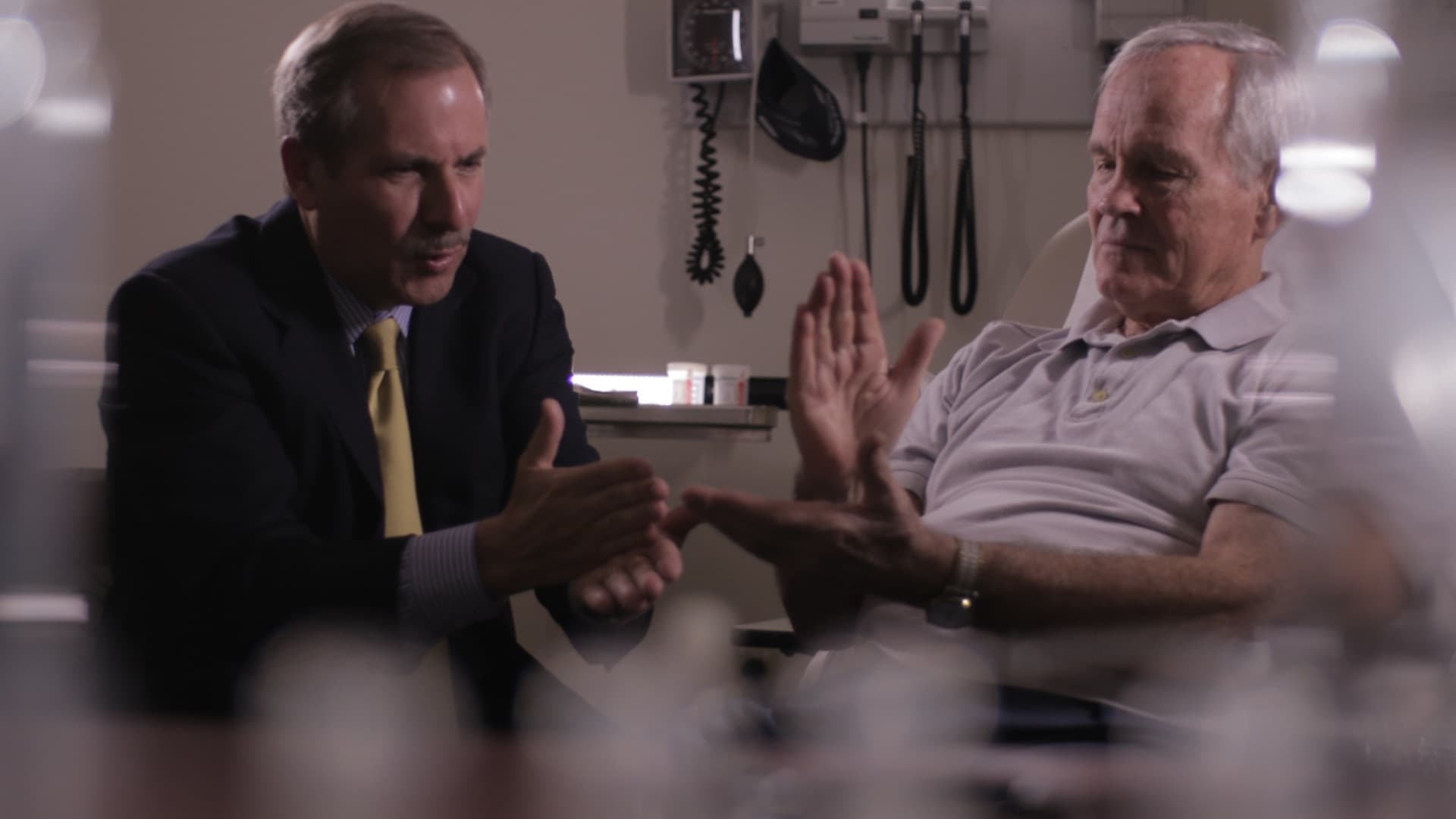
9. Bölüm Horizon investigates a new era of Alzheimer's research, which is bringing hope to millions of sufferers across the world. New scanning and gene technology is allowing scientists to identify the disease at its earliest stages, often 15 years before symptoms appear and the brain cells are destroyed. A series of new drugs trials in Colombia, the USA and Europe are showing startling success in reducing beta amyloid, the protein which is a hallmark of the disease.
-

10. Bölüm Michael Mosley investigates the dramatic rise in e-cigarettes. They're everywhere these days, but what does the latest scientific research on them reveal? Michael reveals what e-cigarettes are really doing to your health. Are they really better for you than cigarettes? What is actually in them? Is passive vapour harmful? And can they really stop you from smoking? Michael meets some of the scientists around the world studying them, asks a group of volunteers to try to give up smoking regular cigarettes using them, and even takes up 'vaping' himself, smoking an e-cigarette every day for a month to see the effects on his own health - no easy task for such a committed non-smoker.
-

11. Bölüm Over 62% of adults in the UK are currently overweight or obese and this figure is set to rise. A common attitude is that obese people should be ashamed - it is their fault, they have no will power and if they could just 'eat less and exercise more', the problem would soon be solved. Yet, despite millions of pounds being spent on this simple message, the UK is getting fatter every year.
-
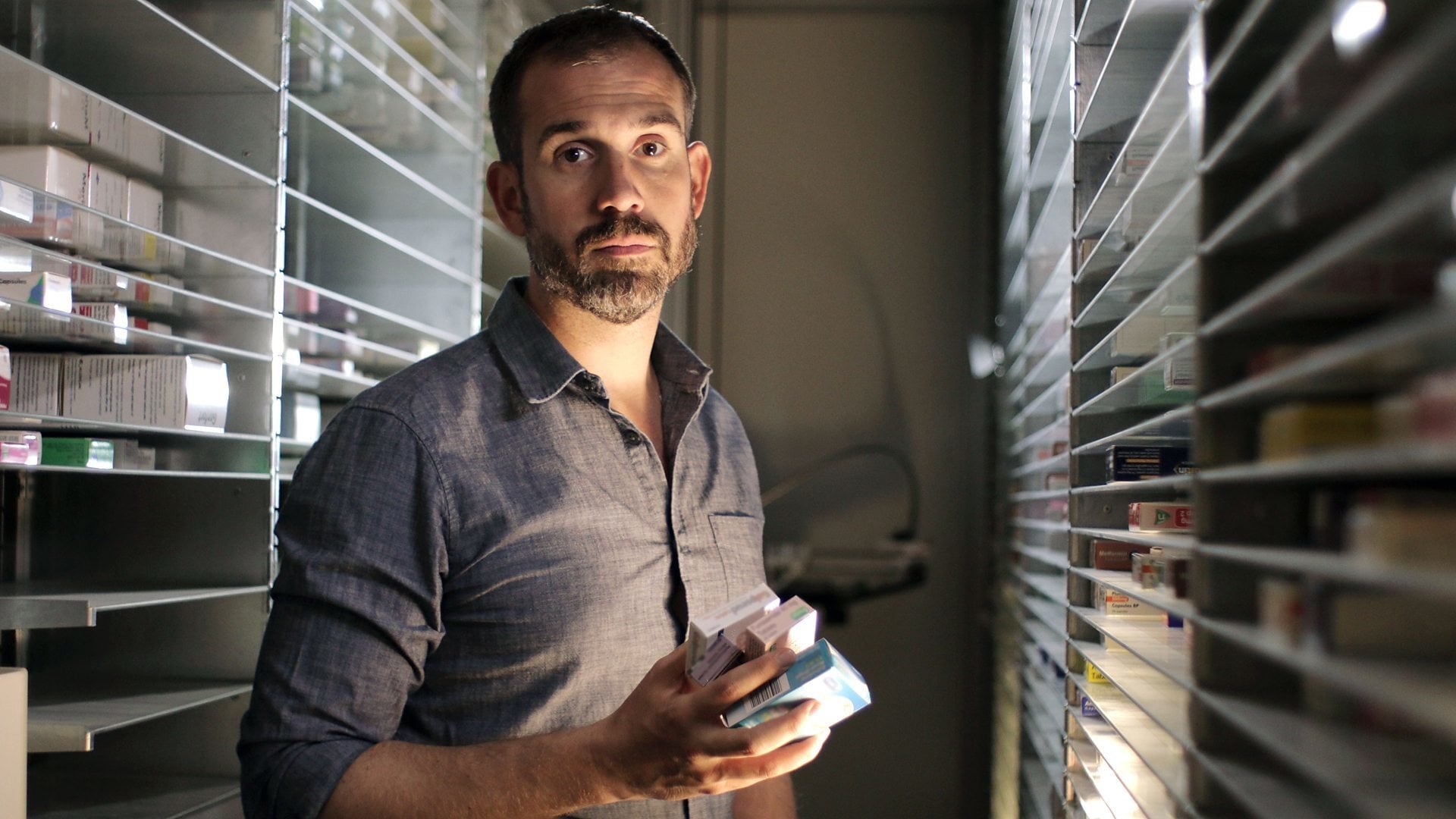
12. Bölüm Dr Xand van Tulleken investigates the world of performance-enhancing drugs - from the athletes seeking the rewards of fame, glory and lucrative sponsorship deals to the hundreds of thousands of people in the UK now regularly taking anabolic steroids to look good and buff up. What are these drugs? What do they do to the body? And is it worth it?
-

13. Bölüm With exclusive behind-the-scenes access, Horizon follows the highs and lows of an extraordinary story in particle physics. In June 2015, teams at CERN started running the large hadron collider at the highest energy ever. Rumours quickly emerged that they were on the brink of a huge discovery. A mysterious bump in some data suggested a first glimpse of a brand new particle that could change our understanding of how the universe works.
-

14. Bölüm The acerbically witty and severely facially disfigured broadcaster Adam Pearson presents a personal film about genetics. He and his twin brother Neil are genetically identical and both share the same genetic disease, Neurofibromatosis 1 (Nf1) - yet they are completely different. Adam's face is covered with growths, whereas Neil has none. Neil has short term memory loss, whereas Adam is razor sharp.
-
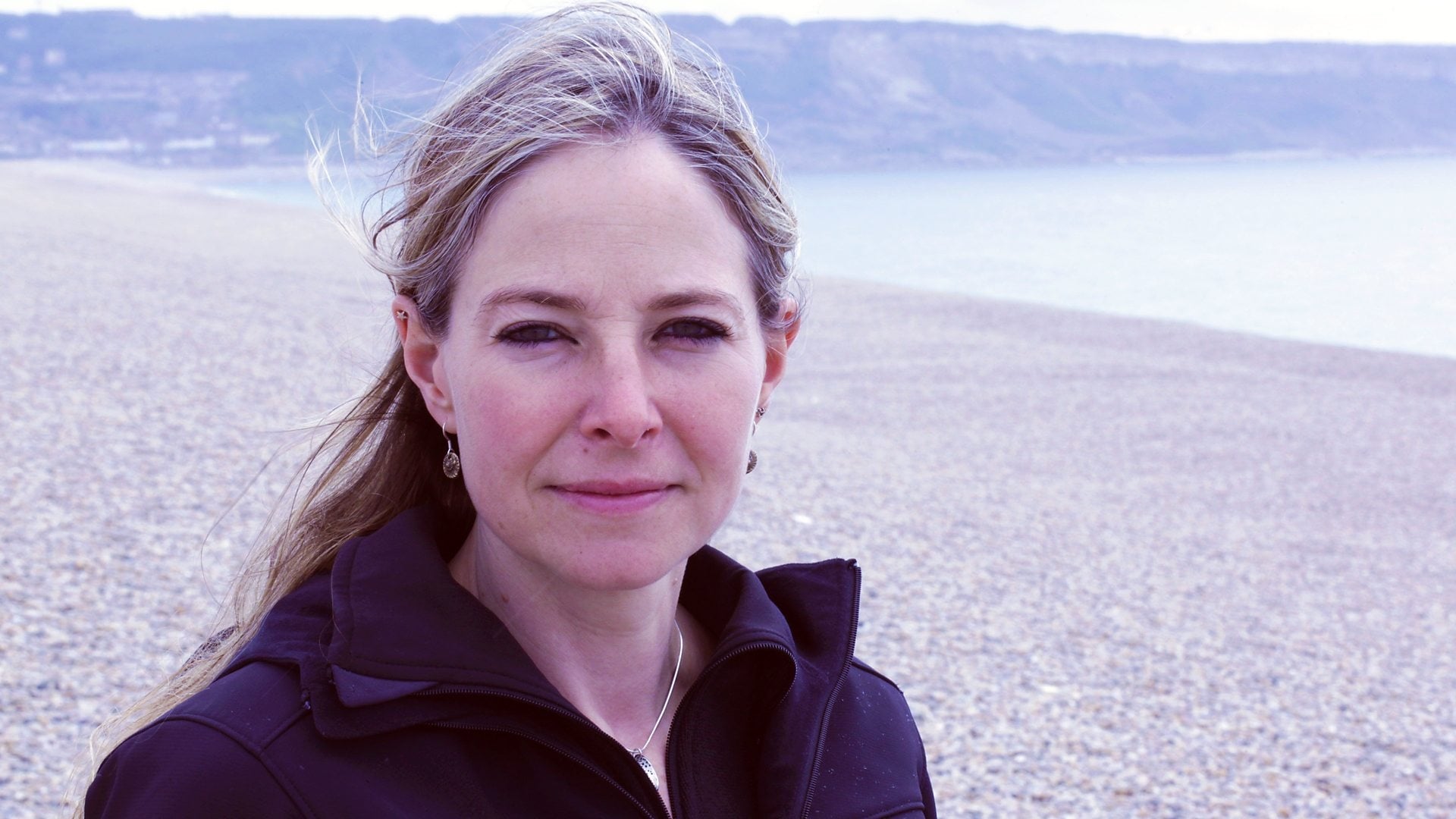
15. Bölüm Alice Roberts explores the latest discoveries in the study of human origins, revealing the transformation that has been brought about in this field by genetics.
-
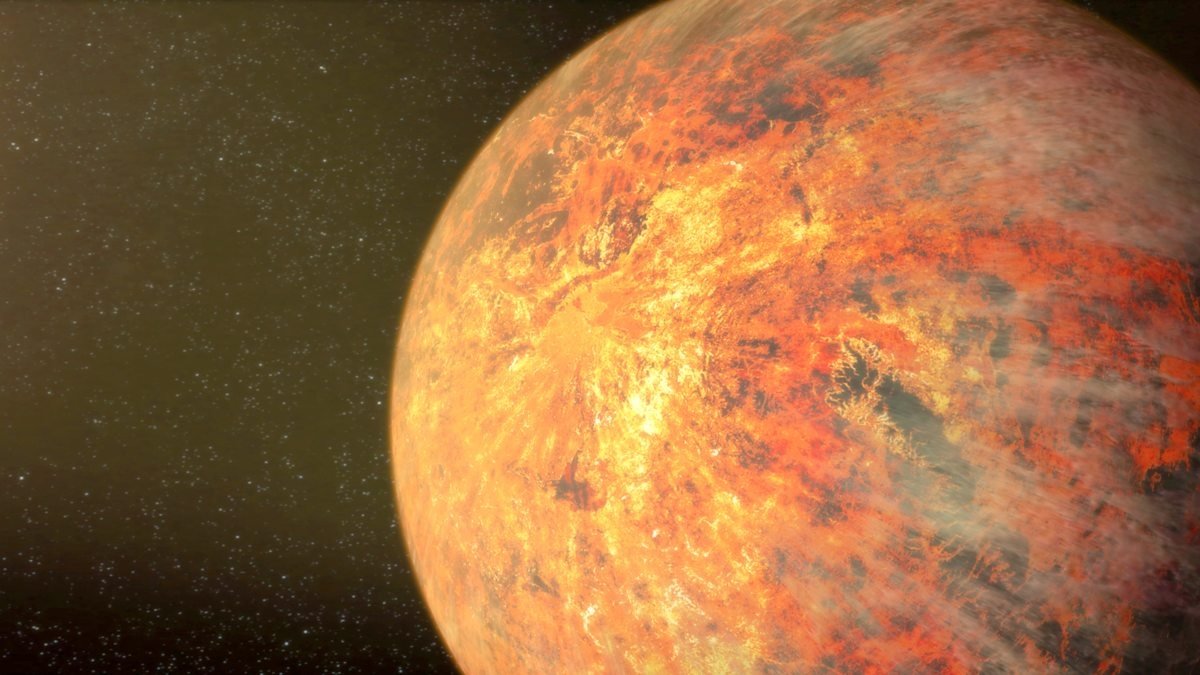
16. Bölüm We love talking about the weather - is it too hot or too cold, too wet or too windy? It's a national obsession. Now scientists have started looking to the heavens and wondering what the weather might be like on other planets. Today, we are witnessing the birth of extra-terrestrial meteorology, as technology is allowing astronomers to study other planets like never before. They began with our solar system, sending spacecraft to explore its furthest reaches, and now the latest telescopes are enabling astronomers to study planets beyond our solar system. Our exploration of the universe is revealing alien worlds with weather stranger than anyone could ever have imagined - we've discovered gigantic storm systems that can encircle entire planets, supersonic winds, extreme temperatures and bizarre forms of rain. On some planets, the temperatures are so hot that the clouds and rain are believed to be made of liquid lava droplets, and on other planets it is thought to rain precious stones like diamonds and rubies. We thought we had extreme weather on Earth, but it turns out that it is nothing compared to what's out there. The search for the weirdest weather in the universe is only just beginning.