
1
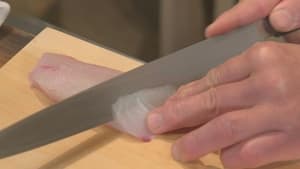
Cooking utensils influence Kyoto cuisine, helping to bring out the inherent flavor of local ingredients. Artisans and chefs believe that upholding the handicrafts sustains the taste of Kyoto.


Cooking utensils influence Kyoto cuisine, helping to bring out the inherent flavor of local ingredients. Artisans and chefs believe that upholding the handicrafts sustains the taste of Kyoto.
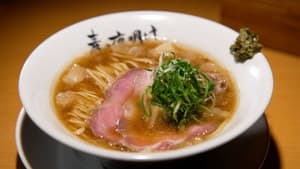
Kyoto is not all traditional cuisine. It has become one of Japan's leading ramen hubs thanks to being a student town. Tastes evolve and flavors change as restaurants strive to satisfy clientele.
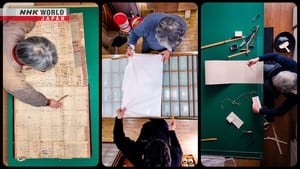
Paintings and calligraphy are often mounted on sliding doors and scrolls. Artisans consider the story behind each piece and the client's wishes to best showcase the artwork.

Traditional carpentry employs wooden joinery in furnishings to fit pieces of wood together without use of metal nails. Artisans breathe new life into the wood, imbuing a Kyoto aesthetic as they work.

Kyoto potters refine their skills in a division of labor. Two painters wield their brushes to create delicate designs in majestic strokes and colors, gaining much attention in the industry and beyond.
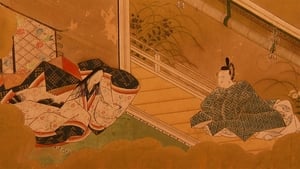
This 11th-century novel is set in the imperial court. As a work of literature and paintings, it captured people's hearts, profoundly influencing the culture of the ancient capital for a millennium.
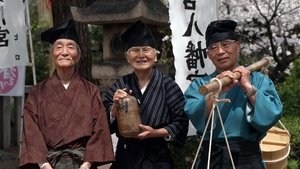
Kyoto dominated the oil market 1,000 years ago. Various oils fueled votive lamps, flavored food, preserved wood, and were used in pomade and cosmetics. Oil still plays a key role in the culture today.
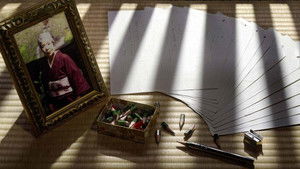
Omura Shige (1918-1999) wrote about daily life and the treasured customs of Kyoto, and introduced the Kyoto style of home cooking, called Obanzai, to people throughout Japan in her writings.
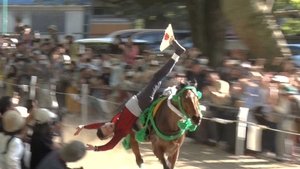
Horses take center stage in the ancient capital's events, such as two May festivals—Aoi Matsuri boasting ornate historical attire and the 1,200-year-old Fujinomori-sai.

For centuries, Kyoto has been the hub of kimono fashion, spawning the weaving and dyeing industries. Today, designers take inspiration from traditional styles and techniques to create everyday attire.
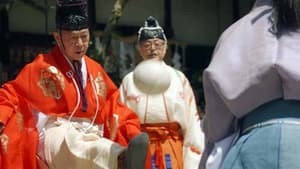
In Kemari, players kick a ball into the air and strive to keep it off the ground. They master the mentality, skill, and conduct of the game, now played as a wish for peace throughout the nation.
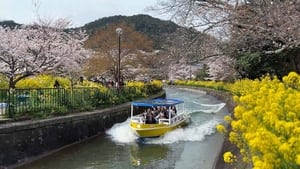
In 1869, the emperor's move to Tokyo led Kyoto's economy and population into decline. A canal was dug as a last resort to revive the city. It still supplies water, generates power and boosts tourism.
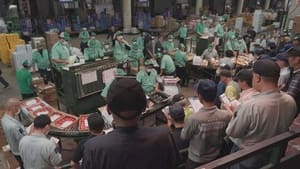
Japan's first central wholesale market, goes beyond mere distribution. With strong ties to local chefs and producers, it plays a major role in training professional connoisseurs.
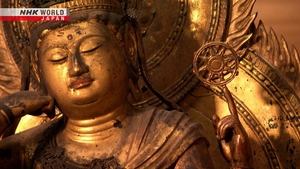
This UNESCO-registered Buddhist temple houses many precious items. Its buildings and statues are National Treasures, but its paper records attract domestic specialists for evaluation and designation.
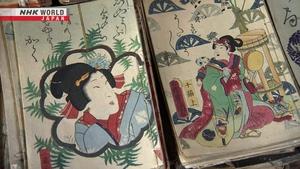
The desire to pass on knowledge spurred the evolution of books made of washi paper. Artisans carry on the trade of binding with thread, repairing damaged books, and creating facsimiles of old books.
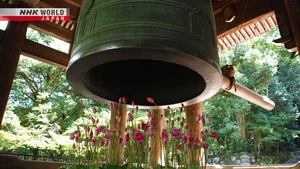
Flora is integral to traditional and modern Kyoto life. Japan's oldest public botanical garden which celebrates its centennial and a medicinal plant garden preserve rare plants for posterity.
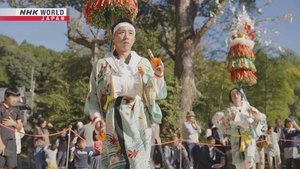
The Tayama Hana Odori is held to pray for rain in Minamiyamashiro, a major Uji tea producer. The village is facing depopulation, and this festival brings long-time locals and newcomers together.