Stephen King's The Shining is considered one of the greatest masterpieces of written horror literature. However, a few works in the horror genre offer a more impressive and profound experience compared to this famous novel. While defining what is "better" in literature is always subjective, it can be argued that the books in question are more successful than The Shining in evoking feelings of fear and anxiety in readers.
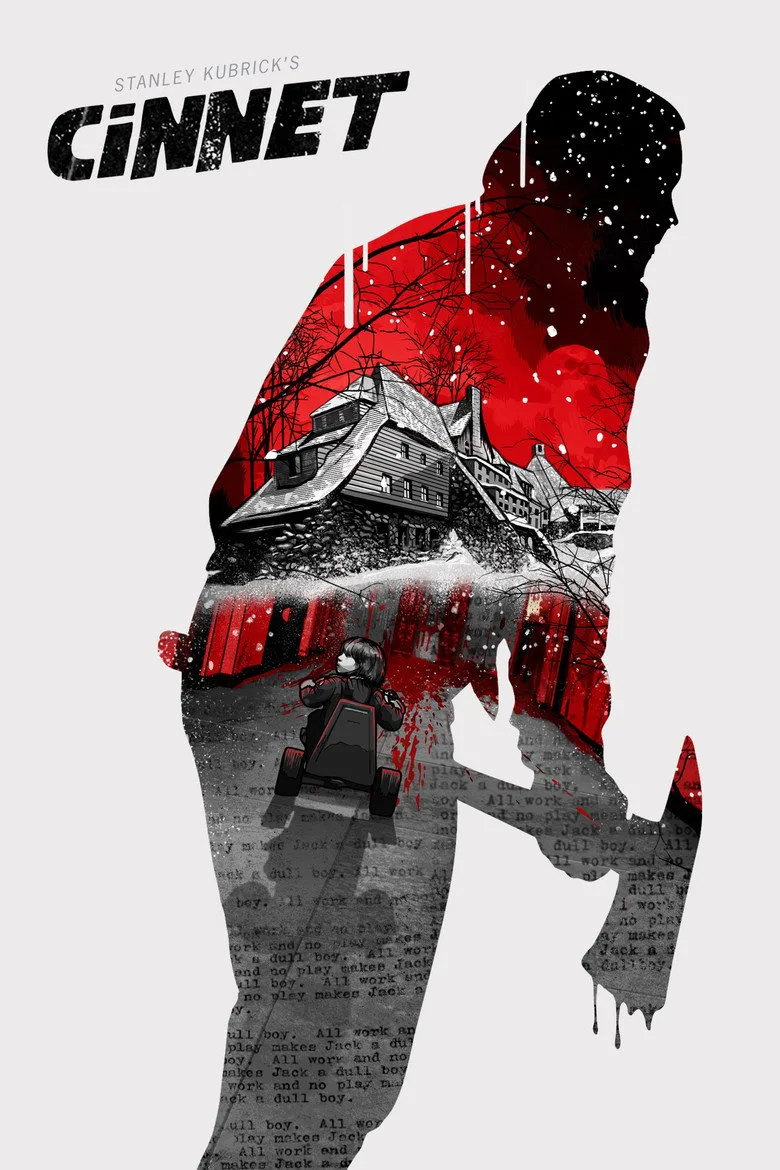
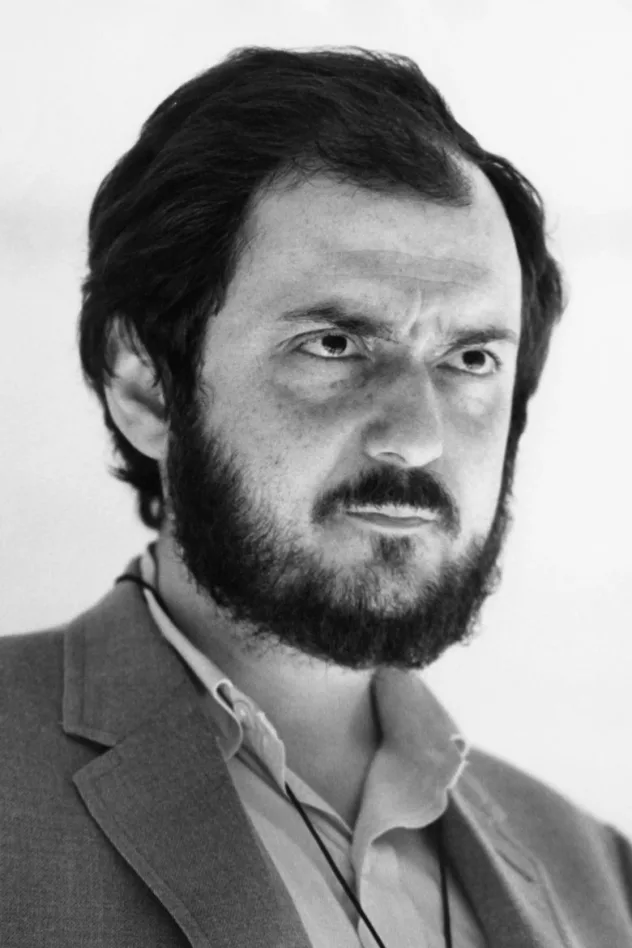
The Shining has been among the best works of the horror genre long before Stanley Kubrick's famous film adaptation. However, Kubrick's cinematic masterpiece has reinforced the cultural legacy of the book, and this legacy has only grown stronger over time. Even Stephen King himself has made various criticisms about Kubrick's film. Nevertheless, while the film's cultural impact has positioned The Shining as one of the greatest horror stories in history, there are many other successful works in horror literature.
John Langan's The Fisherman is not as popular as Stephen King's The Shining and has yet to be adapted into any film or series. However, this work has a more appealing advantage over the King novel due to its ability to elevate its human story to a cosmic scale. While The Shining tells a limited story about a father's descent into madness by playing with existing horror tropes, The Fisherman, starting with a man's grief after his wife's death, gradually reaches a Lovecraftian, horrifying scale. Langan's work offers more surreal imagery and cosmic horror than The Shining by transforming a deep meditation on sorrow into something ancient and unknown.
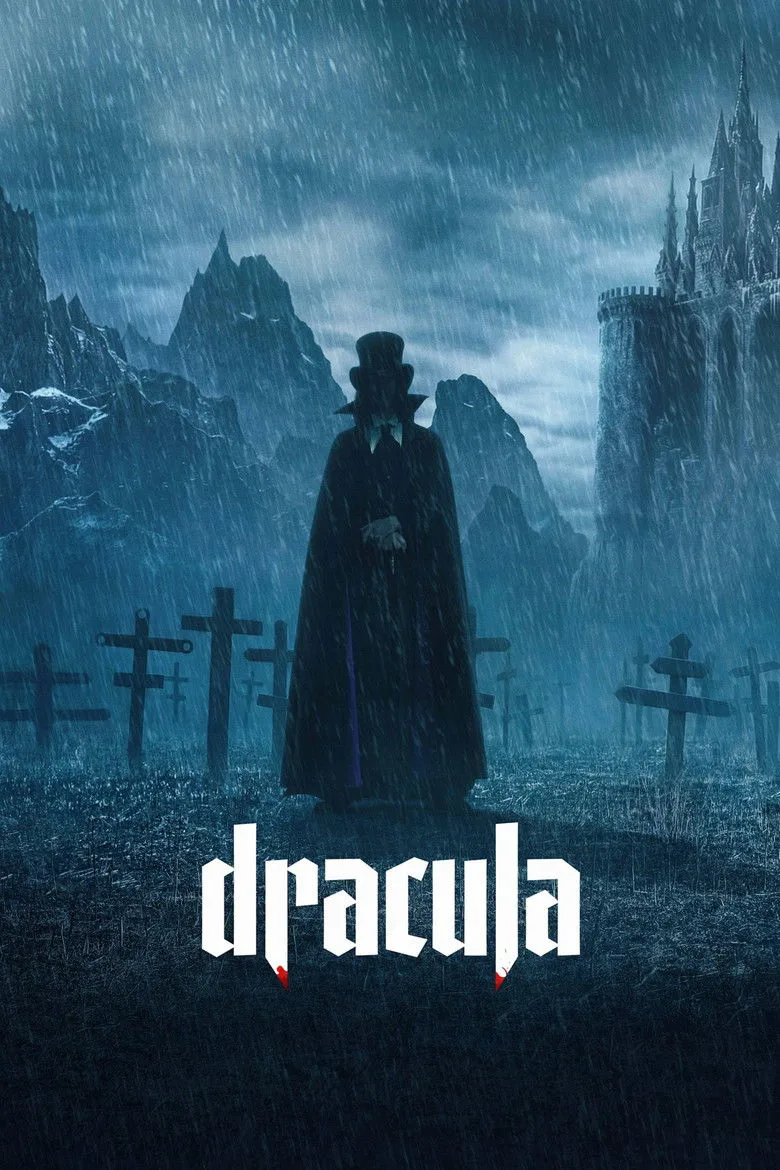
Both Dracula and The Shining can be considered foundational texts of their respective horror genres. The Shining is one of the most effective examples of "haunted house" narratives, while Bram Stoker's Dracula has nearly defined modern vampire mythology and laid the groundwork for countless gothic horror stories. What sets Dracula apart from many classic horror tales is its incredibly engaging letter format. The book presents its story through a series of diaries, letters, telegrams, and ship logs, providing a documentary-like realism. Additionally, by avoiding giving readers the protagonist's direct perspective, it makes him perceived as a sinister threat rather than a character.
Ray Bradbury's Something Wicked This Way Comes, with its poetic writing style that combines nostalgia and terror, elevates the book above most classic works in the horror genre. Due to the philosophical depth of the book and Bradbury's simplest definitions transforming into horrifying thoughts on youth, aging, and desire, this work does not offer as light and quick a read as The Shining. However, this complexity elevates Bradbury's work to a distinct and superior position compared to less developed horror narratives.
 Ariana Grande's Next Movie Is Already Getting Hate, But Its 26-Year Legacy Makes It A Must-Watch
 5 Anime Tournament Arcs That Are Considered Masterpieces
 Disney Lorcana: Hyperia City - Release Date, Confirmed Cards, & Illumineer’s Trove Details
 Disney's Upcoming Fantasy Remake Has A Big Problem After 32% RT Disappointment
 How HBO's New Harry Potter Series Took 7 Hours To Film Quidditch Game
 Christopher Nolan’s New Epic Demolishes Box-Office Expectations in Majestic Debut
 'Game of Thrones' Best Character Deserved a Better Ending
 Peacock's 4-Hour Revenge Thriller Is the Perfect Weekend Binge
 Anya Taylor-Joy’s Sci-Fi Hit Refuses to Leave Apple TV's Top 10
 'The End of Oak Street's Director Made a Cult Detective Movie You've Probably Never Seen