Peacock's 4-Hour Revenge Thriller Is the Perfect Weekend Binge
Collider
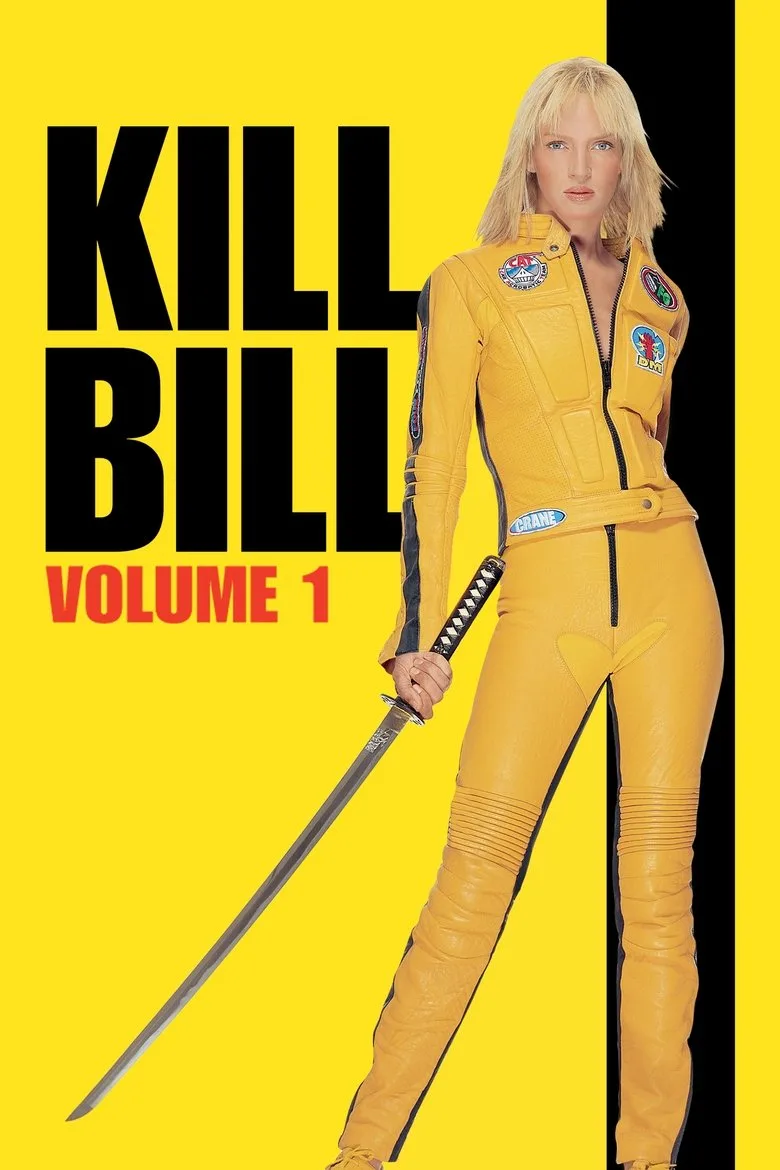
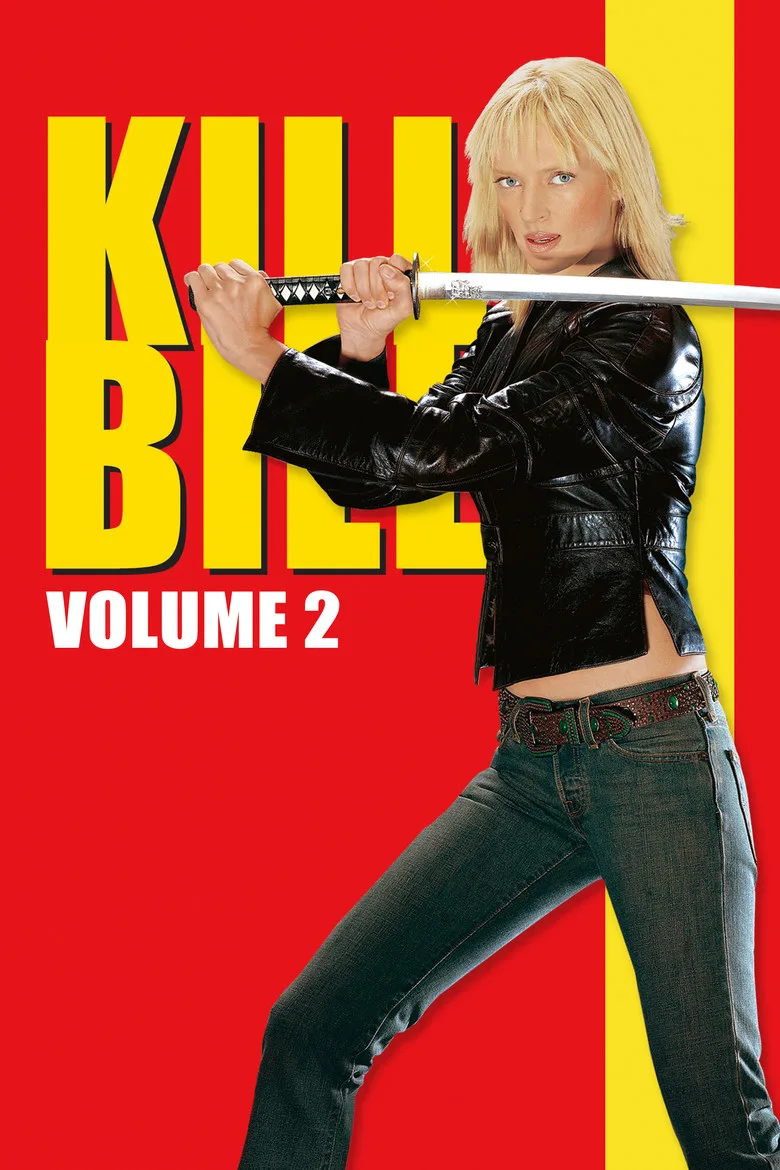
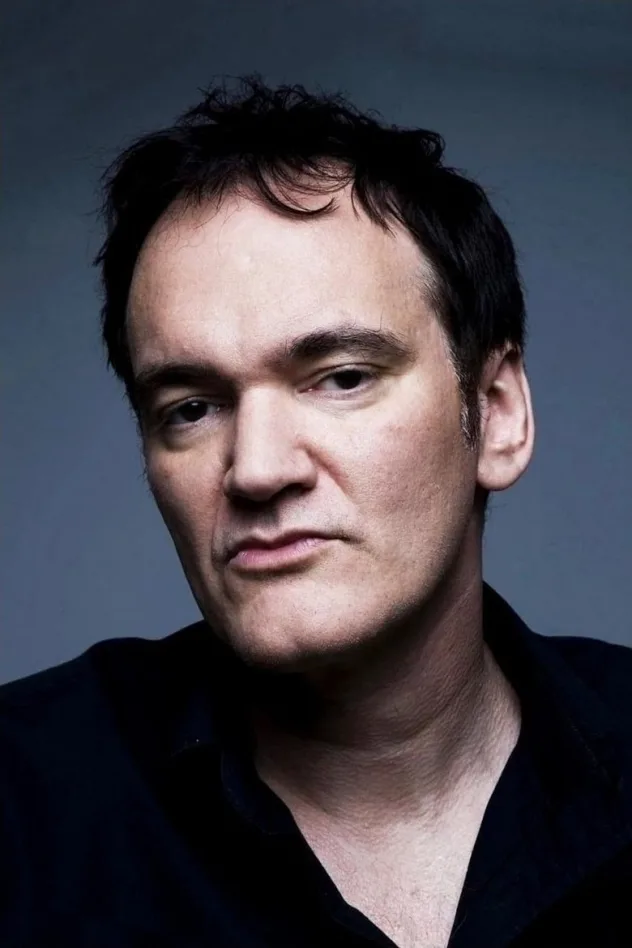
That Quentin Tarantino guy sure has made some great movies, albeit not many recently, since Once Upon a Time in Hollywood came out in 2019, and at the time of writing, that’s his most recent effort. He has maintained an intention to direct 10 movies and then move on from directing, so there’s probably just all this pressure to do something special for film #10. If you wanted to be devious, you could say Kill Bill: Vol. 1 and Kill Bill: Vol. 2 are his fourth and fifth movies, respectively, which would've made Once Upon a Time in Hollywood film #10. But Kill Bill was made as one massive movie that got divided into two, with one volume coming out in 2003, and the second volume coming out in 2004.
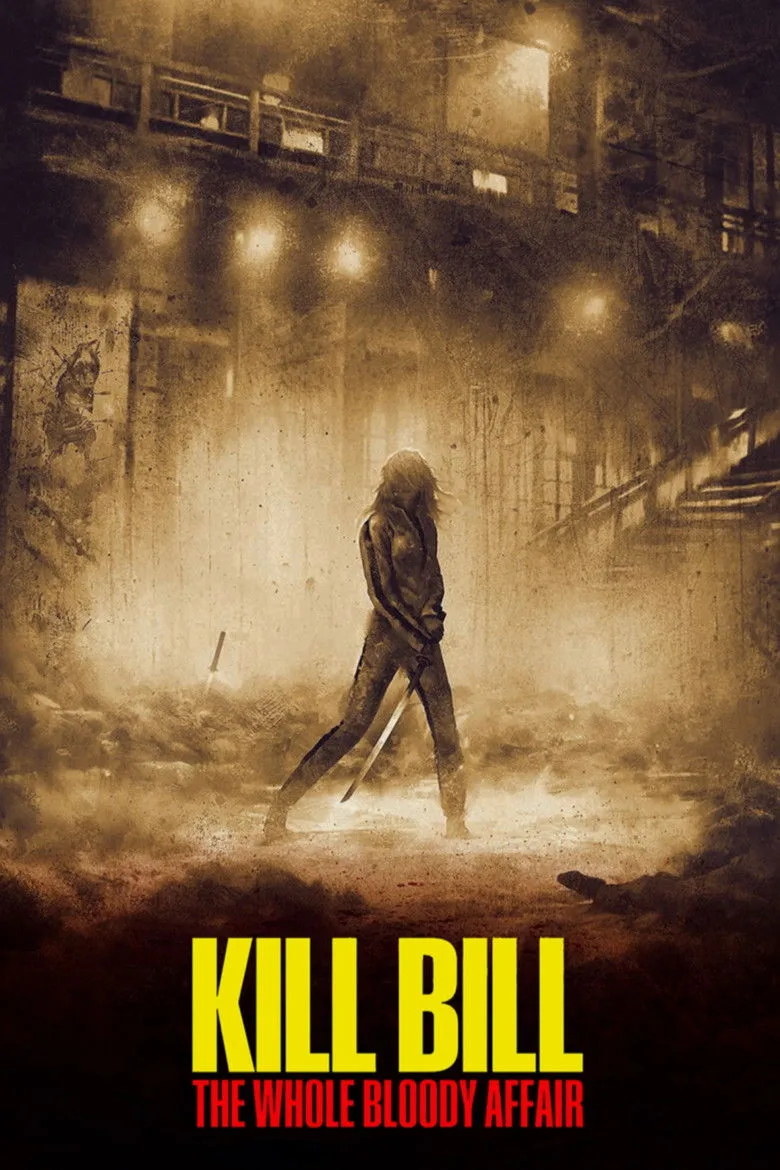
Kill Bill: The Whole Bloody Affair had been screened in 2004, at Cannes, and then there had been very limited screenings at Tarantino’s own New Beverly Cinema for little one-off events, but 2025 was the first time most people got to see the film as a single experience. So, with The Whole Bloody Affair widely available, it’s now accessible as the fourth Quentin Tarantino movie, and so it’s harder to argue he already did his 10th, with Once Upon a Time in Hollywood. After the theatrical run, Peacock is now the best place to watch and experience Kill Bill: The Whole Bloody Affair, and fully appreciate it as one of the absolute greatest revenge thrillers of all time.
Discussing Kill Bill, the easiest part is always breaking down what it’s about. Revenge. That’s it. Okay, not completely “that’s it,” but that is the main premise, that is what the main character is after almost the whole time, and that is what drives the whole movie. There are parts in the second half of Kill Bill: The Whole Bloody Affair (or parts of Vol. 2) that complicate the whole quest for revenge, to some extent, or make certain kills harder to carry out for The Bride (Uma Thurman) than others, but it is still an A to B sort of thing, ending with Bill (David Carradine) ideally killed. So The Bride hopes.
She escaped her life as an assassin before the events of the main story, and then, when Bill and the other members of the Deadly Viper Assassination Squad find out where she ran off to, they track her down and try to kill her. They also wipe out people she’d met, and did it all during a wedding rehearsal… hence her being known, for much of the film, as “The Bride.” She doesn’t die, and then, years on from almost dying, tracks all the Deadly Viper Assassination Squad members down, one by one, making them pay. It’s a simple story, but Tarantino definitely has a lot of fun with how it’s carried out and executed, in terms of style and genre(s).
Revenge, as a theme, has driven all sorts of movies, and you see it quite a lot in films that have quite a bit of action and/or life-or-death stakes. So, there are lots of martial arts movies about revenge, plenty of revenge-themed samurai films, and then vengeance and justice are themes that are intrinsic to a good many Westerns. Looking at it that way, within cinema history, it makes sense why Kill Bill: The Whole Bloody Affair pays homage to a variety of films from various genres. Martial arts is something it leans into throughout, while the first half of the epic is also indebted to samurai and yakuza films, and then there is more of a spaghetti Western feel to much of the second half.
If you like the sorts of movies Tarantino likes, you'll probably be in some kind of cinematic heaven here.
Quentin Tarantino has never been shy about celebrating and paying tribute to movies he really loves, and you see him doing so in a more heightened way than ever in Kill Bill: The Whole Bloody Affair. If you like the sorts of movies Tarantino likes, you'll probably be in some kind of cinematic heaven here. You can watch Kill Bill: The Whole Bloody Affair, then keep digesting other older movies, all before coming back to Kill Bill: The Whole Bloody Affair, maybe a few years later, and you'll be able to notice more of those references, and better piece together its DNA. The love for genre – and sometimes B-grade – cinema here is undeniable, and for Tarantino to do it with A-grade technical qualities, acting, cinematography, and writing is a real treat.
There might not be a ton new in Kill Bill: The Whole Bloody Affair, if you’ve seen and enjoyed Vol. 1 and Vol. 2 before. If anything, you might find there’s a bit less. The ending of Vol. 1 is altered so that it doesn’t have a cliffhanger, which makes a certain scene in Vol. 2 technically more of a reveal. There’s a recap at the start of Vol. 2 that’s also gone from The Whole Bloody Affair. Some violent sequences that were in Vol. 1 are bloodier and more intense in The Whole Bloody Affair, and you get a brief intermission between the two halves, rather than an end credits sequence for Vol. 1.
It would probably be easiest to recommend this complete version to someone who’s never seen either Kill Bill before. But if you have seen those movies before, and want to see one done the way Tarantino preferred, you can treat The Whole Bloody Affair like a director’s cut. You're not going to have an entirely new experience, but you'll probably find it interesting. And, either way, the events of Kill Bill – be they divided into two volumes or made into one whole bloody affair – are great, and endlessly cinematic. It’s easy to binge this approximately four-hour-long epic, and it really does remain one of the very best things Quentin Tarantino has ever directed.

 Naruto Meets My Hero Academia In A Stunning Action Series Everyone Should Read
 After 9 Years, Hulk Has Lost His Place As The MCU’s Strongest Avenger
 PlayStation Plus Members Get Massive Open-World RPG For Free In 48 Hours
 Jennifer Finch Dies: L7 Bassist Who Battled Brain Cancer Was 59
 Jim Gilstrap, Singer on ‘Good Times’ Theme and Stevie Wonder’s “You Are the Sunshine of My Life,” Dies at 70
 'The Vampire Lestat's Eric Bogosian and Assad Zaman Pitch a Devil's Minion Spin-Off After the Game-Changing Finale
 Sam Reid Confirms the End of an Era for 'The Vampire Lestat': "That Chapter Is Closing"
 'House of the Dragon' Goes Full-On Horror With a Murder Mystery Twist | Review
 ‘House of the Dragon’ Star Fabien Frankel on Criston Cole’s Suicide Mission and His ‘Nihilism’: ‘He’s Losing the Will to Motivate’
 10 Greatest Miniseries Masterpieces of the 21st Century, Ranked