Netflix’s Brutal 3-Season Jason Momoa Series Is Officially More Timely Than Ever
Collider
Amanda M. Castro is a Network TV writer at Collider and a New York–based journalist whose work has appeared in Newsweek, where she is an Associate Editor, and The U.S. Sun, where she previously served as a Senior Consumer Reporter.
She specializes in network television coverage, delivering sharp, thoughtful analysis of long-running procedural hits and ambitious new dramas across broadcast TV. At Collider, Amanda explores character arcs, storytelling trends, and the cultural impact of network series that keep audiences tuning in week after week.
Born and raised in Puerto Rico, Amanda is bilingual and holds a degree in Communication, Film, and Media Studies from the University of New Haven.
The closure of Hudson’s Bay in Canada at the beginning of 2025 signified much more than the end of one of the country's last major department store chains. It also meant that the retail institution had existed for 355 years and had lived through many challenging times throughout its long history. Despite the popularity of the Hudson’s Bay striped blankets and symbols, the company has become part of the past. Hudson’s Bay ceased being relevant as long ago as 2025.
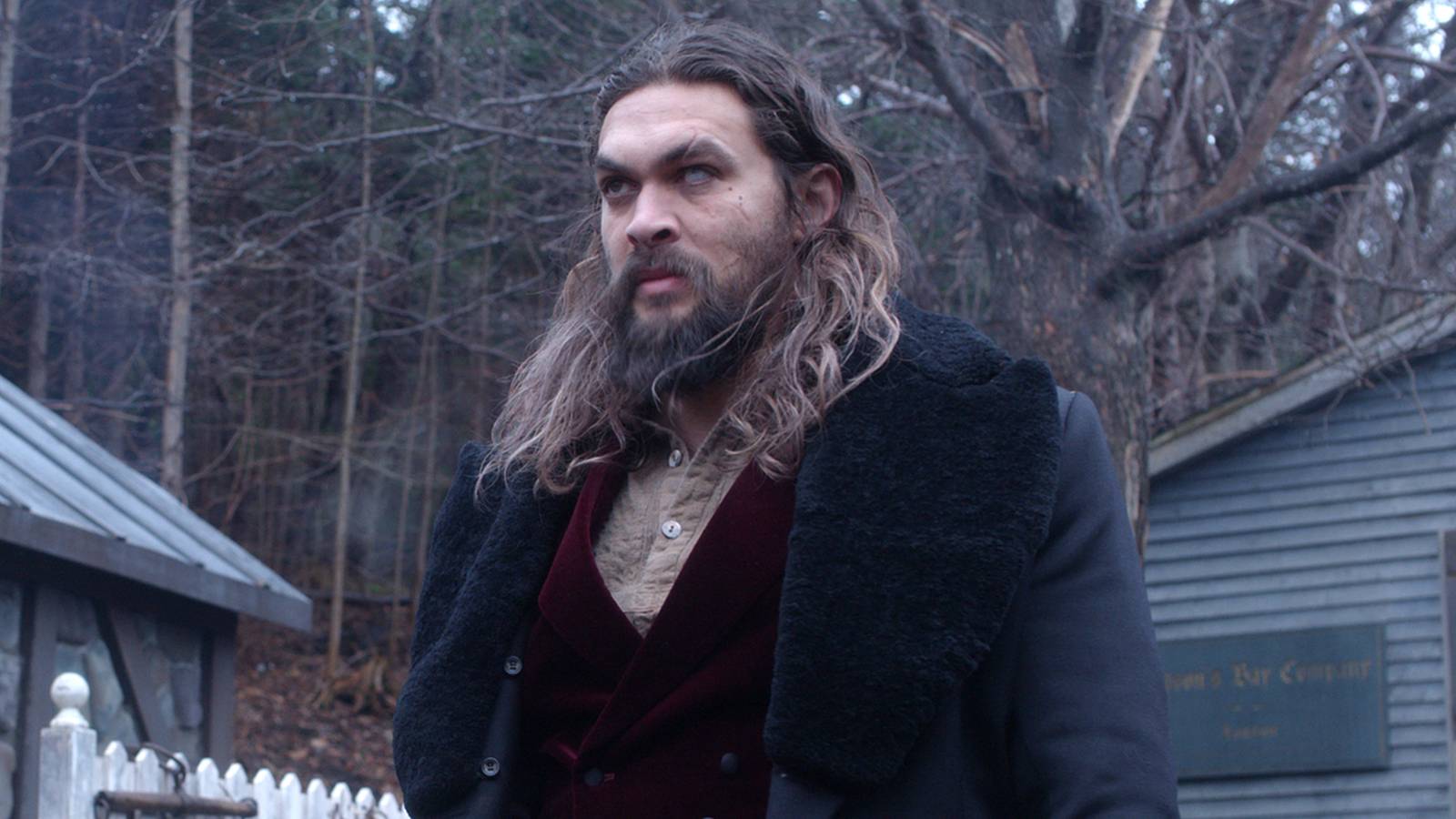
Now, the story of Hudson’s Bay has become relevant again due to its representation in the Netflix series Frontier, which is more than just a story of bloodshed and wilderness. You will have the opportunity to learn more about the establishment of the Hudson’s Bay Company and the troubles it faced for a long time before the chain became popular, thus becoming the story of how one of the oldest companies in the USA started.
Long before Canadians associated Hudson’s Bay with cosmetics counters, holiday window displays, and striped blankets, it was one of the most powerful commercial enterprises in North America. Founded in 1670, the Hudson’s Bay Company controlled enormous swaths of land and dominated the fur trade, wielding economic influence that often blurred the line between business and government.
Set during the late 18th century, the three-season series follows Declan Harp (Jason Momoa), a half-Irish, half-Cree outlaw determined to dismantle the company’s grip on the lucrative fur trade. Standing in his way is the ruthless Lord Benton, whose brutal tactics represent a corporation willing to use violence and intimidation to protect its monopoly.
Rather than treating the Hudson’s Bay Company as little more than historical background, Frontier makes it the driving force behind nearly every conflict. Alliances shift, fortunes change, and entire communities are caught between rival traders competing for control of what was once one of the world’s most valuable commodities.
We can easily forget that Frontier was released during a period when television became fascinated with heroes who are not so virtuous – just like shows such as Game of Thrones and Vikings, which made it hard for many other good shows to succeed. Momoa portrays one of his most captivating television roles as Declan Harp – a character who seeks revenge while also wanting to be free from a society that takes advantage of others. Harp is not a conventional hero, and it is very rare for Frontier to classify its characters as good or bad. Practically every character has the same goal in life — the pursuit of power, wealth, or even survival — which complicates interpersonal relationships among the main characters.
The show also benefits from embracing perspectives often sidelined in period dramas. Indigenous characters, in addition to supporting players orbiting European conflicts, are central to the story, with Cree communities and cultures woven into the show’s broader examination of colonial expansion. Rather than reducing history to a straightforward battle between heroes and villains, Frontier presents competing interests, fractured loyalties, and the human cost of empire. Combined with sweeping Canadian landscapes, convincing production design, and plenty of brutal action, the result is a historical drama that feels more ambitious than its relatively modest reputation suggests.
 Andy Serkis Directs ‘The Hunt For Gollum’ In Character: See The Set Footage
 ‘In the City’ Finale Recap: Kyle and Amanda’s Emotional Split, Three Pregnancy Announcements and More
 Mayu Matsuoka, Riisa Naka’s Netflix Cosmetic Surgery Drama ‘Plastic Beauty’ Sets September Premiere, Adds 23 Cast Members
 'House of the Dragon's James Norton Confirms What Makes Ormund Hightower Such a Dangerous Villain
 Christopher Nolan Crammed Inside Trojan Horse With 20 Actors to Shoot Pivotal ‘Odyssey’ Scene
 Colin Farrell's Most Shocking Thriller Has Officially Arrived on HBO Max
 Nordstrom Anniversary Sale 2026: The Top 20 Deals on Hollywood’s Most-Loved Labels
 You're Officially Running Out of Time to Watch the 2010s' Greatest Sci-Fi Movie
 Anya Taylor-Joy's Apple TV Crime Thriller Struggles To Strike the Right Balance | Review
 Anya Taylor-Joy Is a Con Artist on the Run in Apple TV’s High-Voltage Thriller ‘Lucky’: TV Review