Anya Taylor-Joy's Apple TV Crime Thriller Struggles To Strike the Right Balance | Review
Collider
Hollywood has had relatively few heist and con man stories within the last few decades. Despite hits like the Ocean's movies, the Now You See Me franchise, and shows like Lupin and Money Heist, it's a largely untapped subgenre that has largely gone unexplored. Enter Lucky, Apple TV's latest crime thriller series that takes that tried-and-true formula and puts Anya Taylor-Joy's titular character at the center. Based on the bestselling book of the same name by Marissa Stapley, the TV series is developed by Jonathan Tropper (Warrior, Your Friends & Neighbors), who serves as showrunner alongside Cassie Pappas (Silo, Griselda). Following Lucky after a heist has gone wrong, the series slowly unfolds, introducing us to the figures who molded her life and forcing her to face the ugly truth of the criminal lifestyle she's been raised in.
While Stapley's novel tells the story of a grifter named Lucky who wins the lottery and must grapple with whether to turn in her winning ticket — which would result in her arrest — the series takes a different route from the book. Instead, in the Apple TV adaptation, Taylor-Joy's Lucky Armstrong wakes up after a wild night in Las Vegas with her husband, Cary (Drew Starkey), to find that he's run off with their stolen money and left her to deal with the consequences. Lucky is quick on her feet, clever, and has been living the life of a con woman for a long time. Her father, John Armstrong (Timothy Olyphant), raised her on his own, using her as part of his cons, and taught her the craft when she was a child.
Your answers have pointed to one action hero above all others. This is the person built to have your back — for better or considerably, spectacularly worse.
Your partner doesn't talk much, doesn't need to, and will have assessed every threat in your immediate environment before you've finished your first sentence. John Rambo is not a man of plans or politics — he is a force of nature shaped by survival, loyalty, and a capacity for endurance that goes beyond anything training can produce. He will not leave you behind. He has never left anyone behind who deserved to come home. What you get with Rambo is the most capable, most quietly ferocious partner imaginable — one who has been through things that would have broken anyone else, and who chose to keep going anyway. You'll never need to ask if he has your back. You'll just know.
Your partner will arrive perfectly dressed, perfectly briefed, and with a cover story so convincing it'll take you a moment to remember what's actually true. James Bond is the most professionally dangerous person in any room he enters — and the most disarmingly charming, which is the point. He operates in a world of layers, where nothing is what it appears and every advantage is used without apology. You'll never be bored. You'll occasionally be furious. But when it matters — when the mission is genuinely on the line and the margin for error has collapsed to nothing — Bond is exactly the partner you want. He has survived things that have no business being survivable. He does it with style. That is not nothing.
Your partner will know the history, the language, the cultural context, and exactly why the thing everyone else is ignoring is actually the most important thing in the room. Indiana Jones is brilliant, reckless, and occasionally impossible — but he is also one of the most resourceful, most genuinely knowledgeable partners you could find yourself beside. He approaches every situation with a scholar's eye and a brawler's instinct, which is an unusual combination and a remarkably effective one. He hates snakes and gets personally attached to objects of historical significance, both of which will slow you down at least once. It doesn't matter. What Indy brings is irreplaceable — and the adventures you'll have together will be the kind people write books about. Assuming you survive them.
Your partner was not supposed to be here. He does not have the right equipment, the right information, or anything approaching the right odds. He has a sarcastic remark and an absolute refusal to accept that the situation is as bad as it looks. John McClane is the greatest accidental hero in the history of action cinema — a man whose superpower is stubbornness, whose contingency plan is improvisation, and whose capacity to absorb punishment and keep moving would be alarming if it weren't so useful. He will complain the entire time. He will make it significantly more chaotic than it needed to be. And he will absolutely, unconditionally, without question come through when it counts. Yippee-ki-yay.
Your partner has already run seventeen scenarios by the time you've finished reading the briefing, and the plan he's settled on involves at least two things that should be physically impossible. Ethan Hunt operates at the absolute edge of human capability — technically, physically, and intellectually — and he brings the same relentless precision to protecting his partners that he brings to dismantling organisations that shouldn't exist. He is not easy to know and he will never fully tell you everything. But he will carry the weight of the mission so completely, so absolutely, that your job is simply to trust him — and the remarkable thing is that trusting him always turns out to be the right call. The mission will be impossible. He will complete it anyway.
When Lucky wakes up to Cary's betrayal, she is left utterly alone and must fend for herself as both the FBI and a dangerous gangster close in on her position. John, who's currently in prison, is unable to help her, and she is forced to survive on her own. Hot on her heels is Aunjanue Ellis-Taylor's Billie Rand, a dogged FBI agent who has a history with Lucky and her associates. But worse than the feds is Annette Bening's Priscilla Matheson, the mob boss who is after her money and also happens to be her mother-in-law. Priscilla is accompanied by a deadly henchman named Dutch (Clifton Collins Jr.) and must also answer to the cold-hearted and cunning crime boss Whittaker (William Fichtner). Tropper and Pappas slowly unveil the complicated strands of connection between these characters, who are all tied to each other in one way or another, and the show builds a complex house of cards that's ready to collapse at any moment.
While Taylor-Joy stands as the protagonist of the series, the actual highlight of the show is undoubtedly Ellis-Taylor. Rand is very much the classic, hard-boiled FBI agent, someone with a personal tie to the case and who will stop at nothing to catch the perpetrators involved. Even when Rand's boss, Kershaw (Eric Lange), tries to get her to pull back, she can't help chasing down every lead. Whether she's injured or reaching dead ends, she's the perfect foil to Taylor-Joy's Lucky as well as Bening's Priscilla. Ellis-Taylor is tough as Rand, but in the moments when her character is allowed some complexity and her walls come down, her performance really shines through.

 Andy Serkis Directs ‘The Hunt For Gollum’ In Character: See The Set Footage
 ‘In the City’ Finale Recap: Kyle and Amanda’s Emotional Split, Three Pregnancy Announcements and More
 Mayu Matsuoka, Riisa Naka’s Netflix Cosmetic Surgery Drama ‘Plastic Beauty’ Sets September Premiere, Adds 23 Cast Members
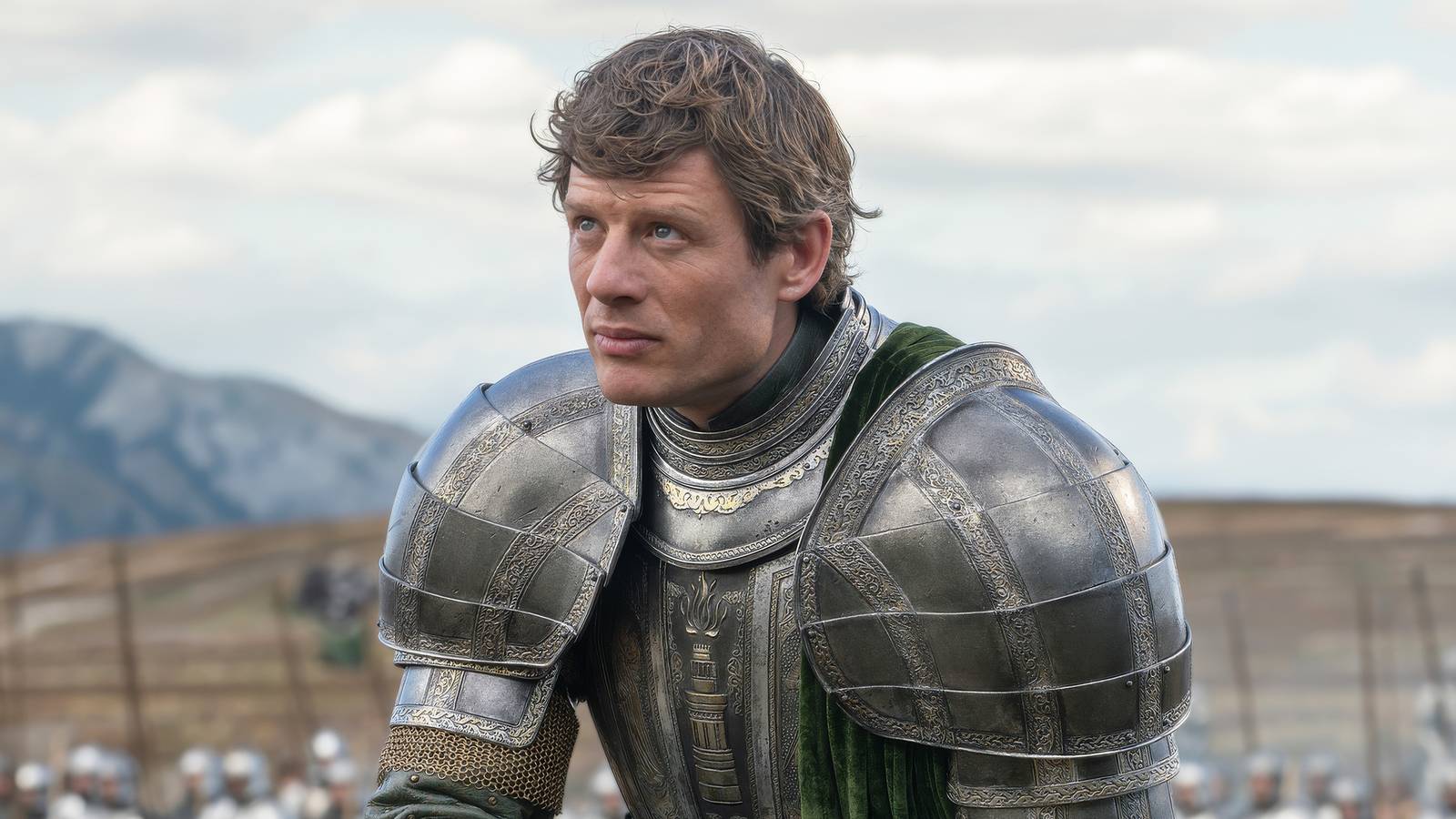 'House of the Dragon's James Norton Confirms What Makes Ormund Hightower Such a Dangerous Villain
 Christopher Nolan Crammed Inside Trojan Horse With 20 Actors to Shoot Pivotal ‘Odyssey’ Scene
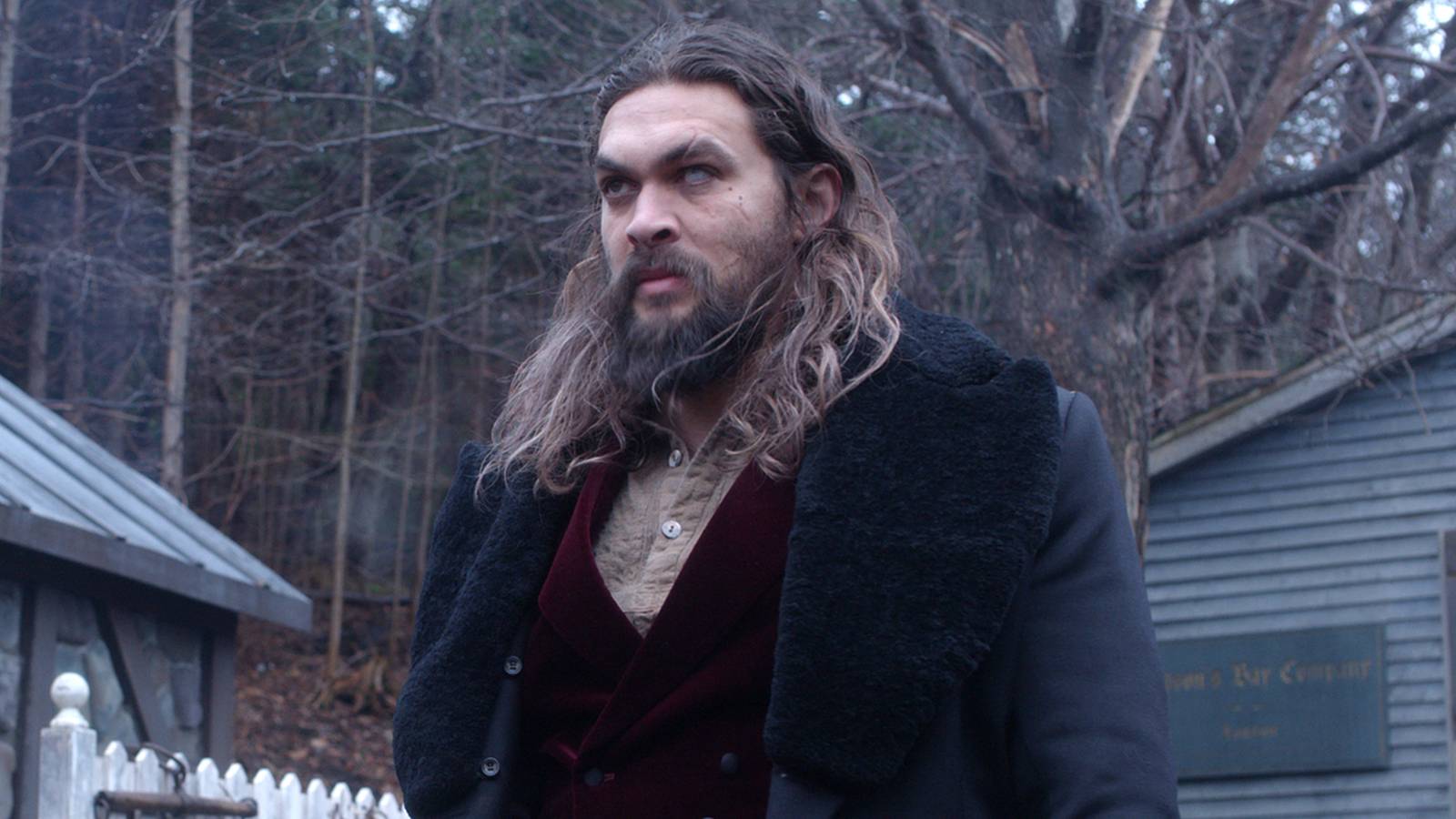 Netflix’s Brutal 3-Season Jason Momoa Series Is Officially More Timely Than Ever
 Colin Farrell's Most Shocking Thriller Has Officially Arrived on HBO Max
 Nordstrom Anniversary Sale 2026: The Top 20 Deals on Hollywood’s Most-Loved Labels
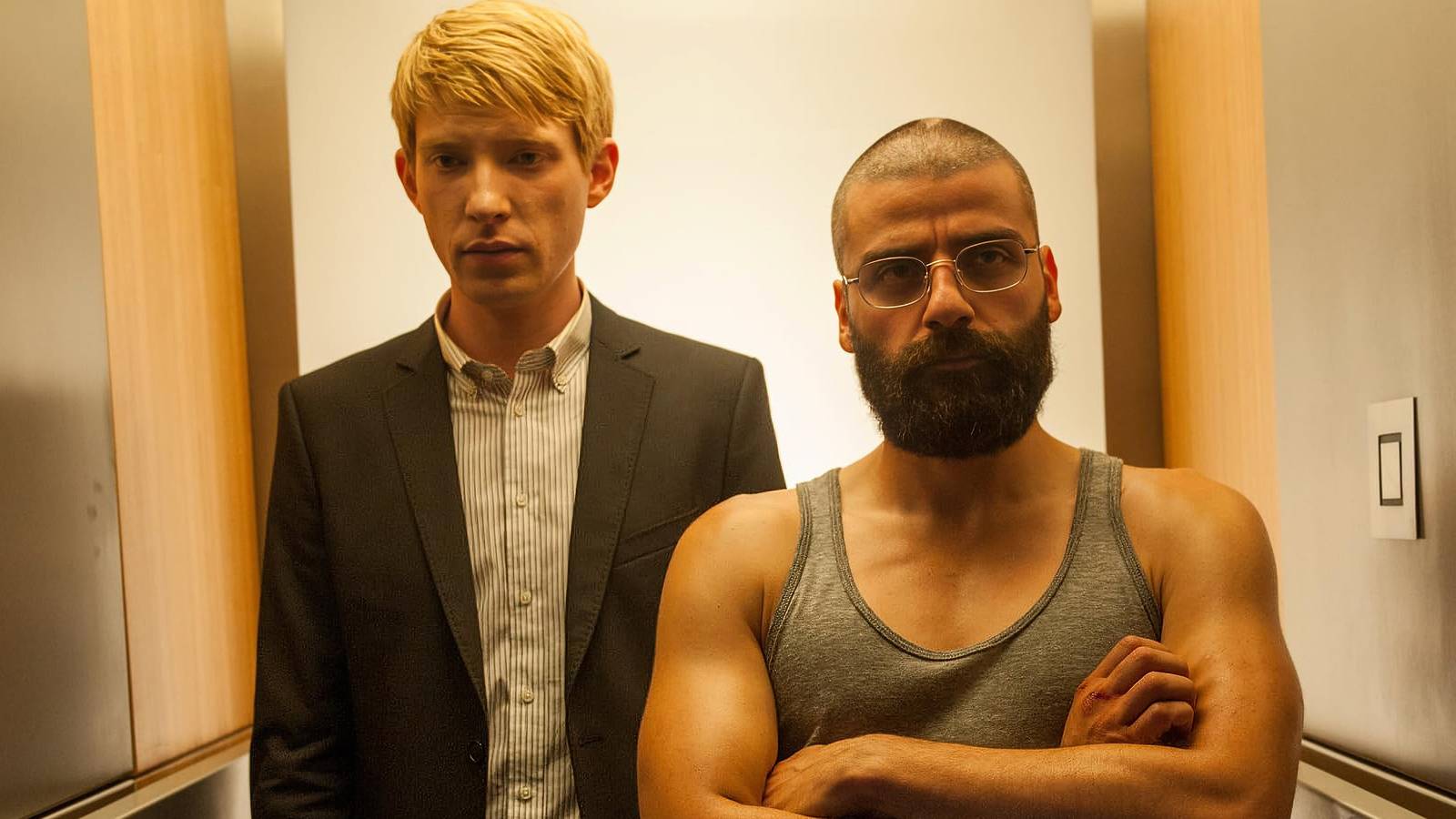 You're Officially Running Out of Time to Watch the 2010s' Greatest Sci-Fi Movie
 Anya Taylor-Joy Is a Con Artist on the Run in Apple TV’s High-Voltage Thriller ‘Lucky’: TV Review