Netflix's Drop in Viewership: What Are the Reasons?
Collider
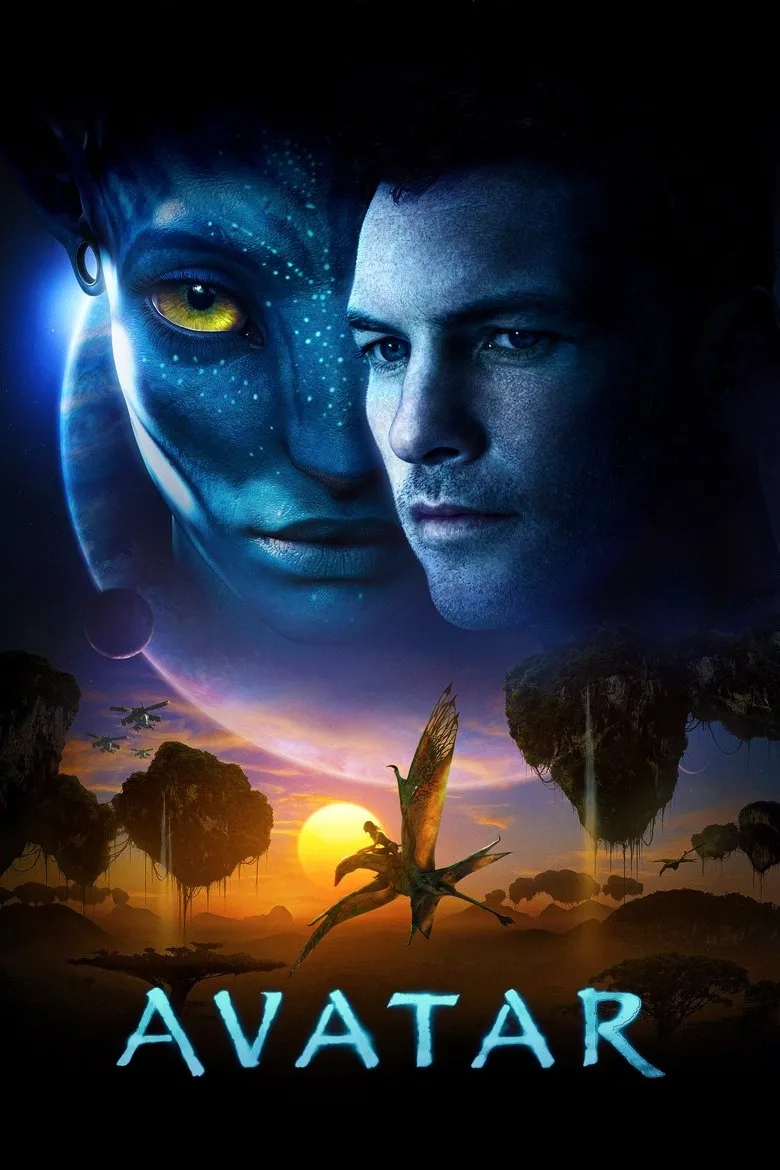
A new report from Bloomberg shows a significant difference in viewership between the first and second seasons of Netflix's original productions. While the second season of One Piece lost 30% of its audience, Beef experienced a surprising 70% drop. One of the biggest signs that Netflix's former popularity is fading is the 60% decline in viewership for Avatar: The Last Airbender just one week after its release. It's noted that the issue isn't related to quality, as many of these series received higher ratings in their second seasons compared to their first. So, what is the cause of these significant viewer losses?
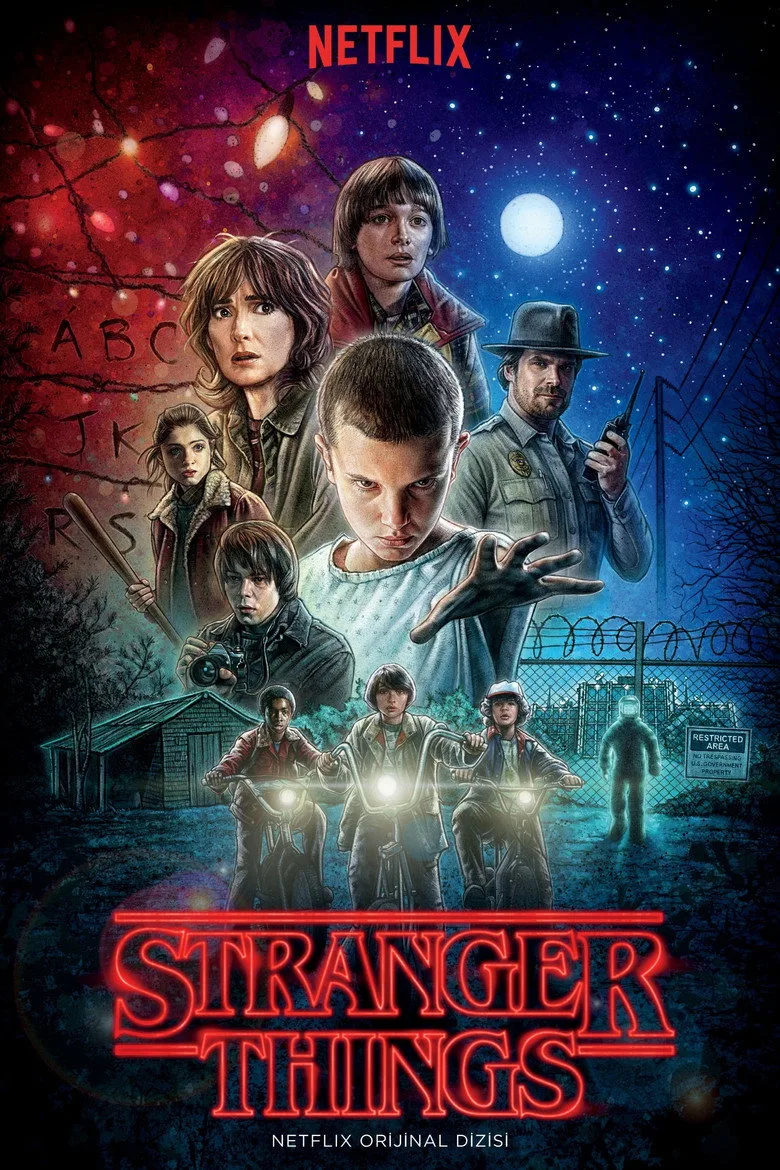
The gap between seasons is causing viewers' perceptions of certain shows to change, and this isn't always for the better. Stranger Things serves as a good example of this; as the gap between seasons widened, this once-beloved series had to be reevaluated. Many viewers believe that Stranger Things might have been better as a miniseries, while others argue that the show's commitment to 80s pop culture has stalled current pop culture. Additionally, there are concerns that the episodes becoming feature-length haven't contributed much to the story, leading to mixed reactions to the series finale, "The Upside Down." This situation was a harbinger of what is to come for Netflix.
In conclusion, the reasons for viewer losses include long gaps between seasons and changes in audience expectations. For Netflix to overcome this situation, it needs to develop strategies to regain the interest of its audience.
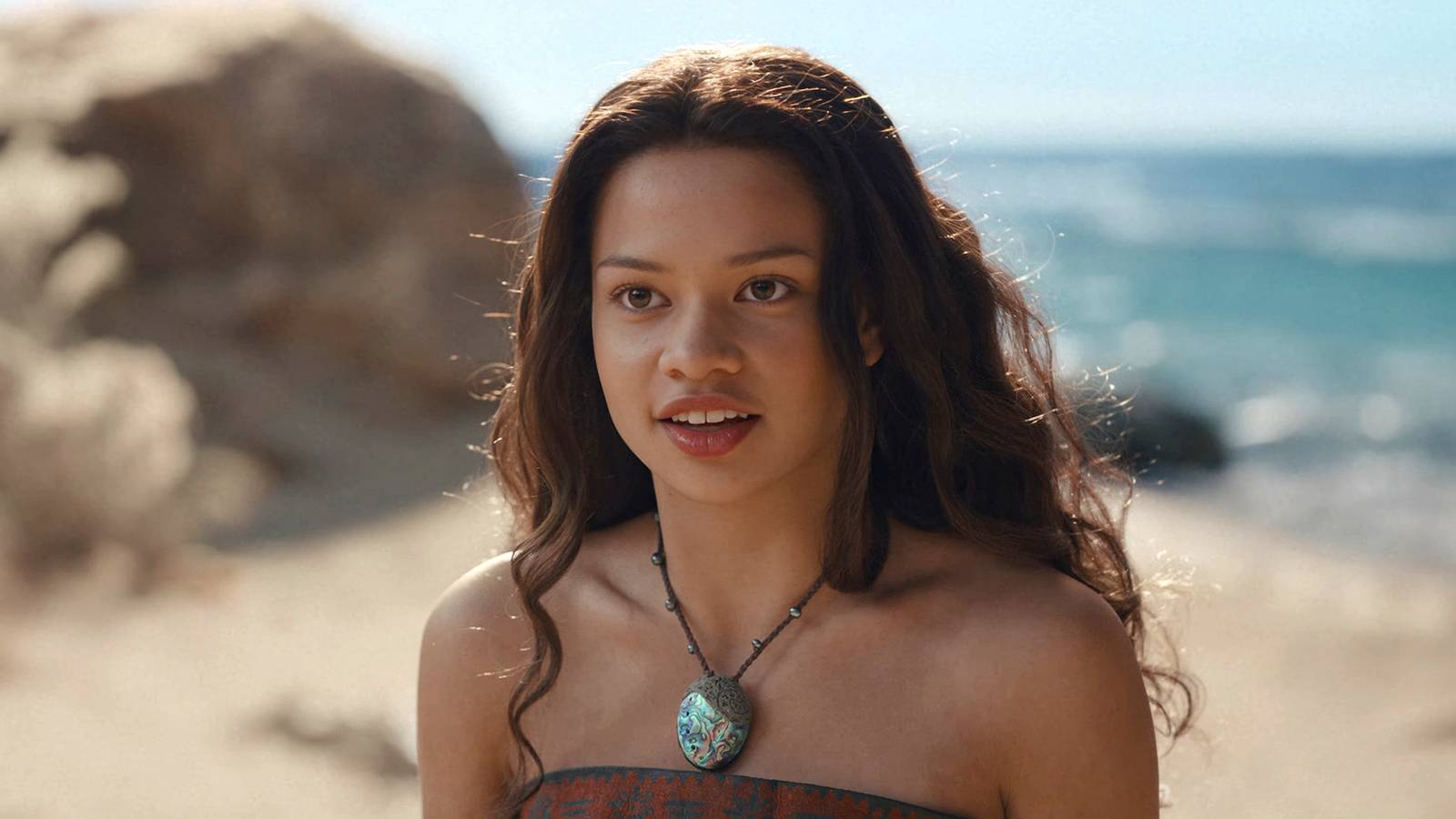 Moana's Live Action Adaptation Fails to Meet Expectations
 Filming for Season 3 of Fallout Has Begun
 Moana's Live Action Adaptation Criticized
 A New Exhibition Dedicated to Horror Cinema is Opening
 Andrij Parekh to Direct Netflix's 'The Retrievals' Series
 Katie Couric Experienced Stroke Fears Before Temporary Amnesia Diagnosis
 Soulm8te Released for Home Viewing After M3GAN 2.0's Failure
 Gaten Matarazzo to Star in West End's 'Rent' Revival
 Jason Brenek Becomes the New CEO of Fathom Entertainment
 5 Video Games Perfect for Anime Adaptation