Netflix's 6-Episode Crime Thriller Alias Grace is Still One of the Best
Collider
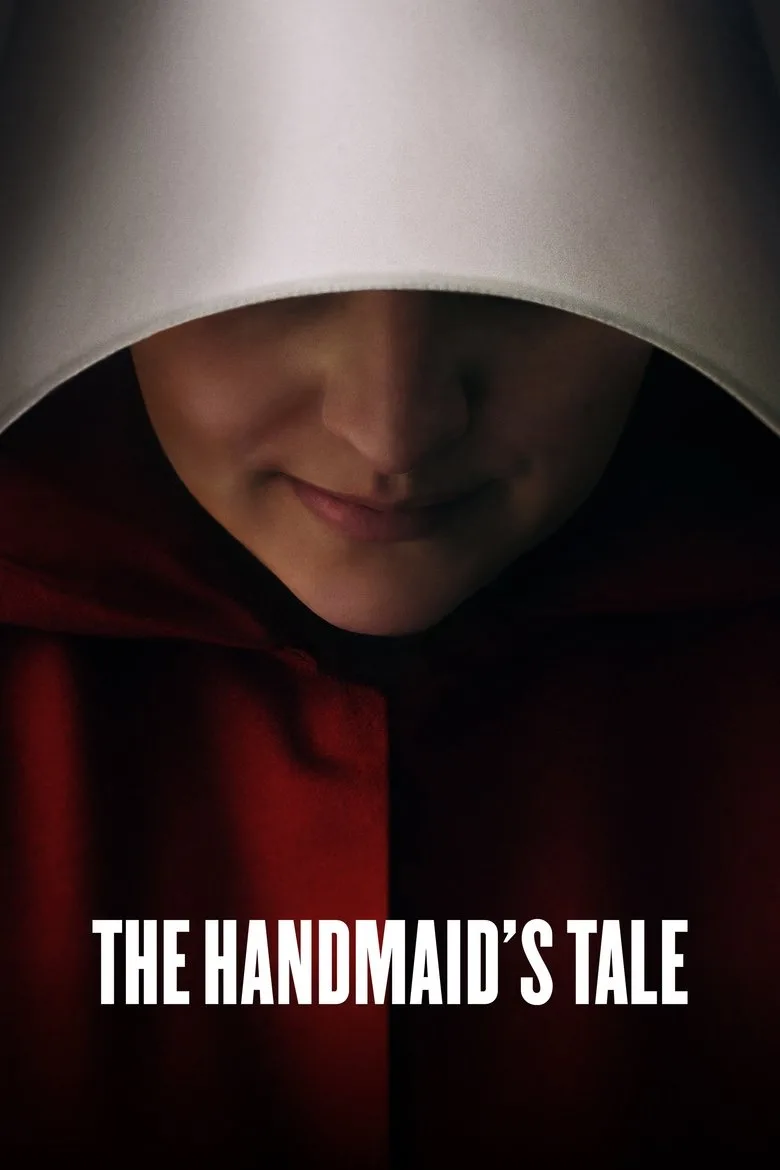
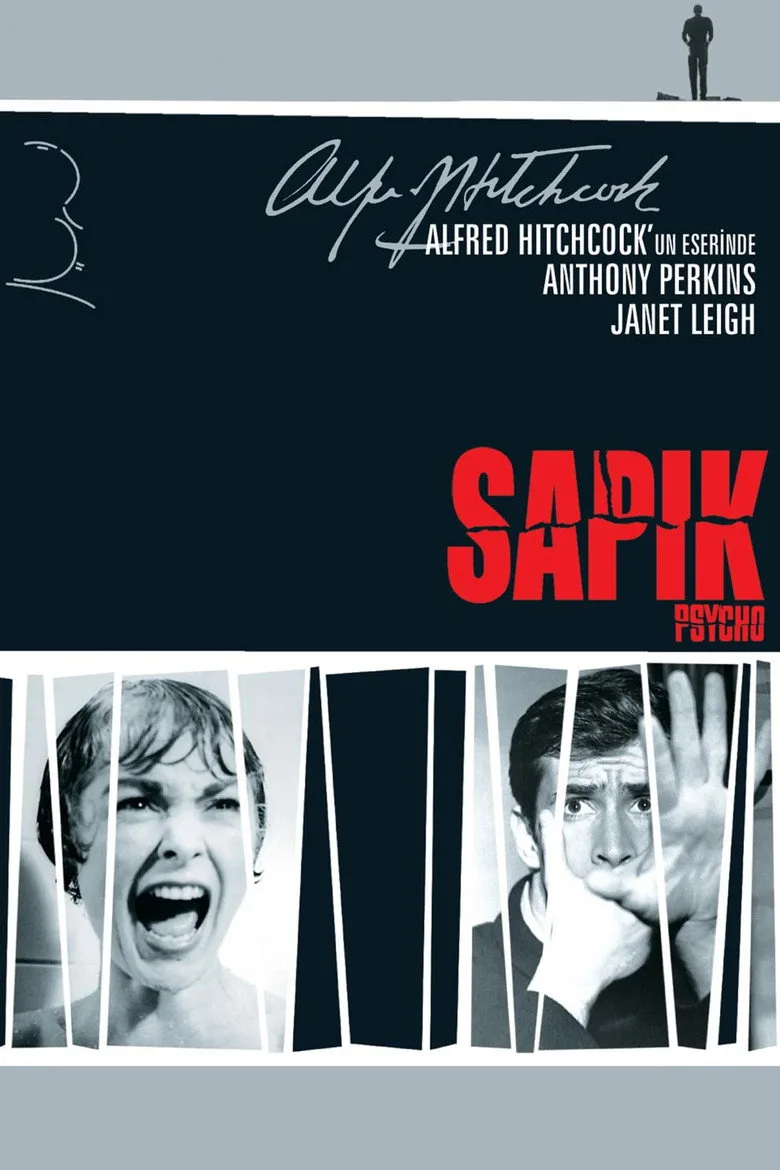
Although Margaret Atwood is best known for her novel The Handmaid's Tale, the prolific author has a body of work spanning six decades. Despite this extensive repertoire, Atwood's works have not been adapted for the screen as frequently as one might expect. Interestingly, while Hulu's The Handmaid's Tale garnered widespread acclaim in the same year, a striking adaptation of Atwood's 1996 novel was released on Netflix. The Canadian miniseries Alias Grace, directed by Mary Harron (American Psycho) and written by Sarah Polley (Women Talking), fictionalizes the life of the controversial historical figure Grace Marks (Sarah Gadon). Harron and Polley have transformed Atwood's sharp critique into a flawless thriller, rich in nuances and compelling psychological tension.
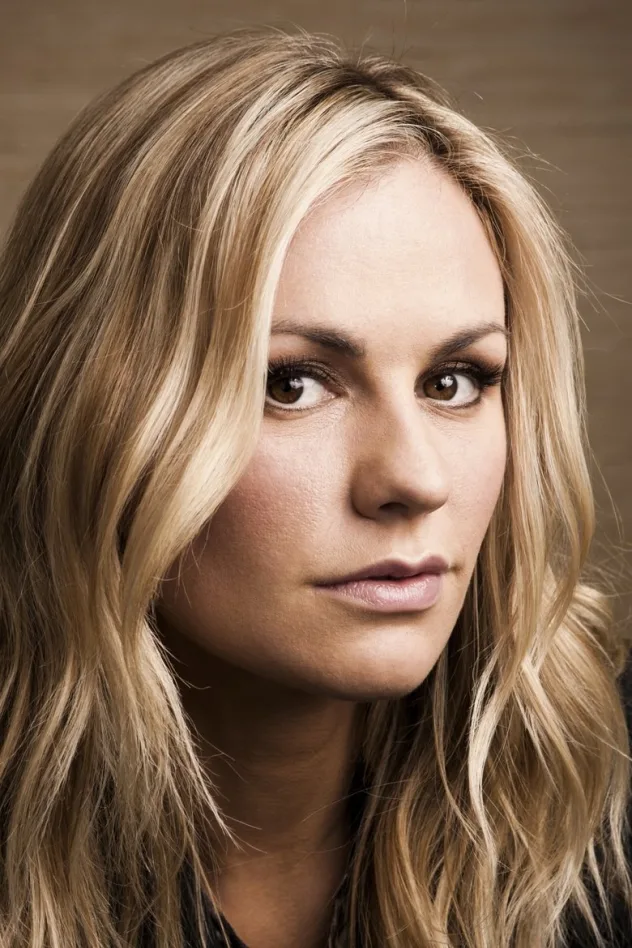
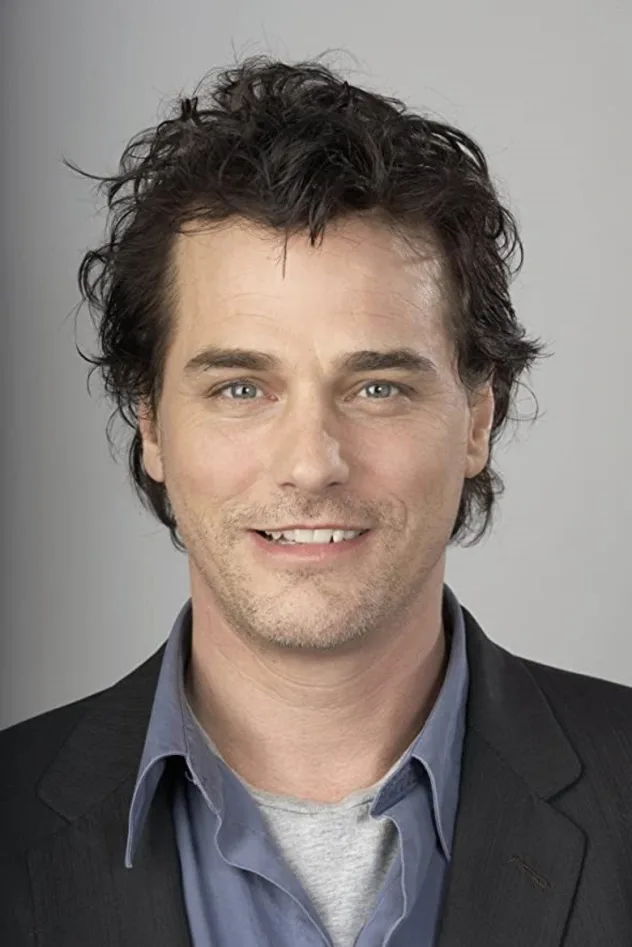
In 1843, 16-year-old Irish immigrant Grace Marks and her coworker James McDermott (Kerr Logan) are accused of murdering wealthy Canadian employer Thomas Kinnear (Paul Gross) and his housekeeper and lover Nancy Montgomery (Anna Paquin). While McDermott is executed, the court commutes Grace's death sentence to life in prison. Thirty years later, Grace receives a formal pardon and disappears. The debate over whether Grace was an active participant in McDermott's brutal double murder, an accomplice, or an innocent witness framed by the crime continues to this day.
Atwood's work delves deeply into the ambiguities and economic backdrop of true crime history. Alias Grace does not provide definitive answers; even the details that Grace defines as undeniable truths may be fabrications. The series highlights Grace's childhood experiences of her father's mistreatment, her mother's traumatic death, and her siblings' dependence on financial support, creating a structure that forces viewers to question reality. While her employers live in comfort, Grace's wet and sweaty muscles scrub the floors, locking away every complaint behind her lips.
Beneath Grace's hardworking demeanor lies a sharp intelligence and simmering anger. As she moves from house to house, she observes how predatory men corner women, assault them, and kill them without a second thought. One day, when her rebellious friend Mary Whitney (Rebecca Liddiard) becomes pregnant, the man abandons her. Desperate, Mary resorts to an illegal abortion and dies. Grace quickly understands the heartbreaking rhythm of her Puritan world, where some women support their own safety or superiority, long before it becomes a sensational blank page.
Regardless of Grace's guilt, every journalist, judge, and citizen molds her testimony to fit their conflicting agendas. Some view her as a cautionary tale, while others seek to portray her as an innocent victim. In a troubled society where women seek excitement, doctors and prison guards torture Grace under the diagnosis of "hysteria," ignoring her mental health and physical pain. While Harron and Polley illustrate how Victorian constraints transformed Grace into a cultural lightning rod, they also present her as a reflection of the right to keep her identity hidden. Grace resists access from everyone; she will not give away a piece of herself.

 Forget ‘Reacher,’ Prime Video’s Elite Spy Thriller Just Crushed a Massive Streaming Milestone
 BAFTA Student Award Winners Include Young Filmmakers From Spain, France, China and America
 2 Years Later, Liam Neeson's Brutal Revenge Thriller Becomes a Must-Watch on Netflix
 10 Greatest Grand Theft Auto Video Games
 The Cure’s Robert Smith Slams FIFA’s World Cup Final Halftime Show: ‘Just F— Off’
 Apple TV’s New Anya Taylor-Joy Thriller Has a Dark Real-Life Origin
 Taylor Sheridan's Hit 'Yellowstone' Spin-Off Proves To Be an Absolute Monster Hit on Streaming
 Freddy “Boom Boom” Cannon Dies: ‘Palisades Park’ & ‘Tallahassee Lassie’ Rock & Roller Was 89
 ‘Call of Duty’ Movie From Taylor Sheridan and Peter Berg Will Be Set in ‘Modern Warfare’ Universe
 Freddy Cannon, Rocker Whose Late ’50s and Early ’60s Hits Included ‘Palisades Park’ and ‘Tallahassee Lassie,’ Dies at 89