Christopher Nolan Still Can't Fully Grasp the Classic Sci-Fi Film He Calls 'Pure Cinema'
Collider
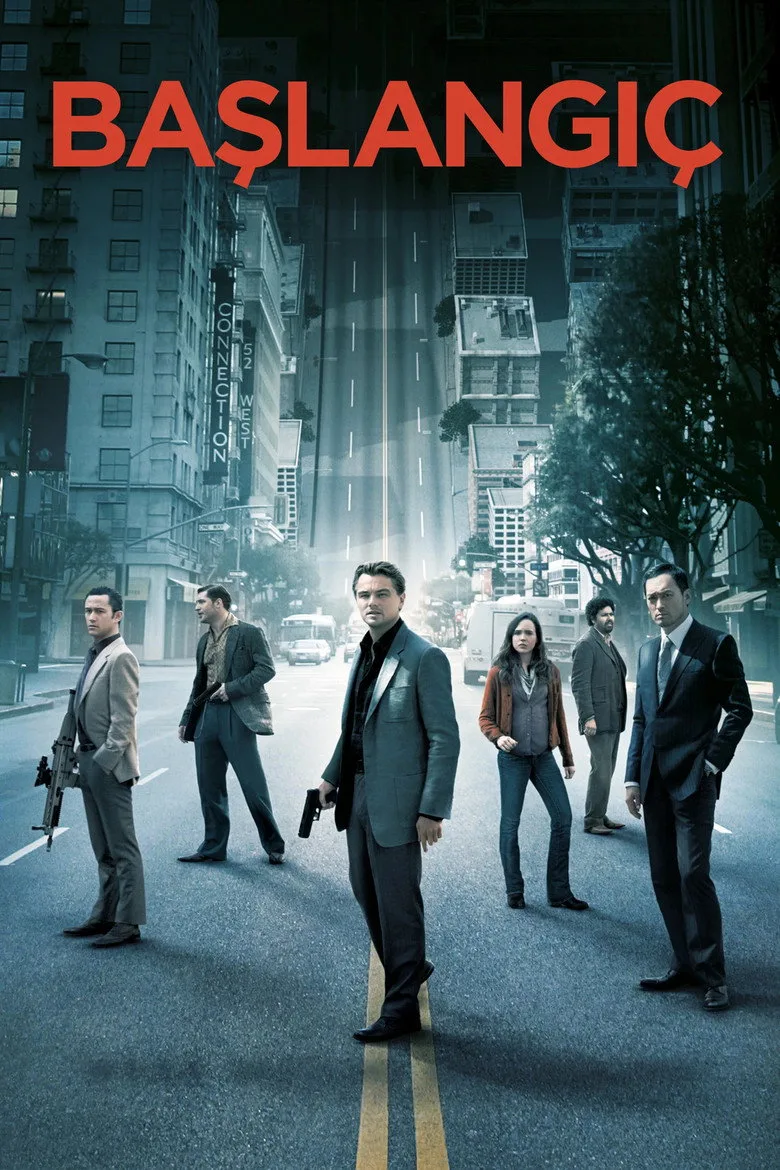
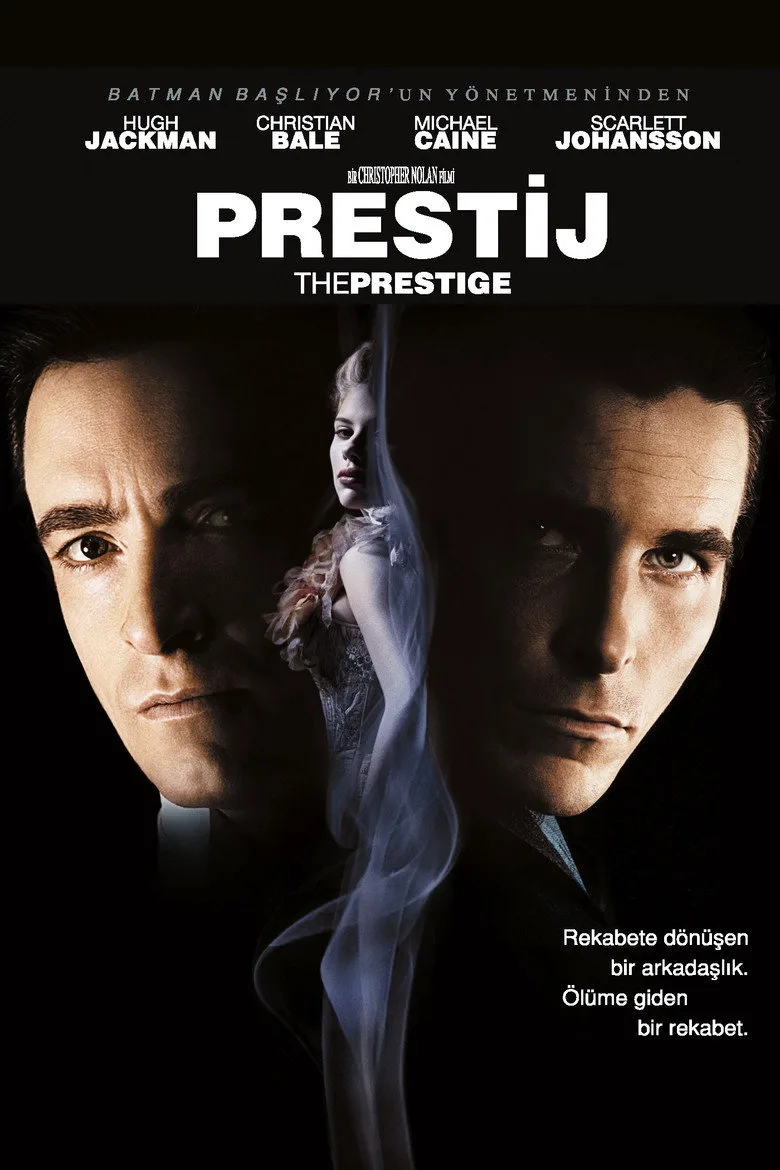
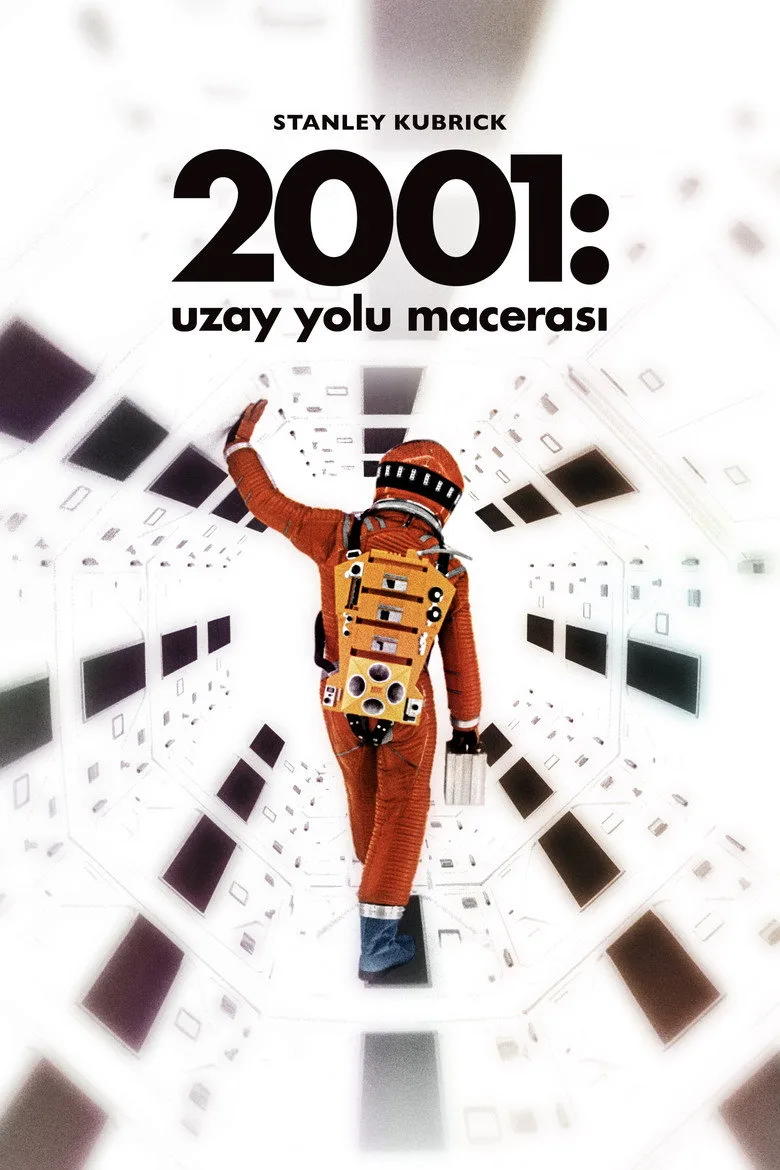
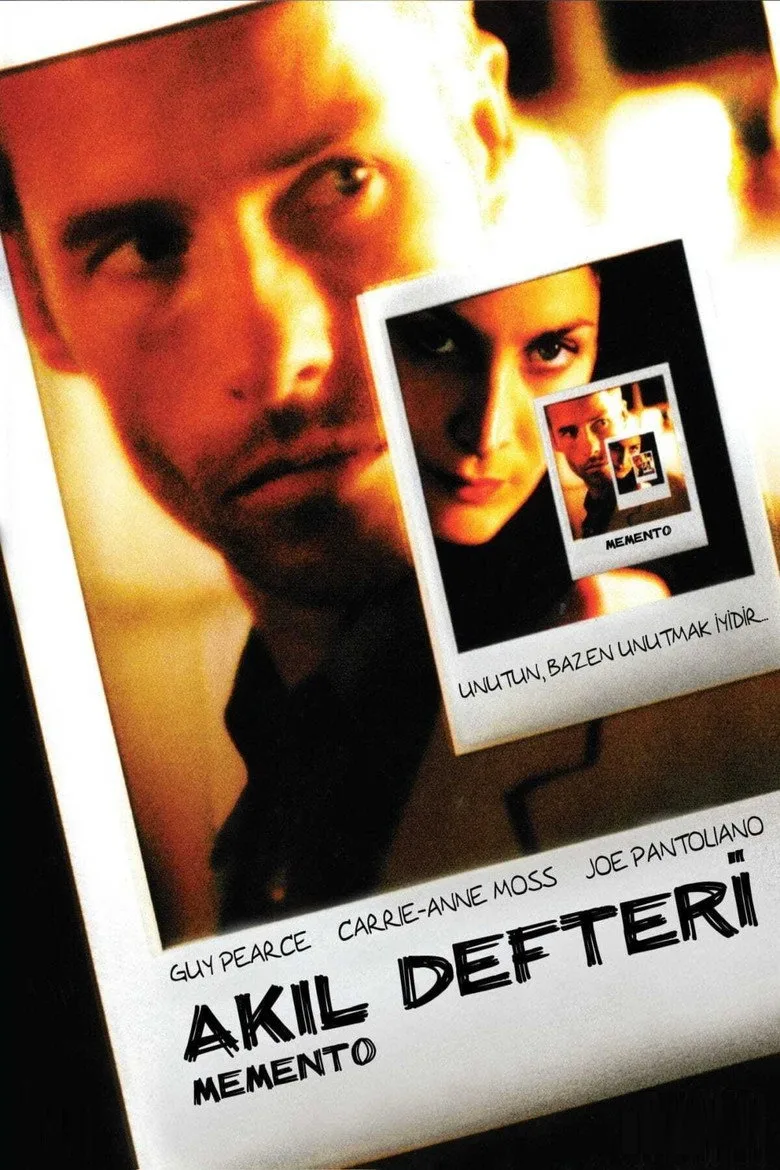
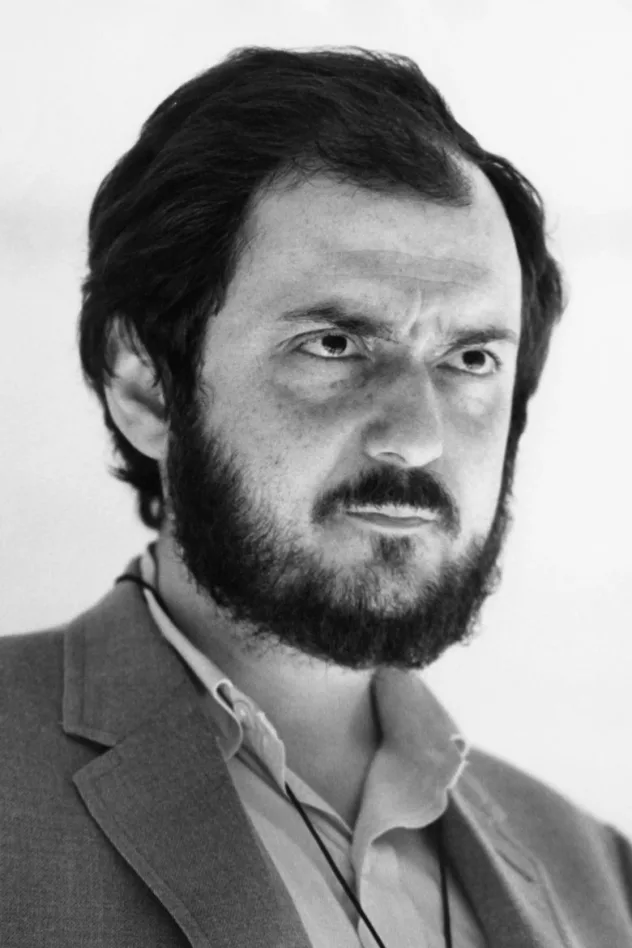
Christopher Nolan is known for his complex and innovative storytelling. Memento envelops viewers in mystery with its non-linear narrative, Inception explores subconscious worlds by playing with time and perception, and The Prestige presents itself like a magic trick. However, before reaching this famous filmography, Nolan was just an ordinary viewer sitting in a cinema. He admits that when he watched Stanley Kubrick's legendary sci-fi masterpiece 2001: A Space Odyssey in his childhood, he didn't fully understand it, yet he incredibly praised the film, which he referred to as 'pure cinema'.
2001: A Space Odyssey is considered an unparalleled work in terms of its impact on the sci-fi genre, and the film's visual influence continues to be felt in the world of cinema to this day. While the basic story revolves around a group of astronauts traveling to Jupiter to investigate a mysterious alien monolith, it transcends a simple premise thanks to its stunning visuals, pioneering effects, and scientifically accurate depictions of space.
Reflecting Kubrick's unique directorial style, 2001: A Space Odyssey creates a singular cinematic experience with its relatively limited use of dialogue. The film introduced the world to the chilling computer HAL 9000 (voiced by Douglas Rain), which has become one of the fundamental examples of artificial intelligence in cultural history. Many films today draw inspiration from 2001's visual design; even Greta Gerwig's Barbie pays homage to Kubrick by replacing the divine monolith with a high-heeled doll.
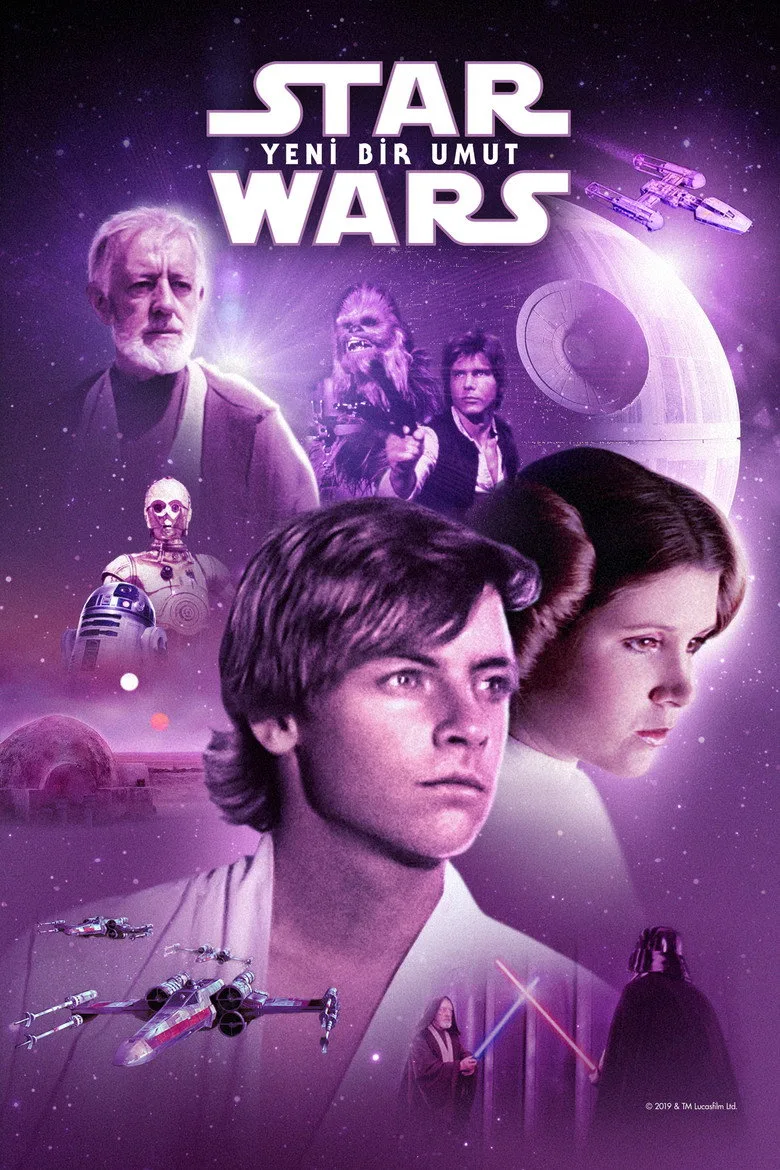
In an interview with Entertainment Weekly, Nolan discussed the impact of Kubrick's legendary work on him and his cinematic experiences in youth. He shared that he first saw 2001 when he was seven, just a year after watching Star Wars. He emphasized how impressive that experience was and its lasting impact, filled with wonder during his first viewing.
Kubrick's masterpiece created a turning point in the art of cinema and possesses a depth and complexity that even talented directors like Nolan may not fully comprehend. Perhaps this is the film's true success—being a timeless work that continues to inspire and provoke thought among cinema enthusiasts across generations.
 Ariana Grande's Next Movie Is Already Getting Hate, But Its 26-Year Legacy Makes It A Must-Watch
 5 Anime Tournament Arcs That Are Considered Masterpieces
 Disney Lorcana: Hyperia City - Release Date, Confirmed Cards, & Illumineer’s Trove Details
 Disney's Upcoming Fantasy Remake Has A Big Problem After 32% RT Disappointment
 How HBO's New Harry Potter Series Took 7 Hours To Film Quidditch Game
 Christopher Nolan’s New Epic Demolishes Box-Office Expectations in Majestic Debut
 'Game of Thrones' Best Character Deserved a Better Ending
 Peacock's 4-Hour Revenge Thriller Is the Perfect Weekend Binge
 Anya Taylor-Joy’s Sci-Fi Hit Refuses to Leave Apple TV's Top 10
 'The End of Oak Street's Director Made a Cult Detective Movie You've Probably Never Seen