-
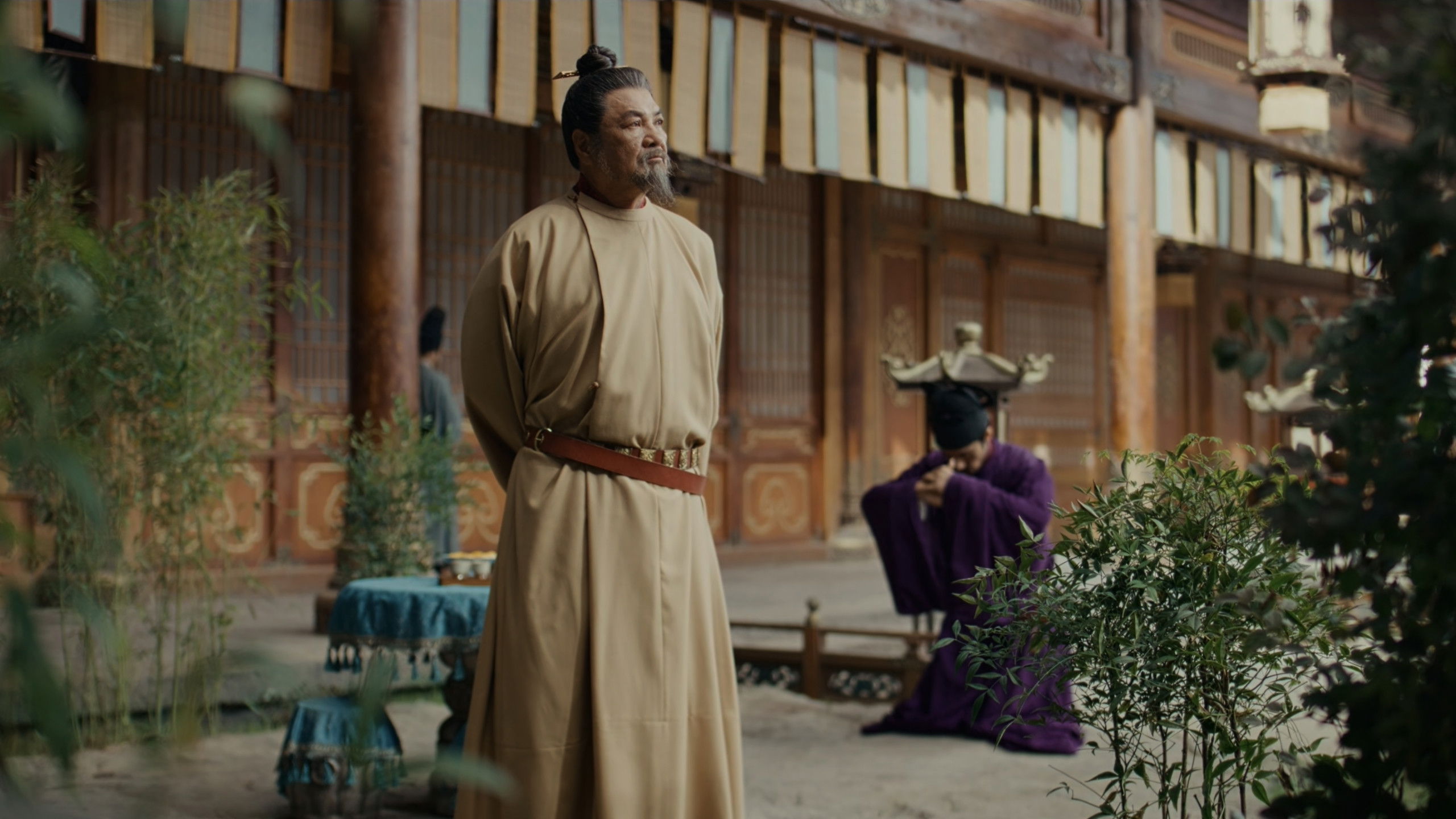
1. Bölüm As war fractures the realm, young Qian Hongchu stumbles into a web of corruption and maritime intrigue. In the north, Zhao Kuangyin begins questioning a brutal political order that will shape both their fates.
-
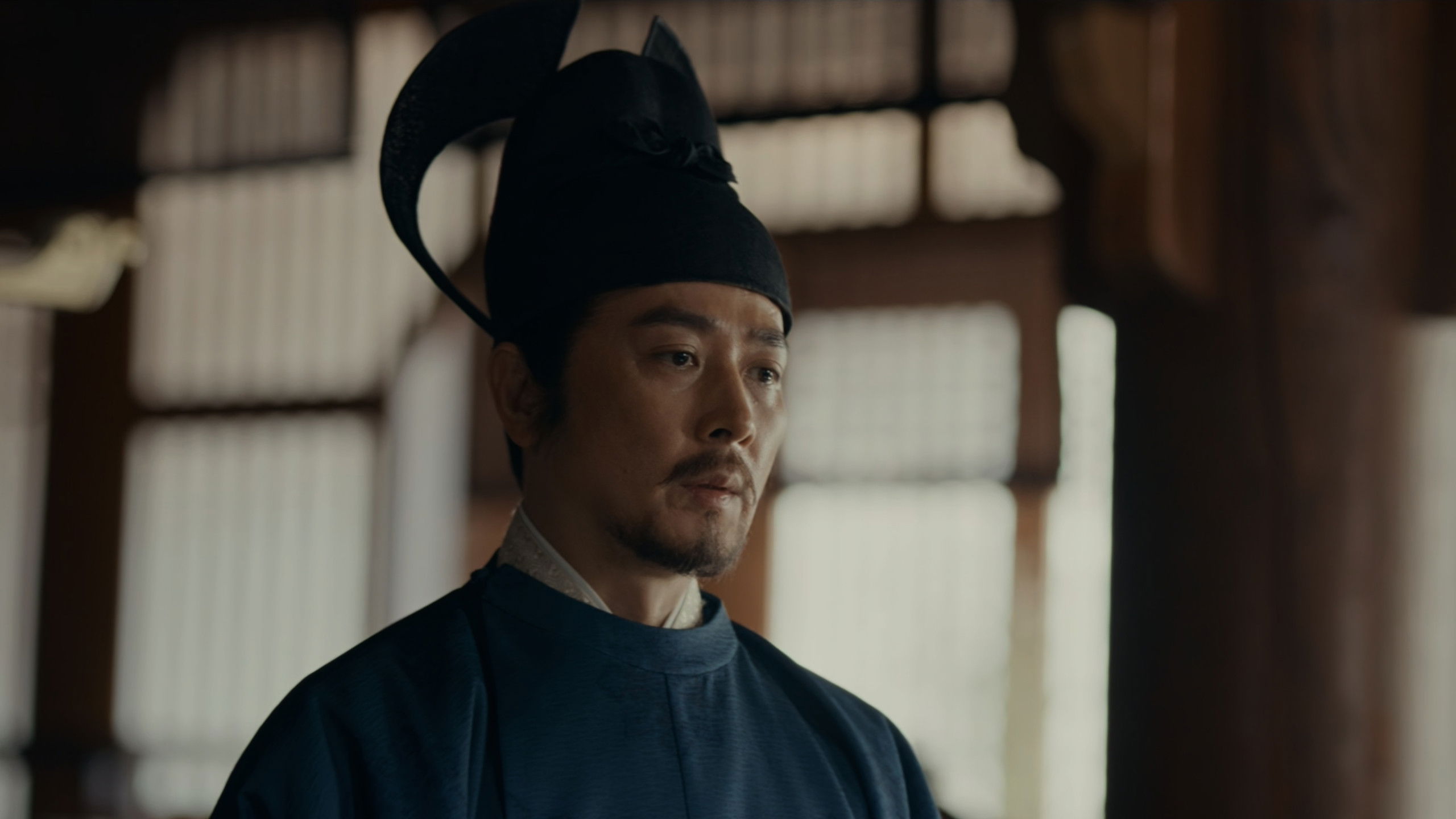
2. Bölüm After a palace fire exposes rot within Wuyue’s treasury, succession tensions erupt. As King Qian Yuanguan dies, factions move quickly — and Qian Hongchu finds himself caught between family loyalty and rising ambition.
-
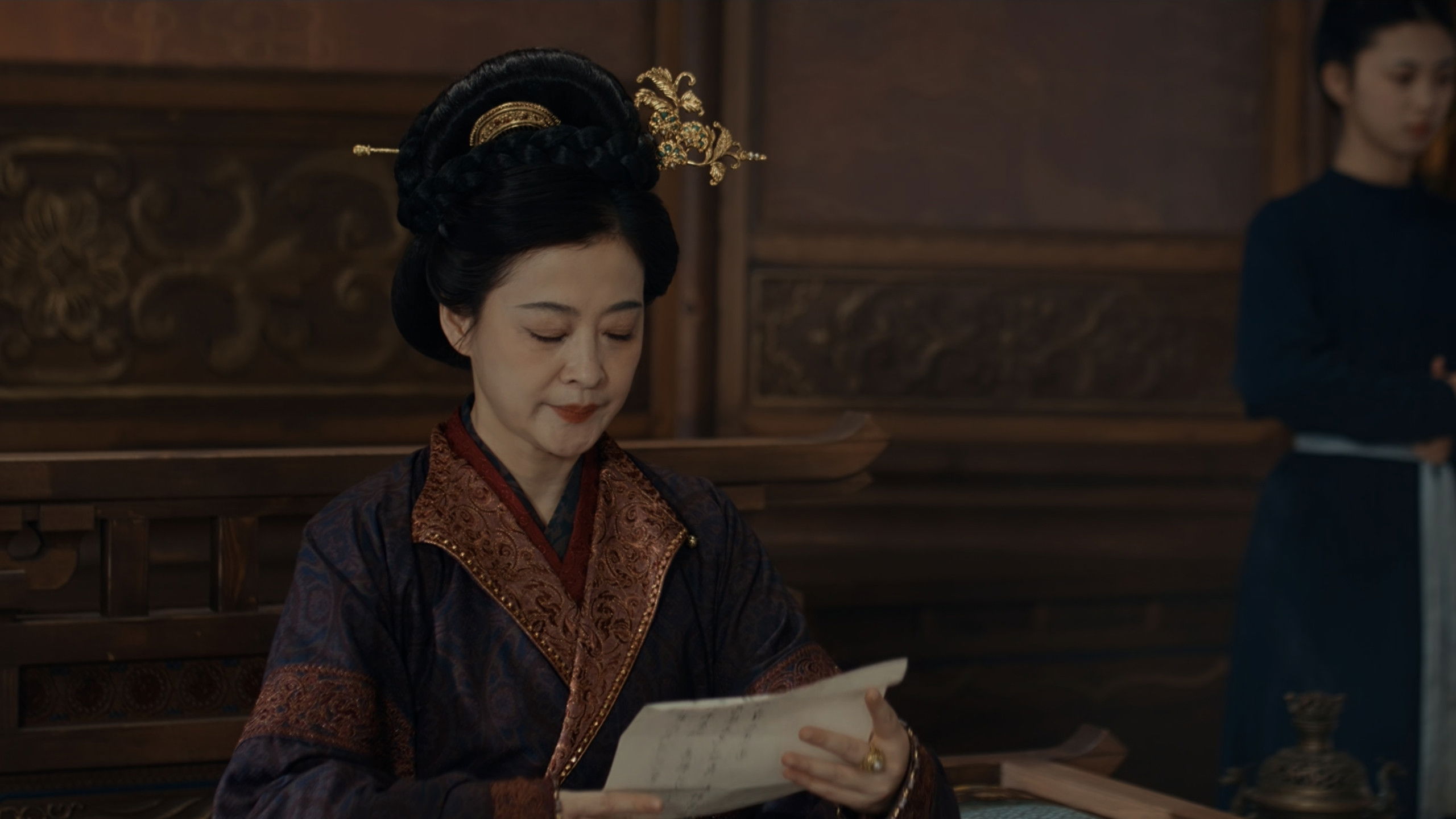
3. Bölüm With the throne newly claimed by Qian Hongzuo, blood is spilled to silence rivals. When Qian Hongchu secretly calls on Huanglong Island for aid, Wuyue faces a naval standoff that tests the limits of royal authority.
-
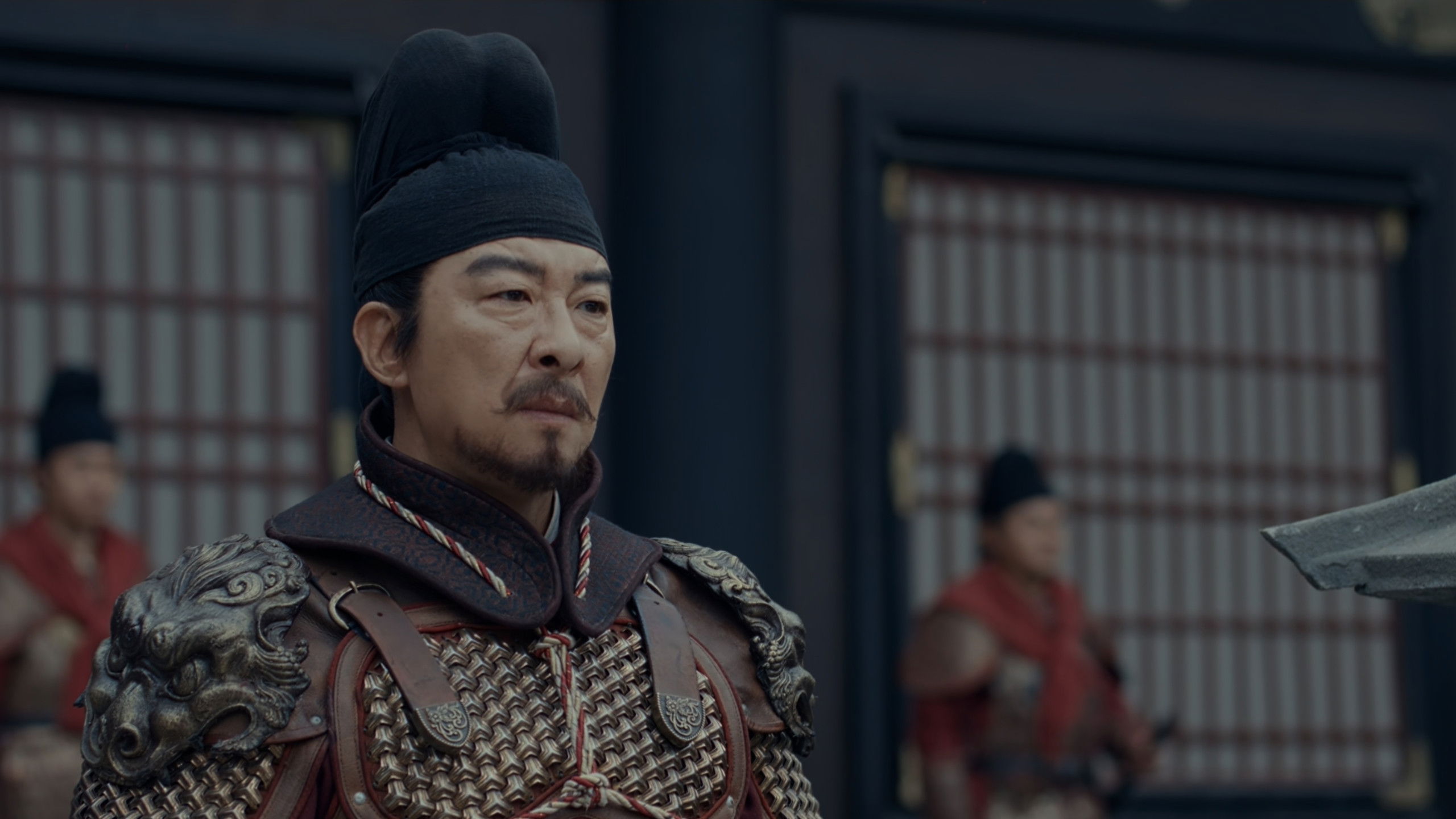
4. Bölüm Political maneuvering intensifies as Qian Hongzuo tightens control and sidelines powerful nobles. Meanwhile, in the north, Zhao Kuangyin witnesses a near-bloodless coup — and begins questioning what loyalty truly means in troubled times.
-
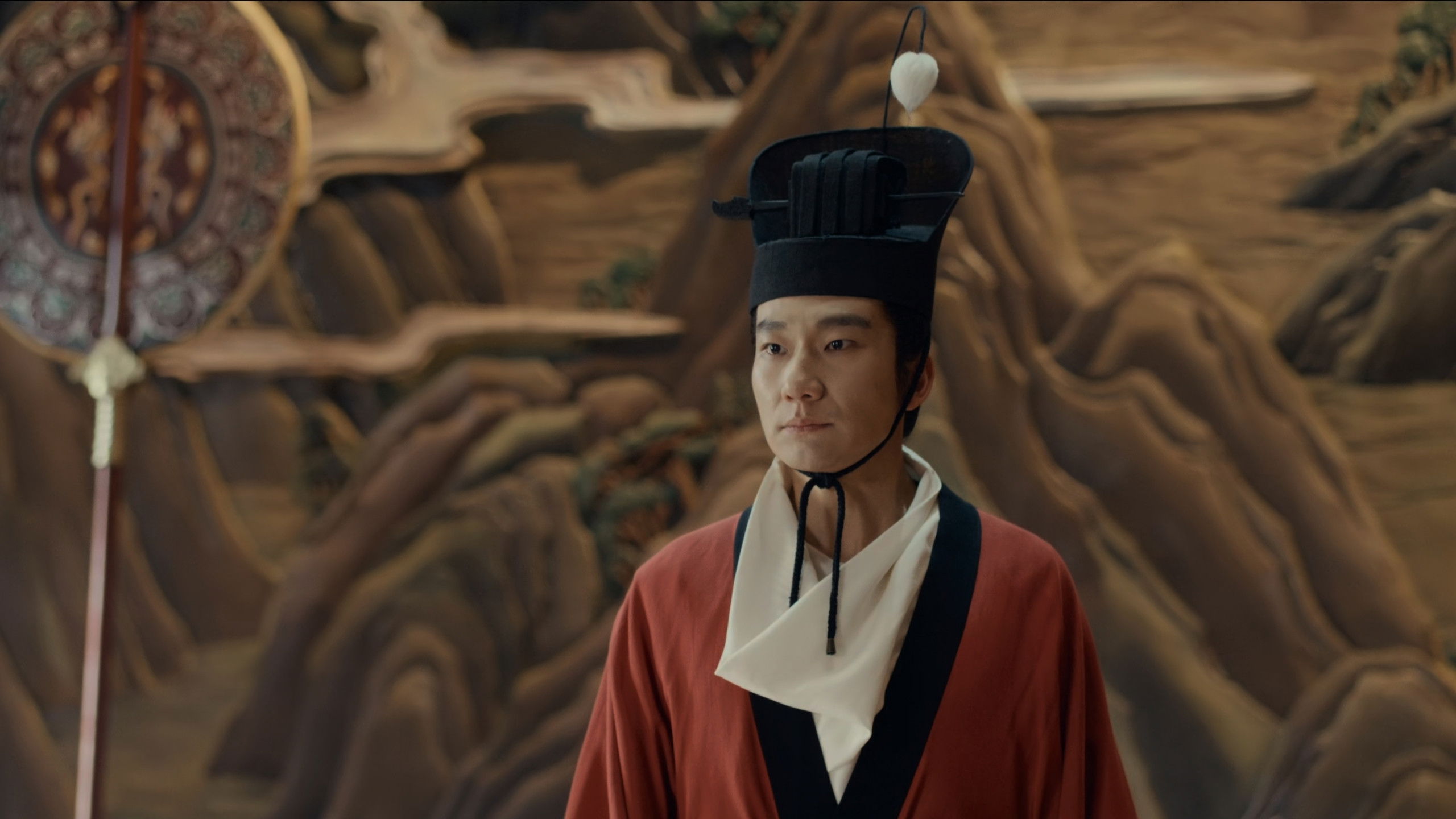
5. Bölüm As northern armies crumble under betrayal, Qian Hongchu journeys through war-torn lands and confronts the human cost of chaos. A chance encounter with Guo Rong hints at alliances that could reshape the future.
-
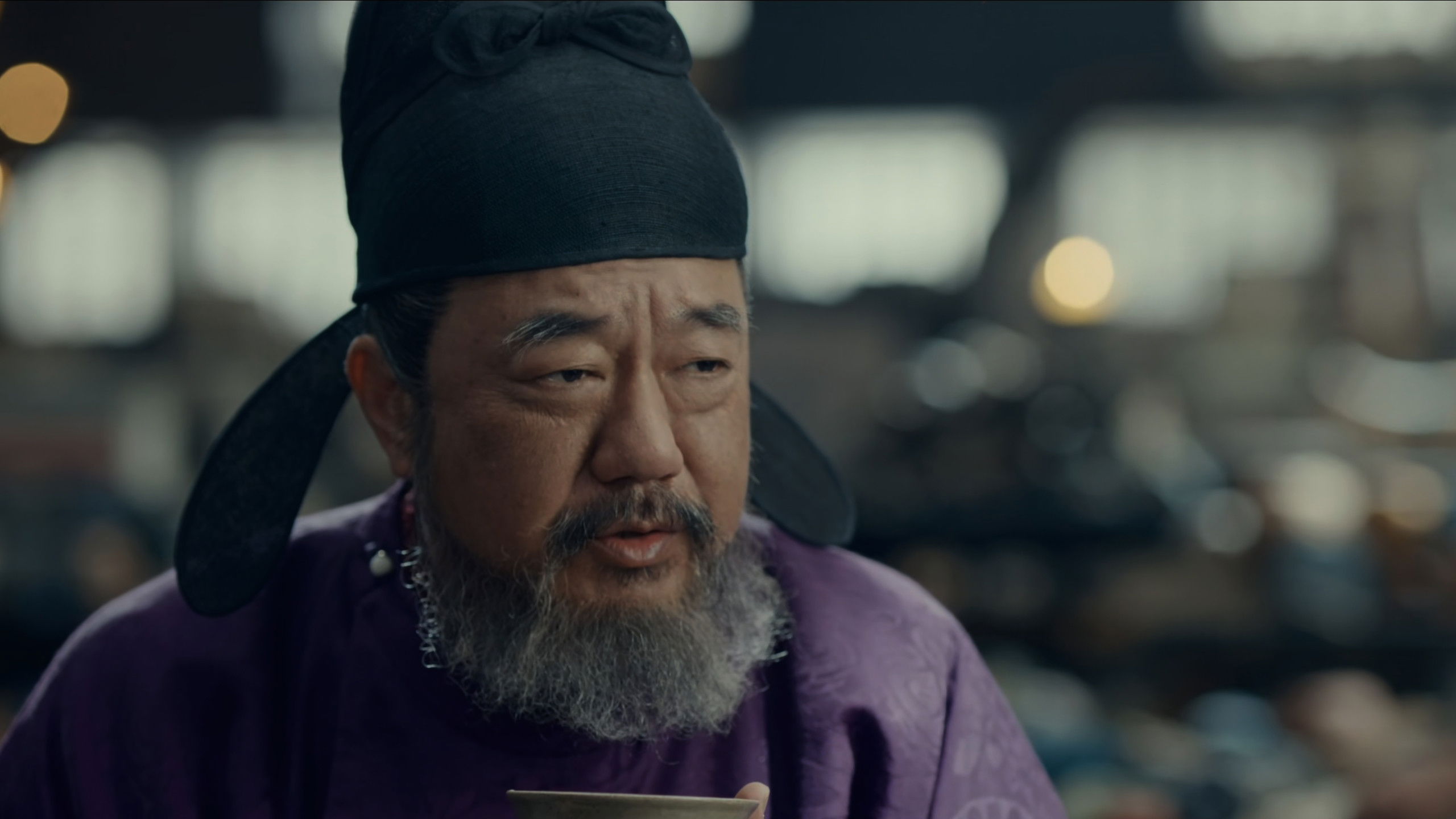
6. Bölüm Bianliang descends into disorder. Amid imperial collapse, Zhao Kuangyin, Guo Rong, and Qian Hongchu cross paths at a pivotal moment — each forced to decide what kind of men they will become.
-
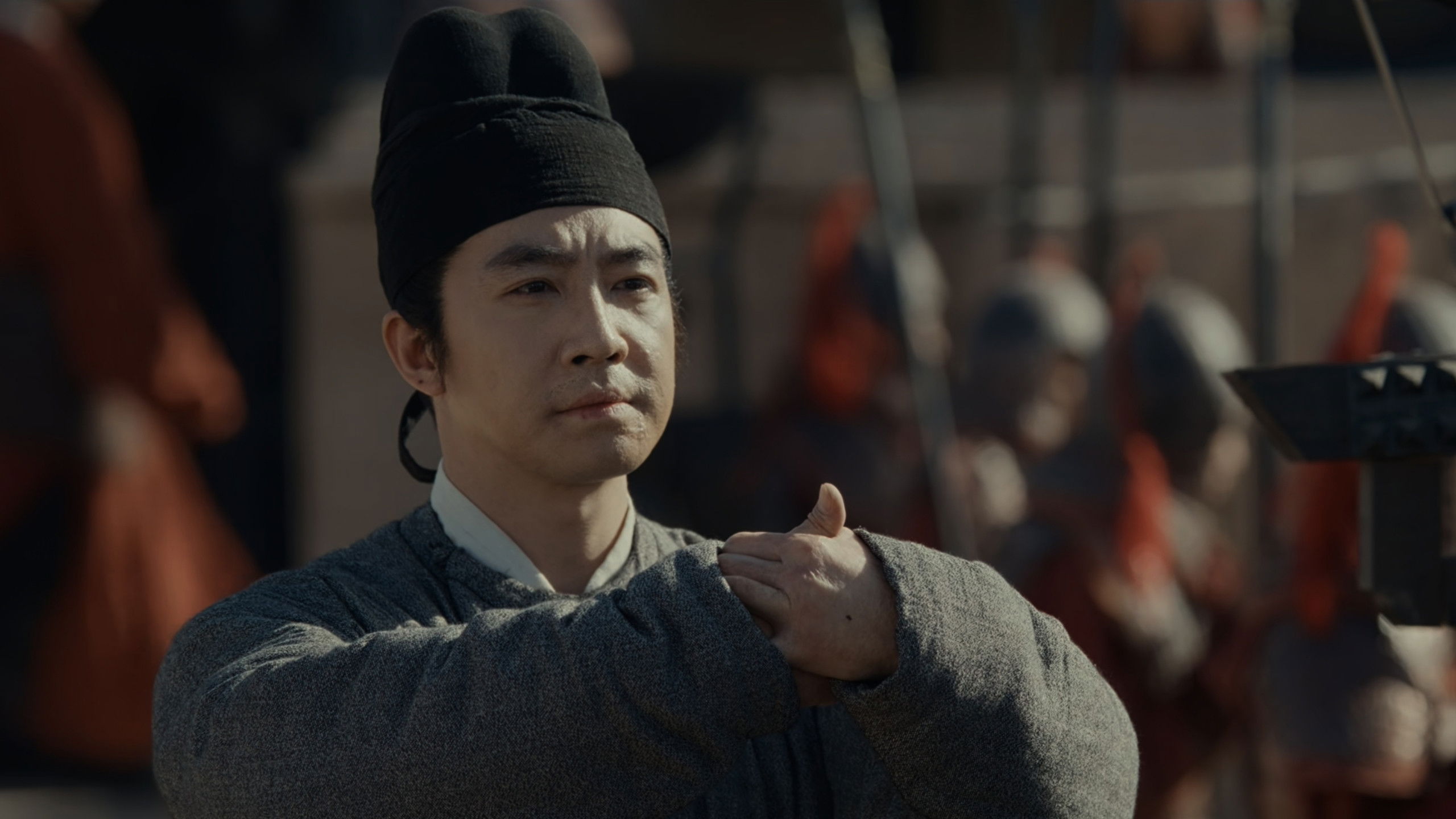
7. Bölüm With enemy forces closing in, Chancellor Feng Dao prepares for a desperate defense. Moral lines blur as Guo Rong makes a ruthless call — and Qian Hongchu confronts the brutal logic of war.
-
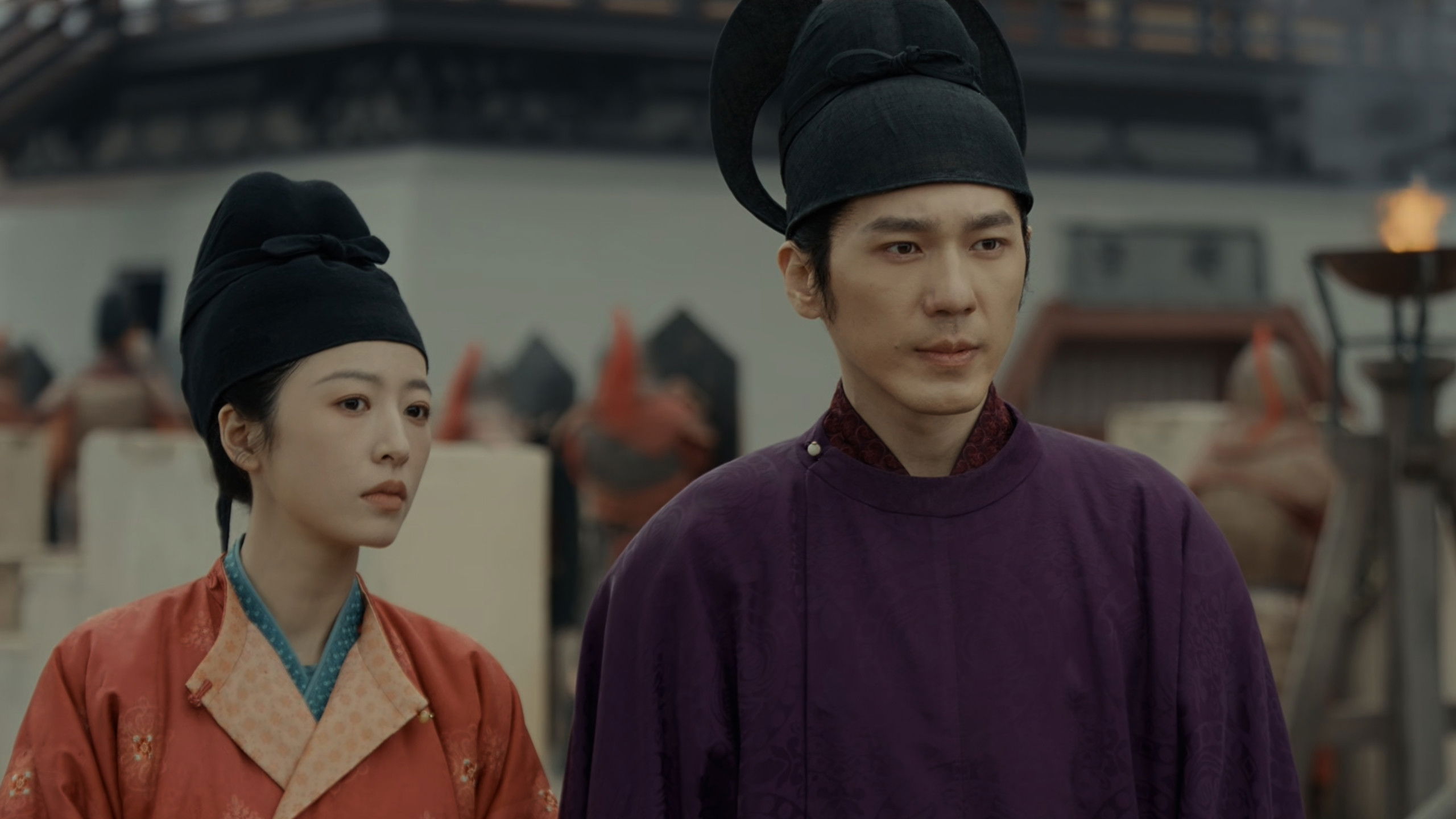
8. Bölüm Under siege, alliances harden and ideals are tested. After witnessing both cruelty and conviction, Qian Hongchu begins shedding youthful naivety — while Zhao Kuangyin prepares a daring gamble to turn the tide.
-
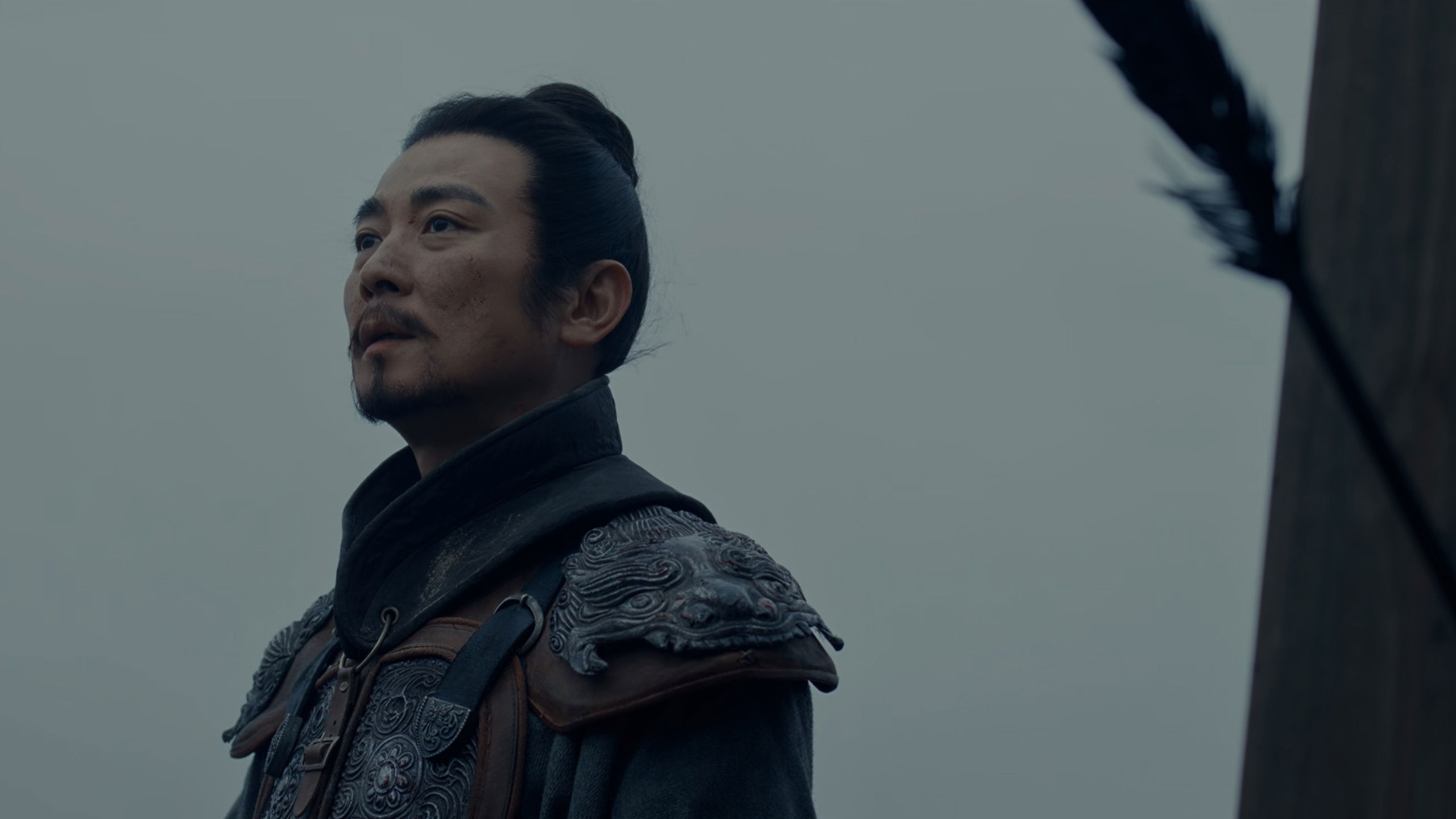
9. Bölüm A risky strike by Zhao Kuangyin delivers hope at great cost. As supplies run dry and surrender looms, Qian Hongchu wrestles with the meaning of loyalty in a city abandoned by its own court.
-

10. Bölüm Bianliang falls into massacre. Refusing to bow to humiliation, Qian Hongchu openly defies the conqueror — triggering consequences that will define his reputation and alter the balance of power.
-
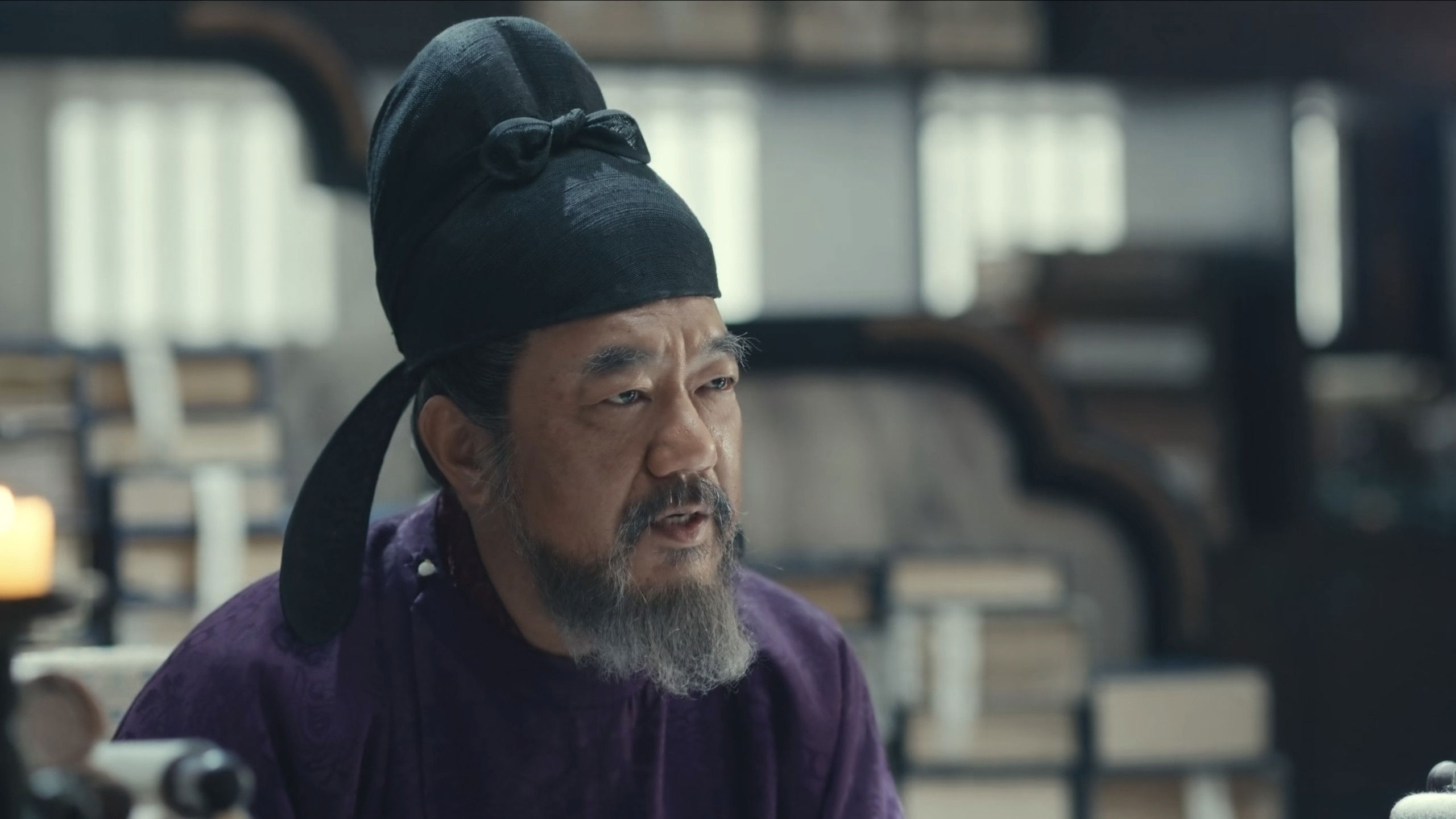
11. Bölüm After the coup at Chen Bridge, Zhao Kuangyin ascends the throne, forcing former allies to choose sides. As the Song dynasty rises, Qian Hongchu must decide whether survival means resistance — or strategic submission.
-

12. Bölüm With Song authority consolidating, Zhao Kuangyin moves to disarm rival warlords through calculated diplomacy. Watching from Wuyue, Qian Hongchu studies the emperor’s methods — and begins rethinking his kingdom’s future.
-
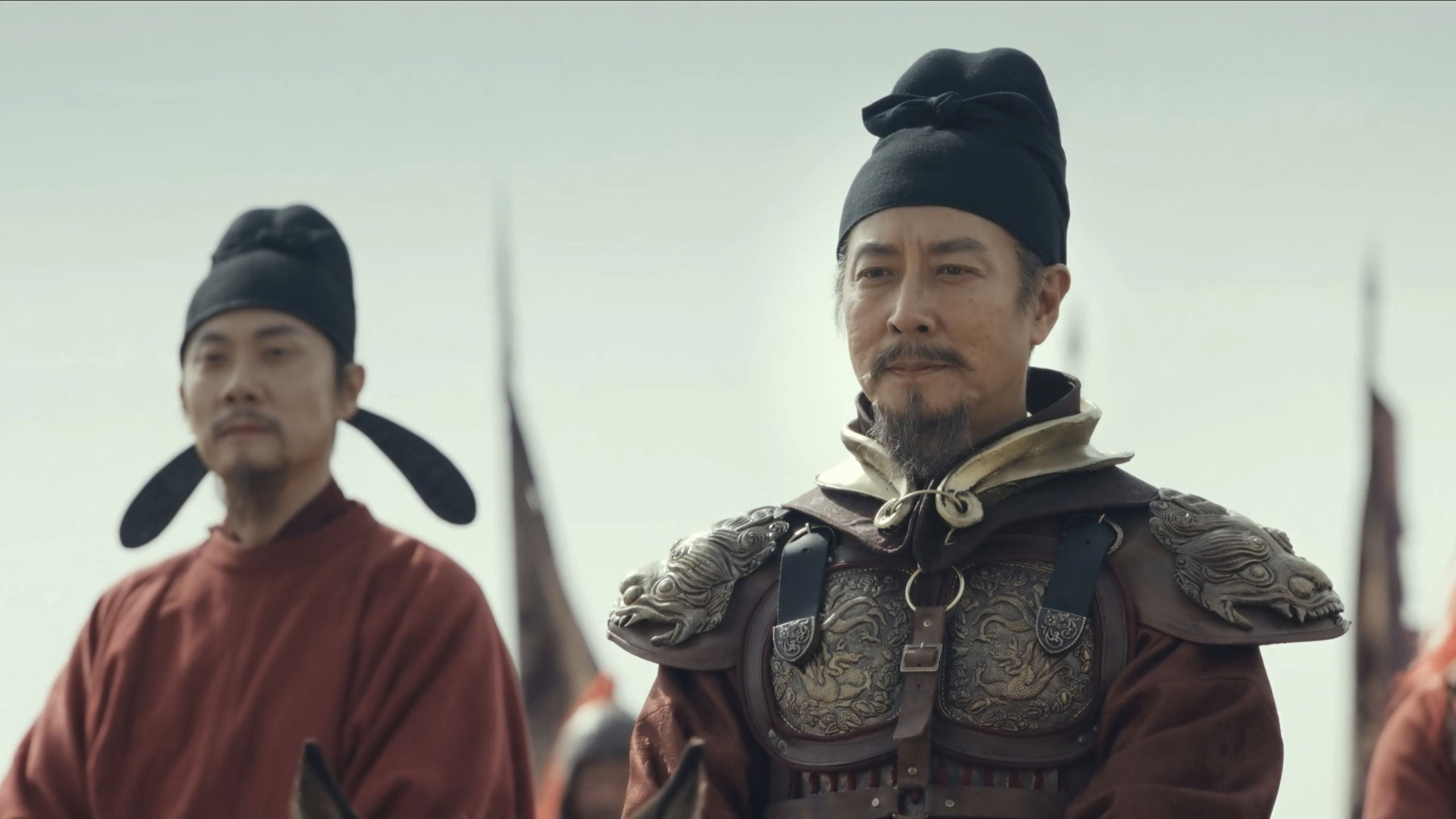
13. Bölüm As Song expands southward, pressure mounts on Wuyue’s borders. Torn between pride and pragmatism, Qian Hongchu confronts divided counsel within his court about whether independence is still worth the cost.
-
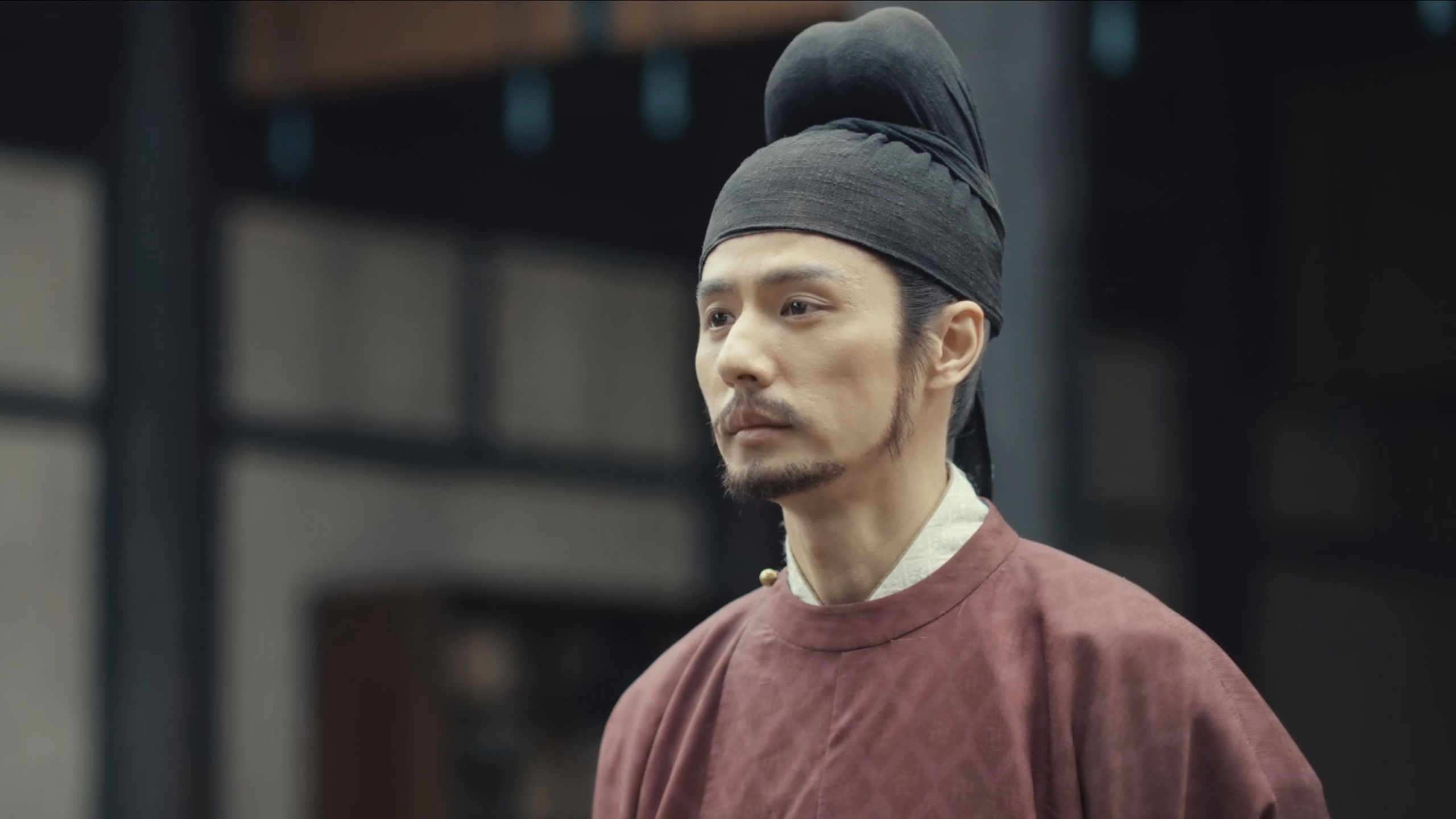
14. Bölüm Internal dissent threatens Wuyue’s stability just as Song armies advance. When betrayal surfaces among trusted officials, Qian Hongchu discovers that preserving a kingdom may require painful sacrifices.
-
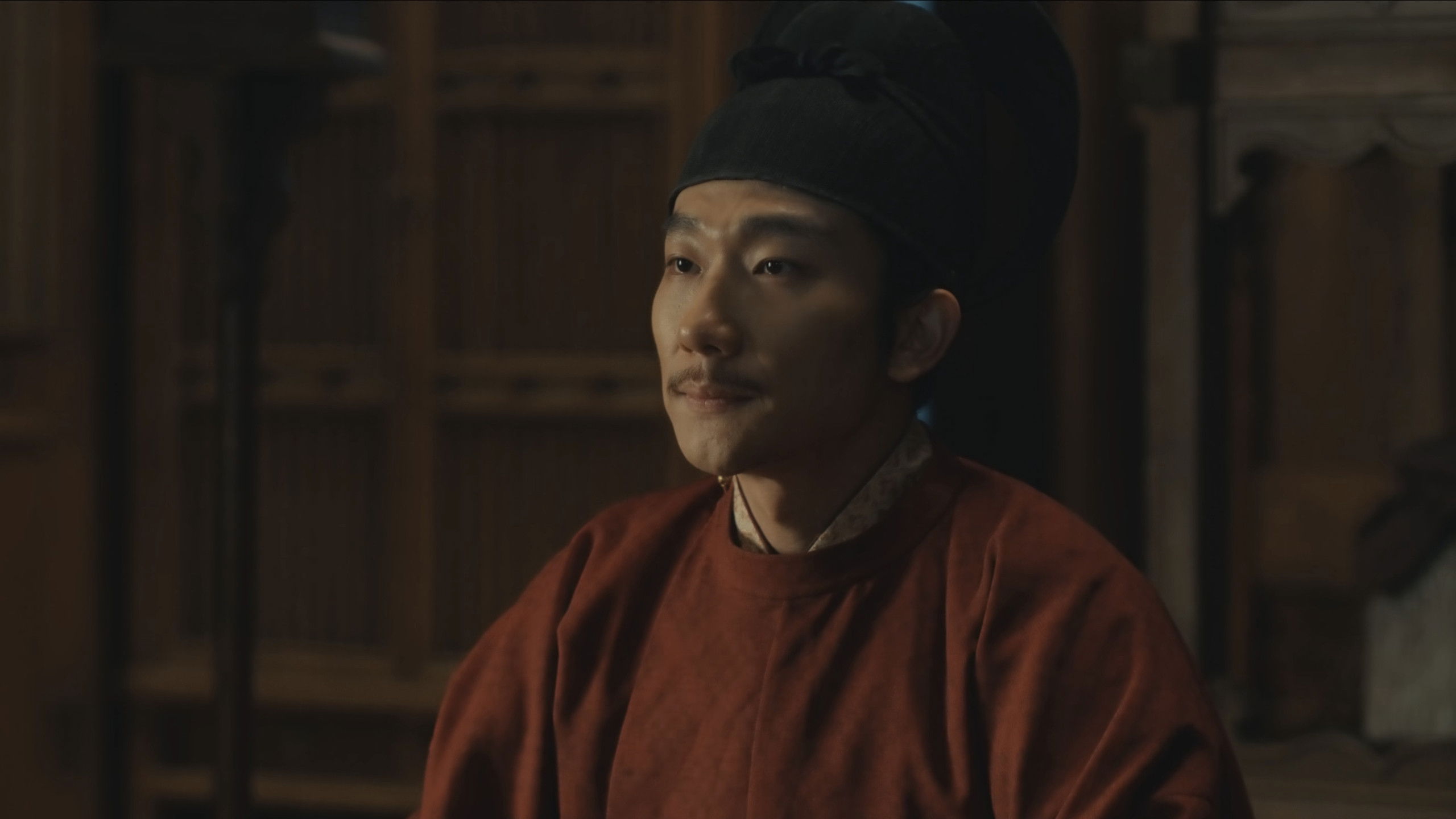
15. Bölüm Zhao Kuangyin eliminates remaining regional powers with decisive force, sending a clear message to neighboring states. Realizing isolation is no longer sustainable, Qian Hongchu quietly explores a path toward peaceful surrender.
-
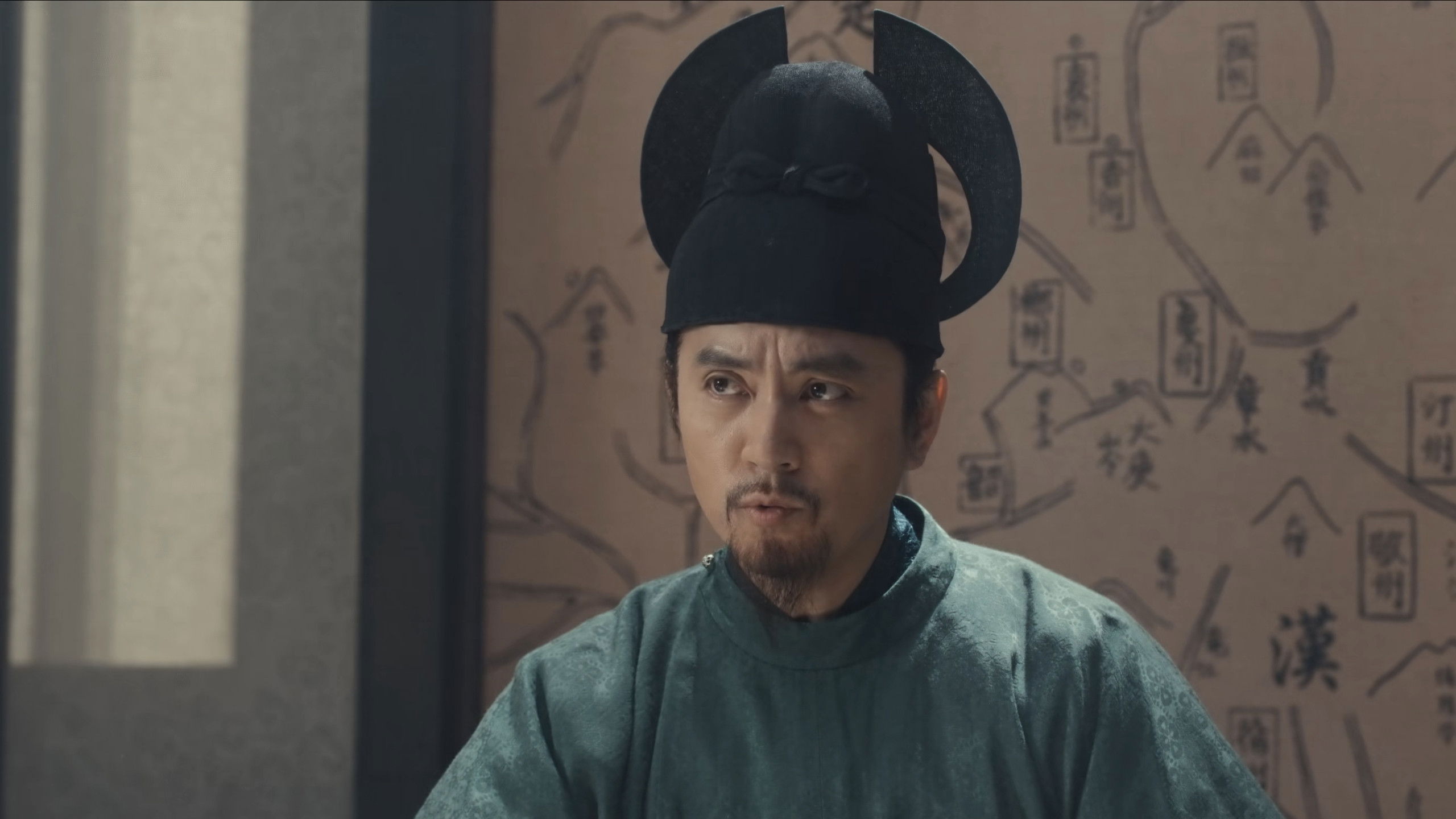
16. Bölüm As tribute missions travel between courts, diplomacy replaces warfare but suspicion lingers. A private exchange between Zhao Kuangyin and Qian Hongchu reveals mutual respect beneath political calculation.
-
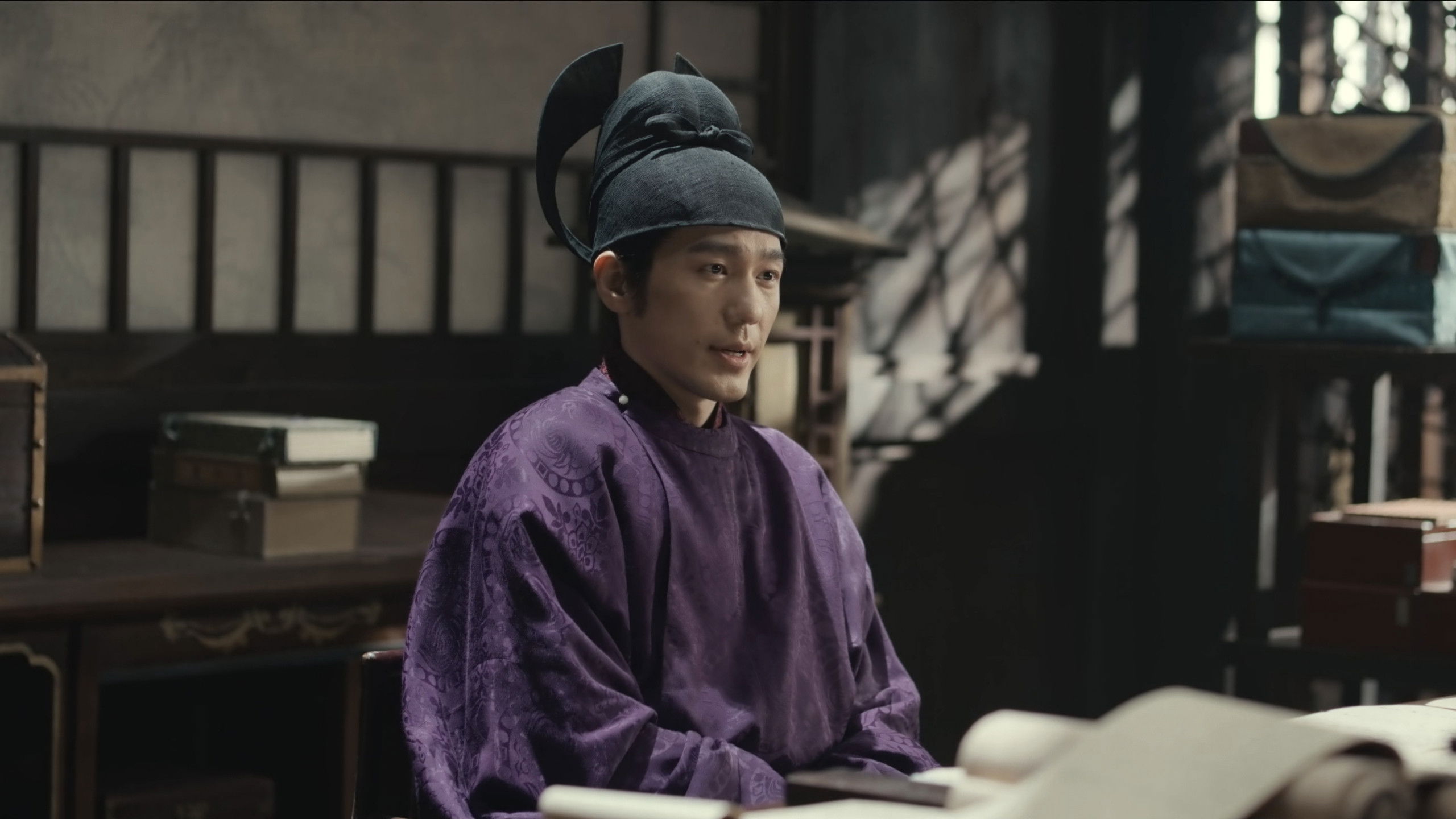
17. Bölüm Court factions in Wuyue resist submission, urging defiance against Song rule. Facing unrest at home, Qian Hongchu weighs personal legacy against the lives of his people.
-
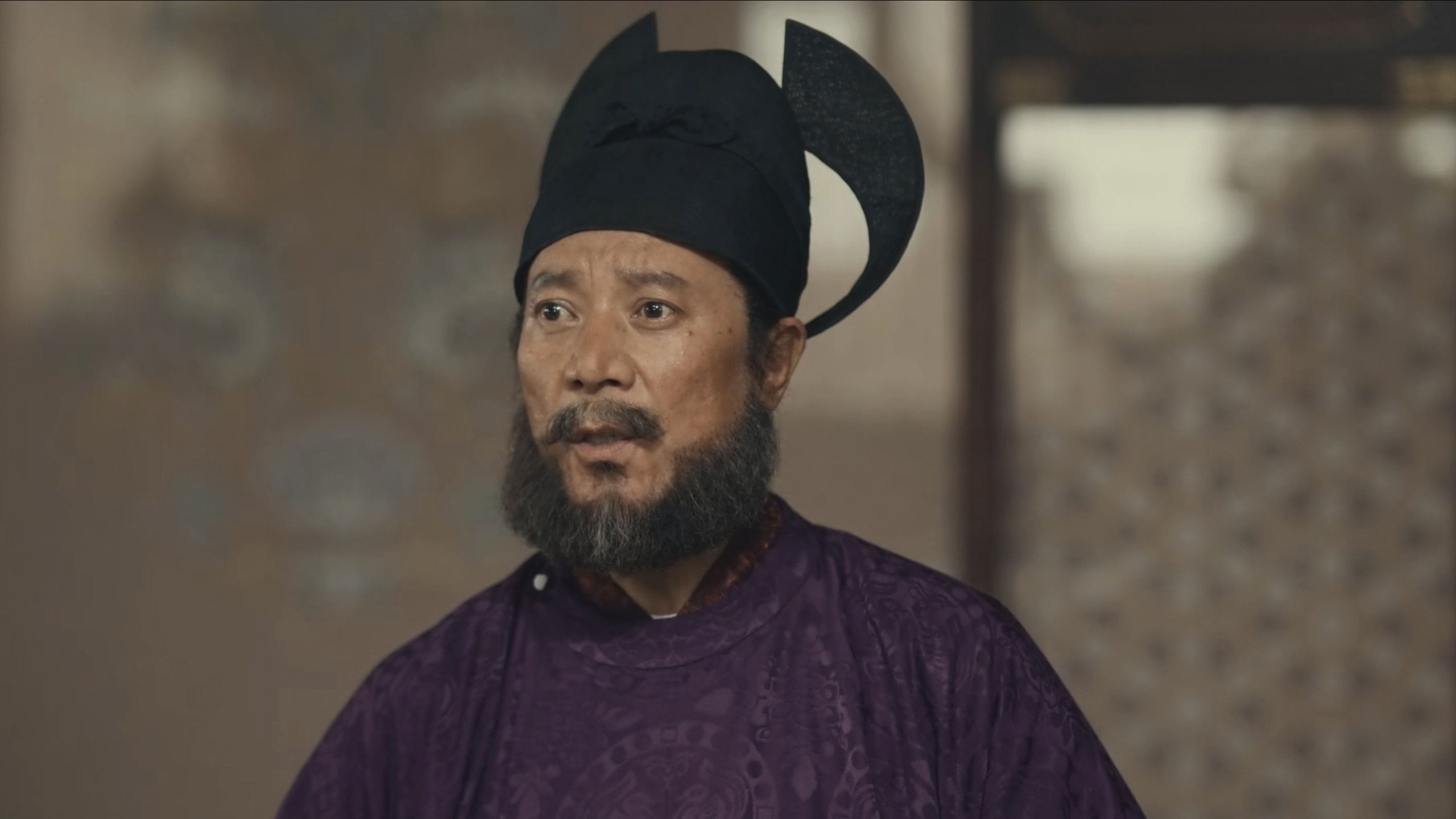
18. Bölüm A final act of loyalty tests Wuyue’s military commanders. When hardliners push for one last stand, Qian Hongchu must decide whether heroism lies in battle or restraint.
-
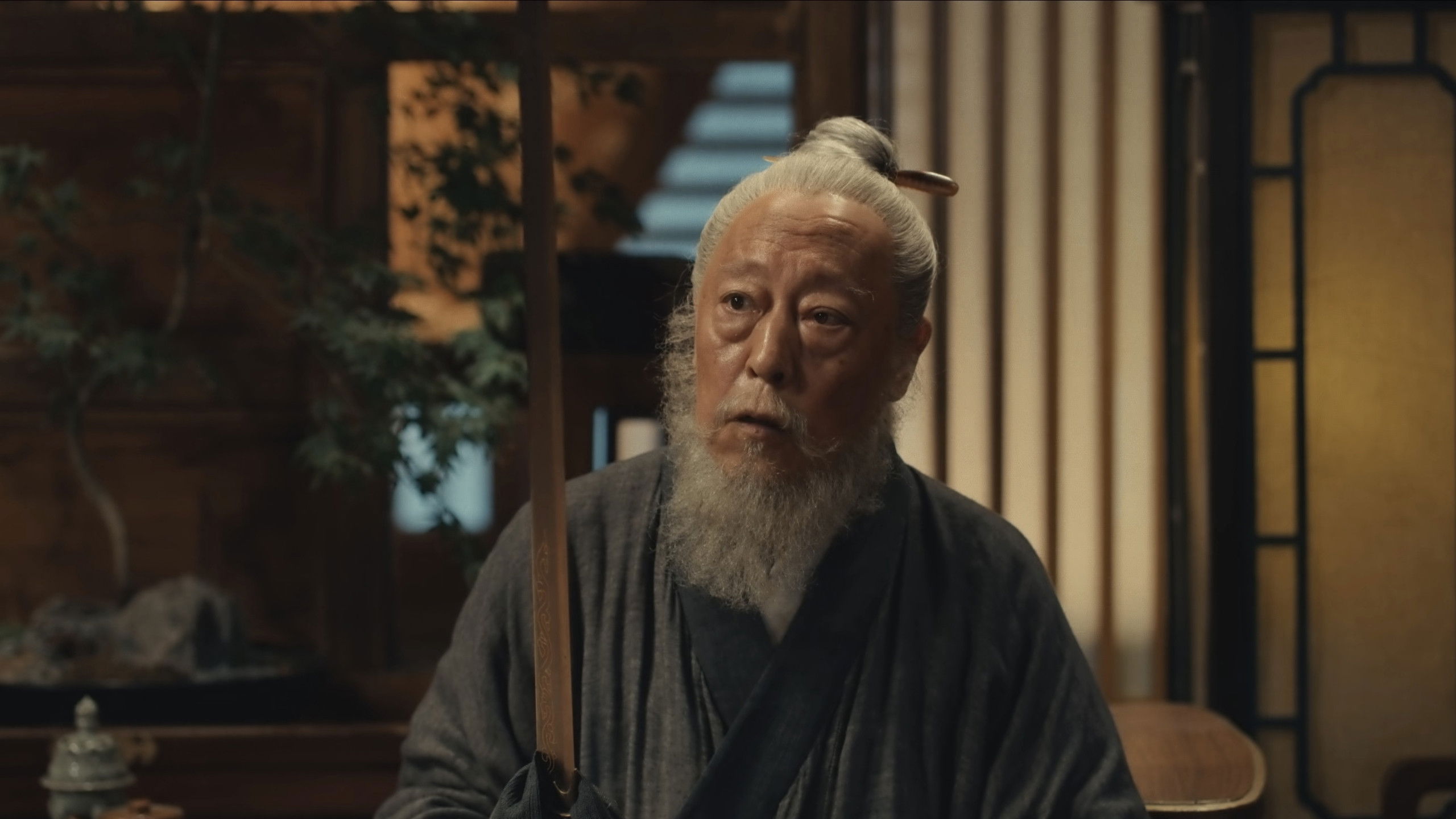
19. Bölüm As Song authority tightens across the south, former rulers struggle to adapt. In Kaifeng, Zhao Kuangyin confronts the loneliness of power while ensuring stability through sweeping reforms.
-
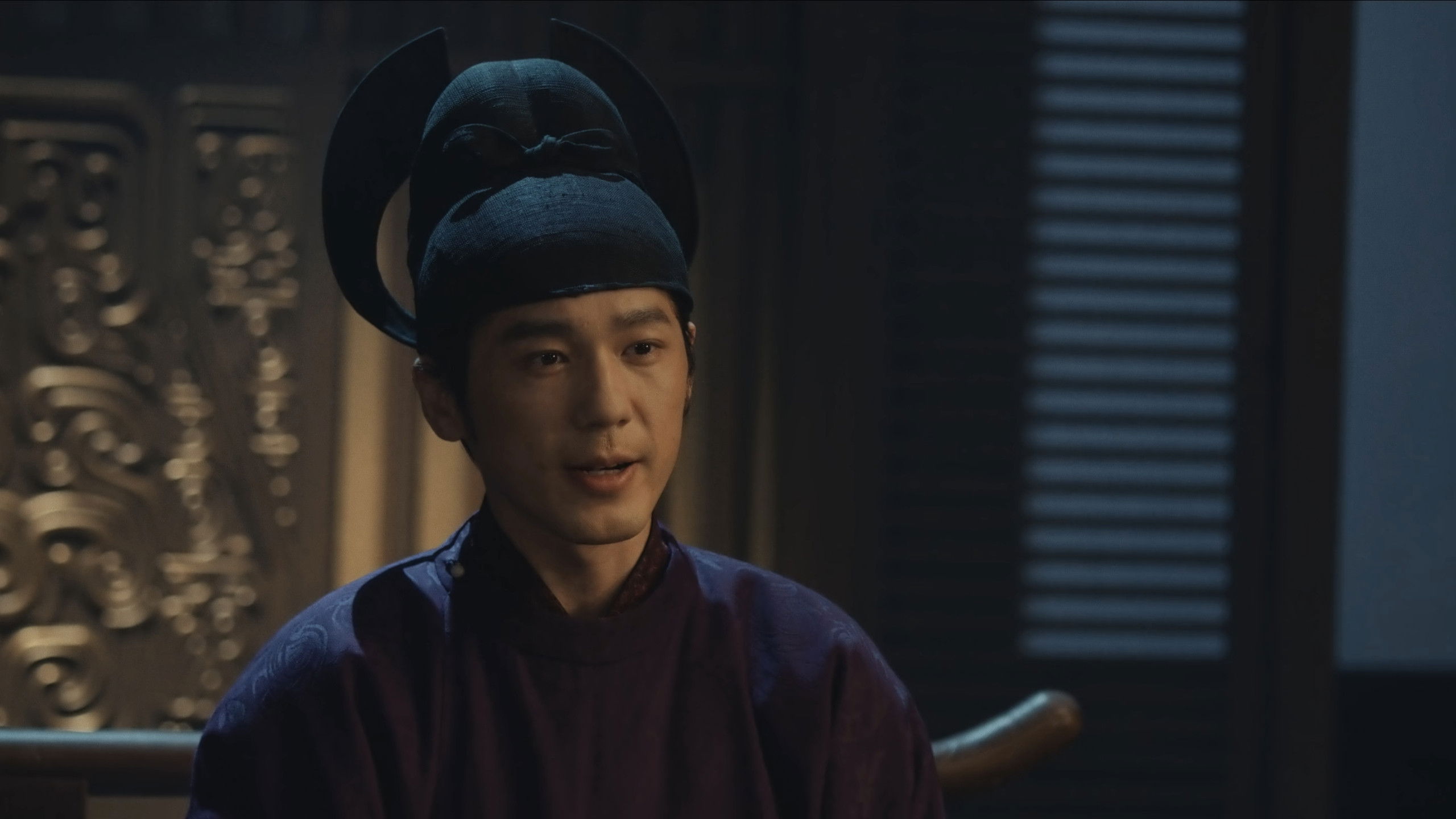
20. Bölüm A crisis within the imperial court forces Zhao Kuangyin to rely on old alliances. Meanwhile, Qian Hongchu prepares for a defining decision that will permanently alter Wuyue’s fate.
-

21. Bölüm Choosing peace over pride, Qian Hongchu formally submits Wuyue to Song rule. The transition unfolds with surprising grace but not without quiet resentment from those who feel betrayed.
-
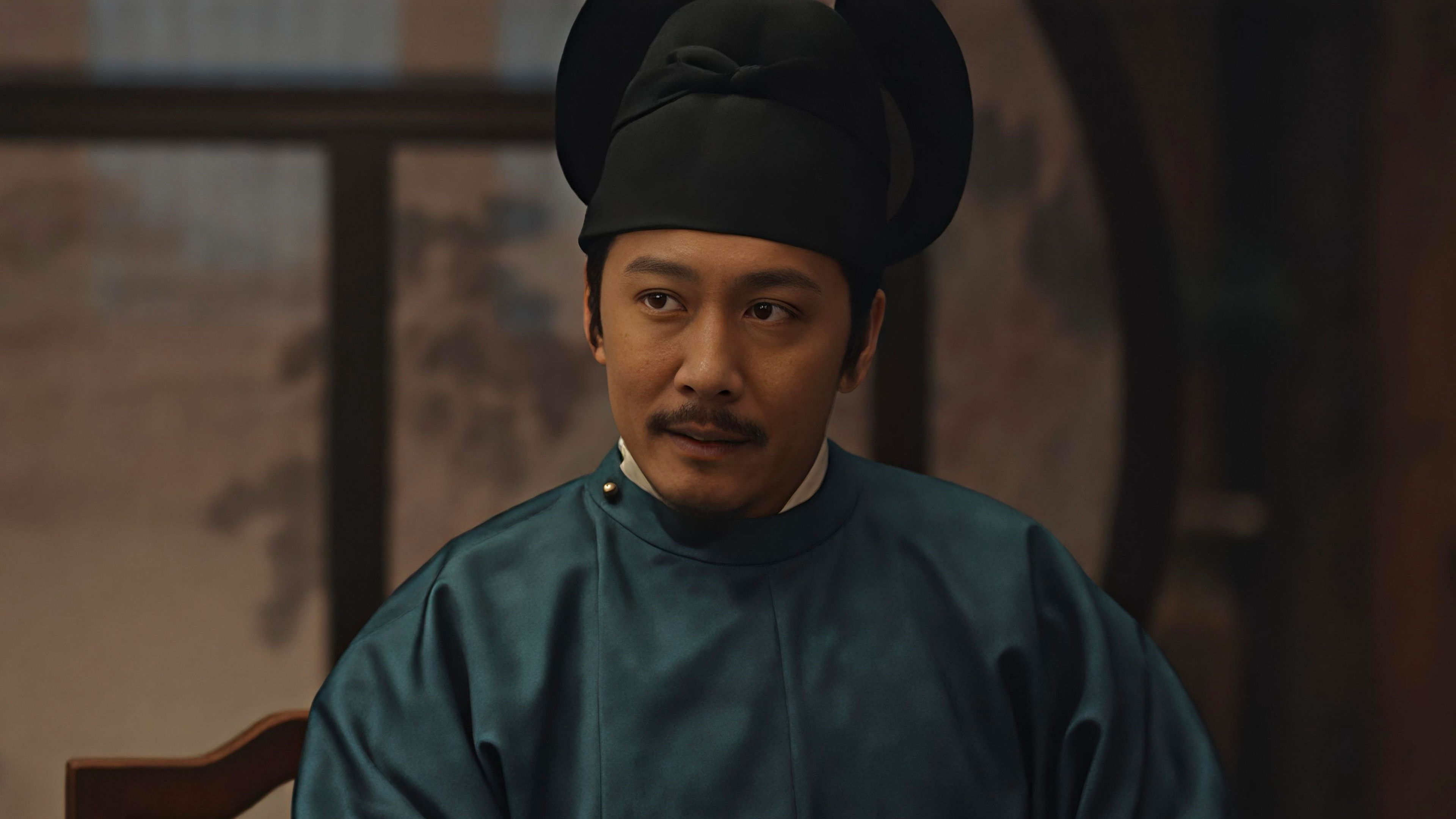
22. Bölüm Now a subject rather than a sovereign, Qian Hongchu navigates life inside the Song court. Trust is fragile as former kings adjust to a new hierarchy under Zhao Kuangyin.
-
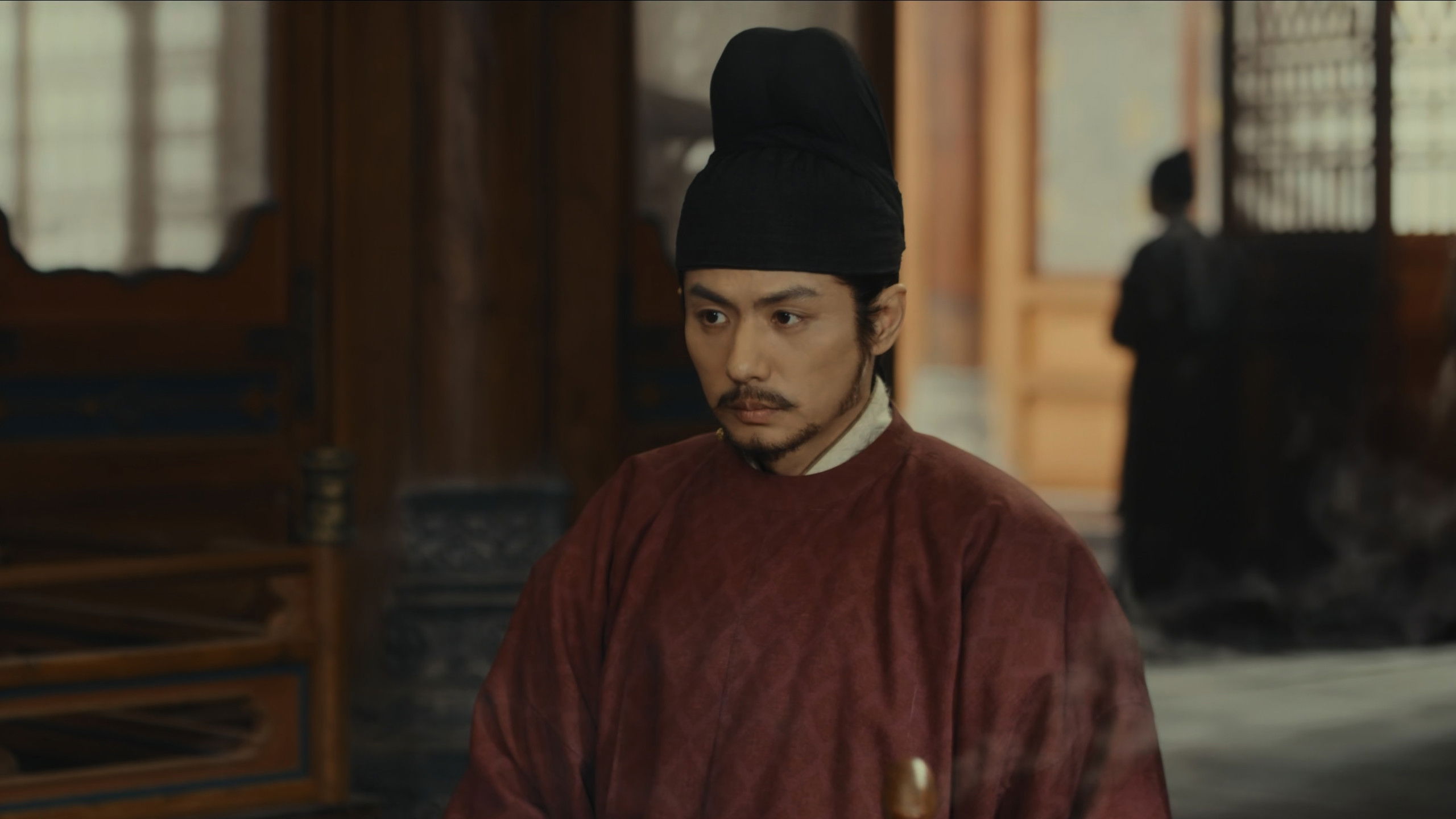
23. Bölüm Political tensions resurface when rumors question Wuyue’s loyalty. Determined to prove his sincerity, Qian Hongchu risks everything to demonstrate unwavering allegiance to the empire.
-
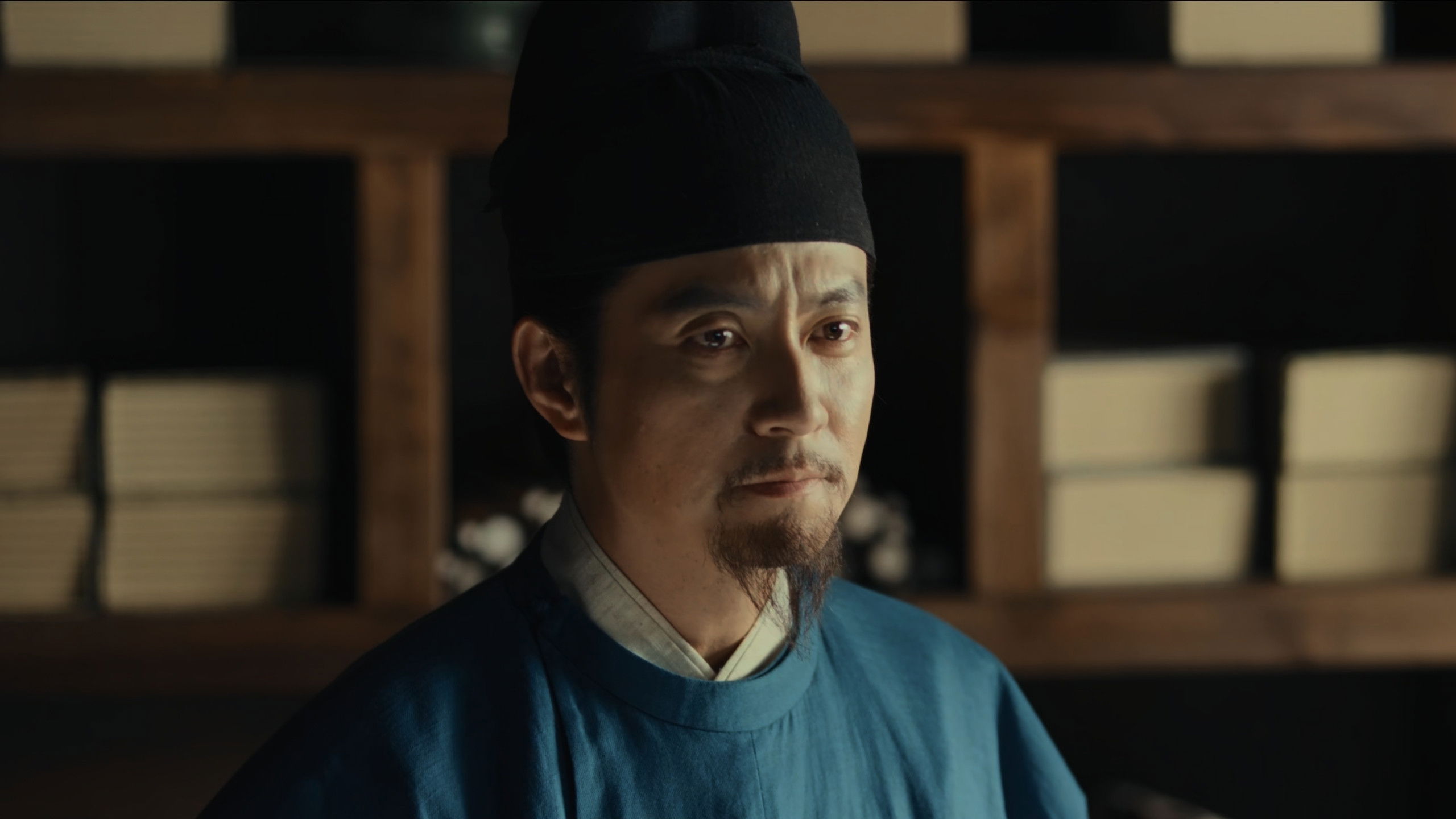
24. Bölüm A military campaign tests Song unity, revealing cracks beneath imperial authority. Zhao Kuangyin must balance mercy and dominance as the burden of unification grows heavier.
-
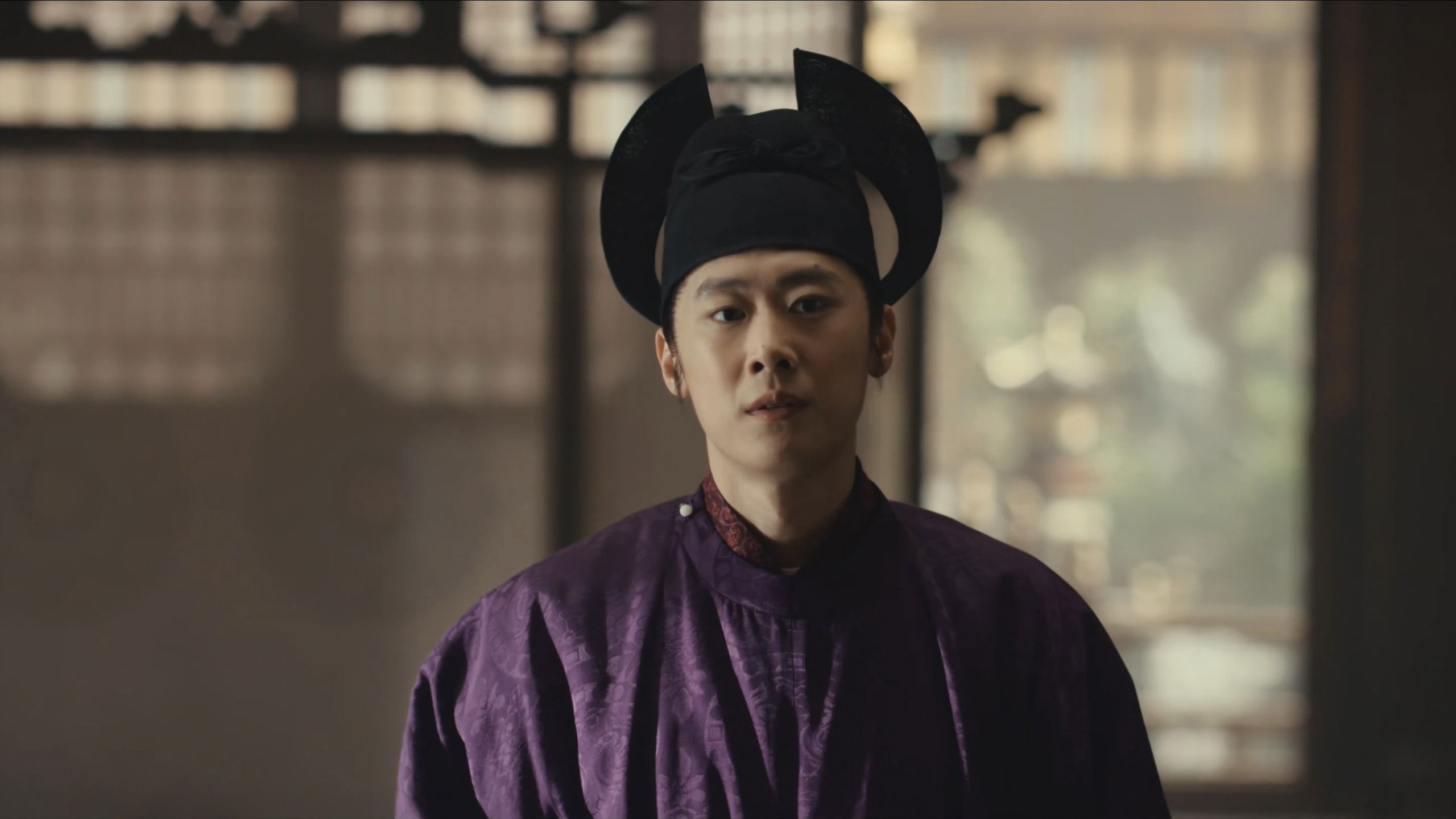
25. Bölüm As succession anxieties stir within the palace, alliances shift once more. Both Zhao Kuangyin and Qian Hongchu confront the fragility of the order they helped build.
-
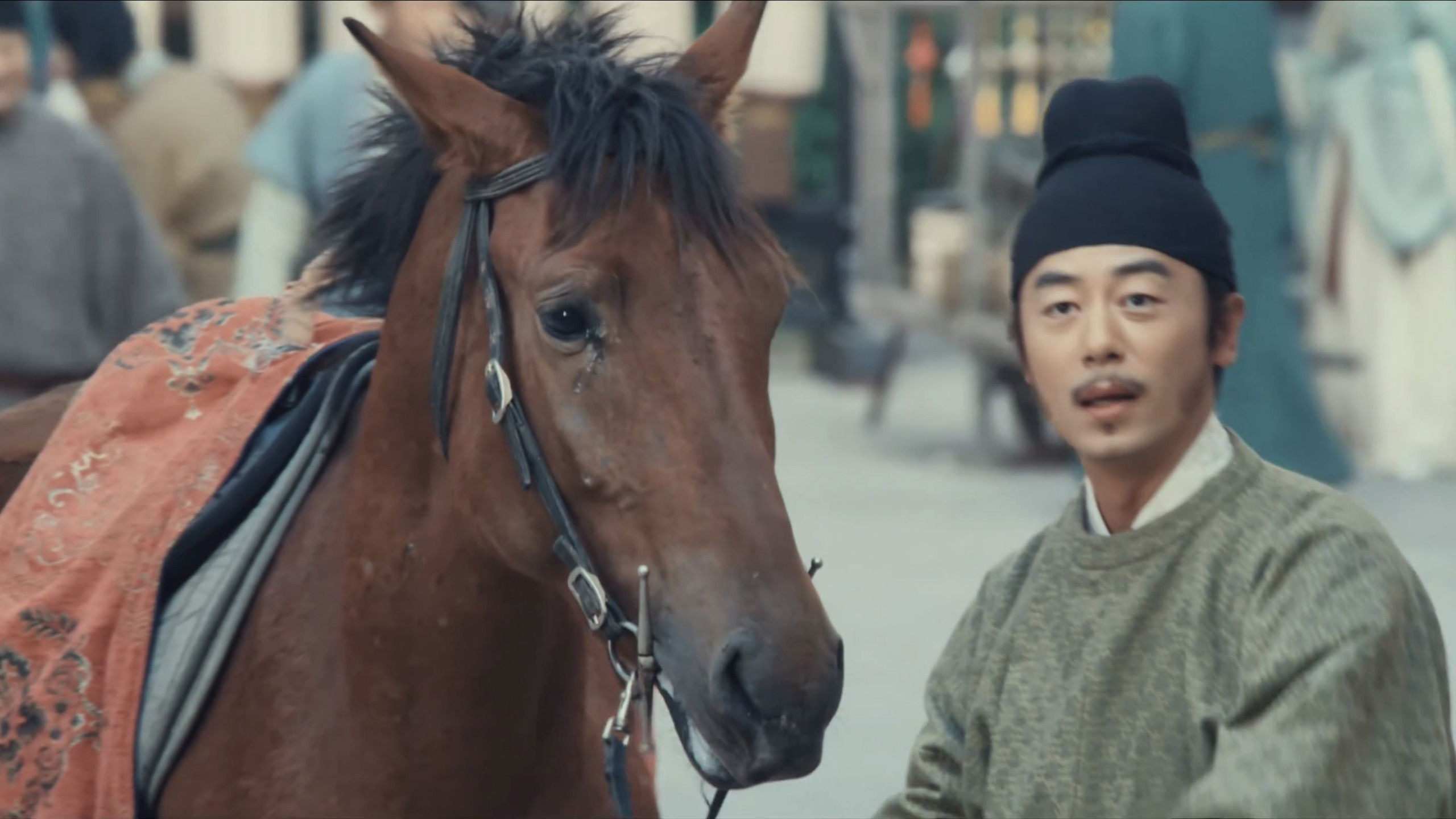
26. Bölüm With enemies subdued and borders secured, Song stands unified — but stability demands constant vigilance. Reflections on past sacrifices force both men to confront what unification has truly cost them.
-
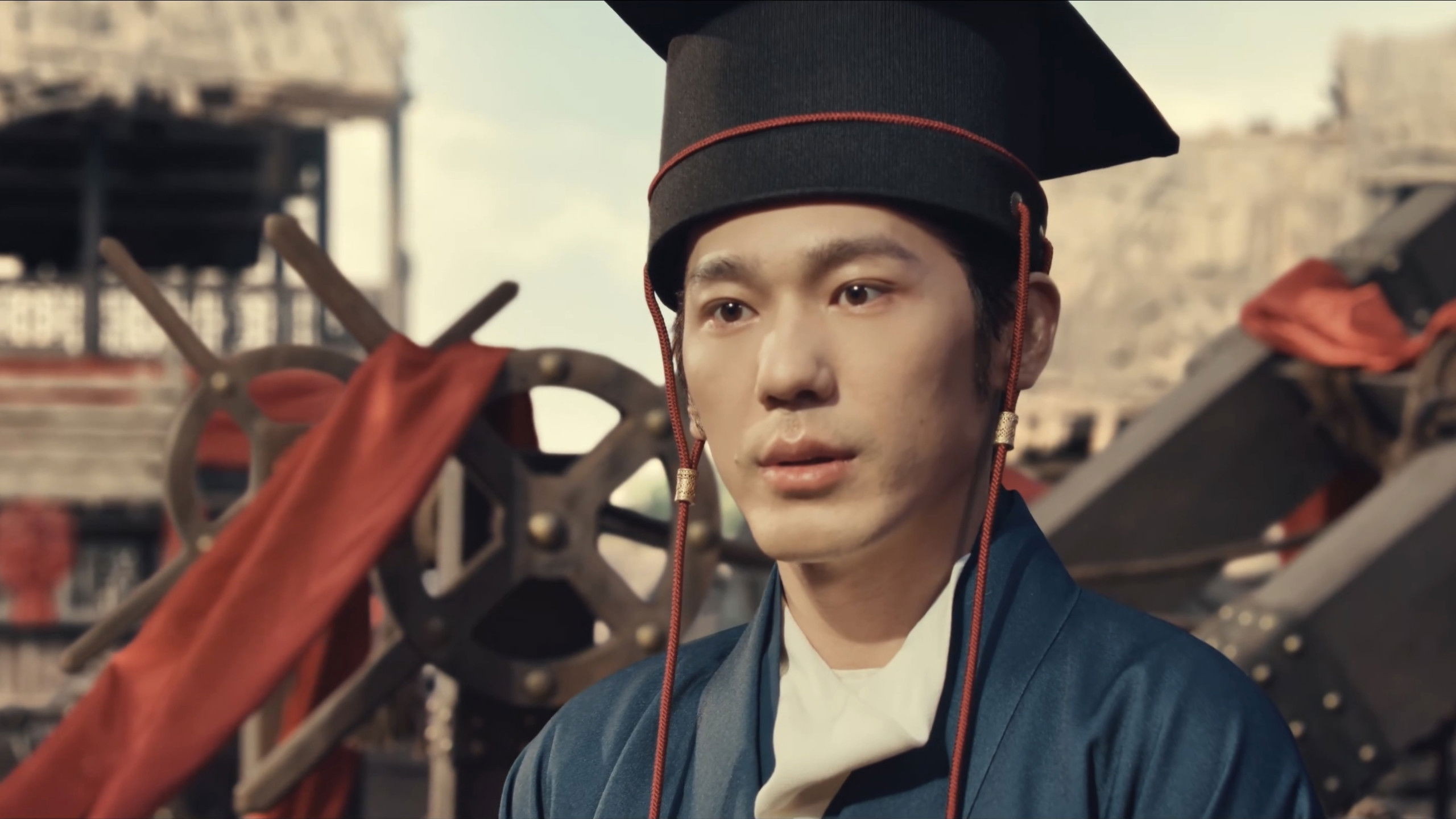
27. Bölüm As legacy becomes the empire’s central concern, the court prepares for transition. Qian Hongchu, once a king, finds meaning in service rather than sovereignty.
-
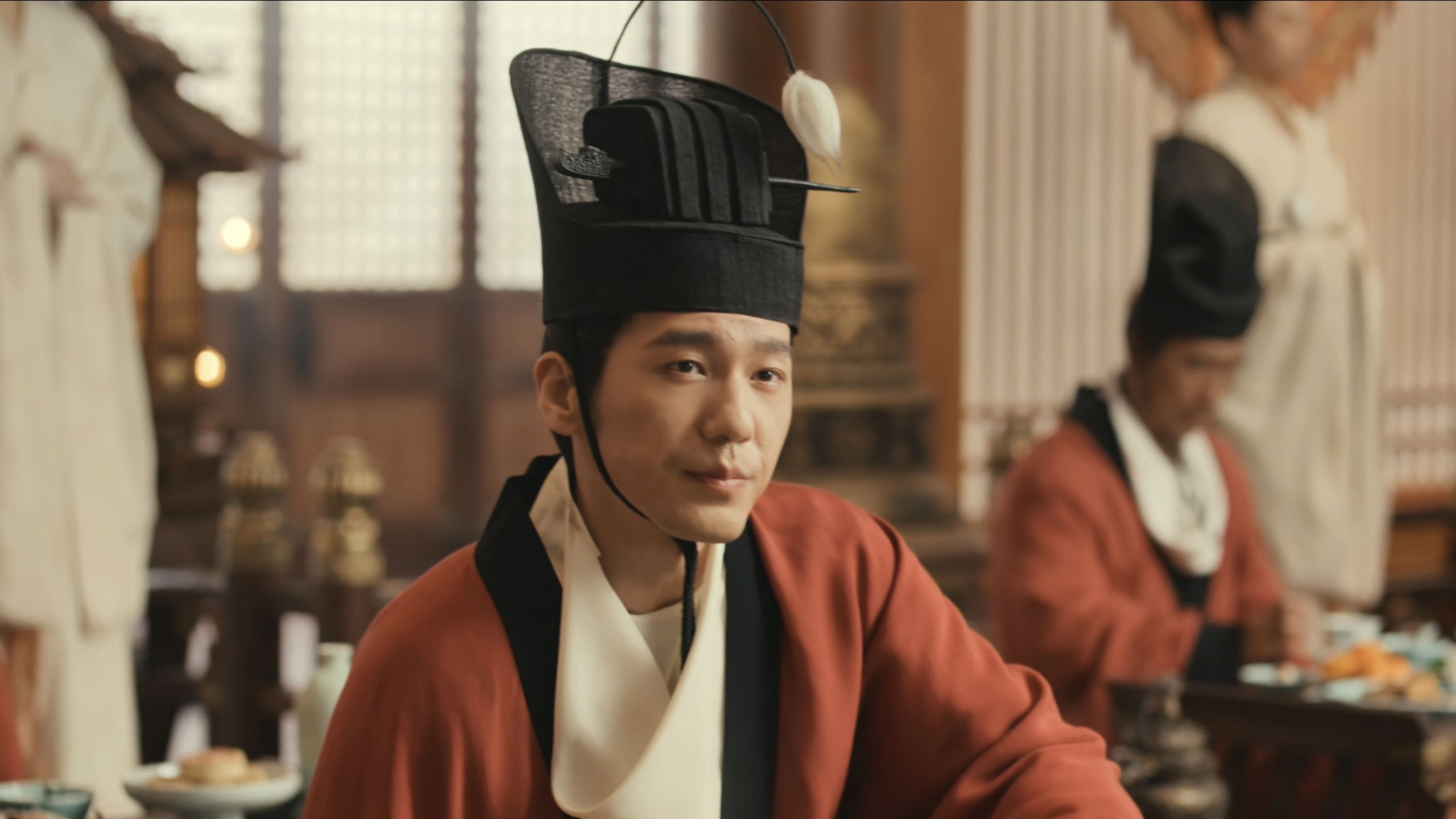
28. Bölüm In the shadow of history, the era of conquest gives way to consolidation. The choices of Zhao Kuangyin and Qian Hongchu echo beyond their lifetimes, reshaping the destiny of a unified China.
-
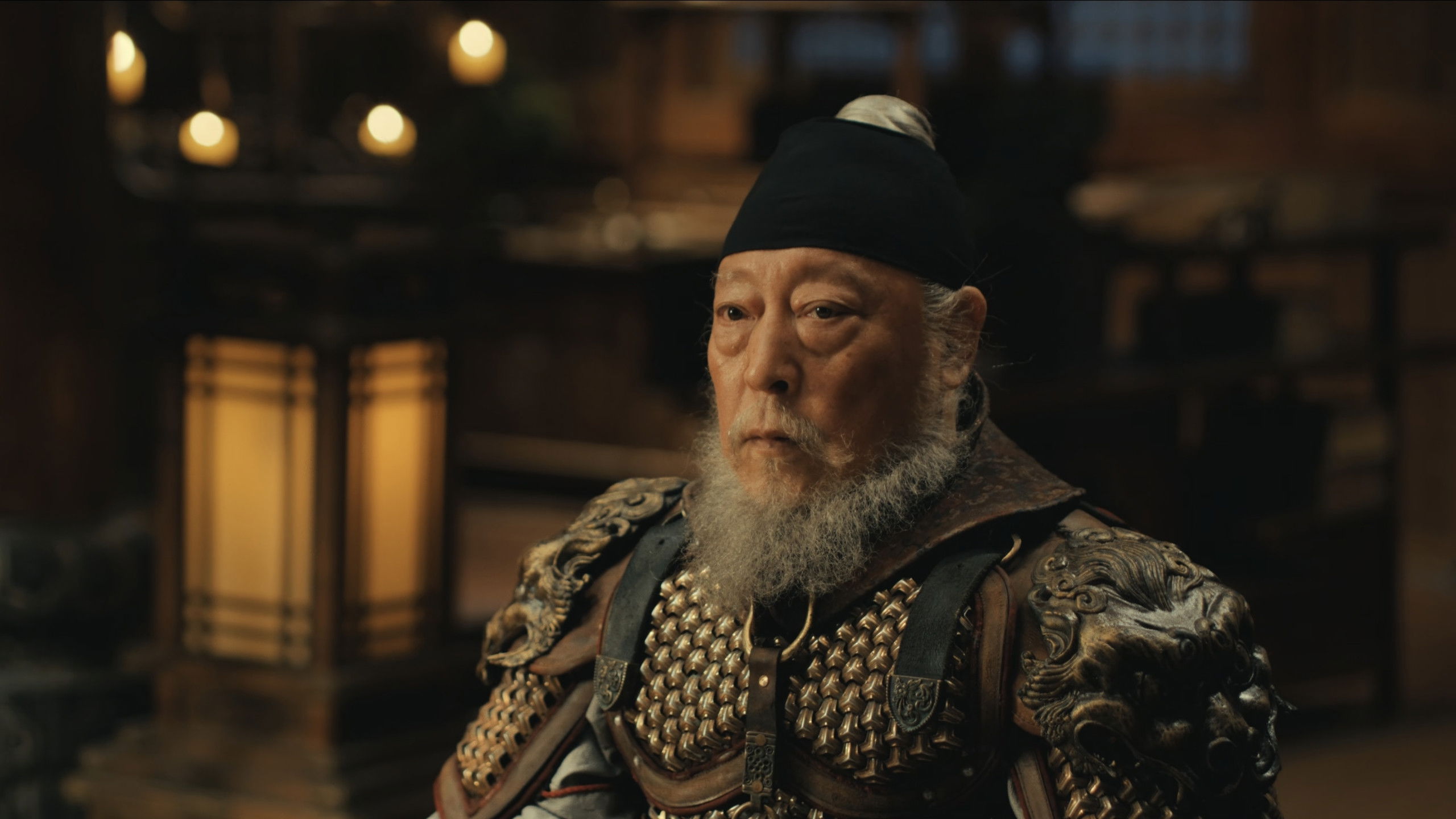
29. Bölüm As the empire stabilizes, Zhao Kuangyin strengthens central authority, sidelining powerful generals. Watching carefully, Qian Hongchu recognizes the quiet strategy behind lasting peace and the personal cost of absolute control.
-
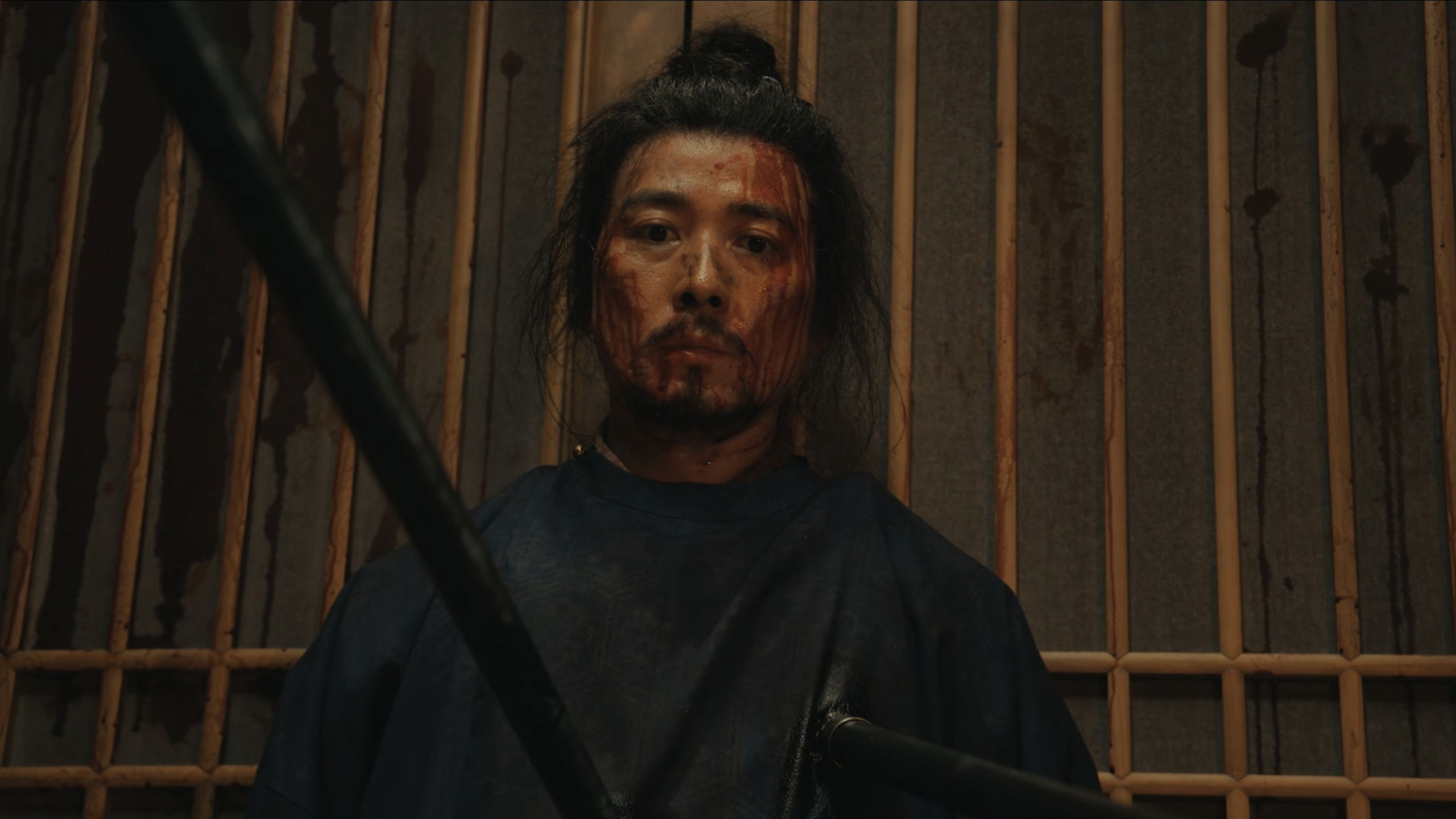
30. Bölüm Court tensions flare when policy reforms threaten entrenched interests. Forced to mediate, Zhao Kuangyin balances loyalty and suspicion, while Qian Hongchu proves his value in unexpected ways.