
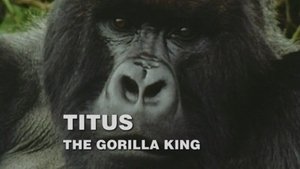
1
Abandoned as a baby, removed from normal gorilla family life as a youngster - so profound were the misfortunes that Titus suffered in his early years that no gorilla scientist could have predicted his eventual rise to power.


Abandoned as a baby, removed from normal gorilla family life as a youngster - so profound were the misfortunes that Titus suffered in his early years that no gorilla scientist could have predicted his eventual rise to power.
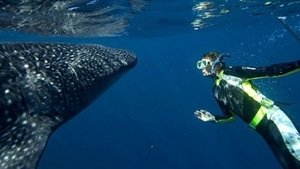
Beginning at the fabulous coral reef of Ningaloo in Western Australia, intrepid marine biologist Mark Meakin attempts to unravel the mysterious wanderings of the biggest fish in the sea.
David Attenborough's entertaining romp through the world of monkeys has a serious side: for when we look at monkeys we can see ourselves. From memory to morality, from 'crying wolf' to politics, monkeys are our basic blueprint.
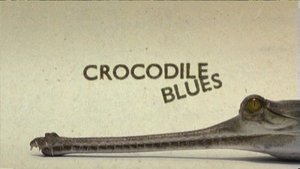
Another stunning look at the wonders of wildlife as Natural World tonight seeks out the Gharial crocodile.
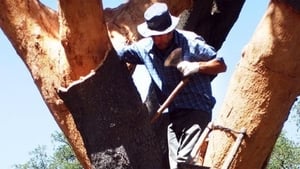
Every time we weigh up which bottle of wine to buy, we hold the fate of nightingales, rare black storks, secretive wild cats and one of the world's most remarkable trees in our hands. It has all to do with the stopper. If it is cork, it probably came from the bark of one of the ancient cork oak trees from the Montados, in the Alentejo region of Portugal.
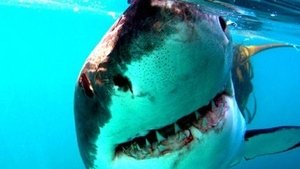
Wildlife film. South African naturalist Mike Rutzen is crazy about great white sharks. He never saw Jaws, so he doesn't share the terror that makes these sharks the world's most feared predator.
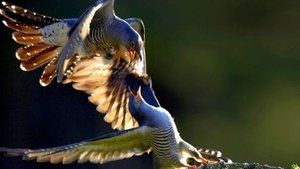
The sound of the cuckoo is to many the very essence of spring, yet behind the magical call is a bird that is a cheat, a thief and a killer. Just how does the cuckoo trick other birds into accepting its eggs and raising its young? Why don't the duped foster parents react as they watch the baby cuckoo destroy their own eggs and chicks? And why do they work so relentlessly to feed a demanding chick that looks nothing like them and will soon dwarf them?
This moving film reveals the differing fortunes of a mother polar bear and a mother grizzly bear, and their new-born cubs, in a rapidly-changing world. The shrinking Arctic ice may be making life much tougher for polar bears, but it is offering new opportunities for grizzly bears to the south.
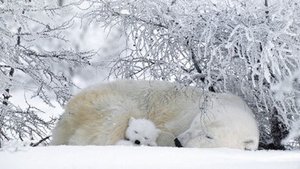
This moving film reveals the differing fortunes of a mother polar bear and a mother grizzly bear, and their new-born cubs, in a rapidly-changing world. The shrinking Arctic ice may be making life much tougher for polar bears, but it is offering new opportunities for grizzly bears to the south. Where once the lives of white and brown bears could not have been more different, in summer-time they now meet along shores and islands almost all the way to the North Pole. Amazingly they have even interbred. It Is a remarkable story of how bears, ever intelligent and resourceful, are adapting to a warming world.
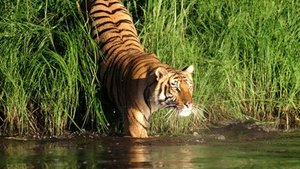
Tiger experts in Bangladesh have a problem: how can they encourage local people to protect the beautiful and endangered Bengal tiger when these animals have developed a taste for human flesh?
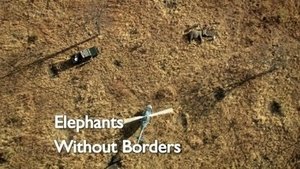
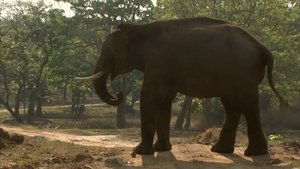
Botswana's elephants are doing very well, too well perhaps. People are worried that too many elephants will damage their fragile desert home and have suggested that up to 60,000 should be culled.
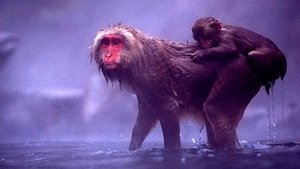
n 1970, a picture of a snow monkey bathing in a hot spring graced the cover of Life Magazine. Ever since, Japan's hot-tubbing primates have been protected and well fed for the enjoyment of tourists and photographers - they have become international superstars of the natural world. But while their unique lifestyle has brought fame, the rest of Japan's snow monkeys lead very different lives, enduring incredible hardships as they fight for survival in their beautiful but unforgiving mountain home.
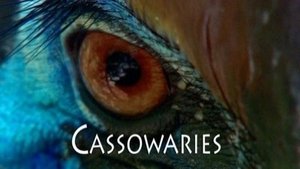
This film follows the dramatic attempts to save these endangered giant birds, and reveals their fascinating natural history for the first time. Narrated by David Attenborough.
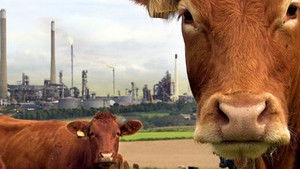
Wildlife film maker Rebecca Hosking investigates how to transform her family's farm in Devon into a low-energy farm for the future. Last year's high fuel prices were a wake-up call, and realising that food production in the UK is dependent on fossil fuel, particularly oil, Rebecca sets out to discover just how secure this oil supply is. Alarmed by the answers, she explores other ways of farming and learns that it is actually nature that holds the key to farming in a low-energy future.
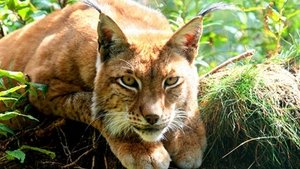
When communism crumbled in 1989, it created an opportunity for wildlife. The Iron Curtain that divided communist Eastern Europe from the capitalist West had created a no-man's-land protected by barbed wire and minefields - a last haven for many rare animals and plants. This film tells the story of the movement, led by biologist Dr Kai Frobel, that set out to save the wildlife of this precious strip.
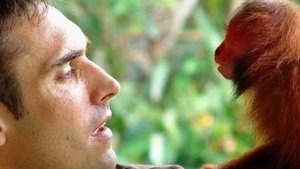
In the flooded forests of the Peruvian Amazon lives one of the world's rarest and most mysterious primates, the red-faced uakari monkey. Local people call them English monkeys because of their resemblance to sunburnt visitors.