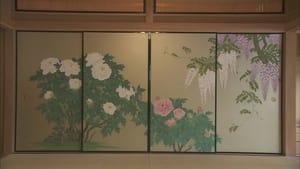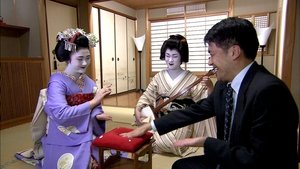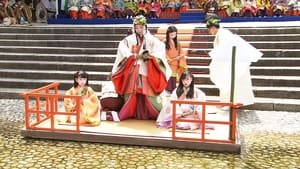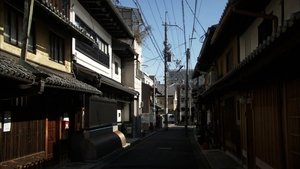
Kyotoites have lived in kyo-machiya townhouses for centuries. Each year, 1,000 are demolished, but Kyo-machiya Sakujigumi, a group of craftsmen skilled in machiya restoration, use natural materials and traditional methods to preserve them. Megumi Hata, whose family kyo-machiya was built in 1869, discusses how living in a machiya means living comfortably in harmony with nature. Within their walls, the wisdom, the way of life and the spirit of Kyotoites remain unchanged through the generations.
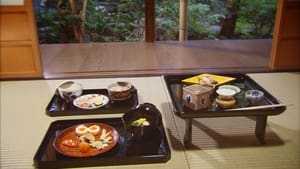
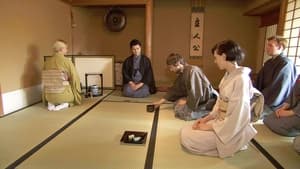
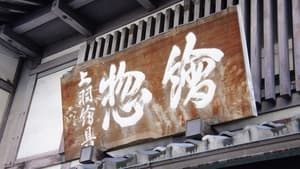
Stimulating all five senses, kaiseki-ryori is a Kyoto culinary work of art. Eiichi Takahashi, 14th generation owner of Hyotei, stresses kaiseki's roots in cha-kaiseki meals served at tea ceremonies. Leading chefs and researchers explore new potential for kaiseki. Takuji Takahashi, 3rd generation owner of Kyo-ryori Kinobu, creates novel dishes using Western methods while preserving the form of Japanese cuisine. These inquisitive minds pursue the ultimate in culinary hospitality.
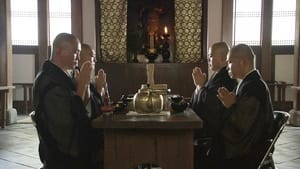
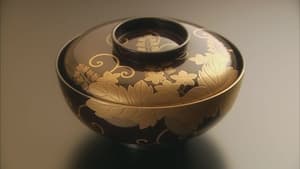
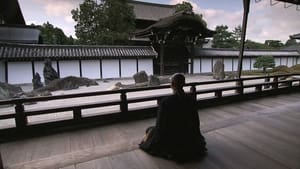
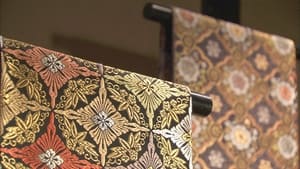
Kyoto has about 2,700 temples where an array of benevolent, meek, and ferocious Buddhist statues are worshipped. World Heritage temple Toji has a configuration of statues in an imposing, 3D mandala and a beautifully woven mandala, which captures the cosmos. The jizo statues standing on street corners have a special place in the lives and hearts of Kyotoites. Today, sculptors continue to breathe life into Buddhist statues, and skilled craftsmen create magnificent works using gold leaf in microns.
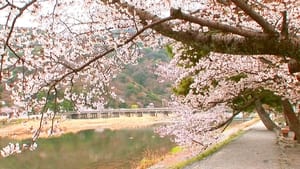
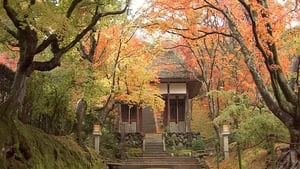
Various locations in Kyoto have been famous cherry-blossom-viewing spots for 1,200 years. As spring approaches, the locals' actions revolve around thoughts of hanami. The cherries keep family ties strong; 3 generations gather once a year for hanami festivities. A 3rd-generation cherry gardener who conserves cherry trees and a photographer who has snapped Kyoto's cherries for about 40 years talk about the enduring allure of these flowers, which feature in bento meals and embroidery designs.