Julianne Moore's 6 Best Movie Masterpieces, Ranked
Collider
Feel free to connect with him or check out his work. He's everywhere — Upwork, YouTube, Spotify, SoundCloud, Collider, LinkedIn, Instagram.
Julianne Moore has one of the most dangerous gifts an actor can have. Moore can make emotional exposure feel intelligent. Her characters are rarely simple victims, villains, mothers, lovers, or wives. There is usually something unstable under the surface, something private leaking into public life, and Moore knows exactly how to let that tension show without flattening the person into one clean idea.
That is why this list gets so stacked so fast. Moore fits each world differently, but the charge is always the same. She makes people readable and mysterious at once, which is why her best films keep gaining power the more you sit with them. Other than these six though, Moore has about 70 film credits to her name but these ones win for me.
The Big Lebowski is usually discussed through the Dude (Jeff Bridges), Walter Sobchak (John Goodman), bowling, ransom confusion, nihilists, and the Coens turning detective fiction into a stoned maze. Then Maude Lebowski (Julianne Moore) drops into the movie and changes the flavor of the whole thing. Moore takes a character who could have been a one-joke eccentric artist and makes her one of the smartest people in the room. Maude understands money, sex, image, inheritance, and the absurd male panic swirling around Bunny Lebowski (Tara Reid)’s disappearance.
What makes Moore so funny here is the absolute seriousness of Maude’s self-presentation. The flying harness, the art-world language, the clipped delivery, the refusal to treat the Dude’s confusion as important; all of it feels ridiculous and completely controlled. She wants a child, wants no romantic mess, and sees the Dude as useful in a way that somehow becomes both cold and hilarious. The movie’s chaos keeps pretending to be masculine, but Maude reads the situation cleaner than almost anyone.
May December is brutal because it understands how people turn scandal into a story they can survive. Gracie Atherton-Yoo (Julianne Moore) lives with Joe Yoo (Charles Melton), the man she began abusing when he was thirteen, and the film does something very uncomfortable with that history. It keeps the domestic surface calm enough to show how denial becomes routine. The house, the cakes, the kids, the polite conversations, the neighbors, the smiles; everything has been arranged around a lie that everyone knows and still steps around.
Moore’s Gracie is terrifying in ordinary ways. She can sound fragile, sweet, childish, wounded, maternal, and manipulative within the same conversation. Elizabeth Berry (Natalie Portman) arrives to study her for a movie role, and that turns the whole film into a sick mirror game about performance. Gracie has spent years acting as if her version of events is reality. Elizabeth watches, copies, judges, steals, and exposes the rot without becoming morally clean herself. Moore makes Gracie horrifying without turning her into a monster costume. That restraint is what makes the film sting and one of her best.
Children of Men throws viewers into 2027, where human infertility has pushed the world into despair, authoritarian violence, refugee cages, and dead-end survival. Julian (Julianne Moore) is not in the movie for long, but her absence haunts the whole story. She leads the Fishes, a resistance group fighting inside a collapsing Britain, and she pulls Theo Faron (Clive Owen) back into action through a mission involving Kee (Clare-Hope Ashitey), the first pregnant woman in eighteen years.
Julian matters because the movie needs history before it can have hope. She and Theo once had a child, Dylan, and that loss still sits between them. Their car scene has that rare lived-in ache where jokes, resentment, memory, and old love all pass through the same few minutes. Then the ambush hits, and the film rips away the possibility of repair. Children of Men is a masterpiece of chaos and motion, but Julian’s character is the wound that makes the movement mean something and Moore plays it well.
Your answers have pointed to one Oscar Best Picture winner above all others. This is the film that was made for the way your mind works.

 Netflix's 5-Part Sci-Fi Series Had A Near-Perfect First Season
 Demon Slayer X Berserk Crossover Teased
 New Epic Fantasy Movie Based On Disney's Greatest Classics Magically Climbs To #1 On Streaming Charts
 Taylor Sheridan’s Hit Spy Thriller Returns With Its Deadliest Mission Yet
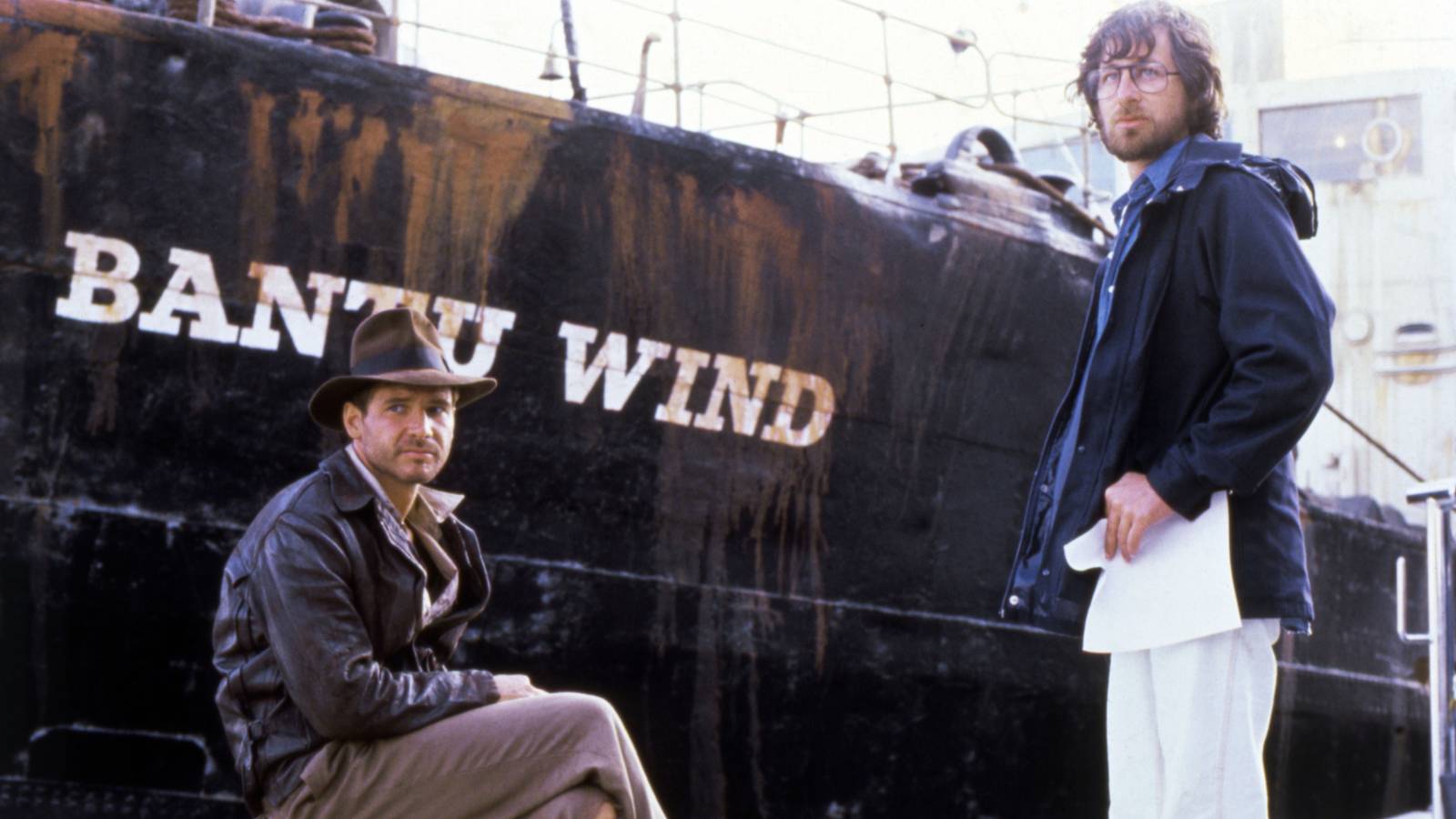 6 Ways Steven Spielberg Has Changed The Film Industry Forever
 Alan Ritchson's #1 Sci-Fi Thriller On Netflix Is Reacher Turned Up To 11
 Joe Caldwell Dies: ‘Dark Shadows’ Writer Who Co-Created Reluctant, Enduring Vampire Barnabas Collins Was 97
 Kartik Aaryan, Mammootty, Yami Gautam Take Top Acting Honors as ‘Article 370’ Wins Best Feature at India’s National Film Awards
 Batman Officially Returns With a New 10-Part Release This Month
 Why ‘Call of Duty’ Is Making Its Fanatics Fest Debut With ‘Modern Warfare 4’ — And Bringing ‘Obsession’ Star Inde Navarrette Along for the Mission