'House of the Dragon's James Norton Confirms What Makes Ormund Hightower Such a Dangerous Villain
Collider
Editor's note: The below interview contains spoilers for House of the Dragon Season 3 Episode 4.
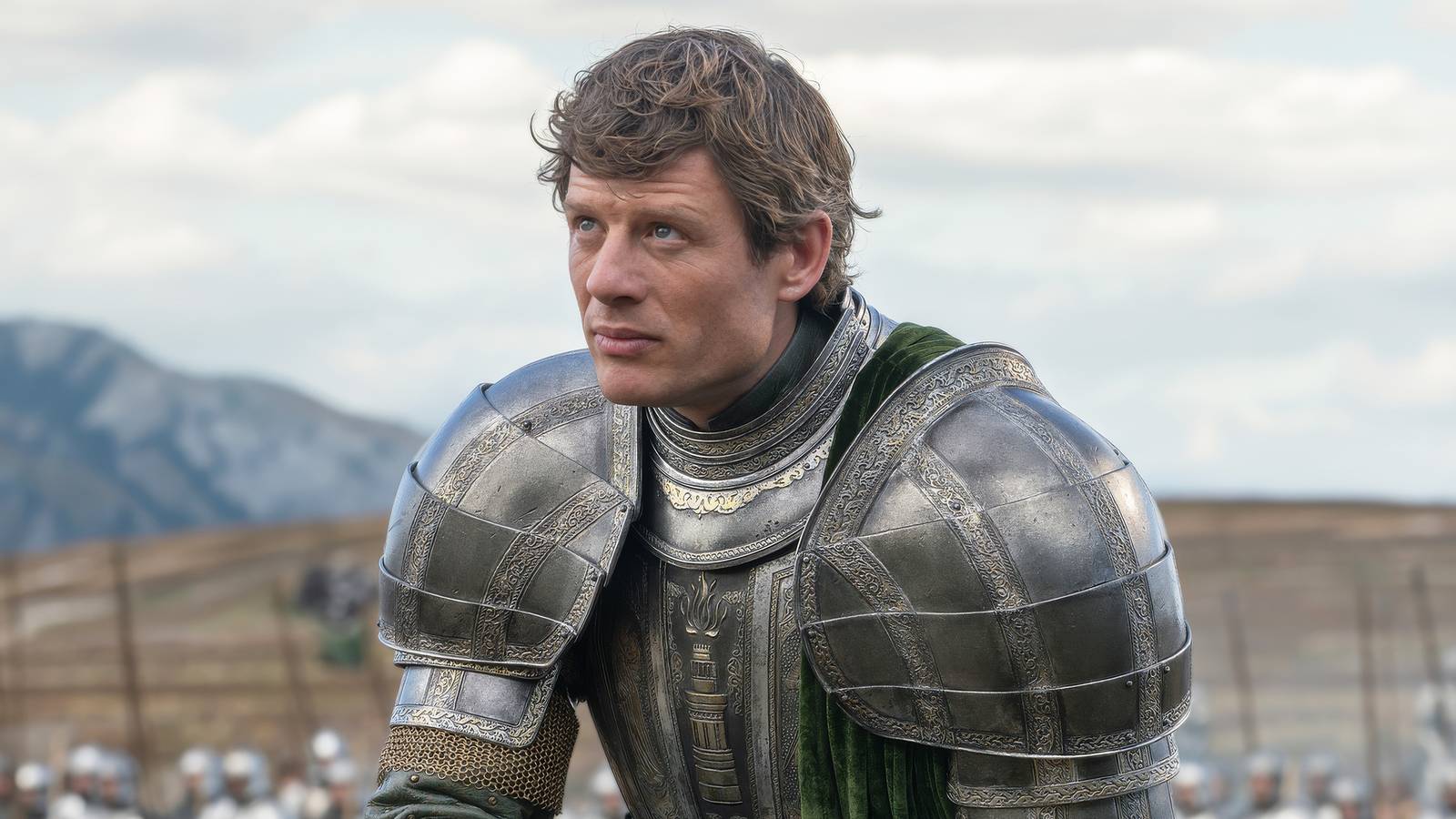
We're at the halfway point of House of the Dragon Season 3, and already the HBO fantasy spin-off has made some decisive moves with its characters on the overall chessboard that is Westeros. Although Rhaenyra (Emma D'Arcy) has definitively claimed the Iron Throne, the strife she's inherited in King's Landing is only the half of it. With the knowledge that Ormund Hightower (James Norton) has deceived her — not only by sending her a fake Daeryon Targaryen but also by seizing the adjacent town of Tumbleton instead of retreating — it's clear that Season 3 is setting up an inevitable clash between these armies, one that could have devastating consequences for the smallfolk caught in the middle.
Ahead of the premiere of Episode 4, "Tumbleton," Collider had the opportunity to speak with Norton about playing House of the Dragon's newest villain and why he wanted to take "big swings" with Ormund's most pivotal scenes. Over the course of the interview, which you can read below, the actor breaks down that memorable bath moment, the intricacies of Ormund's admittedly "toxic" relationship with Daeron (Benjamin Evan Ainsworth), what his opinion of House Targaryen and their dragons reveals about his inner nature, and more.
COLLIDER: This episode is so fabulous for your character, starting with the very memorable scene in the bath. What sort of energy did you want to bring to that scene? So often, we associate nudity with vulnerability, and here it feels like he's using it as a form of intimidation.
JAMES NORTON: Yes, he certainly is. What was lovely about this scene was it was an opportunity to see Ormund really enjoy being Ormund. A lot of the time, we see him very stressed, particularly later on in the series. As the stakes rise, he gets more and more stressed. Obviously, this is a man who lives at a high level of stress. You get a sense that he's hyper-aware and hypersensitive to certain smells and sounds, and he has a lot of OCD, and so it was really lovely to see him delighting in his power and his playfulness.
What was really great in the scene, for me, was that I was able to give them versions of it where I basically said to the director [Claire Kilner], “Can I go quite camp with this?” And again, testament and credit to the creators of the show, they were like, “Yeah, just go. See how far you can go, and have it still exist within the world.” Getting out of that bath, I got campier and campier until I was literally cocking my head and going, “Is she a queen, or is she a bitch with a dragon?” It felt like I was going so ludicrously big, and then they went with it! They were brave in the edit, and they were like, “Let's make this character delicious.” And as a result, he kind of feels into all different facets of the contradictory mess that he is, and I just think, “Good for them.”
Sometimes, as an actor, if you don't trust the creators, you don't give them the wide parameters of performance, and on this, I gave them very wide parameters. I gave them very subtle and nuanced and very big and panto, and generally, they went with the big swings, and I think the show and the character benefit as a result.
You brought up Ormund's emotions, and it does call to mind the scene where he gets the raven from Harrenhal. As much as there has been this question hanging over the nature of Ormund and Daeron’s relationship, Daeron is the one who sees Ormund go still and immediately tells everybody else to get out of the line of fire. What did you want to convey not just through Ormund’s reaction, swinging a sword at that table over and over again, but also what Daeron’s response reveals about the history between these characters?
NORTON: It was actually quite a tough scene to shoot because what happens, usually, when you do those types of explosions, those types of physical moments, which are very important in the script, you usually do the scene up to the moment of explosion, and then the shot to shoot the explosion is a pick-up or a pop or a special, whatever you want to call it, so the camera’s set up in a certain way. So, after we shot the bulk of the scene, the meat of the dialogue, and they called action, I would just be smashing the table, and then I would go back to being calm, and then I would smash the table. Your body just doesn't know where the hell it's at because you're going high adrenaline to nothing, to high adrenaline. By the end, I was nearly fainting. My head was spinning. I had a terrible headache. It was kind of weirdly taxing. I don't know. I felt really drained by the end of it.
In terms of the more important part of that scene and what it tells us about those characters, it was fun for me because it allowed us to show what is below Ormund and all the control, and what happens if that control is undermined, and the danger. Up until that point, we get a sense of there being this kind of fury bubbling underneath; we don't actually see it manifest. Then, to allow it to be manifested was really important. Also, it just contextualizes the fear and the way people respond to him, particularly Daeron.
 Andy Serkis Directs ‘The Hunt For Gollum’ In Character: See The Set Footage
 ‘In the City’ Finale Recap: Kyle and Amanda’s Emotional Split, Three Pregnancy Announcements and More
 Mayu Matsuoka, Riisa Naka’s Netflix Cosmetic Surgery Drama ‘Plastic Beauty’ Sets September Premiere, Adds 23 Cast Members
 Christopher Nolan Crammed Inside Trojan Horse With 20 Actors to Shoot Pivotal ‘Odyssey’ Scene
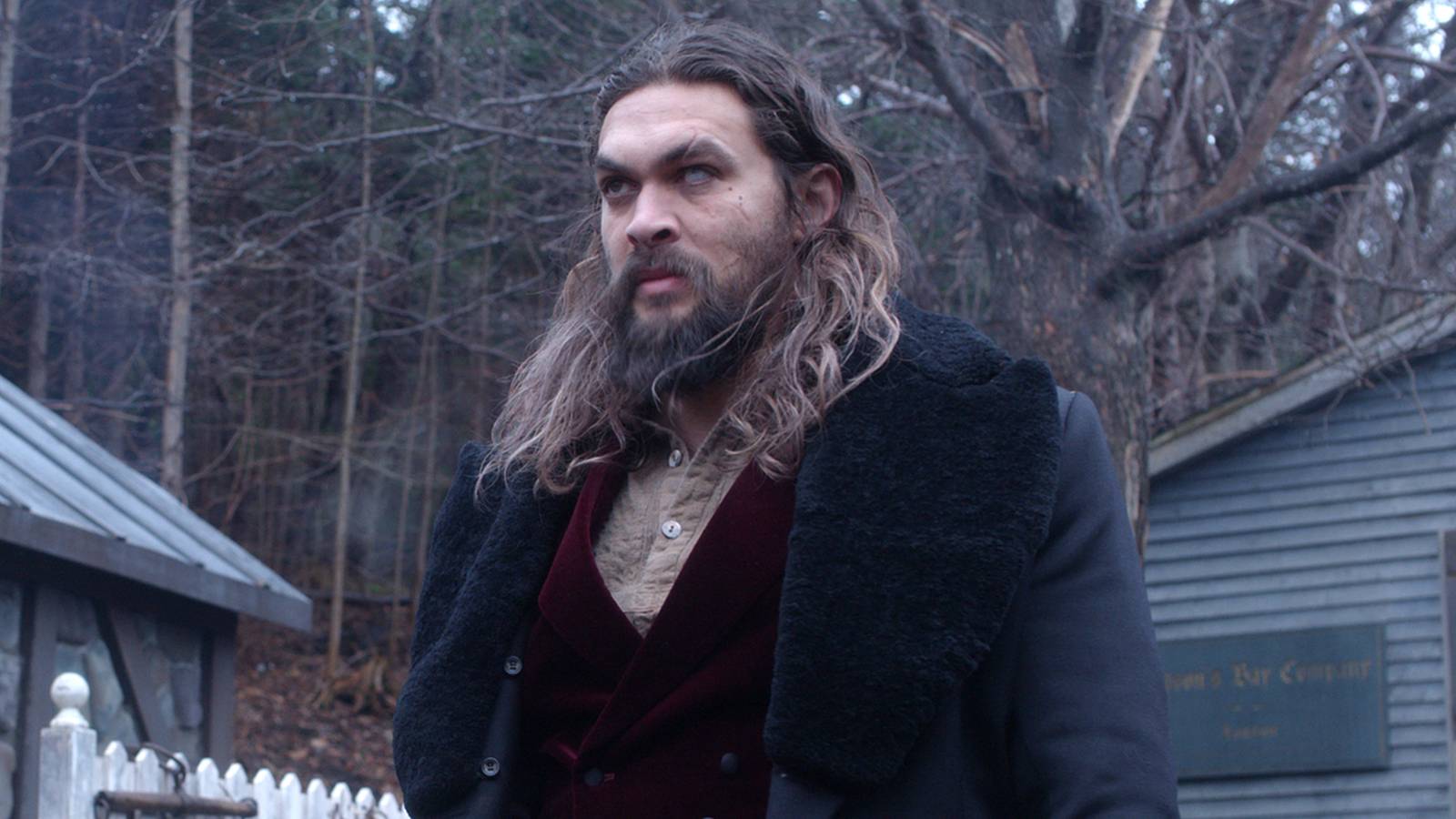 Netflix’s Brutal 3-Season Jason Momoa Series Is Officially More Timely Than Ever
 Colin Farrell's Most Shocking Thriller Has Officially Arrived on HBO Max
 Nordstrom Anniversary Sale 2026: The Top 20 Deals on Hollywood’s Most-Loved Labels
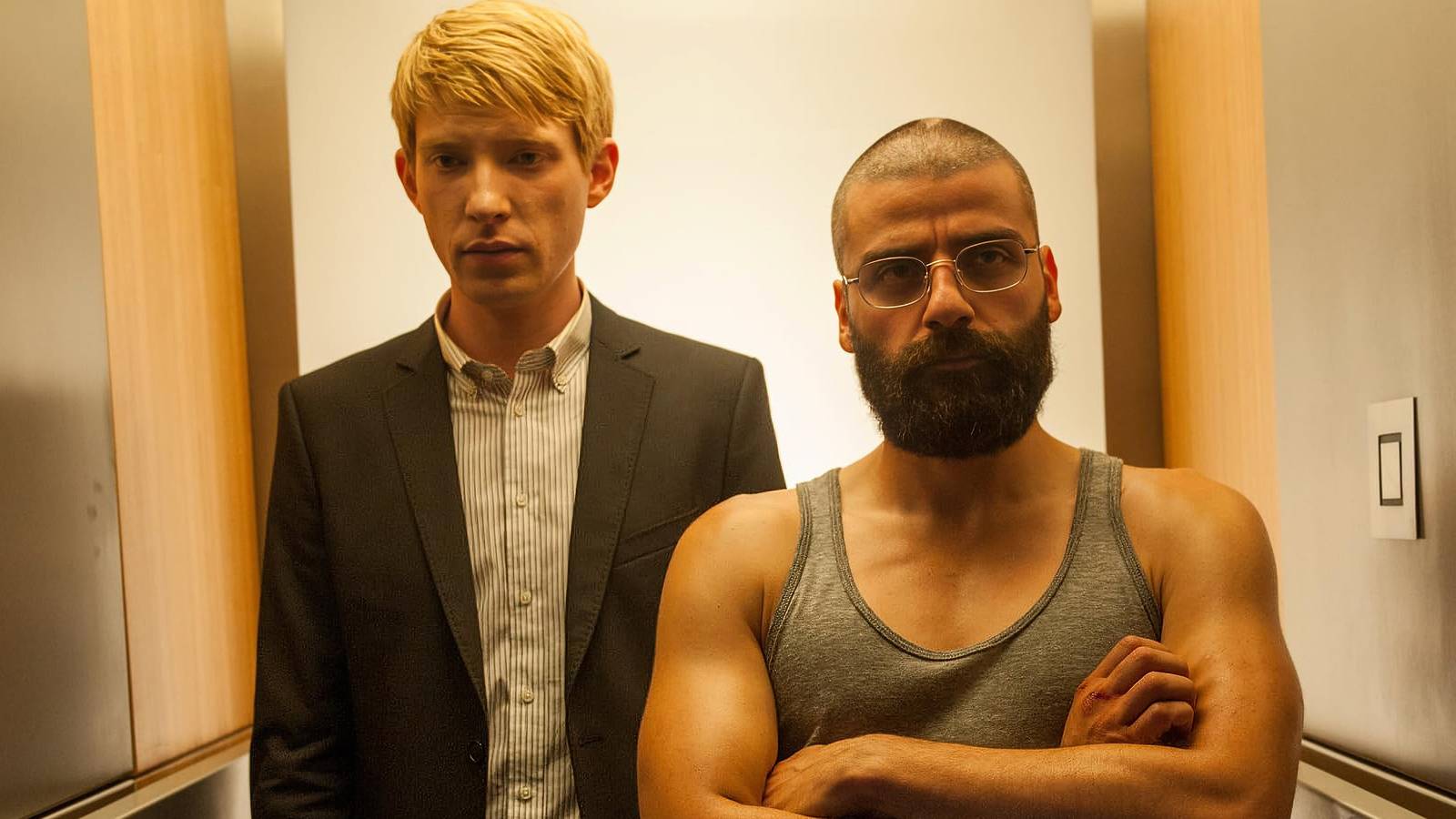 You're Officially Running Out of Time to Watch the 2010s' Greatest Sci-Fi Movie
 Anya Taylor-Joy's Apple TV Crime Thriller Struggles To Strike the Right Balance | Review
 Anya Taylor-Joy Is a Con Artist on the Run in Apple TV’s High-Voltage Thriller ‘Lucky’: TV Review