
 СЕРИАЛ
Star Trek’s Wildest Show Is Officially Its Most Frustrating | Review
Returning just one year after the Season 3 finale, Star Trek: Strange New Worlds Season 4 will begin this week on Paramount+. The first six episodes were sent out for review ahead of the show’s return date, which kicks off right alongside 60th anniversary celebrations for Star Trek at San Diego Comic Con this Thursday, July 23. After pumping the brakes a bit and ending Season 3 with the inevitable and controversial death of Pike’s (Anson Mount) girlfriend, Captain Batel (Melanie Scrofano), Season 4 is, for better and worse, a return to form. While the genre swings make the series feel bigger and more impressive than ever, the same persistent problems remain in the very bones of the show.
While each episode plays out like its own mini-movie over the course of an hour, and there are a handful of standout character moments among the first episodes of the season, the series continues to treat its characters like props rather than people. Week to week, the characters of Strange New Worlds seemingly reset emotionally, ready for the next adventure, with their previous experiences having little effect on their current behavior, which must serve the plot of the episode, rather than the plot serving their development. While Season 4 does feel as though the series has truly found its footing in terms of what it wants to be, that realization seems to have come at the cost of depth and development for the crew of the USS Enterprise.
Easily the most entertaining and impressive aspect of Strange New Worlds is the show’s ability to jump genres from episode to episode. As Akiva Goldsman recently told Collider, “our worlds are genres,” and to the show’s credit, that is very true in Season 4. Among the first six episodes, the set is bookended by a pair of very classic Star Trek stories centered around moral quandaries and uniquely sci-fi problems, while the middle four episodes jump from horror to buddy comedy to noir to puppets. These wild, contrasting swings deliver something for everyone and keep the audience on their toes as each week offers something new and delightful both visually and narratively.
Many of the above- and below-the-line talents behind Strange New Worlds deserve several rounds of applause, as the visual effects, practical props, and cinematic camera work push the boundaries and make Season 4 stand out not just from previous seasons, but from anything else on television right now. From dinosaurs and deliciously sticky sci-fi effects to classic black and white noir and an acid trip for the ages, Strange New Worlds is a visual feast. And if the episode titles for the remainder of the season, which include soap opera and time travel references, are any indication, that through-line should carry on to the end of the season. However, it seems a shame that such fun concepts lack any sort of throughline for the characters themselves.
Before prestige TV became the norm, one sci-fi series took a storytelling risk that changed everything.
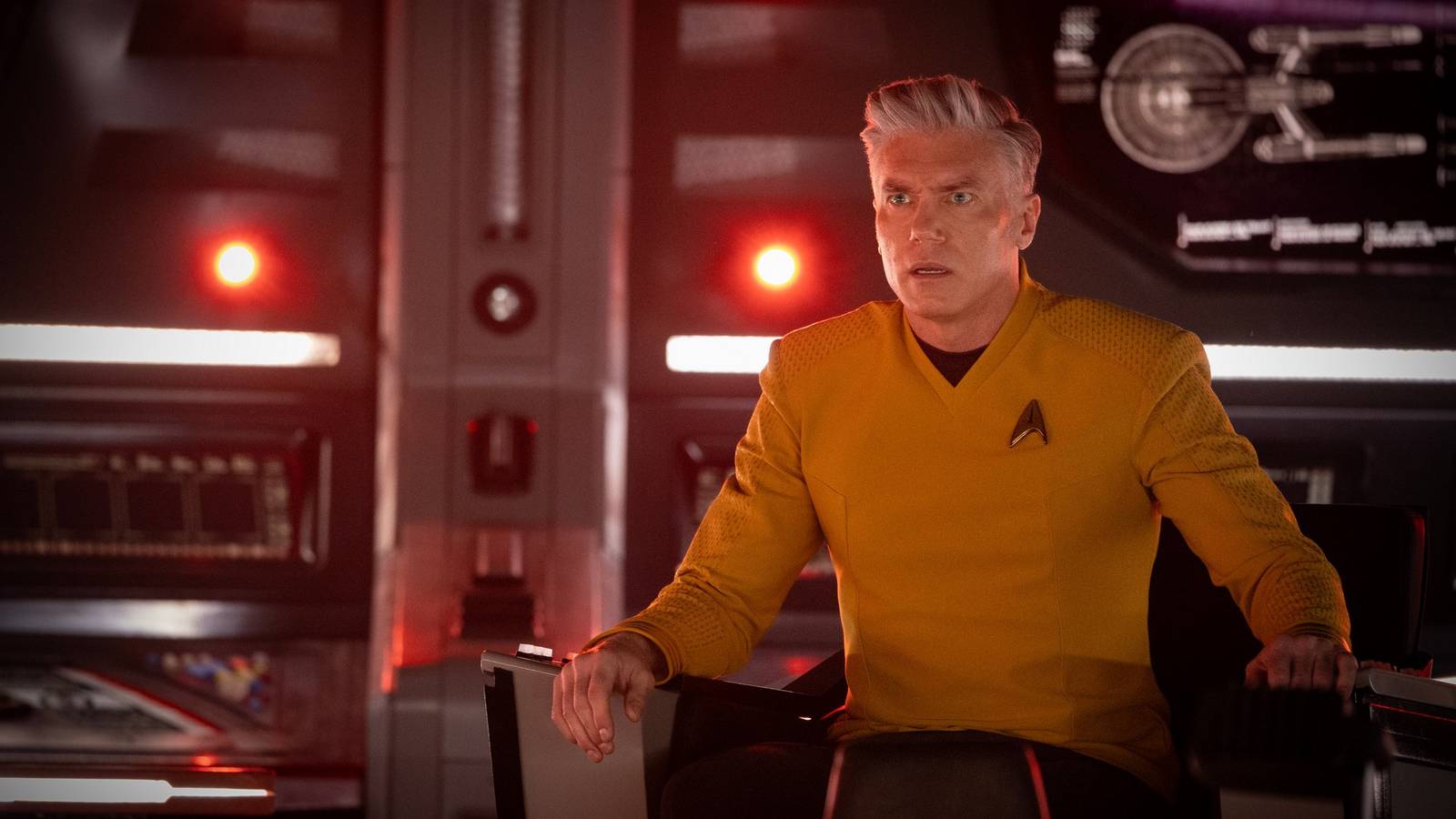
At the end of Season 3, Pike lived an entire lifetime with Captain Batel before she returned him to his reality, giving him an experience similar to Picard’s (Patrick Stewart) in the Next Generation episode, “The Inner Light.” While the events of that episode of TNG followed Picard for the rest of his natural life, Pike seemingly moves on from his experience with Batel almost as if it never happened; as of these first six episodes, her character may as well have never existed. In fact, Pike almost seems like a caricature in Season 4, appearing on occasion to offer sage, captainly advice in the face of difficult moral quandaries but largely existing for comedic effect or to deliver plot exposition for the space adventure of the week. The show’s genre swings take the characters on such wild adventures, but as they spend so much time on the plot, the audience is robbed of truly getting to know them.
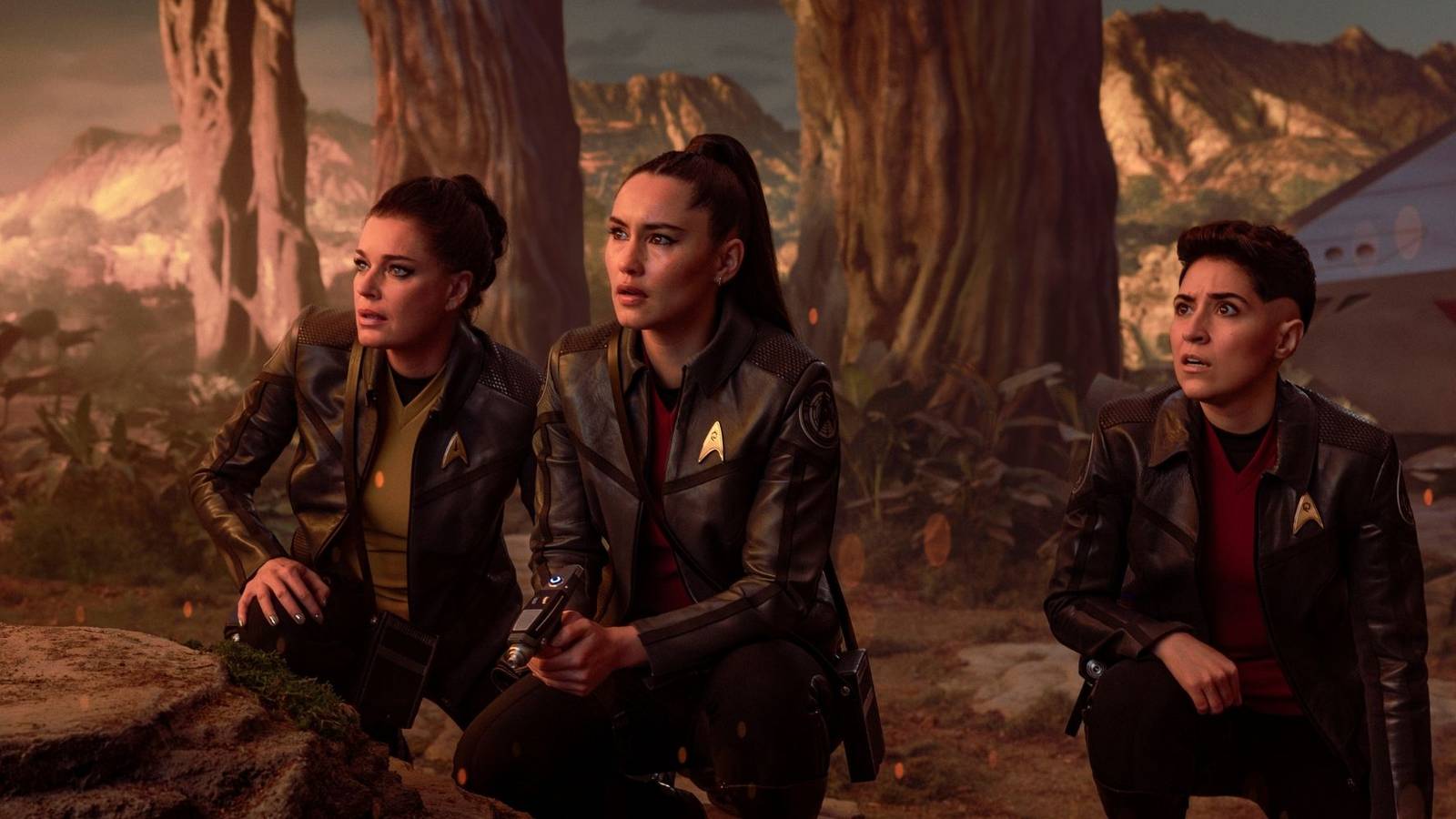
Season 4 is not without good character moments overall. Paul Wesley’s Kirk grapples with his fear of being a bad father early on and, together with Ethan Peck’s Spock and Christina Chong’s La’an, stars in a compelling psychological horror episode. Meanwhile, Ortegas (Melissa Navia) and Scotty (Martin Quinn) take their relationship from total animosity to making a case for being the franchise’s next Data (Brent Spiner) and Geordi (LeVar Burton). Scotty and Pelia also have a few good moments, highlighted by Carol Kane’s tremendous talent and ability to convey complex emotion through both comedic and dramatic beats. Una (Rebecca Romijn) and Uhura (Celia Gooding) finally get a moment to shine in an episode reminiscent of Star Trek: Voyager’s “The Killing Game.” The season also delivers another look at Chapel (Jess Bush) and M’benga’s (Babs Olusanmokun) dynamic and finally pushes them into new territory that sets up the path to where the audience first met them 60 years ago.
Beyond these few connections, the interpersonal relationships on the Enterprise — both romantically and platonically — still feel like an afterthought. The show remains without a single explicitly queer character, and without the relationship between Pike and Batel, Season 4 feels almost devoid of romantic love of any kind. This season especially, it seems as though Strange New Worlds has fallen into the Marvel problem of “Everyone Is Beautiful, and No One Is Horny.” Though Spock’s love life is still the most active of anyone’s on the ship, it feels as though his biggest emotional or developmental moments with his revolving door of love interests happen primarily off-screen, in dreams, or in other ways that have no bearing on reality. Kirk and Spock enthusiasts will be delighted by some very classic subtext and backstory between the two — no matter how you interpret their relationship — but even here the most interesting developments are shared with the audience after the fact, rather than allowing for any emotional intimacy on screen.
While Season 4 takes bigger swings with its genres, both narratively and visually, trying to make classic, episodic Star Trek still clashes against the streaming age of 10-part seasons with no room for longevity or the “filler” episodes that actually allowed those older shows to work. The first two seasons of Strange New Worlds proved that the show’s writers were plenty capable of delivering strong character work even amid their biggest genre swings at the time, like Season 1’s fairytale episode and Season 2’s musical episode. However, since then, the show has stagnated in a holding pattern, seemingly not developing these characters any further before they’re neatly dropped off back at the franchise's original starting point. With a different genre every episode, Strange New Worlds Season 4 offers a little something for everyone and is certainly an entertaining enough offering if all you’re looking for in your Star Trek is a weekly sci-fi adventure. However, with the pendulum swinging so wildly week to week, the series also lacks cohesion, lasting character development, and fails to go beyond surface-level interpersonal relationships.
After Star Trek: Picard delivered an entirely serialized story — particularly with its third, widely beloved season — and Starfleet Academy found the perfect happy medium between episodic and serialized storytelling right out of the gate, it’s difficult to return to Strange New Worlds and not notice the way the show's episodic nature leaves its characters and their stories behind. Season 4 is certainly worth watching, especially for Star Trek fans who will enjoy looking for Easter eggs and exploring the titular concept, but fans looking to go deeper than that will have to use their own imagination.
Источник