'Heartstopper Forever' Is the Perfect Ending to the Beloved Netflix Series | Review
Collider
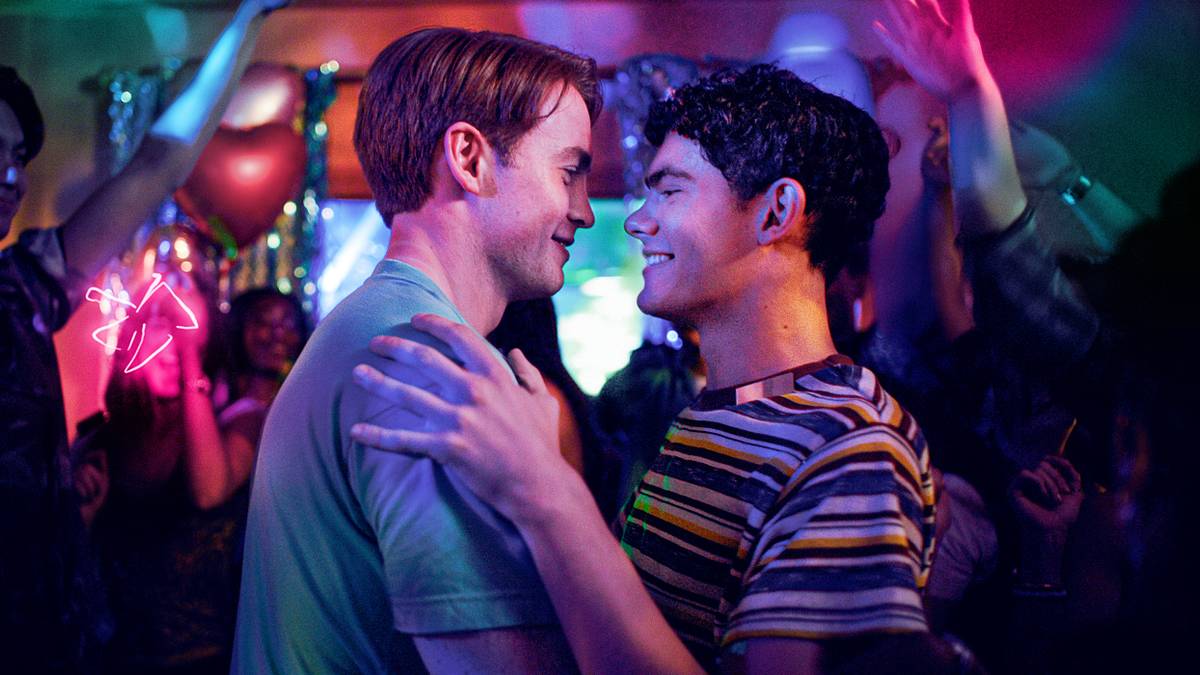
One of Netflix's biggest shows of the decade is coming to a close, but not without a little bit of drama. Heartstopper originally followed the blossoming relationship between two high school students, Nick (Kit Connor) and Charlie (Joe Locke), and over the course of three seasons, viewers have watched their love grow, as well as their own understanding of who they are. Two years after the last season aired, the show will be wrapping up with a feature-length finale, Heartstopper Forever. Many shows have stumbled at the final hurdle, so does this sweet and sensitive YA drama give fans the ending they've hoped for?
Heartstopper Forever opens with Nick affectionately watching Charlie make his pitch to become head boy at his school, delivering the speech that will win him the election. This new responsibility allows him to try to make a difference for younger children, particularly LGBTQ+ kids, but enacting real change is proving harder than he thought. Meanwhile, rugby-loving Nick is facing his final year at school and preparing to leave for a university that will take him hours away from the one he loves.
Nick and Charlie's respective fears of the future pile up, resulting in a lack of communication that threatens to tear them apart. With first loves rarely lasting, can theirs be the exception? The film is written by Alice Oseman, the author of the original graphic novels, and is based on the sixth and final volume in the series, as well as aspects of the 2015 novella Nick & Charlie. While a fourth season had been planned to finish the series, viewing figures and contractual obligations reportedly pushed Netflix to truncate this last chapter into a movie.
Heartstopper's feature-length ending is 114 minutes, which, when considering the show's average runtime, equals around three and a half episodes. Given that the first three seasons had eight episodes apiece, it leaves Heartstopper Forever feeling rushed to wrap things up. This mainly comes at the expense of the supporting cast, who are all present but don’t earn much of an arc. Elle (Yasmin Finney) and Tao (William Gao) struggle with a relationship that has more downs than ups, but their journey hums in the background of Nick and Charlie’s story, rather than getting its own spotlight.
Equally, Isaac (Tobie Henderson) seems at peace with his asexual identity, but mostly supports his fellow characters rather than evolving himself. It is undoubtedly nice to see these returning faces, and they keep the warmth around the friendship group alive, but you can't shake the feeling that the finale's format leads to them being pushed aside. Eddie Marsan also returns from Season 3 as Charlie's therapist, although again more as a brief cameo than anything substantial. Meanwhile, Nick's mother, Sarah, is now played by Anna Maxwell Martin (replacing original actor Olivia Colman), who appears in a brief but loving couple of scenes that reflect the support in his life.
The supporting ensemble's sacrifice is not in vain, however, as Nick and Charlie ultimately get the send-off they deserve in Heartstopper Forever with a beautiful portrayal of two people struggling to accept that they deserve happiness, as well as grappling with the fear that the upcoming life changes will ruin what they have. That desperately awkward phase of life, where you leave childhood but aren't quite ready to be an adult, is pitched perfectly, albeit to the backdrop of impossibly glamorous house parties and a gentle soundtrack. It’s a tender evolution of a bond that has grown from innocent flushes of romance to a serious adult relationship. If you’ve been with these characters from the start, there are plenty of callbacks to the moments that made their journey so special, and while Heartstopper itself could never be accused of being edgy, their respective traumas are treated with sincerity.
There was a time in media when very few LGBTQ+ characters existed in shows, and the few that did make it to the screen rarely earned the same happy endings as their straight counterparts. Heartstopper may never have the shocking impact of something like Tip Toe or the raunchiness of Heated Rivalry, but it stands out by giving queer joy and struggle equal weight. The growing issue of transphobia in society is addressed beautifully through a vulnerable speech from Finney, while the scenes set during a Pride parade showcase the importance of community even in dark times. It's an acknowledgment that while this may be a fairytale-like exploration of the LGBTQ+ experience, the obstacles that face the community, both young and old, can't be ignored. In one rather gorgeous scene, which features a cameo from acting legend Derek Jacobi, it also suggests that being who you are is always worth fighting for.
Nick and Charlie also battle their respective demons, but it never feels as though their suffering is being wielded for entertainment. Connor, especially, plays Nick as someone at odds with who he is, both in terms of his past and his present. Nick's inability to express his fears feels authentic without reveling in his pain, while Charlie’s issues surrounding disordered eating and self-harm are also handled with remarkable sensitivity. Rather than being reduced to shock value, these aspects of the characters foster empathy, thanks to a well-written script and performances from actors who know these roles very well. It would have been nice if their conclusion had been given more breathing room, but this finale makes sure you’re with them every step of the way.
While it does feel rushed at times, Heartstopper Forever ensures that the Netflix series concludes in the style it is known and loved for. Glossy, dramatic, but always big-hearted, it is the kind of teen drama that offers an idealized glimpse of the future for queer youth at a time when that is sorely needed. It may not be especially revelatory, but it serves as a feel-good conclusion for a beloved show that will no doubt be many people’s comfort watch for years to come.
Heartstopper Forever follows Nick and Charlie as their relationship evolves during their final school year at Truham-Higgs. While navigating new and ongoing challenges, they look ahead to future possibilities beyond graduation, deepening their connection along the way.
 Jason Statham's All-Star Action Masterpiece Is Finally on Free Streaming
 15 Years After ‘Skyrim,’ The Next Elder Scrolls Game Is Officially Confirmed
 Hunter Doohan Is on a Revenge Tour With ‘Evil Dead Burn’ and ‘Wednesday’
 As Hollywood Moves Across the Atlantic, Why Are U.K. and Irish Acting Schools Opening in the U.S.?
 Box Office: ‘The Odyssey’ Kicks Off With an Epic $17.6 Million in Previews
 IPL 2026 Powers India’s JioStar to $1.14 Billion Quarter and Streaming Record
 LISTEN: Jon Miller on Media Merger Mayhem: ‘Globalization Is Winning’
 As Netflix Tries to Reset Narrative for Investors, Live Programming Could Play ‘Starring Role’
 ‘God of War’ to Recast Kratos Role Following Ryan Hurst On-Set Injury
 Whether It Be Romantic Lead or Writer-Director, Jack Martin’s Ready to Tackle Whatever Role Comes Next