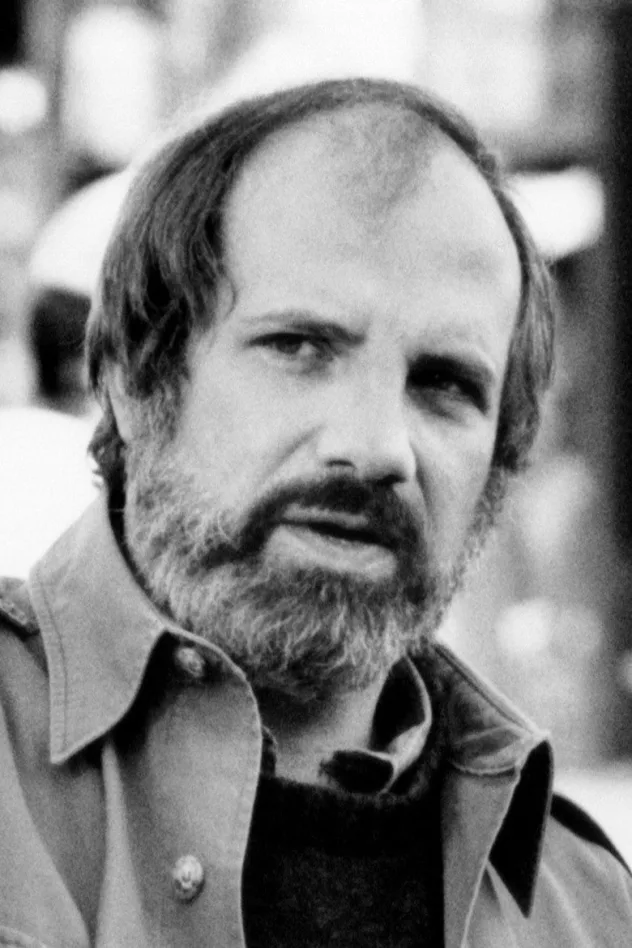
Brian De Palma's Most Hitchcockian Thriller Is Hiding in Plain Sight
Collider
In addition to being a contributor for Collider, Rance Collins has also written for Variety, IndieWire, Los Angeles Magazine, Turner Classic Movies and The Huffington Post. His news coverage has earned him multiple honors from the California News Publishers Association, while his film and theater criticism made him a two-time Southern California Journalism Award winner. He also was recognized with 2024’s Excellence in Journalism Award by the California 51st Assembly District.
Before committing to journalism as a career, the Texas native lived many lives in Los Angeles – including as a Warner Bros. and Universal Studios tour guide, a political organizer, a marketing writer and producer, a leasing consultant, an occasional indie filmmaker, a Postmates driver and the personal assistant to TCM host Ben Mankiewicz. He holds a BFA in mass communications from Ouachita University and an MFA in screenwriting from Emerson College.
Other interests include ‘90s sitcoms, Hollywood backlots, true crime, record stores, Linda Ronstadt, two cats named Charlotte and Flynn, game nights, advocating for an expanded “Hacks” universe, his AMC A List entourage (aka Jorge), the daily NYT Connections, his Barbra Strikesand bowling team, and making his educator mom and author dad proud.
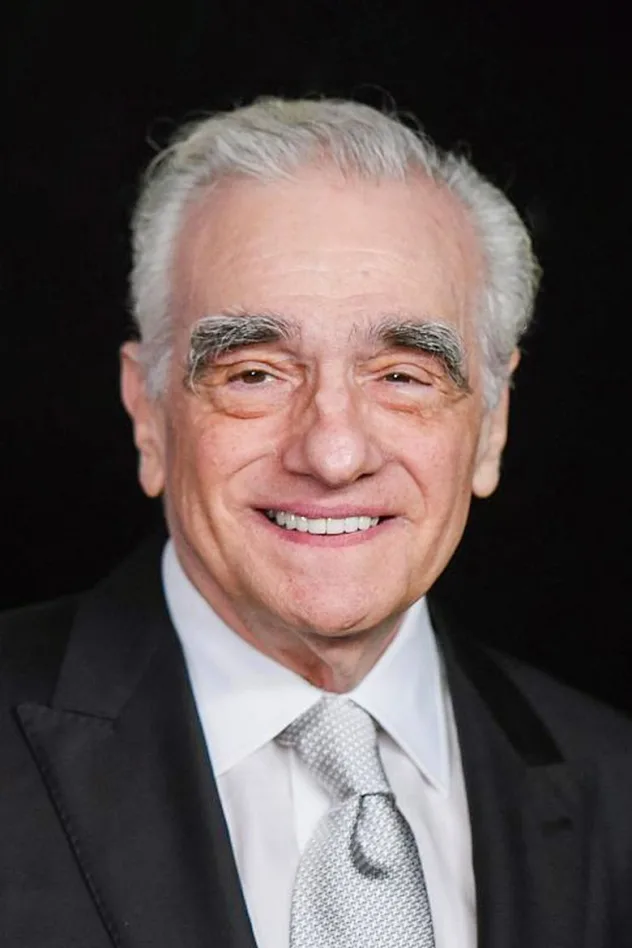
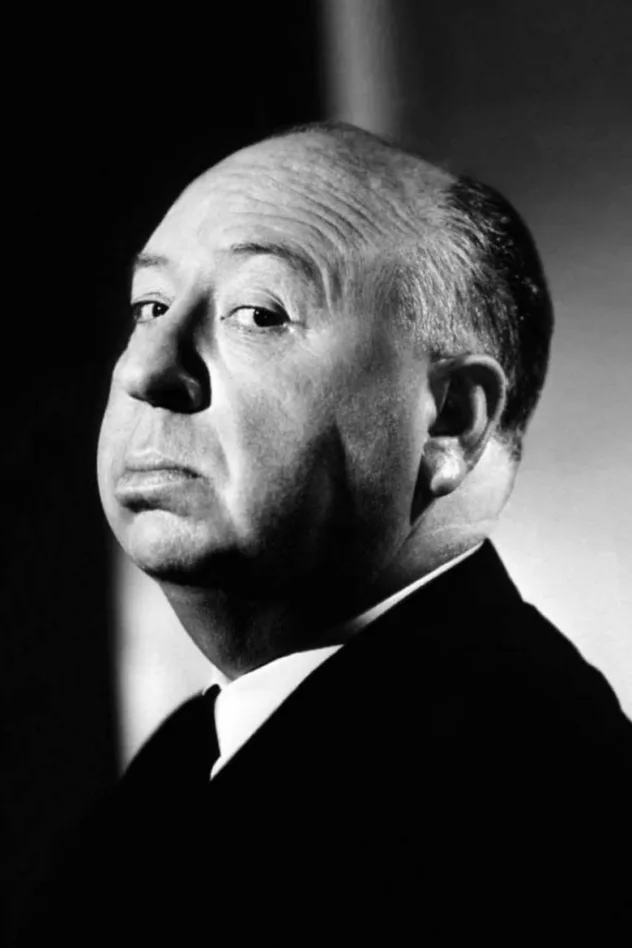
The 1970s brought a landscape of film disciples into prominence, delivering the now much-celebrated New Hollywood era. Martin Scorsese. Francis Ford Coppola. Steven Spielberg. They all made their first incredible impression on movies during this era. One of the most heralded of their directorial saints was Alfred Hitchcock, who had been a master auteur before those in the director's chair were truly thought of as auteurs at all.
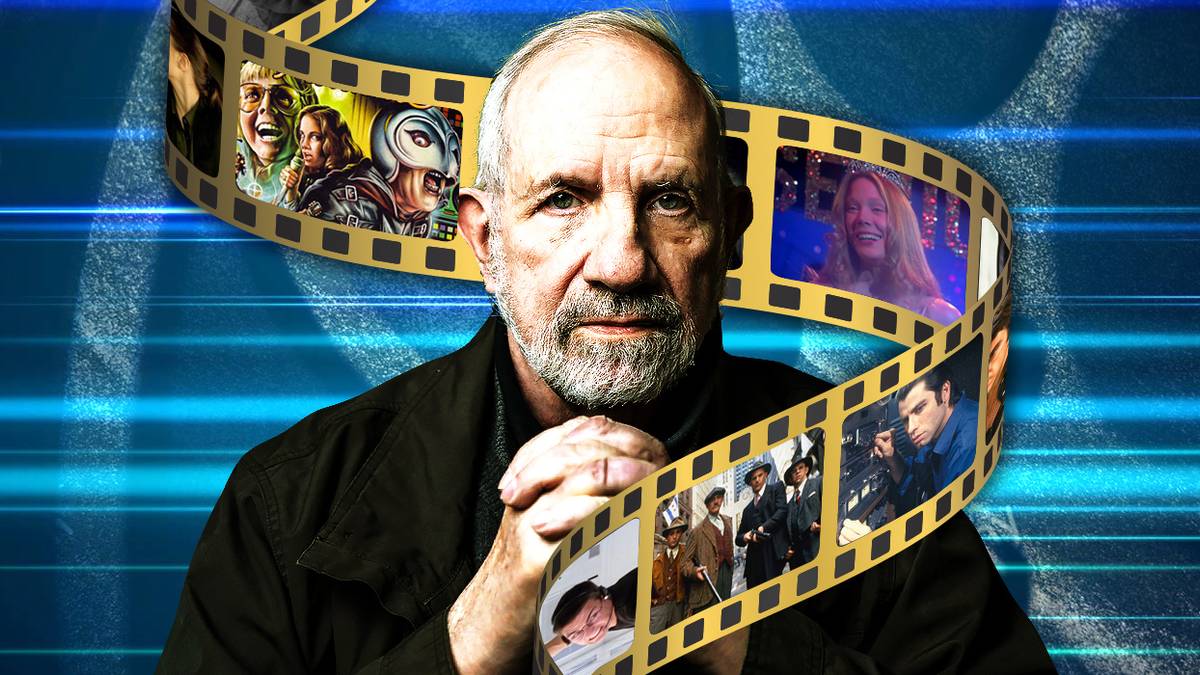
Hitchcock’s most devoted student was likely Brian De Palma, whose fascination with the macabre was evident from his early work, Sisters. His keen eye for visual language was quickly appreciated by studio heads, and he crafted Oscar-nominated gold out of Stephen King’s first novel, Carrie, a film that also managed to put many of his own signature moves on full, grotesque display. That movie’s much-celebrated climactic scene, where the titular character (Sissy Spacek), soaked in pig’s blood, uses telekinesis to burn down her high school prom, features innovative uses of gore, sound effects, and, most significantly in De Palma’s filmography, split screens.
His use of a wandering camera, striking framing, and point-of-view shots harkened back to his mentor, Hitchcock, and he would further emulate the Master of Suspense with 1976’s Obsession, which evenfeatures one of Bernard Herrmann's final film scores.
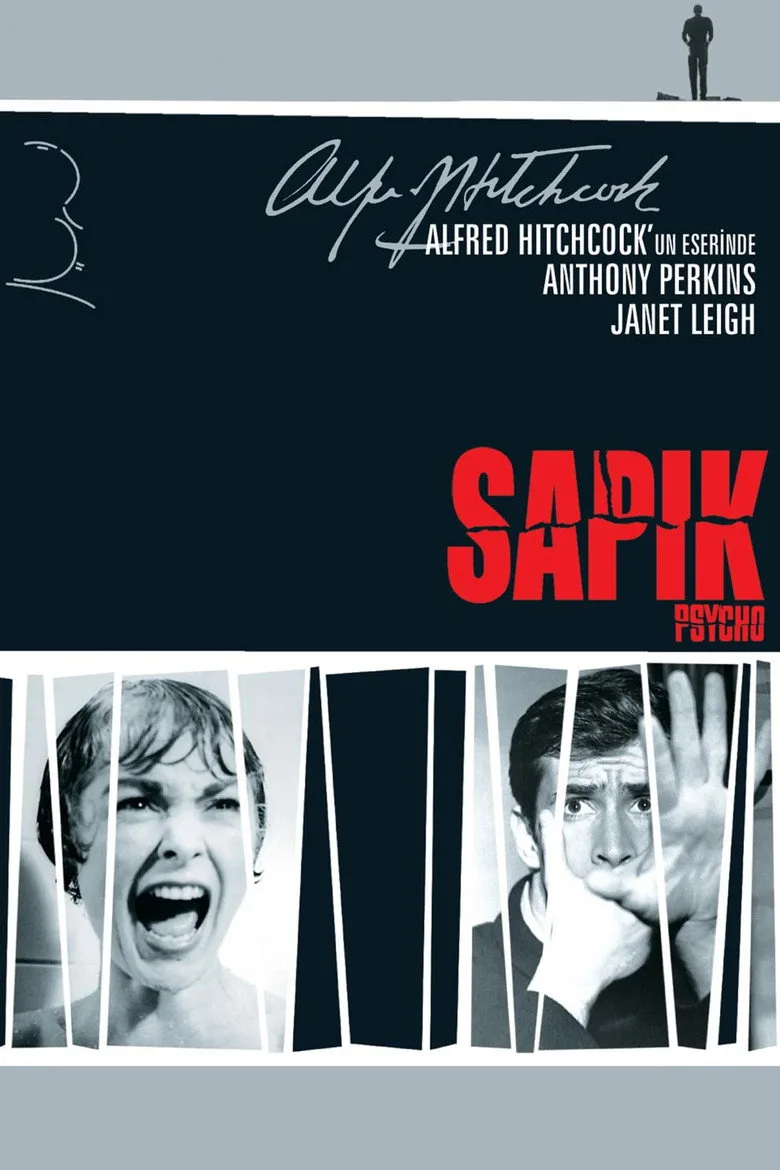
Further parallels can be found in subsequent works, including Home Movies and especially Dressed to Kill, which features an elevator murder that plays out similarly to Psycho’s shower scene. It was another film that same year, however, that perhaps best took De Palma’s fascination with Hitchcock and crafted something wholly unique amongst the director’s own storied filmography
Blow Out is often grouped with Blow Up and The Conversation as an unofficial trilogy of paranoid thrillers. In a way, they act in tandem as a kind of trilogy, with each dealing with the unwitting recording of a potential murder plot, though in different locations and with their own unique technology. Blow Out and The Conversation are to audio recording what Blow Up is to photography, although photography also figures into the Blow Out plot.
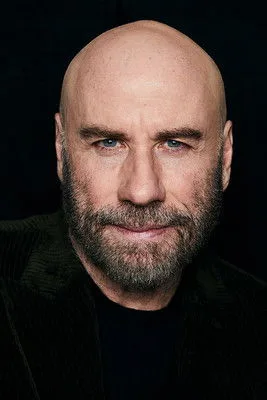
In the movie, John Travolta plays a B-movie sound effects guy working on slasher pictures. In a brilliantly subversive opening sequence, it seems the viewer is in a very, very stereotypical horror movie, as a POV steadicam shot roams around a sorority house. The killer lands on a showering girl, who lets out a comical scream.
It turns out the audience is watching an editing session for a slasher flick, and Travolta and company discuss the need to find a much, much better scream for the scene.
![The Ultimate ’80s Toy Crossover Has Finally Arrived [Exclusive]](https://static0.colliderimages.com/wordpress/wp-content/uploads/2023/12/the-toys-that-made-us-netflix-image.jpg?w=1200&h=675&fit=crop) The Ultimate ’80s Toy Crossover Has Finally Arrived [Exclusive]
The Ultimate ’80s Toy Crossover Has Finally Arrived [Exclusive]
 ‘Avatar Aang: The Last Airbender’ Is Too Good To Be a Streaming Afterthought | Review
 ‘The Earliest Show’ Revival Greenlit At Amplify Pictures & Stay Tuned With Kevin Carroll, Henry Winkler, Ryan Gaul & Brandon Scott Jones Joining Cast
 Just For Laughs Sets 2026 New Faces Lineup
 He-Man’s Epic Fantasy Adventure Officially Sets Prime Video Release
 Kevin Feige on Marvel’s Failed ‘Blade’ Reboot: ‘I Feel Like a Gigantic Loser and Failure That We Didn’t Get Off the Ground With Mahershala Ali’
 TIFF Announces Star-Studded Gala and Special Presentations, Led by ‘Rocky’ Biopic ‘I Play Rocky’ and Chris Rock’s ‘Misty Green’
 Edward Stourton Dies: UK Broadcaster Whose Most Recent Work Charted 250 Years Of American History Was 68
 ‘Masters Of The Universe’ Heading To Prime Video This Week
 Jim Gilstrap Dies: Singer On ‘Good Times’ Theme & Stevie Wonder’s “You Are The Sunshine Of My Life” Was 79