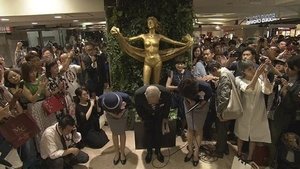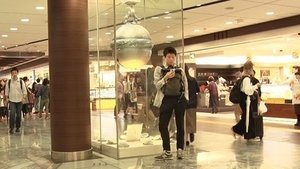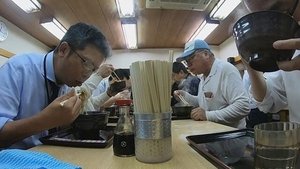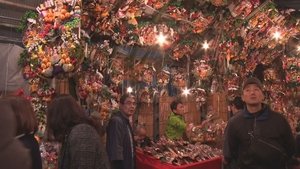
Hanazono Shrine is located near Kabukicho in Shinjuku. In late November, just before the end of the year, the shrine grounds are bustling with activity. This is the “Tori no Ichi” festival, which attracts 600,000 visitors every year. People purchase rakes symbolizing prosperity and good fortune. As their businesses expand, companies continue to buy larger rakes each year. A self-made businessman says, “It's for peace of mind.” Families entrust their modest dreams to small rakes. Over three days, we listen to the wishes of merchants at this Shinjuku shrine, which has weathered the economic storms.
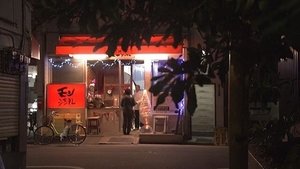
In a residential area in Koto Ward, Tokyo, is a bakery open 24 hours a day. Their Danish Bread, rich with butter and fresh cream, sells over 1,000 loaves each day. Many people come to buy this bread not only for themselves, but as gifts for others as well. From people sending it as a casual present to friends and family, to businessmen buying it as a thank-you gift, we spend 3 days looking at who buys this sweet, delicious bread.
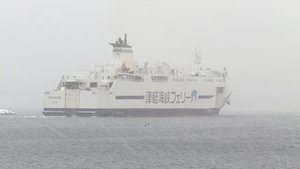
It's midwinter at Tsugaru Strait, where a huge ferry connects the 120 kilometers between Aomori Prefecture and Hakodate, Hokkaido. With showers, a game center and even suite rooms with beds, the spacious ferry can carry 600 passengers. At the end of each year, crowds of people head back to their hometowns on this boat. From a father living away from his family for work, to a couple excited about their new life together, everyone has a different reason for crossing the strait. We spend 3 days traveling between Aomori and Hakodate, and take a look at the stories of the people we meet.
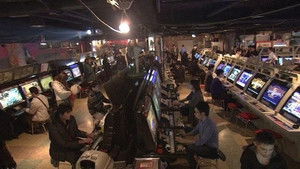
In Tokyo's Takadanobaba district, there is a game center known as “the gamers' holy land.” On weekdays, 500 people visit, and on weekends, up to 1,000 game enthusiasts gather. What catches the eye are the rows of fighting games. Strangers engage in intense battles, and a strange sense of camaraderie fills the store. A salaryman who wants to feel the thrill of “winning or losing.” A woman who says, “The serious battles transcending age and gender are irresistible.” Three days following the unknown battles of gamers.
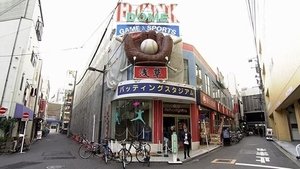
Just a short walk from Asakusa's Kaminarimon Gate, there's a new hotspot that's been getting more and more visitors over the past few years. It's a batting center with a giant glove sculpture as its landmark. For some reason, it's popular with foreigners too, with hundreds of people coming every day to the small space with only five batting cages. A man who visits for health reasons swings the bat at both left and right batting cages, saying, “Even if I miss, it's okay.” Next to him, a group of foreigners experiencing the batting cages for the first time cheer with each pitch. Discovering Cool Japan in an unexpected place, exploring its charm.
What kind of people and things will you encounter if you take a single flower into town and continue bartering with people you meet by chance for three days? This time, we challenge a “72-hour bartering journey.” A young man aspiring to be an actor brings out a teapot he has used for 10 years. A YouTuber says, “I want to keep doing what I love.” A young man who brought out a brand-new notebook—what was he planning to write in it? The unexpected dramas revealed through bartering. What will he end up with after 72 hours?
Located near Narita International Airport, Sakuranoyama Park offers visitors close-up views of planes arriving at and taking off from this major gateway to Japan. At times, several hundred people visit the park each day to catch awe-inspiring glimpses of huge aircraft flying overhead. Among the visitors were avid photographers, an elderly man who has never been on a plane, and a man fondly recalling the days when he flew all over the country on business trips. People at the park superimpose their own lives and dreams on the planes flying to distant corners of the world. For 3 days in early spring, a season for new beginnings, we listened to the stories of park visitors gazing at the planes up in the sky.
We followed a rat extermination company in Tokyo. In early spring, they receive as many as 1,000 requests per month and work around the clock to exterminate rats. Calls come in from restaurants in bustling areas, apartments, schools, hospitals, and even temples and embassies. In severe cases, rats chewing on wires can cause phone and internet outages. The “rat problem” is said to be exacerbated by redevelopment projects and vacant housing issues. This report follows the exterminators as they work to address the issue, offering a glimpse into “Tokyo today.”