


Huy Thành (full name Nguyễn Huy Thành, b. February 20, 1928 – May 22, 2018) was a Vietnamese screenwriter, film director, former Vice Chairman of the Vietnam Cinema Association and former Chairman of the Ho Chi Minh City Cinema Association. Considered one of the greatest directors of Vietnamese revolutionary cinema, he was awarded the title of People's Artist by the Vietnamese government in 1993 and the State Prize in 2007. He belonged to the first directing class (1959) of the Vietnam Film School. In 1964, Huy Thành collaborated with People's Artist Trần Vũ to make the film "Floating Village" (Làng Nổi), which officially premiered in Vietnam in 1965 and was later shown in Soviet theaters under the name "Добрый дракон". In 1966, Huy Thành directed "Rising Storm" (Nổi gió), adapted from the play of the same name by author Đào Hồng Cẩm. "Rising Storm" became the first film of Vietnamese revolutionary cinema set in the South, winning the director the Golden Lotus Award at the 1st Vietnam Film Festival in 1970, and marking an important milestone in the lead actor Thế Anh's career. In 1970, Huy Thành wrote and directed his first independent film "Coal Season" (Mùa than), telling a story about life in dangerous coal mines during the war. In 1975, he made "Sky Zone" (Vùng trời) with great support from the Air Defense - Air Force regarding action scenes. In 1977, Huy Thành moved to South Vietnam and started working at the Ho Chi Minh City Television Film Studio. He directed several other films such as "Back to the Land of Wind and Sand" (Về nơi gió cát, 1981); "Near and Far" (Xa và gần, 1984); "Behind the War" (Phía sau cuộc chiến, 1990); etc. Since 2000, Huy Thành started working in other aspects of filmmaking other than directing. He passed away suddenly during a trip to visit his daughter in France in 2018, aged 90.
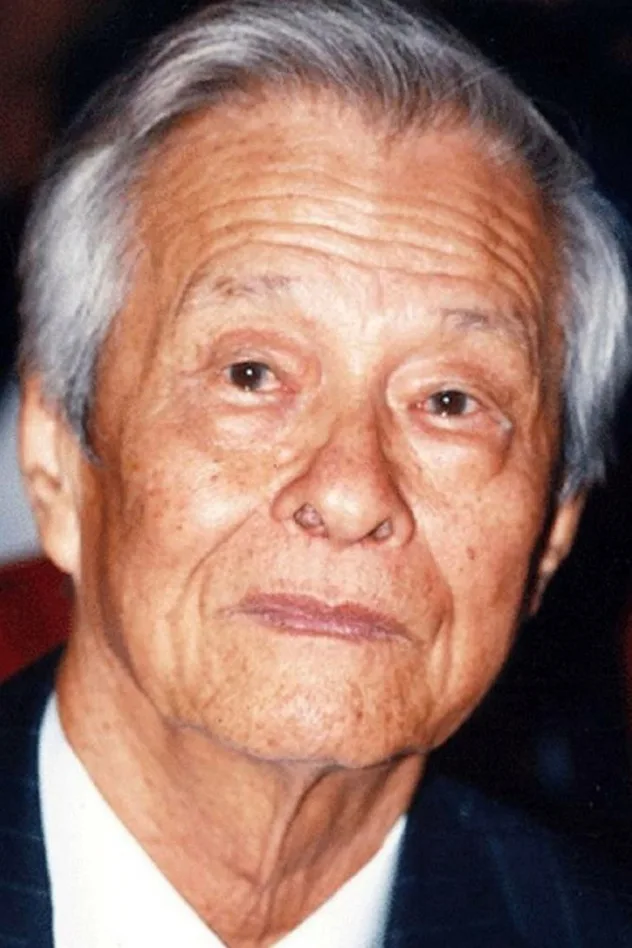
Huy Thành
DirectorGuionista
Huy Thành (full name Nguyễn Huy Thành, b. February 20, 1928 – May 22, 2018) was a Vietnamese screenwriter, film director, former Vice Chairman of the Vietnam Cinema Association and former Chairman of the Ho Chi Minh City Cinema Association. Considered one of the greatest directors of Vietnamese revolutionary cinema, he was awarded the title of People's Artist by the Vietnamese government in 1993 and the State Prize in 2007. He belonged to the first directing class (1959) of the Vietnam Film School. In 1964, Huy Thành collaborated with People's Artist Trần Vũ to make the film "Floating Village" (Làng Nổi), which officially premiered in Vietnam in 1965 and was later shown in Soviet theaters under the name "Добрый дракон". In 1966, Huy Thành directed "Rising Storm" (Nổi gió), adapted from the play of the same name by author Đào Hồng Cẩm. "Rising Storm" became the first film of Vietnamese revolutionary cinema set in the South, winning the director the Golden Lotus Award at the 1st Vietnam Film Festival in 1970, and marking an important milestone in the lead actor Thế Anh's career. In 1970, Huy Thành wrote and directed his first independent film "Coal Season" (Mùa than), telling a story about life in dangerous coal mines during the war. In 1975, he made "Sky Zone" (Vùng trời) with great support from the Air Defense - Air Force regarding action scenes. In 1977, Huy Thành moved to South Vietnam and started working at the Ho Chi Minh City Television Film Studio. He directed several other films such as "Back to the Land of Wind and Sand" (Về nơi gió cát, 1981); "Near and Far" (Xa và gần, 1984); "Behind the War" (Phía sau cuộc chiến, 1990); etc. Since 2000, Huy Thành started working in other aspects of filmmaking other than directing. He passed away suddenly during a trip to visit his daughter in France in 2018, aged 90.
- 1Película
- 1966Inicio de carrera
