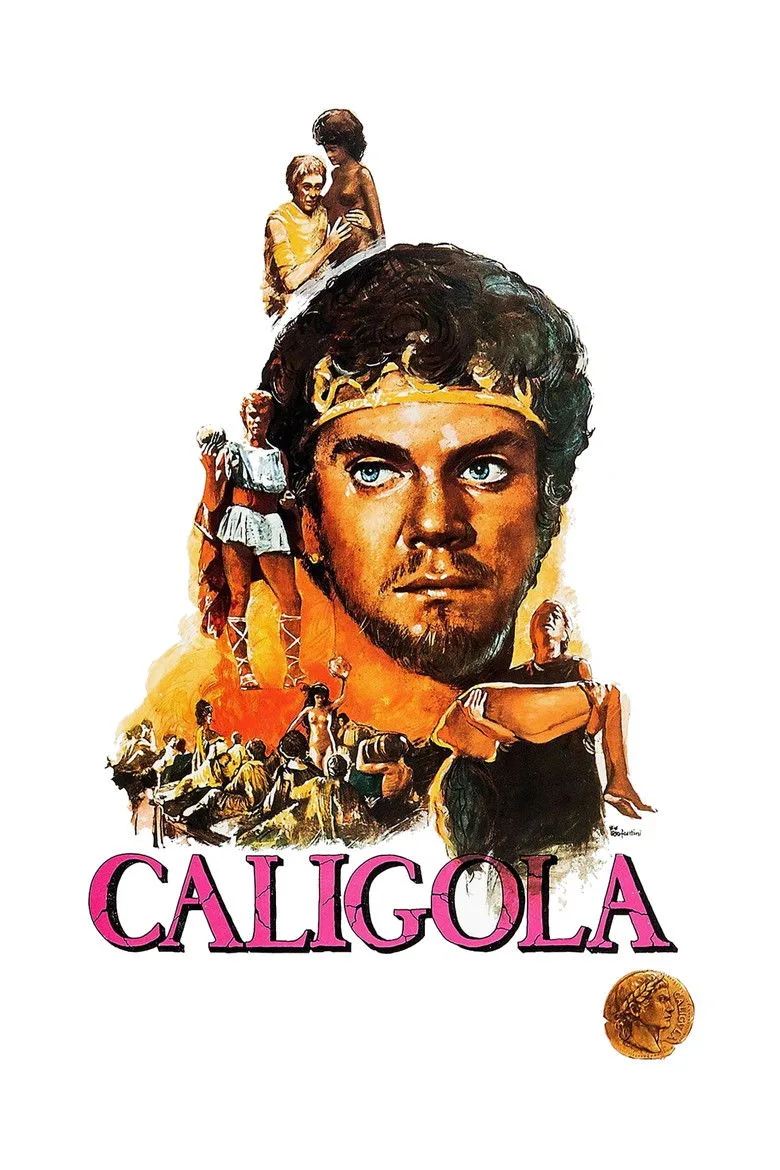
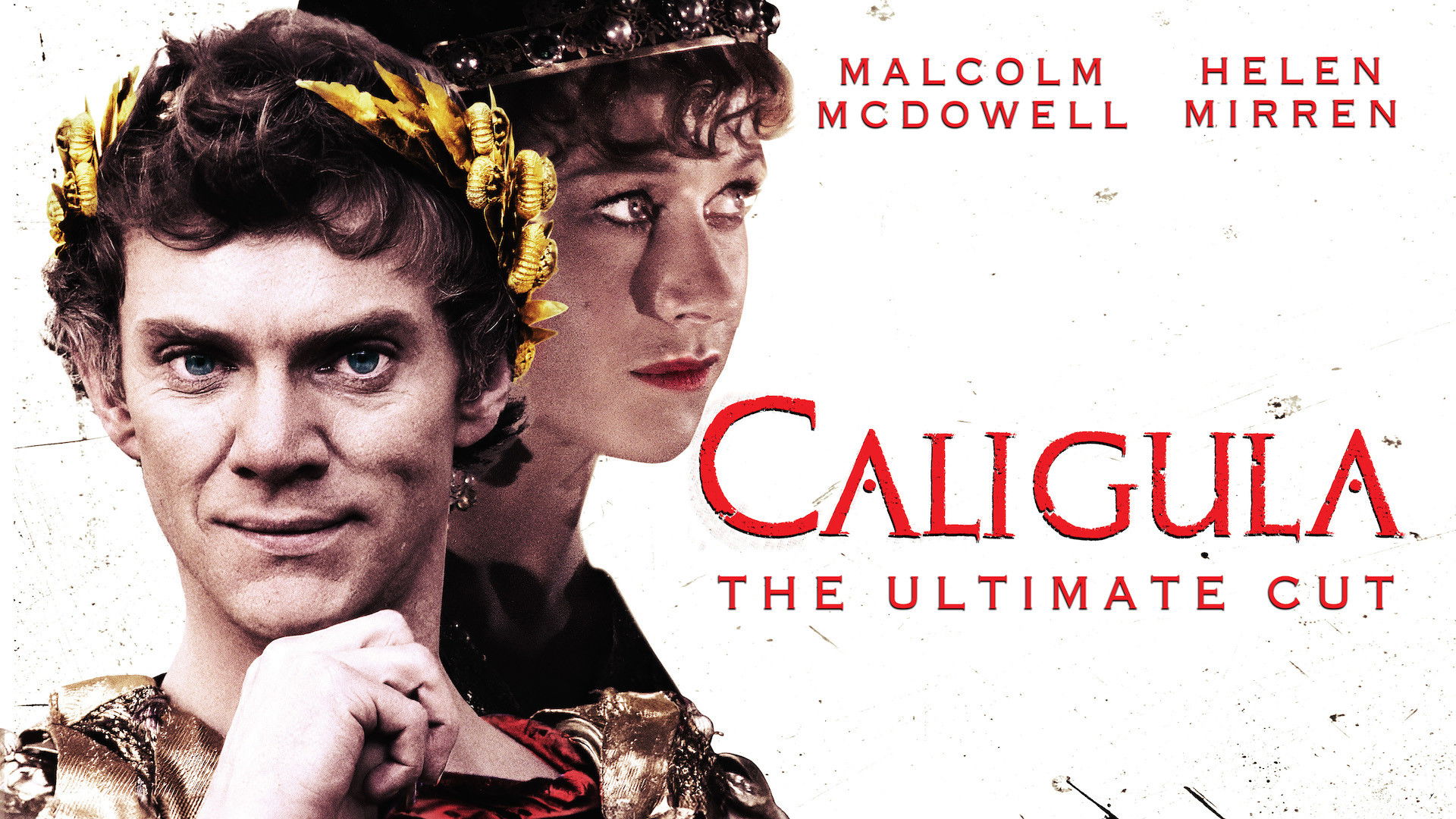
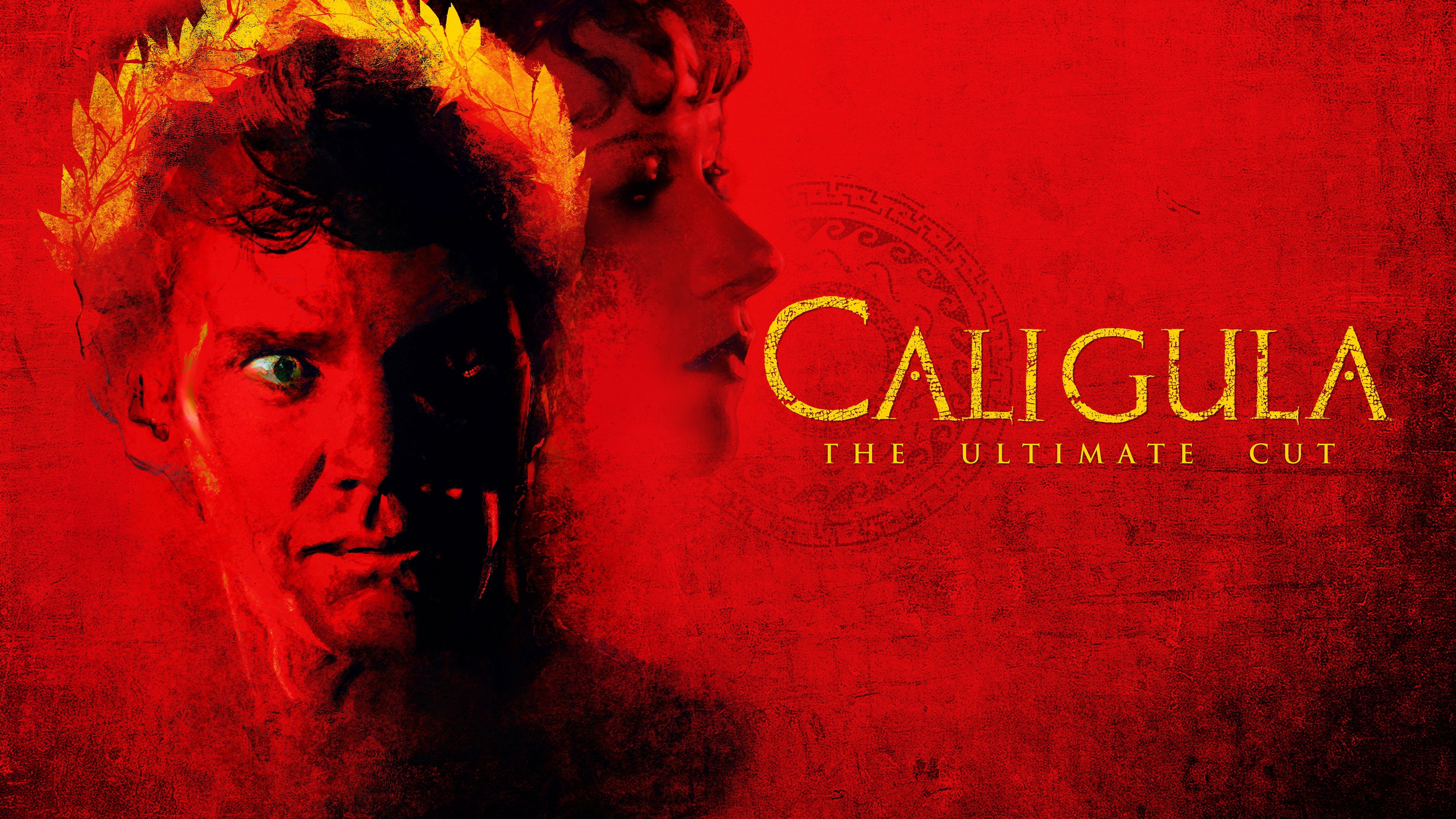
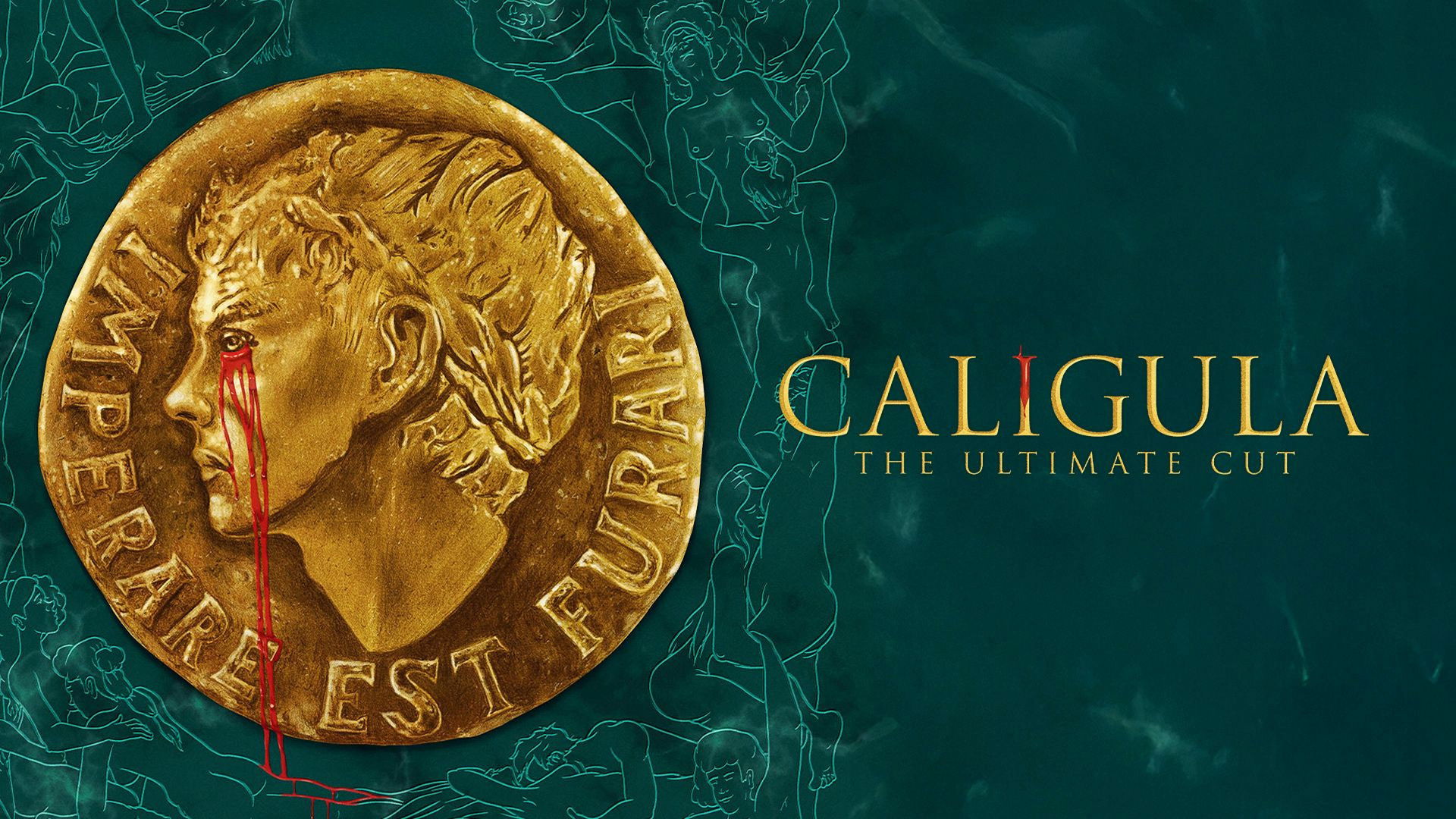
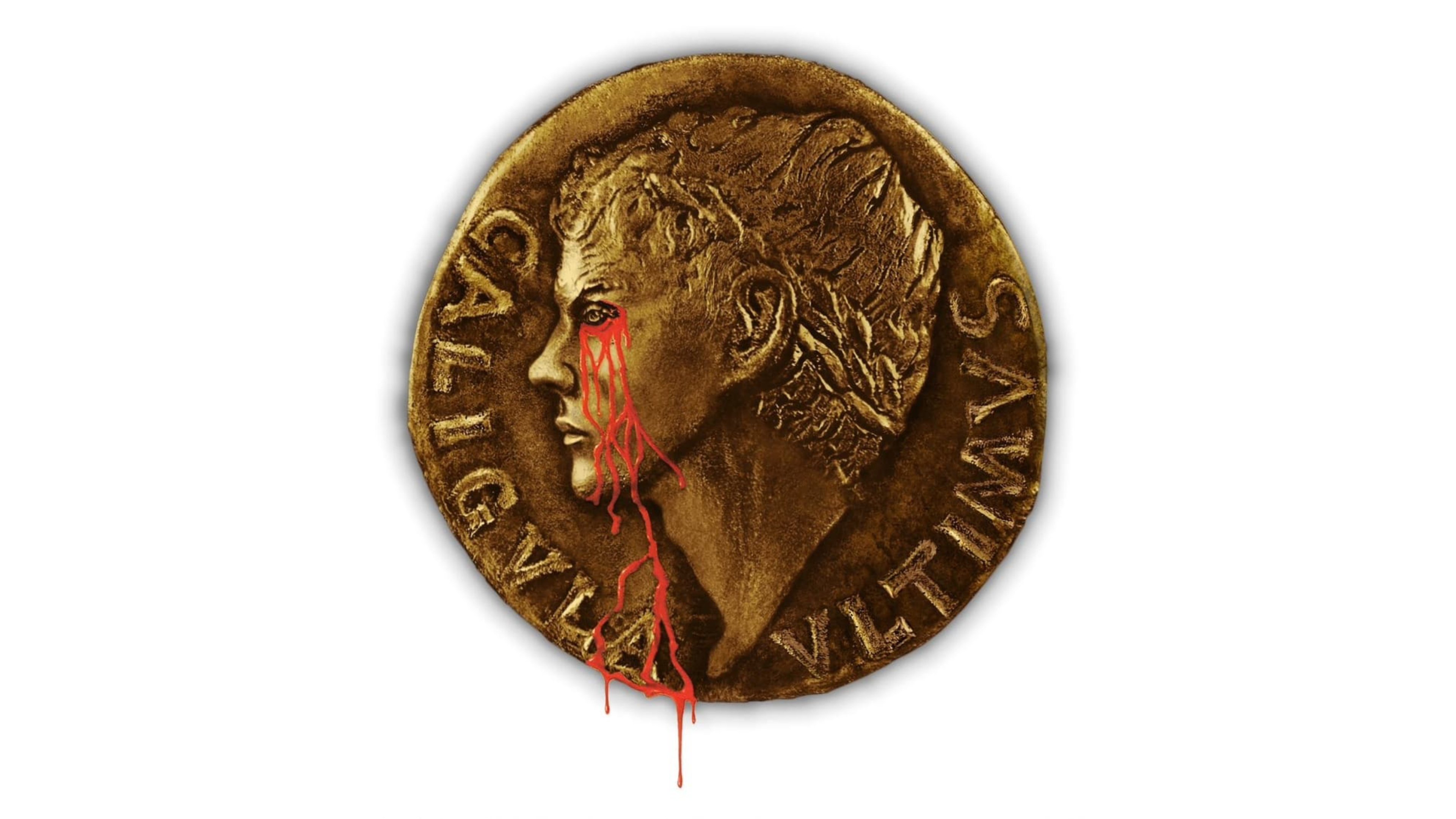
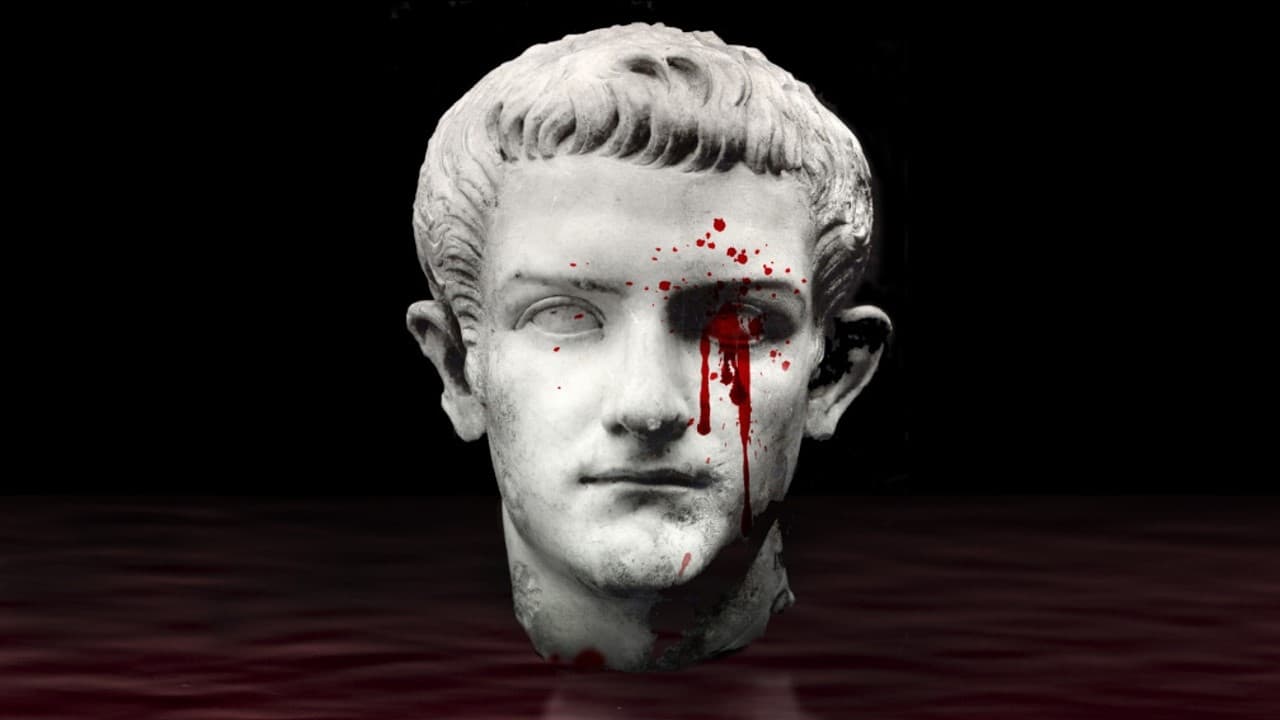
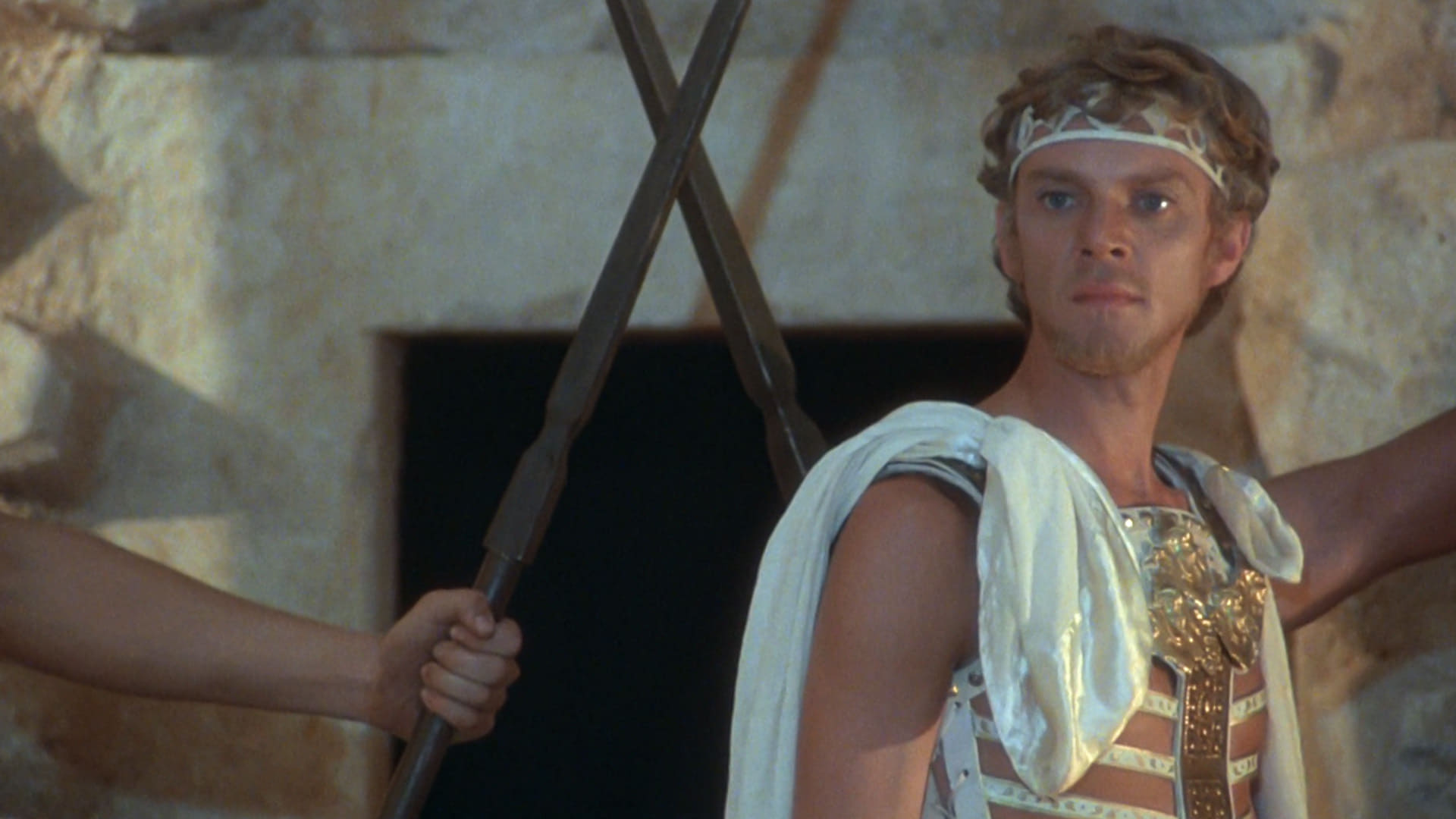
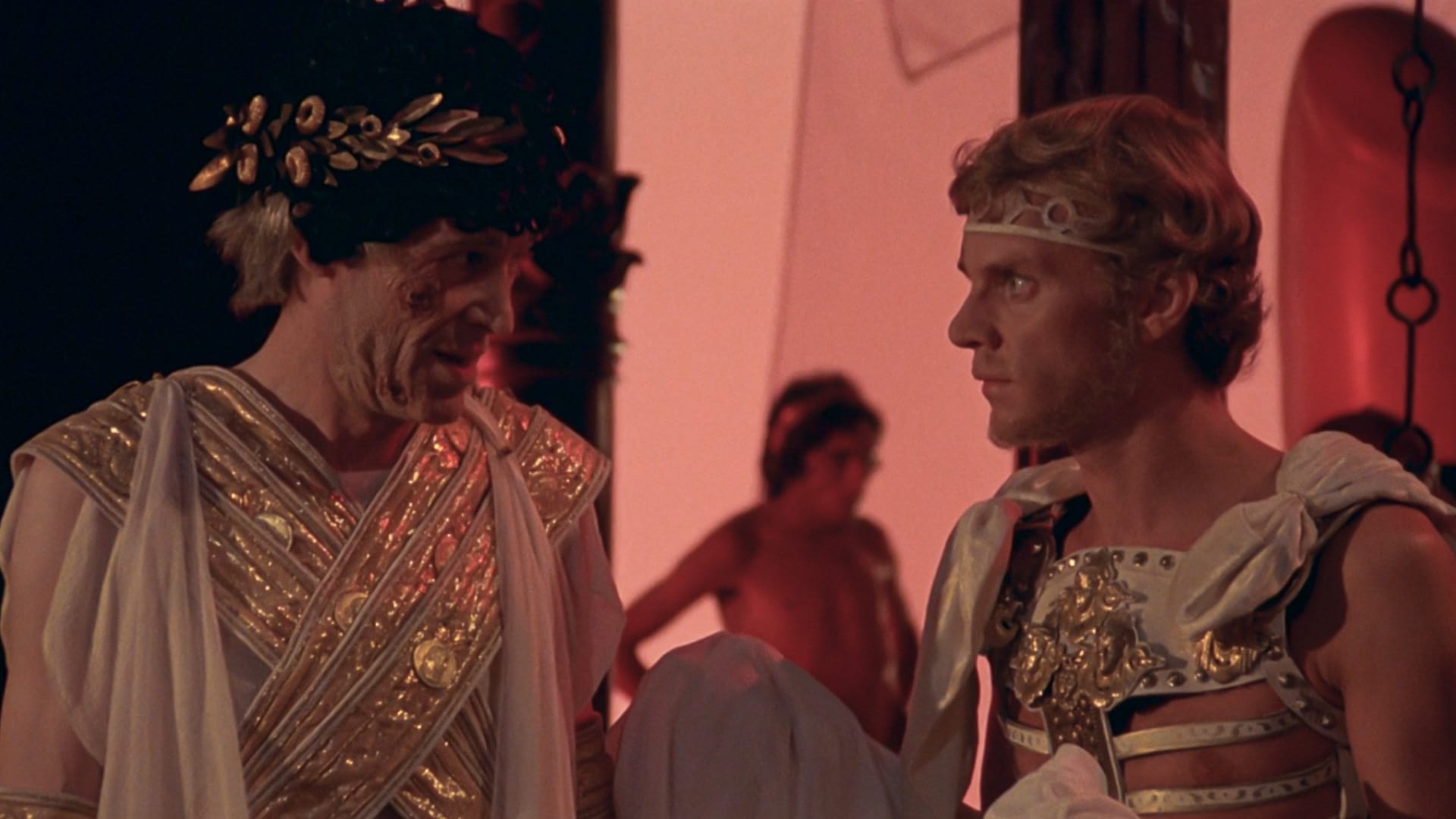
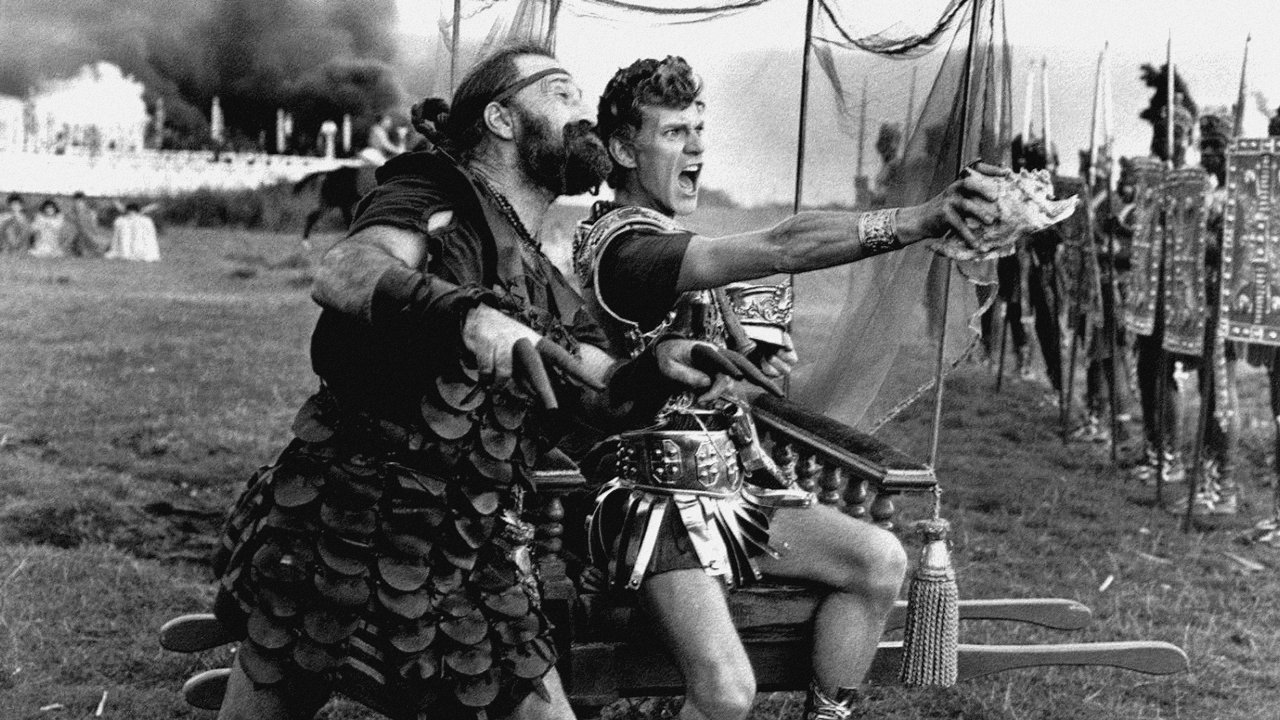
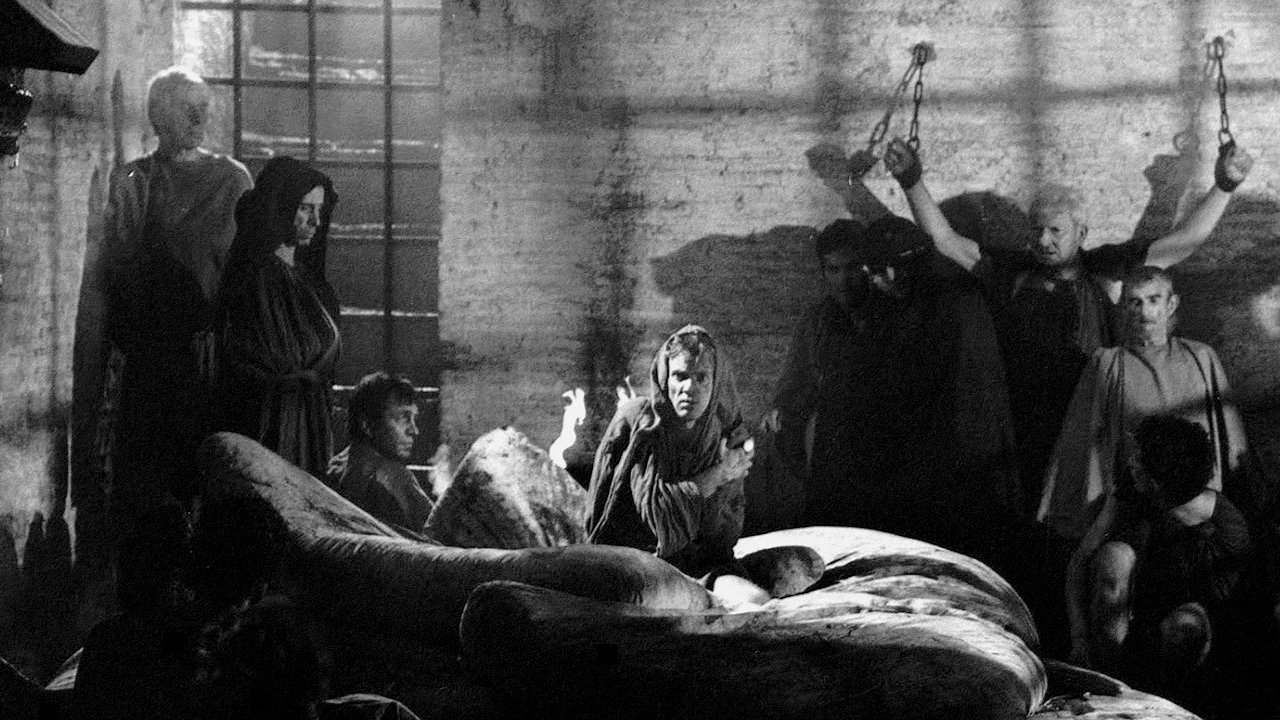
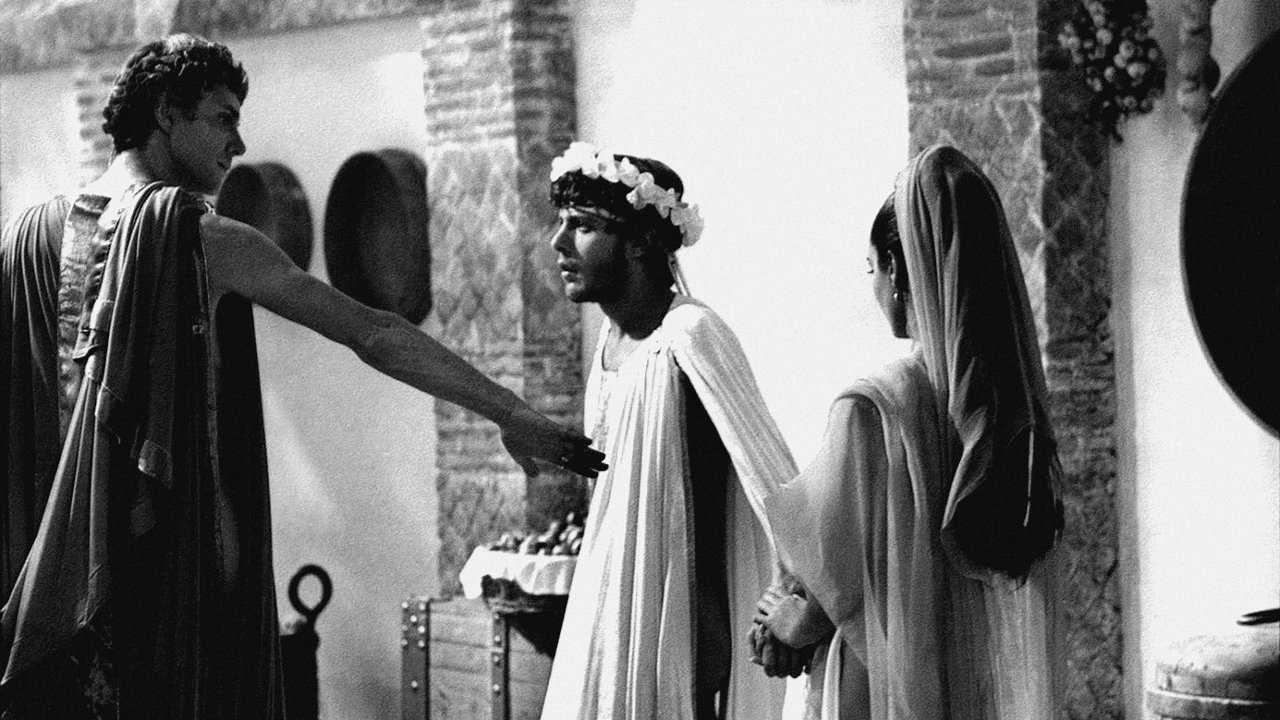
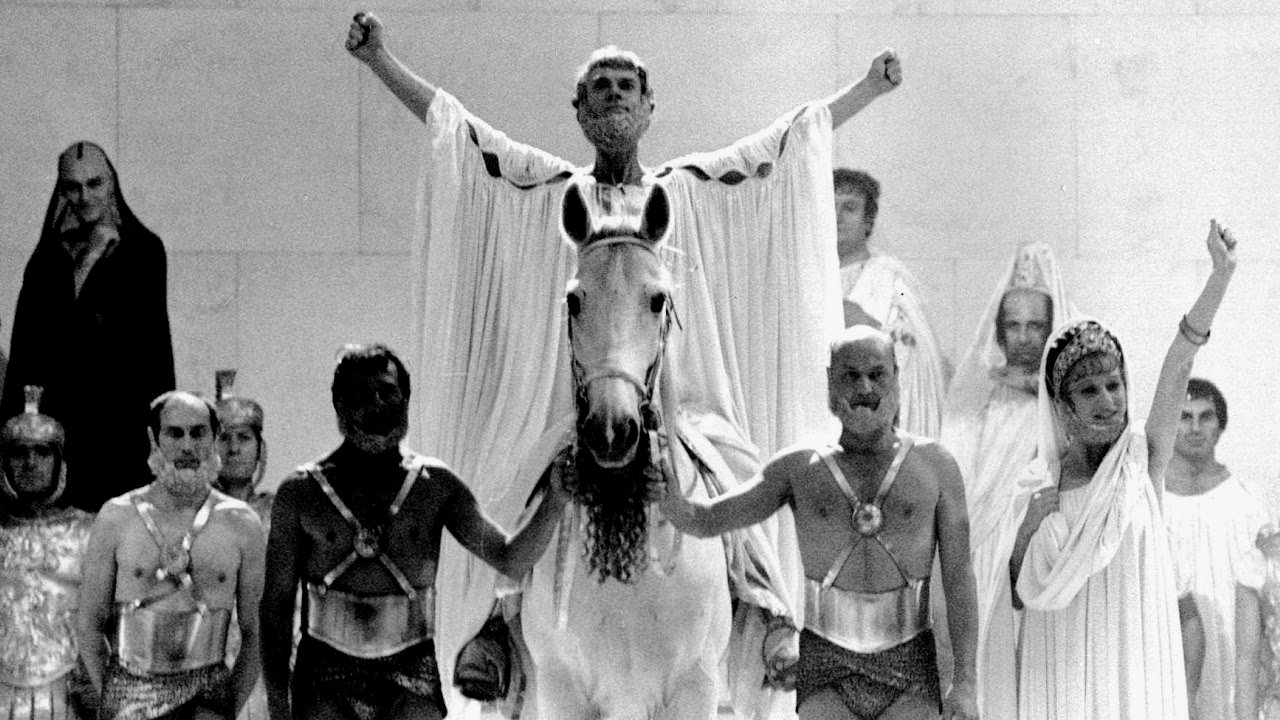
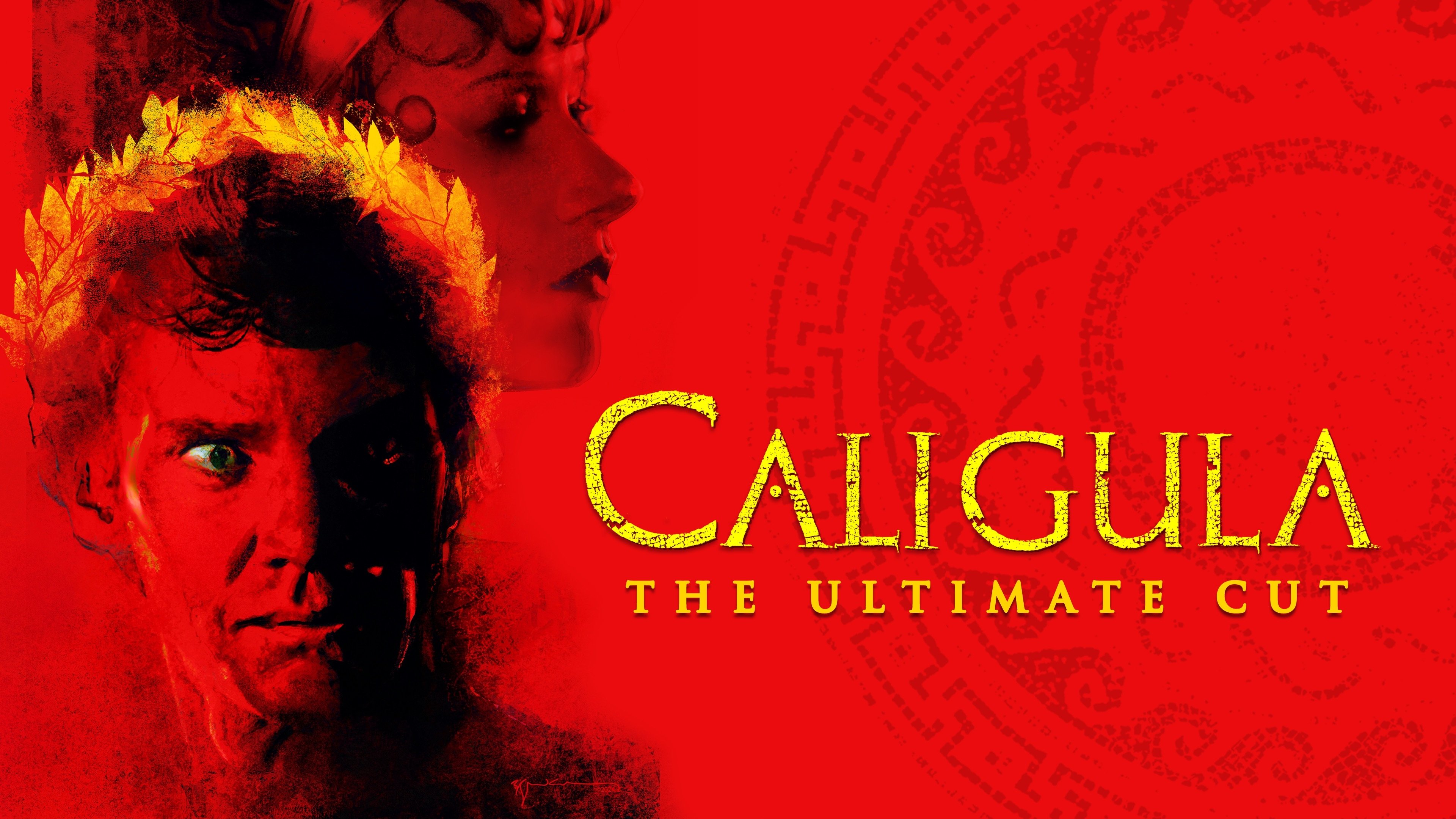
After the death of the paranoid emperor Tiberius, his heir Caligula seizes power and plunges the empire into a spiral of bloody madness and immorality.
Overview
"Caligula: The Bloody Face of the Empire"
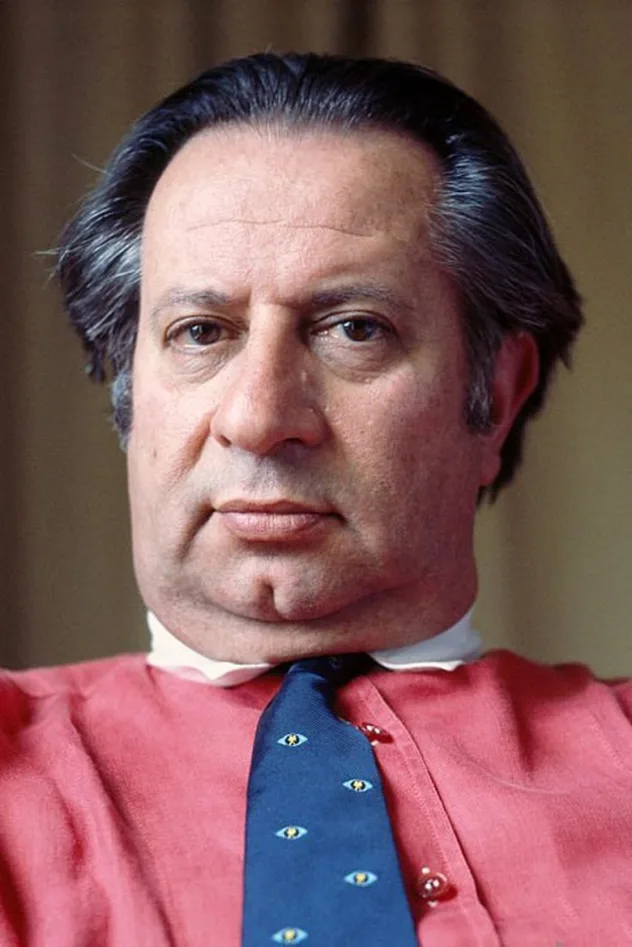
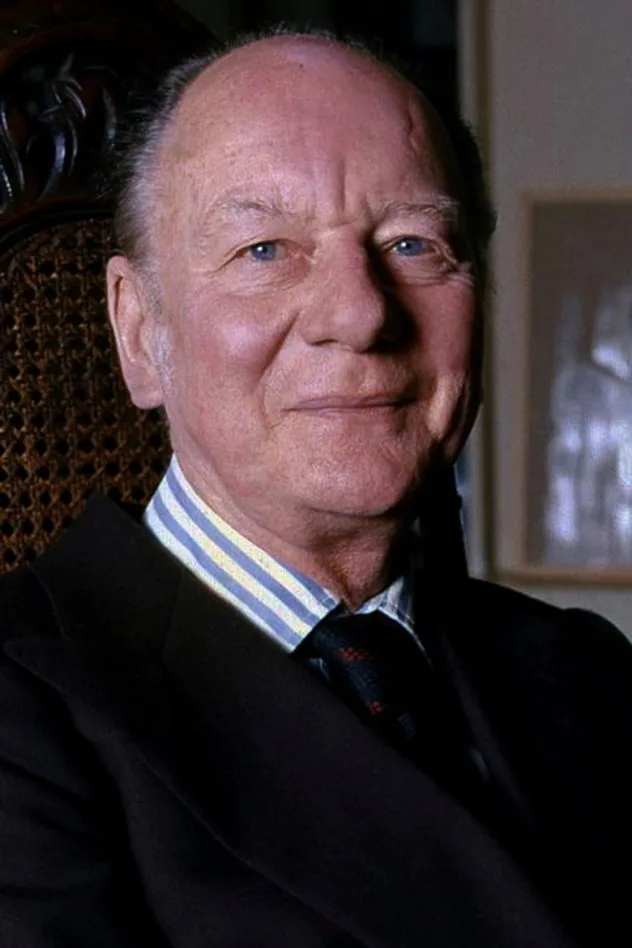
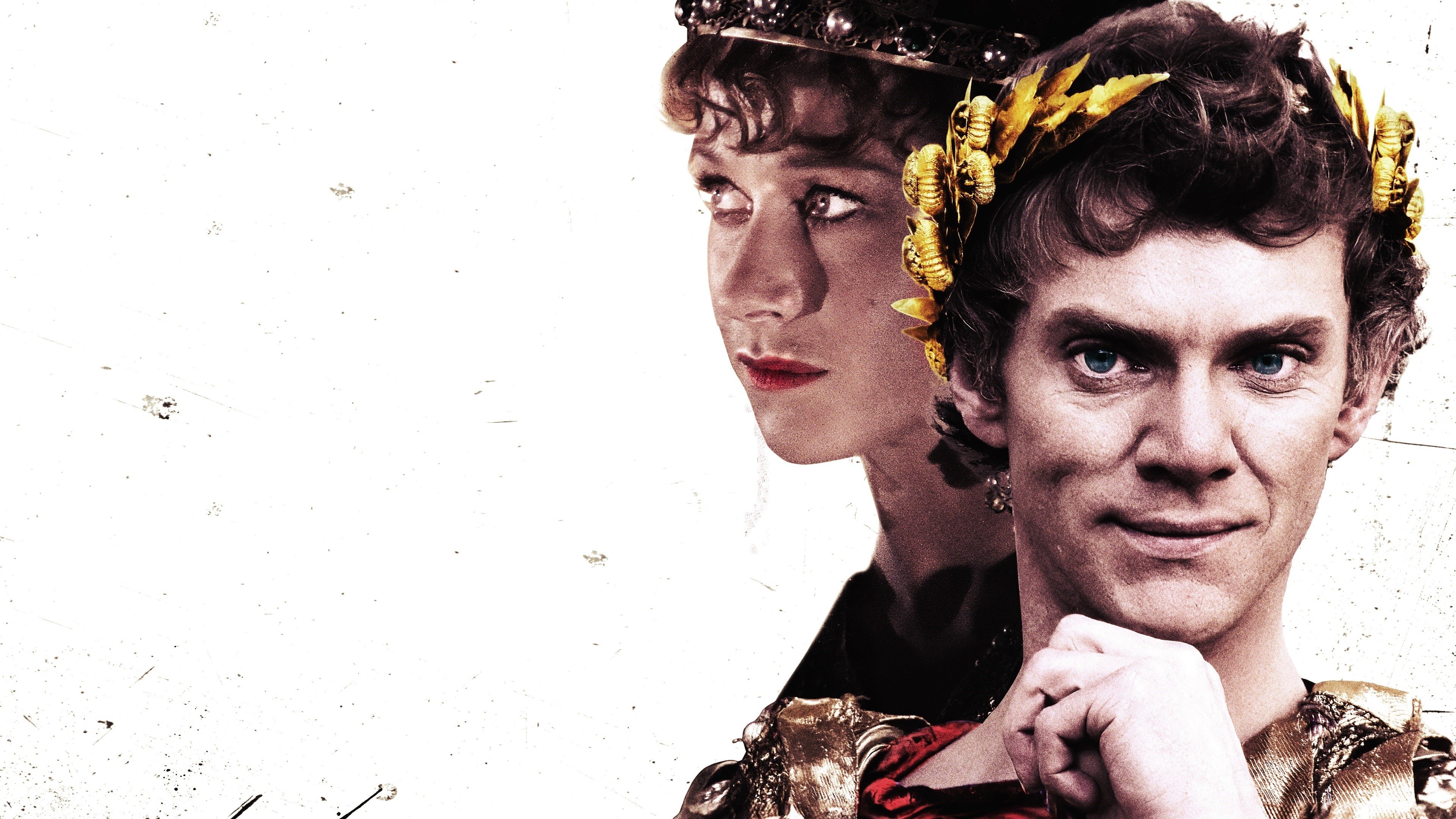
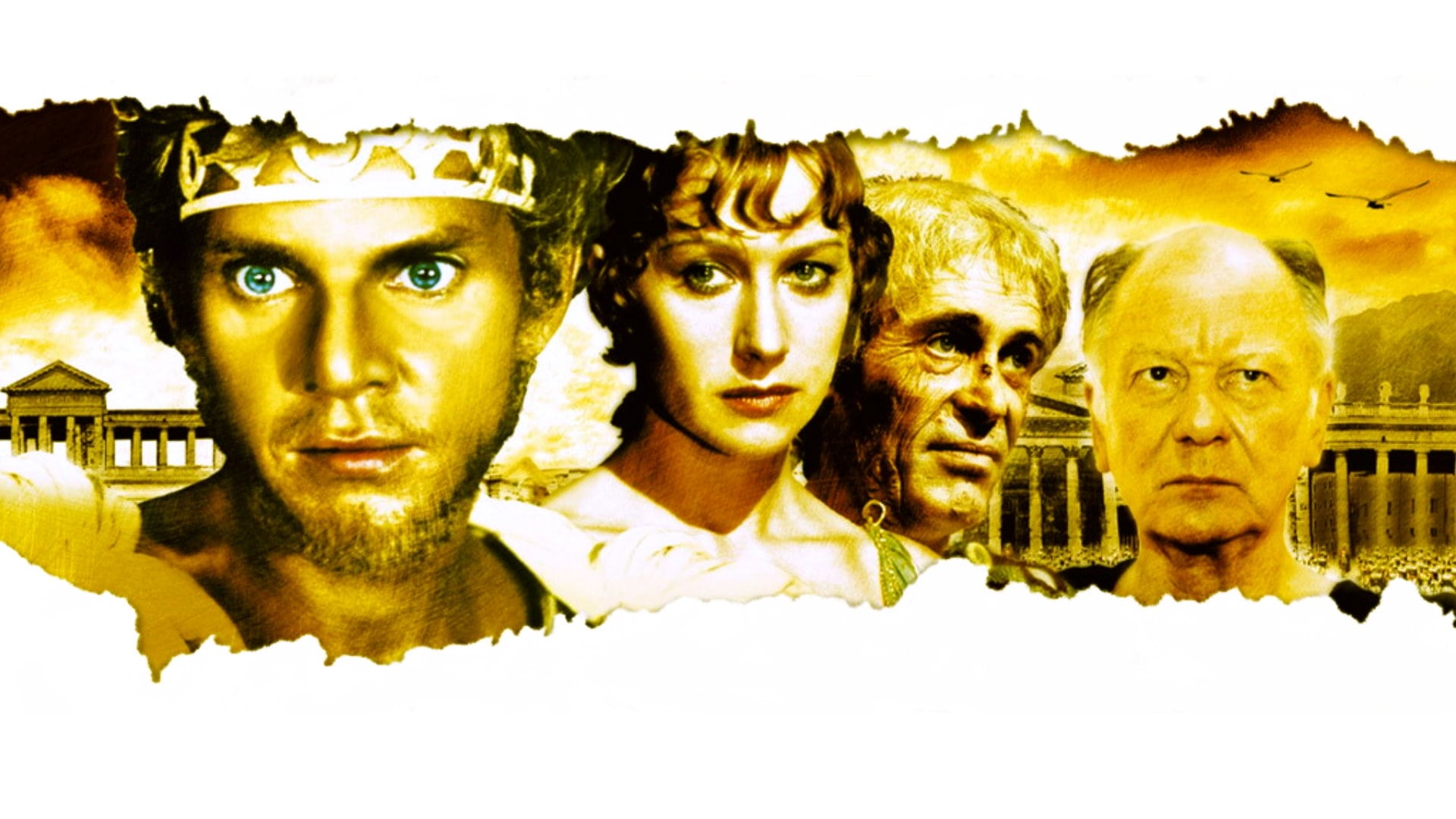
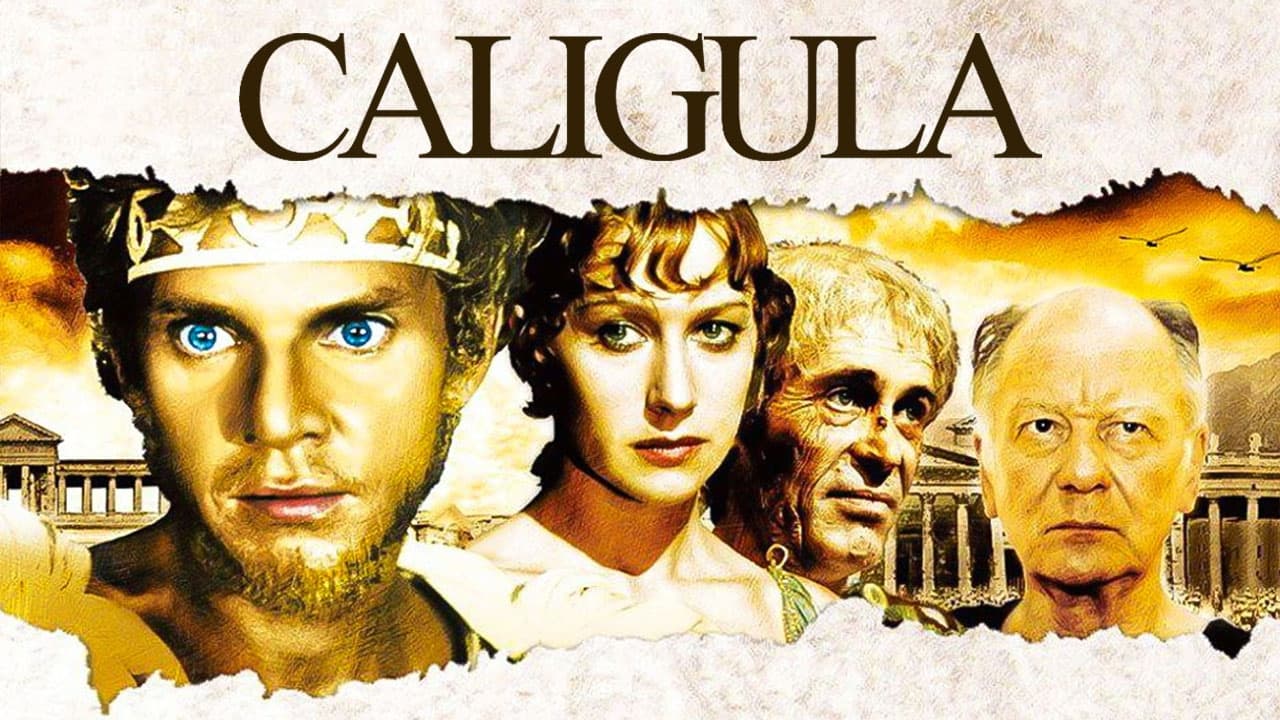
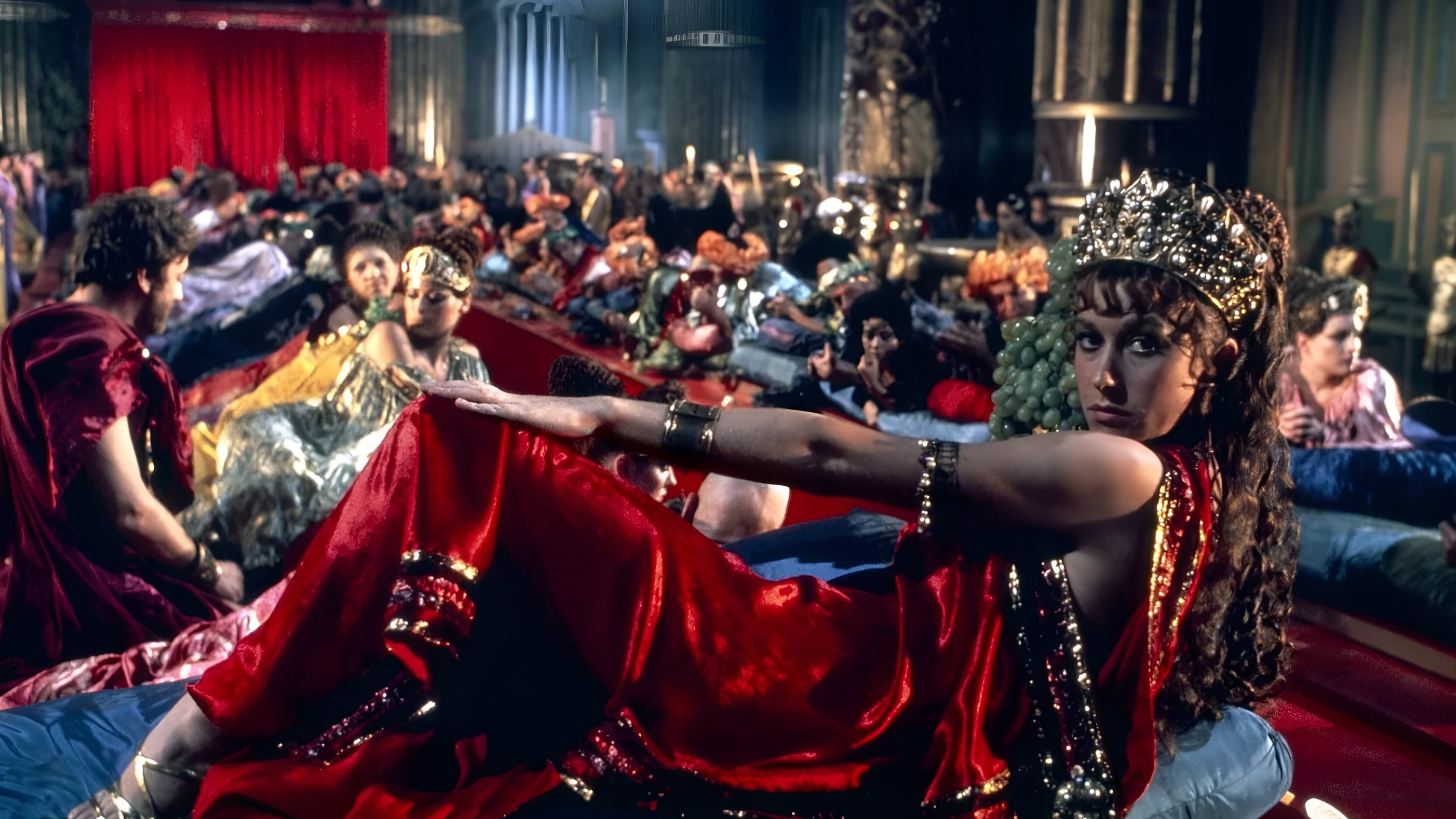
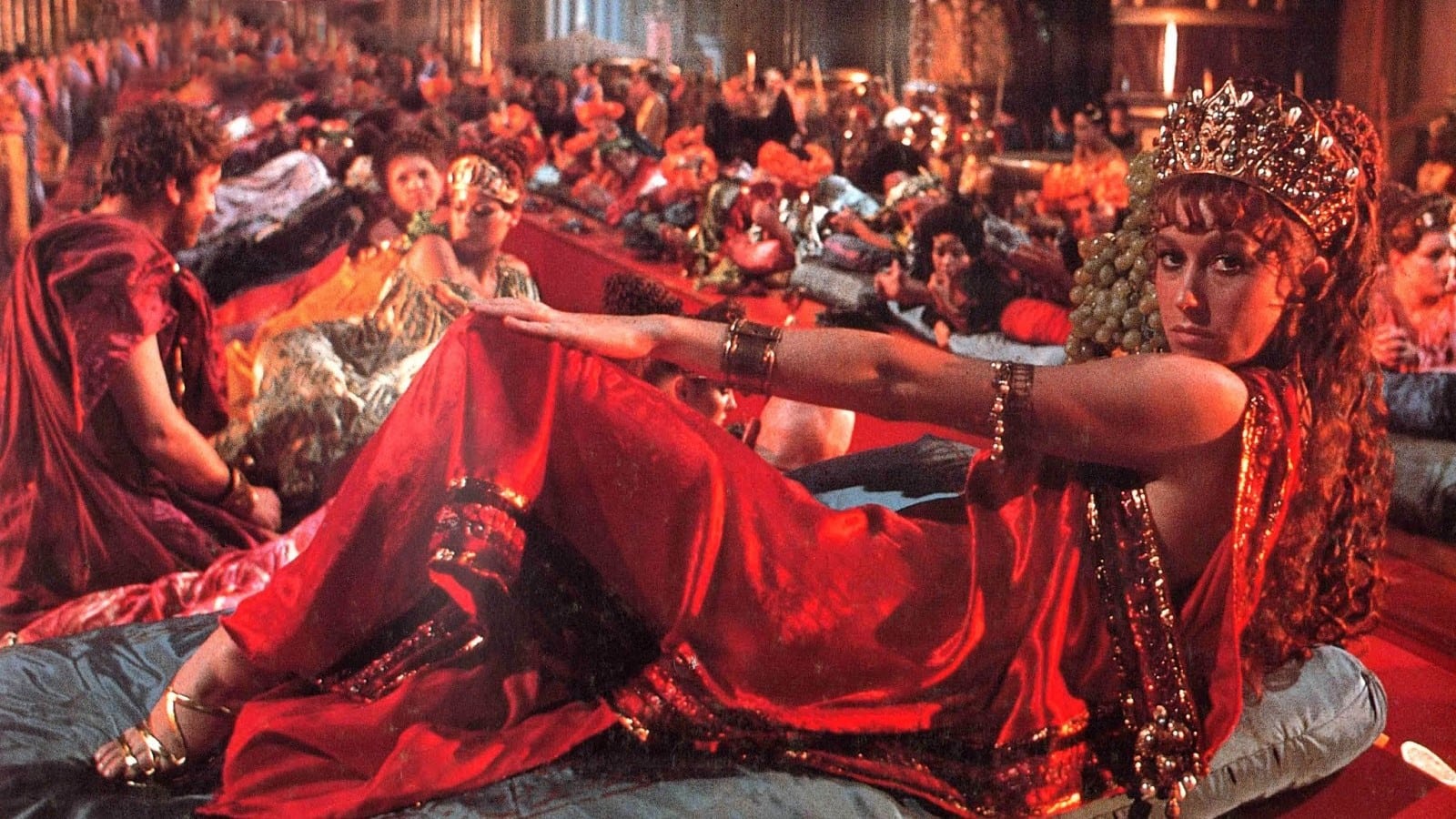
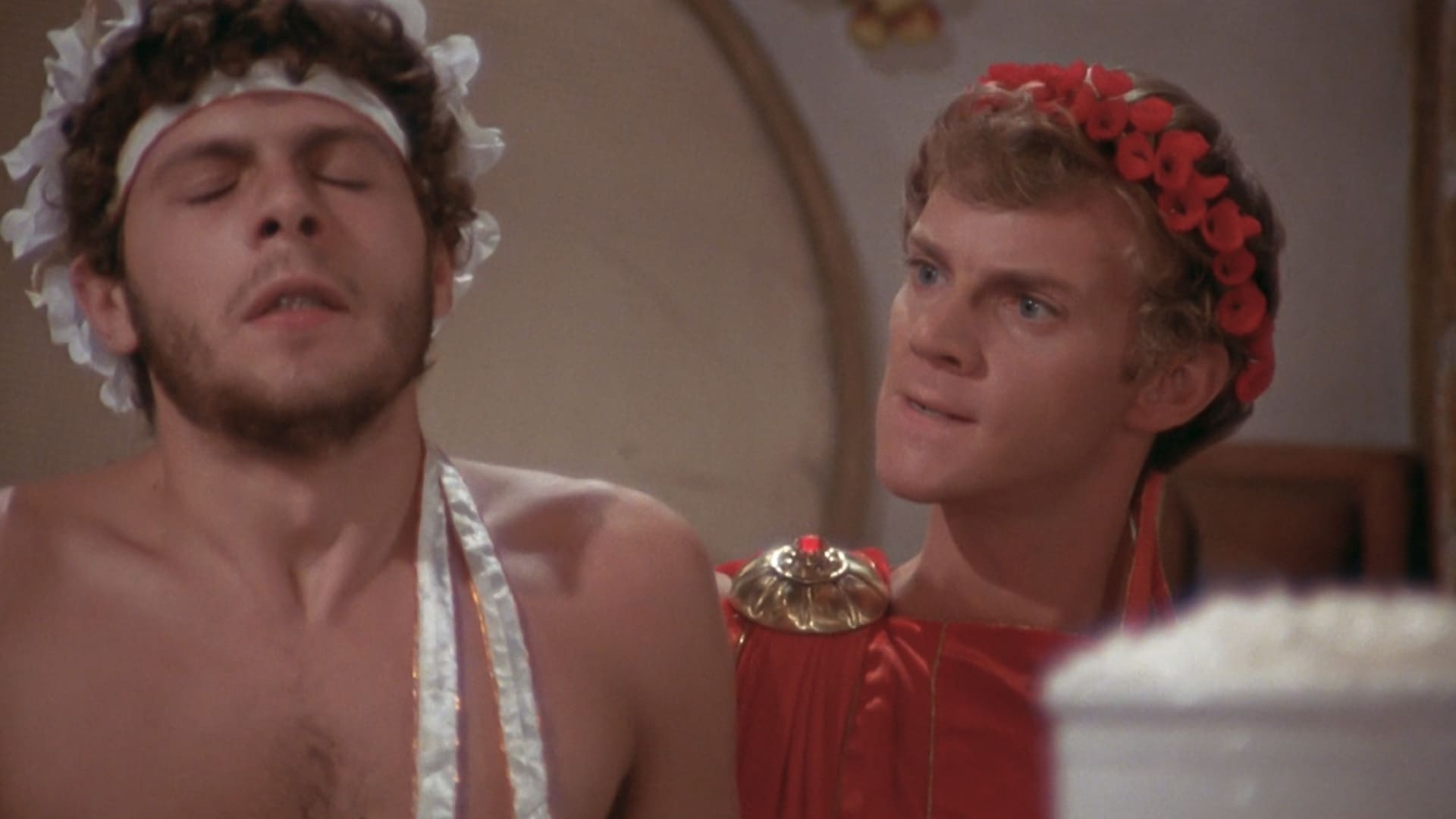
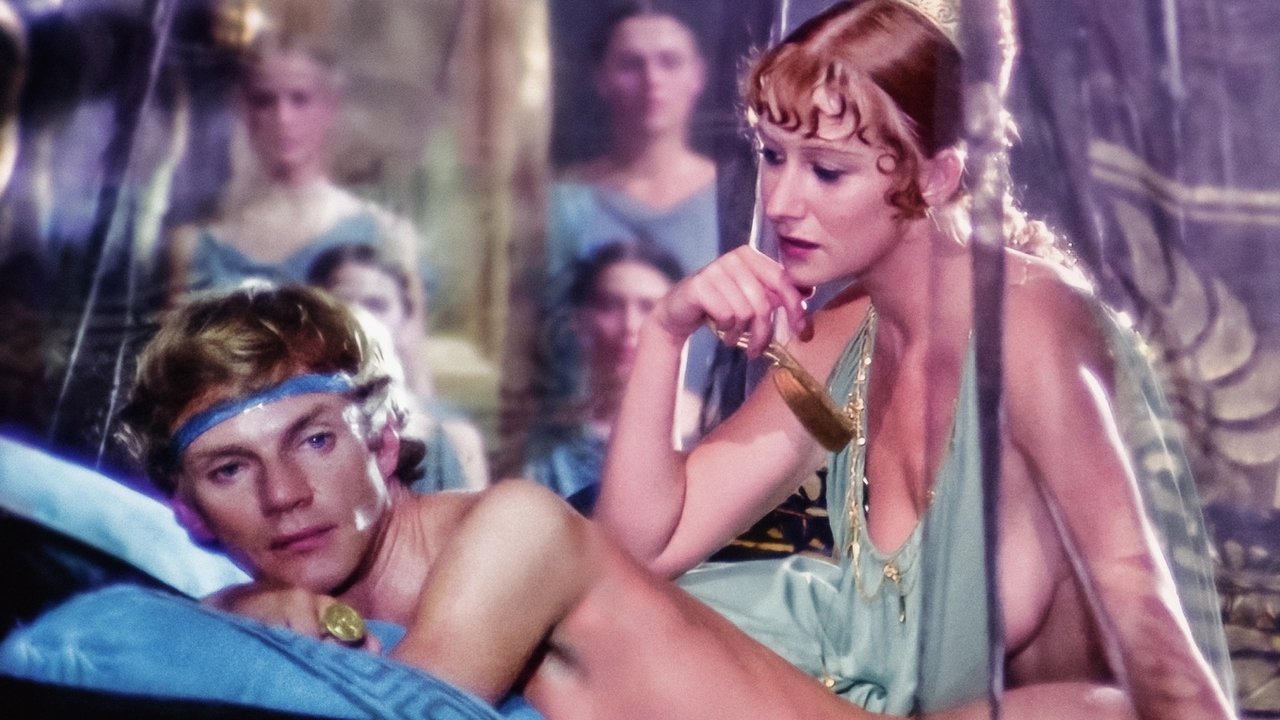
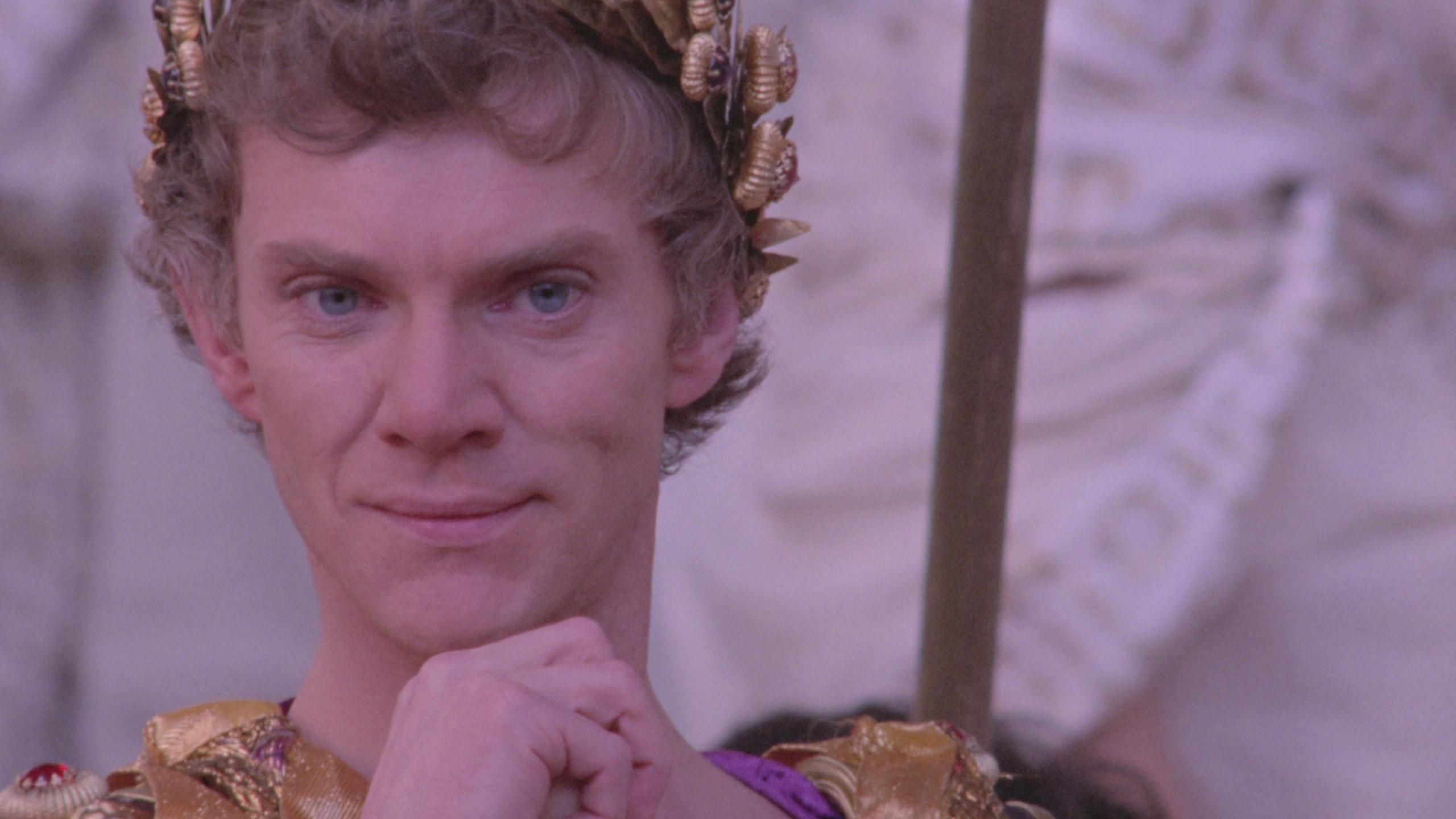
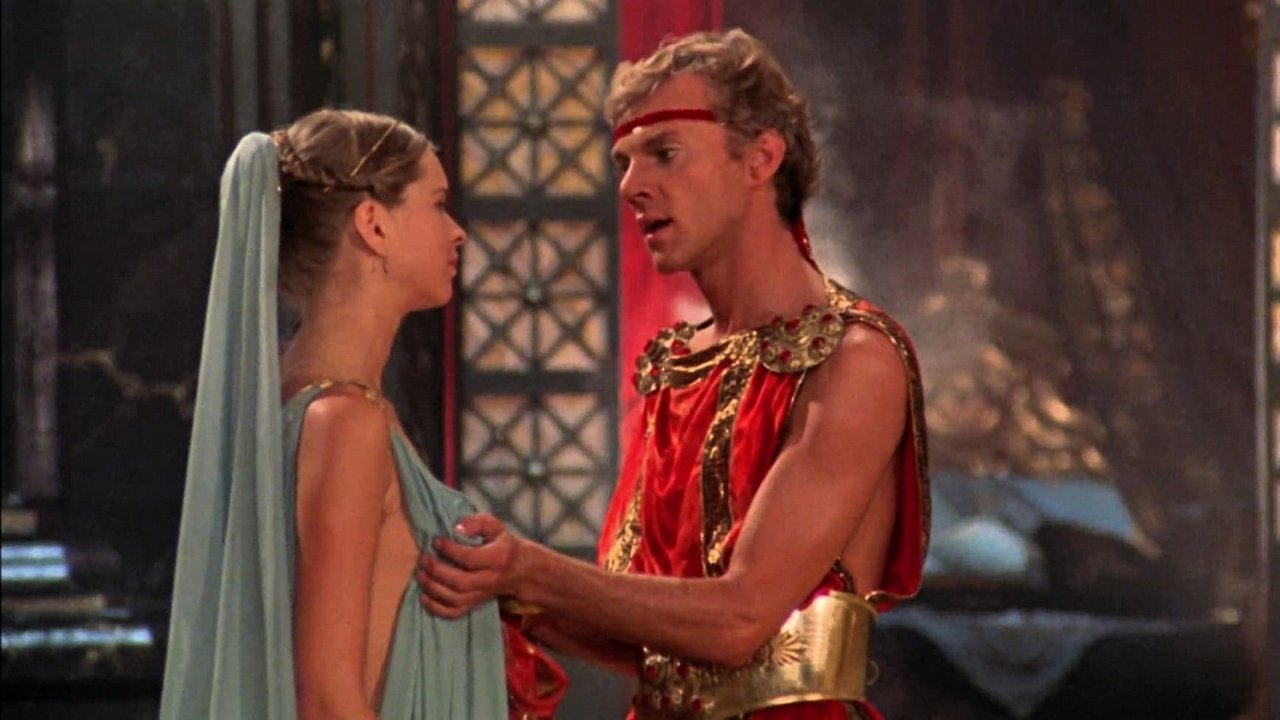
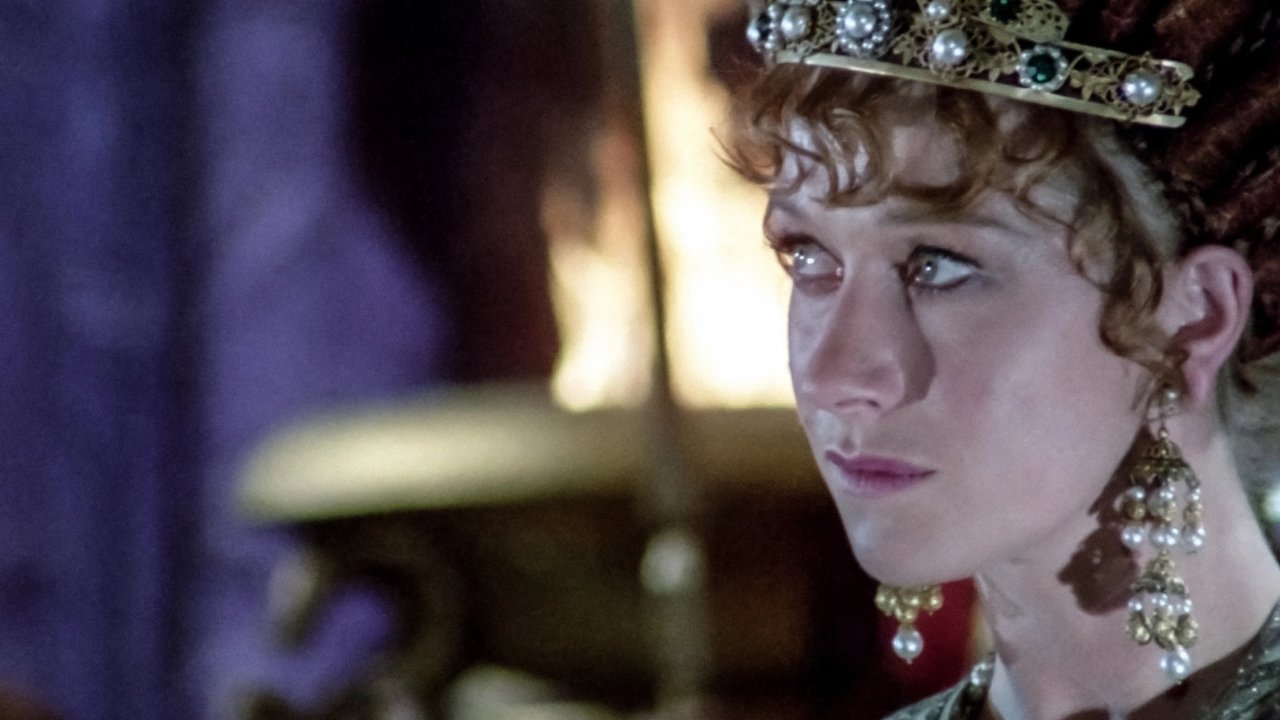
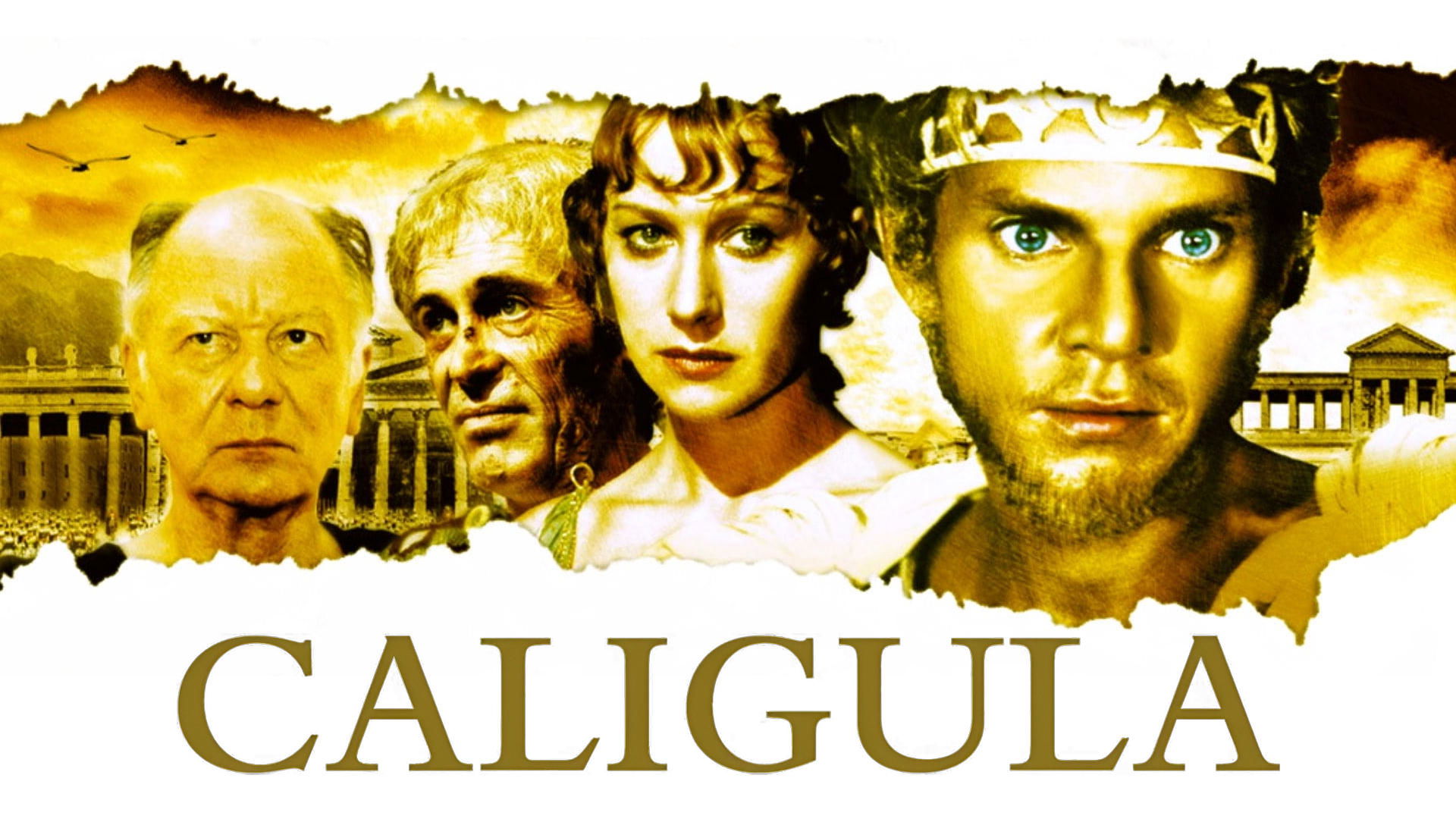
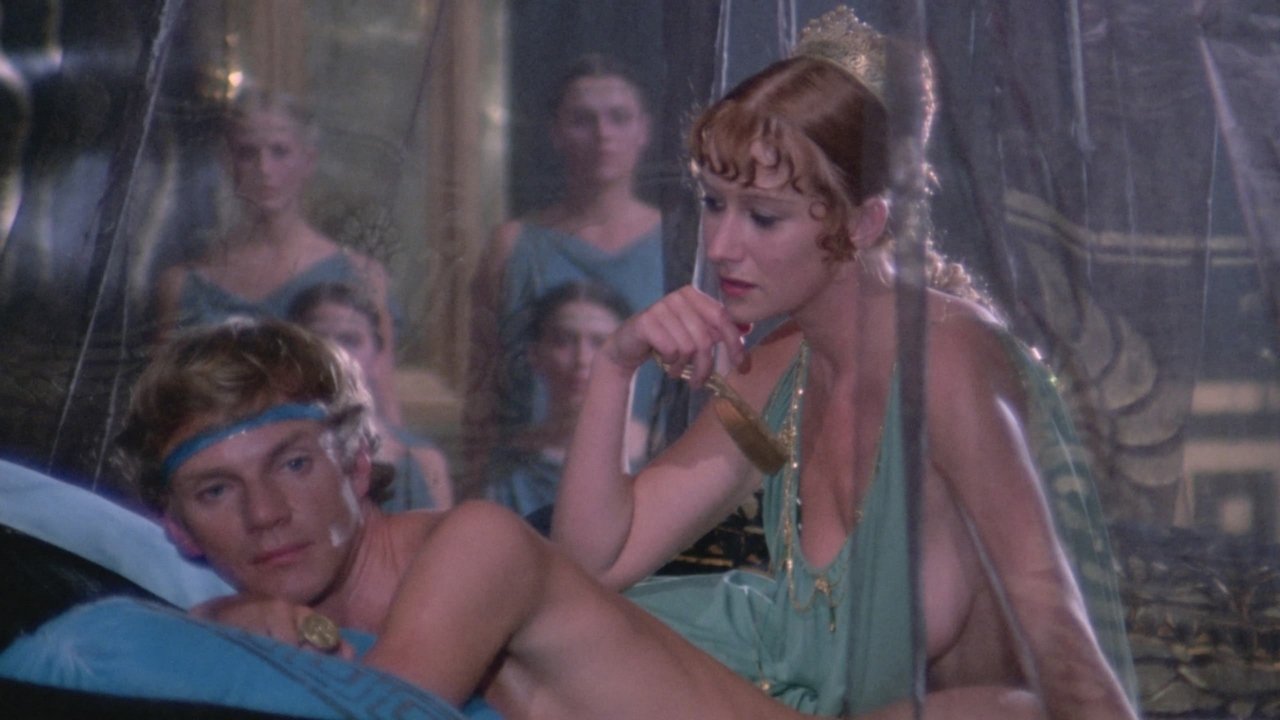
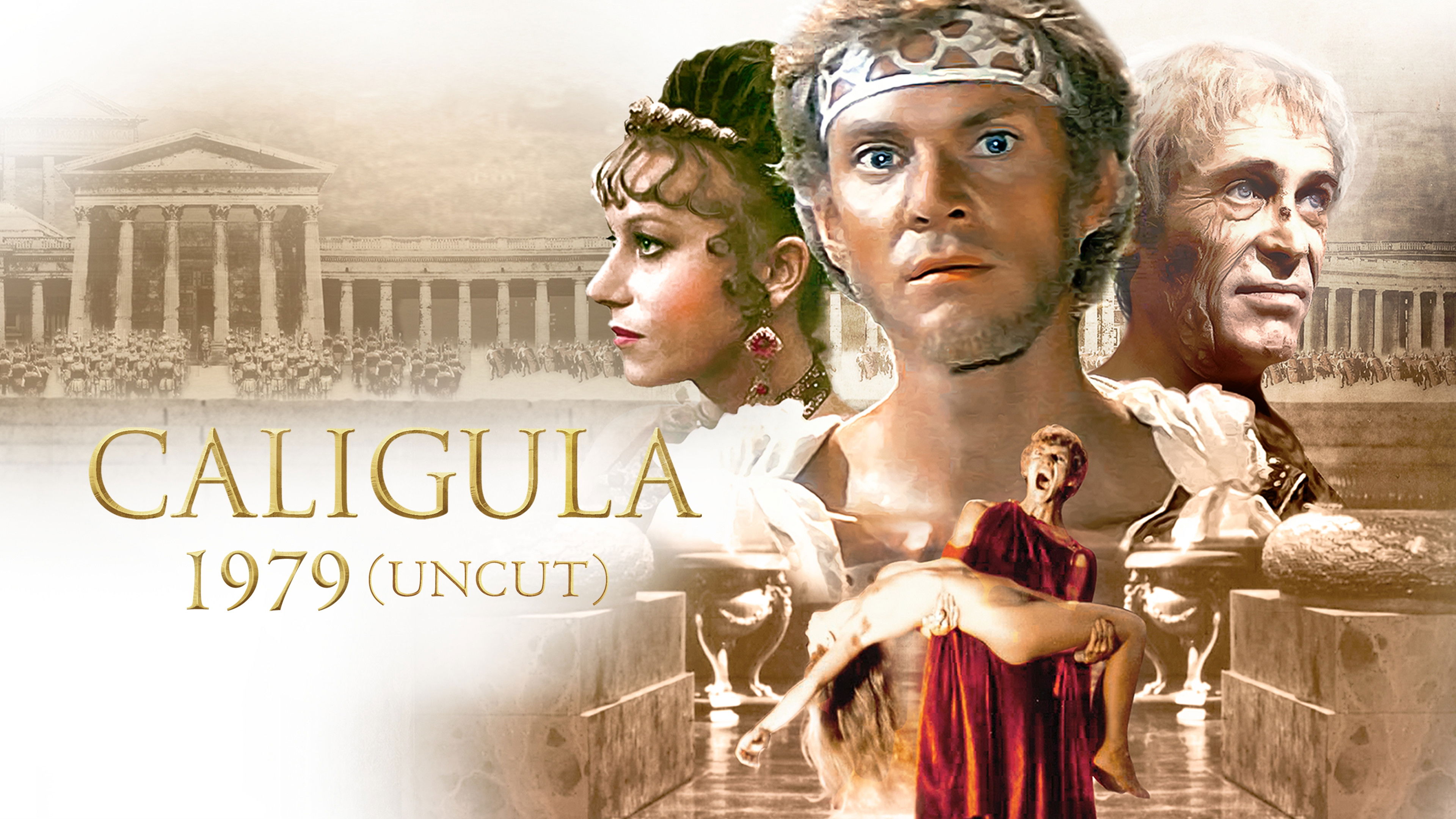
"Caligula," a 1979 film directed by the famous director Tinto Brass, focuses on one of history's most controversial figures. Starring Malcolm McDowell, the film also features significant performances from Teresa Ann Savoy, Helen Mirren, Peter O'Toole, and John Steiner. Shedding light on one of the dark periods of Ancient Rome, this production offers viewers an unforgettable experience with its bold scenes and striking story.
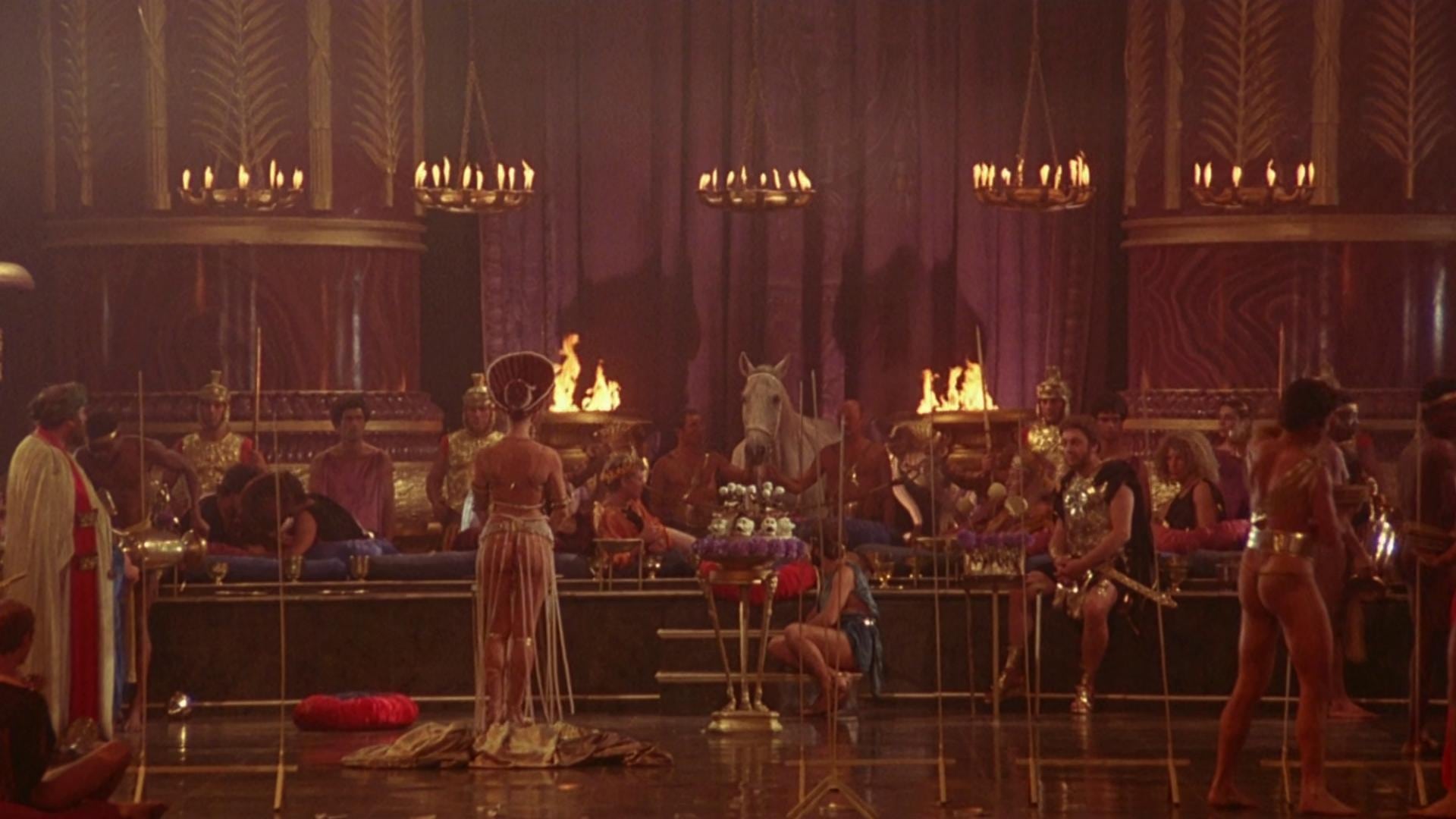
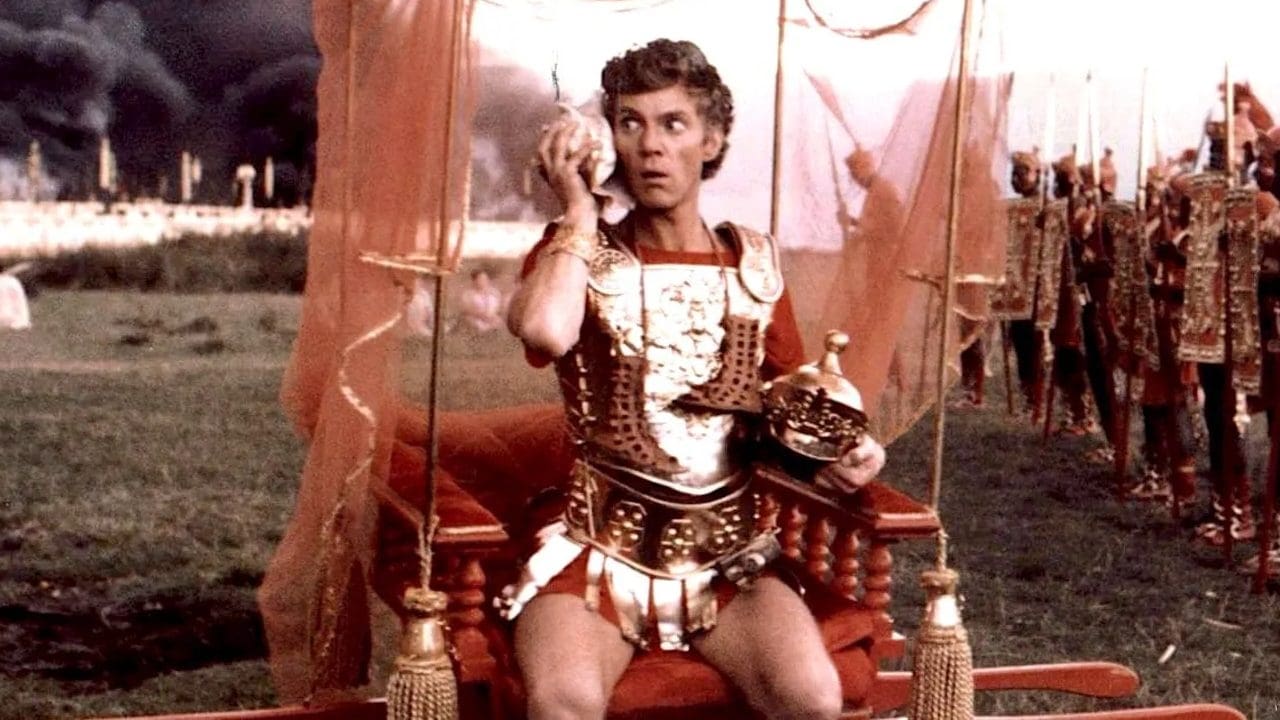
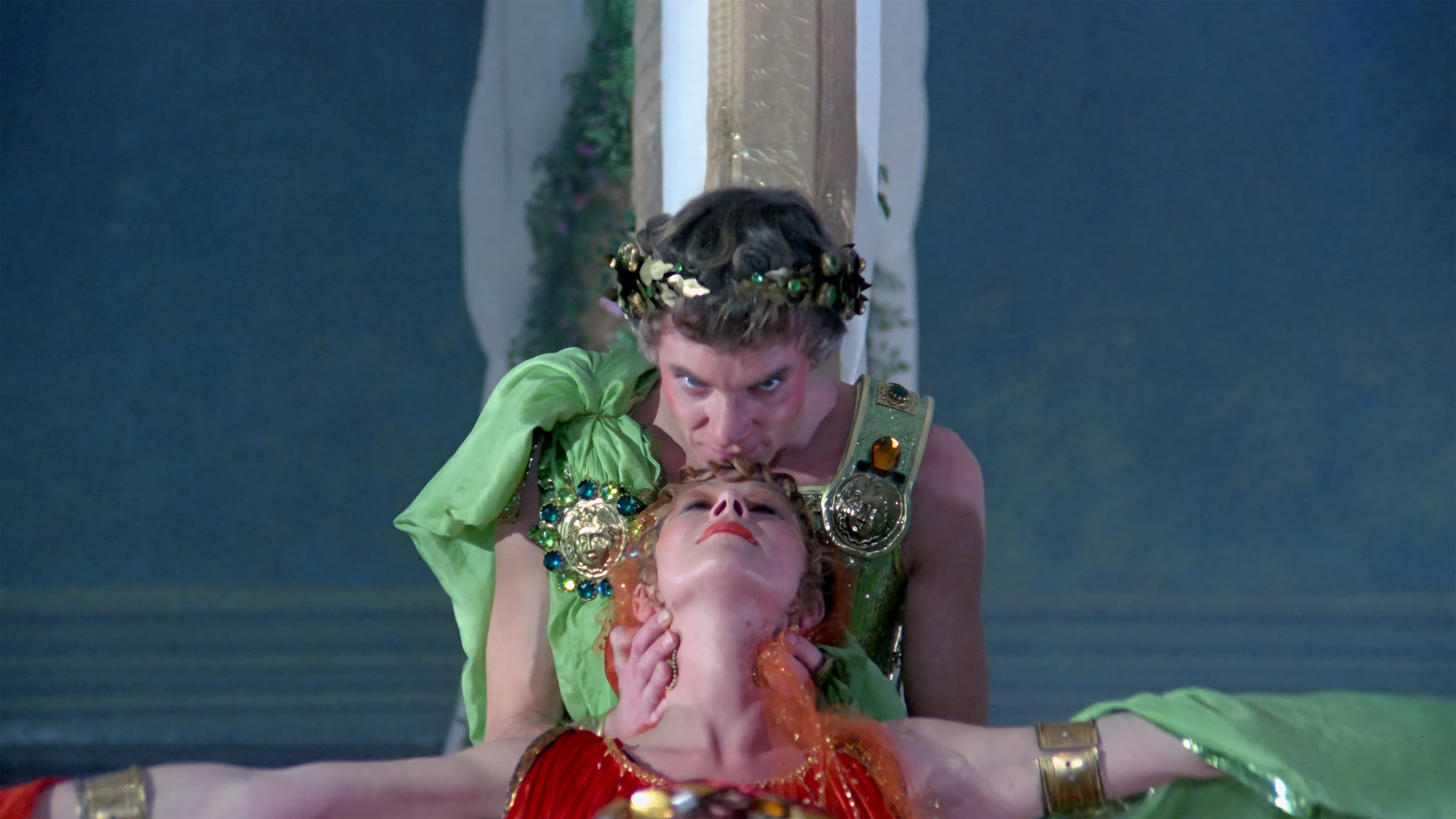
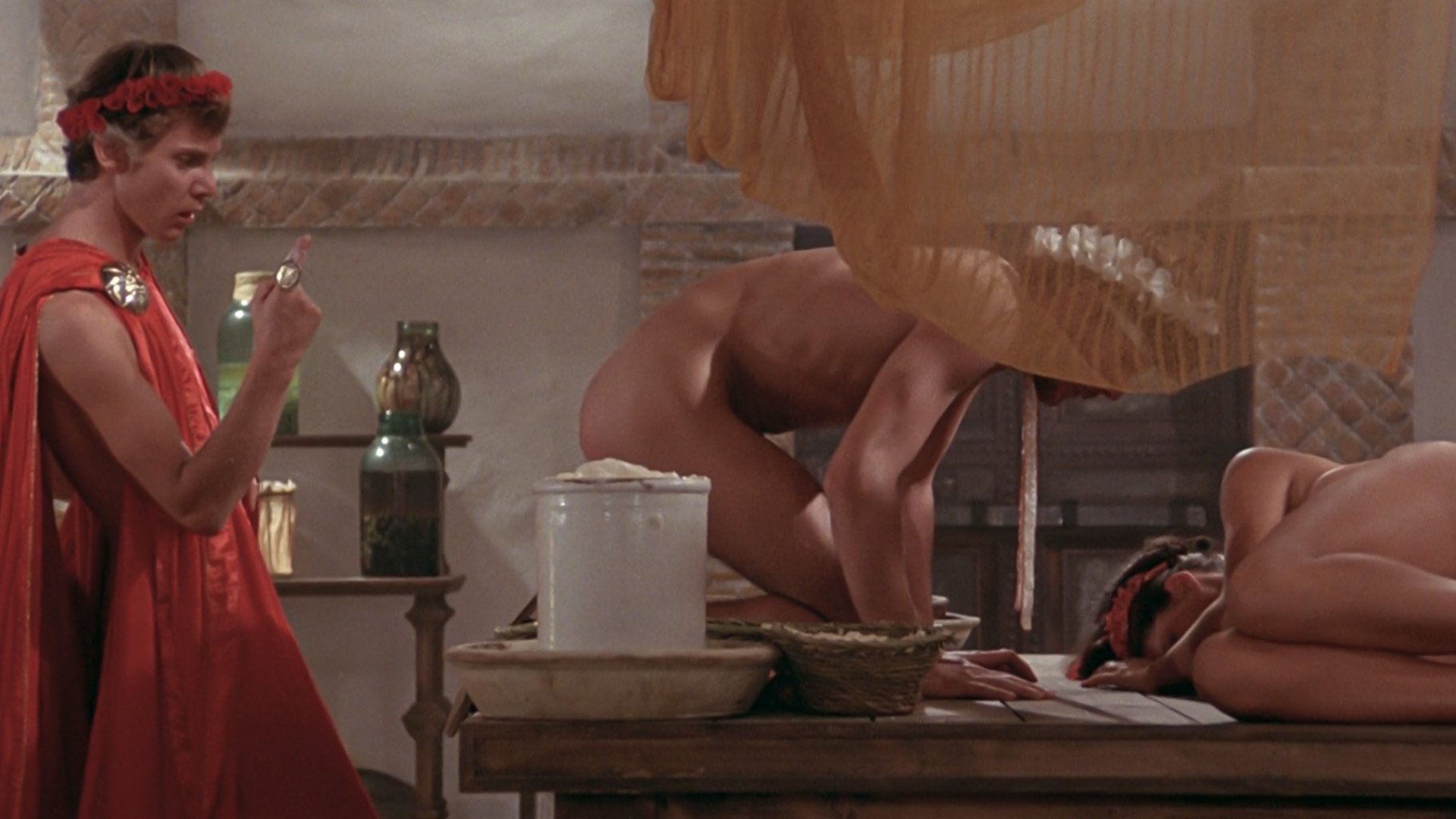
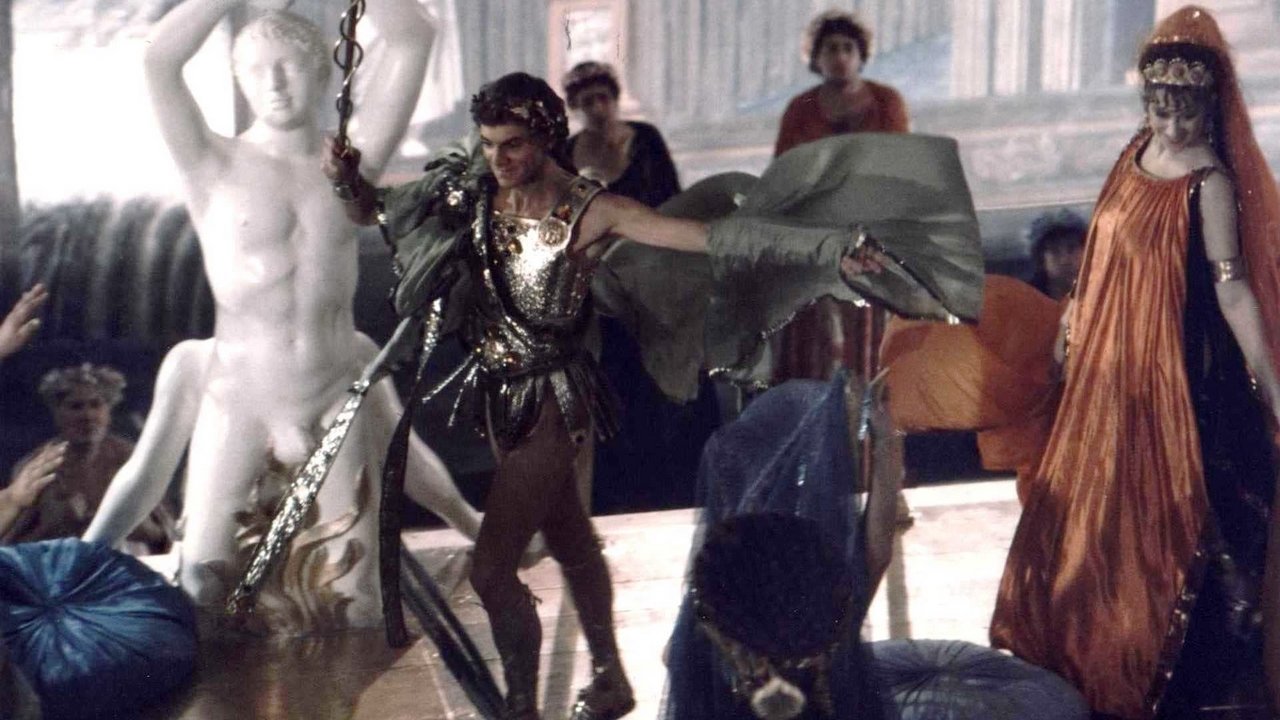
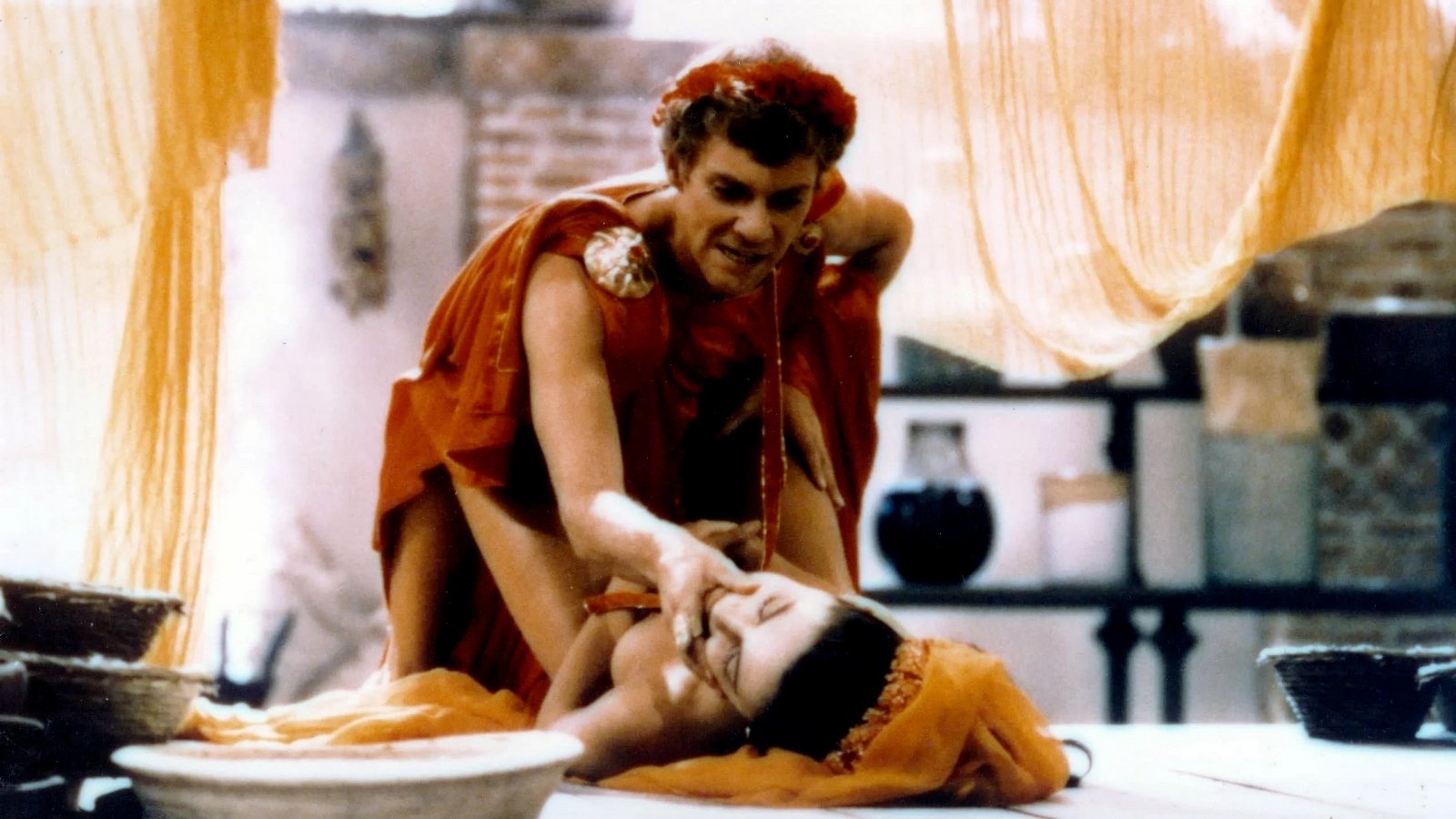
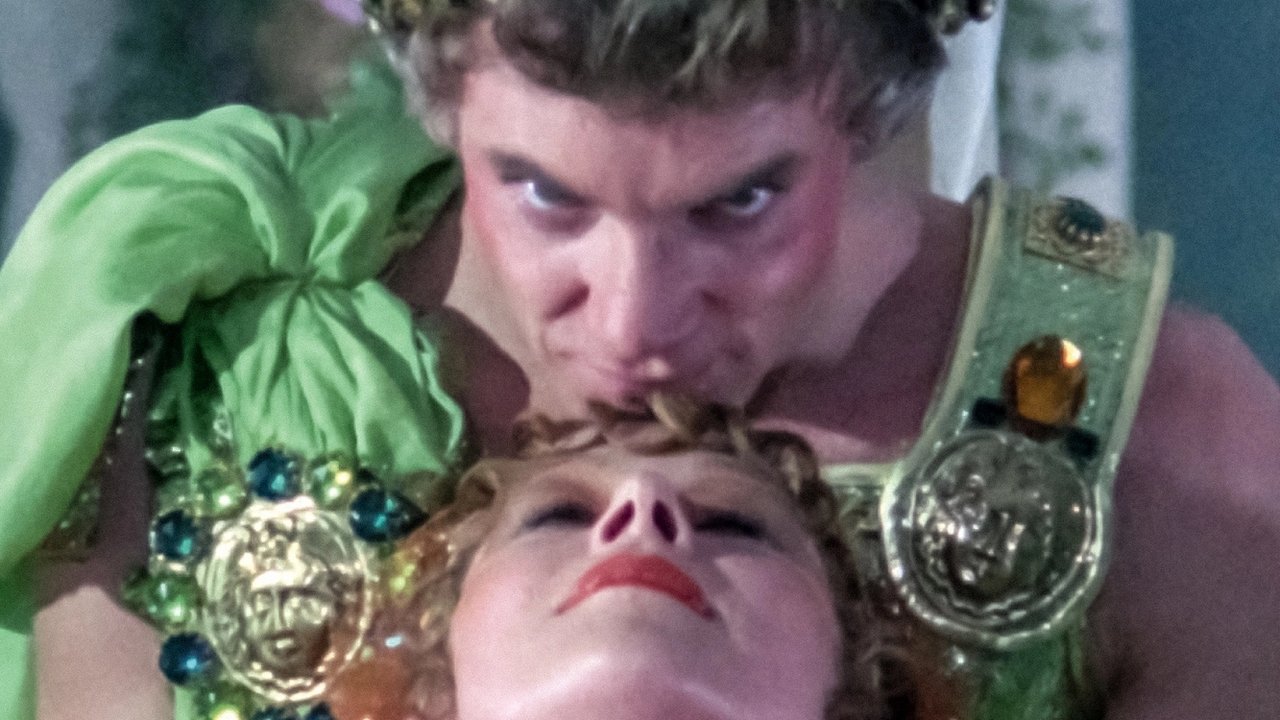
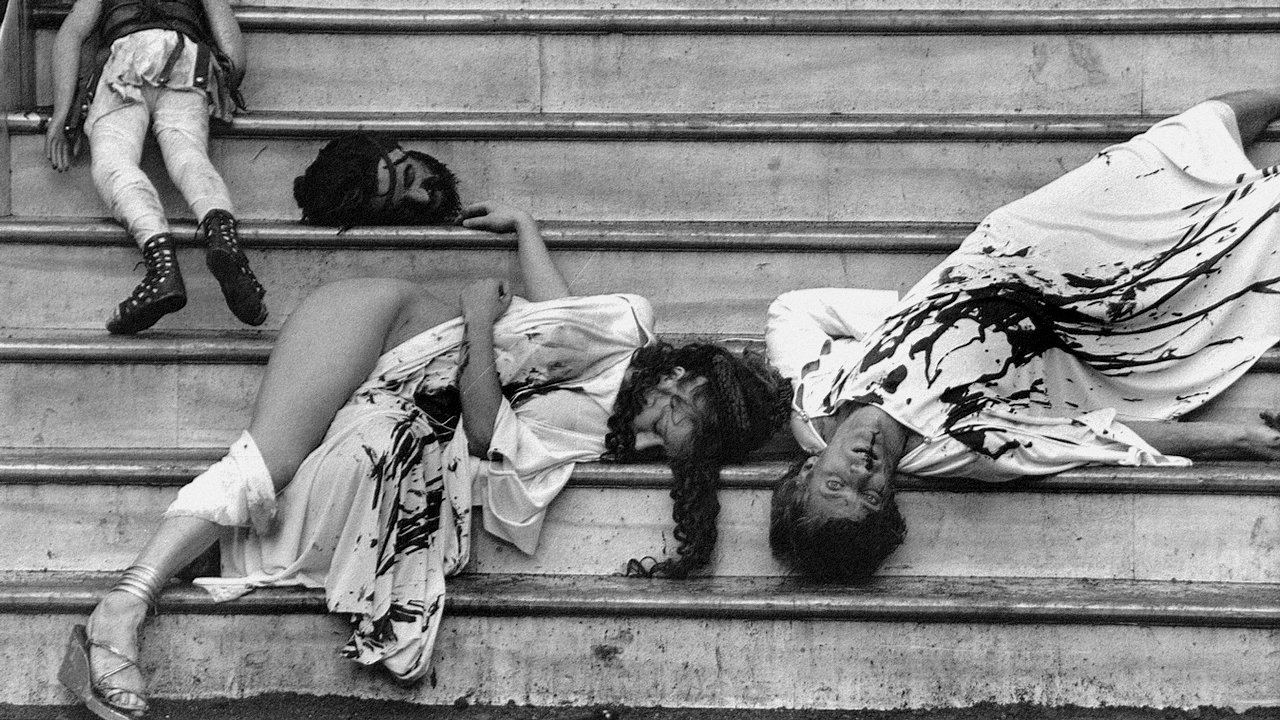
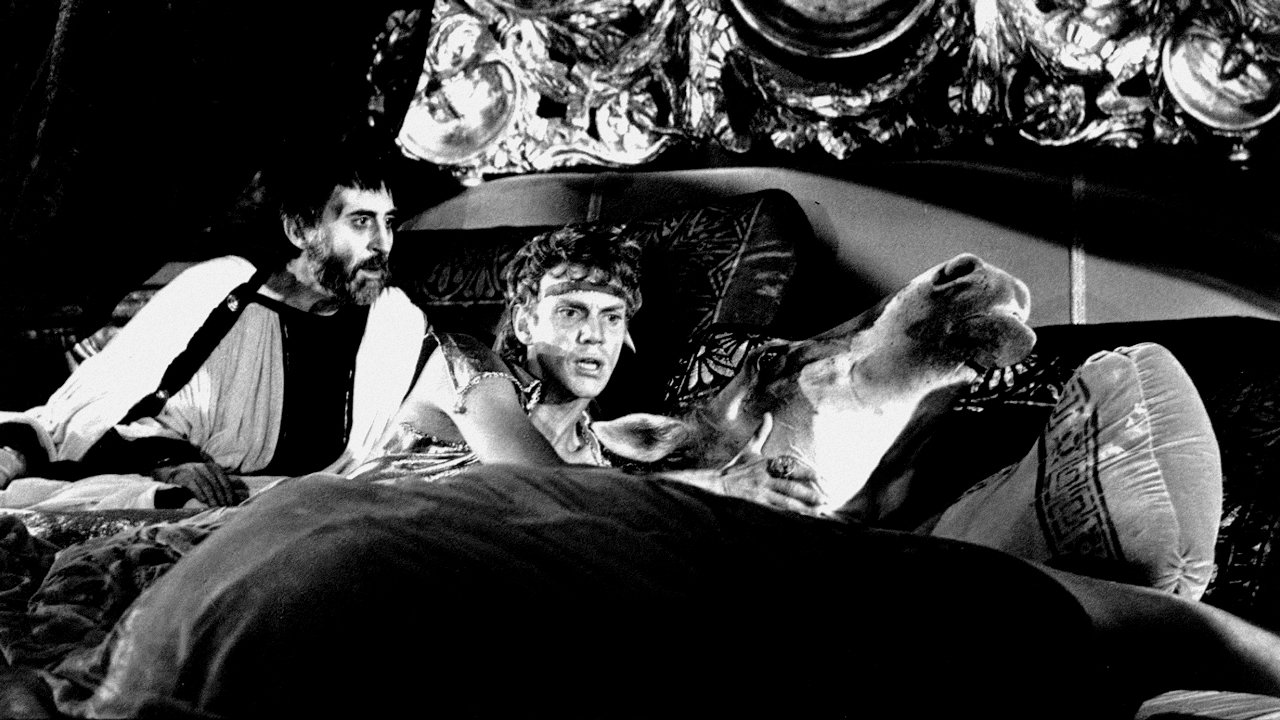
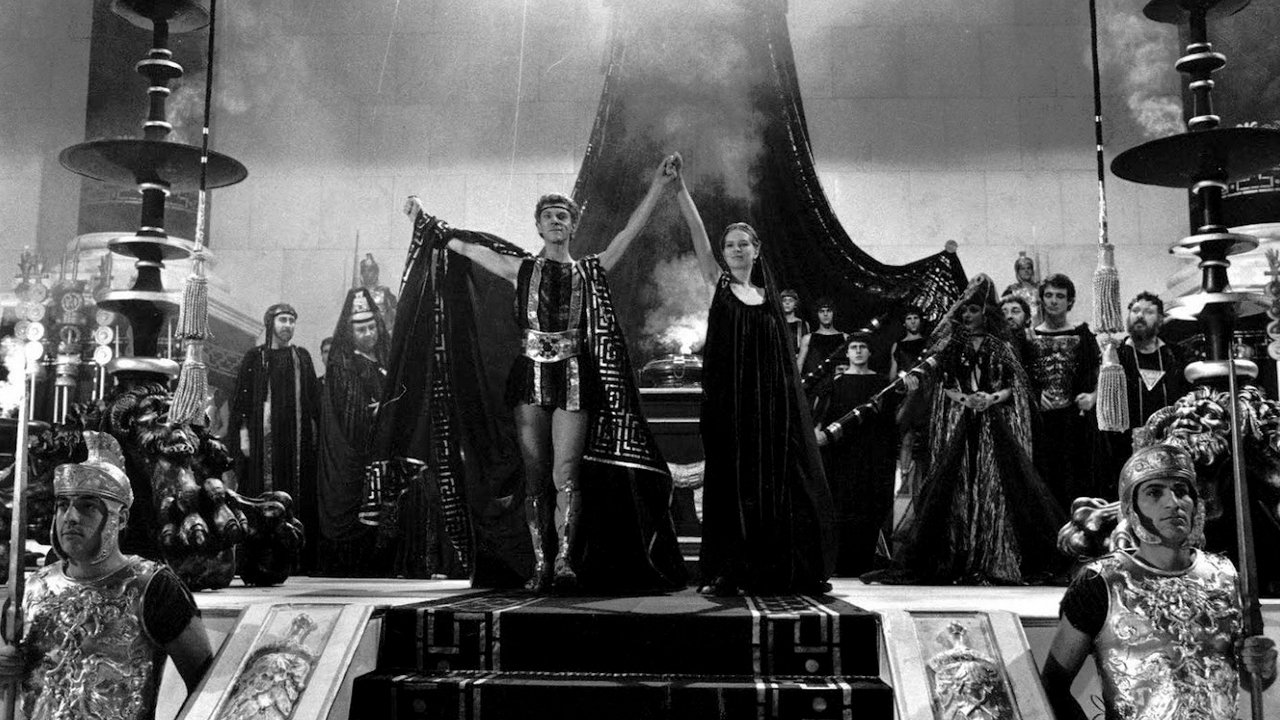
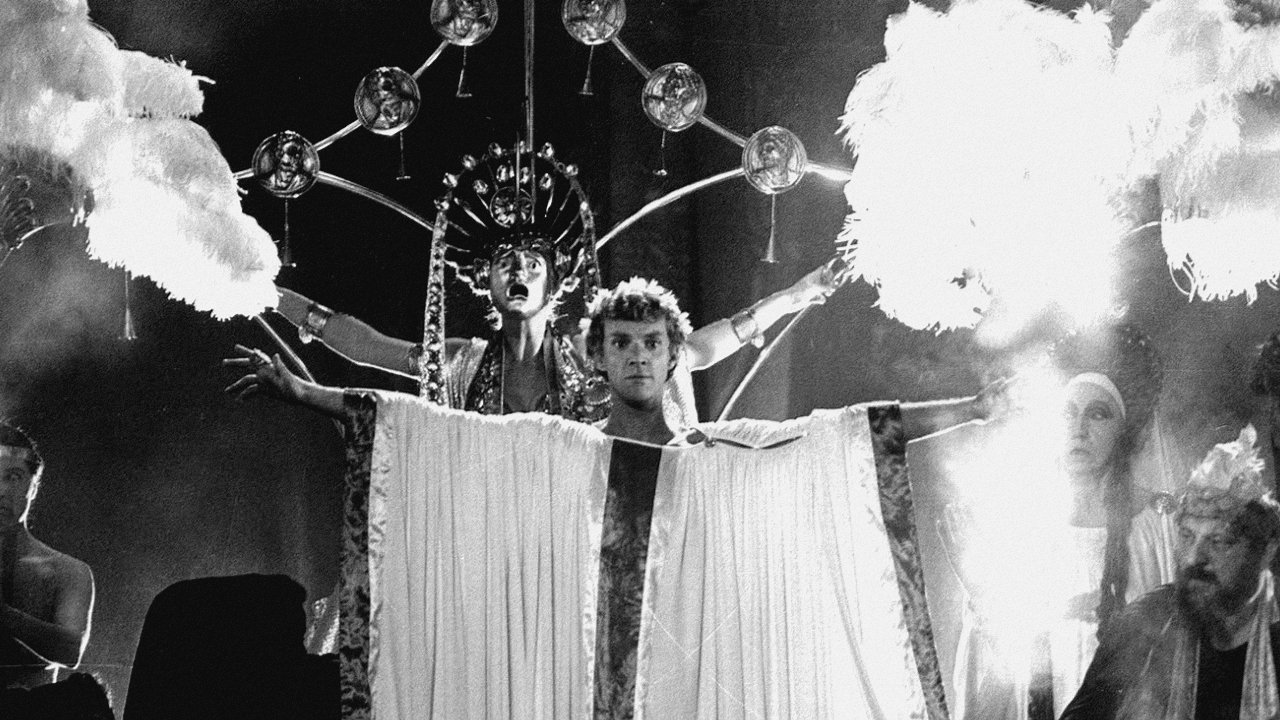
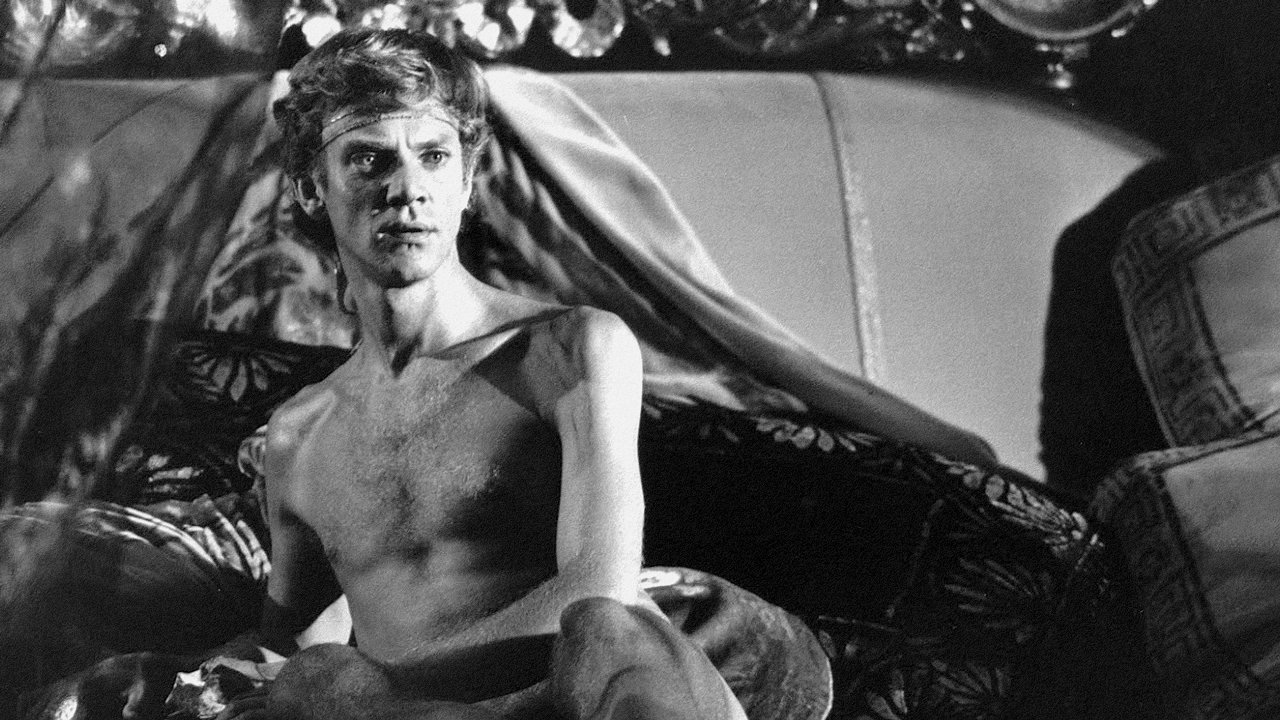
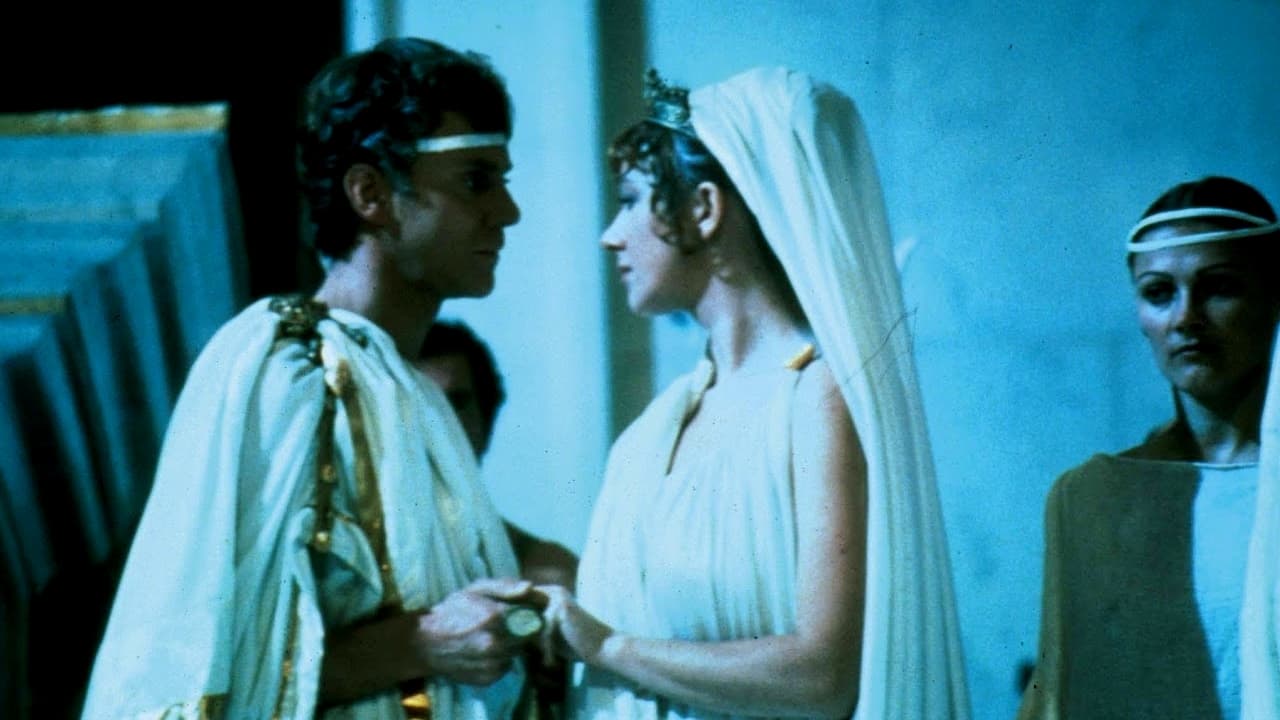
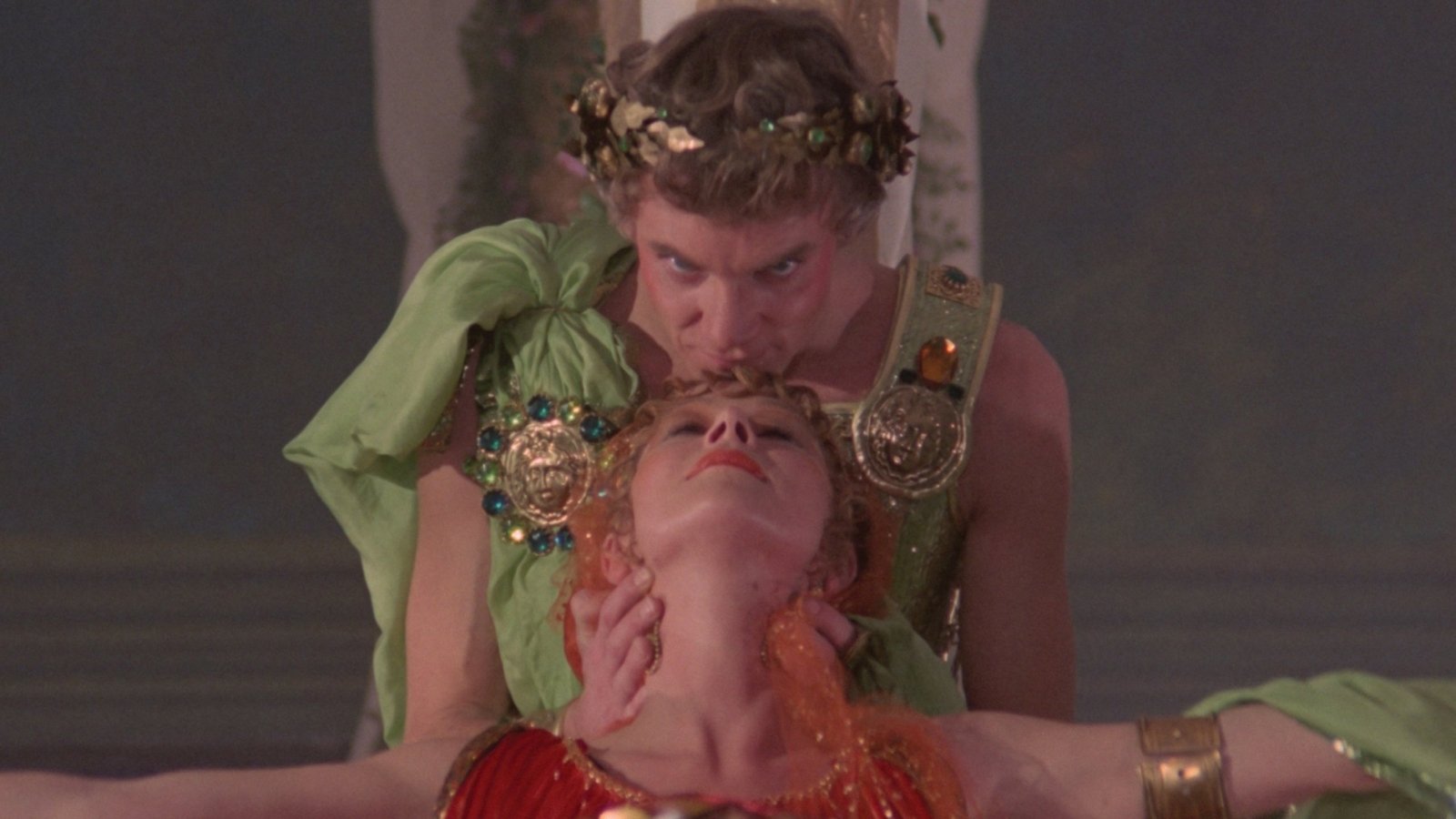
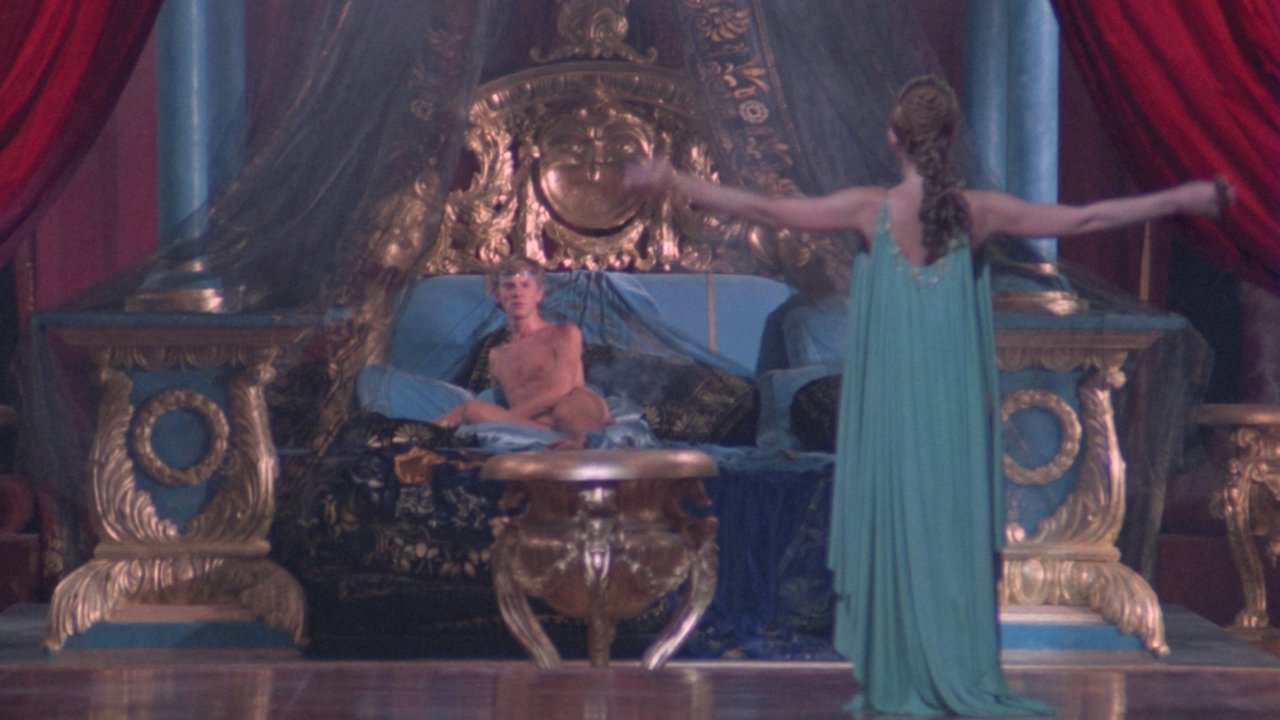
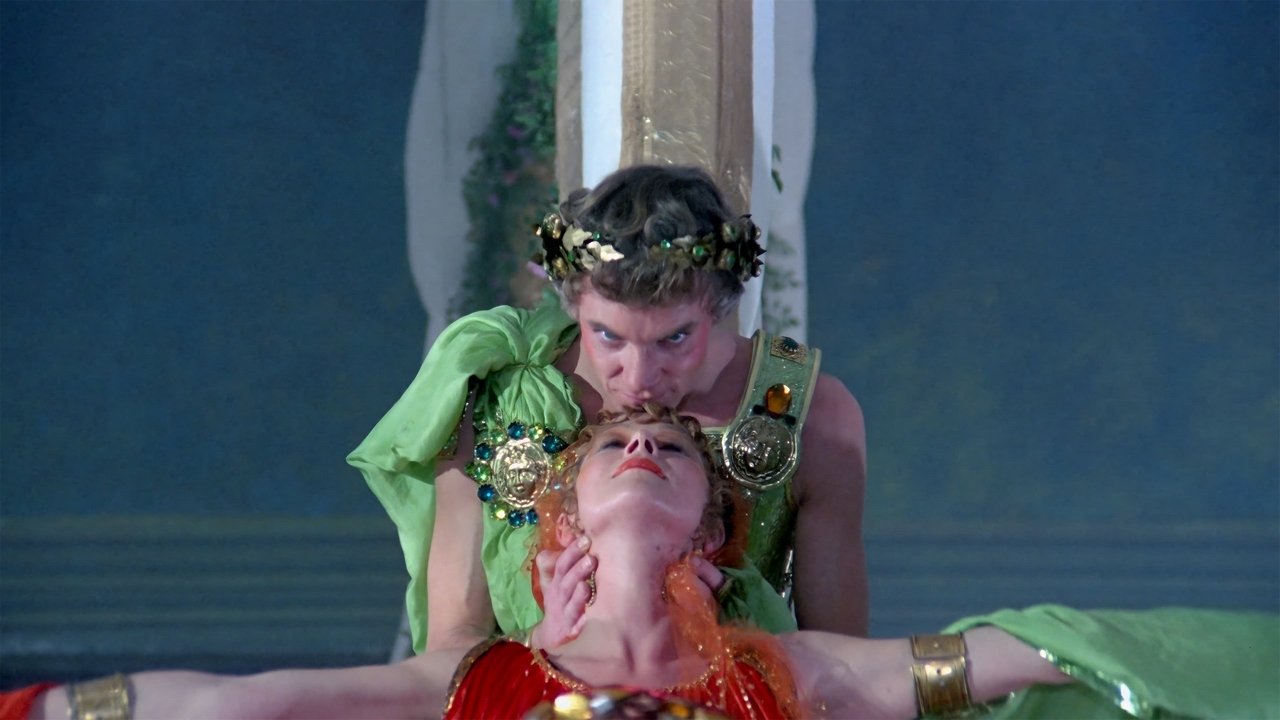
The film begins with Caligula (Malcolm McDowell) seizing power after the death of the paranoid emperor Tiberius. Caligula initiates a period filled with conflicts, assassinations, and immorality during his reign. This bloody madness at the heart of the empire is particularly explored through Caligula's character, marked by passion and torture. As viewers witness Caligula's rise and subsequent fall, they discover how historical events can transform into madness and moral decay. The film prompts the audience to reflect deeply on the corruption brought by power and the dark sides of the human soul.
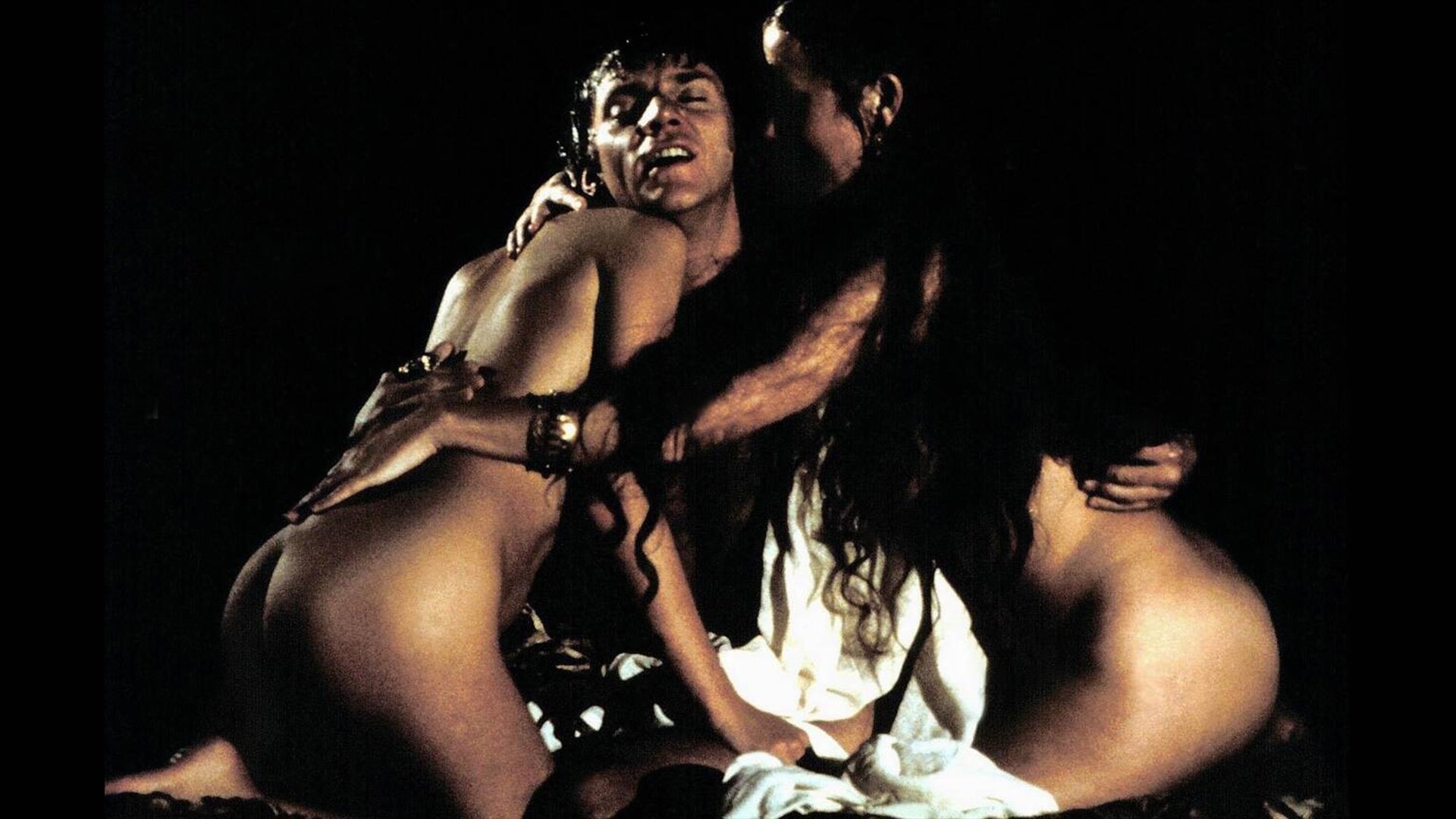
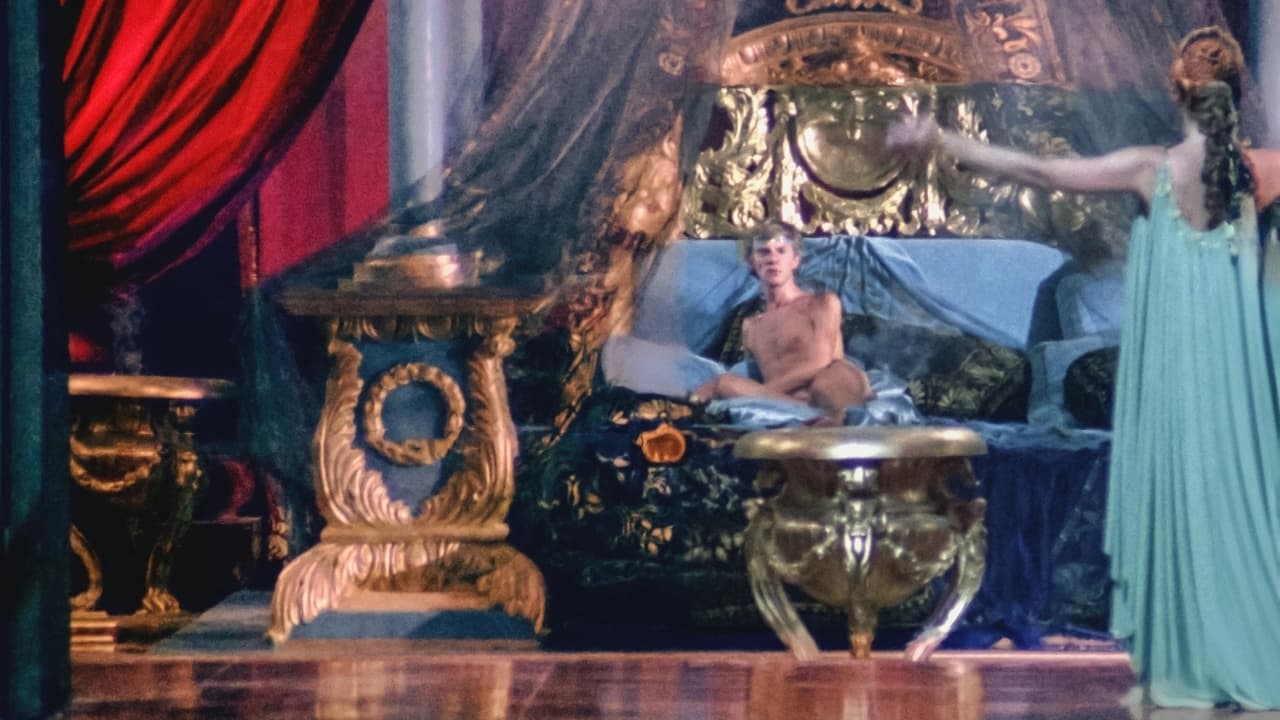
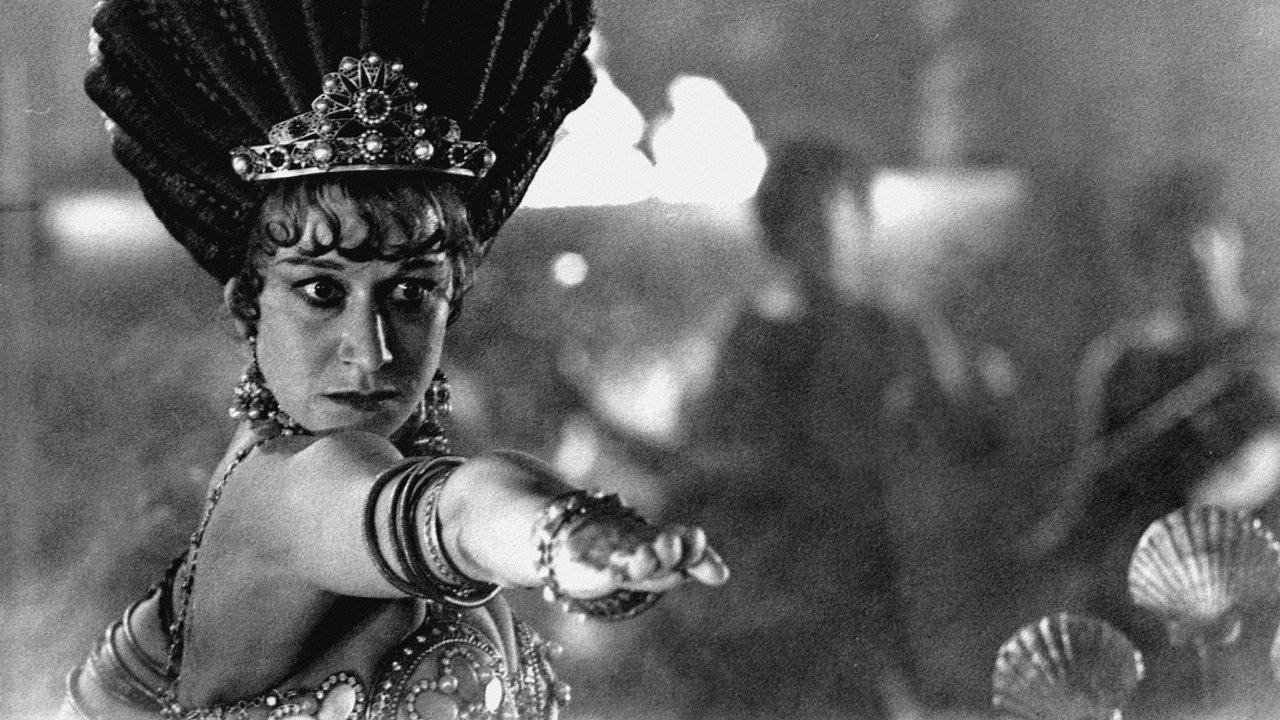
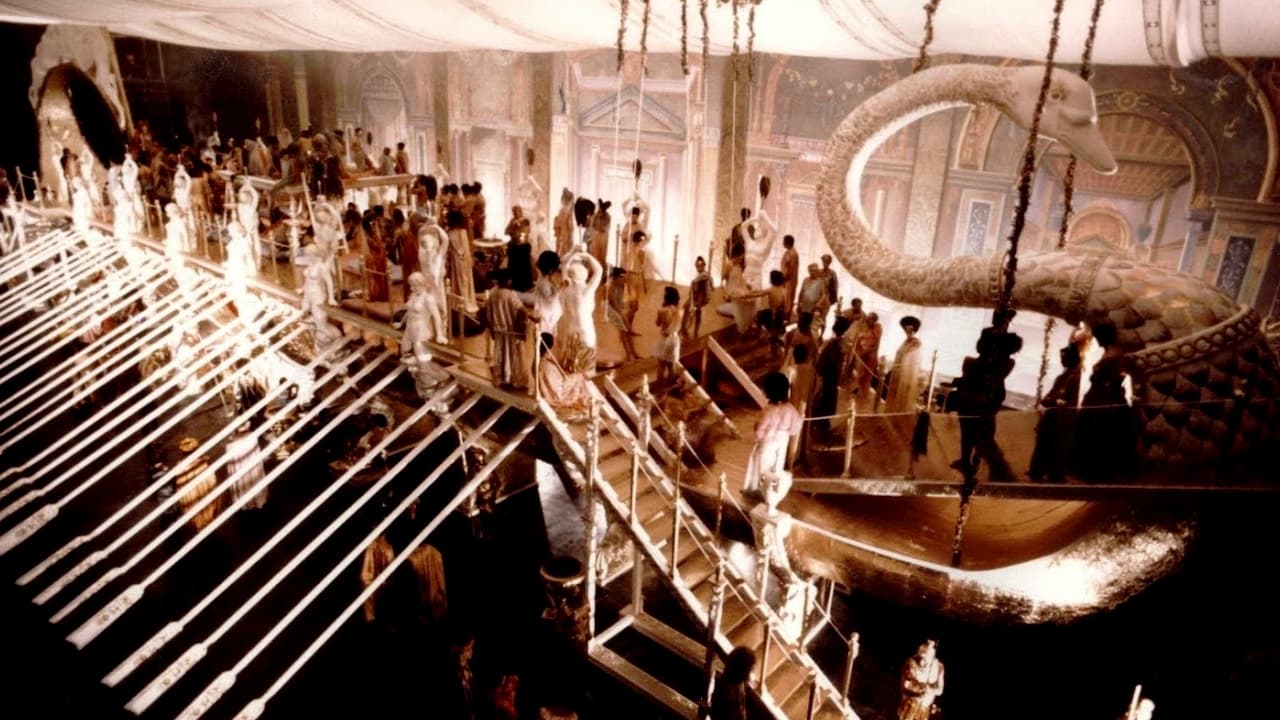
Tinto Brass has created a bold and controversial work in the world of cinema with "Caligula." The director's unique style highlights the aesthetic and dramatic elements in the scenes, while also daringly blending sexuality and violence. Brass's cinematography further deepens the film's dark atmosphere, and the performances of the actors are noteworthy. Malcolm McDowell captivates the audience with his portrayal of Caligula, both frightening and mesmerizing. Masters like Helen Mirren and Peter O'Toole add extra value to the film with the depth and complexity they bring to their characters.
"Caligula" is an essential work to watch, not just as a historical film but also for exploring the dark sides of human nature. The film, which provokes thought about the fall of empires and the responsibilities that come with power, offers viewers an unforgettable experience with its bold scenes and profound messages. Tinto Brass's daring storytelling and strong cast make "Caligula" one of the most intriguing and controversial works in cinema history. If you enjoy history and drama together, we highly recommend watching "Caligula." This film is not just a journey into the past but also an opportunity to explore the dark corners of human nature.
In conclusion, "Caligula" holds an important place in Tinto Brass's filmography and is a work that prompts deep thoughts among viewers. It is a must-see for history enthusiasts and daring cinema lovers. If you're looking to "watch Caligula," this film will provide you with unforgettable moments.
Why Watch?
STRONG POINTS: It stands out with its bold and provocative themes. The visual aesthetics and cinematography are magnificent. It strikingly reflects historical events.
WHO IT APPEALS TO: It is an indispensable work for history enthusiasts and daring cinema fans.
EXPECTATION MANAGEMENT: Viewers who are disturbed by scenes containing excessive violence and sexuality may not enjoy this film.
Frequently Asked Questions
What is the plot of Caligula?
Caligula is a film about the life and power of Roman Emperor Caligula. The film dramatizes Caligula's sexual perversions, thirst for power, and conflicts with his enemies.
Is Caligula based on a true story?
Yes, Caligula is based on a real historical figure, and the film tells events based on his life. However, some elements in the film have been dramatized and blended with fiction.
Where can I watch Caligula?
The film Caligula can be watched on various digital platforms and at some special screenings. It is also available for purchase on DVD and Blu-ray.
How long is Caligula?
The runtime of Caligula is 156 minutes.
What does the ending of Caligula mean?
The ending of Caligula symbolizes the destruction brought by the thirst for power and excessive lust. The film emphasizes that power and control are temporary with Caligula's downfall.
What year was Caligula released?
Caligula was released in 1979.
Is Caligula worth watching?
Caligula draws attention with its bold and controversial scenes, making it worth watching. However, viewers should be cautious due to its content.