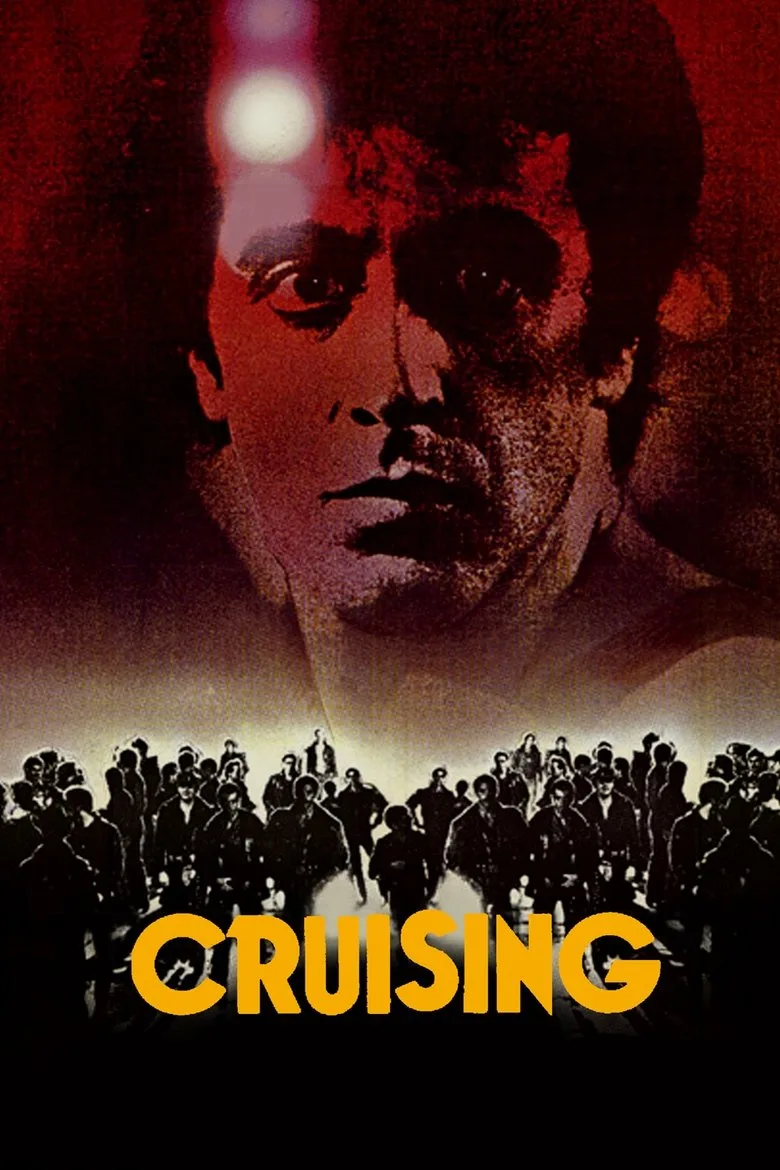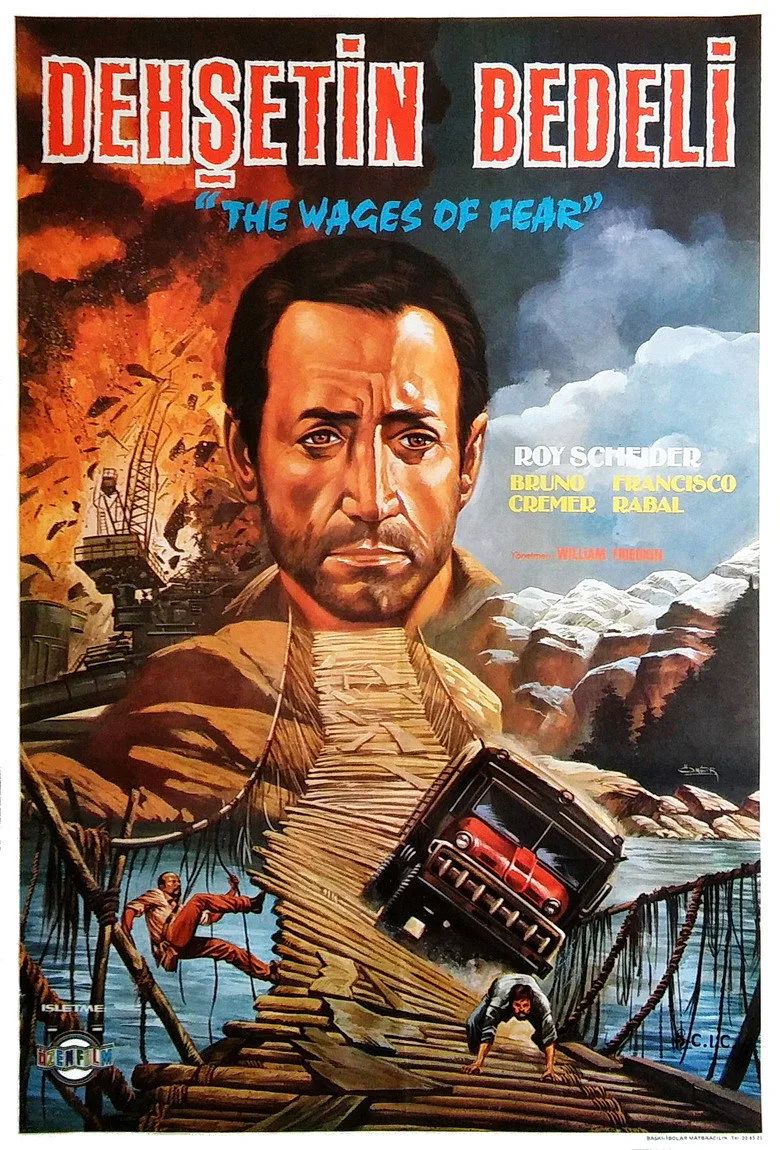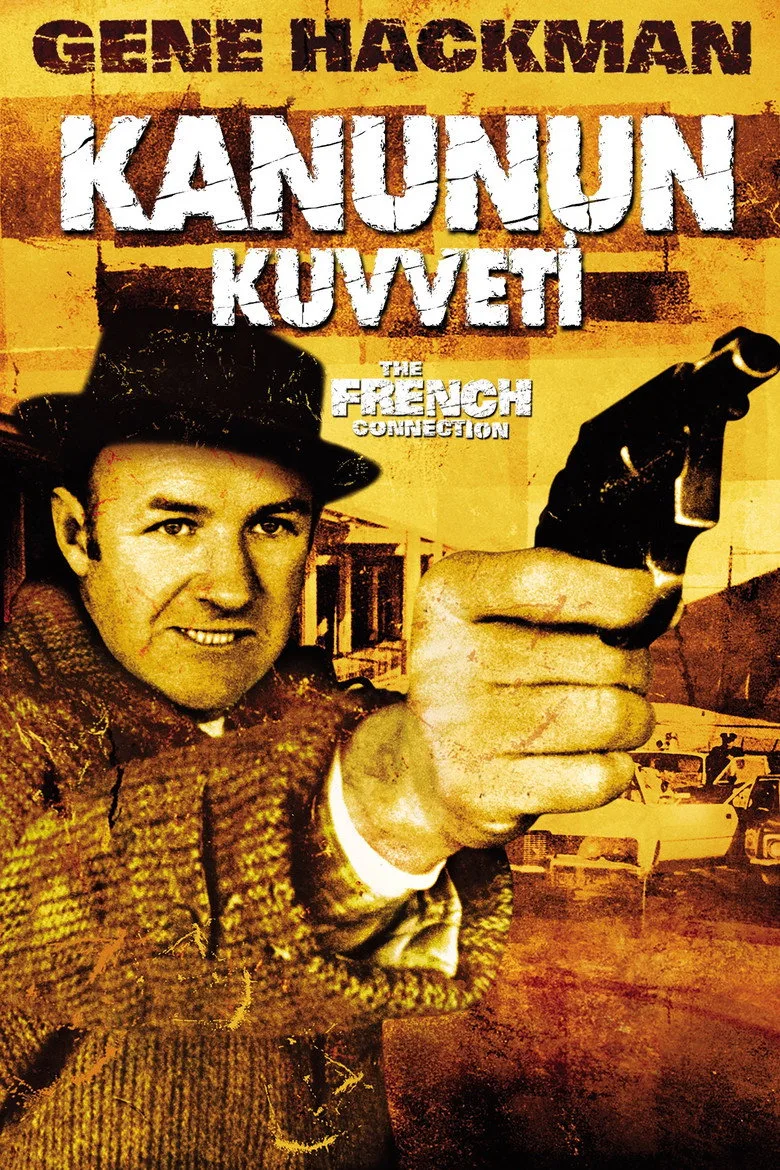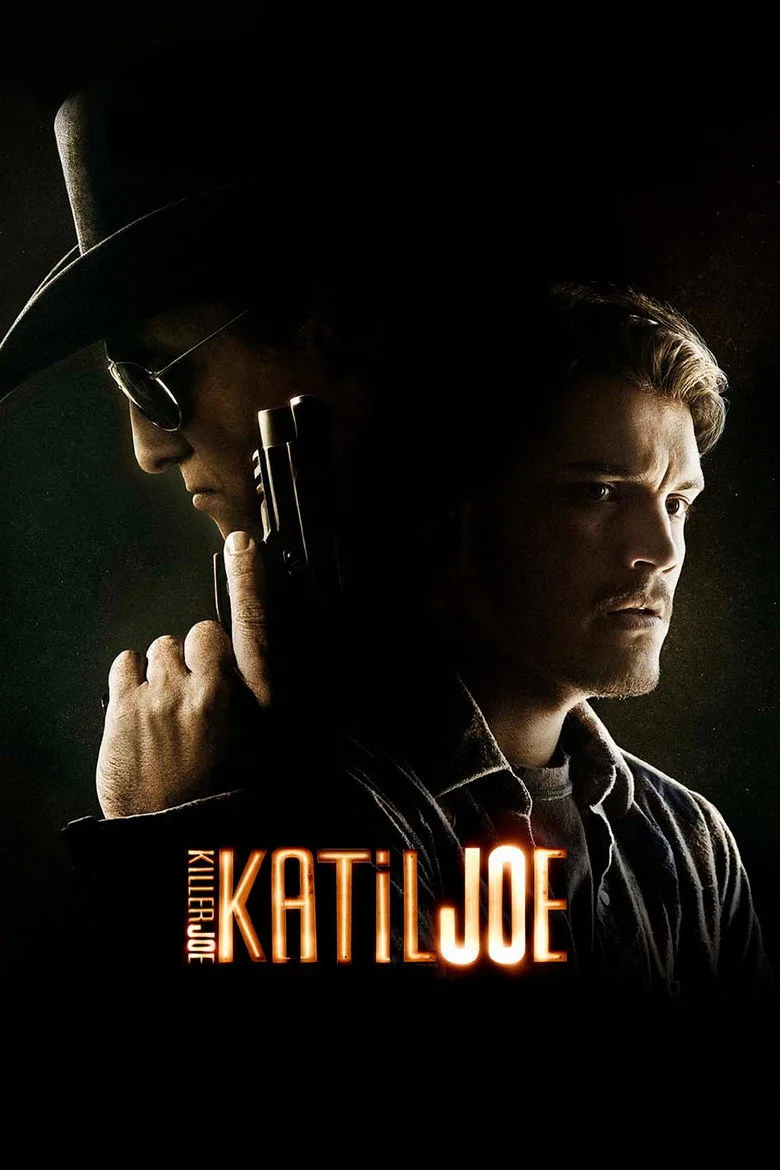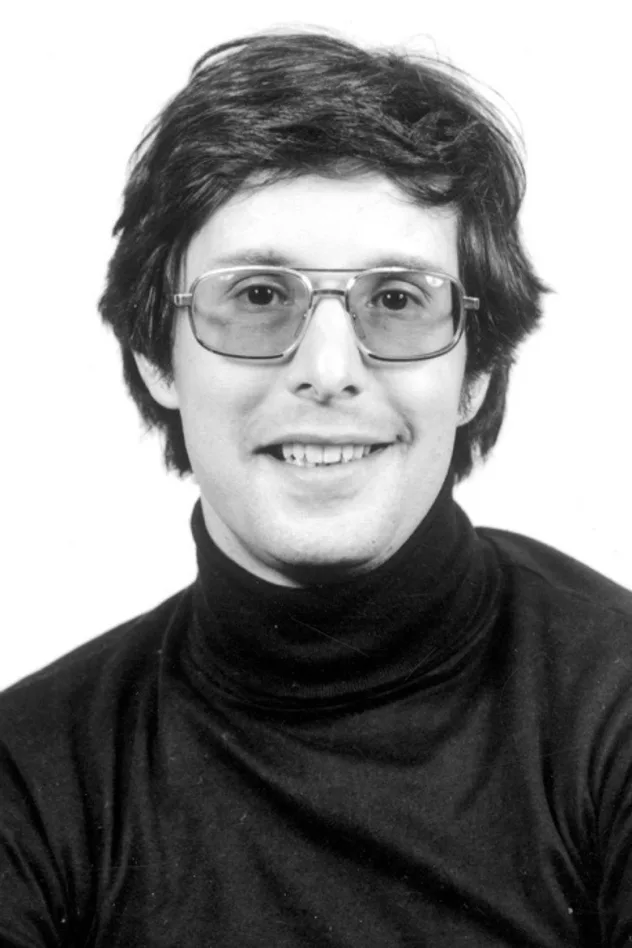
William David Friedkin (August 29, 1935 – August 7, 2023) was an American film, television and opera director, producer, and screenwriter who was closely identified with the "New Hollywood" movement of the 1970s. Beginning his career in documentaries in the early 1960s, he is best known for his crime thriller film The French Connection (1971), which won five Academy Awards, including Best Picture and Best Director, and the horror film The Exorcist (1973), which earned him another Academy Award nomination for Best Director. Friedkin's other films in the 1970s and 1980s include the drama The Boys in the Band (1970), considered a milestone of queer cinema; the originally deprecated, now lauded thriller Sorcerer (1977); the crime comedy drama The Brink's Job (1978); the controversial thriller Cruising (1980); and the neo-noir thriller To Live and Die in L.A. (1985). Although Friedkin's works suffered an overall commercial and critical decline in the late 1980s, his last three feature films, all based on plays, were positively received by critics: the psychological horror film Bug (2006), the crime film Killer Joe (2011), and the legal drama film The Caine Mutiny Court-Martial (2023), released two months after his death. He also worked extensively as an opera director from 1998 until his death, and directed various television films and series episodes for television. Description above from the Wikipedia article William Friedkin, licensed under CC-BY-SA, full list of contributors on Wikipedia.
William Friedkin was born on August 29, 1935, in Chicago, Illinois, United States. He was an American film, television, and opera director, producer, and screenwriter. Friedkin is closely associated with the "New Hollywood" movement of the 1970s, having started his career in the early 1960s with documentaries. He made a name for himself in the film industry, particularly known for his works in the thriller and horror genres.
A significant turning point in Friedkin's career was the film "The French Connection," which he directed in 1971. This film won five Academy Awards, securing an important place in Friedkin's career. He also achieved great success with the film "The Exorcist," released in 1973, which earned him another Oscar nomination for Best Director. Participating in various projects throughout the 1970s and 1980s, Friedkin always left a lasting mark in the film world with his innovative and bold perspective.
Some of William Friedkin's most important works include films such as "The Boys in the Band," "Sorcerer," "The Brink's Job," "Cruising," and "To Live and Die in L.A." Particularly, works like "The Exorcist" and "The French Connection" received great acclaim from both critics and audiences, shaping the cinema understanding of their time. Friedkin made significant contributions not only to the thriller and horror genres but to the art of cinema in general.
Although William Friedkin is known for the awards he won during the peak of his career, he experienced a decline both commercially and critically from the late 1980s onward. However, his impact on film history and the legacy he left behind have made him a figure that will always be remembered. Friedkin passed away on August 7, 2023, leaving a lasting mark in the film world with his works. William Friedkin's films continue to be watched and discussed today. The answer to the question of who William Friedkin is has always been an interesting topic for cinema enthusiasts.
William Friedkin is an American film director, producer, and screenwriter. He is particularly known for his films in the horror and thriller genres.
William Friedkin was 91 years old, born in 1935.
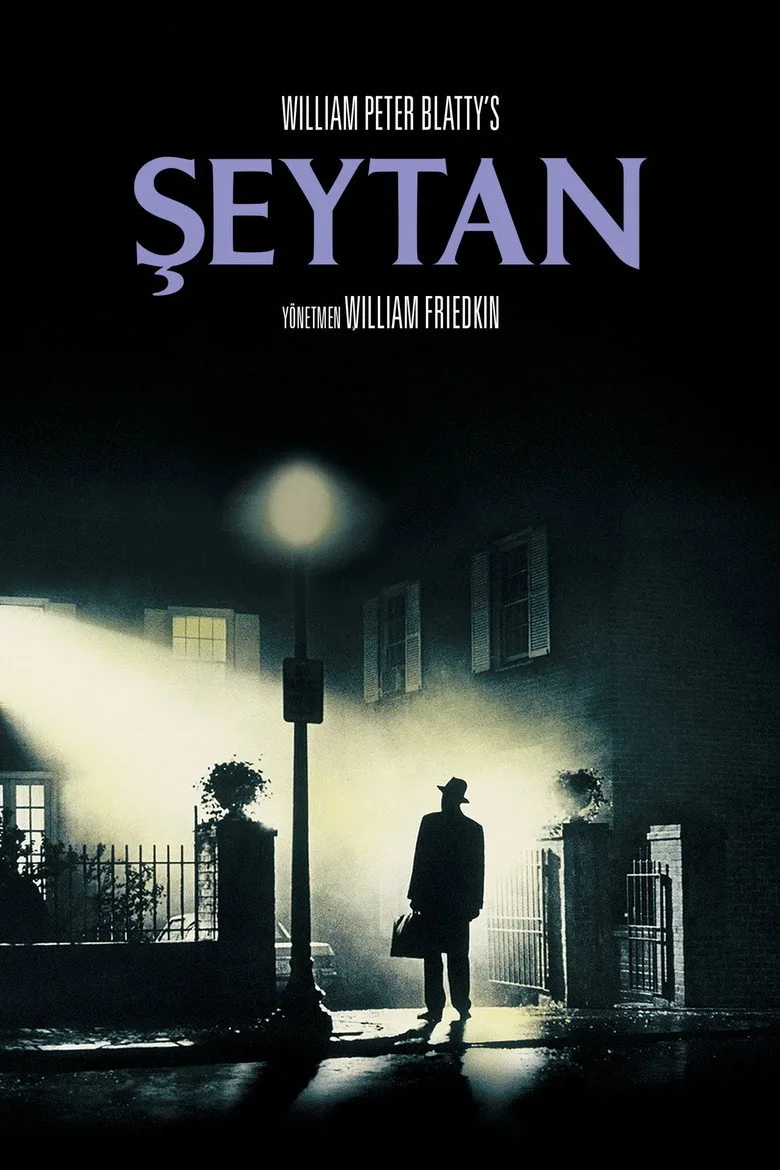
William Friedkin's most well-known film is 'The Exorcist' (Şeytan), released in 1973. This film is considered one of the most influential horror films in cinema history.
William Friedkin was born in Chicago, Illinois, USA. He developed an interest in cinema at a young age.
Although William Friedkin is primarily known as a director, he has appeared in some series such as 'The Twilight Zone.' However, he is more recognized for his films.