

Kaori Momoi is a Japanese actress born on April 8, 1952, in Tokyo, Japan. She began her artistic career at a young age and went to London at 12 to receive dance training at the Royal Ballet Academy. Three years later, Momoi returned to Tokyo and graduated from Japan's Bungakuza School of Dramatic Arts. She stepped into her career in 1971 with the famous director Kon Ichikawa's film "Ai Futatabi" (To Love Again) and has since appeared in over 60 films in a career spanning more than 35 years.
Kaori Momoi has created a remarkable profile by working with significant figures in Japanese cinema throughout her career. She has appeared in important productions such as Akira Kurosawa's "Kagemusha" (1980), Tatsumi Kumashiro's "Seishun no Satetsu" (1974), and Shohei Imamura's "Why Not?" (1981). Additionally, she has made her mark on different periods of Japanese cinema by acting in films like Yoji Yamada's "The Yellow Handkerchief" (1977) and "Otoko wa Tsuraiyo" (1979). Most recently, she has continued her career by participating in projects like Takashi Miike's "IZO" and "Sukiyaki Western Django".
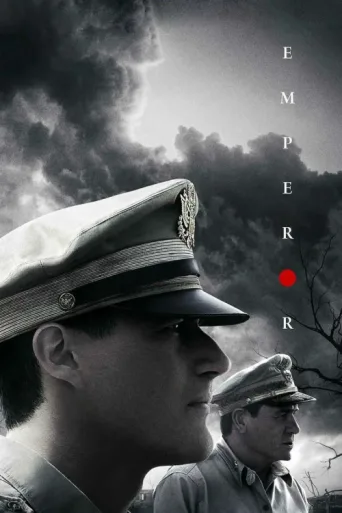
Among Kaori Momoi's most significant works are "The Brightest Roof in the Universe", "I Never Shot Anyone", "Kabuktaki Hayalet", "İmparator", "Helter Skelter", "Aşk ve Onur", "Bir Geyşanın Anıları", "Izo", "Swallowtail Butterfly", and "Final Take: The Golden Age of Movies". These films showcase her extraordinary acting talent and her impact on the world of cinema.
Having won numerous awards throughout her career, Kaori Momoi is recognized as an artist both in Japan and internationally. She continues to actively participate in projects today, and her films are followed with great interest by a new generation of viewers. The best answer to the question of who Kaori Momoi is lies in the traces she has left in cinema history and her still ongoing impressive career.