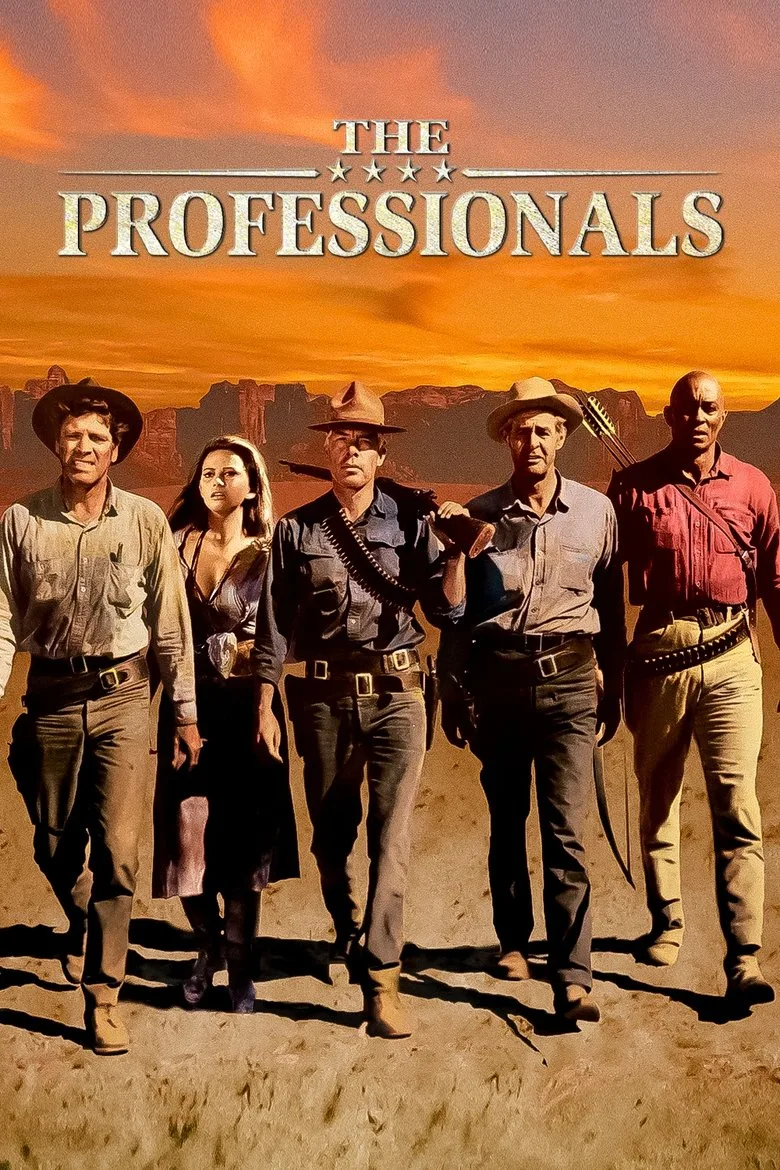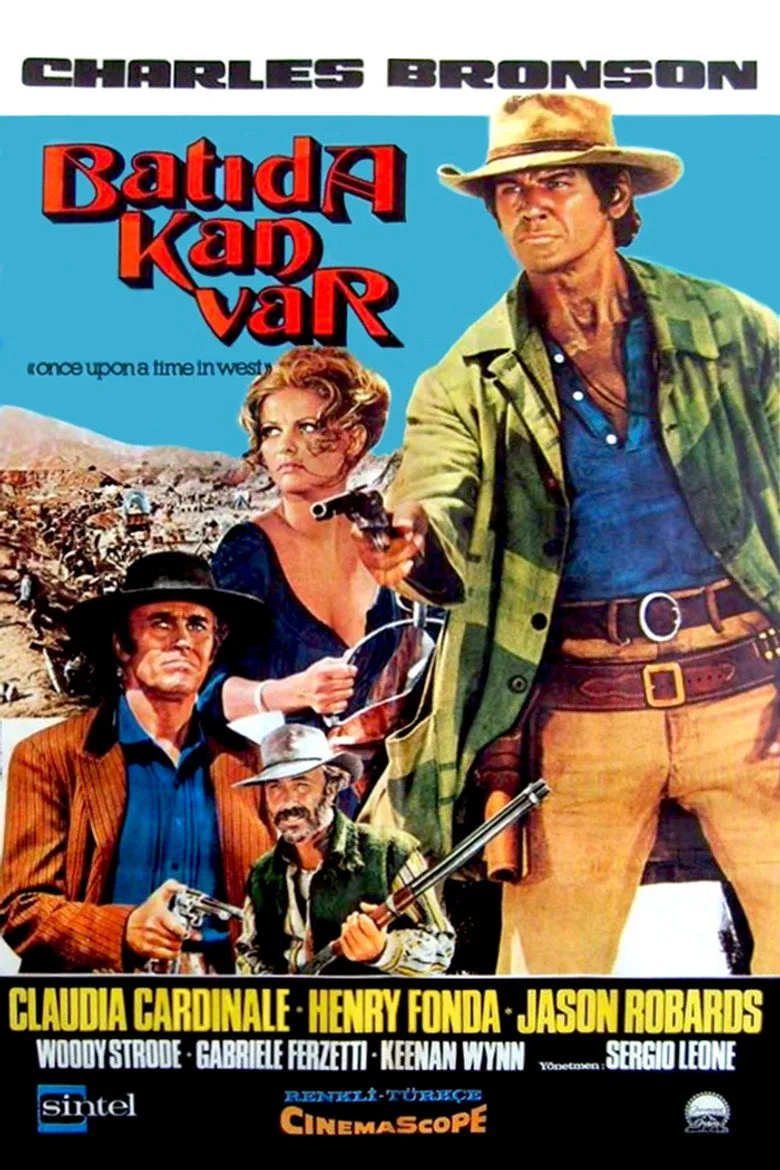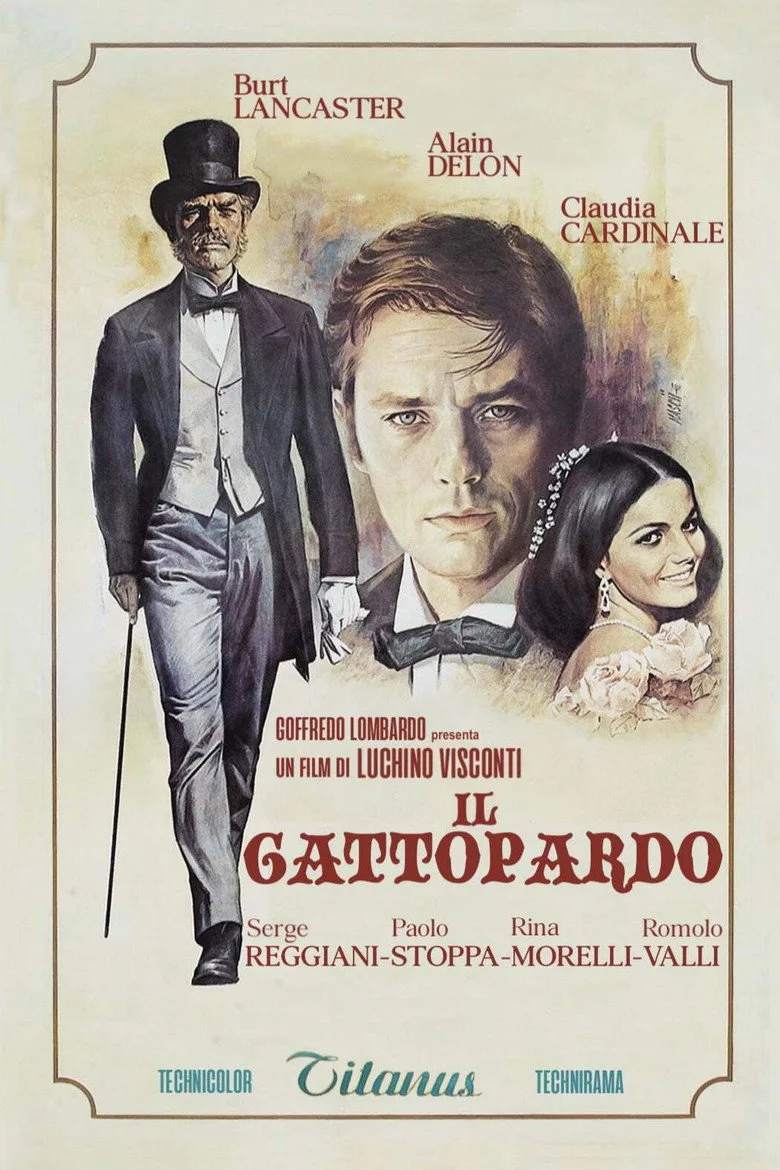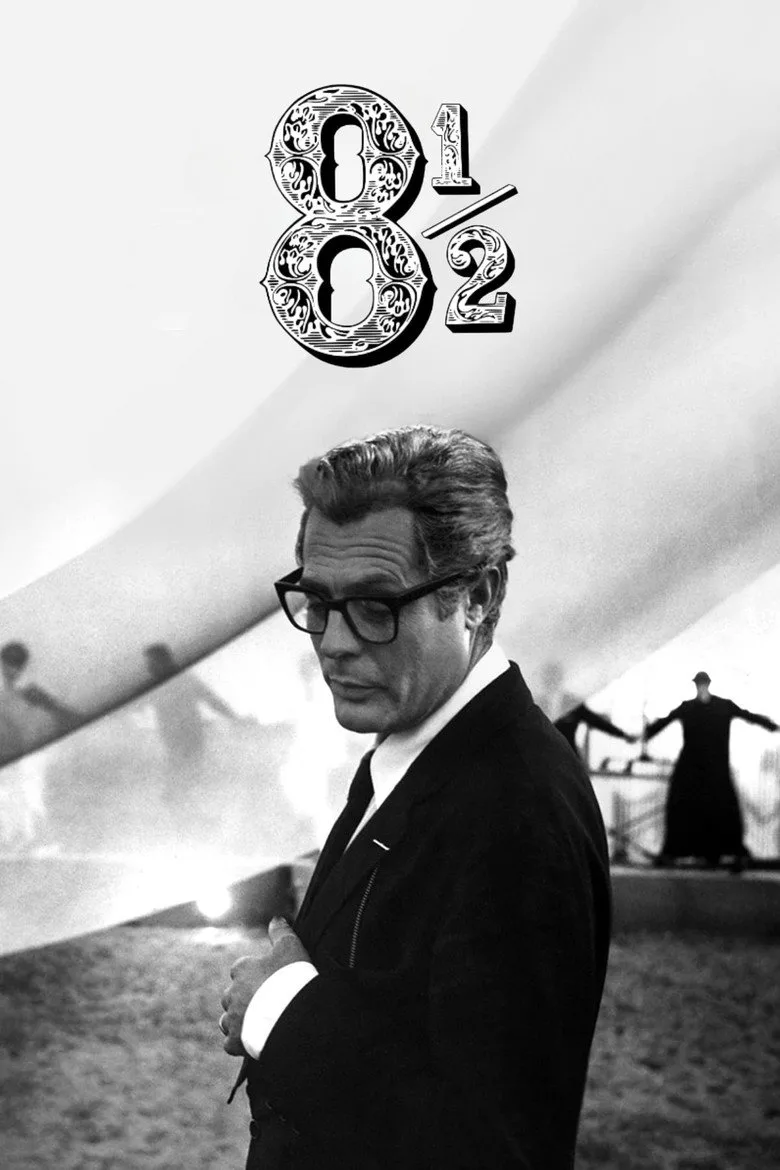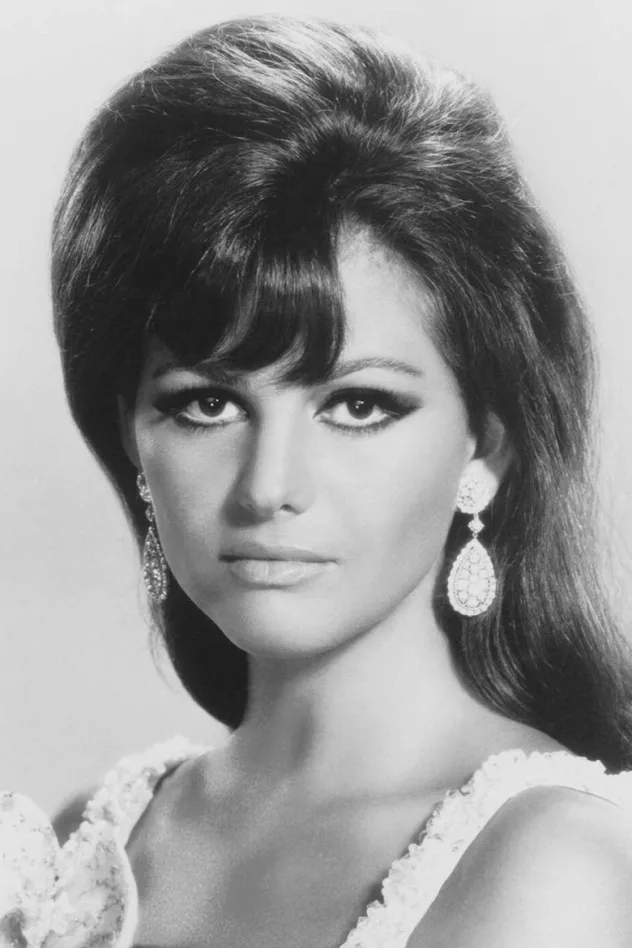
Claude Joséphine Rose "Claudia" Cardinale (15 April 1938 – 23 September 2025) was an Italian actress. Regarded as one of the leading figures of Italian cinema, alongside Sophia Loren and Gina Lollobrigida, she achieved international recognition during a career spanning more than six decades. Celebrated in the 1960s as "the most beautiful woman in the world" and widely considered a sex symbol of the era, Cardinale appeared in more than 175 films, primarily in Italy and France, across genres including comedy, drama, spaghetti westerns, and historical epics. She collaborated with acclaimed directors such as Federico Fellini, Sergio Leone, and Werner Herzog, and several of her films are regarded as significant works in the history of cinema. At the time of her death, she was one of the last surviving stars from the Golden Age of European cinema. Born and raised in La Goulette, a municipality in Tunisia near Tunis, Cardinale won the "Most Beautiful Italian Girl in Tunisia" competition in 1957, the prize being a trip to Italy, which quickly led to film contracts, due above all to the involvement of producer Franco Cristaldi, who acted as her mentor for a number of years and later married her. After making her debut in a minor role with Egyptian star Omar Sharif in Goha (1958), Cardinale became one of the best-known actresses in Italy, with roles in films such as Rocco and His Brothers (1960), Girl with a Suitcase (1961), Cartouche (1962), The Leopard (1963) and Federico Fellini's 8½ (1963). From 1963, Cardinale appeared in The Pink Panther opposite David Niven. She went on to appear in the Hollywood films Blindfold (1966), Lost Command (1966), The Professionals (1966), Don't Make Waves (1967) with Tony Curtis, The Hell with Heroes (1968), The Red Tent (1969), A Fine Pair (1968), The Salamander (1981), and the Sergio Leone Western Once Upon a Time in the West (1968), a joint U.S.–Italian production, in which she was praised for her role as a former prostitute opposite Jason Robards, Charles Bronson and Henry Fonda. Jaded with Hollywood and not wanting to become a cliché, Cardinale returned to Italian and French cinema and garnered the David di Donatello for Best Actress award for her roles in The Day of the Owl (1968) and as a prostitute alongside Alberto Sordi in A Girl in Australia (1971).[1] In 1974, Cardinale met director Pasquale Squitieri, who would become her partner. She frequently featured in his films, including Blood Brothers (1974), Father of the Godfathers (1978) and Claretta (1984), the last of which won her the Nastro d'Argento Award for Best Actress. In 1982, she starred in Werner Herzog's Fitzcarraldo as the love interest of Klaus Kinski, who raises the funds to buy a steamship in Peru. In 2010, Cardinale received the Best Actress Award at the 47th Antalya "Golden Orange" International Film Festival for her performance as an elderly Italian woman who takes in a young Turkish exchange student in Signora Enrica. Over the years, Cardinale was outspoken about women's rights and became a UNESCO goodwill ambassador for the Defence of Women's Rights beginning in March 2000. In February 2011, the Los Angeles Times Magazine named Cardinale among the 50 most beautiful women in film history. ... Description above from the Wikipedia article Claudia Cardinale, licensed under CC-BY-SA, full list of contributors on Wikipedia.
Claudia Cardinale is an actress born on April 15, 1938, in La Goulette, Tunisia, and is considered one of the most important figures in Italian cinema. The answer to the question of who Claudia Cardinale is is shaped not only by her beauty but also by her long and successful career. In the 1960s, Cardinale was referred to as "the most beautiful woman in the world," becoming an internationally recognized sex symbol.
Her career milestones began when she won first place in the "Most Beautiful Italian Girl in Tunisia" contest at a young age. This success led her to step into the world of cinema. Claudia Cardinale has collaborated with renowned directors such as Federico Fellini, Sergio Leone, and Werner Herzog, contributing to significant projects that have shaped her career over more than 60 years. During this time, she has managed to reach a wide audience in both Italy and France.
Among Claudia Cardinale's most important works are "We Are Cinema," "Jesus of Nazareth," "The Good, the Bad and the Ugly," "The Professionals," "The Pink Panther," "The Leopard," and "8½." These films are works in which she showcased her talents and made a mark in cinema history. Claudia Cardinale films continue to be watched with great interest by cinema enthusiasts.
Having won numerous awards throughout her career, Claudia Cardinale passed away in 2025. Before her death, she was remembered as one of the last stars of the Golden Age of European cinema. Even today, the legacy and impact left by Claudia Cardinale are felt in the film world. Her life and works continue to live on as an important part of cinema history.
Claudia Cardinale is an Italian film actress. She gained international recognition starting in the 1950s and has starred in many important films.
Claudia Cardinale is currently 88 years old, born in 1938.
Claudia Cardinale's most famous film is considered to be 'The Good, the Bad and the Ugly,' released in 1966. Her performance in this film brought her great fame.
Claudia Cardinale was born in Tunis, Tunisia. Her family is of Italian descent, giving her both Italian and Tunisian cultural backgrounds.
Although Claudia Cardinale is primarily known for her films, she has also appeared in some television projects like 'The Italian Job' and has acted in series such as 'The Mysterious Man.'