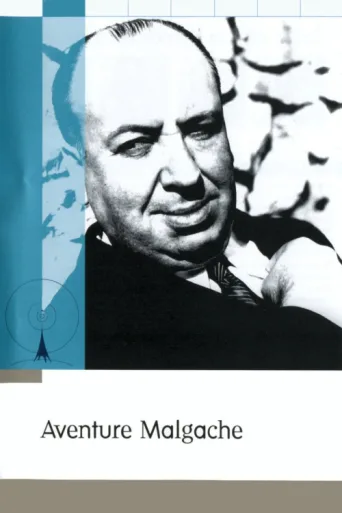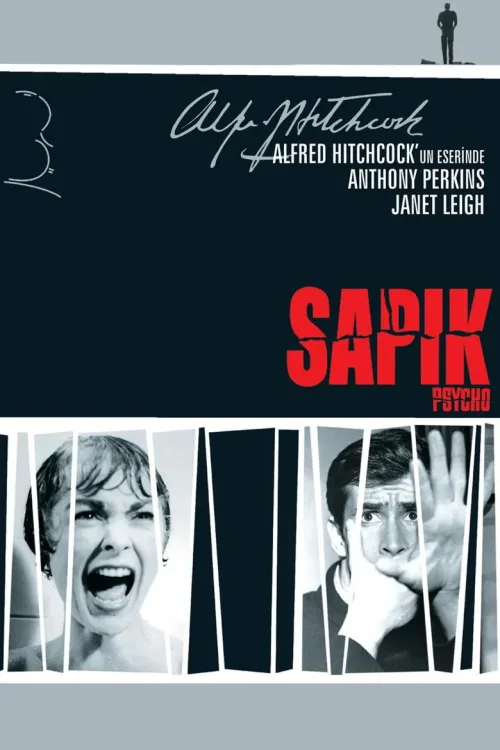


Sir Alfred Joseph Hitchcock was born on August 13, 1899, in Leytonstone, London. Growing up in a strict Catholic family, Hitchcock stepped into the film world in the early 1920s despite studying engineering. Initially designing intertitles for silent films, he gradually took on various roles such as art director and screenwriter. He experienced his first directing endeavor with "The Pleasure Garden" in 1925 and showcased his talent for suspense with "The Lodger: A Story of the London Fog" (1927).
A significant turning point in Hitchcock's career was his move to Hollywood in 1939. His first American film, "Rebecca" (1940), won the Academy Award for Best Picture, bringing him great success. This film established Hitchcock's international recognition and led to his reputation as a master of suspense cinema. Hitchcock left a lasting mark on film history, particularly with his innovative storytelling and suspense elements.
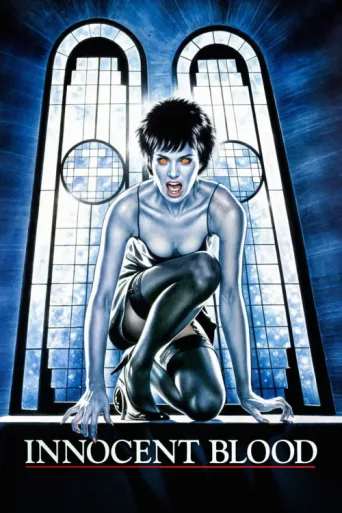
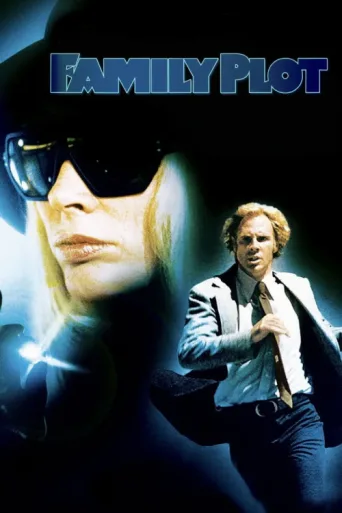
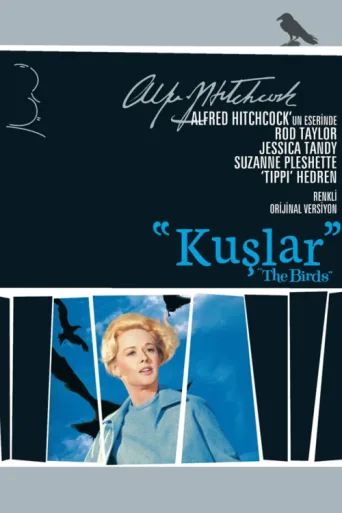
Some of Alfred Hitchcock's most important works include "I Am Alfred Hitchcock," "Tales of the Uncanny," "Innocent Blood," "Family Plot," "Frenzy," "The Thief of Bagdad," "The Birds," and "The Alfred Hitchcock Hour." These films exemplify his artistic vision and cinematic language. Notably, "The Birds" and "Frenzy" are considered unforgettable classics in film history.
Throughout his career, Alfred Hitchcock won numerous awards and left a lasting impact on the film world. Today, his works and directing style continue to inspire a new generation of filmmakers. The question of who Alfred Hitchcock is is frequently asked by cinema enthusiasts, and the answer is that he is an artist etched in memory as a master of suspense cinema. Hitchcock's legacy lives on through Alfred Hitchcock films.