Will Sharpe and Paul Bettany's 'Amadeus' Series: Magnificent Yet Sometimes Shallow Adaptation
Collider
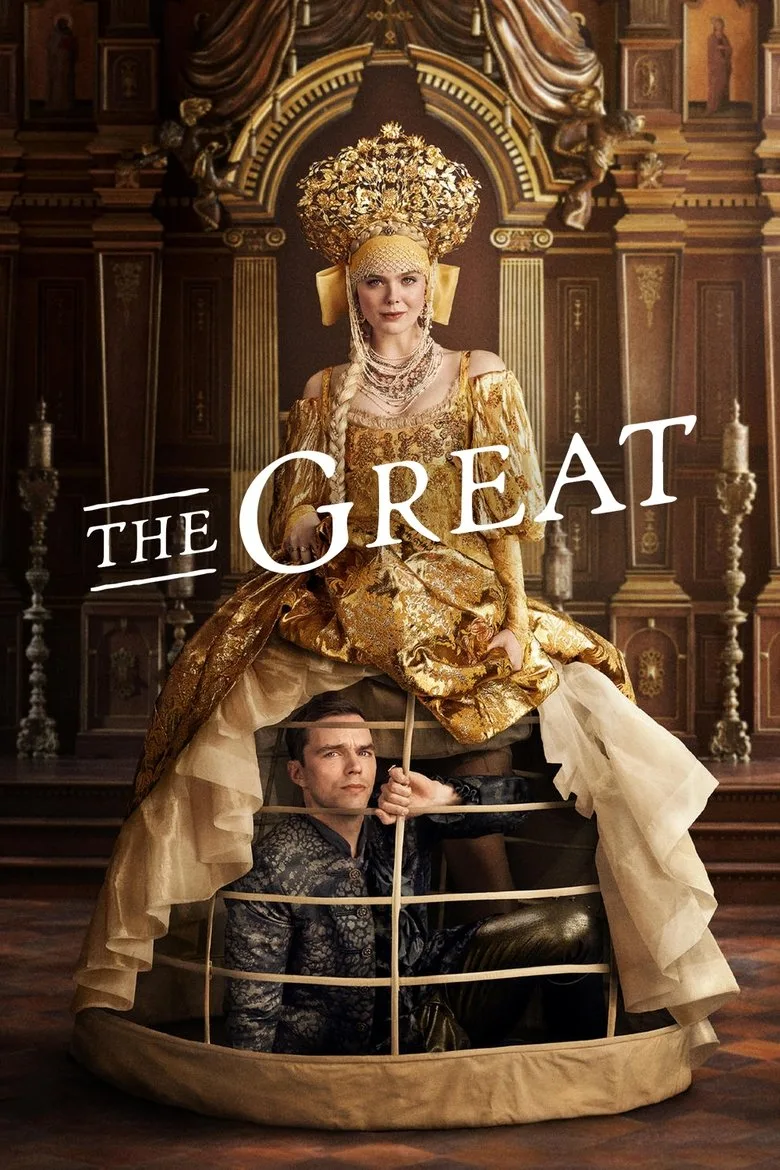
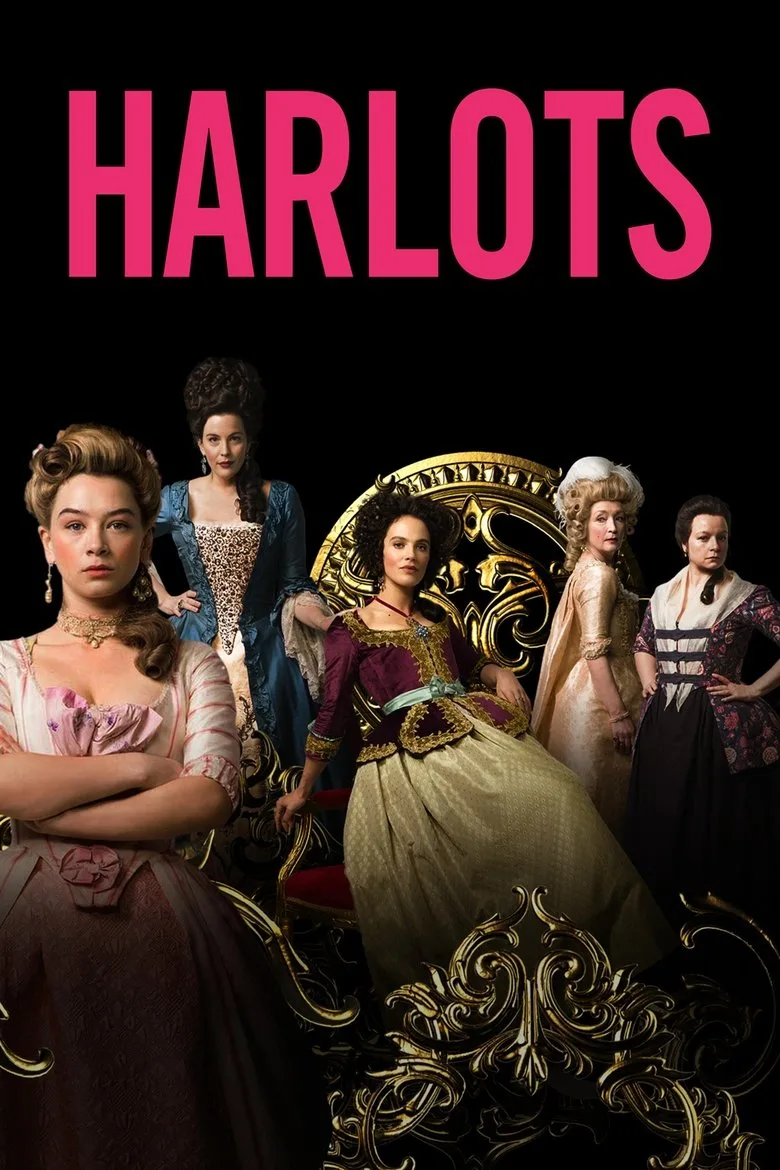
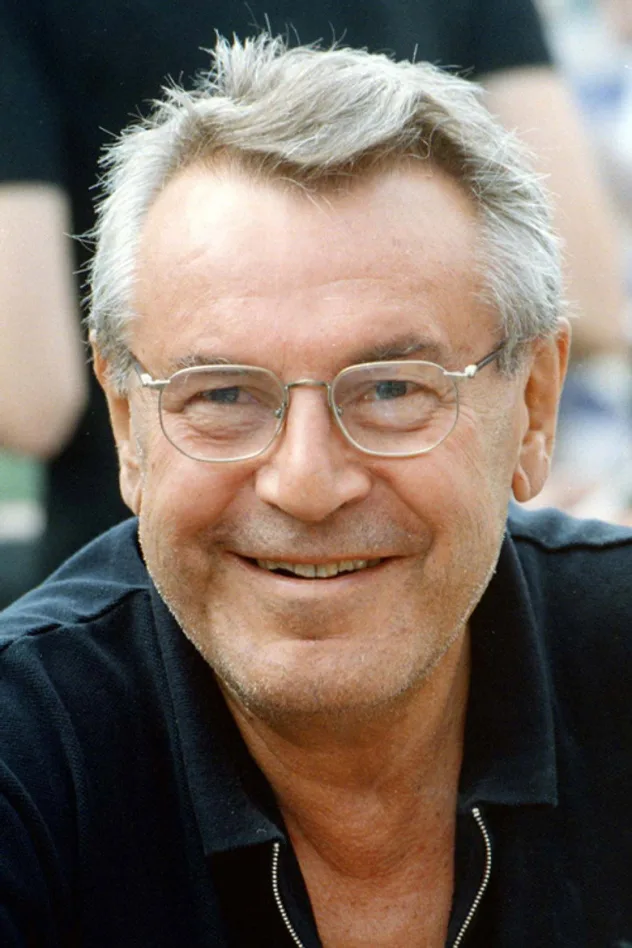
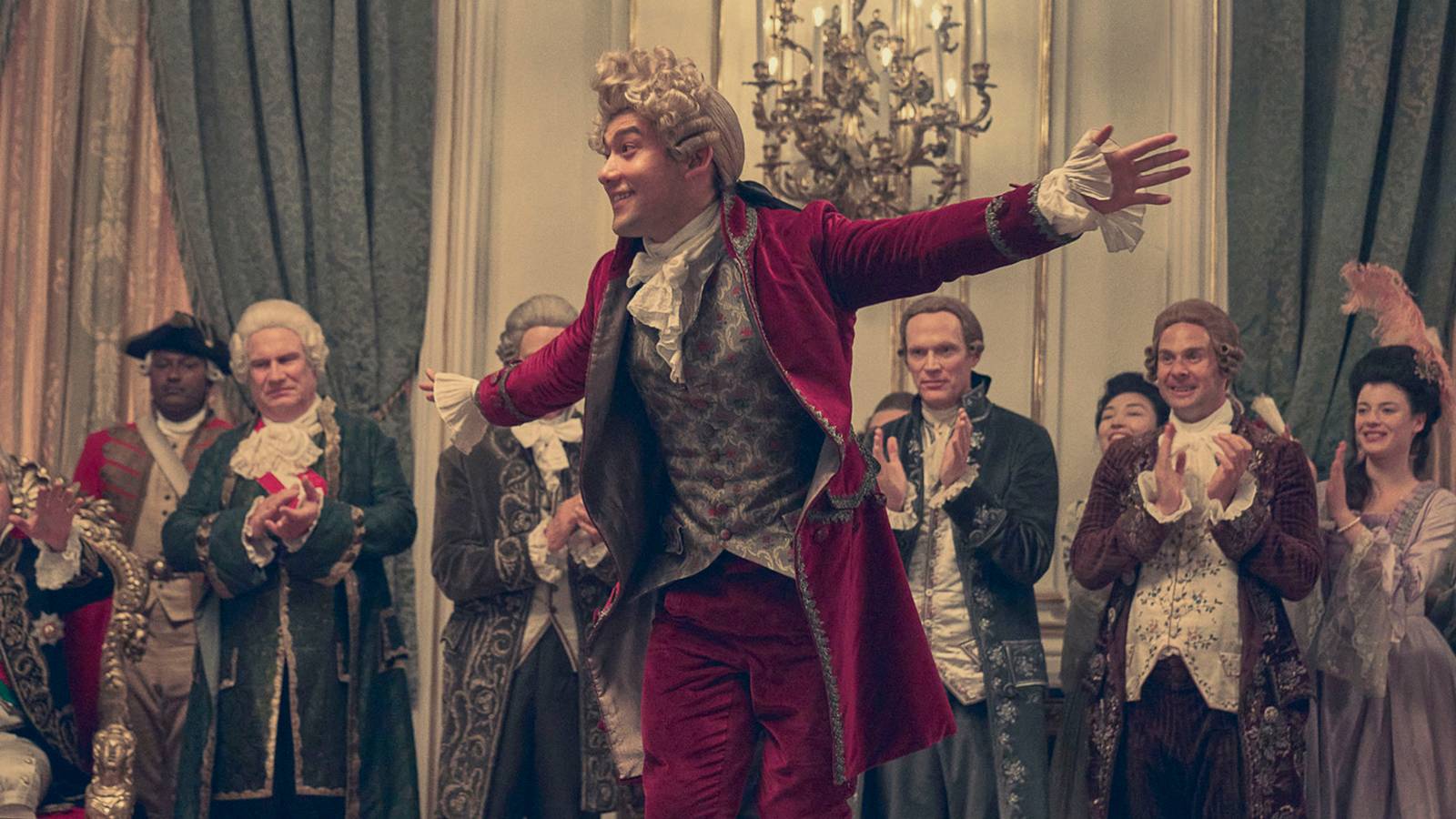
Following Miloš Forman's famous film adaptation over 40 years ago, the new Amadeus series starring Will Sharpe and Paul Bettany reexamines the conflict between legendary composer Wolfgang Amadeus Mozart and his rival Antonio Salieri through a modern and exaggerated lens. After its premiere in England, this limited series began airing on Starz and seems poised to challenge viewers who prefer high drama and entertainment over historical accuracy. The artistic team has preserved the foundations of the classic film adaptation, but it's clear they are pushing boundaries and testing how far they can stretch believability. This Amadeus is a mix of The Great and Harlots: filled with raunchy, chaotic, and absurd moments that will leave you in stitches.
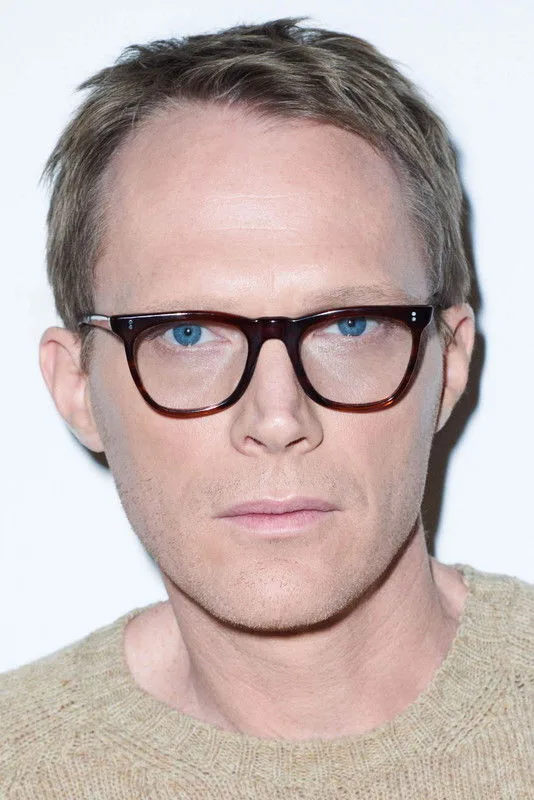
With Will Sharpe embodying Mozart and Paul Bettany taking on Salieri, there's no doubt that Amadeus will not disappoint in terms of performance. Throughout its five-episode series, Amadeus makes its intentions clear right away. Mozart's genius is central, but it is wrapped in sex, ego, and a timeless energy; watching his unraveling is delightfully entertaining. The storytelling also reflects this playfulness; it swings between sharp, realistic character insights and scenes aimed at titillating the audience.
Instead of leaning into the traditional cheerful or "tormented genius" archetype, Sharpe's Mozart is unabashedly impulsive and mischievous. He captures the elegance and absurdity of a person who cannot exist within the rigid structures of his life. Beyond the rivalry with Salieri, Sharpe shares genuinely beautiful moments with Mozart's wife Constanze (Gabrielle Creevy); these not only showcase playfulness but also maturity. Sharpe fully embraces the theatricality of the role, making Mozart both magnetic and maddening; yet he still manages to find the truth beyond appearances.
Opposite Sharpe, Bettany's Salieri provides a perfect balance. While Sharpe is fire and unpredictability, Bettany is controlled, measured, and quietly furious. His Salieri feels like a seasoned statesman; he has mastered self-control over the years, yet unravels in the presence of Mozart's unique talent. Bettany brings a magnetic stillness to the role, making even the slightest reactions feel loaded.
Written by Joe Barton and directed by Julian Farinon and Alice Seabright, Amadeus is dazzlingly rich in visuals. The series leans heavily into grandeur; it designs a world that is not only obsessive but also immersive. The costumes are extravagant, the locations richly detailed, and the overall aesthetic is deliberately exaggerated and surreal. The production design demands attention; it reinforces the idea that this story is as much about spectacle as it is about music and murder.
At the same time, Amadeus's emphasis on grandeur can sometimes work against it. Beneath the flashy visuals and bold stylistic choices, the story occasionally feels subtle and superficial in exploring its narrative. Emotional arcs for supporting characters, particularly, do not always receive the depth they deserve, making certain moments feel less impactful. It feels as if Amadeus is so enamored with its own excess that it overlooks the quiet, introspective elements that make the original story so compelling. The genius of Mozart remains constant.
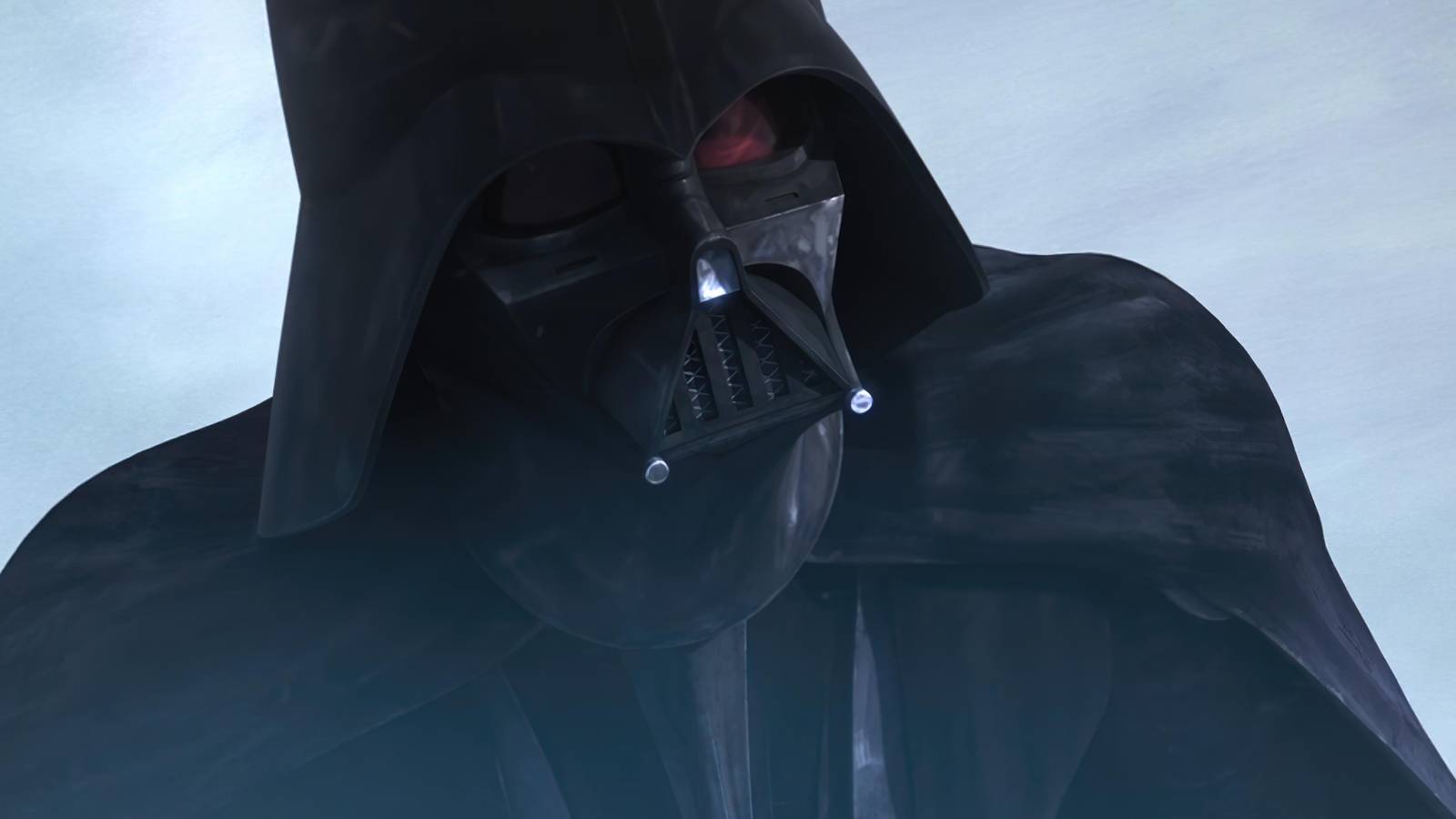 Star Wars Fans Think They’ve Spotted A Brand-New Sith In New Trailer
 The Landmark Western Quentin Tarantino Called “Ugly” Is Streaming for Free
 10 Years Later, Tom Hardy's Brutal Western Thriller Is Officially Taking Over Streaming
 Steam Makes 3 Huge Games Completely Free For 24 Hours
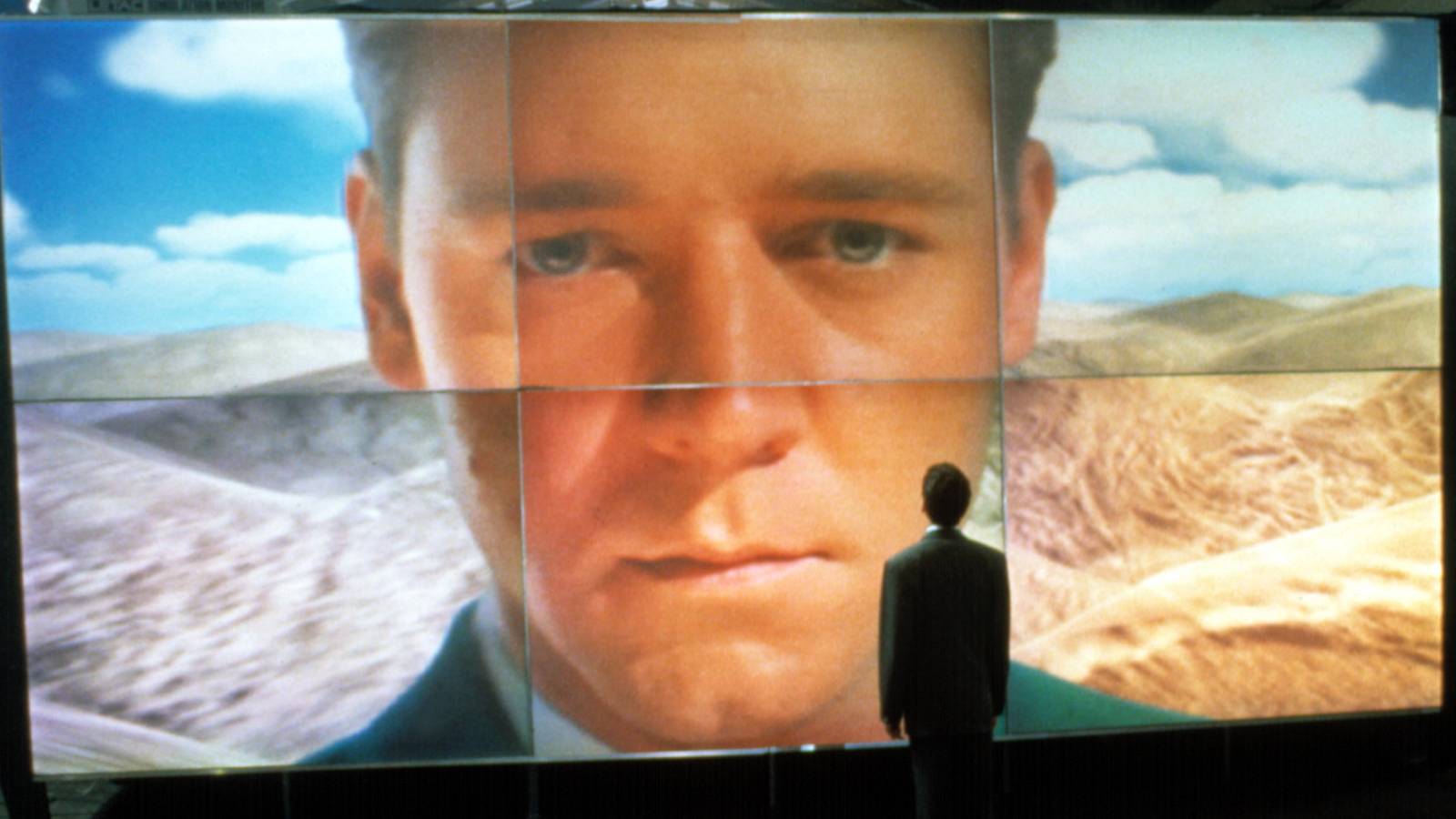 It's the End of an Era for This Cult Sci-Fi Thriller on Paramount+
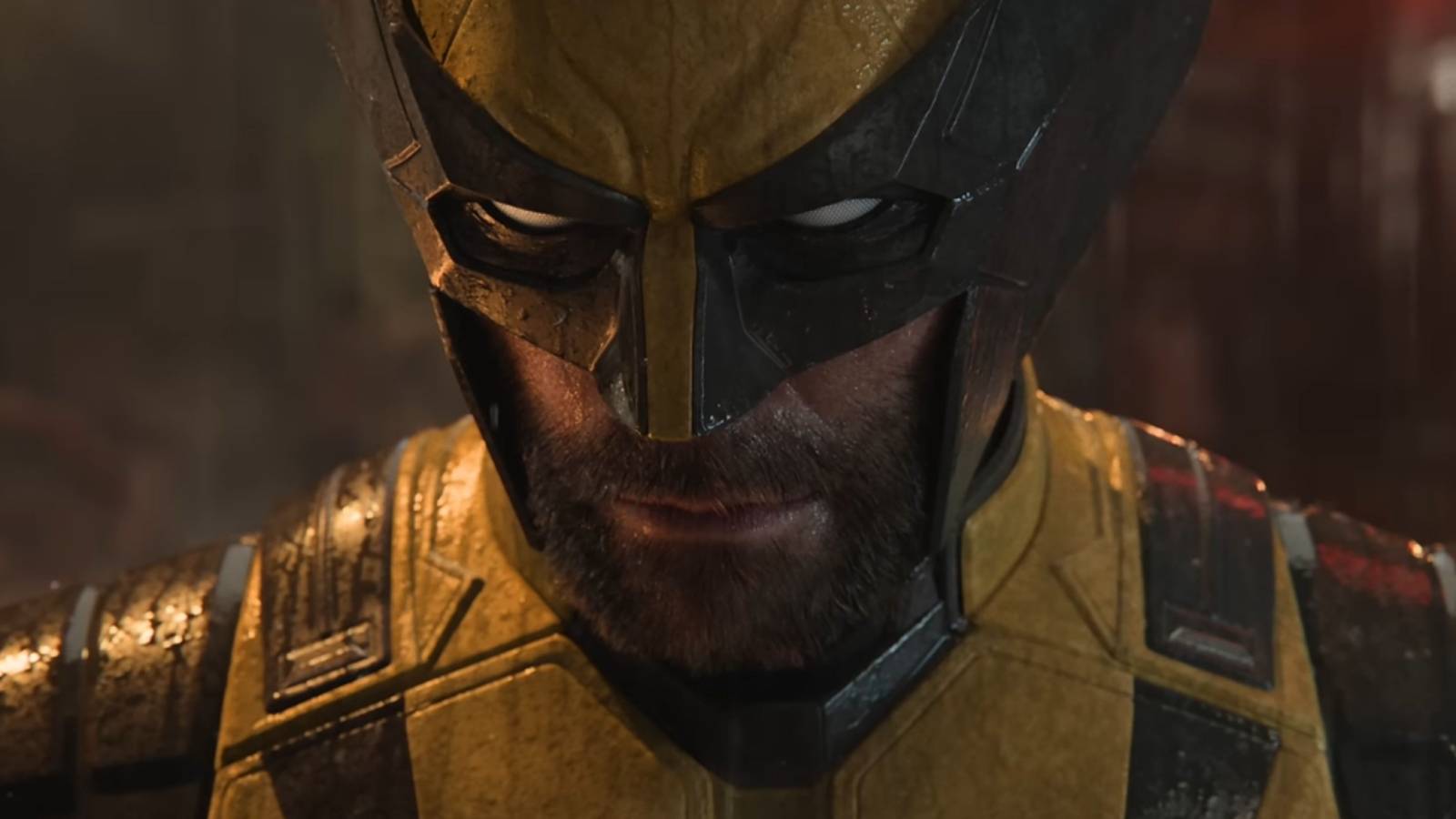 Wolverine’s Newest Love Interest Is Already Dividing Fans
 Pokémon Winds & Waves' Latest Leak Is Its Biggest Yet
 MIFFest Opens Ninth Edition in Kuala Lumpur, Earns ASEAN Records Recognition
 Baldur's Gate 3 Gets Official New Release For July 2026
 Freddy Cannon, Rock and Roller Behind Hits “Palisades Park” and “Tallahassee Lassie,” Dies at 89