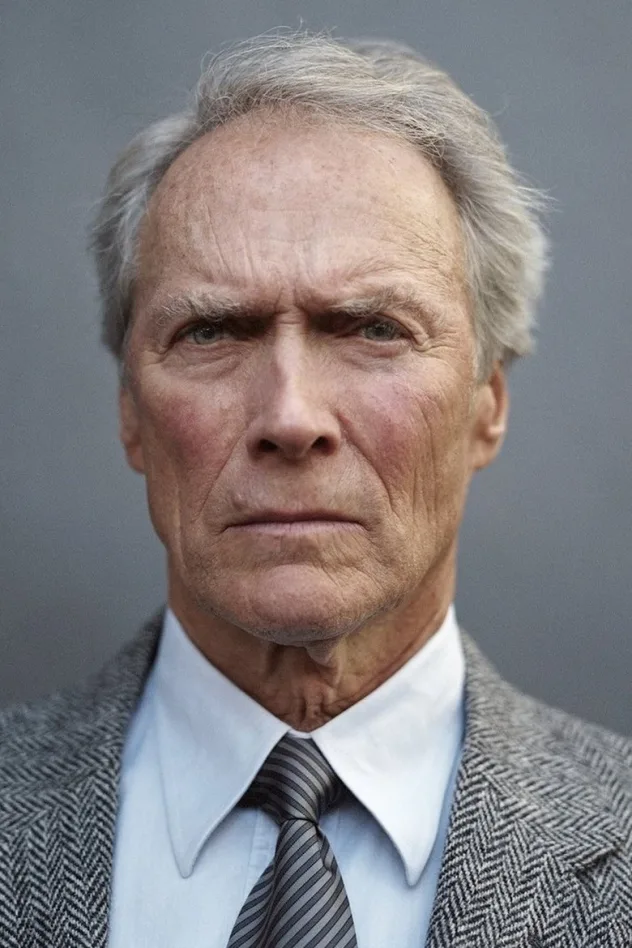
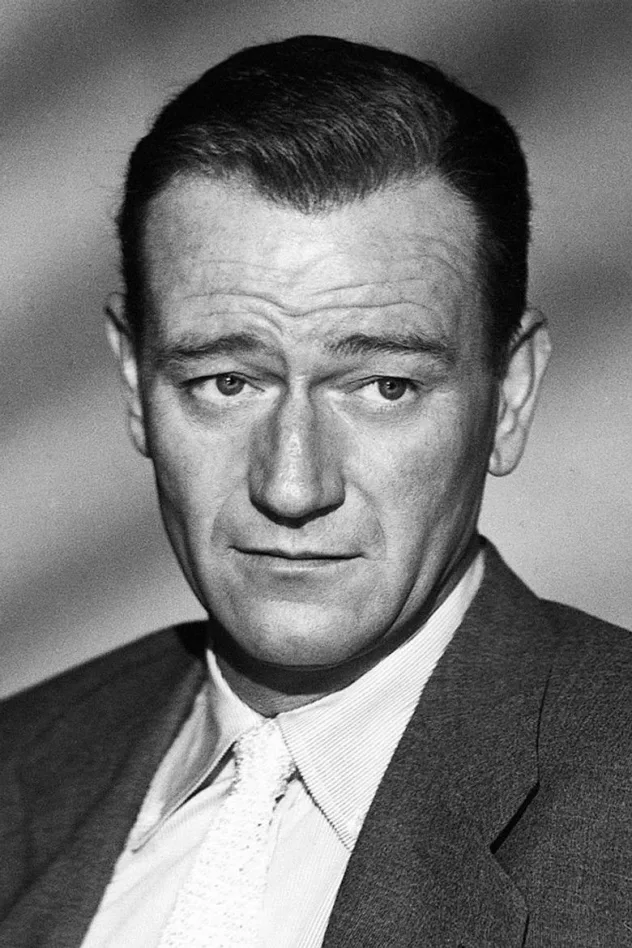
John Wayne began his career with small roles in B-movies, but later became one of Hollywood's biggest stars. He defined the archetypal clean-cut hero character in Westerns with films like Red River and Rio Bravo; in later works like True Grit and The Shootist, he deconstructed this image to reveal the darker side of the American West. Alongside Clint Eastwood, Henry Fonda, and Randolph Scott, Wayne became one of the defining icons of the Western genre and classic American cinema.
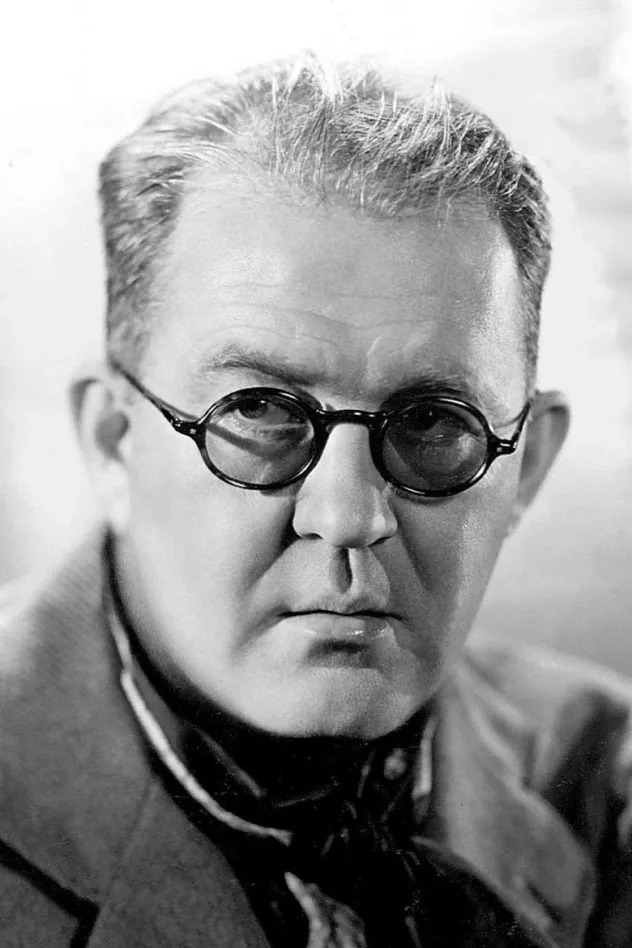
However, none of this success would have been possible if Wayne hadn't escaped the B-movie pit. The person who made this happen was none other than the legendary director John Ford. Ford brought Wayne out of the shadows and created one of Hollywood's most reliable actors. Together, they crafted masterpieces of the genre such as The Searchers, She Wore a Yellow Ribbon, and The Man Who Shot Liberty Valance. But before this duo turned into a Hollywood dream, it was merely a partnership of a B-movie actor and a legendary director.
According to Nick Clooney's book "The Movies That Changed Us: Reflections on the Screen," the studio was hesitant to cast Wayne as the lead actor. They didn't believe he had the talent to carry an entire film on his own (a truly ridiculous assessment), but Ford insisted that he wouldn't consider any other actor. The studio finally agreed, and a star was born.
In 1939, Ford cast Wayne in the role of "The Ringo Kid" in the 1939 Western film Stagecoach. The Ringo Kid is a gunslinger outlaw who escapes from prison to take revenge for the deaths of his father and brother. After boarding a stagecoach, the vehicle is attacked by Native Americans. As the coach continues to move along the borders, Ringo Kid takes the lead in the battle against the attackers. It is a simple yet effective story, packed with action and character.
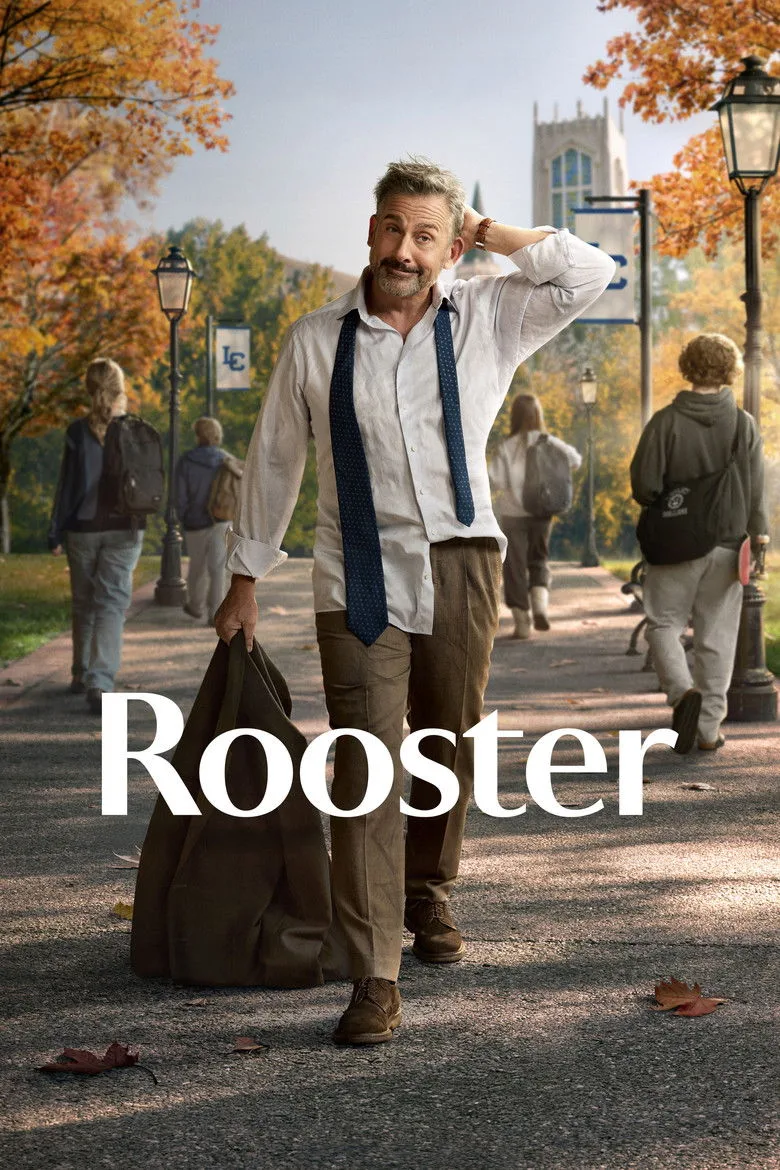
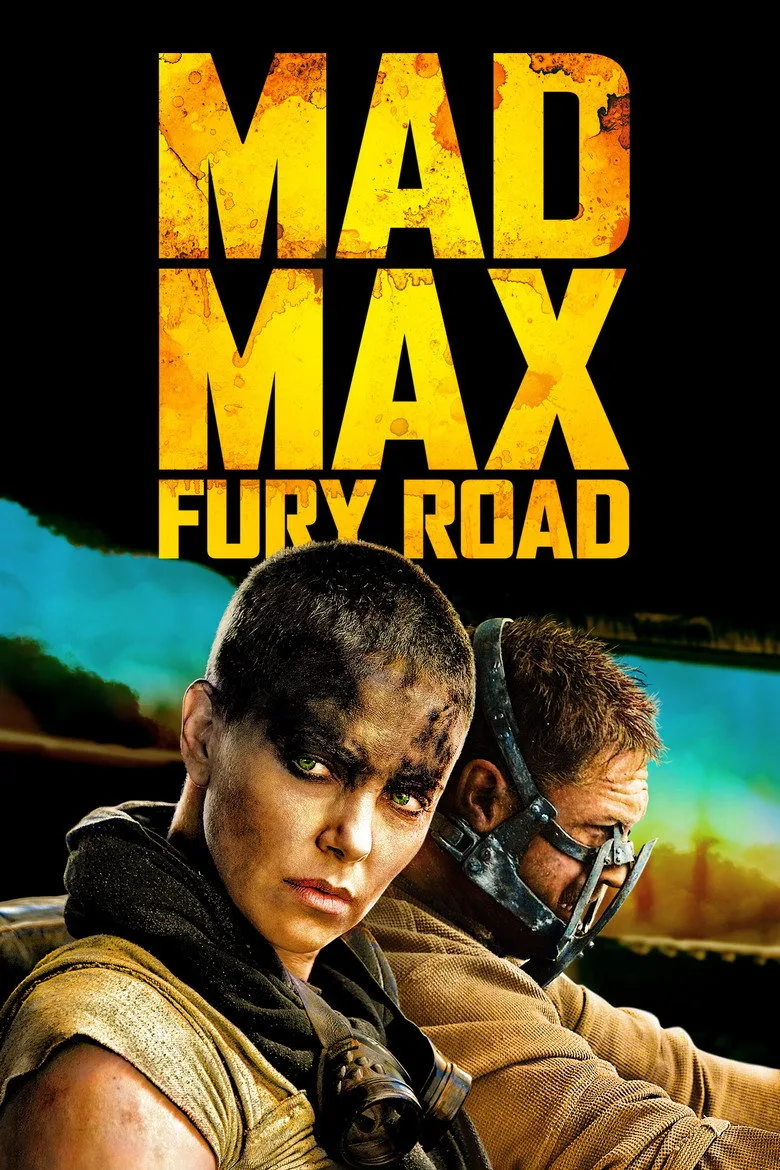
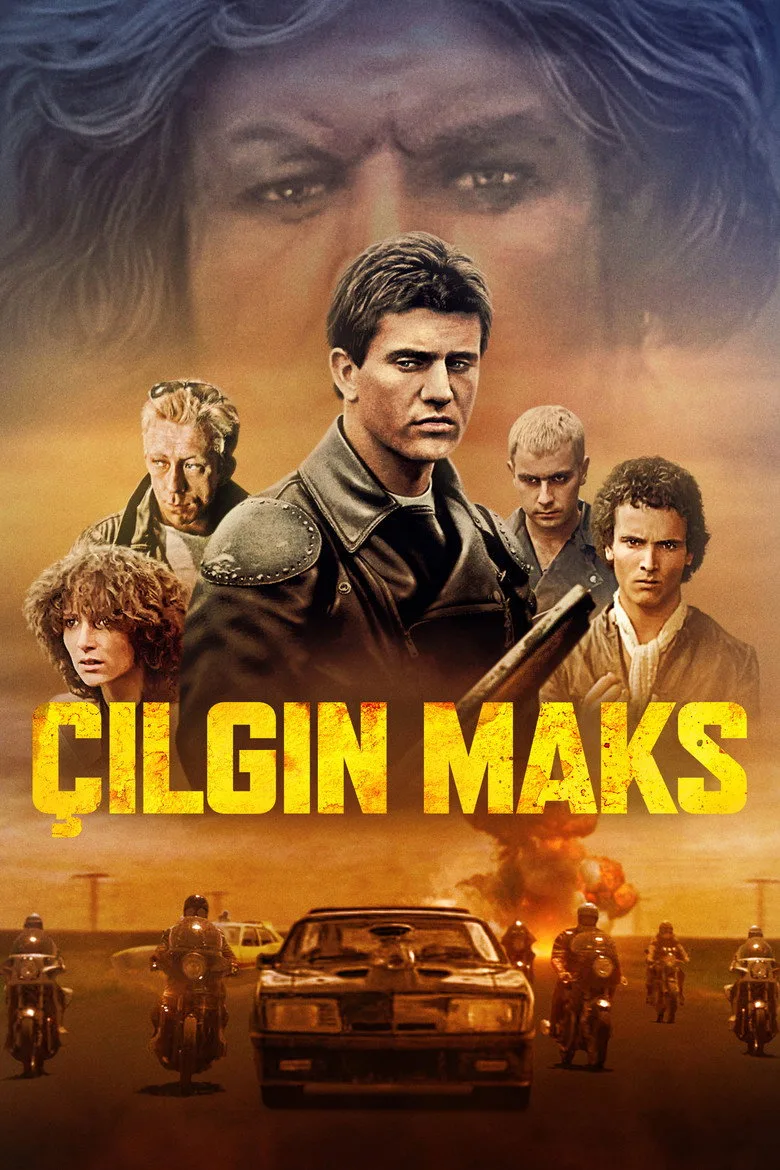
This action-oriented approach greatly influenced George Miller while making Mad Max: Fury Road. Fury Road transported the core story of Stagecoach—the hero convoy pursued by villains—into a post-apocalyptic desolate desert. Both films essentially feature an hour-long chase scene. Ringo Kid laid the foundation for Wayne's iconic on-screen image: a hero we can respect, the man who runs toward danger, doing what is right no matter what, and showing no signs of fear in the face of death. Yet, he also has a dark side, like Ethan Edwards or Rooster Cogburn.
It's been nearly 90 years since Stagecoach hit theaters, but it remains just as thrilling today. While it may not have the same effect as the train that drove audiences away from the cinema when films were first invented, Stagecoach is still one of the best when it comes to action films. This production was made long before computers or CGI; Ford had to do everything realistically. The attacking cavalry bandits were real stunt performers, and the vehicle traversed real roads in actual deserts. You truly feel the speed of the coach, you genuinely feel the threat from the villains. Although Stagecoach's portrayal of Native Americans as violent savages may not hold up today, this issue is prevalent in many classic Western films.

 James Gray To Receive Locarno’s Honorary Career Pardo Award
 Na Hong-Jin’s Cannes Competition Title ‘Hope’ Has Strong Opening At Korean Box Office
 ‘Shrimad Bhagavatam’ Anchors Sagar Pictures Entertainment’s Global Push, Indian Studio Confirms (EXCLUSIVE)
 ‘The Rest Is Football’ Returning To Netflix For Next Two Premier League Seasons
 ‘New-Gen’ Universe Launches First Consumer Products Line With Comic-Con Trading Cards (EXCLUSIVE)
 Holly Willoughby Launches YouTube Lifestyle Series
 Korea Box Office: Na Hong Jin’s ‘Hope’ Rules With 66% Market Share
 ‘Shark Tank India’ Sets Season 6 With Parrot Campaign on SonyLIV (EXCLUSIVE)
 China Box Office: ‘Kung Fu Soccer’ Maintains Dominance as Animated ‘All Wishes Come True’ Debuts in Second
 Stephen Chow’s ‘Kung Fu Soccer’ Blasts Past $200 Million at China Box Office