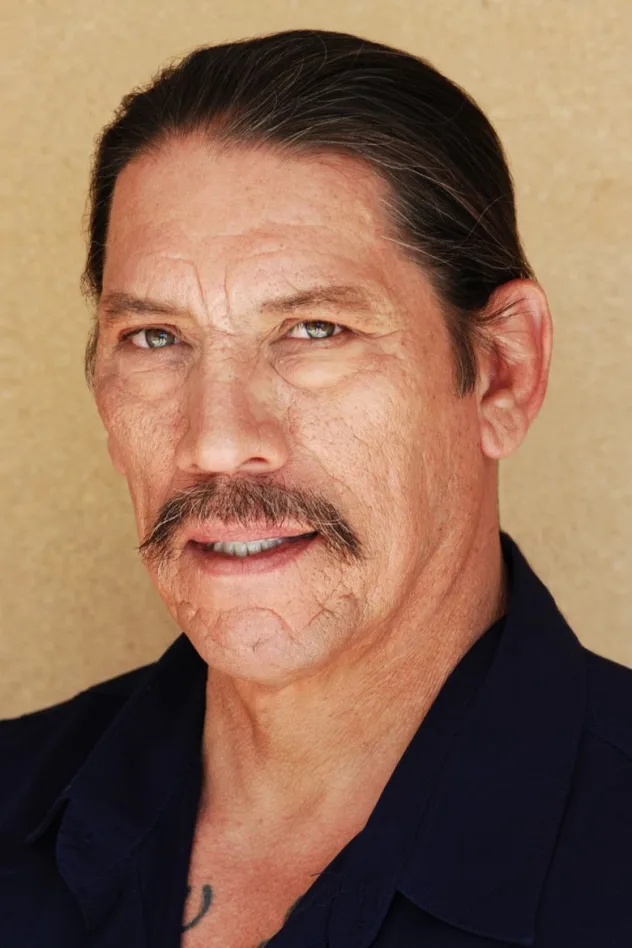
Robert Rodriguez's Mexico Trilogy: Cult Western Films Worth Rewatching
Collider
Robert Rodriguez's Mexico Trilogy is quite different from traditional Western films. Characterized by El Mariachi, Desperado, and Once Upon a Time in Mexico, what sets this series apart is its carryover of the attitude and playfulness of spaghetti Westerns, while also being more violent and experimental than most Westerns. Rodriguez presents an unusual narrative centered on Mexico in all three films, surprising the audience with unexpected twists. While this trilogy may not have the tight narrative connection of The Lord of the Rings, it is not as thematic as Edgar Wright's Cornetto Trilogy; rather, it balances narrative and thematic elements effectively.
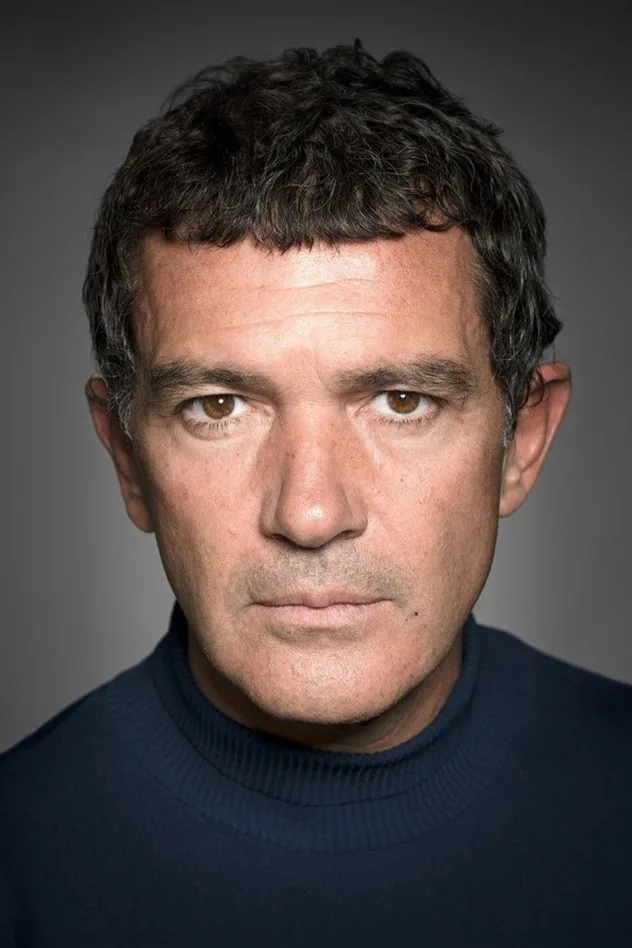
The lead actor in El Mariachi is not Antonio Banderas but Carlos Gallardo, and the film witnesses the protagonist being mistaken for a criminal and plunging into violence. Later, in Desperado, the budget significantly increases, and Mariachi seeks revenge after the losses he suffered in El Mariachi. Actors like Salma Hayek, Steve Buscemi, Cheech Marin, and Danny Trejo deliver strong performances in supporting roles. In the trilogy's conclusion, Once Upon a Time in Mexico, A-list actors such as Johnny Depp, Mickey Rourke, Eva Mendes, and Willem Dafoe appear; this film showcases Rodriguez's full success in Hollywood.
El Mariachi is particularly interesting in terms of Rodriguez's career journey. Shot on a budget of only $7,000 when he was just twenty-three, part of the funding came from Rodriguez's earnings from participating in drug trials for experimental purposes. Like Kevin Smith when he made Clerks, he created something risky and original without spending millions. Desperado, like Sam Raimi's approach in Evil Dead 2, sends the message, "You saw what I could do with little money, now give me millions and I'll amaze you." Indeed, Desperado, made with a budget of $7 million, demonstrated how Rodriguez seized this opportunity in his own style.
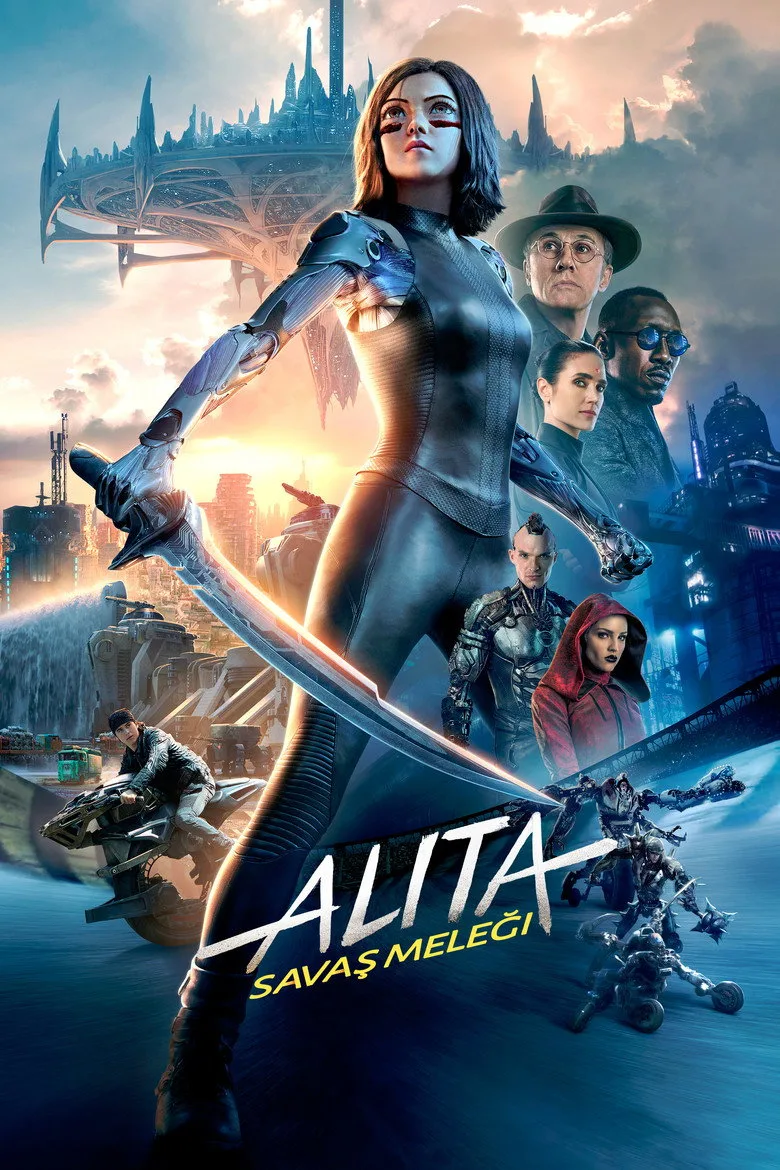
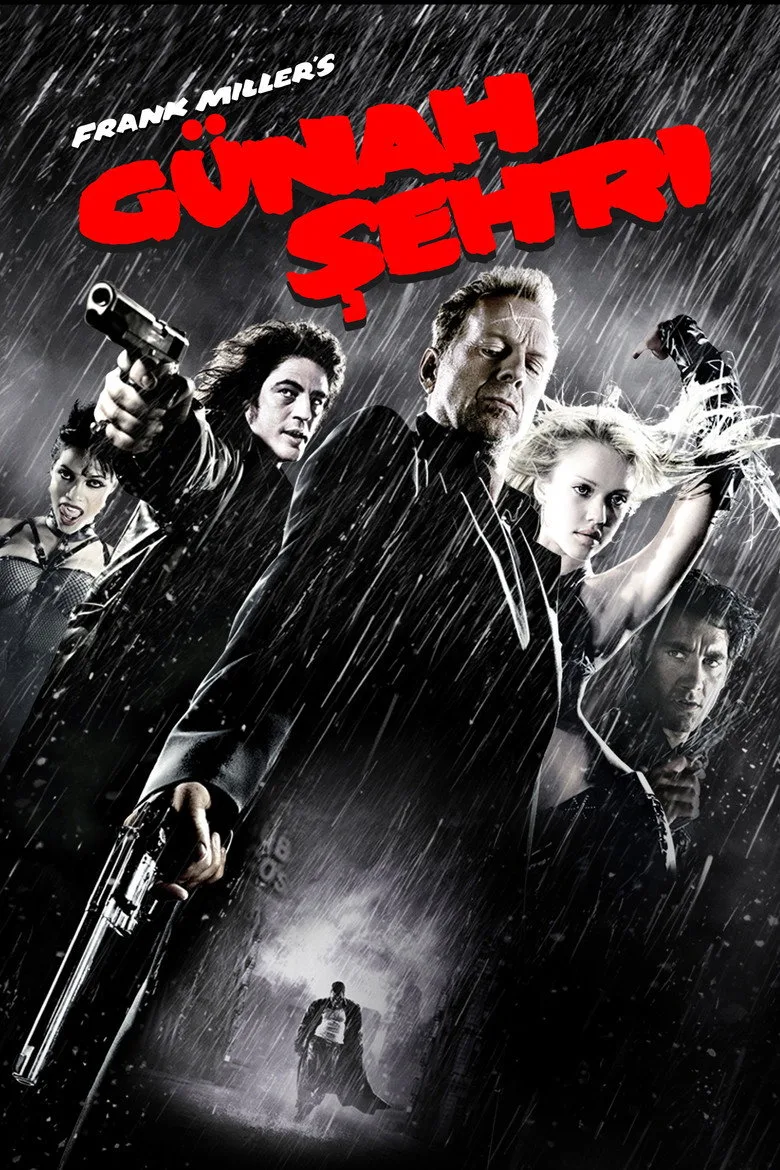
Rodriguez has been involved in many interesting projects both during and after this period. While he has worked in varied styles from Spy Kids to Sin City and Alita: Battle Angel, the Mexico Trilogy best reflects his cinematic identity. El Mariachi serves as an introduction to Rodriguez's energy and creativity in filmmaking, Desperado develops that style, and Once Upon a Time in Mexico presents the conclusion of a trilogy made on a broader canvas that becomes increasingly comedic.
Although El Mariachi and Desperado have their shortcomings, they are definitely worth rewatching. Desperado, in particular, is a film that delivers what viewers want as a non-stop action movie. Once Upon a Time in Mexico, while having a complex structure, has entertaining parts, and although some sections struggle, problematic films can receive critical reevaluations over time. It is also possible to gain deeper insights into these trilogies through Rodriguez's book Rebel Without a Crew or film commentaries. In conclusion, rewatching these series from time to time, rather than dismissing them, can be a valuable experience for anyone interested in the film industry.

 Netflix's 5-Part Sci-Fi Series Had A Near-Perfect First Season
 Demon Slayer X Berserk Crossover Teased
 New Epic Fantasy Movie Based On Disney's Greatest Classics Magically Climbs To #1 On Streaming Charts
 Taylor Sheridan’s Hit Spy Thriller Returns With Its Deadliest Mission Yet
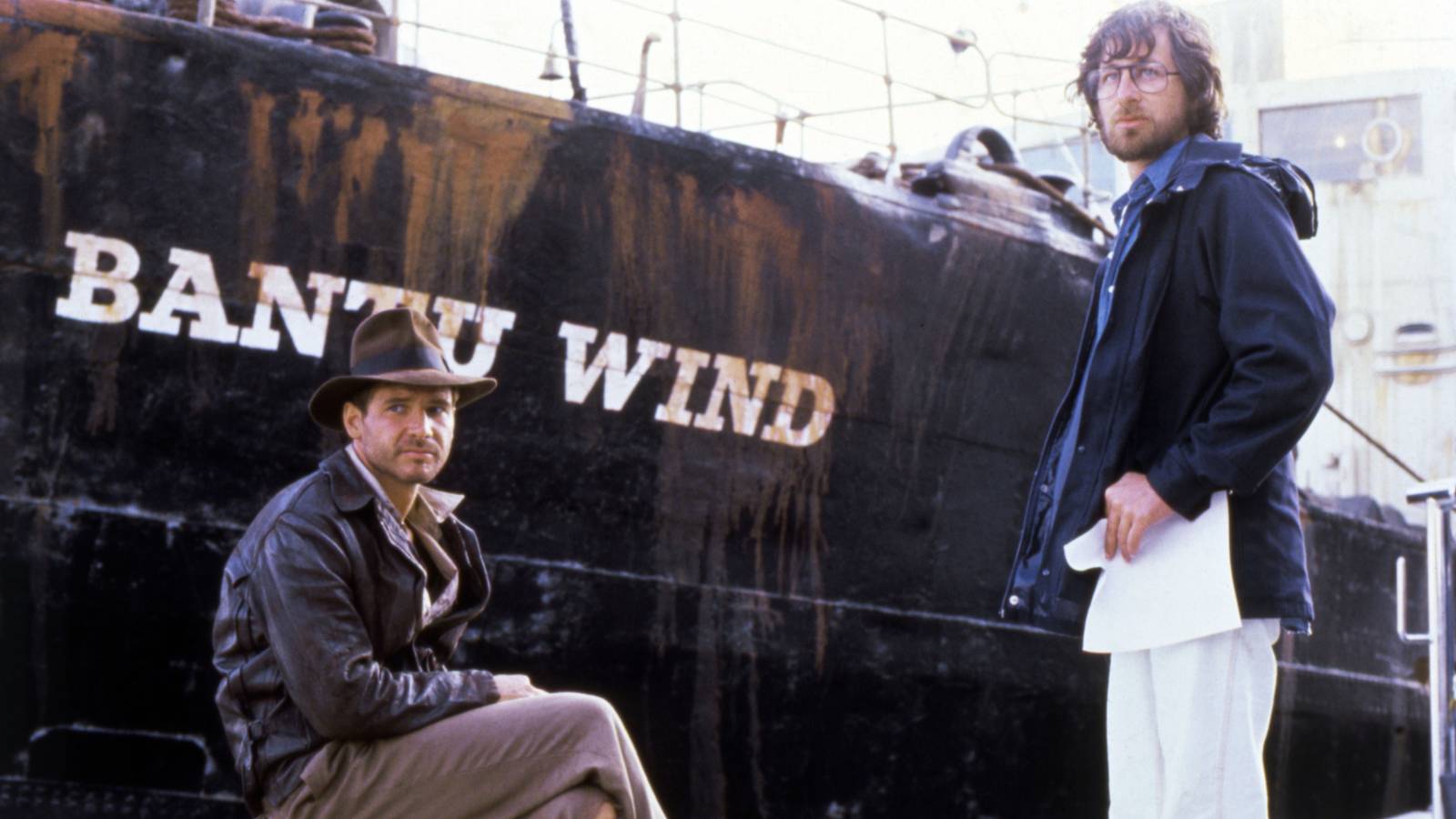 6 Ways Steven Spielberg Has Changed The Film Industry Forever
 Alan Ritchson's #1 Sci-Fi Thriller On Netflix Is Reacher Turned Up To 11
 Joe Caldwell Dies: ‘Dark Shadows’ Writer Who Co-Created Reluctant, Enduring Vampire Barnabas Collins Was 97
 Kartik Aaryan, Mammootty, Yami Gautam Take Top Acting Honors as ‘Article 370’ Wins Best Feature at India’s National Film Awards
 Julianne Moore's 6 Best Movie Masterpieces, Ranked
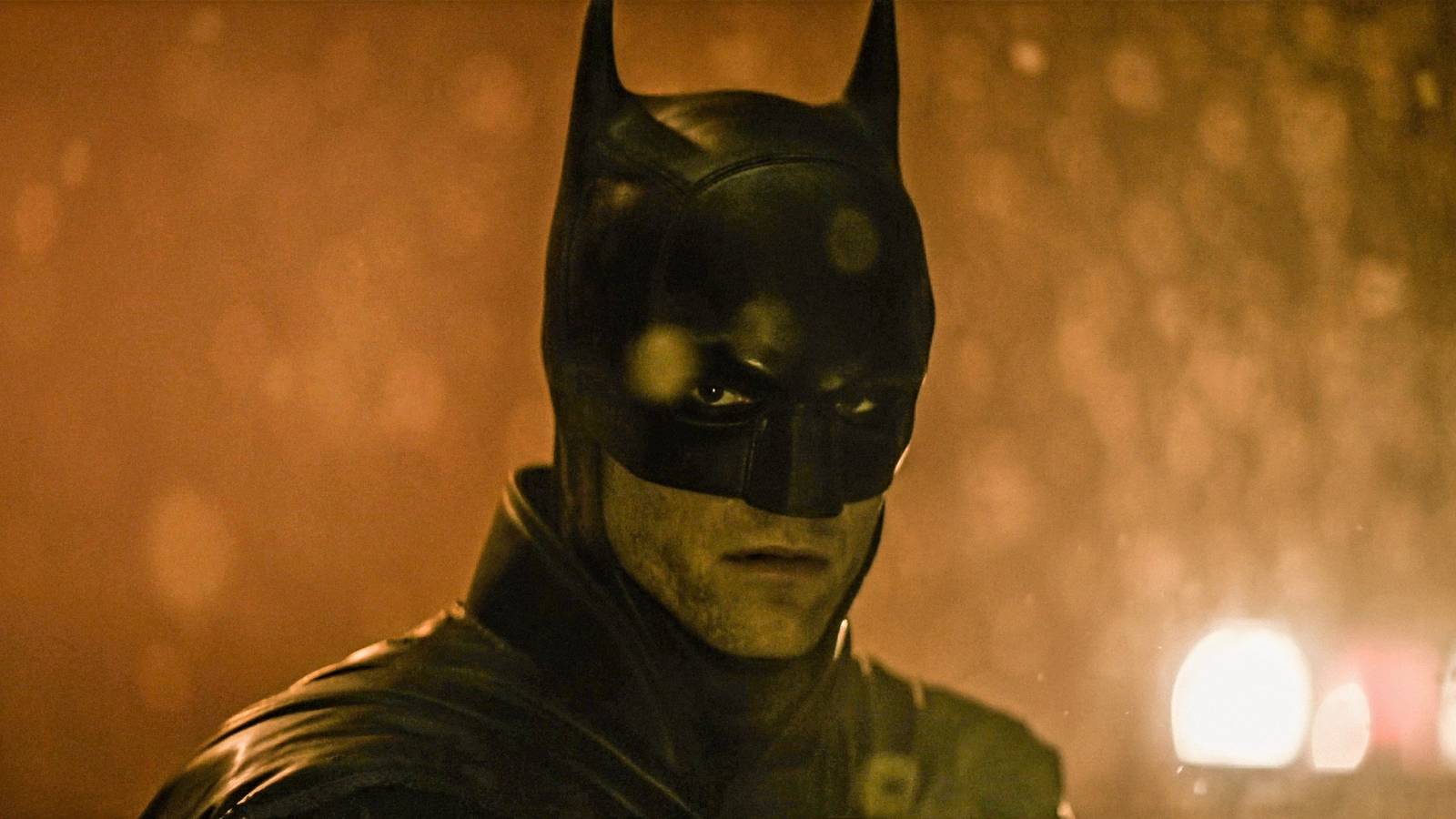 Batman Officially Returns With a New 10-Part Release This Month