Ridley Scott's Ruthless Medieval Drama The Last Duel, A Masterful Adaptation of Kurosawa's Rashomon
Collider
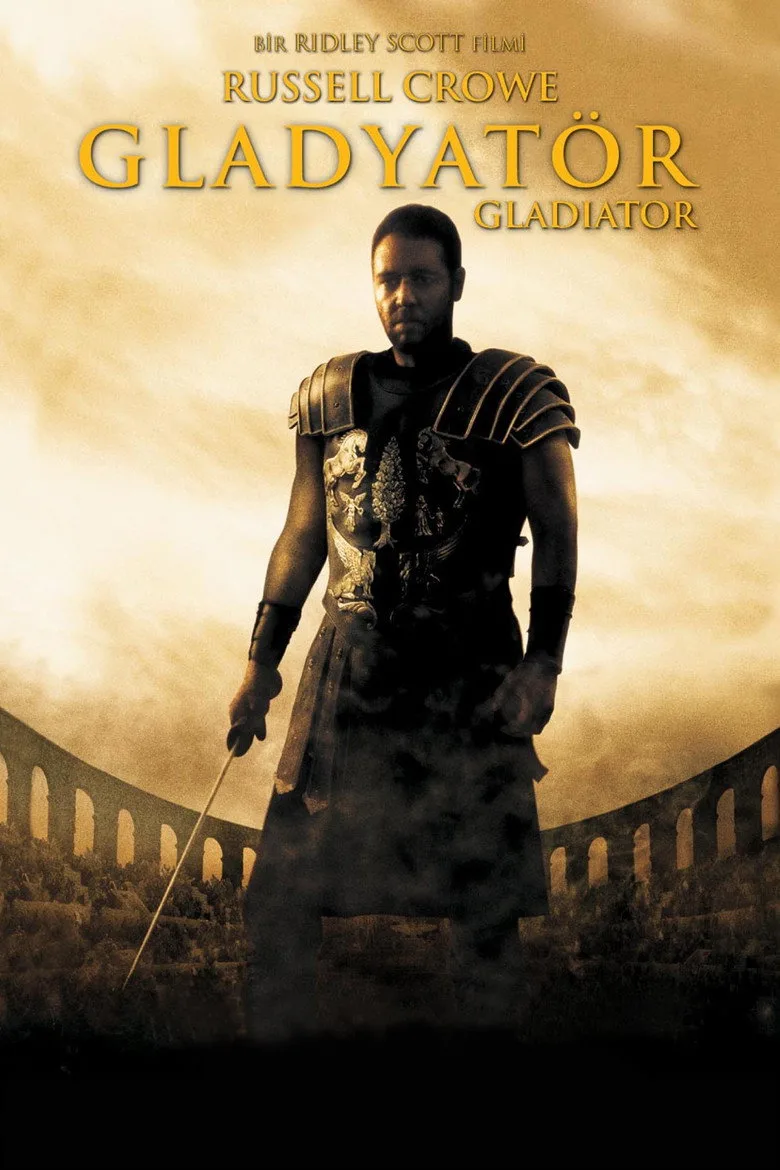
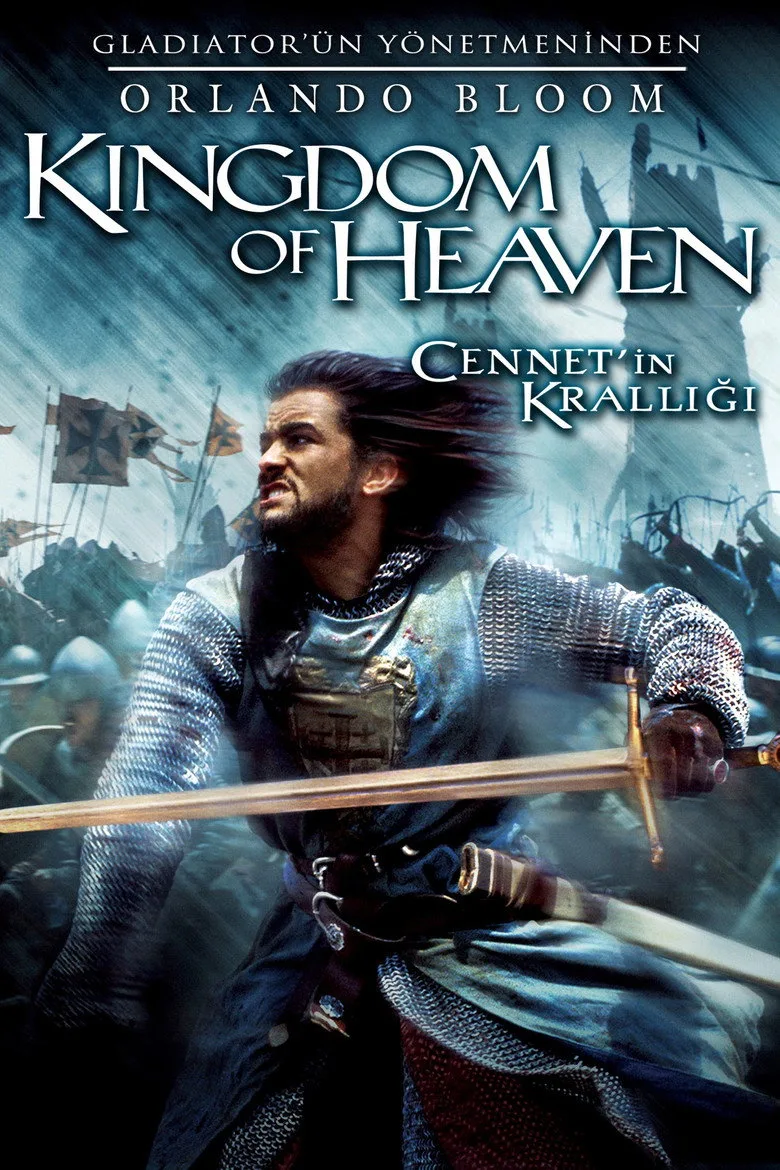
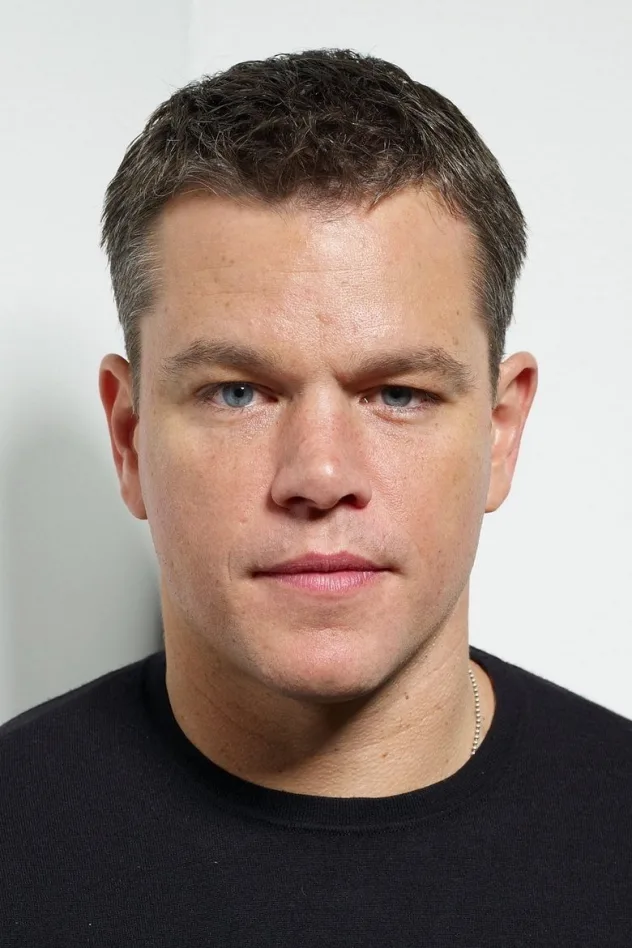
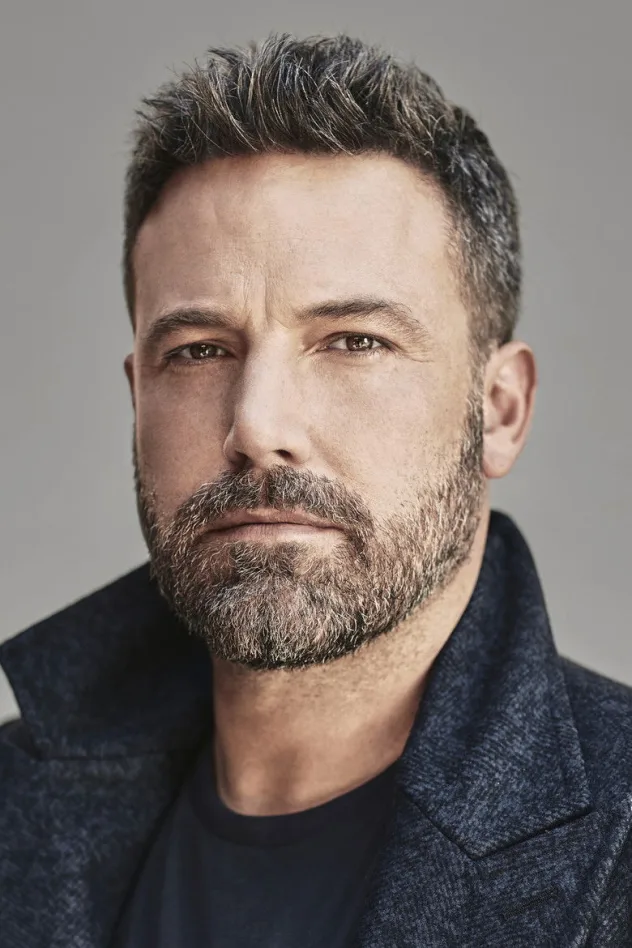
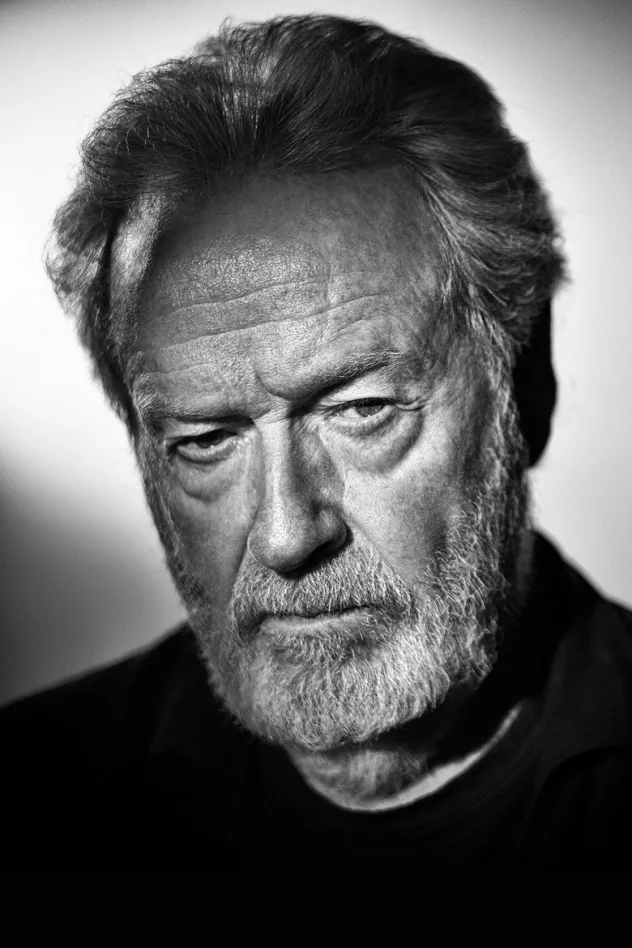
While Ridley Scott has successfully directed historical epics like Gladiator, Kingdom of Heaven, and Napoleon, his 2021 medieval film The Last Duel failed to capture audience interest. Despite its star-studded cast, featuring Matt Damon and Ben Affleck (who co-wrote the screenplay with Nicole Holofcener), and being one of Scott's best films in recent years, the movie faced a significant box office failure, earning just over $30 million worldwide according to Box Office Mojo. This was not just a poor reception for a great film; it was also a harsh rejection of the work it most closely resembles: Akira Kurosawa's Rashomon.
Rashomon is perhaps the most retold story in cinema. Its most famous aspect is its unusual structure, where an event is presented multiple times but with different details—some differences are subtle, others are blatant—and everyone remembers the events differently. Most characters present self-serving versions of the story that portray them as heroes or at least not foolish. Like Rashomon, Scott's film also deals with a legal case from centuries ago and examines timeless questions of honor, ethics, justice, and brutality. More importantly, it engages with the consequences of taking sexual assault and accusations seriously versus dismissing the victim. However, there is a significant difference in how it approaches the story of Rashomon.
Both Rashomon and The Last Duel are adaptations of earlier works. For the former, Akira Kurosawa drew inspiration from Ryūnosuke Akutagawa's short story "In A Grove," written decades earlier, while Ridley Scott's film is based on Eric Jager's historical book of the same name. The adaptability of Rashomon into various screenplays stems almost entirely from its mythological narrative feel. There are only a few locations and the same number of characters; they are defined by their roles and classes. While Kurosawa often finds incredible dynamic movements in feudal epics like Seven Samurai, Rashomon itself is quite measured. The central crime of the film is abstracted through multiple narrative layers: irrelevant characters discuss the court case, and courtroom scenes revert to the memories of the central characters. There is a samurai (Masayuki Mori), his wife (Machiko Kyō), and the bandit (Kurosawa's muse Toshiro Mifune) who harasses her and likely kills her husband.
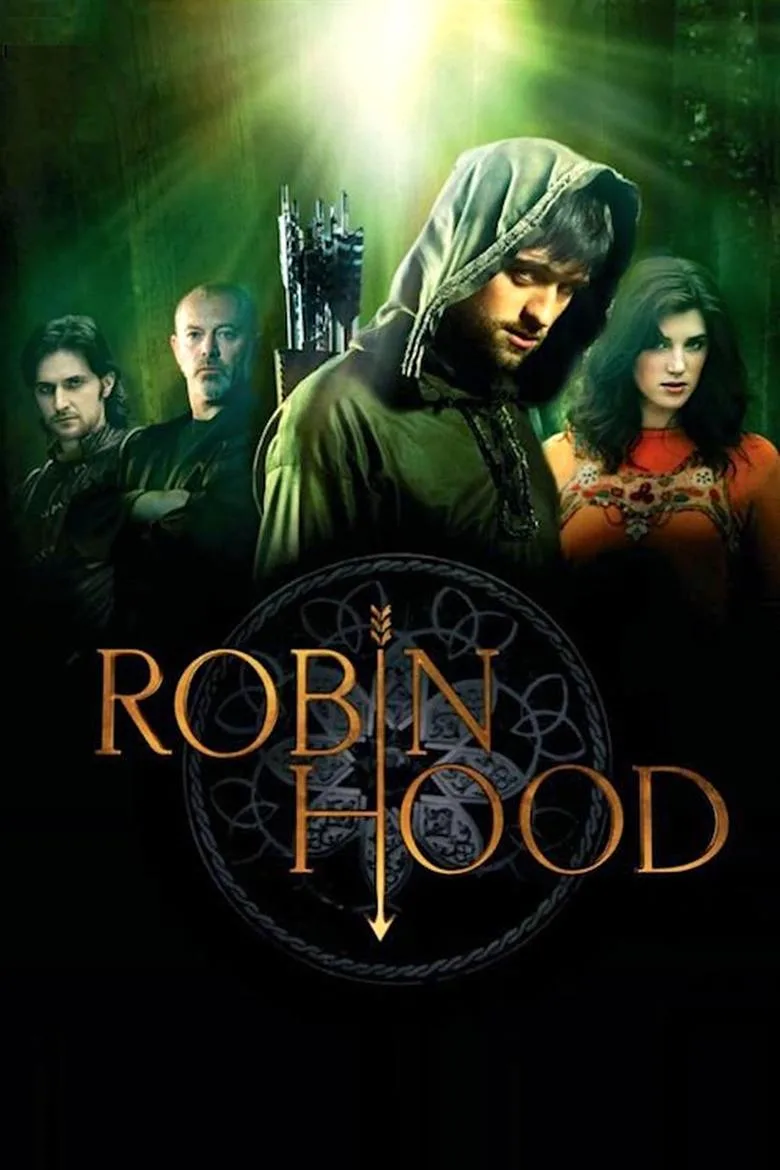
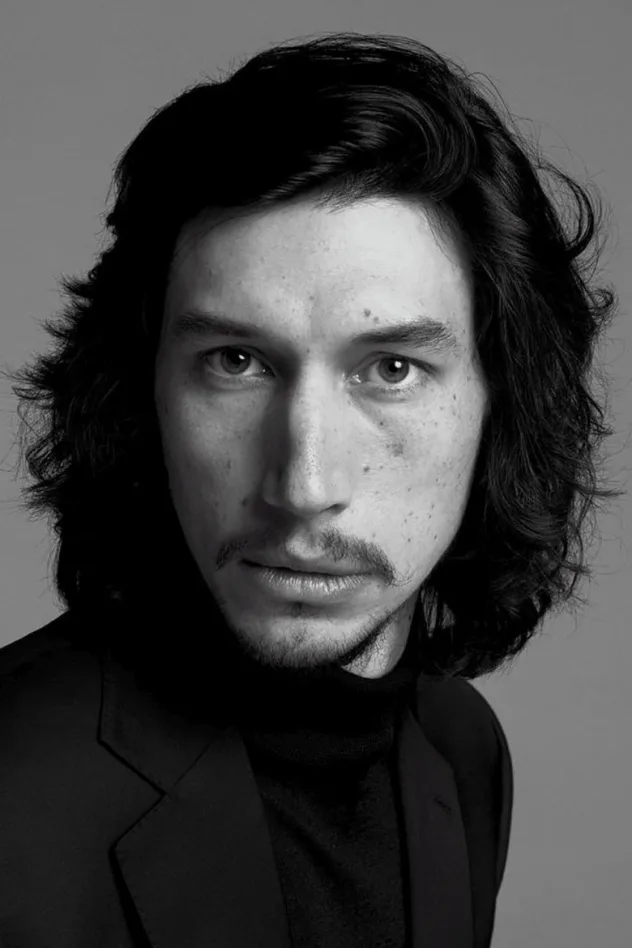
The Last Duel requires more specificity while remaining true to historical roots. The film tells the true story of the famous medieval French honor duel case that took place in 1386, following Jean de Carrouges (Damon), his wife Marguerite (Jodie Comer), and the ambitious soldier Jacques le Gris (Adam Driver), who is accused of raping her. Unlike Scott's previous and subsequent historical epics, such as 1492: Conquest of Paradise or the 2010 failed Robin Hood adaptation, this film practically skips grand battle sequences and focuses on deeply exploring the psychological pain of the characters; it leans more towards the grim ambiguity presented in Kurosawa's film and does not provide clear heroes and villains. It also allows its characters to reflect their own versions of events; it reveals how Jean's insecurities and Jacques's moral corruption upon entering the aristocracy intensify. However, it diverges from Rashomon at a key point: it presents a kind of objective truth.
 Star Wars Fans Think They’ve Spotted A Brand-New Sith In New Trailer
 The Landmark Western Quentin Tarantino Called “Ugly” Is Streaming for Free
 10 Years Later, Tom Hardy's Brutal Western Thriller Is Officially Taking Over Streaming
 Steam Makes 3 Huge Games Completely Free For 24 Hours
 It's the End of an Era for This Cult Sci-Fi Thriller on Paramount+
 Wolverine’s Newest Love Interest Is Already Dividing Fans
 Pokémon Winds & Waves' Latest Leak Is Its Biggest Yet
 MIFFest Opens Ninth Edition in Kuala Lumpur, Earns ASEAN Records Recognition
 Baldur's Gate 3 Gets Official New Release For July 2026
 Freddy Cannon, Rock and Roller Behind Hits “Palisades Park” and “Tallahassee Lassie,” Dies at 89