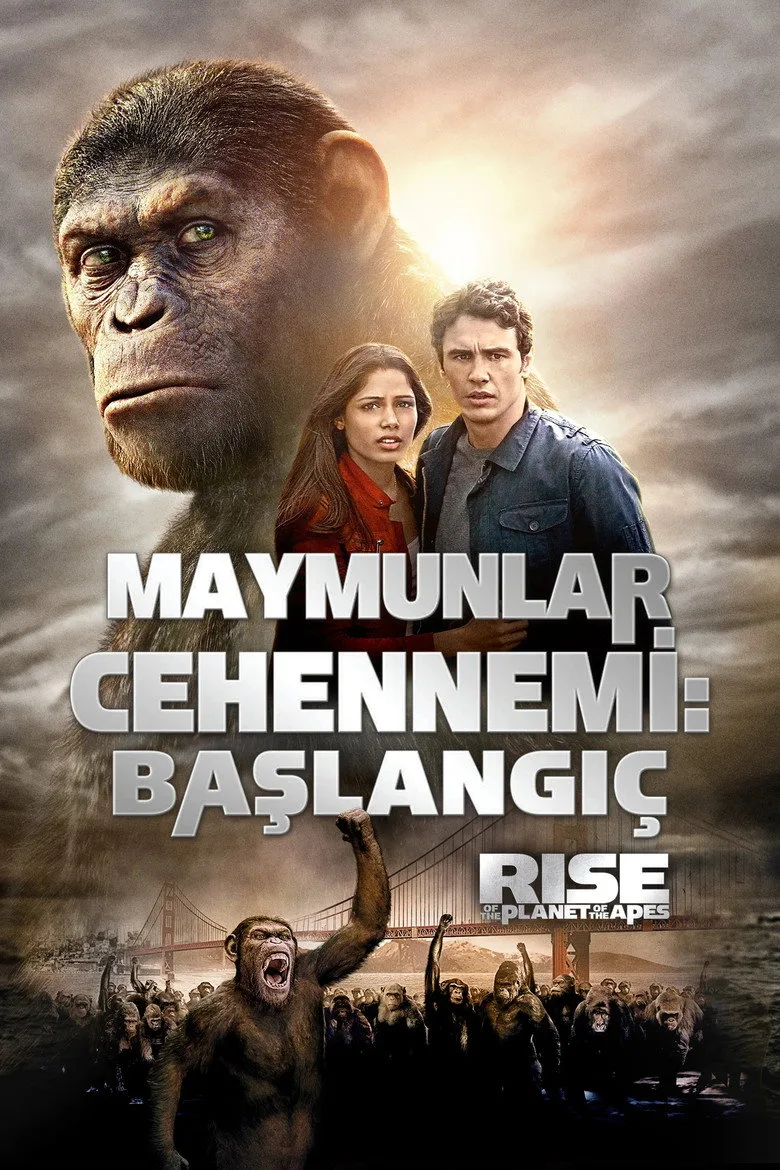
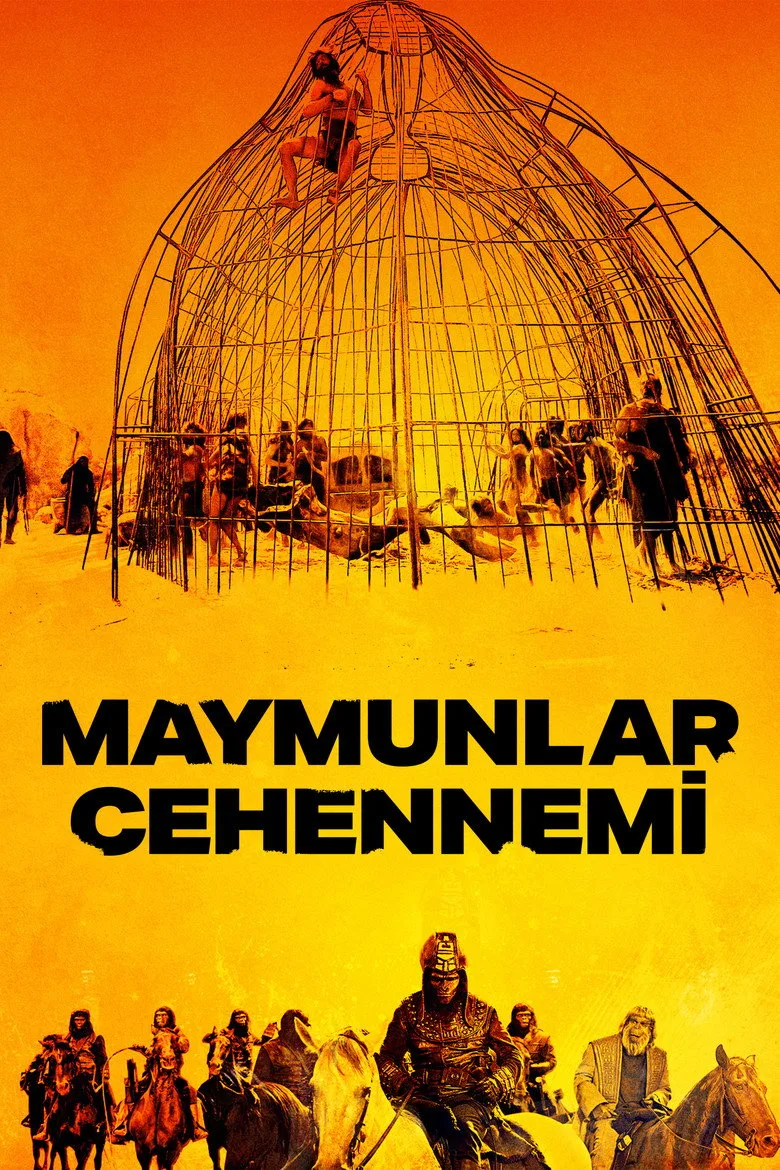
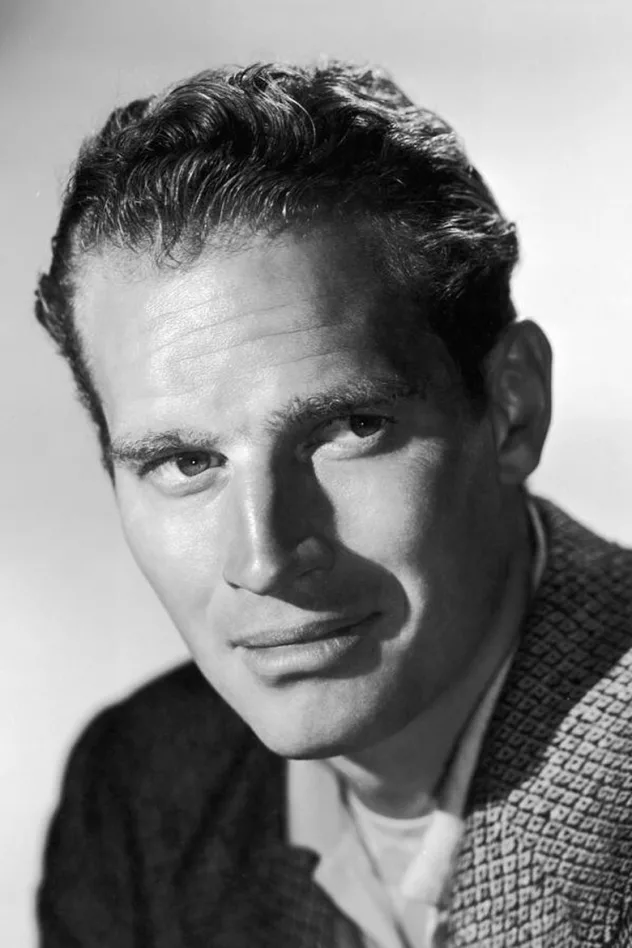
The Planet of the Apes series, which questions what it means to be human, has been offering a powerful allegory since the first film in 1968. This film addresses humanity's attitude towards the "other" and how we have destroyed the paradise we live in. It emphasizes that what makes us human is not the ability to use tools, but the capacity to develop such plans. In short, language is the cornerstone of the human species. In the first film, it is striking that Taylor (Charlton Heston) finds himself in a world of articulate apes, while humans are depicted as silent and thus primitive.
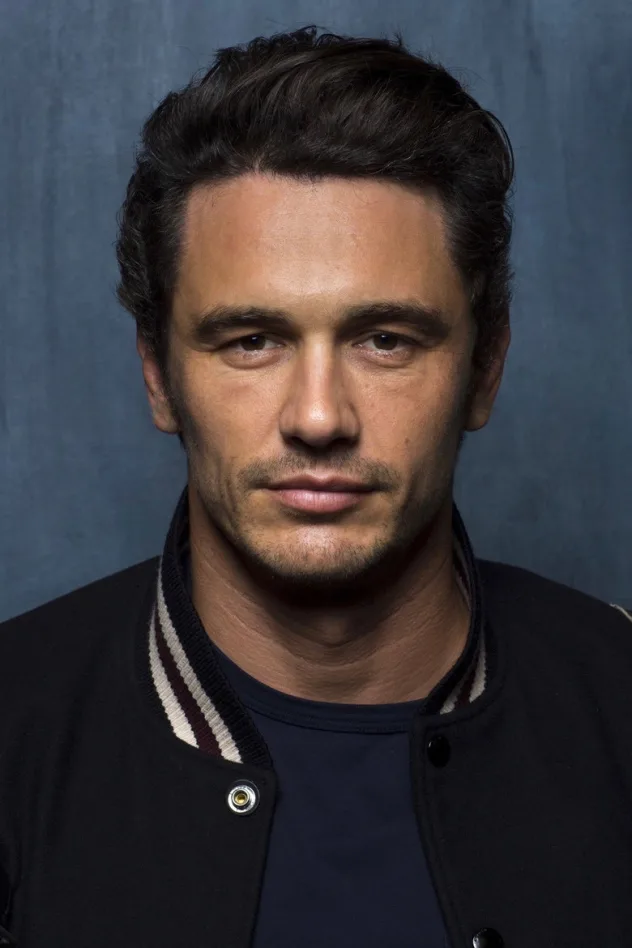
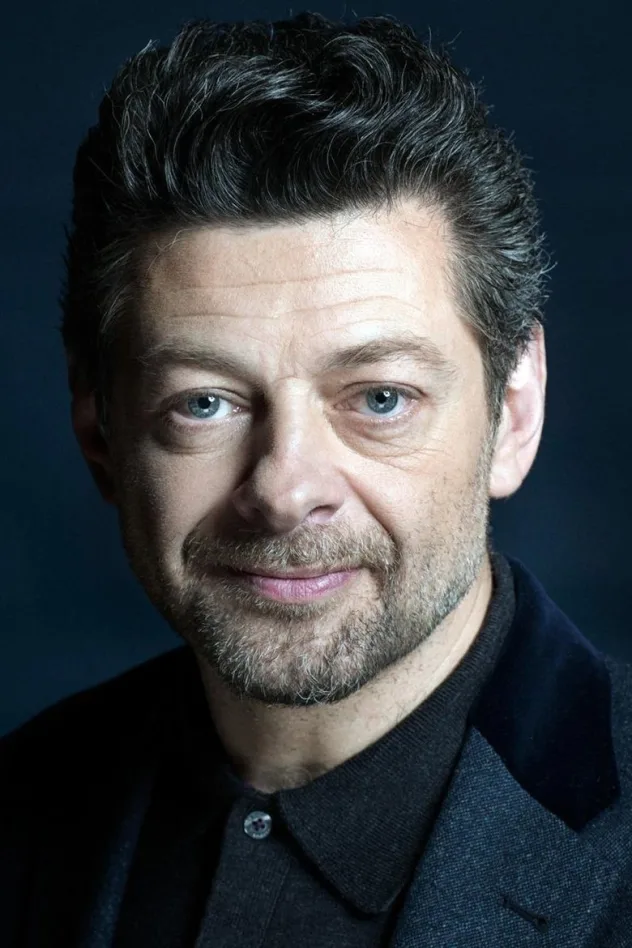
The 2011 film Rise of the Planet of the Apes serves both as a prequel and a reboot to the original film series. This film narrates how we arrived at a world ruled by apes, changing certain details from the film released in 1968. It centers on Caesar (Andy Serkis), a chimpanzee born from an experimental Alzheimer’s treatment. Thanks to his human protector Will (James Franco), Caesar becomes fluent in sign language. This science fiction film actually revolves around Caesar's journey with language.
Caesar is portrayed as having the same level of consciousness as humans due to his extraordinary intelligence. The cruelty of humans, especially towards apes, drives Caesar to initiate a revolution. Language not only allows Caesar to form a small army of apes but also enables him to declare that they refuse to remain oppressed by humans. In this context, the Planet of the Apes series presents a profound narrative that challenges humanity to confront itself and questions the power of language.

 Alan Ritchson’s Best Performance Still Isn't the One Everyone Talks About
 7 Most Divisive Superhero Movies of All Time, Ranked
 Manosphere Influencers Andrew Tate & Brother Tristan Arrested In Miami In Connection To Sexual Offense Charges In The UK, Report
 NBC's Greatest Drama of the 2020s Is Finally Available To Stream for Free
 ‘The Dark Knight’ Star’s Globe-Trotting Spy Thriller Is Finally Coming to Netflix
 Prime Video Is Giving One of Sci-Fi's Biggest Box Office Bombs a Second Chance
 ‘The Odyssey’s Tom Holland On Why He “Could Relax” After Robert Pattinson Casting: “You’re So Good At Being A Dickhead”
 Andrew Tate and Brother Tristan Arrested in Miami
 ‘Mexodus’ Review: The Underground Railroad Runs South to Mexico in a Pasadena Playhouse Musical That Feels as Spirited as a Two-Man ‘Hamilton’
 Christopher Nolan Says It Will Be ‘At Least’ Three Years Until He Makes Another Movie After ‘The Odyssey’ Pushed the ‘Limits of My Own Stamina’