Owen Hunt Leaves Grey's Anatomy After 18 Seasons - Here Are the Most Troubling Moments
Variety
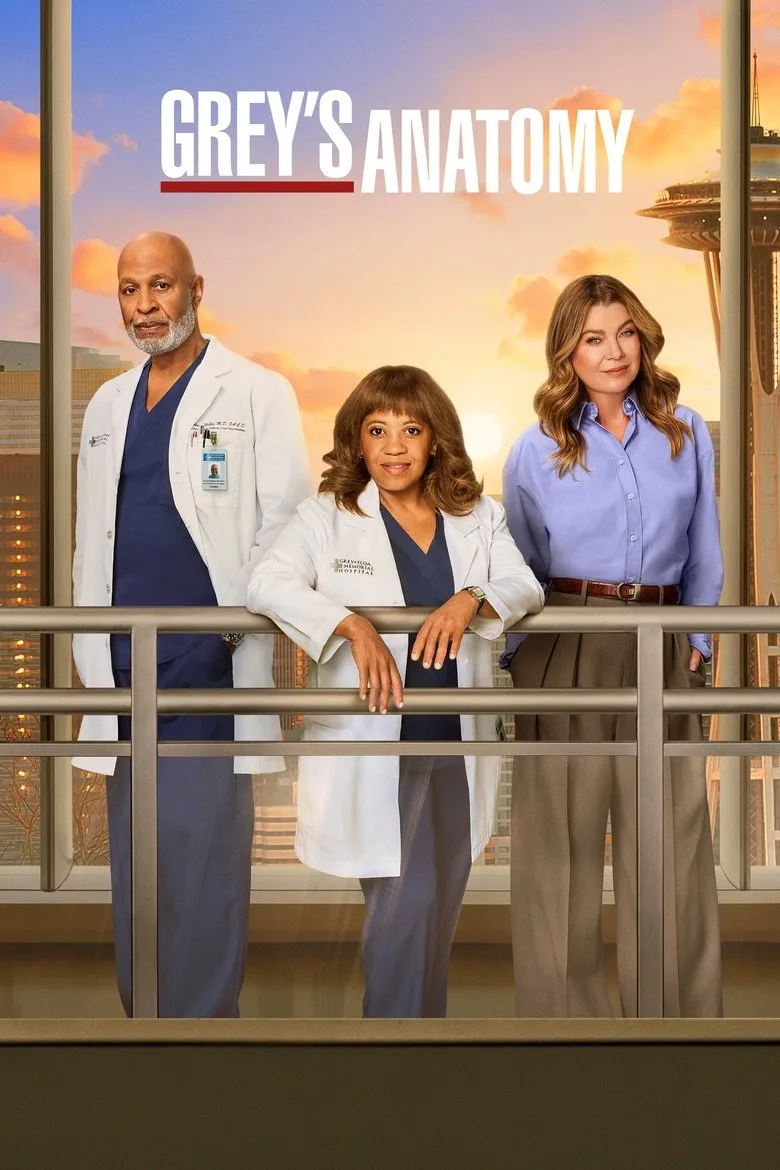
After 18 seasons, Dr. Owen Hunt is leaving Grey Sloan Hospital, and honestly, the hospital will probably be just fine. Kevin McKidd, the Scottish actor who joined Grey's Anatomy in its 5th season back in 2008, departed the drama alongside Kim Raver in the season 22 finale (aired on May 7). The character McKidd portrayed for 18 years was one of the show's most enduring and divisive personalities. Simply put, Owen Hunt was never loved by viewers.
To McKidd's defense, it wasn't all about him. The Scottish actor spent nearly two decades in the role, and a positive aspect of Owen's exit is that he can now play another character that viewers might actually like. When McKidd discussed his departure with Variety, he mentioned that Shonda Rhimes' goal in creating the character was to "add a male character who didn't care about people's thoughts and just went his own way." He said, "The character was designed to be polarizing and provocative, and occasionally antagonistic. So when people said, 'He bothers me,' I laughed. Yes, that was the point!"
However, in honor of Owen Hunt, the trauma surgeon with a hero complex, communication issues, and seemingly limitless emotional damage capacity, moments that tested the patience of 'Grey's' viewers over 17 seasons are being revisited, ranging from pig stabbing to plane crashes and the long list of women he made unhappy. In chronological order, these moments made him the most reliably off-putting presence on the show.
In the 5th season episode "Life During Wartime," Owen introduced himself by revealing that there were four drugged pigs behind a curtain he was guiding, stabbing each one in turn, and then ordering everyone in the room to save their lives—as if it were just a normal Tuesday activity. It wasn't. Izzie Stevens immediately called him a monster; to be honest, that was quite a normal reaction. To complete the task, when the lab work was done, Owen had Cristina kill all four pigs. "Do no harm" was apparently a very loosely guided principle rather than a foundational one.

![Kevin Feige Confirms ‘Spider-Man: Brand New Day’s Place in the MCU Timeline [Exclusive]](https://static0.colliderimages.com/wordpress/wp-content/uploads/2026/07/spider-man-brand-new-day-tom-holland-jon-bernthal-jacob-batalon-interview.jpg?w=1600&h=900&fit=crop) Kevin Feige Confirms ‘Spider-Man: Brand New Day’s Place in the MCU Timeline [Exclusive]
Kevin Feige Confirms ‘Spider-Man: Brand New Day’s Place in the MCU Timeline [Exclusive]
 One of Sci-Fi’s Greatest Trilogies Is Taking Over the Streaming Charts
 Tom Holland Shares His Reaction to Watching ‘Spider-Man: Brand New Day’ for the First Time
 James Gray To Receive Locarno’s Honorary Career Pardo Award
 Na Hong-Jin’s Cannes Competition Title ‘Hope’ Has Strong Opening At Korean Box Office
 ‘Shrimad Bhagavatam’ Anchors Sagar Pictures Entertainment’s Global Push, Indian Studio Confirms (EXCLUSIVE)
 ‘The Rest Is Football’ Returning To Netflix For Next Two Premier League Seasons
 ‘New-Gen’ Universe Launches First Consumer Products Line With Comic-Con Trading Cards (EXCLUSIVE)
 Holly Willoughby Launches YouTube Lifestyle Series
 Korea Box Office: Na Hong Jin’s ‘Hope’ Rules With 66% Market Share