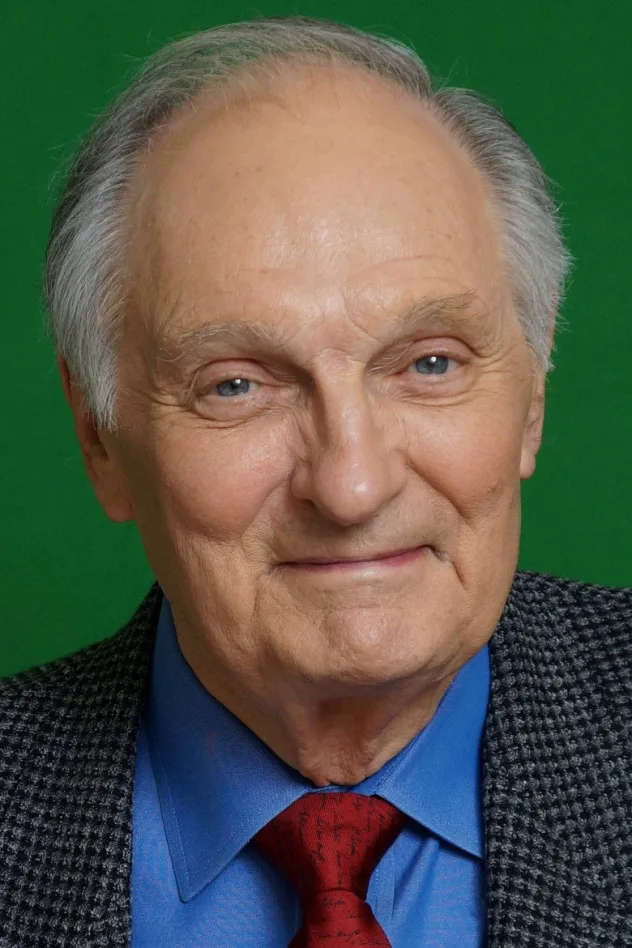
MASH: The Series That Became Iconic by Changing Its Genre
Screen Rant
MASH started as a little-watched sitcom but became an iconic series after changing its genre. With its final episode in 1983, it still holds the record for the most-watched TV episode 40 years later. This reflects not only the show's popularity but also a time before the internet, streaming, or DVDs.
Considering that it faced cancellation after its first season, it's quite surprising that MASH became a turning point. The first season received poor ratings, but it managed to survive thanks to reruns. Over time, it became a production that won the hearts of viewers, standing out with both its funny and tear-jerking scenes.
MASH also broke new ground by blending comedy and drama. Although it was promoted with an anti-war theme, the early seasons focused more on comedic elements. By the end of its 11 seasons, the show had transformed into a more straightforward medical drama, especially with Alan Alda taking more creative control.
It took time for MASH to find its formula. The first season was entertaining but uneven; however, it showed significant improvement starting from the second season. Particularly, the shocking finale of the third season marked the show's transition from comedy to dramedy, solidifying its status as a classic.
In the early 1970s, television offered safer content; there was no harsh violence or foul language, and the deaths of main characters were rarely seen. MASH was one of the first shows to break this rule with the unexpected death of Henry Blake, played by McLean Stevenson, in the third season finale. This event left viewers both heartbroken and angry, permanently changing the tone of MASH.

 Forget ‘Reacher,’ Prime Video’s Elite Spy Thriller Just Crushed a Massive Streaming Milestone
 BAFTA Student Award Winners Include Young Filmmakers From Spain, France, China and America
 2 Years Later, Liam Neeson's Brutal Revenge Thriller Becomes a Must-Watch on Netflix
 10 Greatest Grand Theft Auto Video Games
 The Cure’s Robert Smith Slams FIFA’s World Cup Final Halftime Show: ‘Just F— Off’
 Apple TV’s New Anya Taylor-Joy Thriller Has a Dark Real-Life Origin
 Taylor Sheridan's Hit 'Yellowstone' Spin-Off Proves To Be an Absolute Monster Hit on Streaming
 Freddy “Boom Boom” Cannon Dies: ‘Palisades Park’ & ‘Tallahassee Lassie’ Rock & Roller Was 89
 ‘Call of Duty’ Movie From Taylor Sheridan and Peter Berg Will Be Set in ‘Modern Warfare’ Universe
 Freddy Cannon, Rocker Whose Late ’50s and Early ’60s Hits Included ‘Palisades Park’ and ‘Tallahassee Lassie,’ Dies at 89