Netflix's new series Man on Fire, starring Yahya Abdul-Mateen II, has all eight episodes released on Thursday. While it resembles the trend of heroes like Jack Ryan and Jack Reacher, the character of John Creasy stands out distinctly from his peers. The first two episodes are directed by producer Steven Caple Jr., who explains that the aspect that sets John Creasy apart from other professionals is his struggle within a complex reality, far removed from the traditional hero's journey.
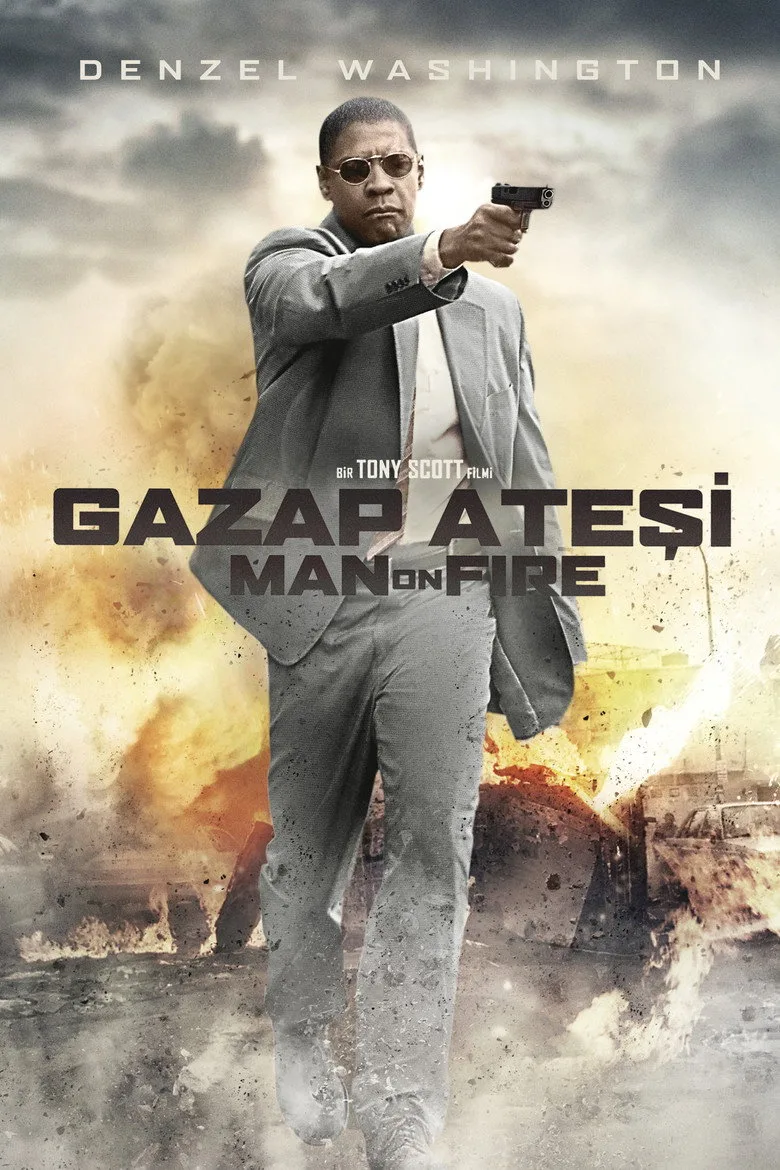
Adapted from A.J. Quinnell's book series and portrayed by Denzel Washington in the 2004 film, John Creasy is grappling with severe PTSD. Caple Jr. states: "With the character of John Creasy, we consciously created our own path, highlighting the multi-layered and nuanced structure of the character dealing with trauma." It is detailed in the pilot that a Special Forces operation he conducts in Mexico City unexpectedly fails, resulting in the deaths of several friends and colleagues. Creasy is the only survivor, and this disaster, along with the psychological scars it leaves, disrupts his military career.
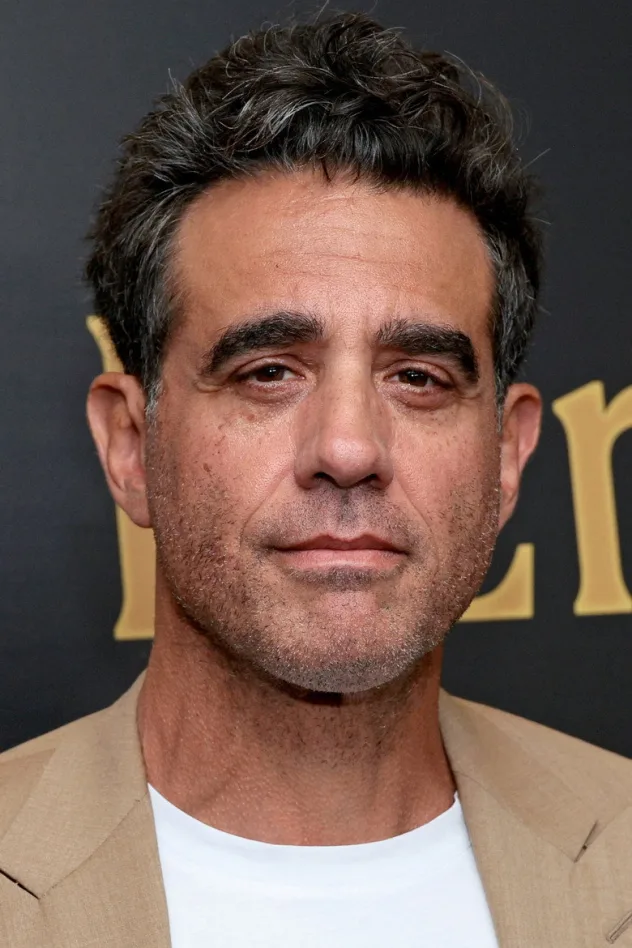
Four years later, after a desperate suicide attempt, he gets a chance to turn his life around following an offer for a private security job in Rio de Janeiro from an old friend (played by Bobby Cannavale, Paul Rayburn). When terrorists blow up the high-rise building where the Rayburn family lives, Creasy is tasked with protecting his friend's surviving daughter (Billie Boullet). However, he must overcome his own PTSD and his relationship with violent tragedies to do so.
Caple Jr. emphasizes the wide range of work to be done with the character and its connection to the storytelling journey, stating, "This is the reason for the layered depth that makes the IP intriguing. You want to fulfill the hero fantasy, to be in an exotic place, all alone with no one to help you. What would you do? Especially when you have to save someone you care about, how do you rise up from your end?"
Abdul-Mateen expresses that the emotional and psychological conflicts of his character are the main factors that draw him to the role: "Actors love these kinds of things. I want to feel, I really want to feel." "Early on with Steven, we said, 'If we're going to do this, let's do it a certain way.' One of those was to try to stay as close to reality as possible. I spent myself trying to find 'what would be true in this script.' With a character as potentially great as Creasy, it's easy to get caught up in the allure of being 'cool.' It was very important for the director to show faith in exploring reality, not coolness. Later, he could have said, 'What if we did this with that kind of attitude?' But we always started from reality; it was a thrilling opportunity because it felt a bit dangerous. As an actor, I am drawn to dangerous opportunities that stimulate my brain."

 Naruto Meets My Hero Academia In A Stunning Action Series Everyone Should Read
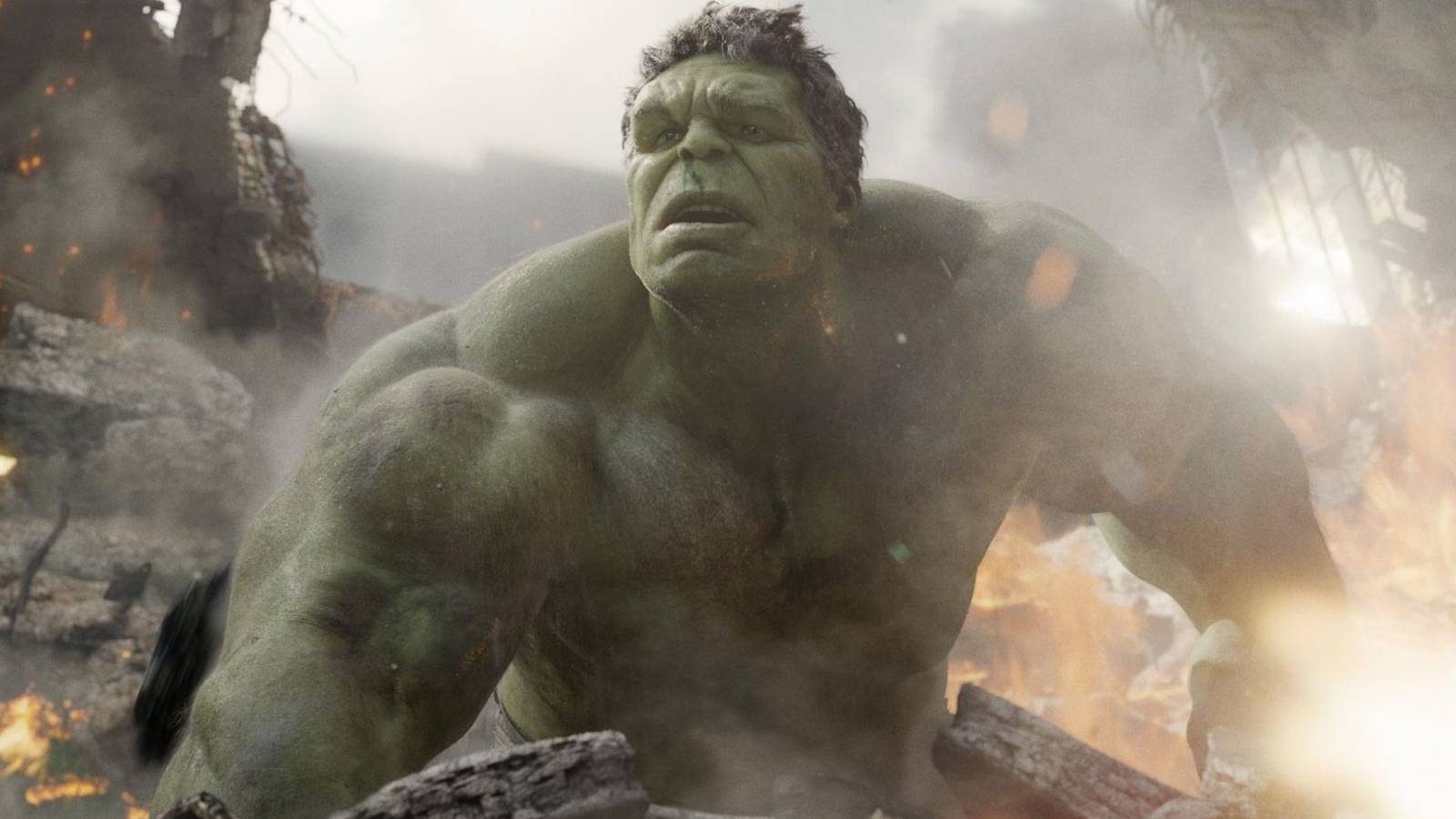 After 9 Years, Hulk Has Lost His Place As The MCU’s Strongest Avenger
 PlayStation Plus Members Get Massive Open-World RPG For Free In 48 Hours
 Jennifer Finch Dies: L7 Bassist Who Battled Brain Cancer Was 59
 Jim Gilstrap, Singer on ‘Good Times’ Theme and Stevie Wonder’s “You Are the Sunshine of My Life,” Dies at 70
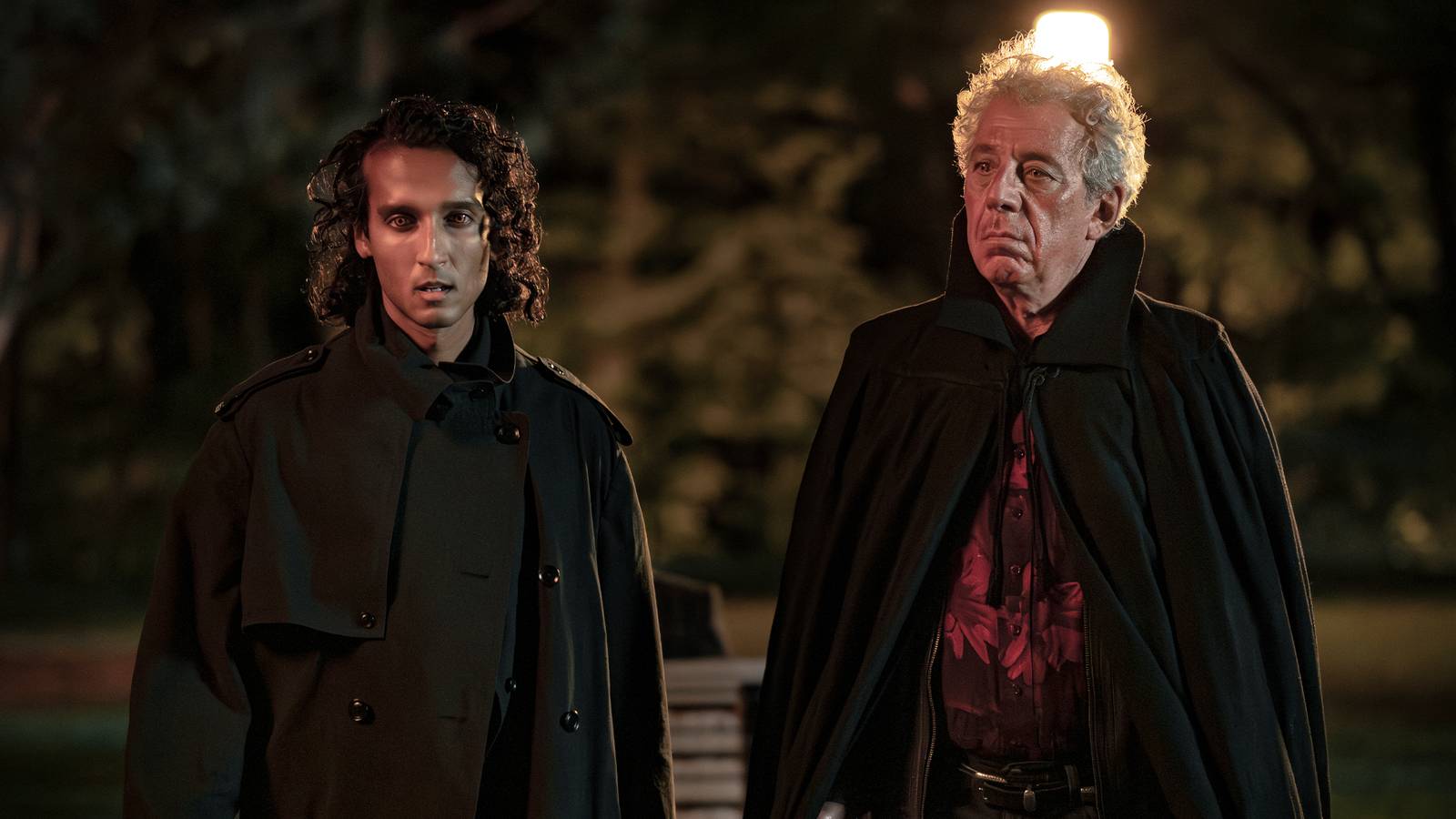 'The Vampire Lestat's Eric Bogosian and Assad Zaman Pitch a Devil's Minion Spin-Off After the Game-Changing Finale
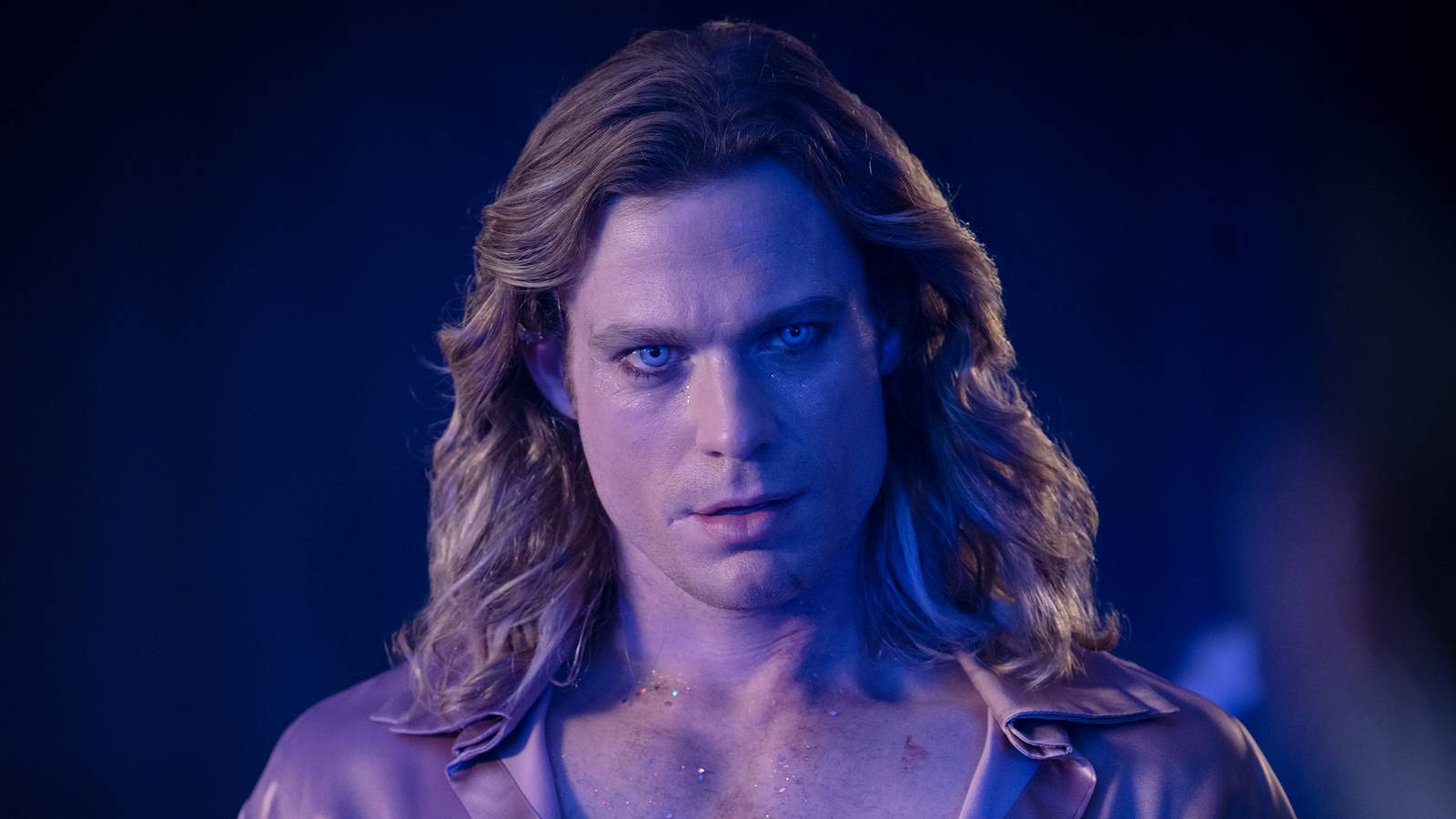 Sam Reid Confirms the End of an Era for 'The Vampire Lestat': "That Chapter Is Closing"
 'House of the Dragon' Goes Full-On Horror With a Murder Mystery Twist | Review
 ‘House of the Dragon’ Star Fabien Frankel on Criston Cole’s Suicide Mission and His ‘Nihilism’: ‘He’s Losing the Will to Motivate’
 10 Greatest Miniseries Masterpieces of the 21st Century, Ranked