John Carpenter's Silent Sci-Fi Masterpiece: The Career Comeback Starman
Collider
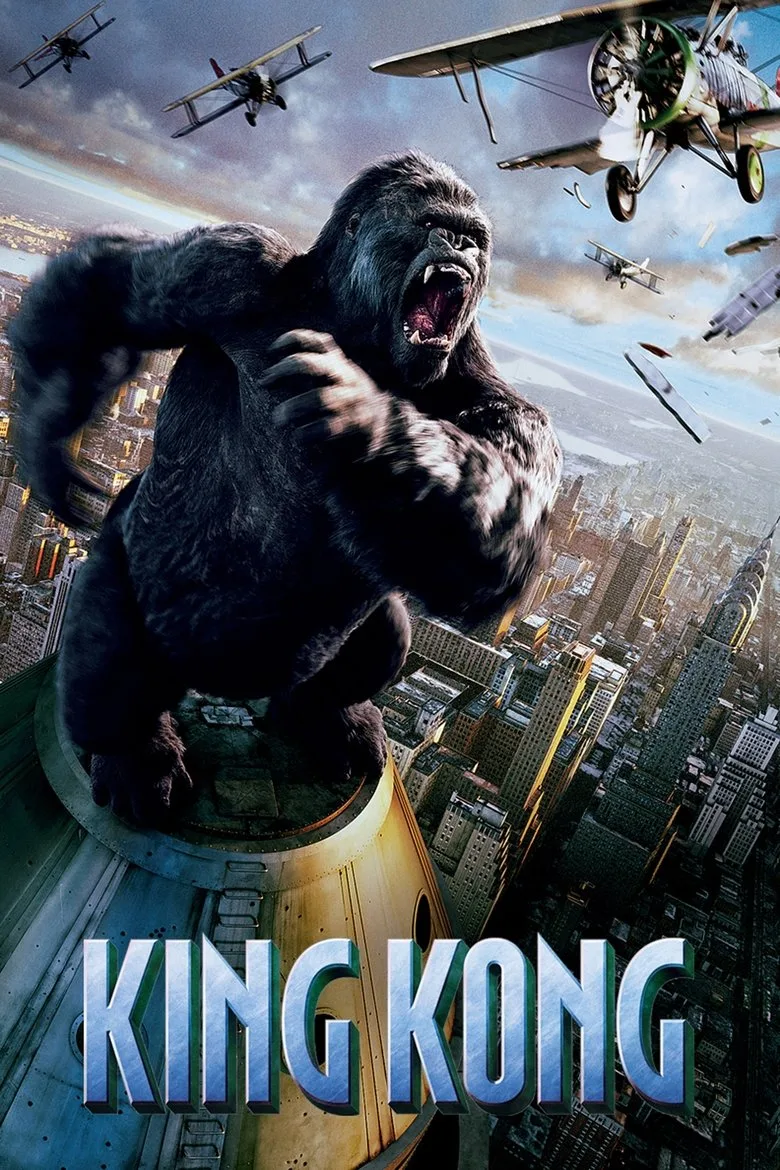
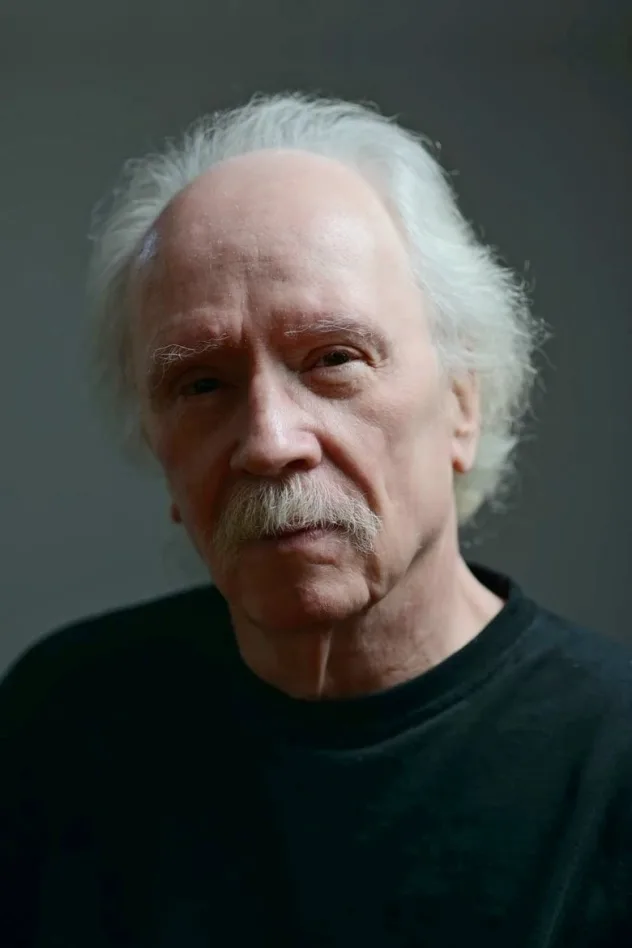
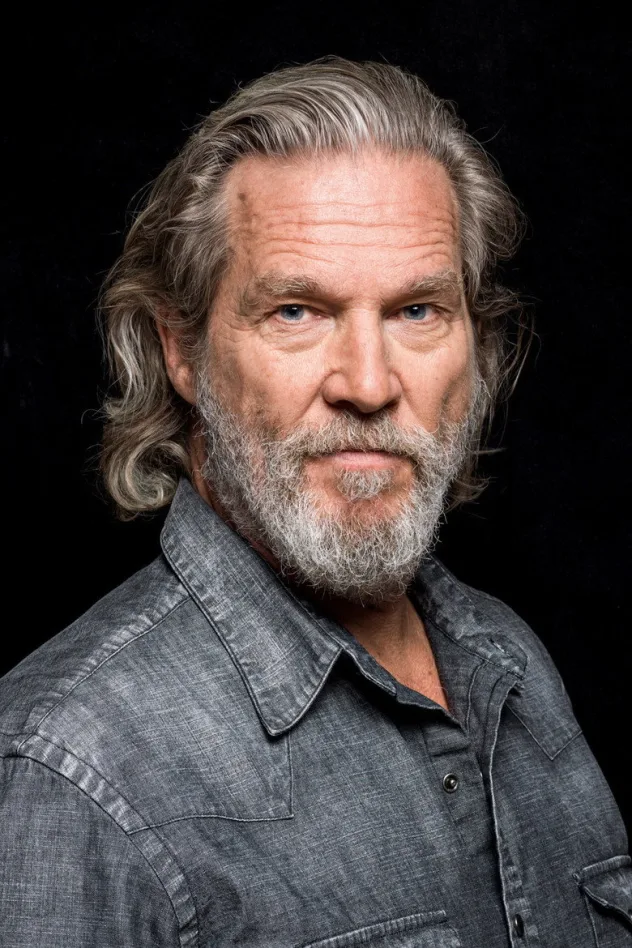
Released in 1984, Starman showcased what both lead actor Jeff Bridges and director John Carpenter could achieve in an epic and tragic sci-fi love story. John Carpenter was known for his works ranging from the exploitation classic Assault on Precinct 13 to Halloween and the 1983 adaptation of Stephen King's Christine. Jeff Bridges, who delivered a successful and nuanced performance in 1970s films like The Last Picture Show and Fat City, also brought credibility and a human touch to blockbusters like King Kong and Tron, found the opportunity to play an alien in human form this time. For his success in making the alien endearing, Bridges received his first Academy Award nomination for Best Actor.
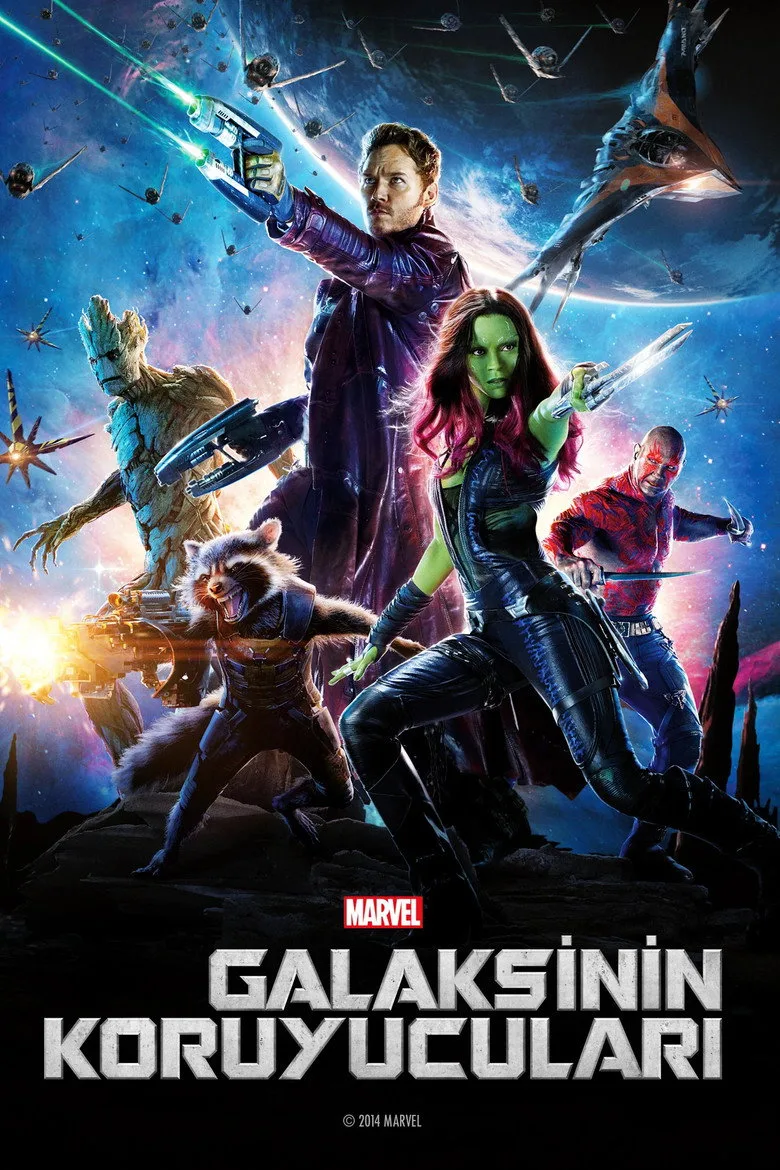
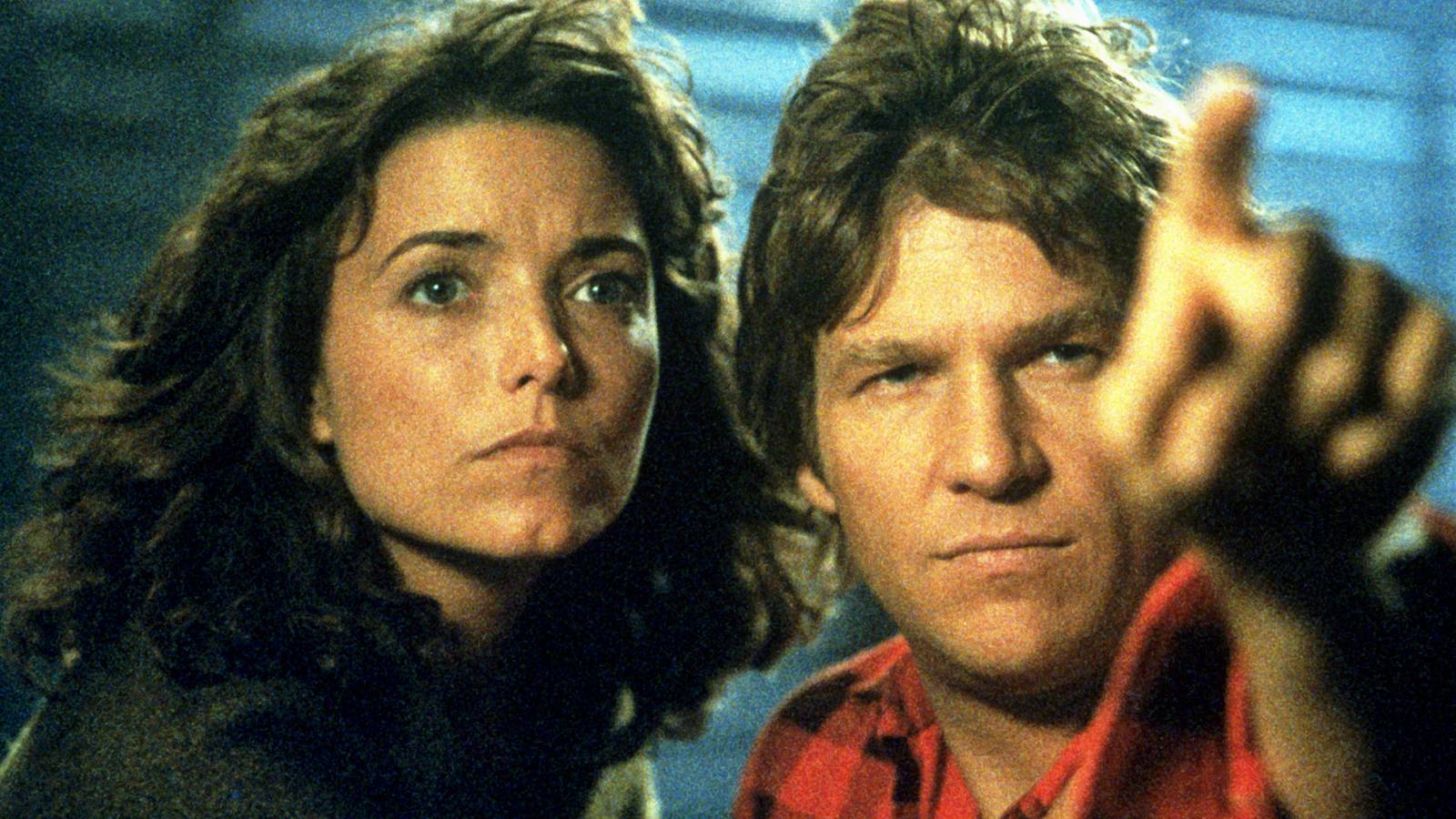
Starman is a love story crafted with a light touch. Starting from the far corners of the Solar System, an alien ship picks up the Golden Record of the Voyager 2 probes and begins to play the Rolling Stones' song "Satisfaction"; this evokes the playful sci-fi style of Guardians of the Galaxy thirty years later and has been subtly impactful like many of John Carpenter's films. When one of its crew members sets off towards Earth, he is shot down and crashes into a small town in Wisconsin. This being, taking the form of his deceased wife, has three days to survive on Earth alongside the deeply skeptical widow Jenny (Karen Allen). He will die before reaching the meeting point at Barringer Crater in Arizona. What complicates matters is the fact that he has taken on the form of her dead husband.
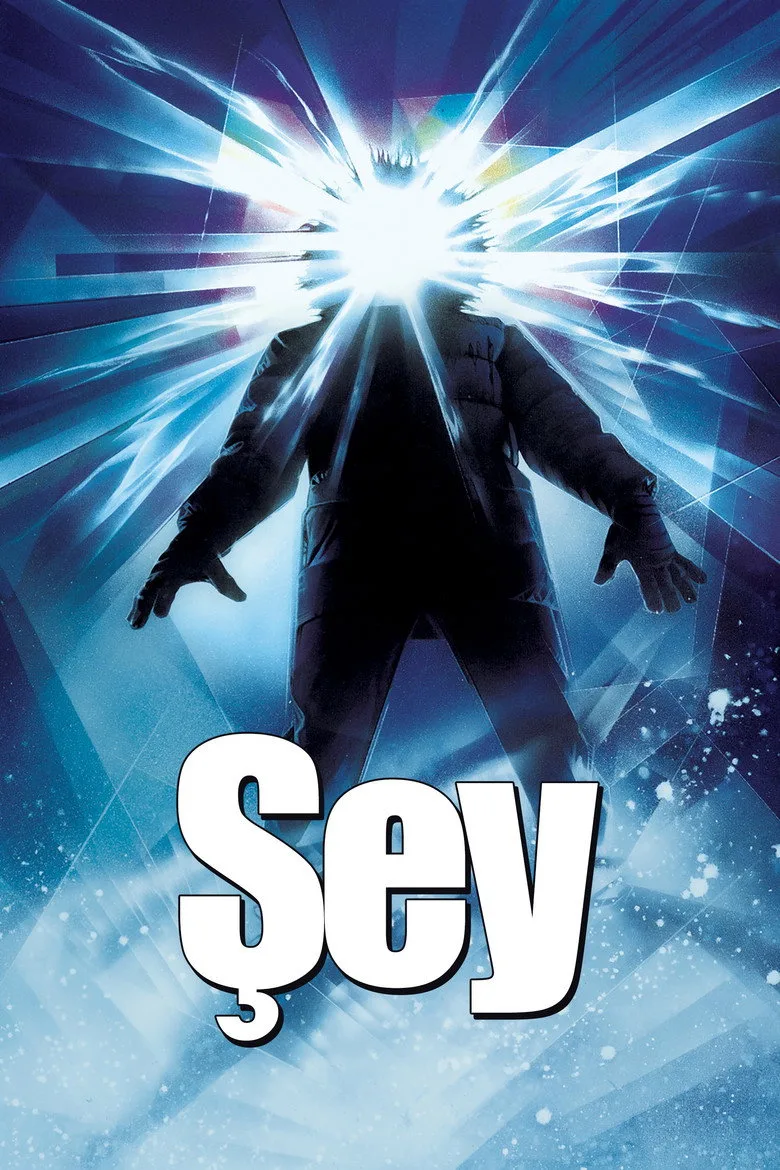
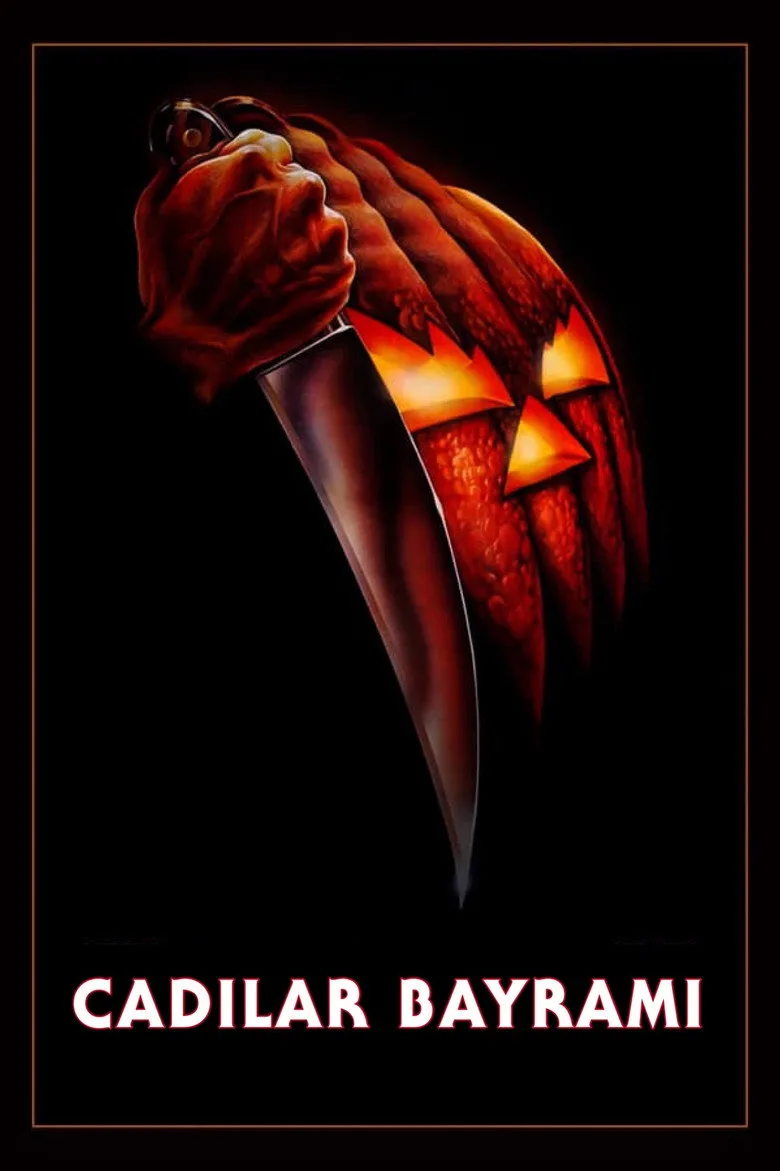
Compared to the deep paranoia of 1982's The Thing or the serial killer perfection of Halloween, Starman is a tremendous deviation for John Carpenter. Like many American films of the 1980s, it embraces a certain optimism, warm and deeply human despite its alien themes. In an interview with Bobbie Wygant, Carpenter noted that he viewed the film as "an attempt at growth as an artist" and applied the immense tools he developed over a decade in the genre to a different effect. This is clearly evident in the film's opening section and can play horror notes as well as anything in Carpenter's oeuvre.
 Star Wars Fans Think They’ve Spotted A Brand-New Sith In New Trailer
 The Landmark Western Quentin Tarantino Called “Ugly” Is Streaming for Free
 10 Years Later, Tom Hardy's Brutal Western Thriller Is Officially Taking Over Streaming
 Steam Makes 3 Huge Games Completely Free For 24 Hours
 It's the End of an Era for This Cult Sci-Fi Thriller on Paramount+
 Wolverine’s Newest Love Interest Is Already Dividing Fans
 Pokémon Winds & Waves' Latest Leak Is Its Biggest Yet
 MIFFest Opens Ninth Edition in Kuala Lumpur, Earns ASEAN Records Recognition
 Baldur's Gate 3 Gets Official New Release For July 2026
 Freddy Cannon, Rock and Roller Behind Hits “Palisades Park” and “Tallahassee Lassie,” Dies at 89