The 10 Worst Action Movie Remakes: Why They Failed
Collider
The reason for the failure of action movie remakes is surprisingly simple: most producers believe that the action genre is the easiest to copy. Therefore, they focus on preserving the weapons, signature lines, costumes, cars, and unforgettable scenes. However, this approach completely misses the tension, character development, and dramatic depth that are encoded in the story of the original film. None of the truly beloved action movies become iconic solely because of their hardware; they are cherished for carrying a certain attitude, philosophy, star personality, rhythms of violence, codes of masculinity, and a very special understanding of coolness.
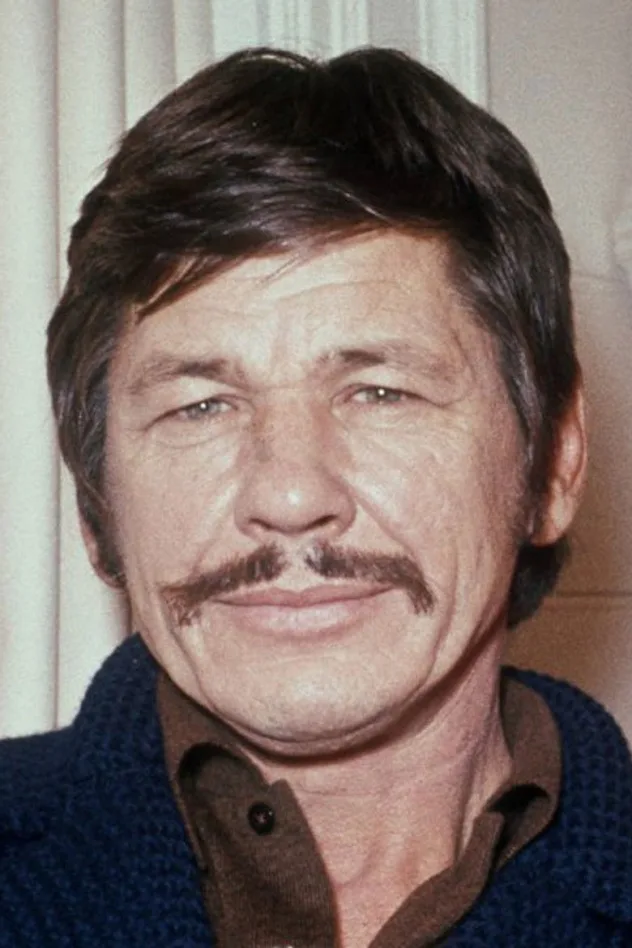
The Death Wish remakes exemplify this problem perfectly. The original film is not only about the cycle of revenge but is also tied to ugly, disturbing urban panic and male helplessness. Charles Bronson's Paul Kersey character embodies the spiritual decay of a man who decides that violence is the only effective language. In contrast, the Bruce Willis version in the remakes turns violence into a clean, organized system of revenge. While the film should create a psychological wound from Paul Kersey becoming a killer, it efficiently directs him towards a genre-appropriate "uplift." This writing problem ignores the character's moral illness and removes all discomfort from revenge.
The original The Taking of Pelham 123 is a fantastic urban thriller because it understands how exciting the procedure can be when it places everyone in a specific position within the mechanism. The kidnapping is rooted in the grim, specific, and low-frequency oddities of New York bureaucracy. Tony Scott's remake transforms the same material into a louder, more provocative star conflict. Although the confrontation between Walter Garber and Ryder seems entertaining in theory, the fundamental sensitivity is lost when the film inflates everything emotionally and stylistically. While the original kidnapping operation gives a tight sense of urban pressure, the remake often feels like a discussion trying too hard to be expensive and tense.
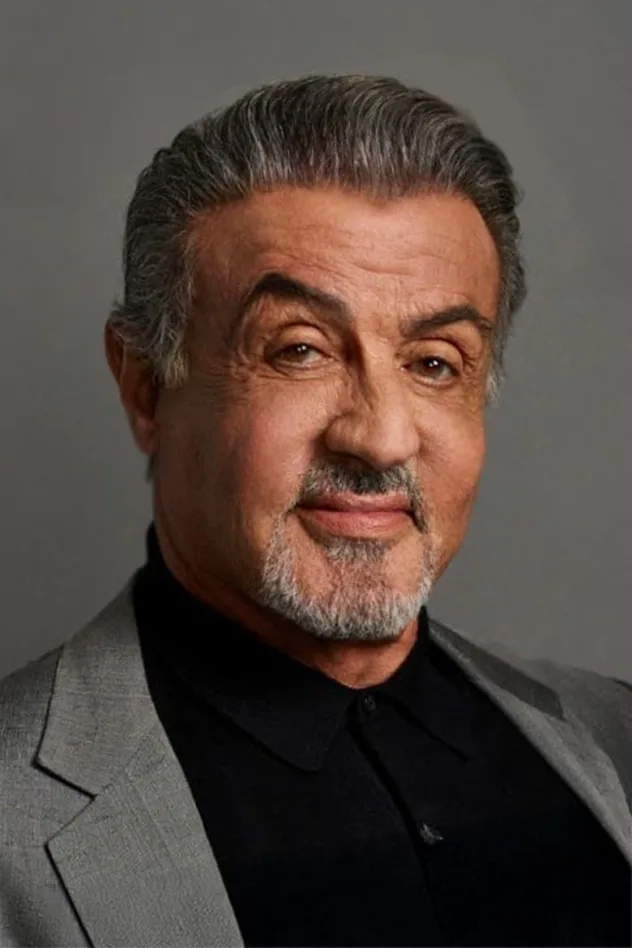
Get Carter remakes have also faced similar failures. The original, with Michael Caine's Jack Carter as a cold, professional, and slippery character, reveals that revenge is not a catharsis but a walk towards ugliness. The Sylvester Stallone version transforms him into a more sympathetic, more accessible, and generally wounded avenger model. While this may seem like emotional depth, it weakens the spine of the story. Stallone's charisma is not the issue; rather, the screenplay tries to give him a nobility that the material must resist.
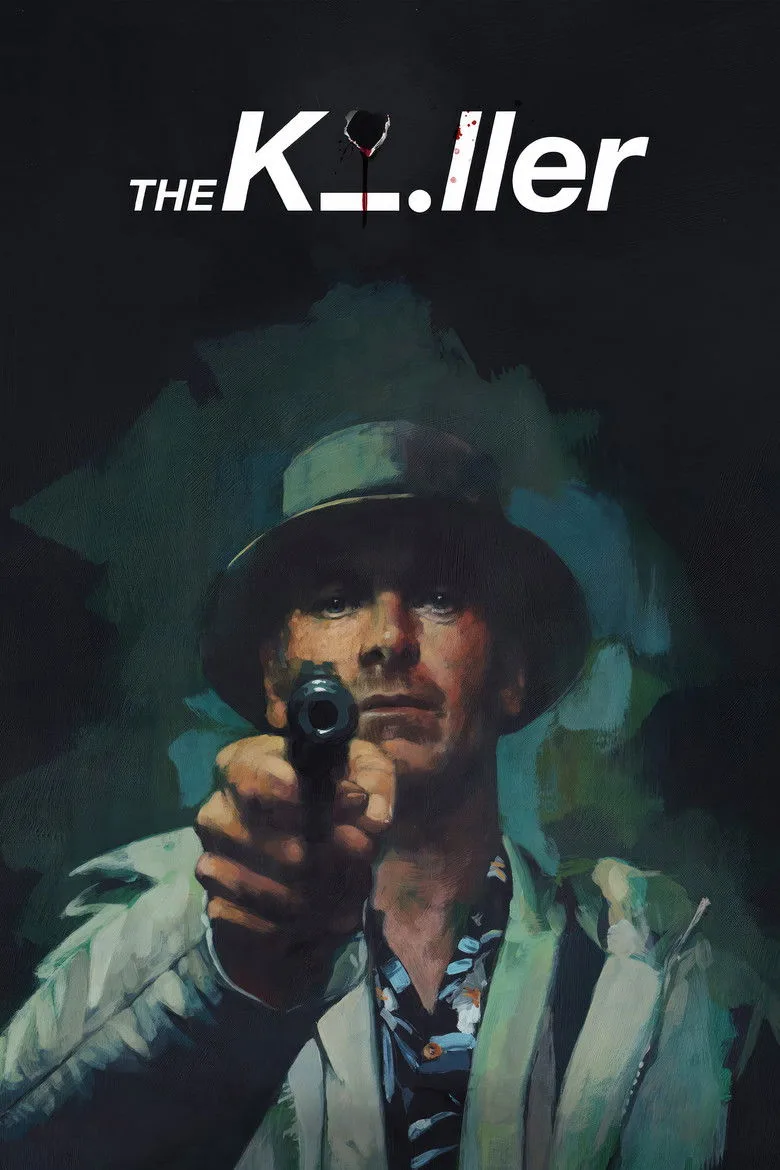
John Woo's original The Killer is not an action film but an action-melodrama. It tells an emotional story filled with culture, guilt, Catholic pain, impossible friendship, and gunfire. You cannot simply remake The Killer by retaining the mission, assassin, witness, and shootouts. The whole point is the tragic romanticism that envelops the violence. Remakes often tend to overlook this depth, reducing it to formulaic action stories.
In conclusion, the common thread among failed action remakes is their inability to understand that the original films stood out not just for their battle scenes but also for their intellectual identity, dialogue, and characteristic philosophy. True success lies not in preserving the surface action elements but in maintaining the meaning and emotional depth they carry.

 Netflix's 5-Part Sci-Fi Series Had A Near-Perfect First Season
 Demon Slayer X Berserk Crossover Teased
 New Epic Fantasy Movie Based On Disney's Greatest Classics Magically Climbs To #1 On Streaming Charts
 Taylor Sheridan’s Hit Spy Thriller Returns With Its Deadliest Mission Yet
 6 Ways Steven Spielberg Has Changed The Film Industry Forever
 Alan Ritchson's #1 Sci-Fi Thriller On Netflix Is Reacher Turned Up To 11
 Joe Caldwell Dies: ‘Dark Shadows’ Writer Who Co-Created Reluctant, Enduring Vampire Barnabas Collins Was 97
 Kartik Aaryan, Mammootty, Yami Gautam Take Top Acting Honors as ‘Article 370’ Wins Best Feature at India’s National Film Awards
 Julianne Moore's 6 Best Movie Masterpieces, Ranked
 Batman Officially Returns With a New 10-Part Release This Month