Ex Machina, the Best Sci-Fi Film of 2014, is Leaving HBO Max
Collider
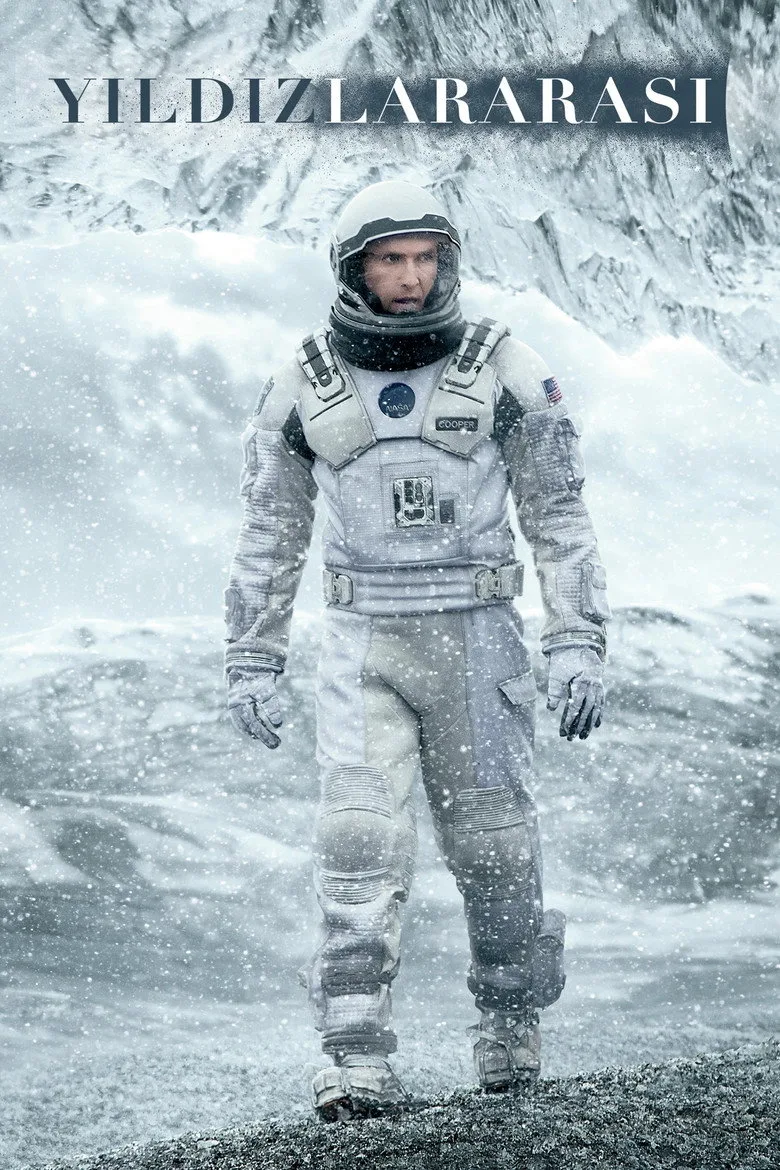
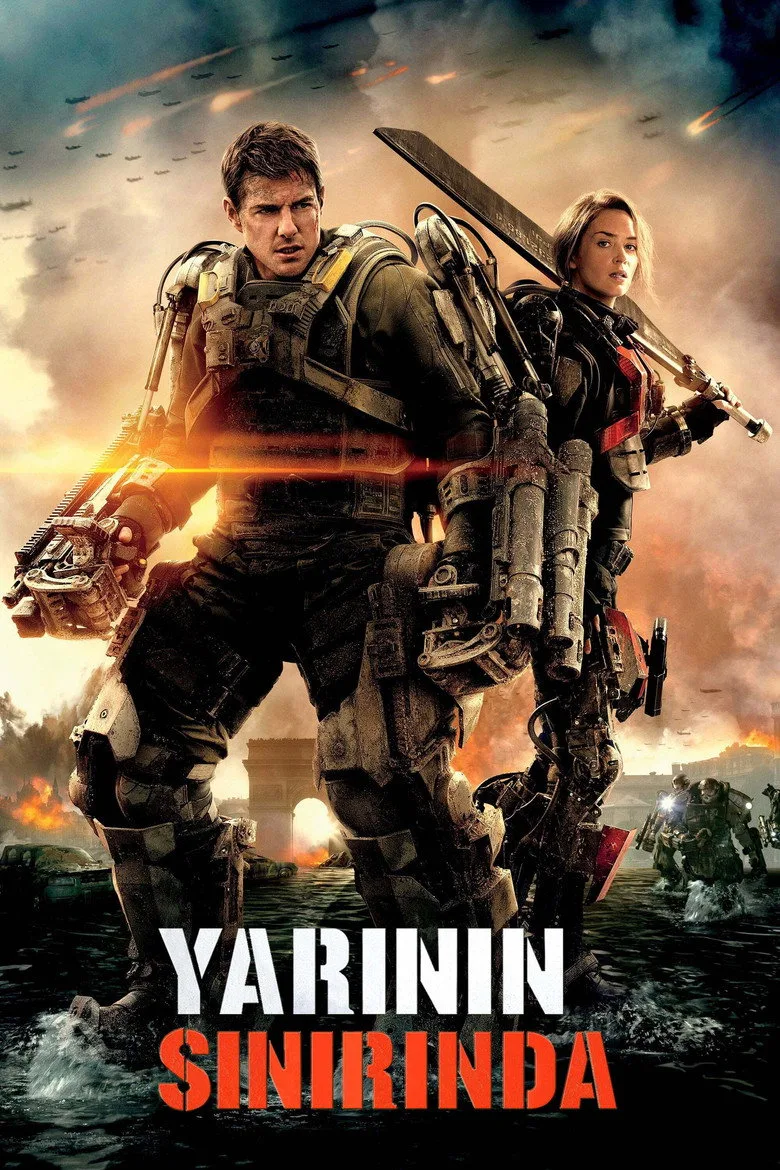
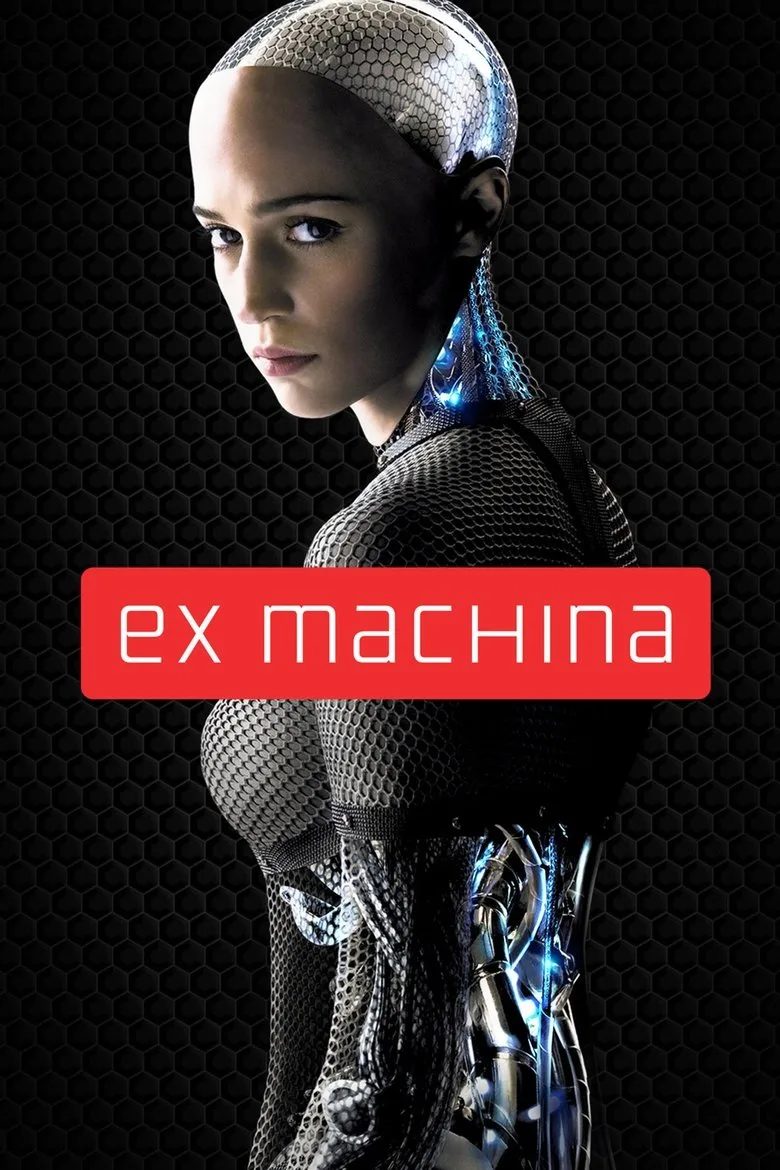
In 2014, during a time when monumental sci-fi films like Christopher Nolan's Interstellar and Tom Cruise's instant classic Edge of Tomorrow were on display, there was also a quietly successful film that gained increasing status over the next decade. Directed by Alex Garland, Ex Machina was made with a sharp budget difference compared to the approximately $160 million budgets of Interstellar and Edge of Tomorrow, and it marked the beginning of an efficient studio-director collaboration. The studio and director continue to work together today, with their latest project recently entering production in the UK.
Ex Machina remains surprisingly relevant today. In fact, considering the themes of artificial intelligence and technocrats ruling the world, the film may be even more pertinent now than it was in 2014. The story follows a programmer who is invited by a reclusive CEO to test an AI-powered humanoid robot. Oscar Isaac plays the CEO, Domhnall Gleeson portrays the programmer as the audience's representative, and Alicia Vikander stars as the robot.
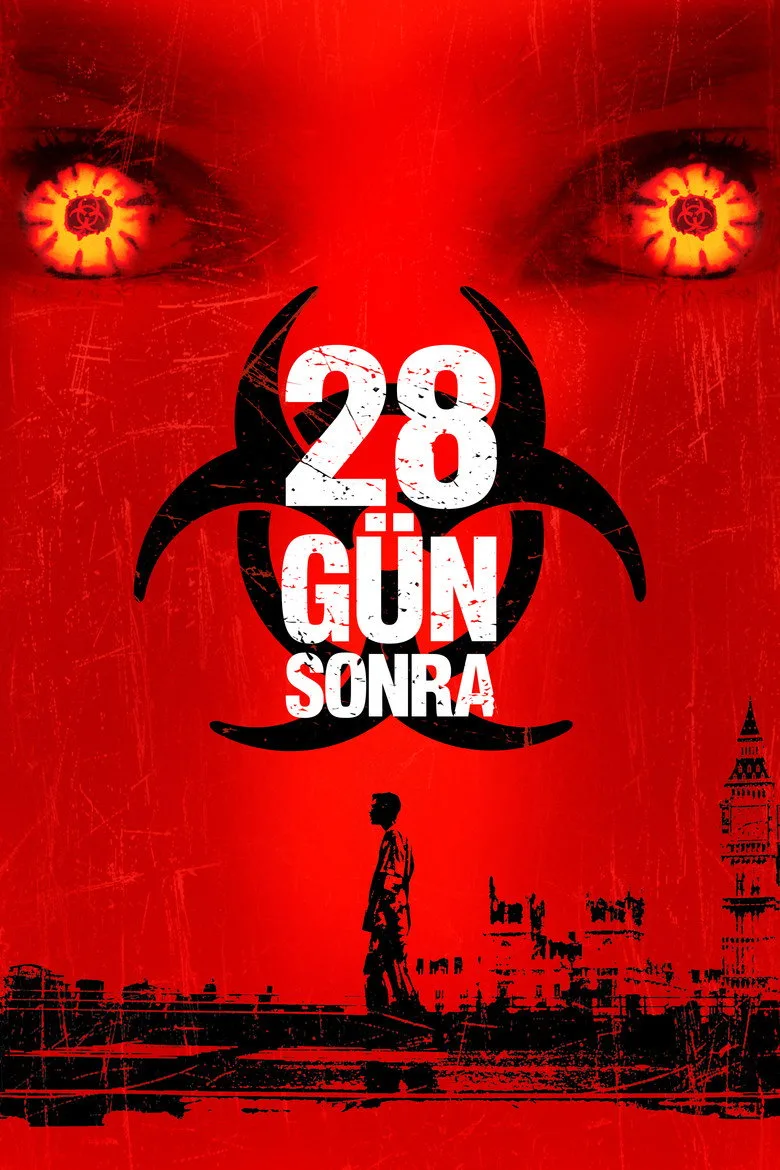
Garland had previously made a name for himself as a writer on Danny Boyle's 28 Days Later and Sunshine, as well as working on the lesser-known sci-fi film Never Let Me Go. Ex Machina is his directorial debut, distributed by A24. The film grossed $37 million worldwide, with a reported production budget of $15 million. It received an Oscar nomination for Best Visual Effects and achieved a 92% rating with "Certified Fresh" status on Rotten Tomatoes.
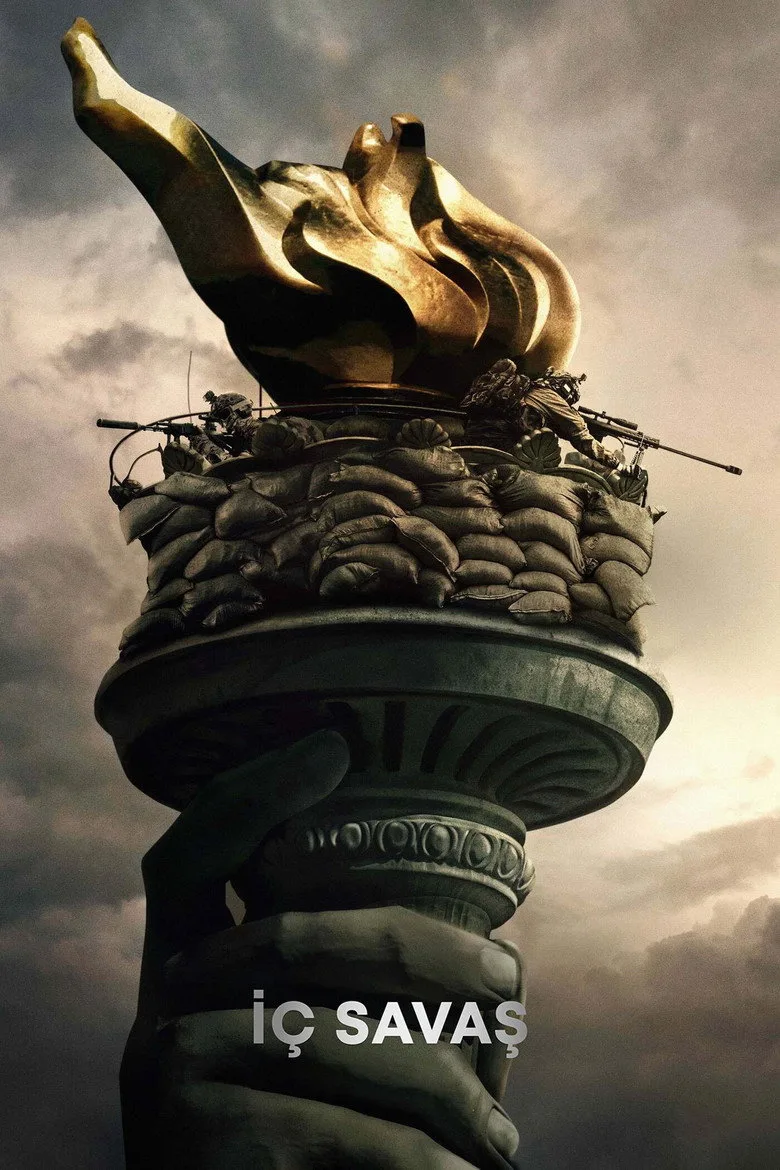
The consensus among critics on Rotten Tomatoes is: "Ex Machina leans more towards ideas than effects, but it is still a visually polished and extraordinarily engaging sci-fi film." Following this success, Garland has directed a series of genre films for A24, including the controversial horror film Men, the dystopian thriller Civil War, the anti-war thriller Warfare, and the upcoming adaptation of the Elden Ring video game.
Ex Machina will be removed from HBO Max on May 1. Continue to follow Collider for more news updates.

 Manosphere Influencers Andrew Tate & Brother Tristan Arrested In Miami In Connection To Sexual Offense Charges In The UK, Report
 ‘The Odyssey’s Tom Holland On Why He “Could Relax” After Robert Pattinson Casting: “You’re So Good At Being A Dickhead”
 Andrew Tate and Brother Tristan Arrested in Miami
 ‘Mexodus’ Review: The Underground Railroad Runs South to Mexico in a Pasadena Playhouse Musical That Feels as Spirited as a Two-Man ‘Hamilton’
 Christopher Nolan Says It Will Be ‘At Least’ Three Years Until He Makes Another Movie After ‘The Odyssey’ Pushed the ‘Limits of My Own Stamina’
 ‘Manhunter: The Final Cut’ Shows Why Director’s Cuts Are Almost Never an Improvement. But It’s Still the Greatest Thriller of Our Time
 Forget ‘Reacher,’ Prime Video’s Elite Spy Thriller Just Crushed a Massive Streaming Milestone
 BAFTA Student Award Winners Include Young Filmmakers From Spain, France, China and America
 2 Years Later, Liam Neeson's Brutal Revenge Thriller Becomes a Must-Watch on Netflix
 10 Greatest Grand Theft Auto Video Games