The Top 10 Crime Films of the 20th Century: Masterpieces of Cinema History
Collider
While the cinemas of the 20th century have been defined by many genres, the crime drama genre has garnered the greatest audience appreciation, critical acclaim, and cultural impact from start to finish. From the noir masterpieces of the 1930s to the psychological thrillers of the 1990s, the universal admiration for these crime films, known for their internal and external successes, has left a mark on cinema history. Through directorial innovations, bold storytelling, thematic intensity, and the management of violence ratings, crime cinema has become one of the most captivating and challenging genres.
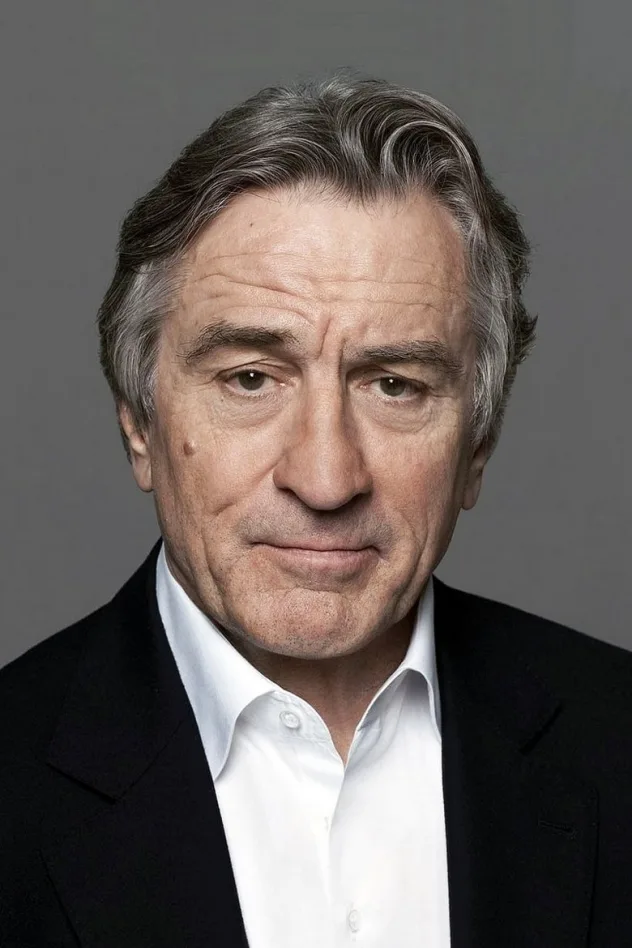
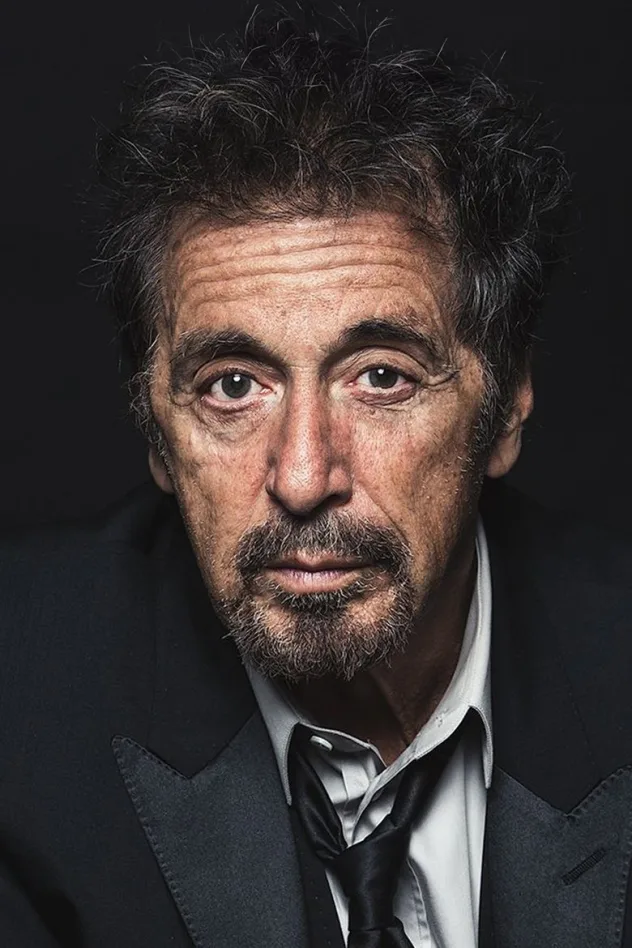
Heat, directed by Michael Mann, is a monumental 170-minute production that combines the character drama of crime cinema with some of the most impressive action scenes in film history. As the film follows bank robber Neil McCauley (Robert De Niro) and the police captain Vincent Hanna (Al Pacino) who is on his tail, it presents them as deeply flawed individuals working with professional obsession, without recognizing any moral boundaries between police and criminals, creating a rich conflict of relationships and philosophies. The presence of De Niro and Pacino in the same film has instantly iconized it, and the film's grandiose spectacle, realistic intensity, and ability to absorb drama continue to captivate audiences.
The Maltese Falcon emerged by igniting the spark of film noir classics that stormed Hollywood throughout the 1940s and remains unmatched in style and visuality despite many imitations. Adapted from Dashiell Hammett's novel of the same name, the film tells the story of private detective Sam Spade (Humphrey Bogart) as he gets drawn into a deceptive web surrounded by a valuable statue in a suspicious criminal environment, showcasing a tale of greed and desperation through impressive performances and surprising editing.
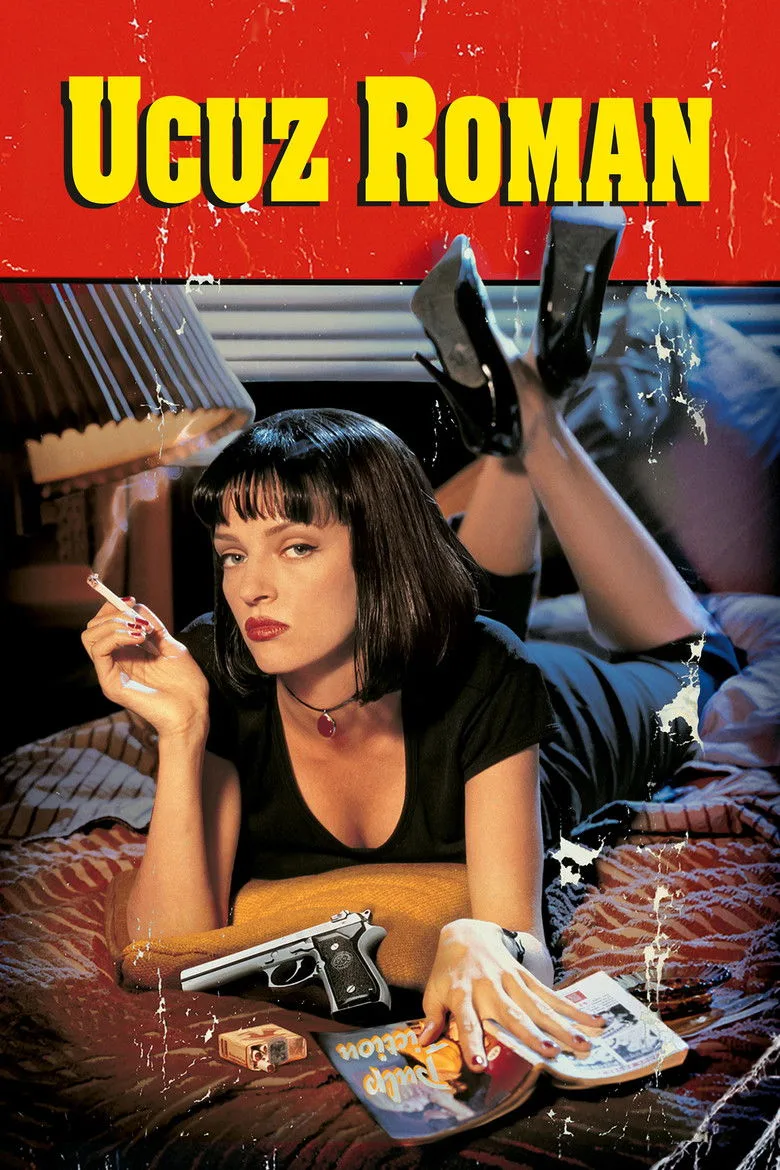
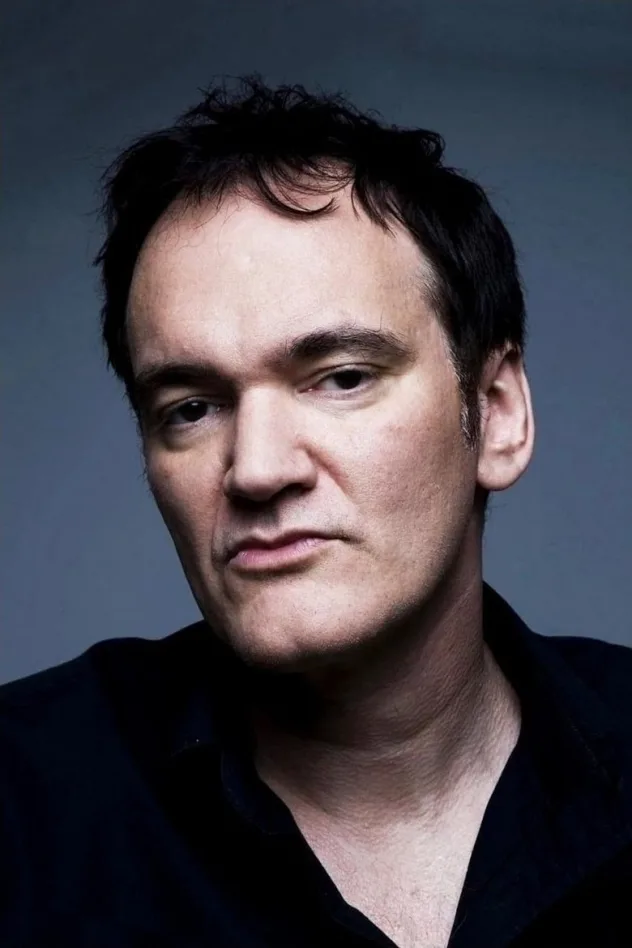
Quentin Tarantino's classic Pulp Fiction defines the independent counterculture movement of the 1990s with its iconic dialogues and thoughtless combination of ultra-violence. Its illegal non-linear narrative structure intertwines the lives of several criminals in Los Angeles through wild and often deadly coincidences, keeping audiences engaged for 149 minutes. Its impact on popular culture and cinematic trends is evident, making it one of the most significant defining works of its decade.
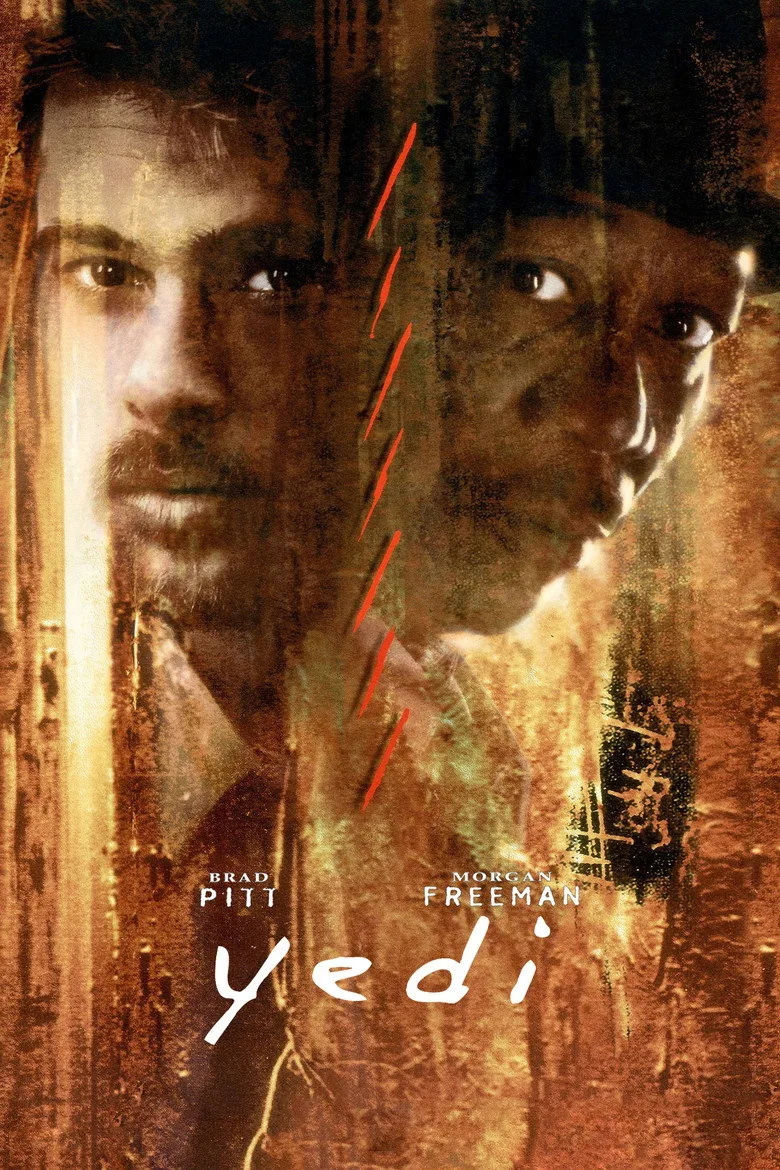
Se7en, directed by David Fincher, is a magnificent example that turns atmospheric intensity into the greatest advantage in crime mystery thrillers. The film creates a sense of moral decay using every tool at its disposal, from the rain-soaked environment and green and shadowy palettes to the urban setting that feels constricting for the main characters. Andrew Kevin Walker's tightly woven script follows two detectives as they investigate a serial killer inspired by the seven deadly sins. Se7en combines traditional neo-noir elements with the idea of horror, simmering with tension throughout its runtime and burning within a pressurized environment that grips audiences until its unforgettable conclusion.
 Star Wars Fans Think They’ve Spotted A Brand-New Sith In New Trailer
 The Landmark Western Quentin Tarantino Called “Ugly” Is Streaming for Free
 10 Years Later, Tom Hardy's Brutal Western Thriller Is Officially Taking Over Streaming
 Steam Makes 3 Huge Games Completely Free For 24 Hours
 It's the End of an Era for This Cult Sci-Fi Thriller on Paramount+
 Wolverine’s Newest Love Interest Is Already Dividing Fans
 Pokémon Winds & Waves' Latest Leak Is Its Biggest Yet
 MIFFest Opens Ninth Edition in Kuala Lumpur, Earns ASEAN Records Recognition
 Baldur's Gate 3 Gets Official New Release For July 2026
 Freddy Cannon, Rock and Roller Behind Hits “Palisades Park” and “Tallahassee Lassie,” Dies at 89