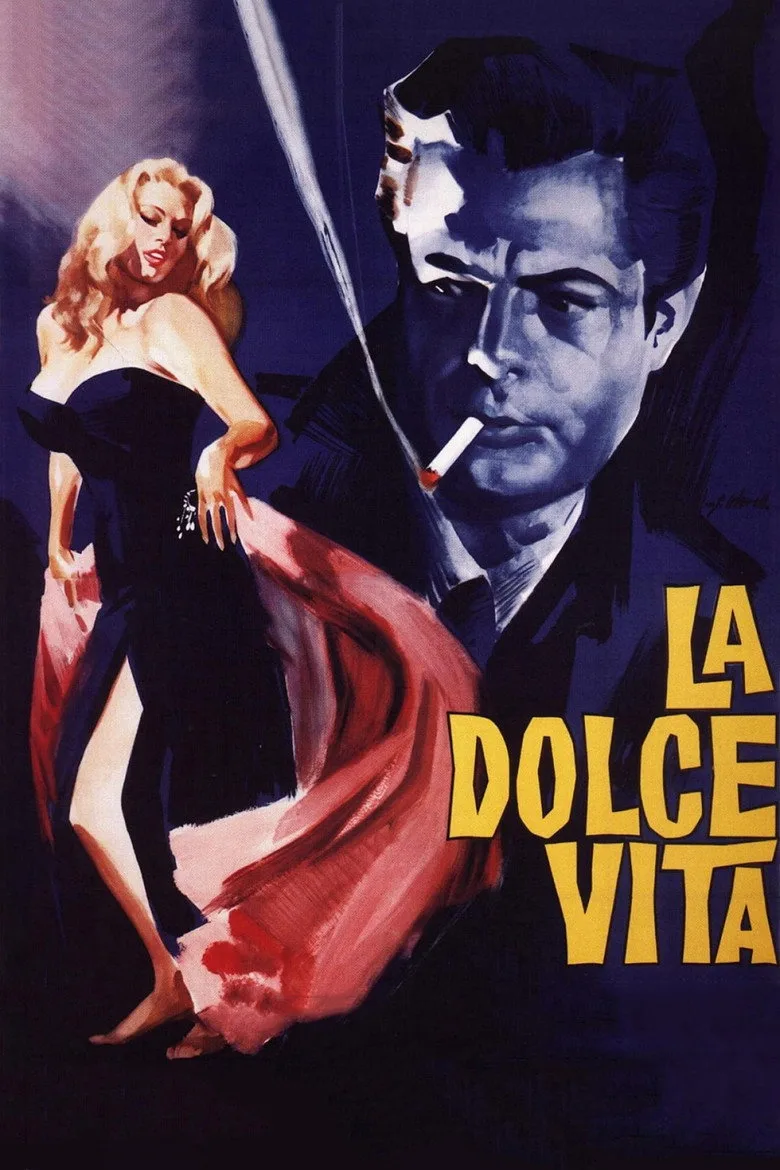
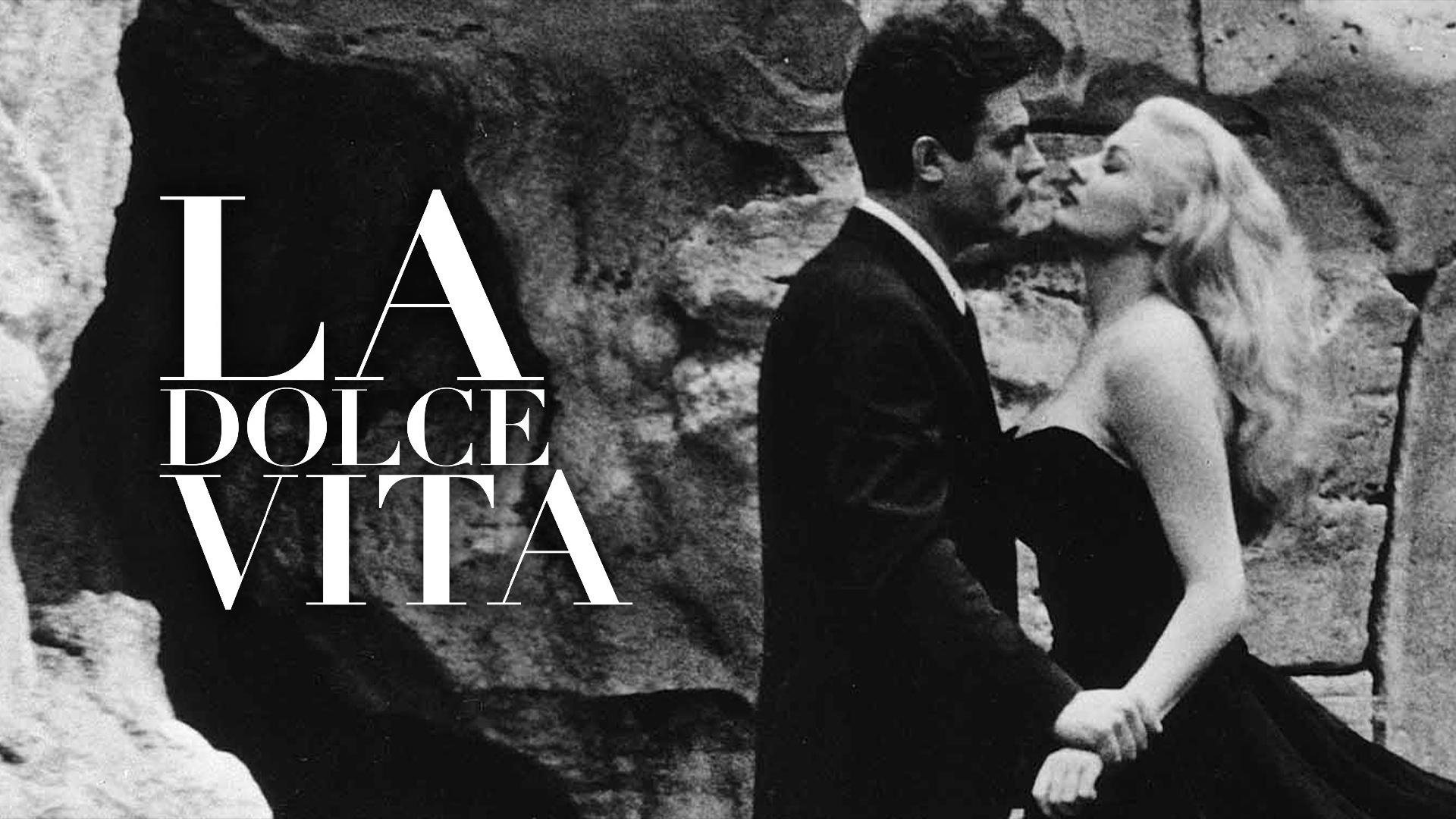
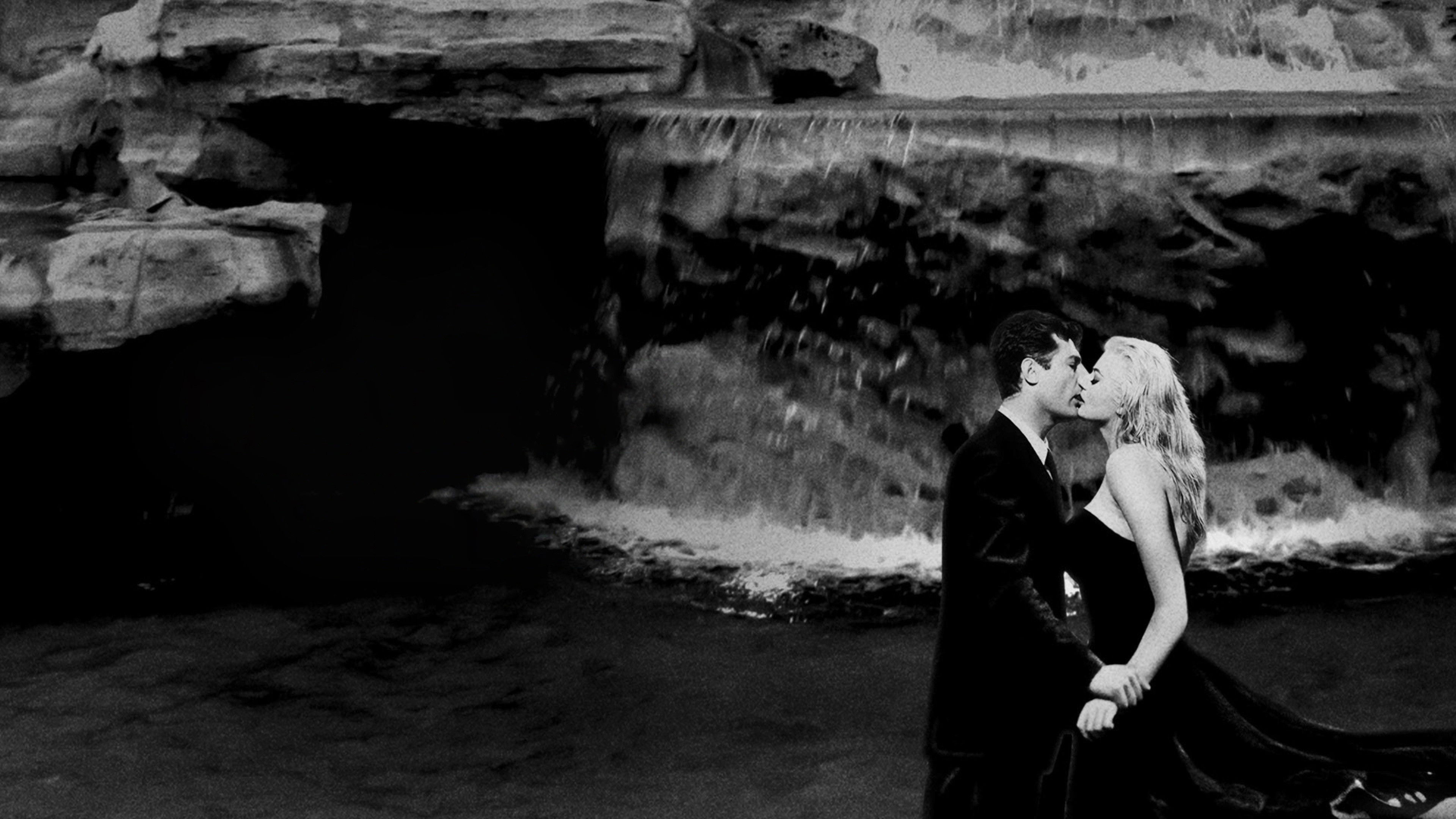
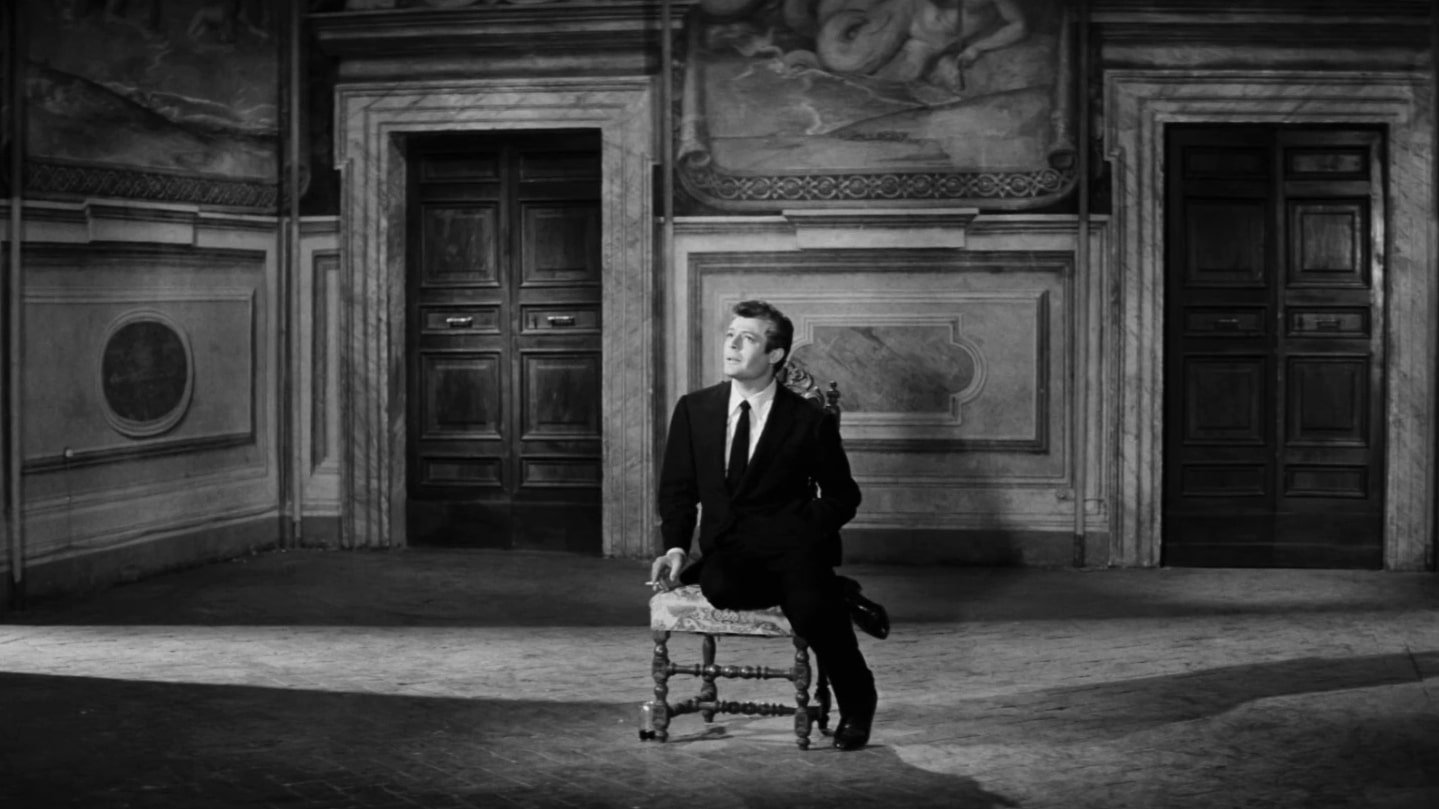
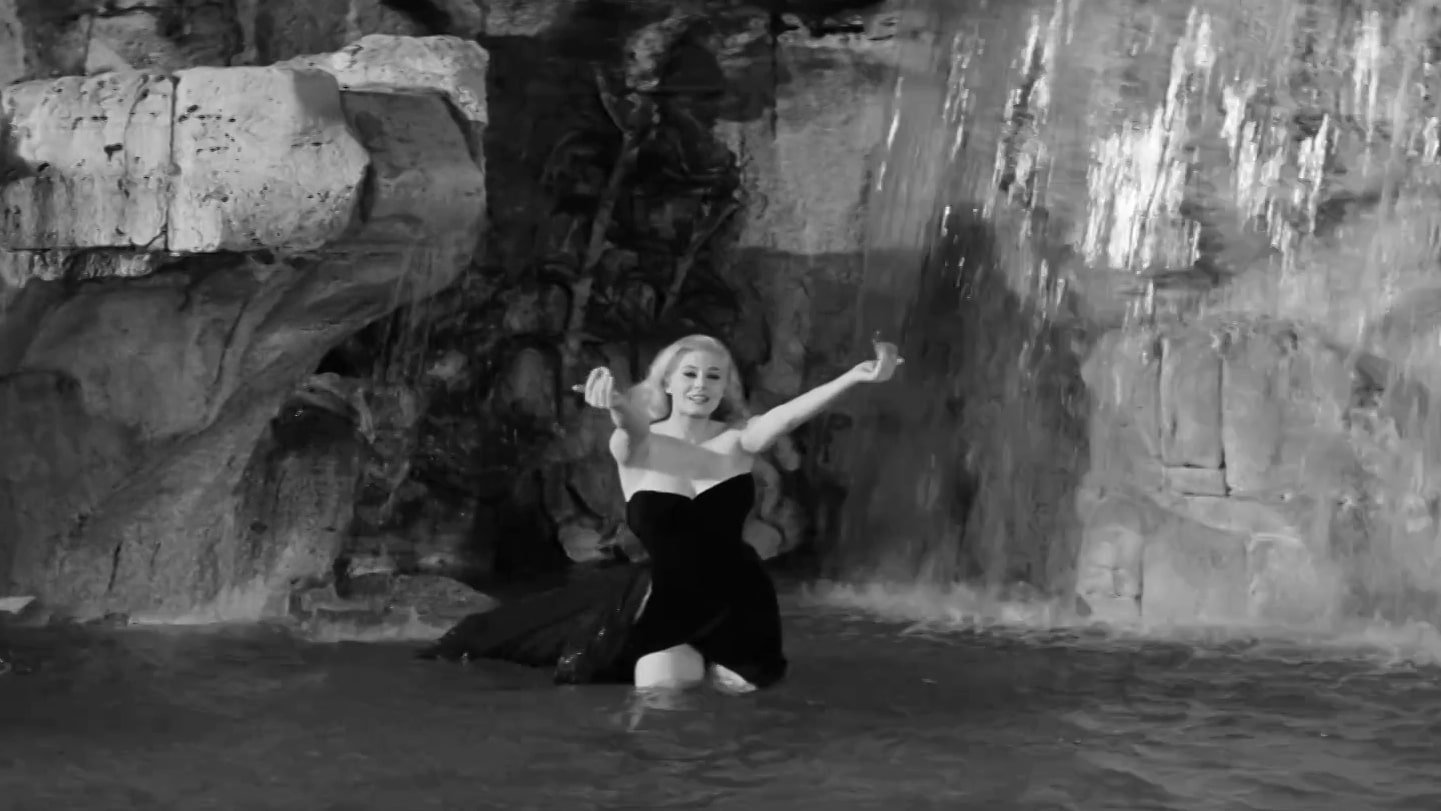
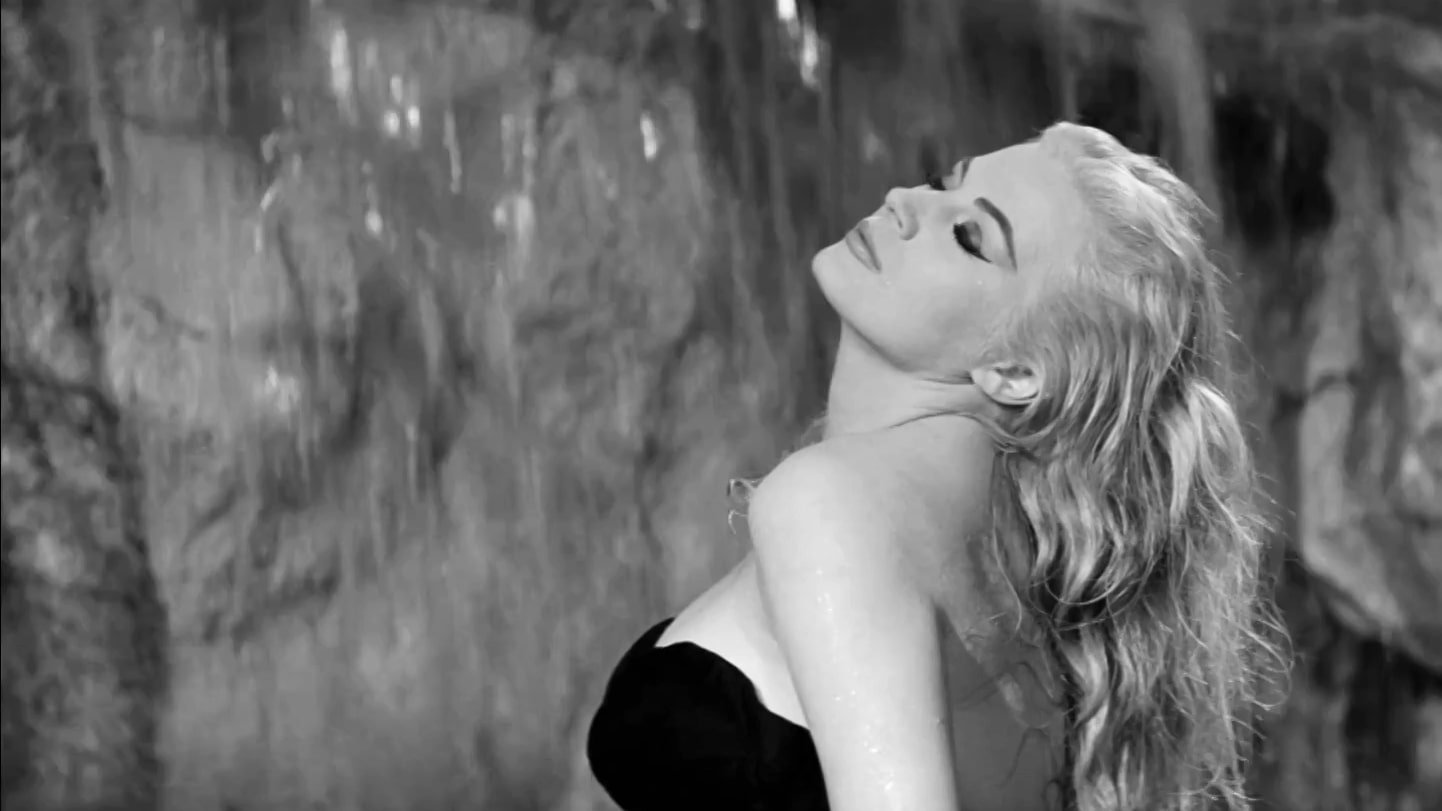
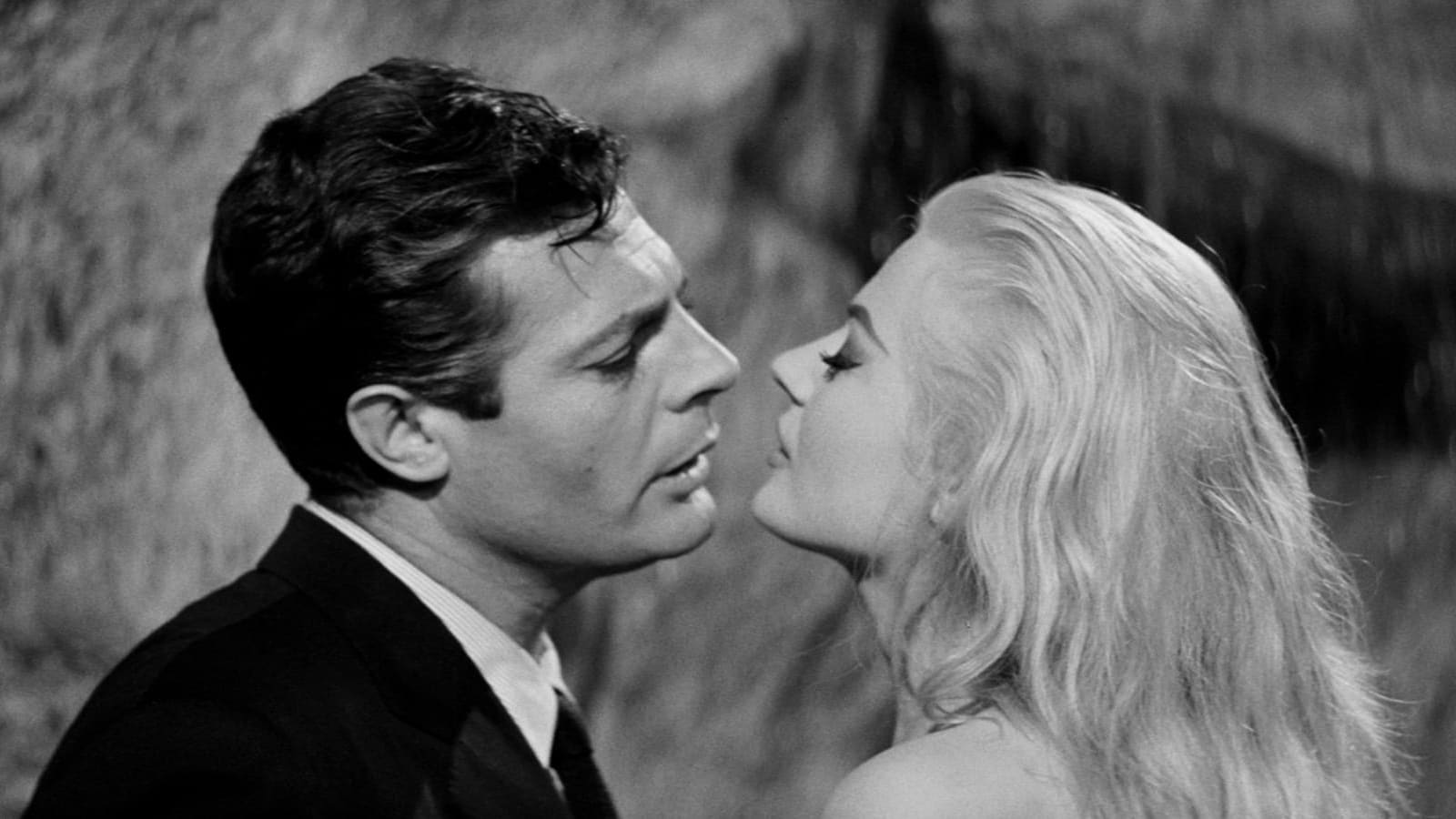
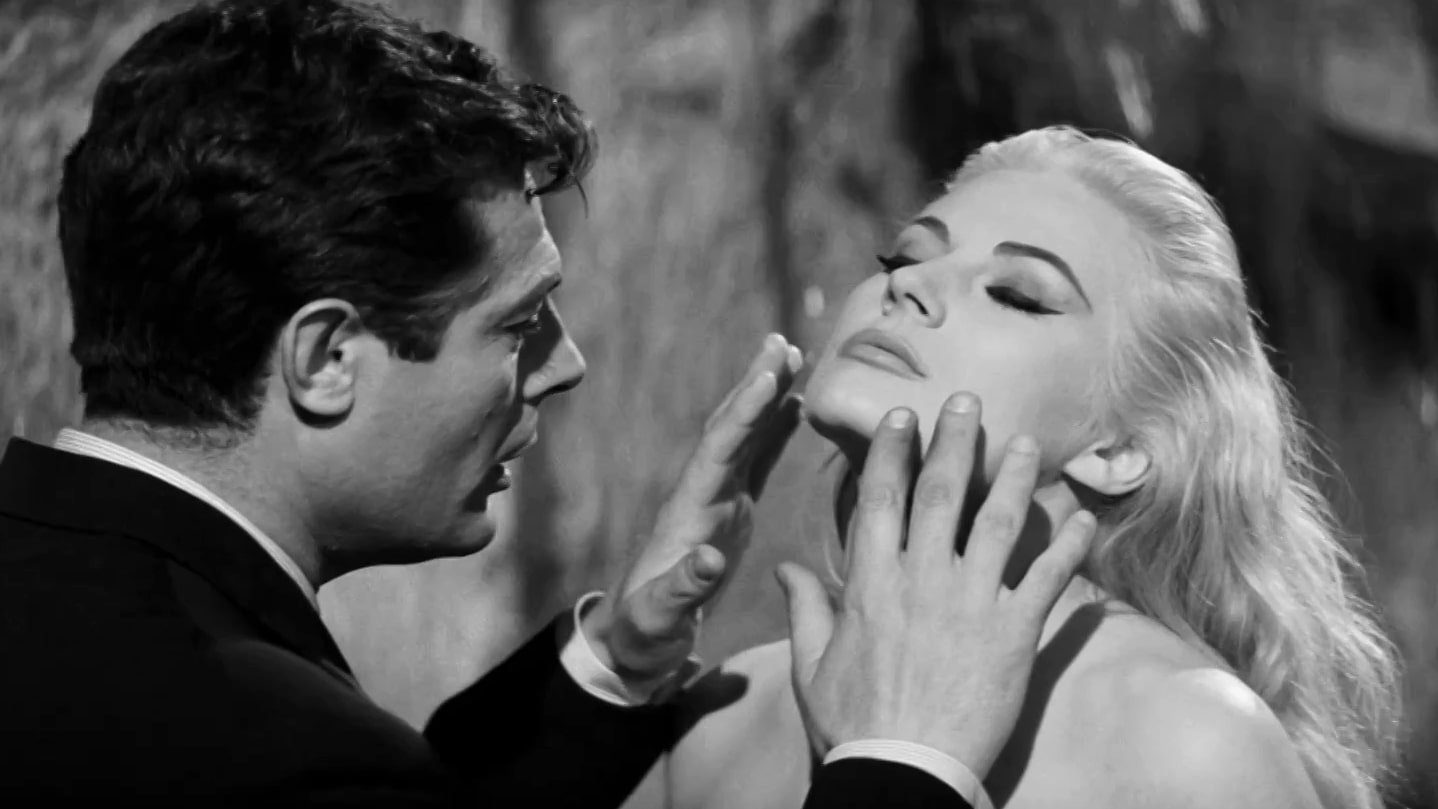
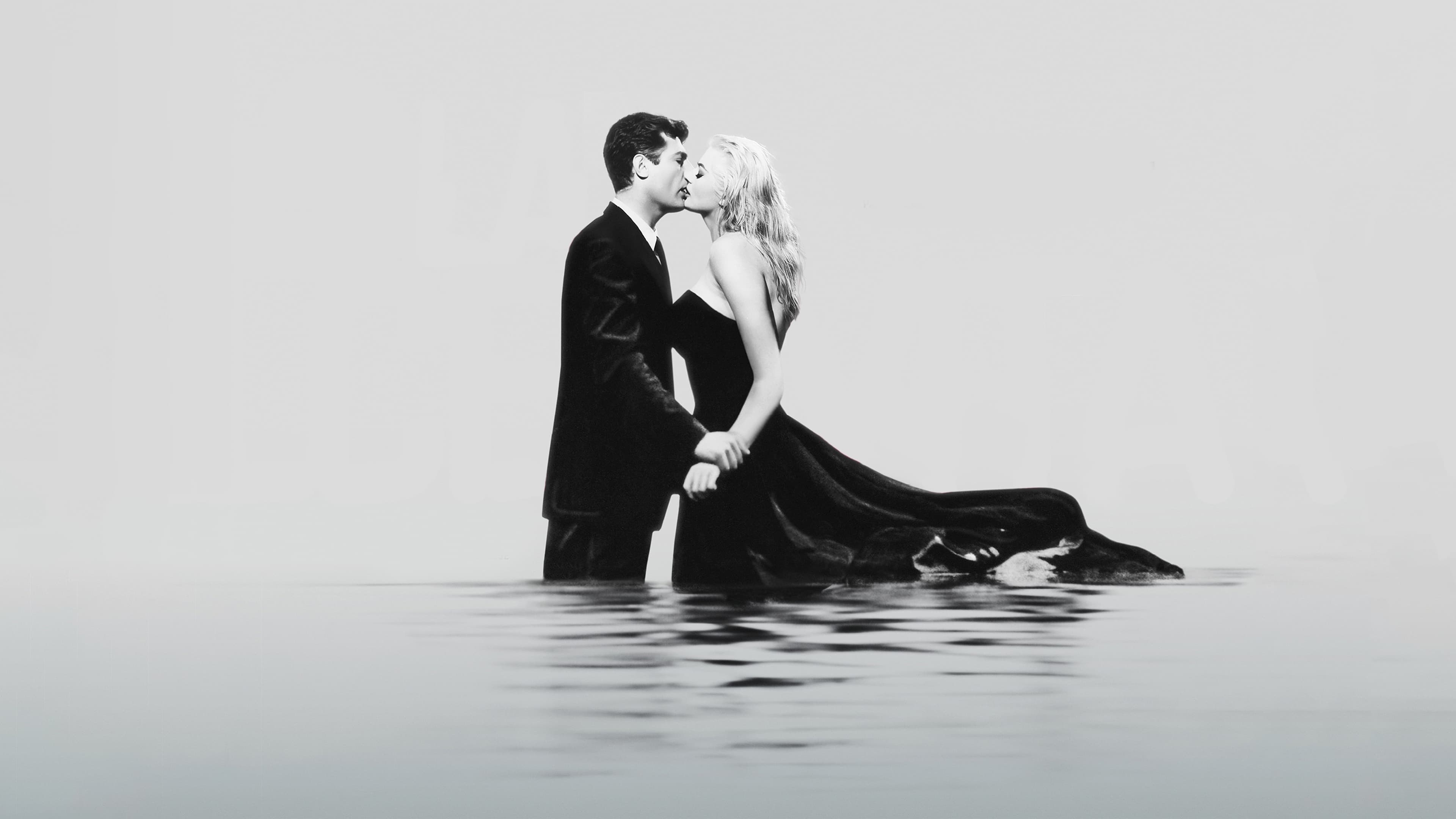
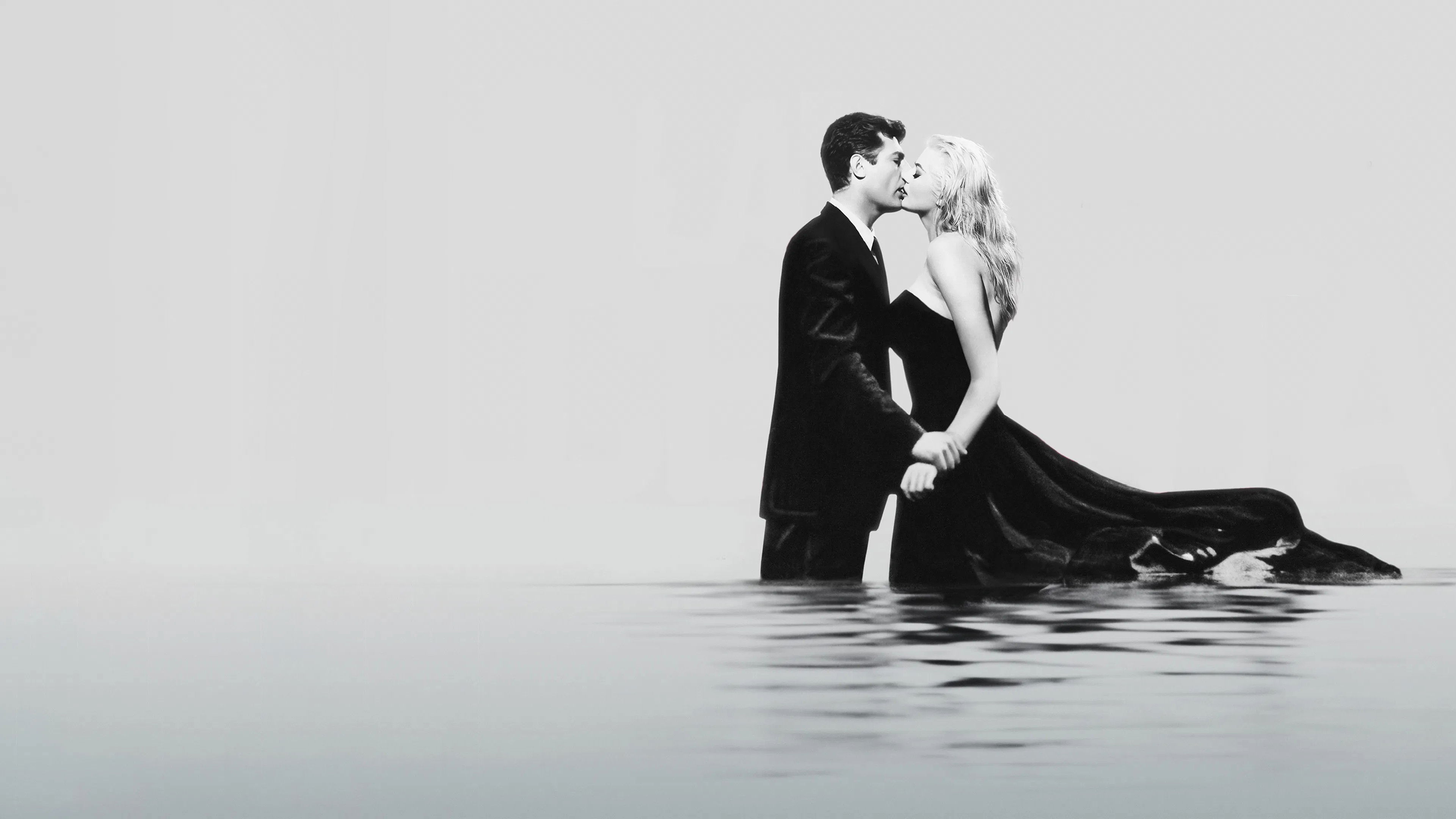
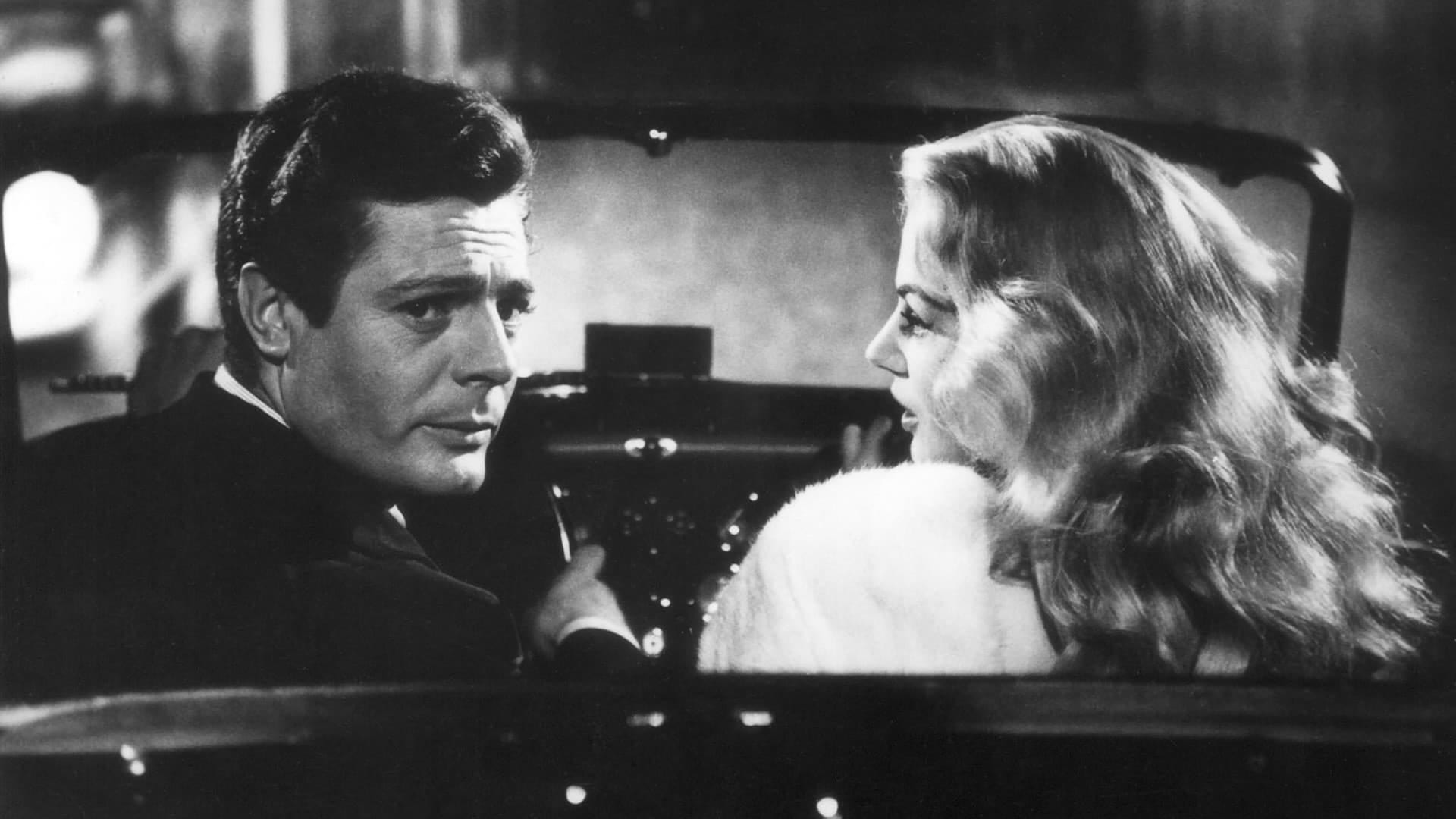
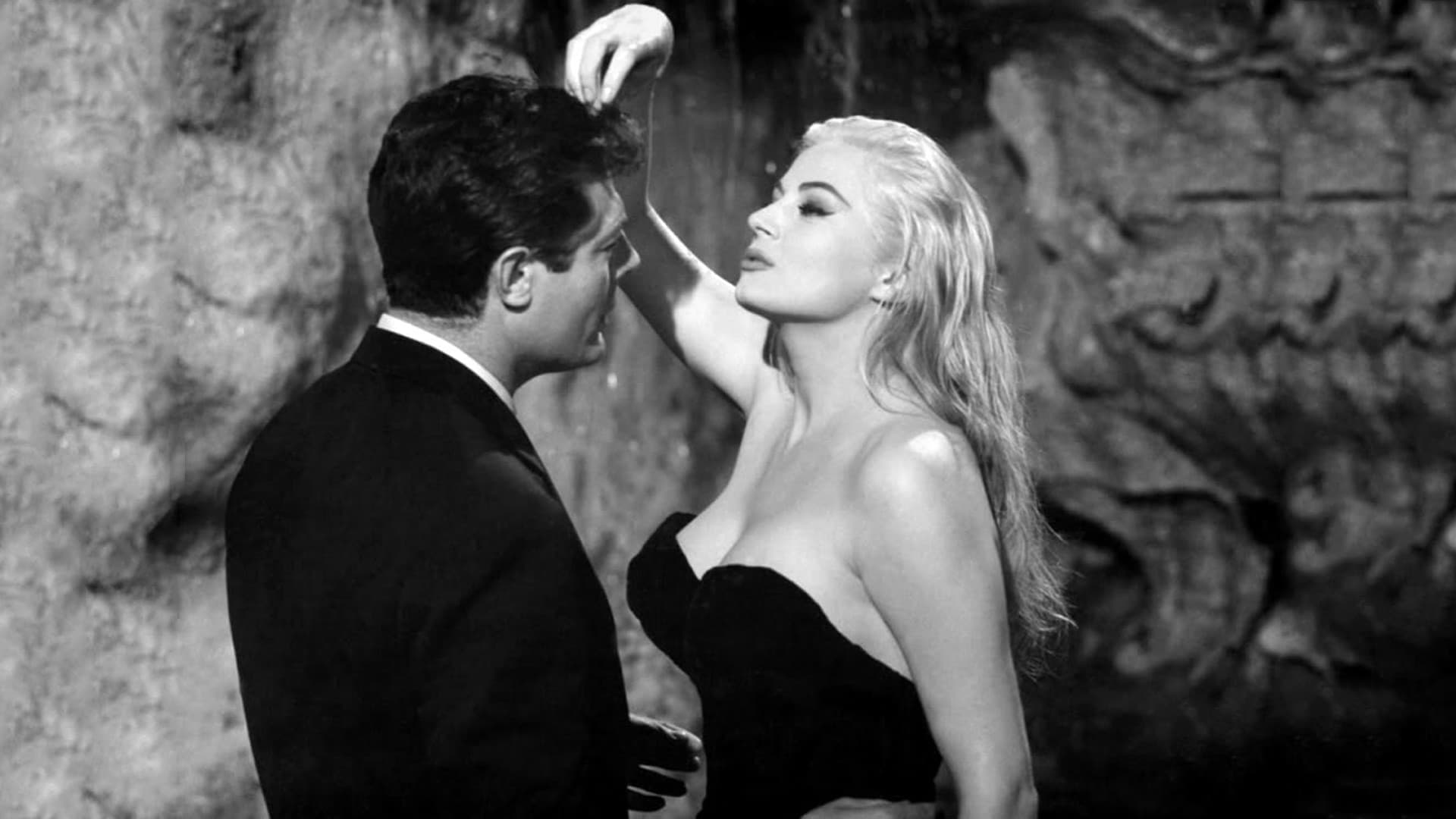
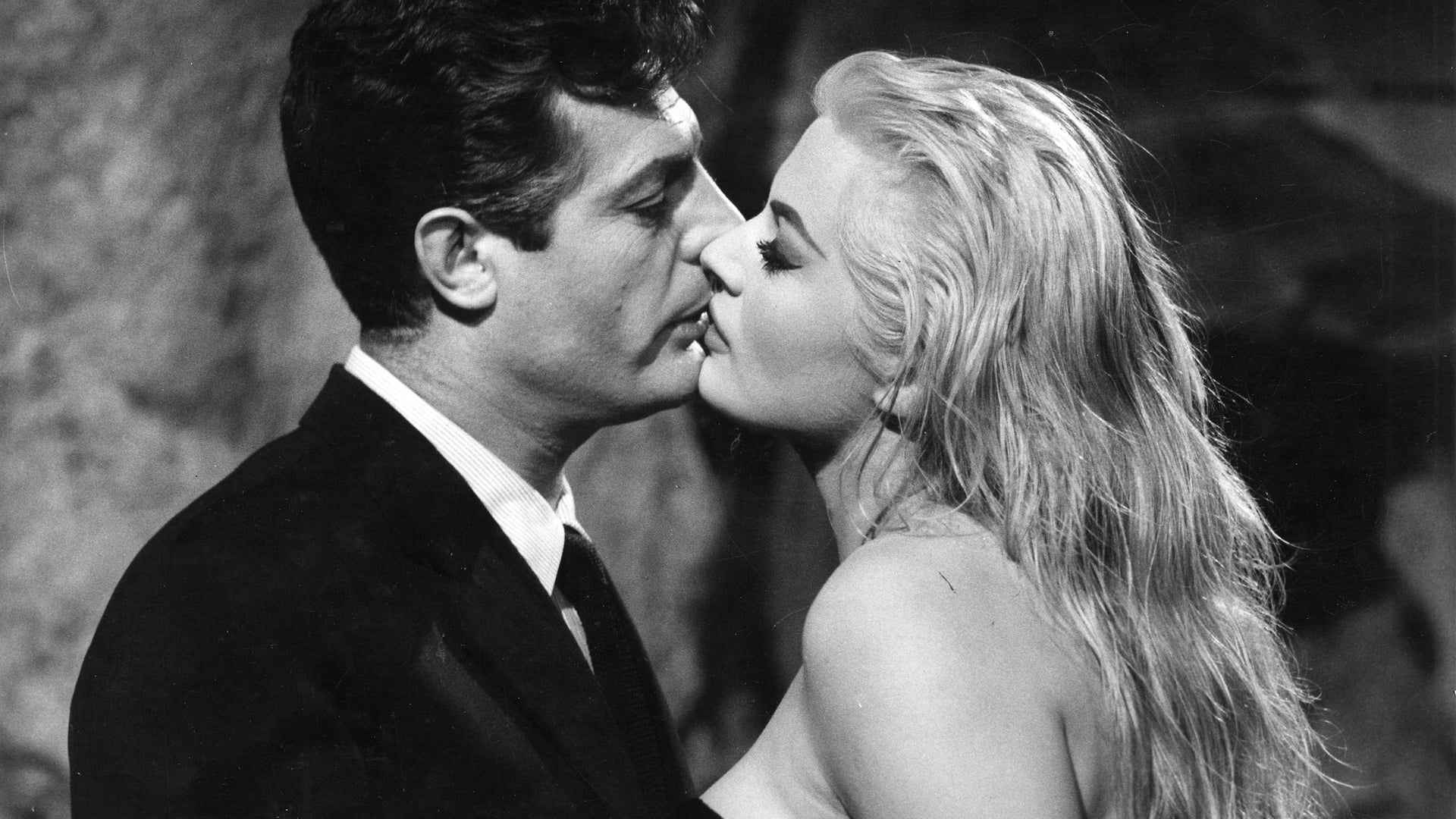
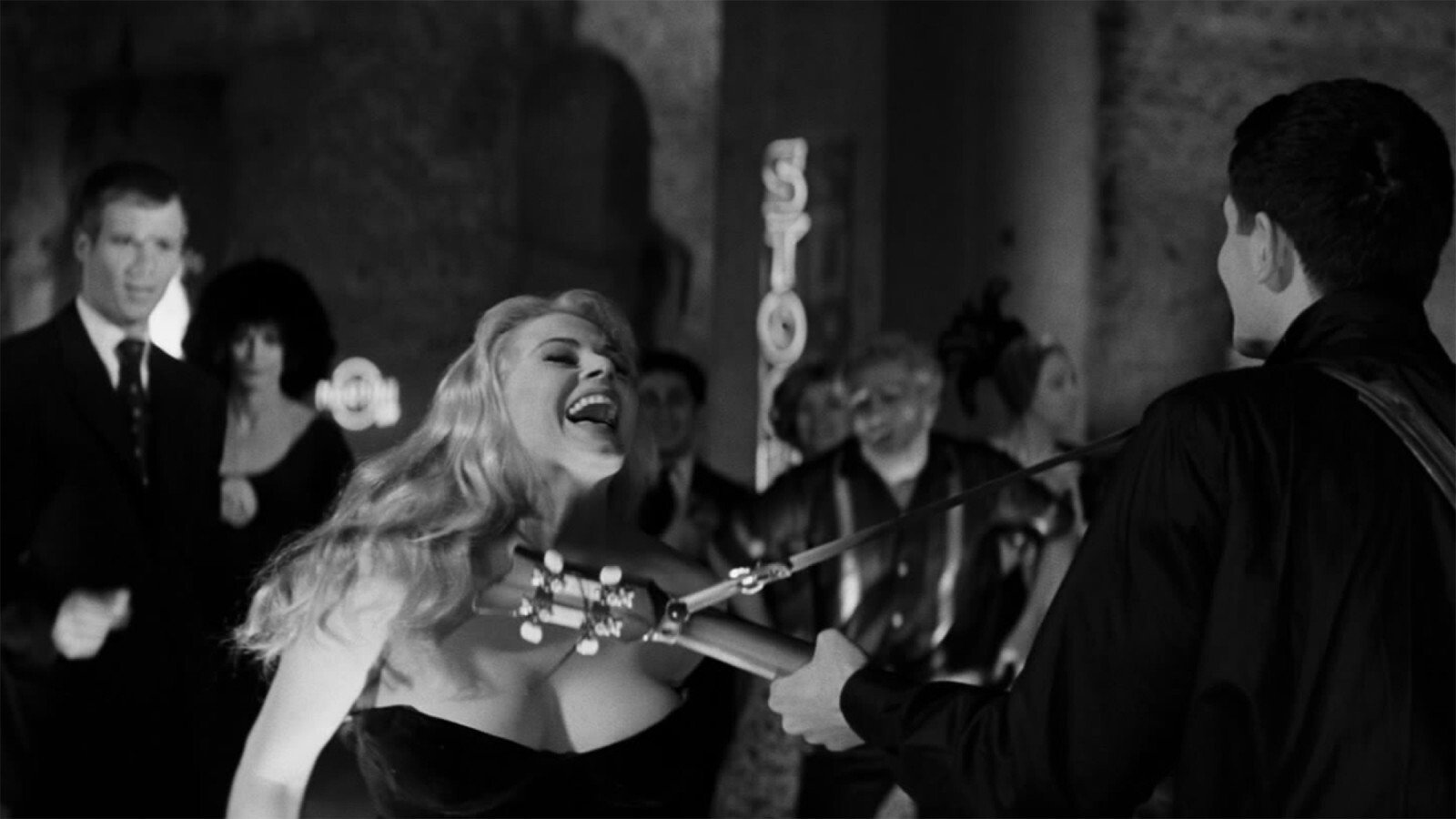
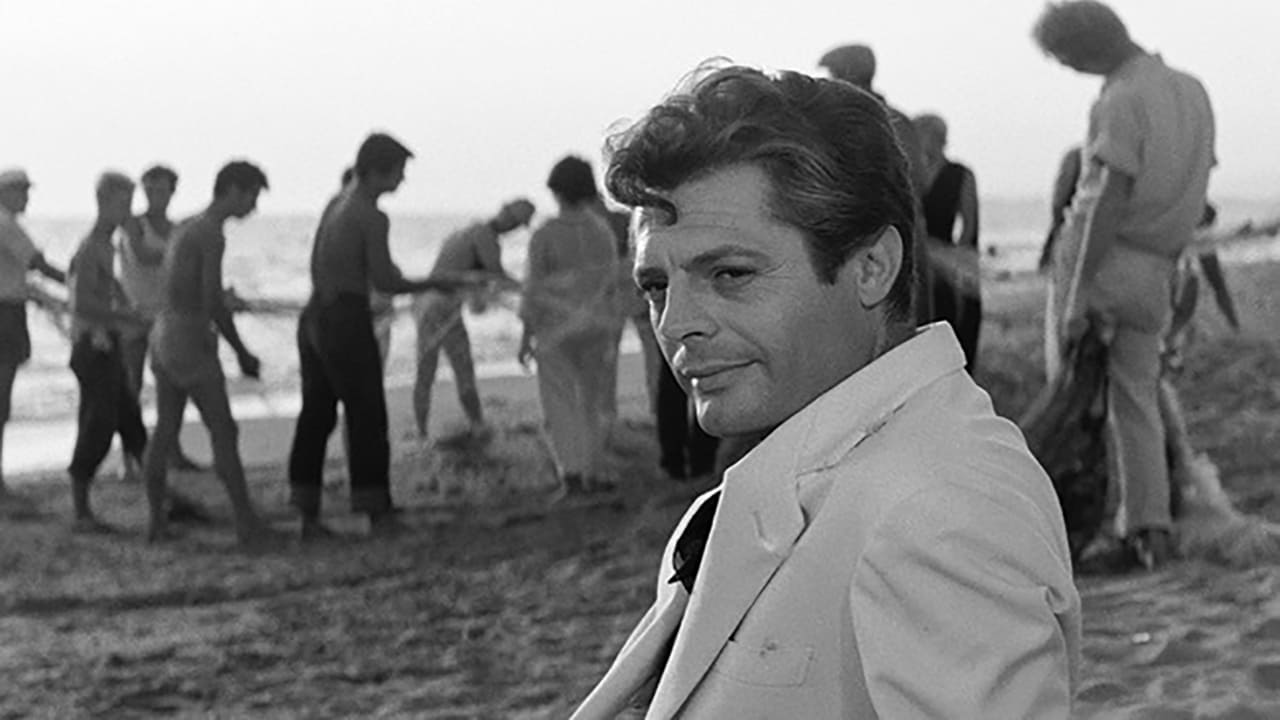
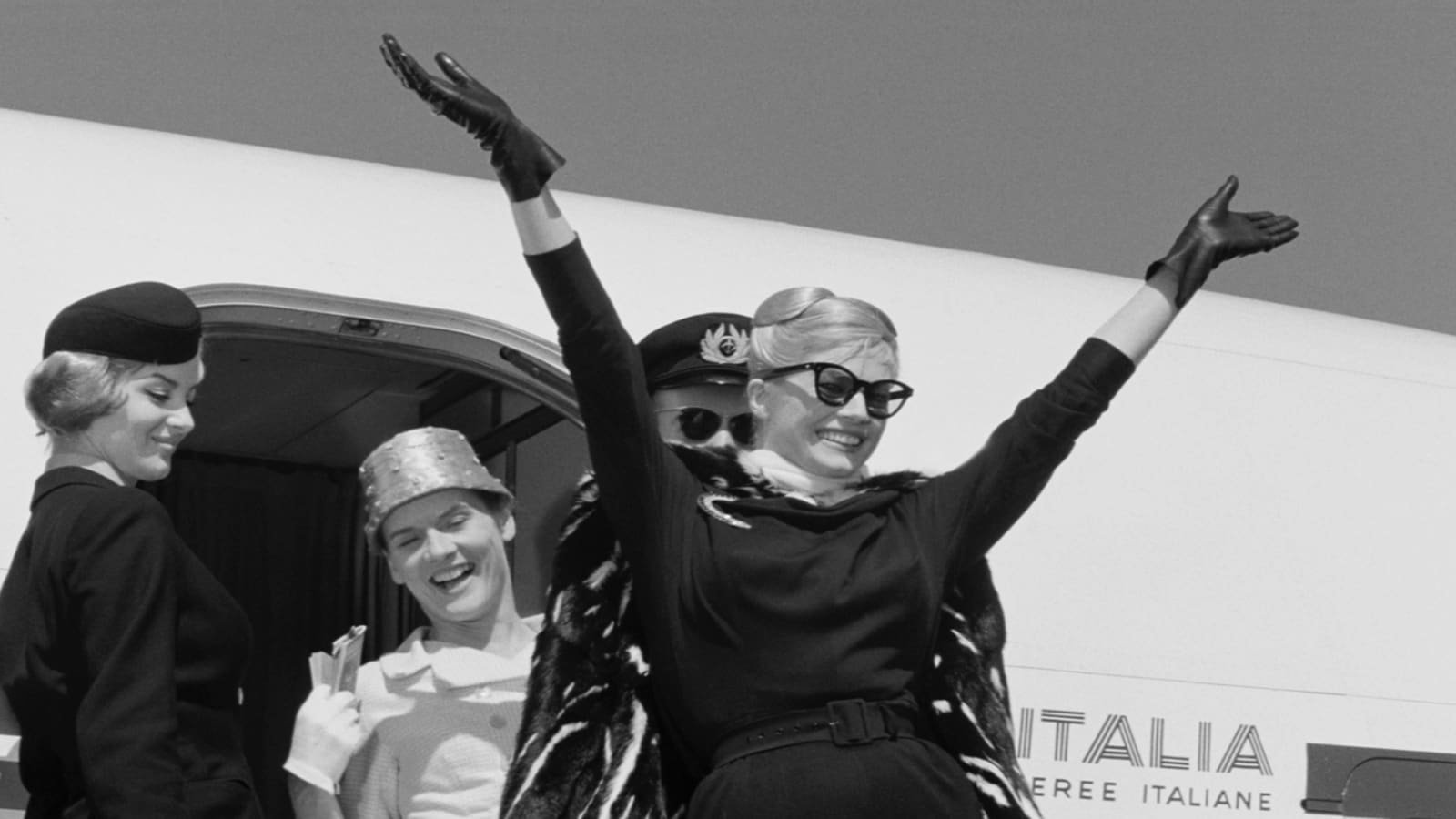
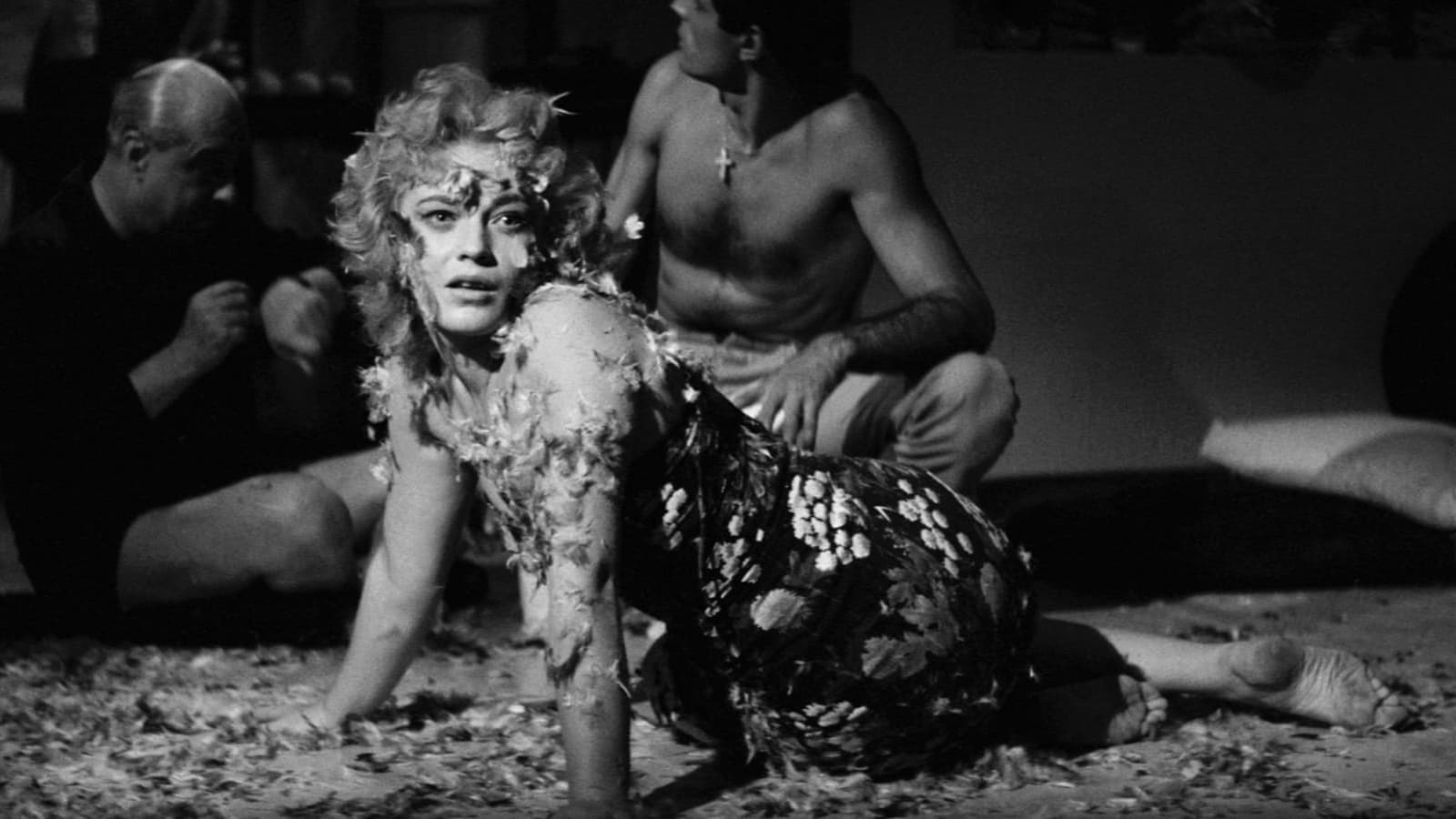
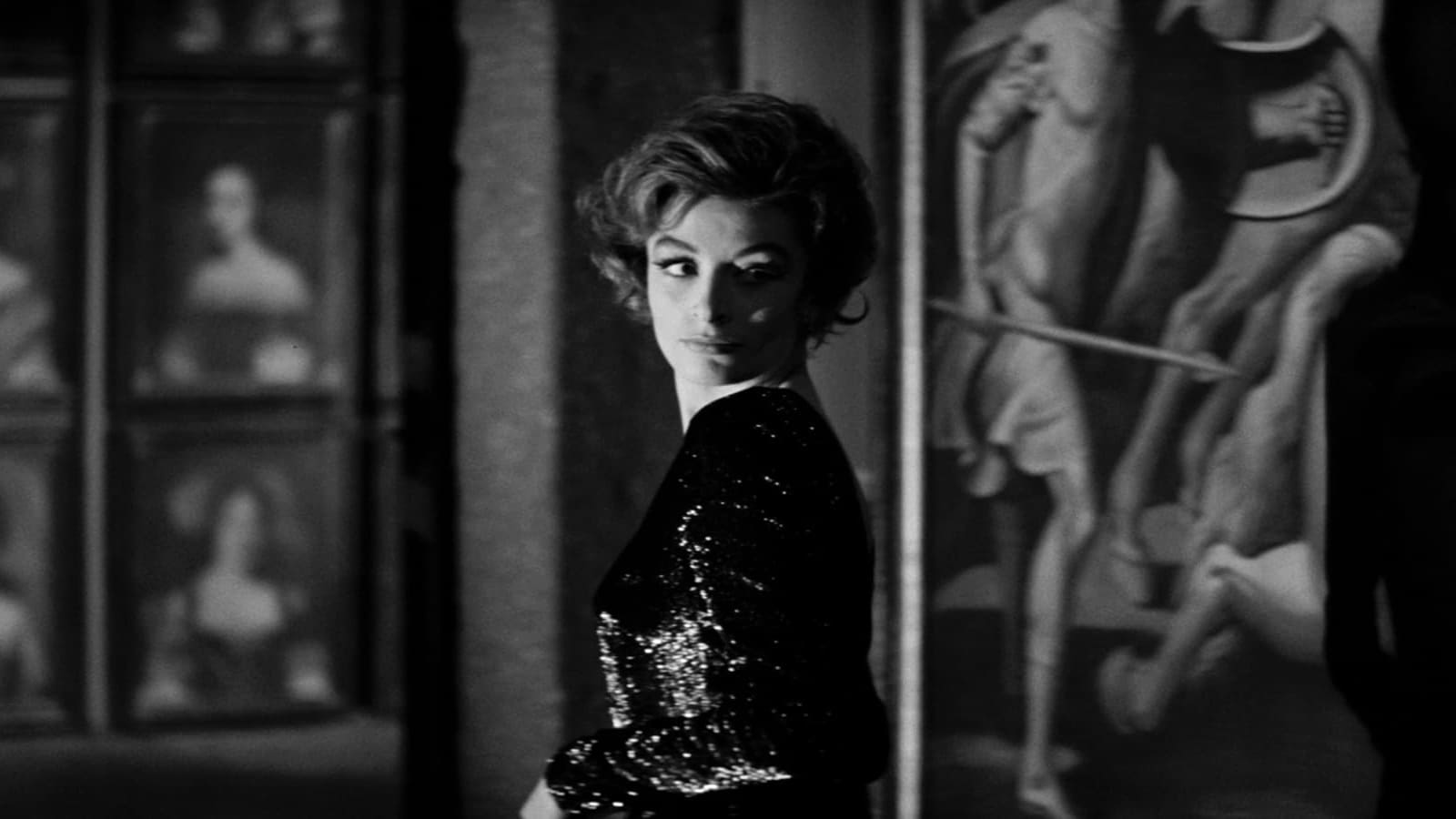
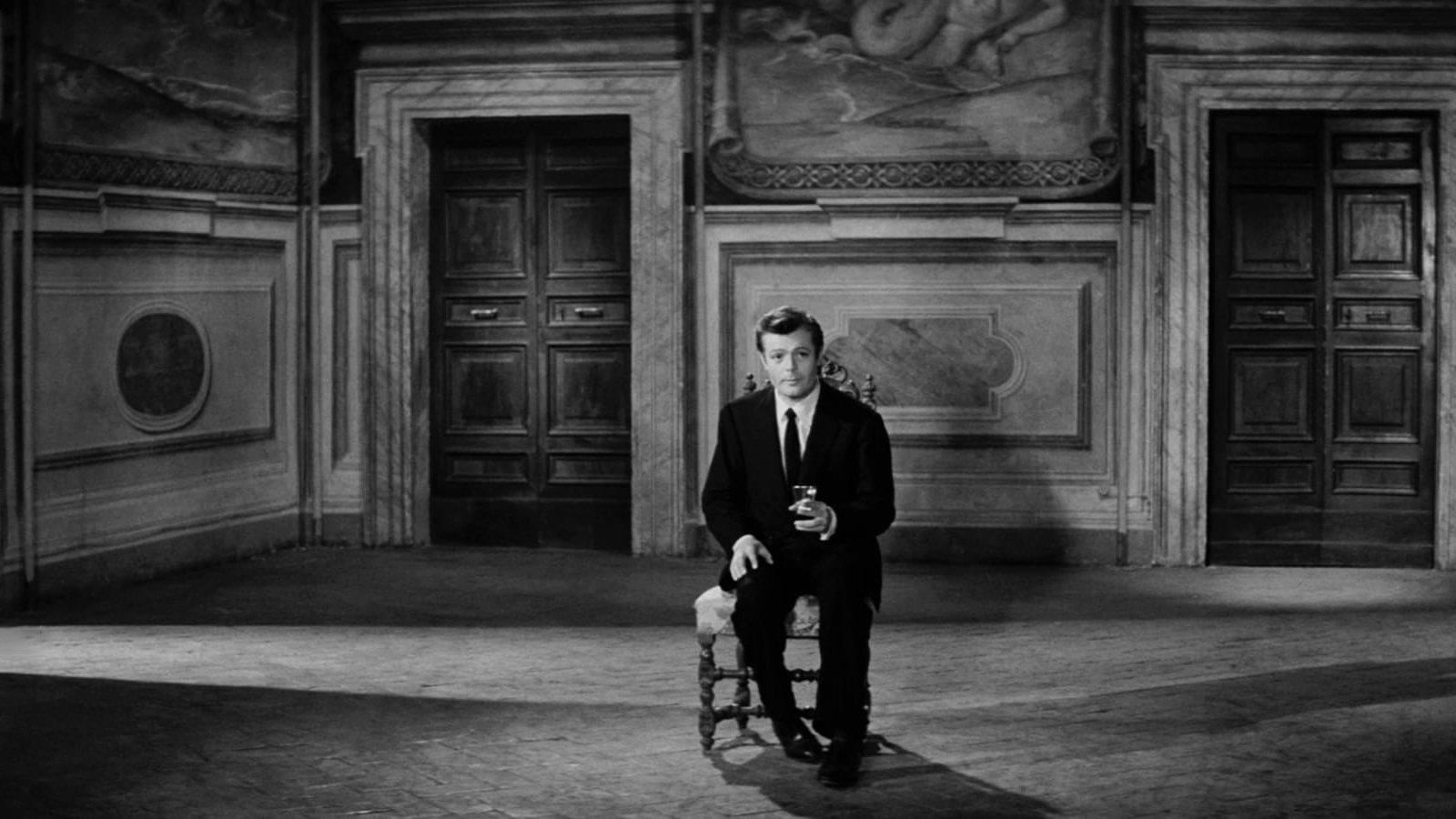
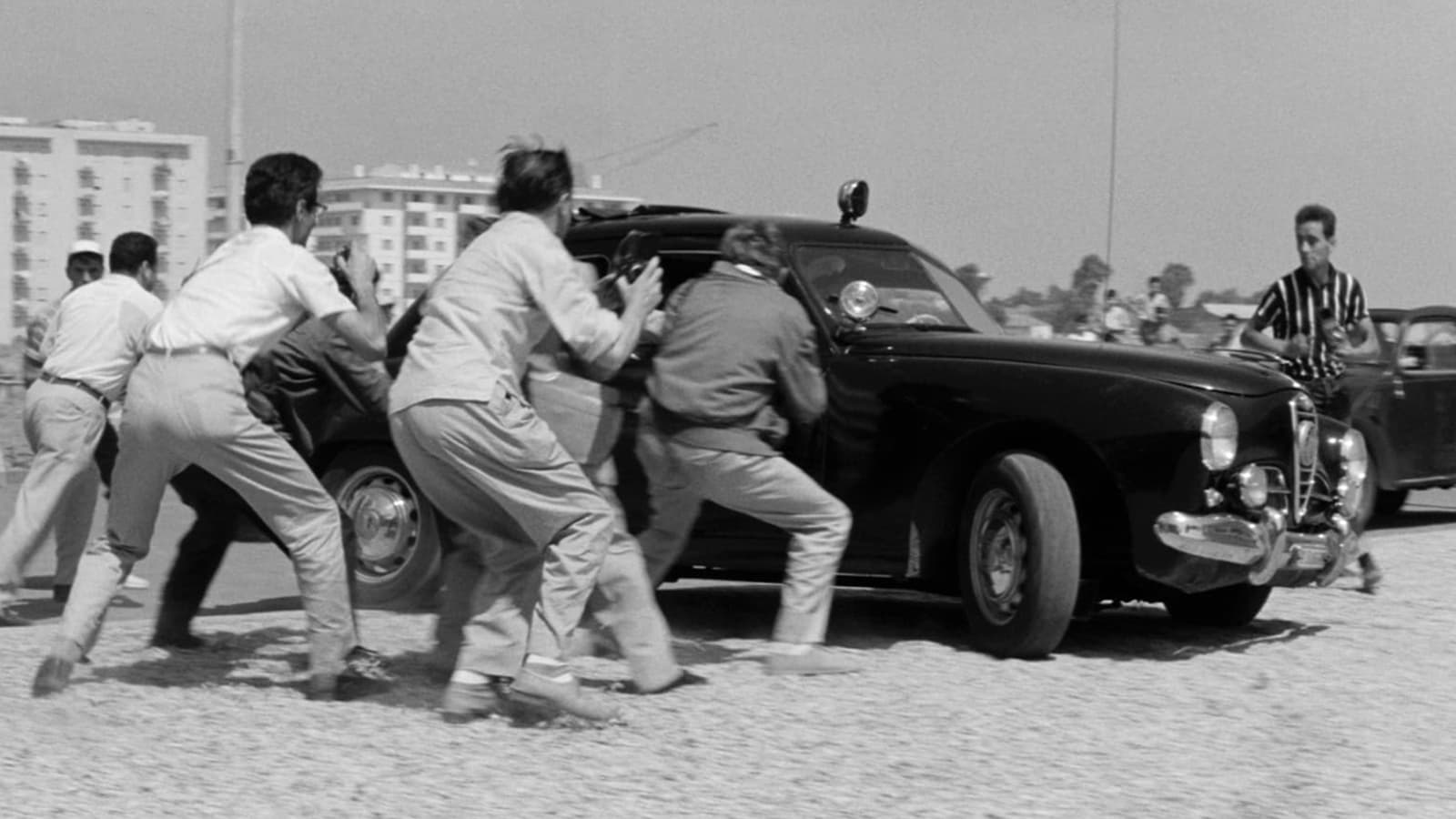
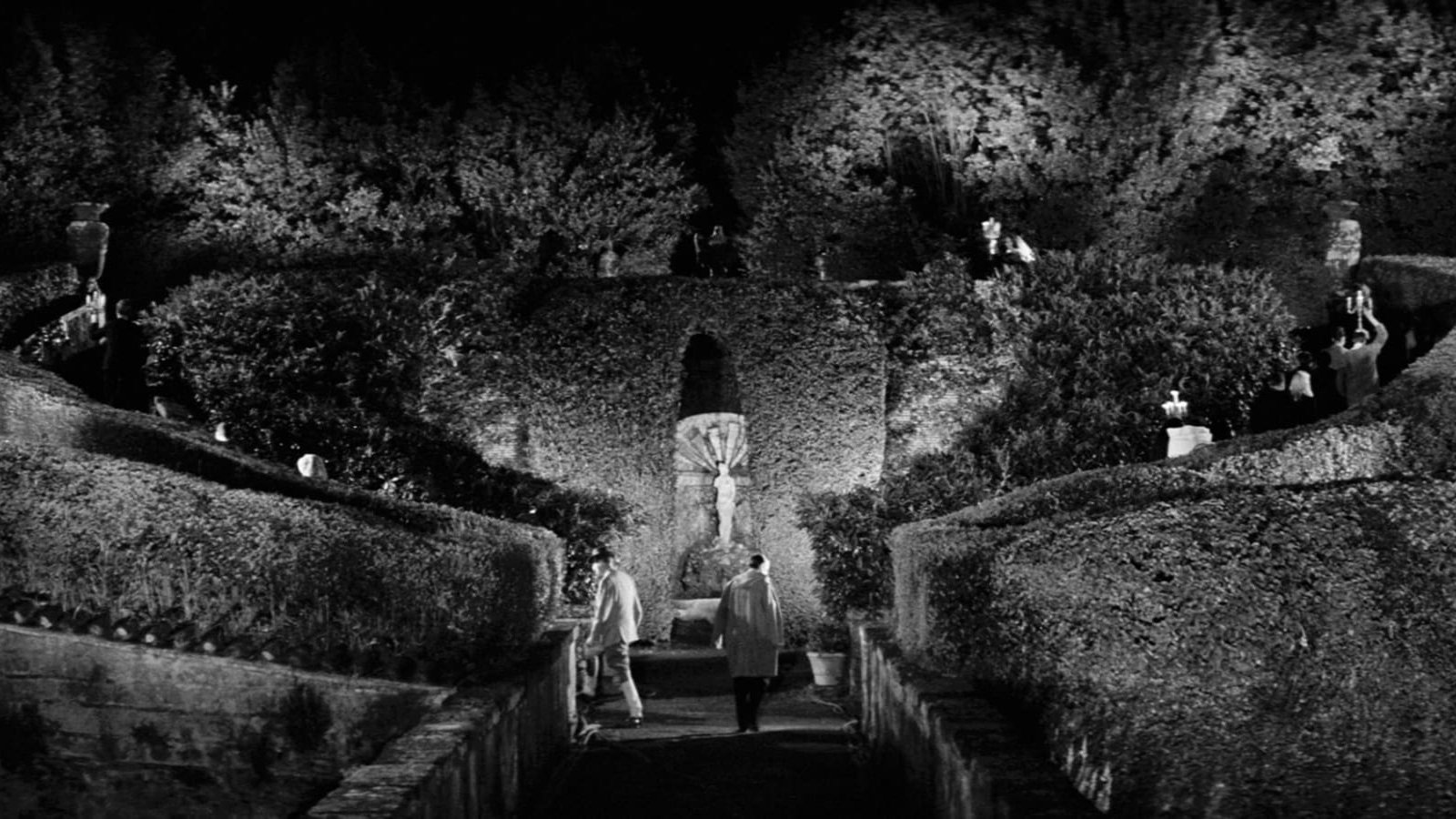
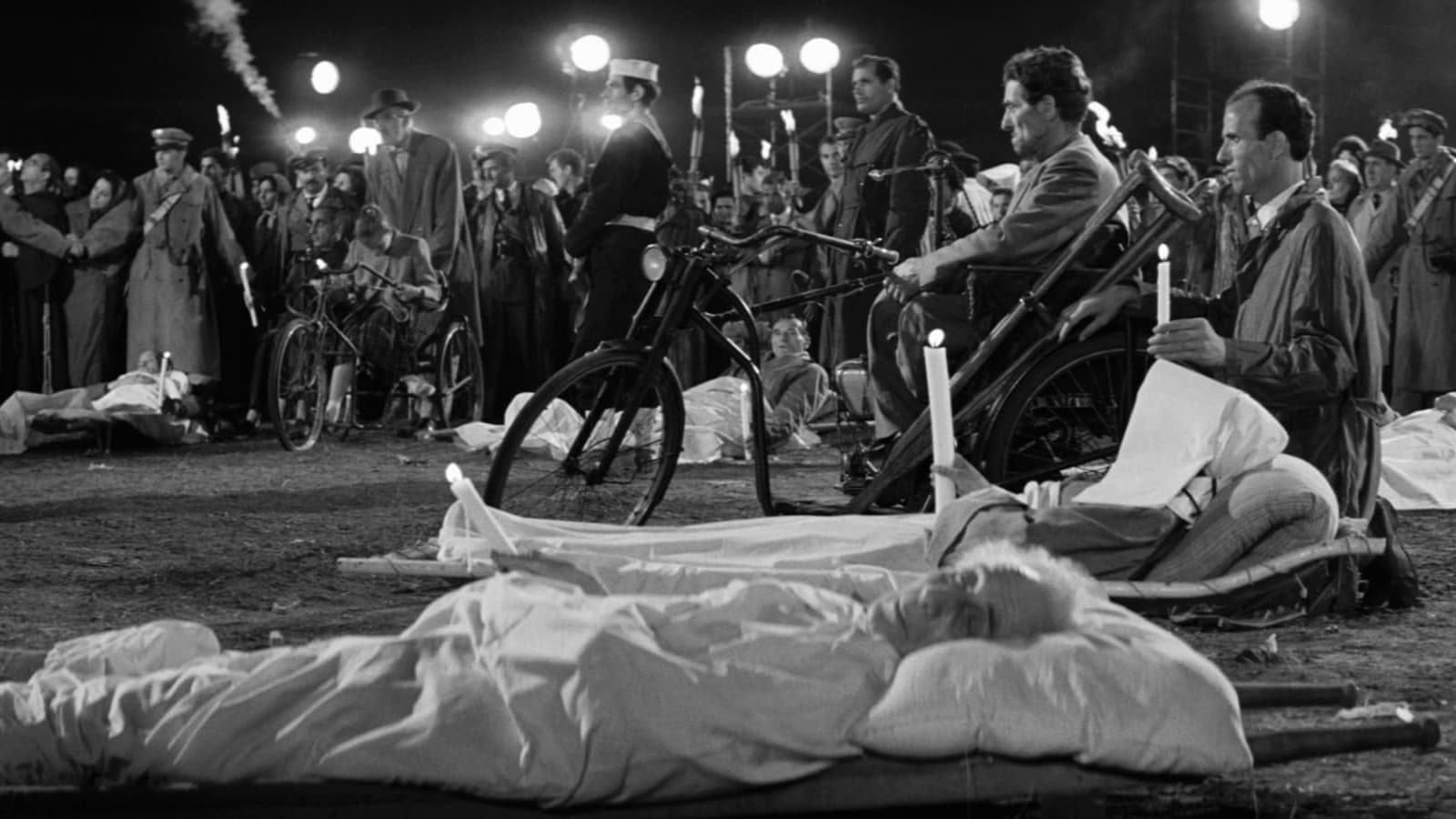
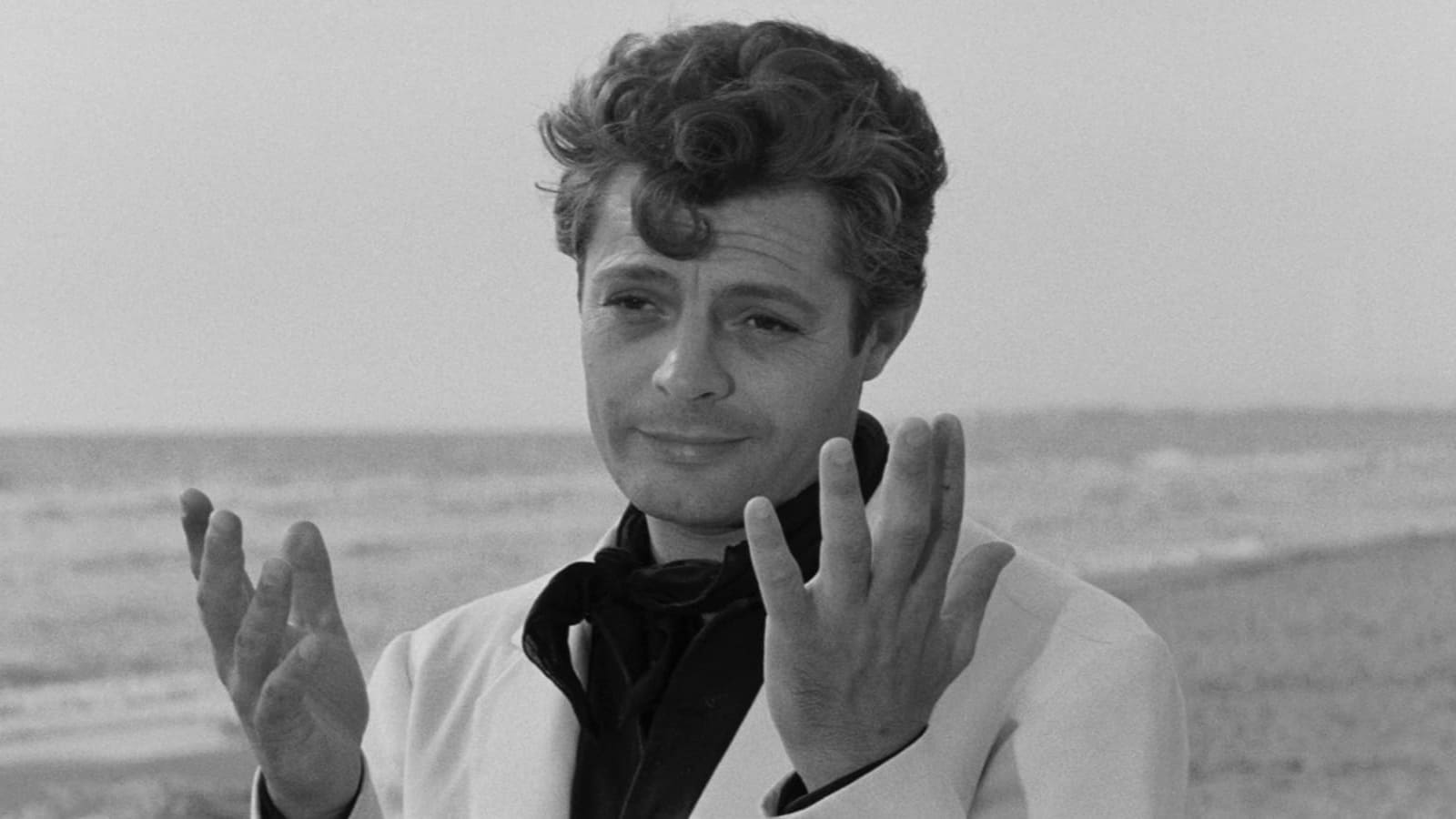
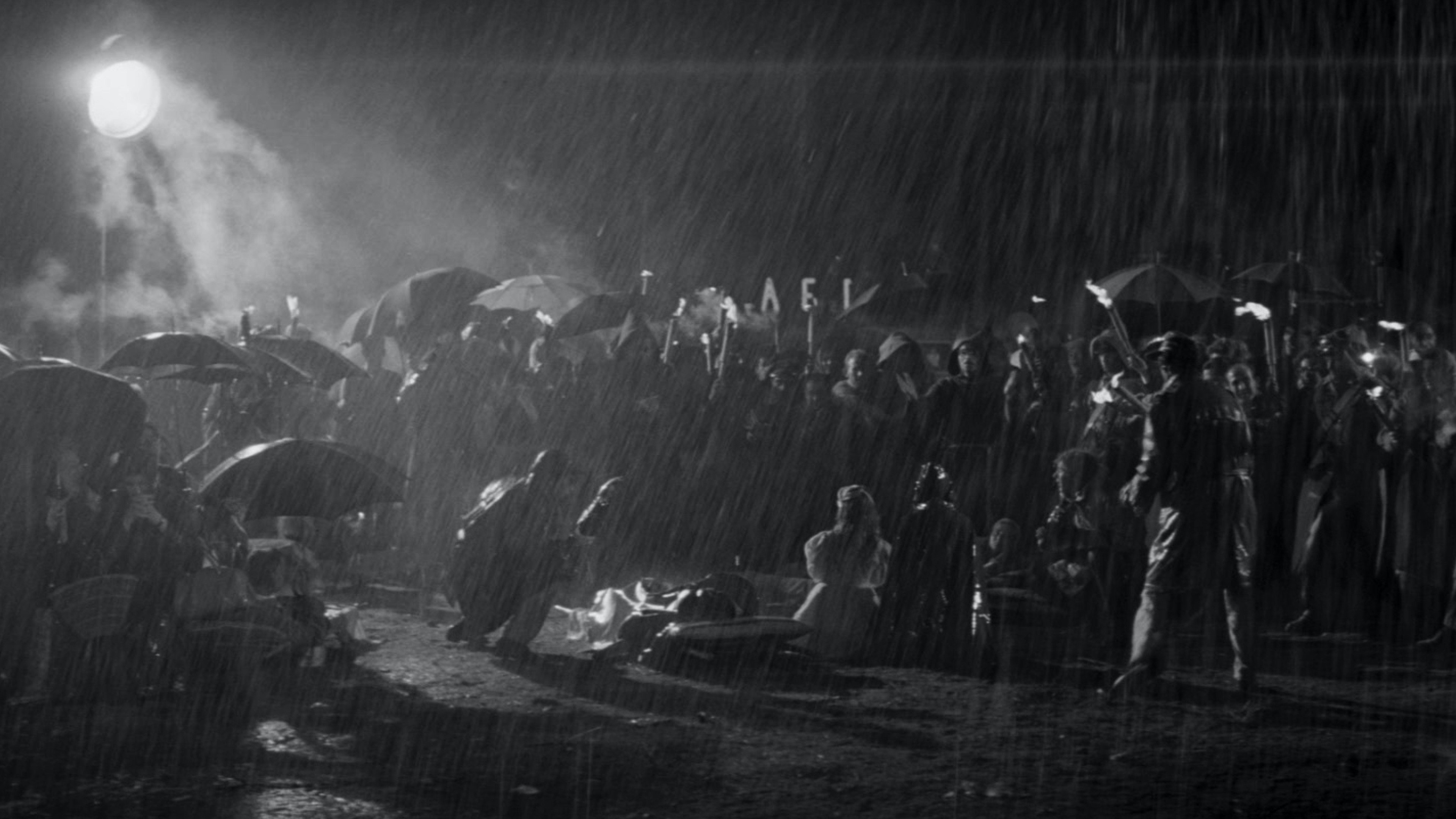
Sweet Life tells the story of the modern decadence of city life in Rome and the sophisticated moral decay through the eyes of a journalist chasing high society. Young journalist Marcello Rubini lives with the dream of creating a true masterpiece; however, he cannot give up the money and prestige provided by the tabloid he works for. The film follows Marcello's seven days and nights, his relationships with various women, and snippets of the vibrant streets of Rome and high society life filled with the youth and excitement of the 1960s. Even as Marcello drifts through a world filled with sex, alcohol, parties, and extravagance, he continues to live this "sweet life" that he doesn't actually enjoy. His existence is soulless and devoid of excitement. The film "Sweet Life," the first 3.5-hour film in Italian cinema, caused major scandals and controversies upon its release, was attempted to be banned by the Vatican, and was embraced by the public as *the most magnificent Italian film ever made.
Overview
La Dolce Vita (1960) is an unforgettable drama-comedy film directed by the renowned Italian filmmaker Lili Rademakers, featuring star actors such as Marcello Mastroianni, Anita Ekberg, and Anouk Aimée. Released in 1960, this film deeply examines the social life of Rome and the corruption brought by modernism. With a high IMDb rating of 8/10, "La Dolce Vita" not only offers an entertaining story but also provides a thought-provoking perspective.
The plot narrates the high-society life of Rome through the eyes of young journalist Marcello Rubini. While Marcello dreams of creating a true masterpiece, he cannot resist the money and prestige provided by tabloid journalism. This inner conflict lies at the heart of the film. Throughout "La Dolce Vita," we observe the events Marcello experiences over a week, his relationships with different women, and the dynamic atmosphere of Rome. However, we gradually realize that this so-called "sweet life" is, in fact, a soulless existence for him.
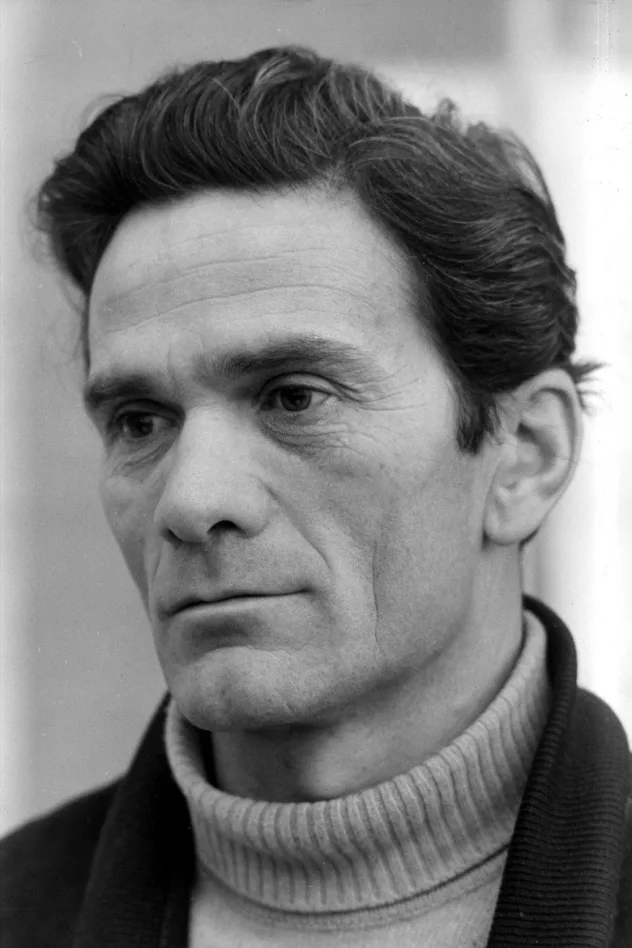
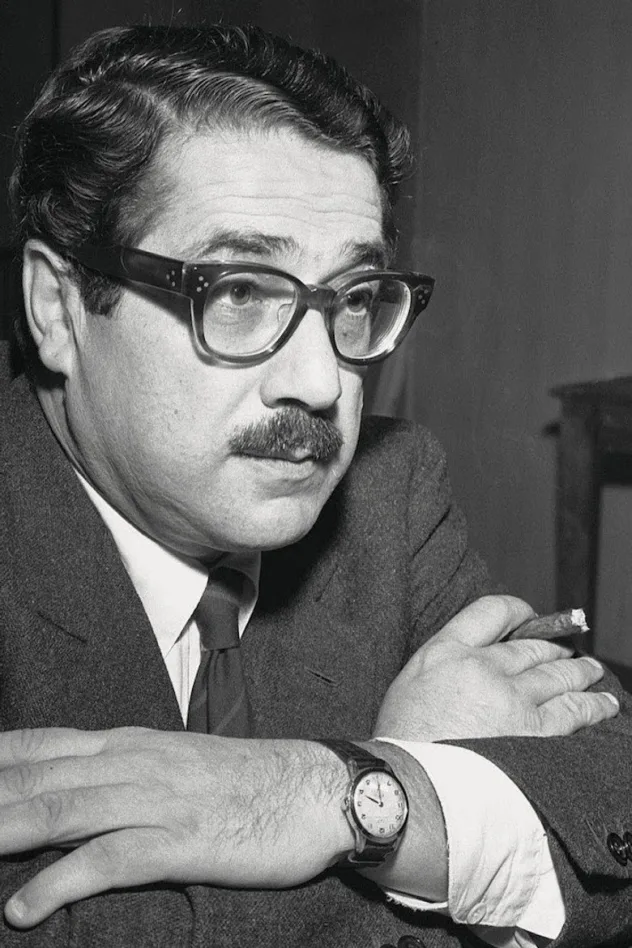
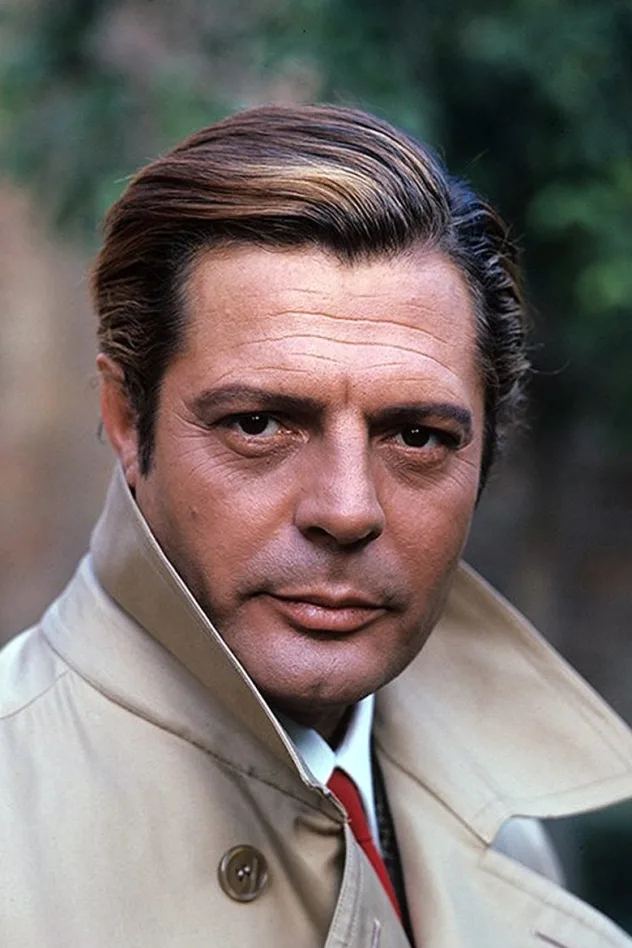
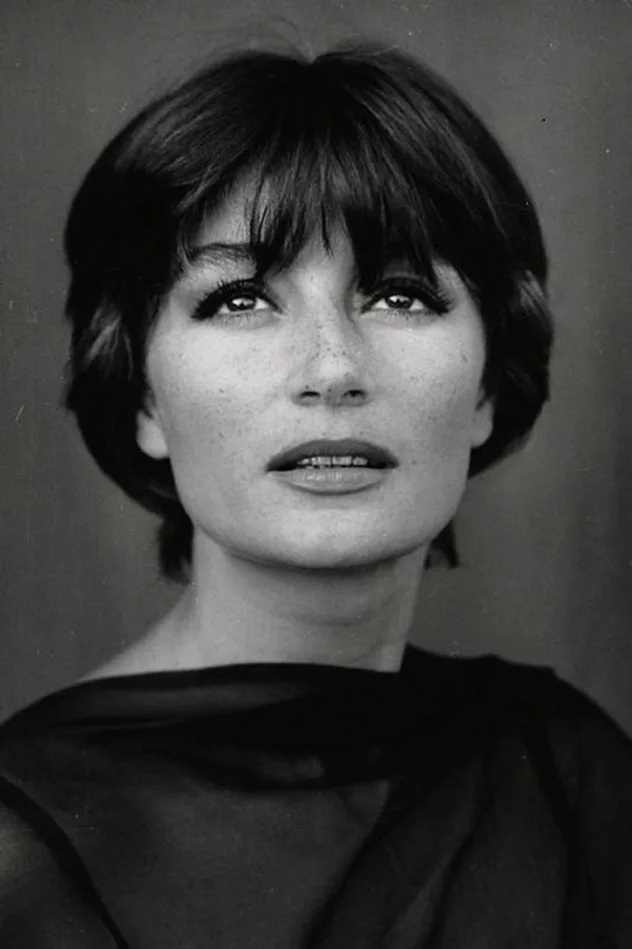
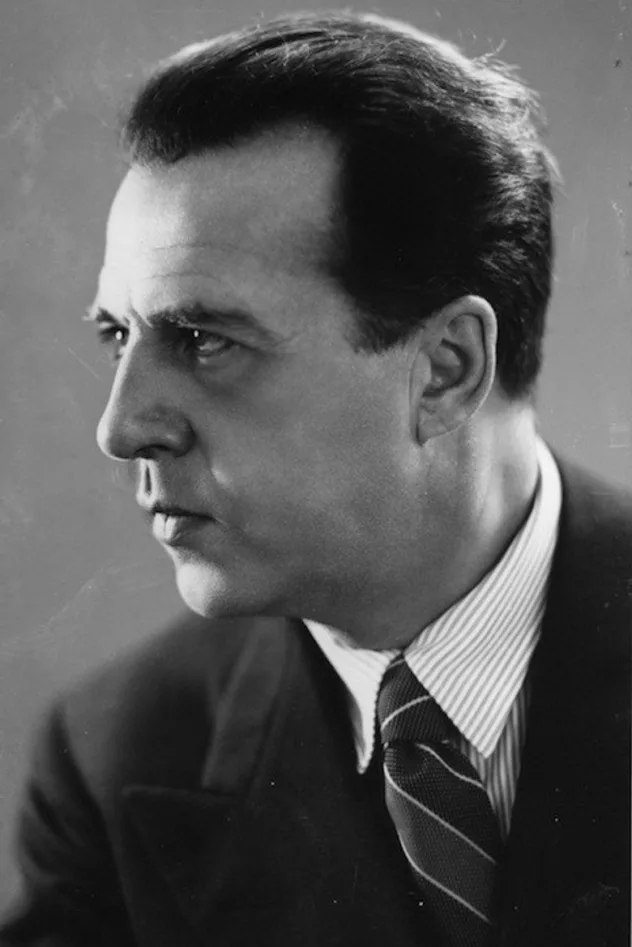
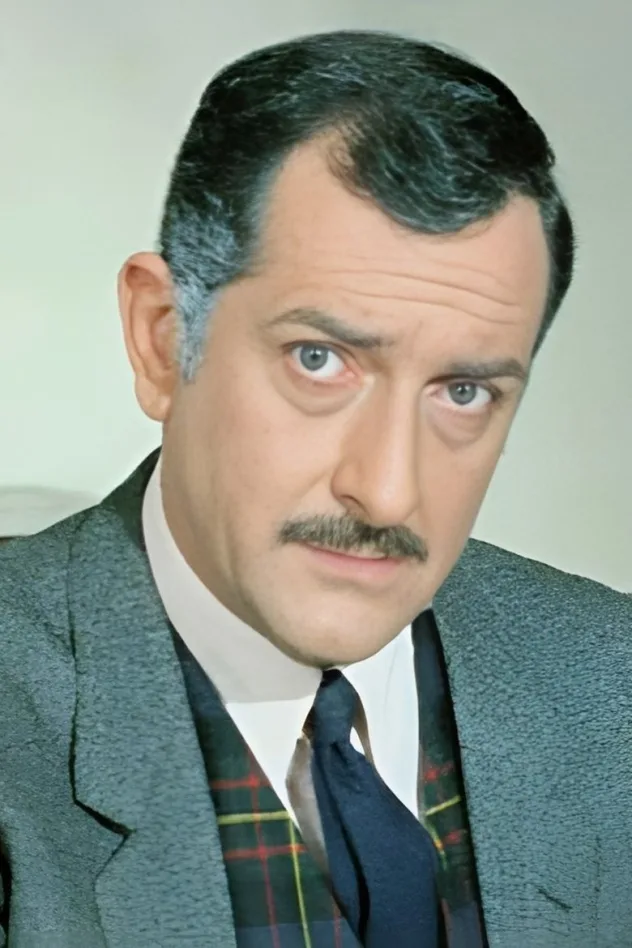
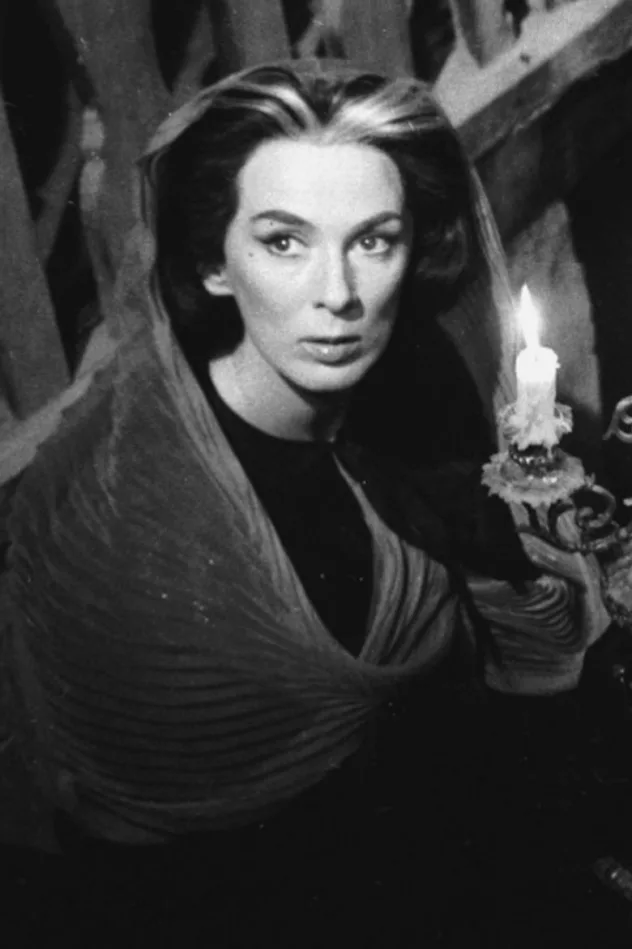
Lili Rademakers skillfully reflects the depth of the film and the inner conflicts of the characters, while Marcello Mastroianni's performance is also striking. Mastroianni successfully conveys the complex emotions of his character, while actors like Anita Ekberg and Anouk Aimée convincingly portray their characters lost in Rome's luxurious life. Rademakers's cinematic style takes the audience on both a visual and emotional journey. The film's flow successfully keeps the viewer's attention throughout.
"La Dolce Vita" transcends being merely a period film, delving into the dilemmas of modern life and the depths of the human soul. Recognized as an important part of Italian cinema, this film prompts viewers to question the complexities of human nature. The events set in 1960s Rome remain relevant today. Therefore, "La Dolce Vita" is a film worth watching. It offers both an enjoyable viewing experience and deep meanings. If you're curious about Lili Rademakers's cinema, you should watch "La Dolce Vita." This film is a perfect fit for those looking to embark on an entertaining yet thought-provoking journey. With its plot and characters, "La Dolce Vita" stands as a significant work that has left its mark on film history.
Why Watch?
STRONG POINTS: Highlights family values with a warm and sincere story. Filled with humorous scenes that make the audience laugh. Features unforgettable characters and impressive performances.
WHO IT APPEALS TO: Appeals to audiences who enjoy family-oriented productions and films that blend comedy and drama.
EXPECTATION MANAGEMENT: Viewers seeking heavy drama or action may not find this film fulfilling.
Frequently Asked Questions
What is the plot of Sweet Life?
Sweet Life is a comedy film that humorously narrates the daily life of a family and the challenges they face. It is filled with relationships within the family, comedic situations, and social critiques.
Is Sweet Life based on a true story?
While Sweet Life is not based on a true story, it is a fictional work that reflects the social structure and family relationships of the time. The film is filled with situations and characters that feel familiar to viewers.
Where can I watch Sweet Life?
Sweet Life can be watched on various digital platforms and some television channels. It may also be featured in special screenings or film festivals.
How long is Sweet Life?
The duration of Sweet Life is 176 minutes.
What does the ending of Sweet Life mean?
The ending of Sweet Life carries a message emphasizing the importance of family values and togetherness. It reminds viewers of the power of solidarity and love in the face of challenges.
What year was Sweet Life released?
Sweet Life was released in 1960.
Is Sweet Life worth watching?
Sweet Life is worth watching as it reflects the comedic understanding of its time and is an entertaining film. It offers enjoyable moments to viewers with its humorous elements and social themes.