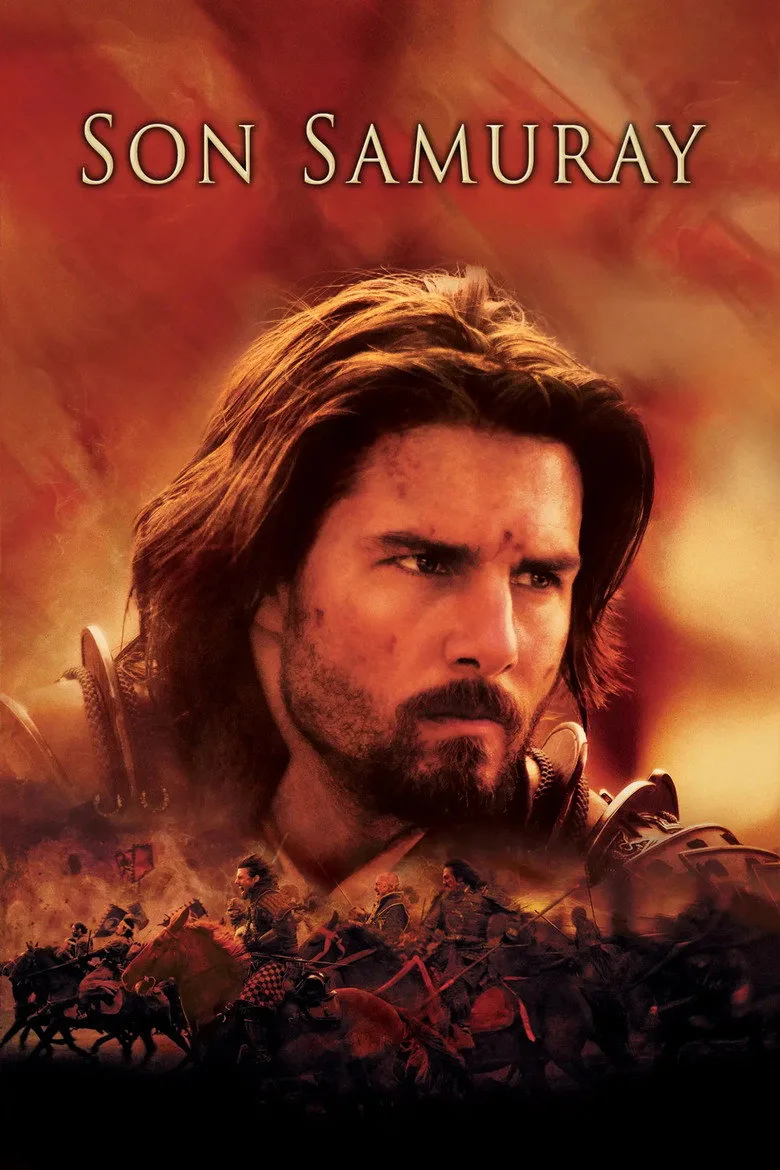
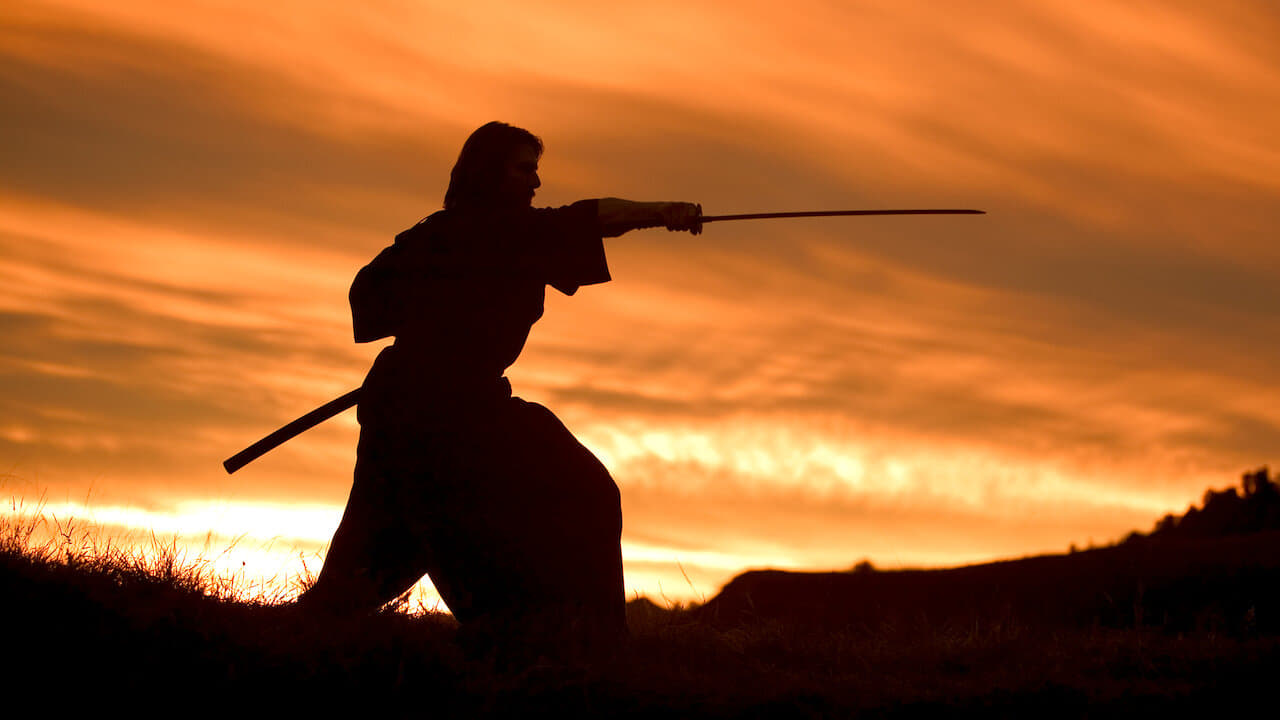
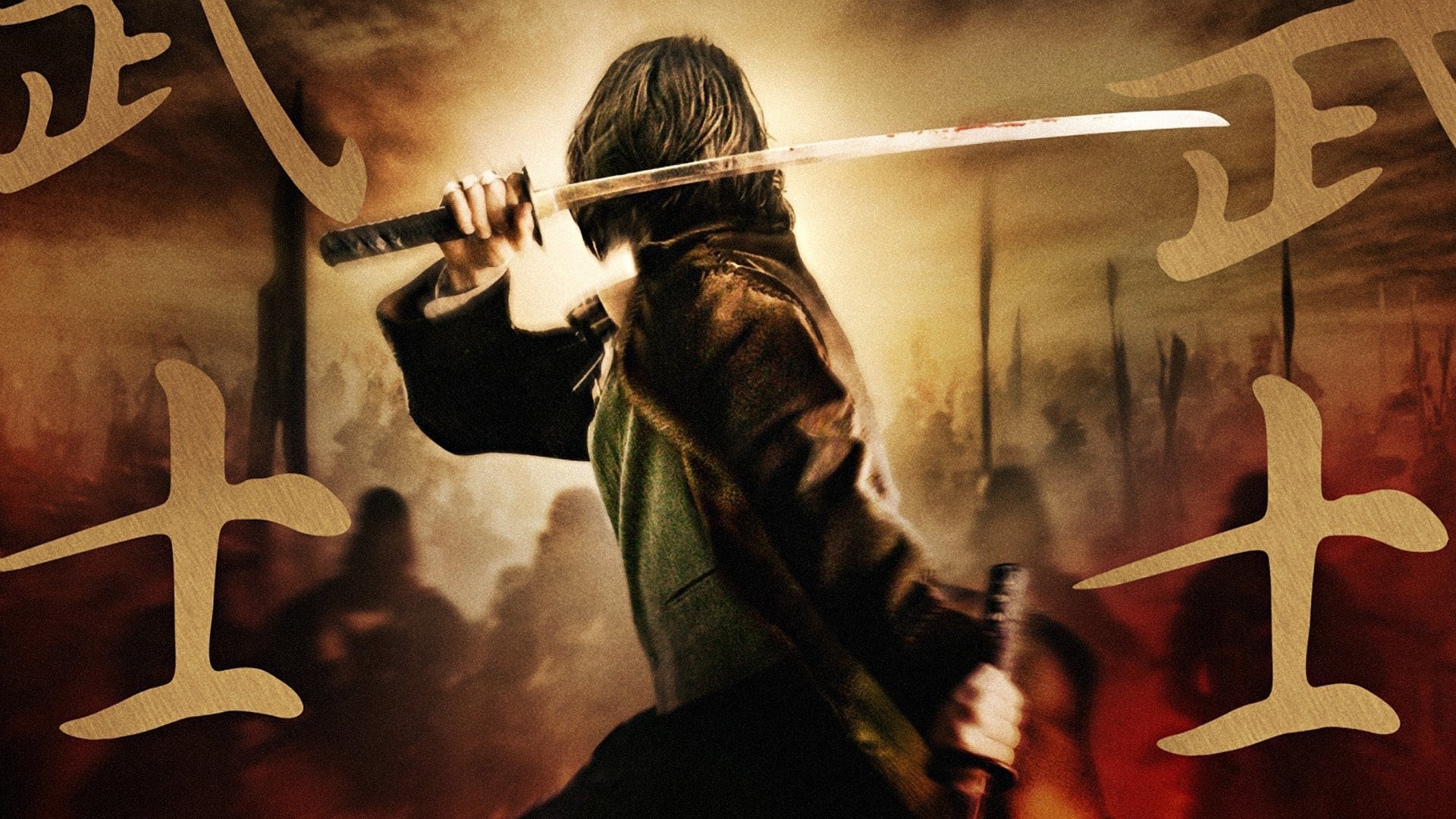
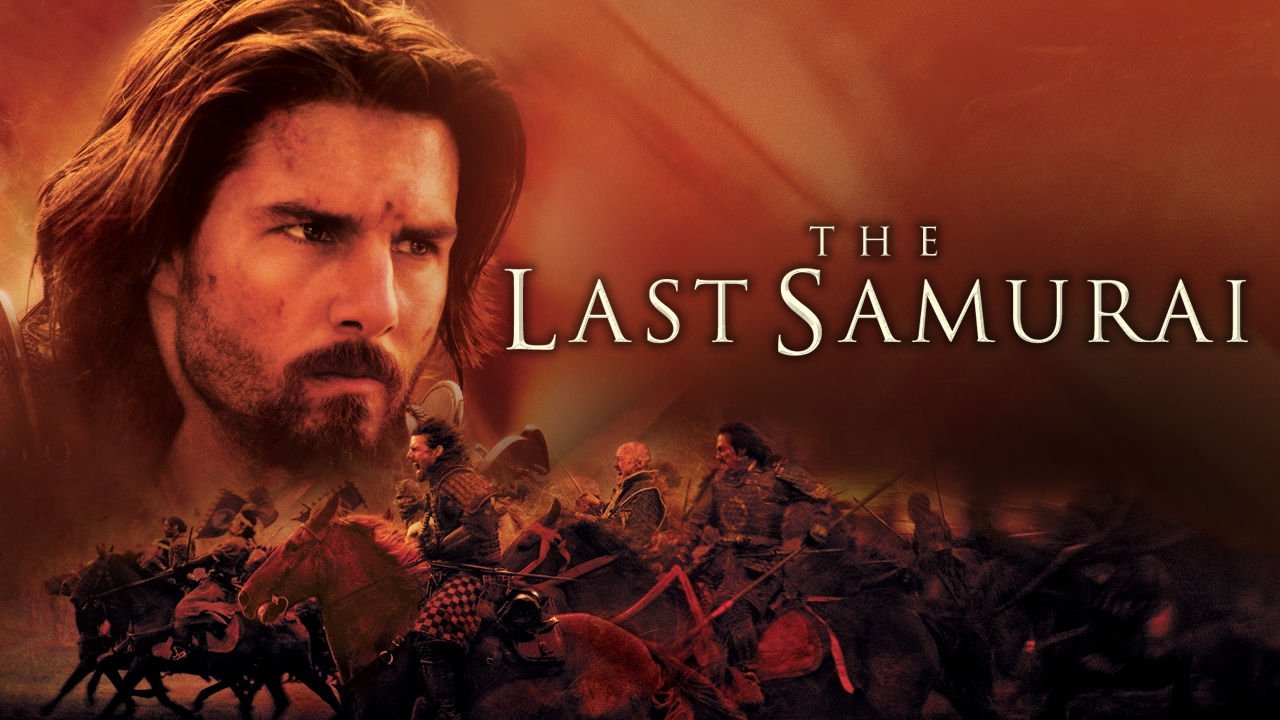
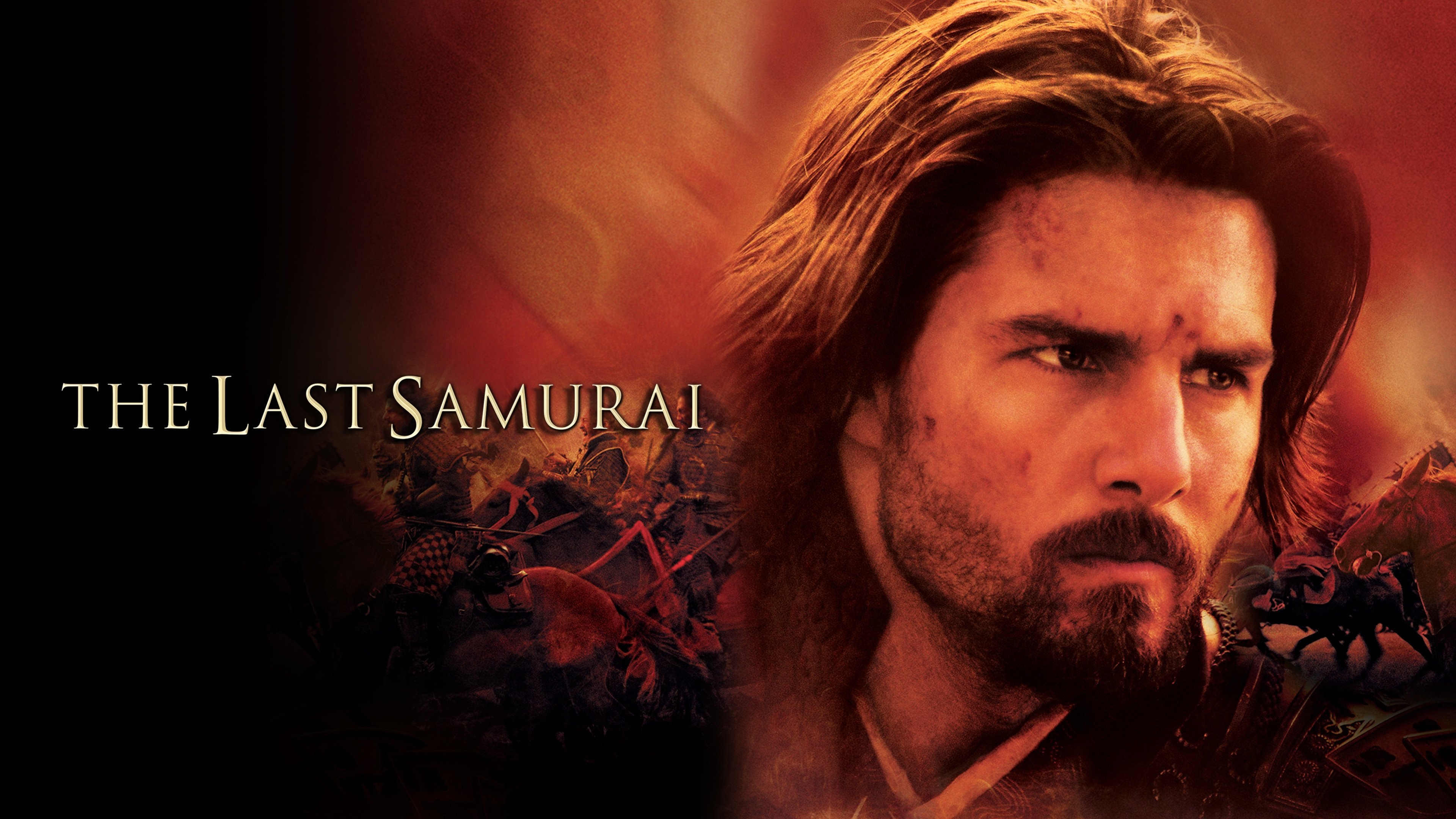
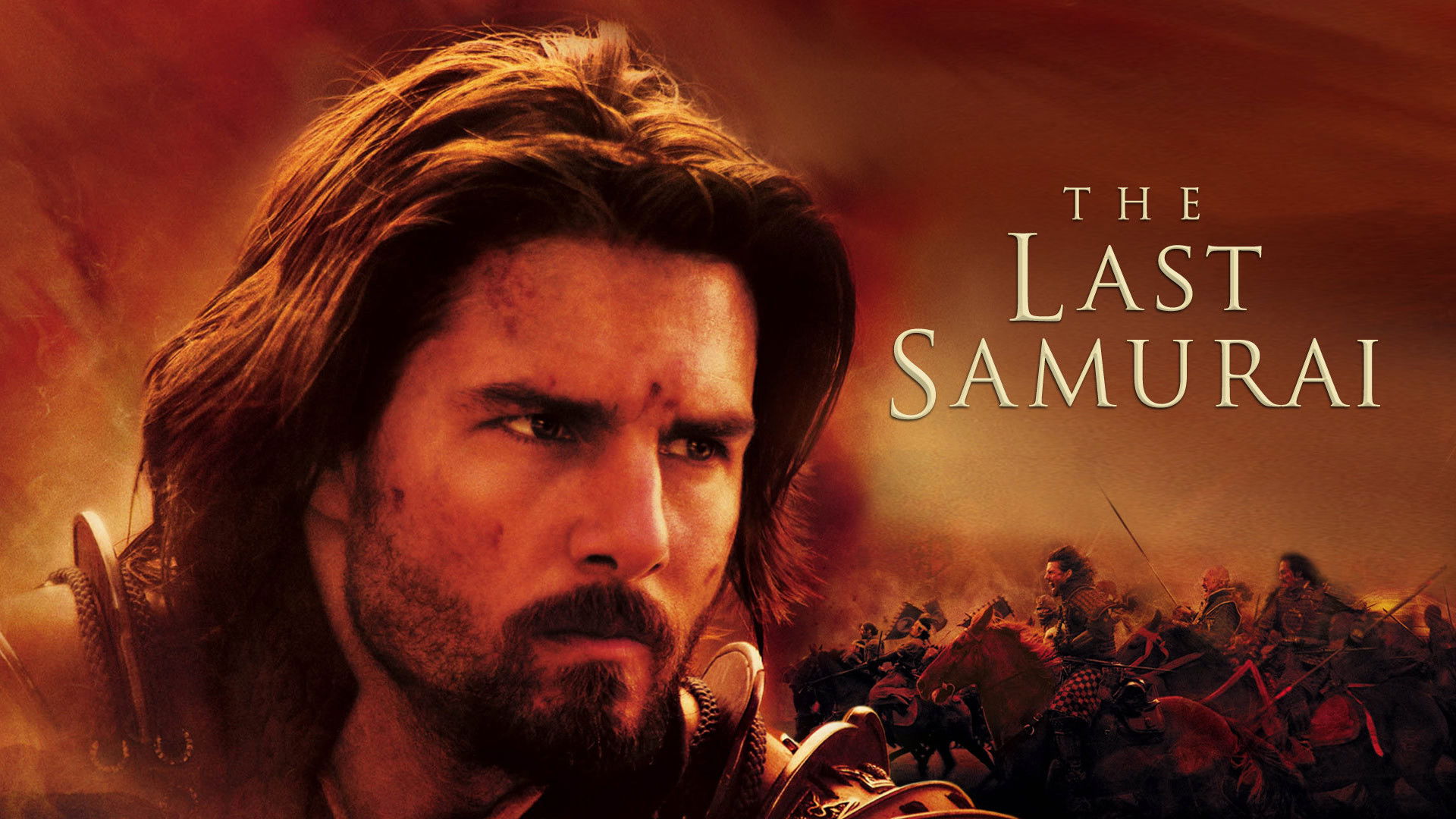
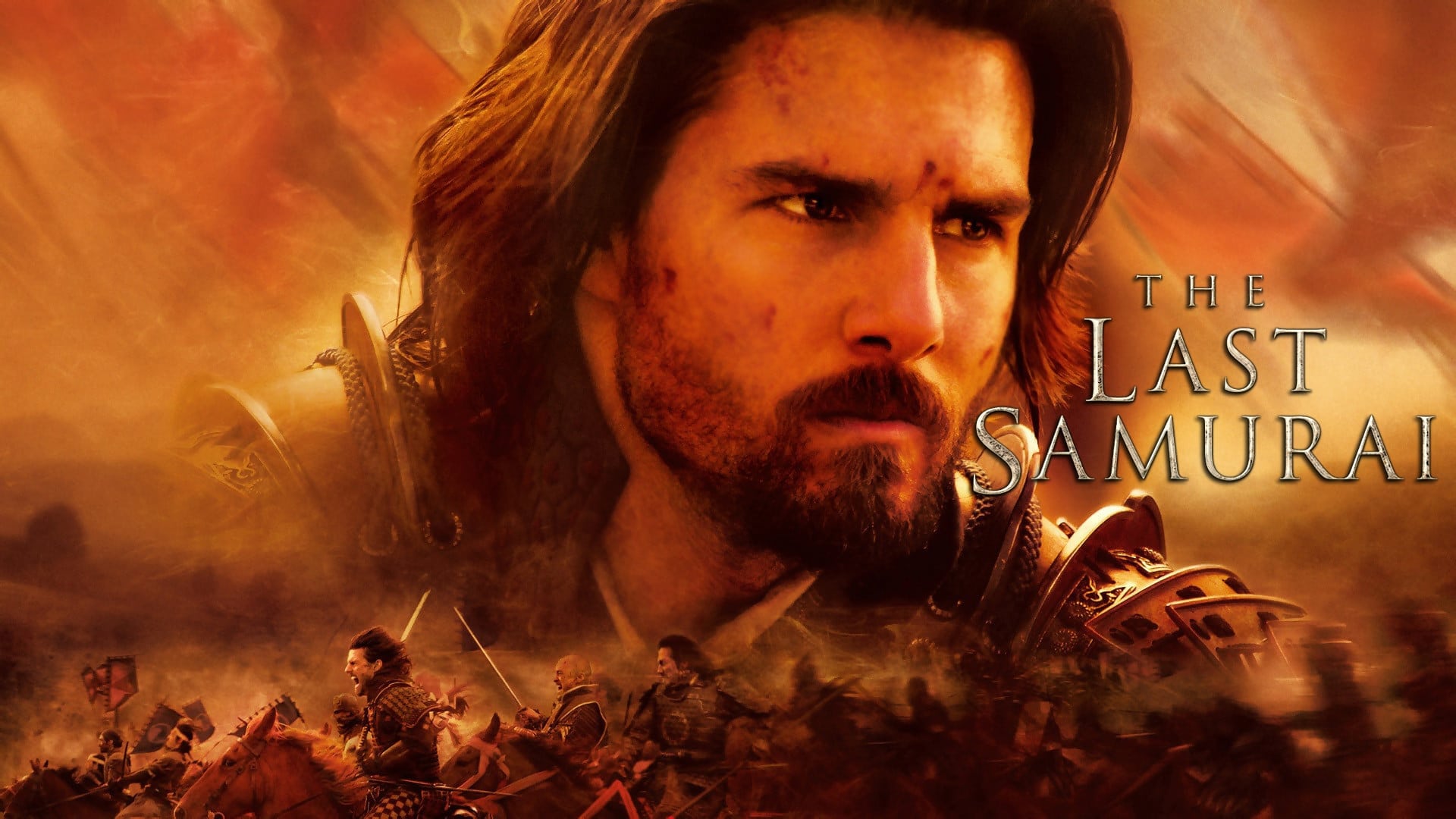
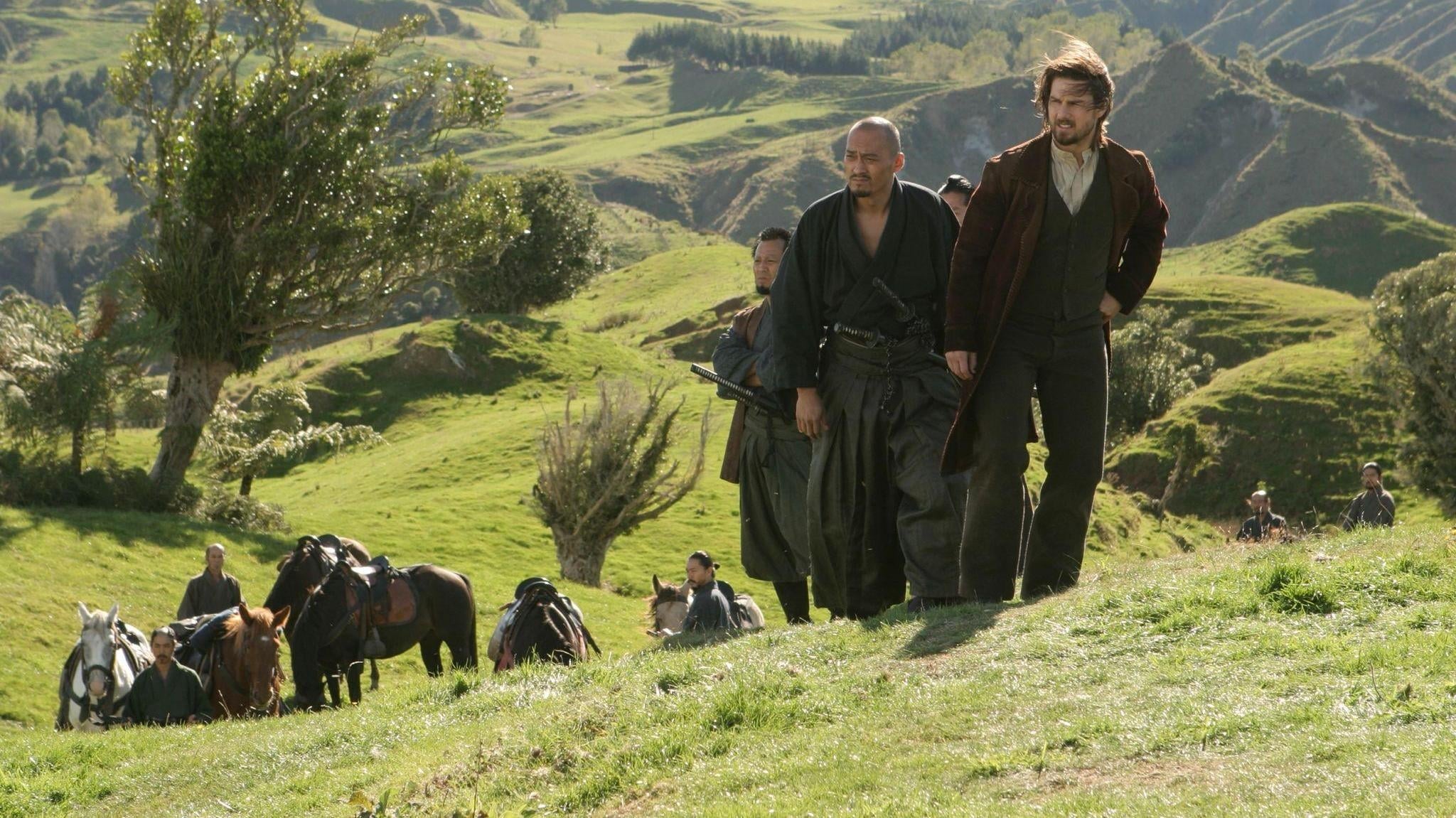
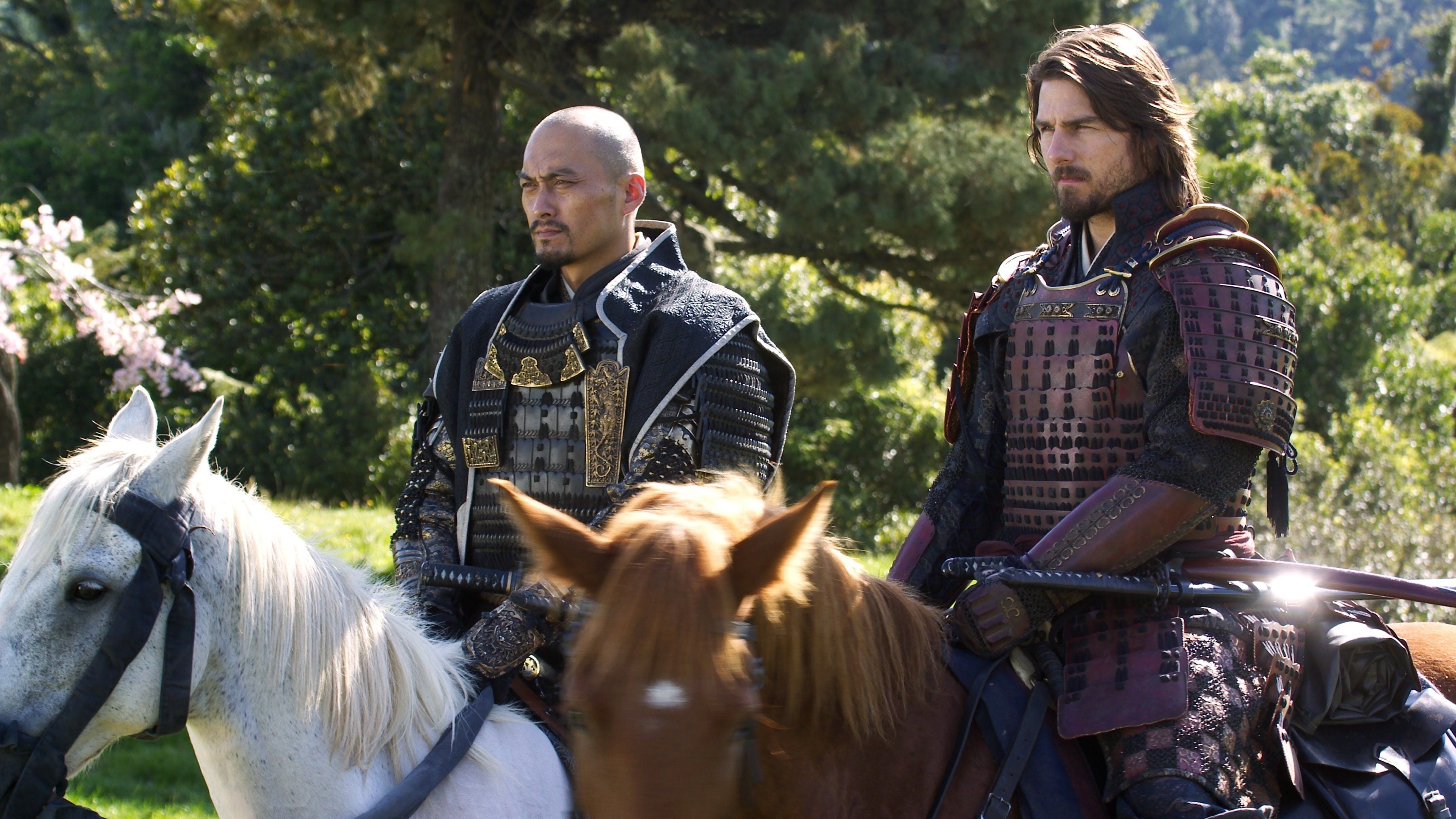
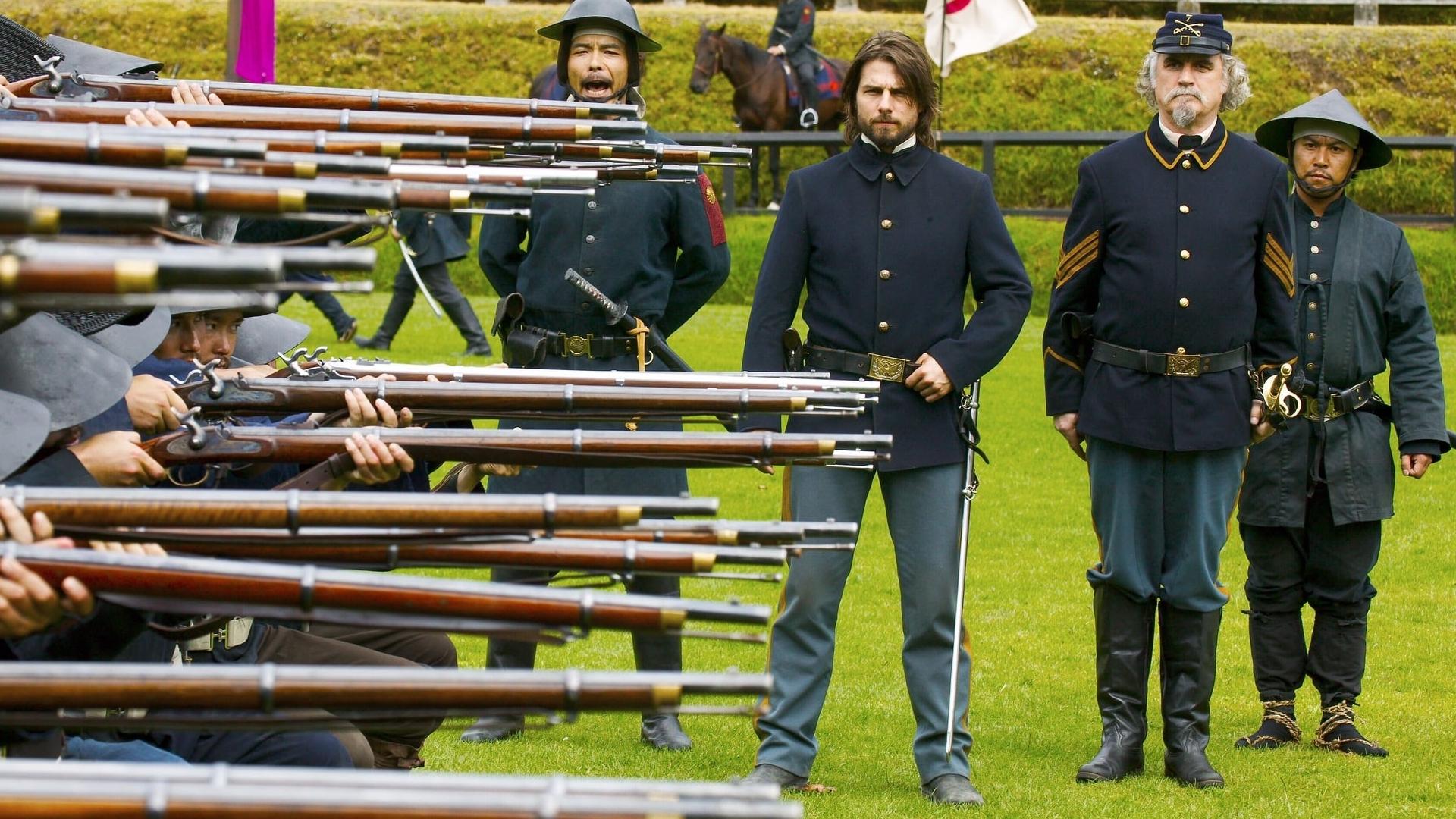
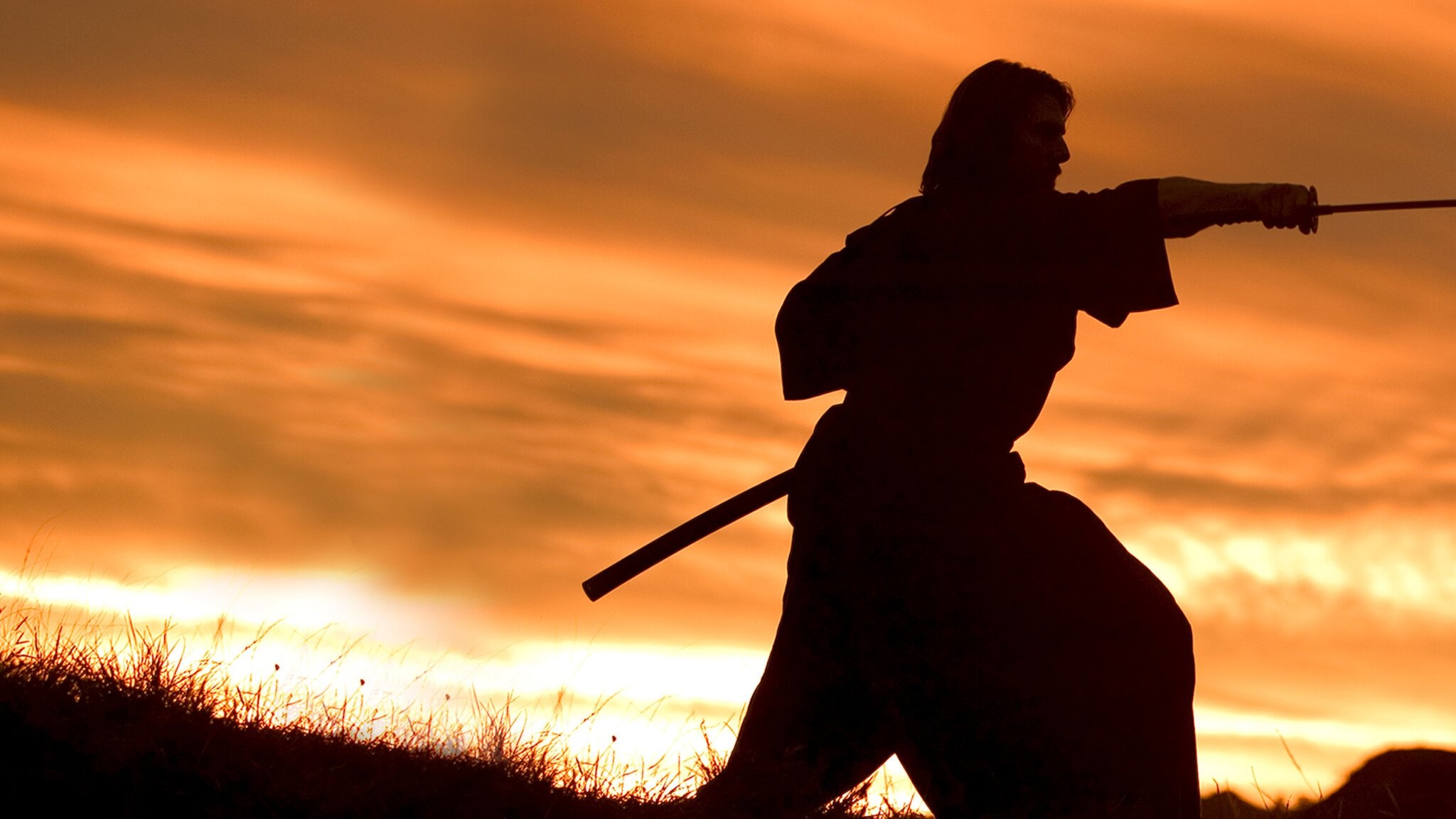
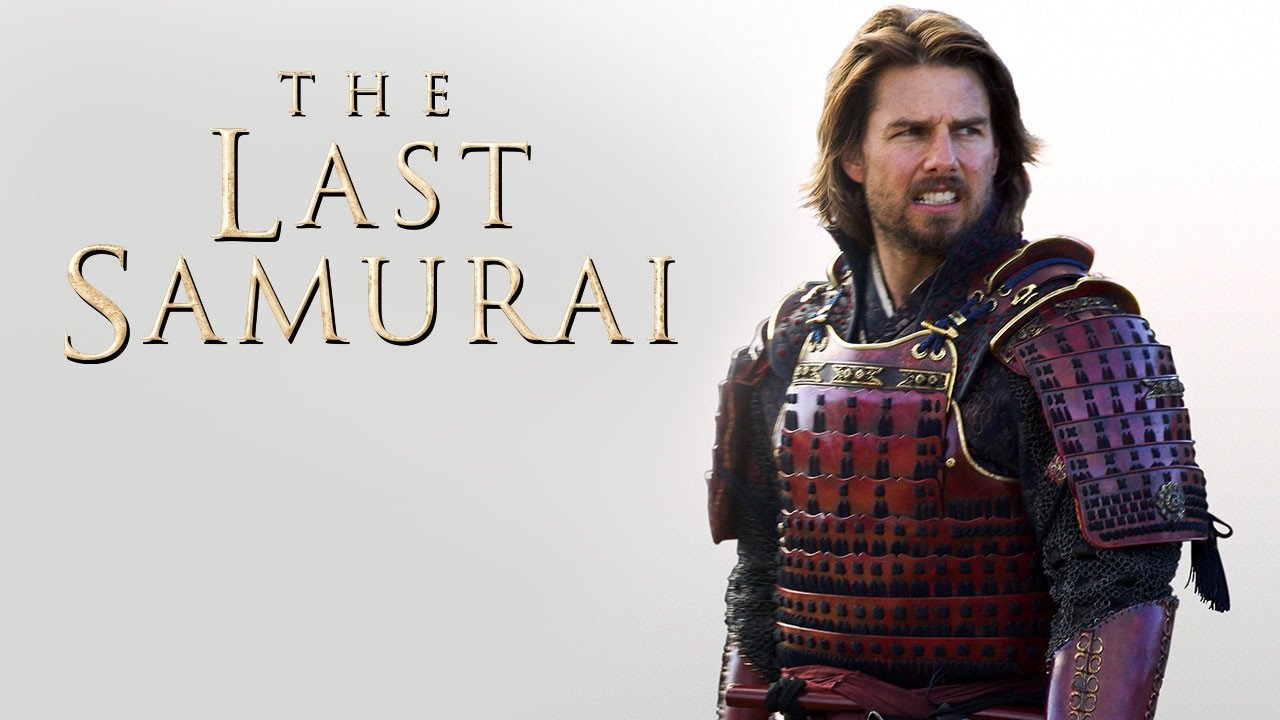
In 1870s Japan, Captain Nathan Algren of the American army comes east as a guest of the Japanese Emperor to train the country's first army. The feudal culture, which shows tendencies toward modernization, continues to uphold the samurai style. After being rescued by the leader of the samurai following an accident, Algren is introduced to the deep-rooted samurai culture and becomes influenced by it. As he learns to act like a samurai warrior, he finds himself on the brink of a significant decision. He is caught between two sides and awaits his honor to show him the right path.
Overview
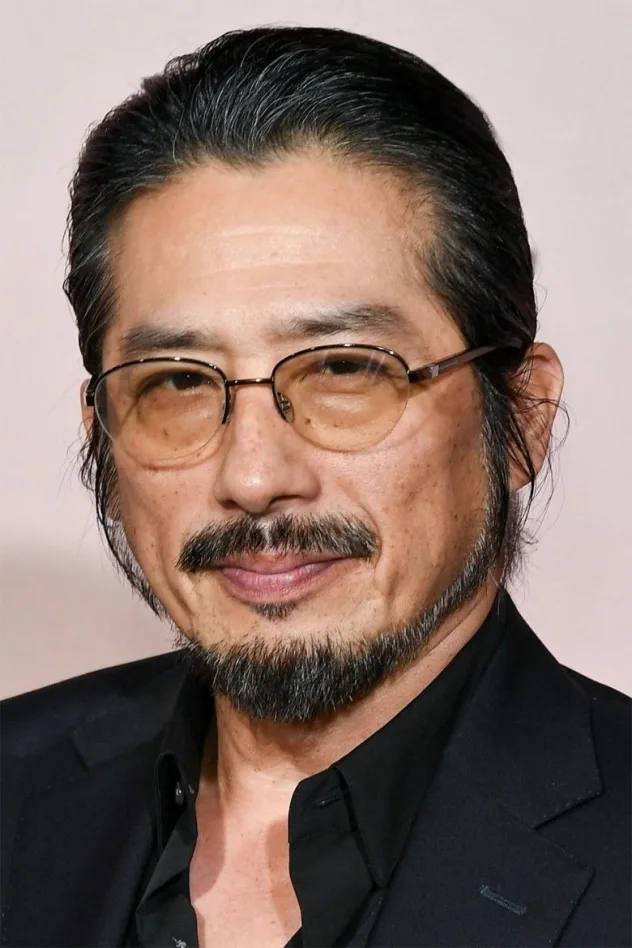
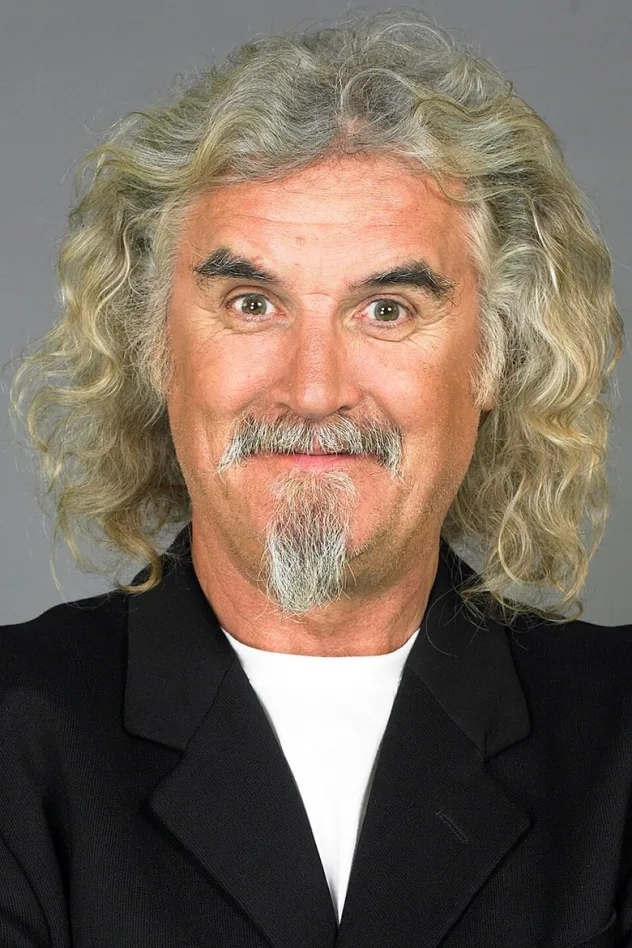
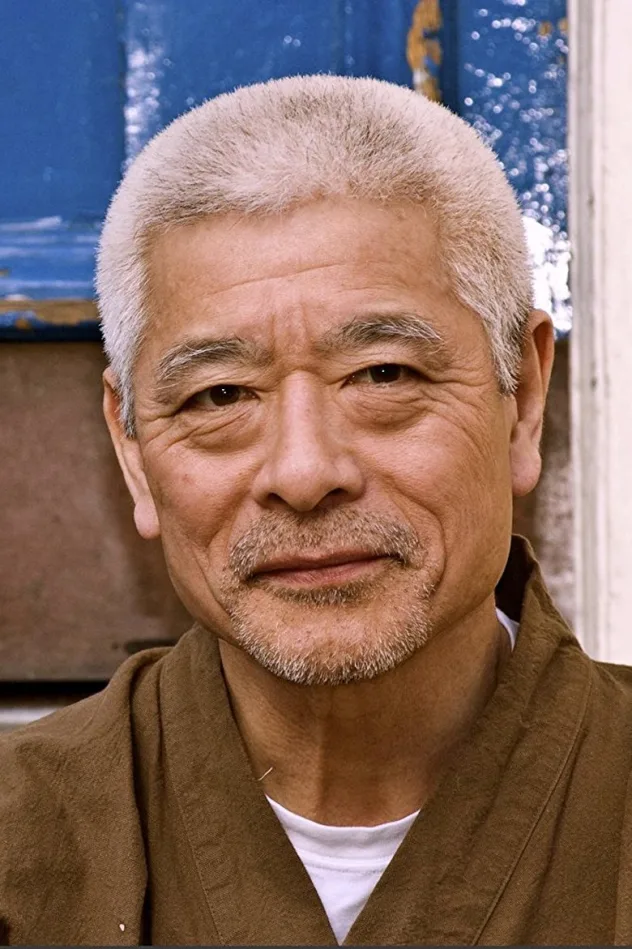
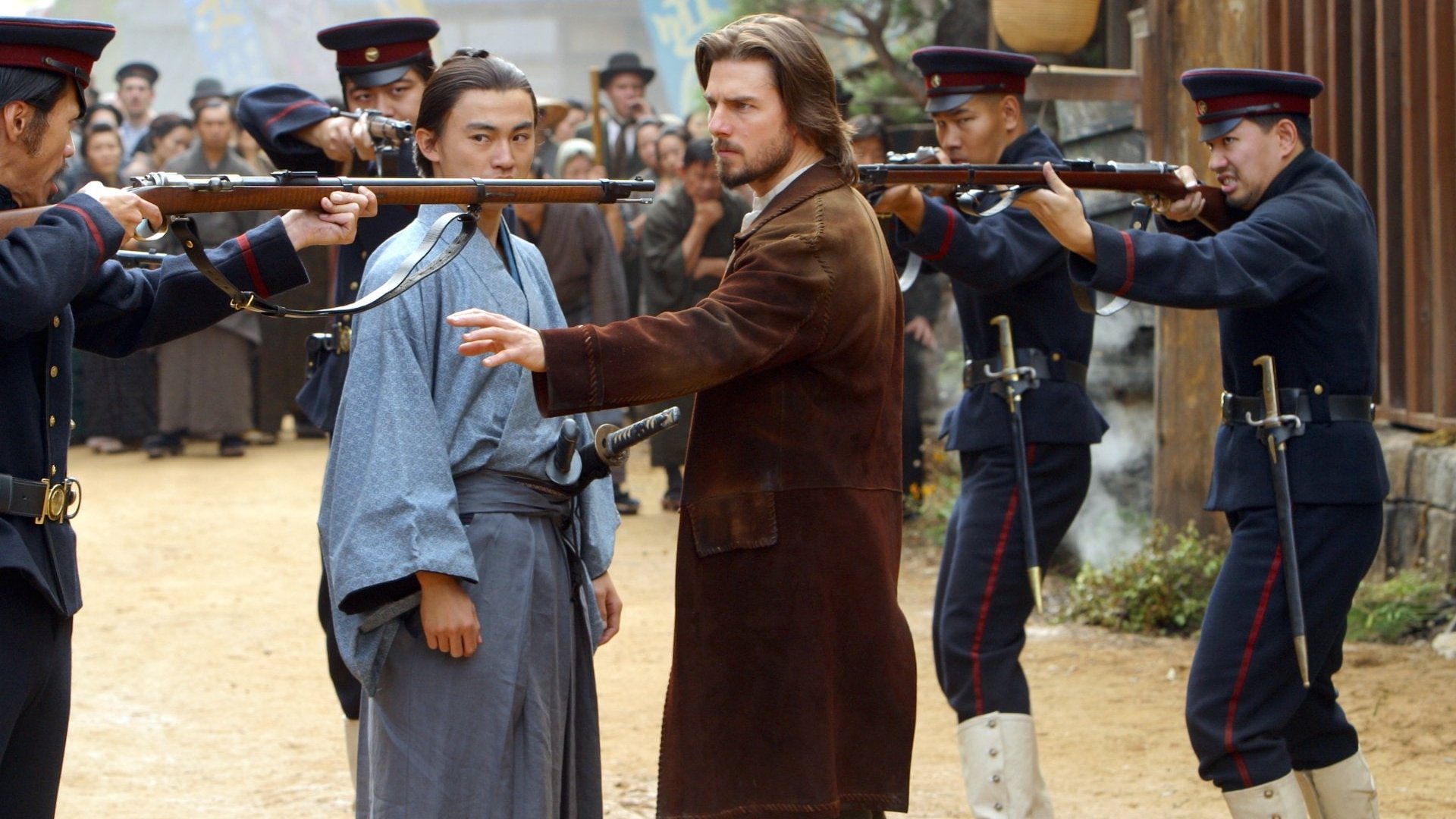
The Last Samurai (2003) is an action and drama film directed by Edward Zwick, featuring prominent names like Tom Cruise, Ken Watanabe, Timothy Spall, Tony Goldwyn, and Hiroyuki Sanada. Set in 1870s Japan, the film centers around Captain Nathan Algren of the American army. Algren comes to Japan as an invitee of the Emperor to contribute to the country's modernization process. However, during this process, he delves into the depths of Japanese culture and encounters the samurai's philosophy of honor and warfare.
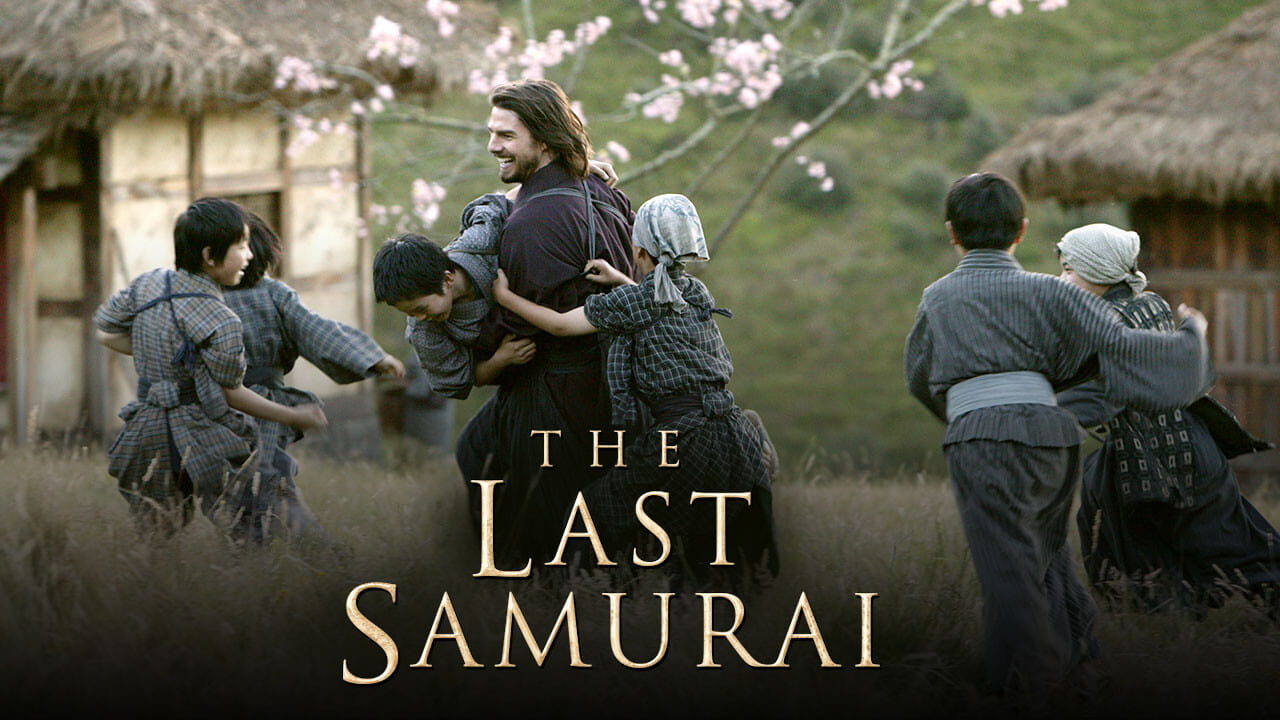
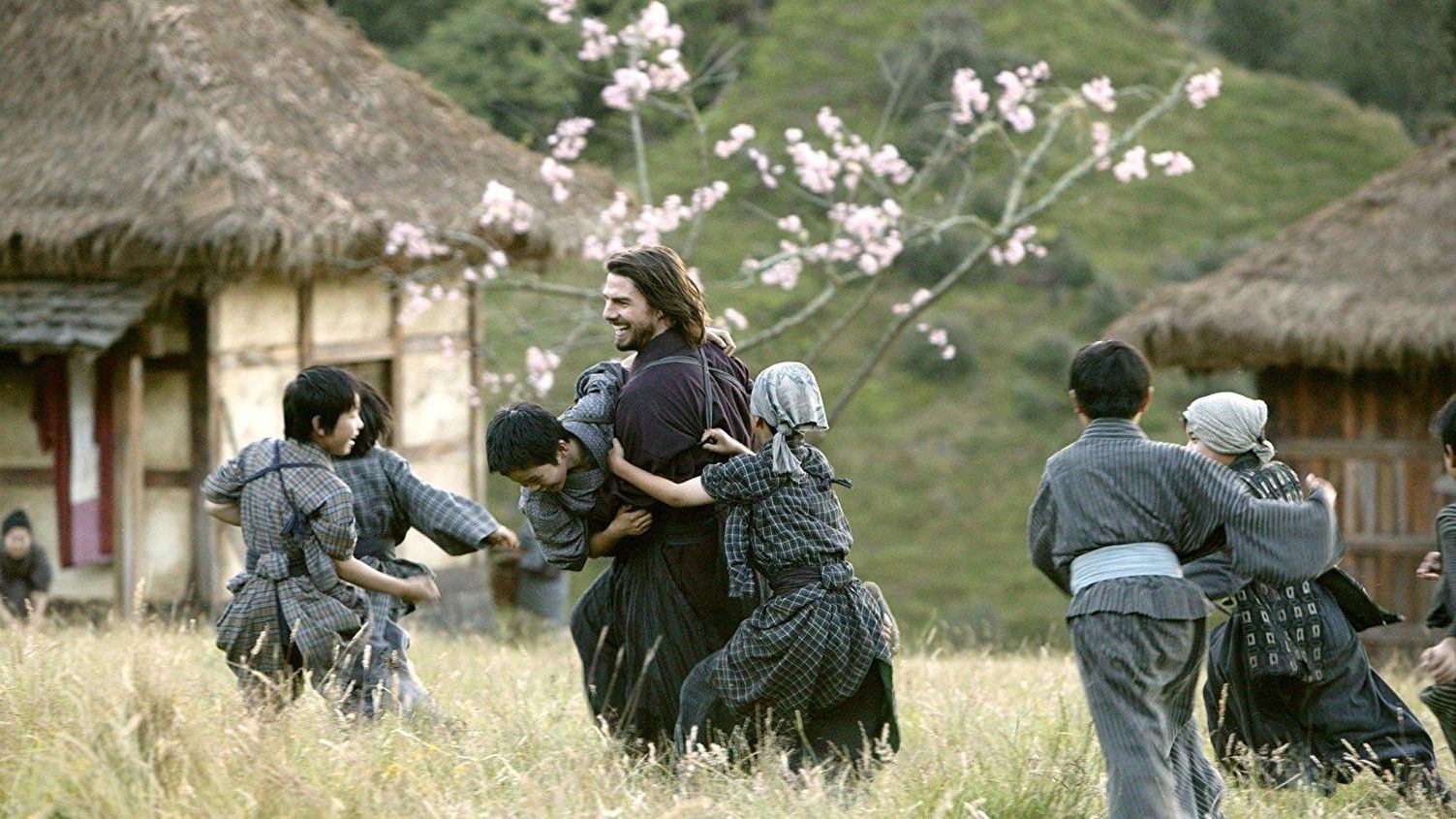
The film focuses on Algren's experiences and inner conflicts in Japan, showcasing how a feudal culture exists amid modernization efforts. After being saved by a samurai leader, Algren steps into the world of these ancient warriors, embarking on both a physical and spiritual journey. The samurai's way of life and sense of honor play a decisive role in Algren's character development. Throughout this process, the film presents strong themes of responsibility, honor, and loyalty. The time Algren spends among the samurai allows him to deeply question his own past, creating a bridge between the two cultures.
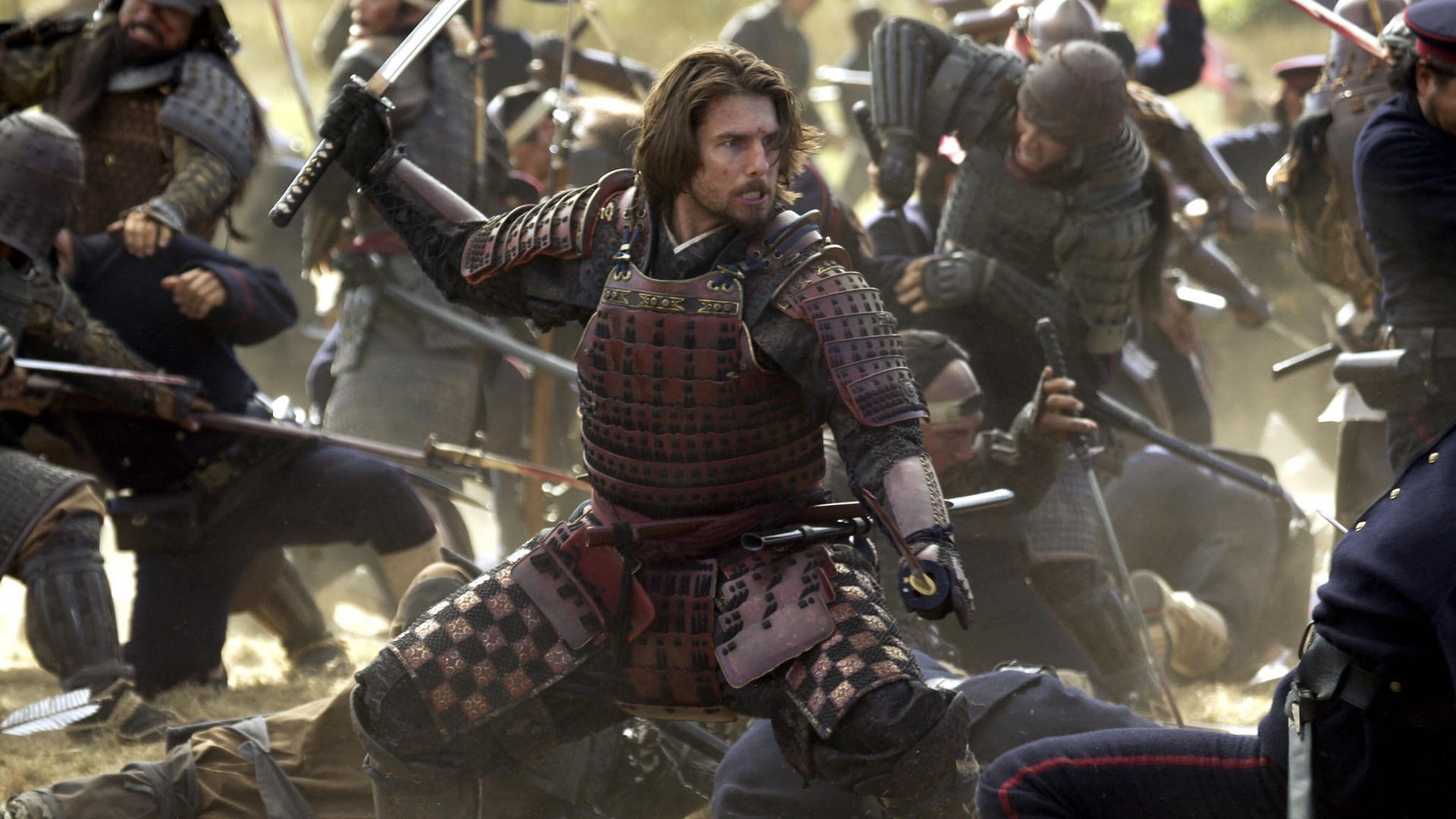
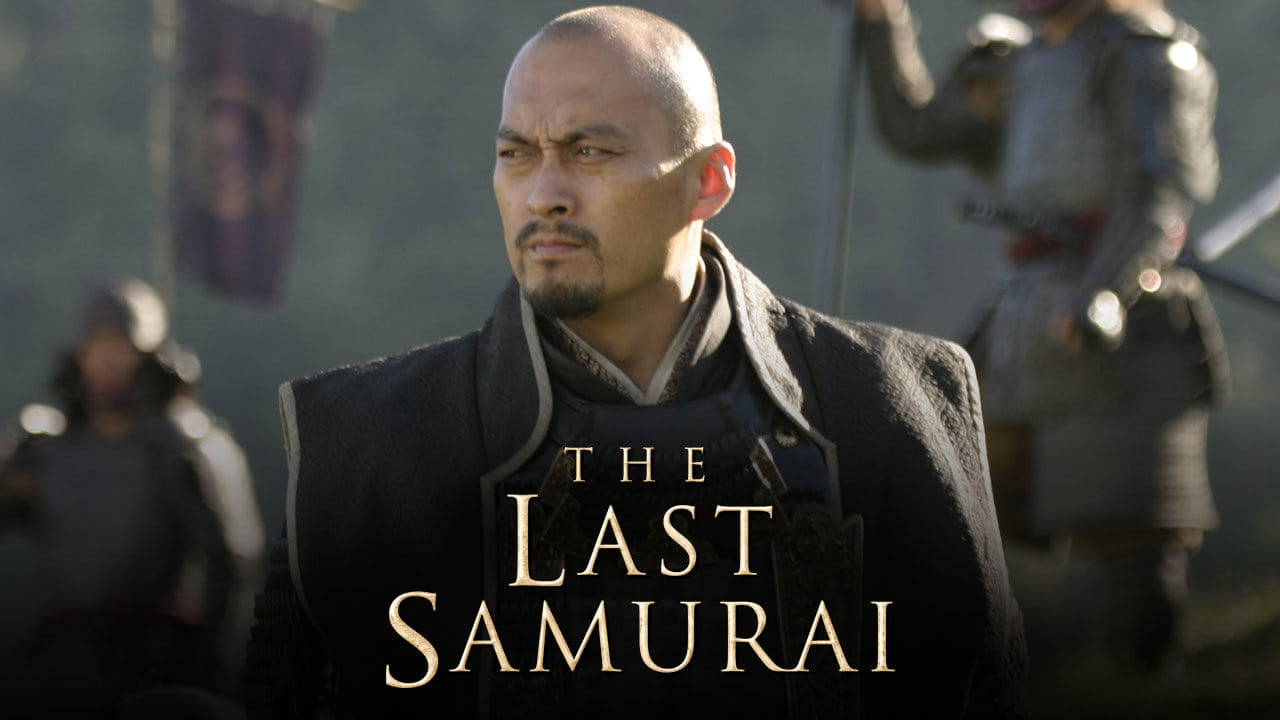
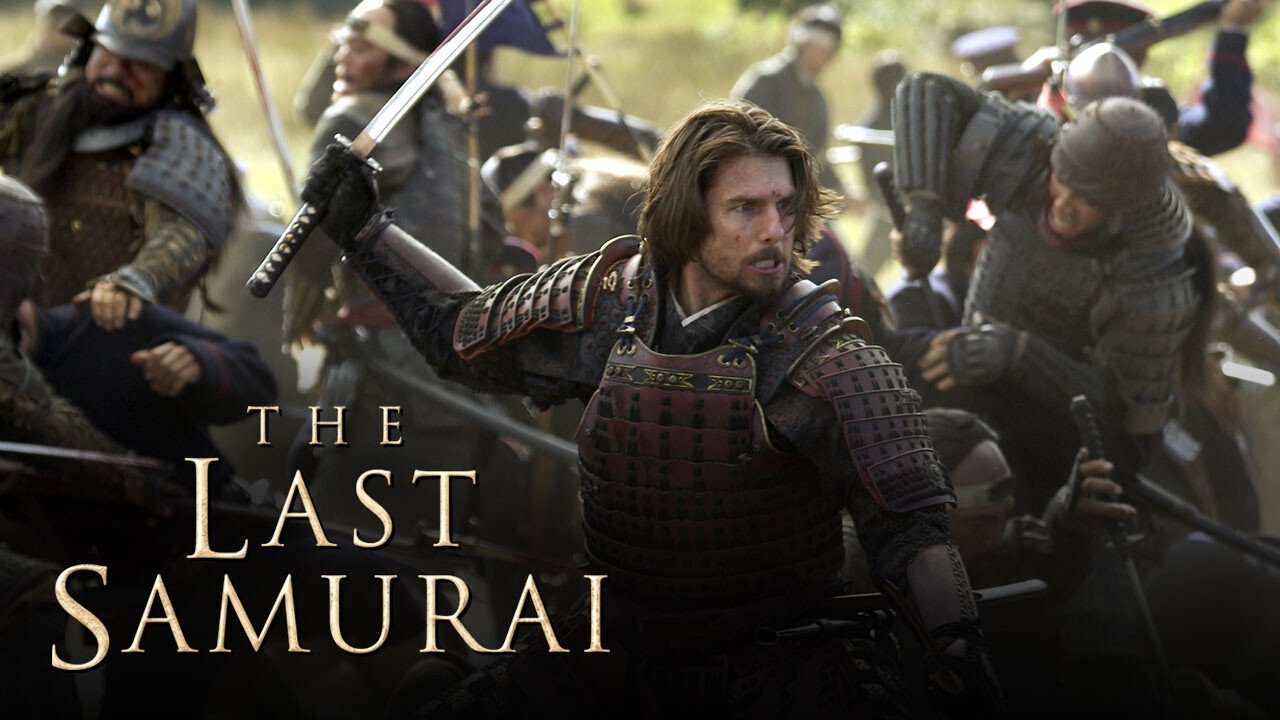
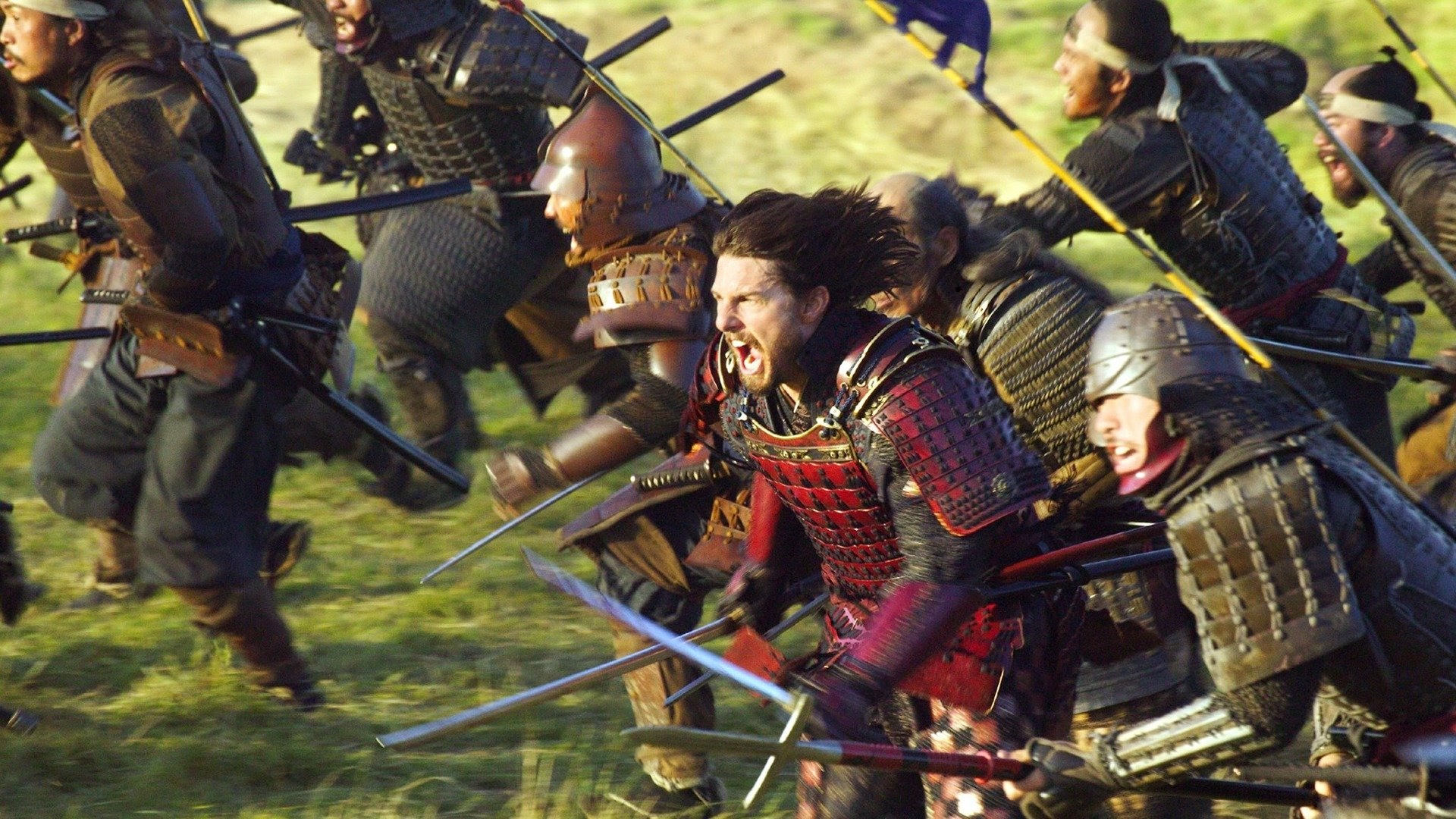
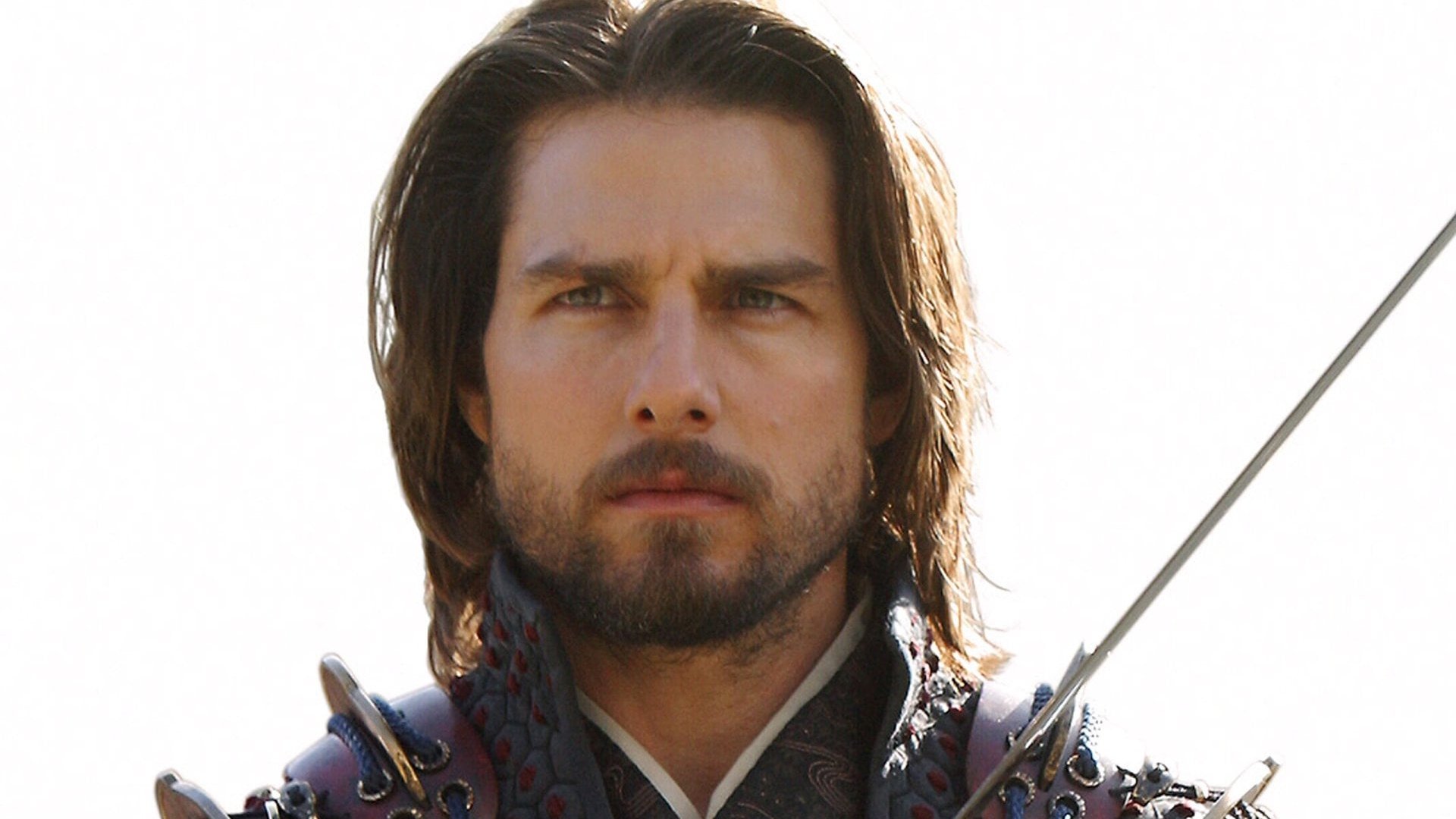
Edward Zwick is known for his visual storytelling and deep character studies. He successfully reflects this style in "The Last Samurai". Zwick masterfully combines battle scenes with emotional moments, providing an impactful experience for the audience. Tom Cruise delivers a strong performance as Captain Algren, while Ken Watanabe adds depth to the film with his portrayal of samurai leader Katsumoto. Watanabe's performance showcases a powerful presence both emotionally and physically, impacting viewers. Other actors also bring their characters to life, skillfully reflecting the samurai culture and philosophy of war.
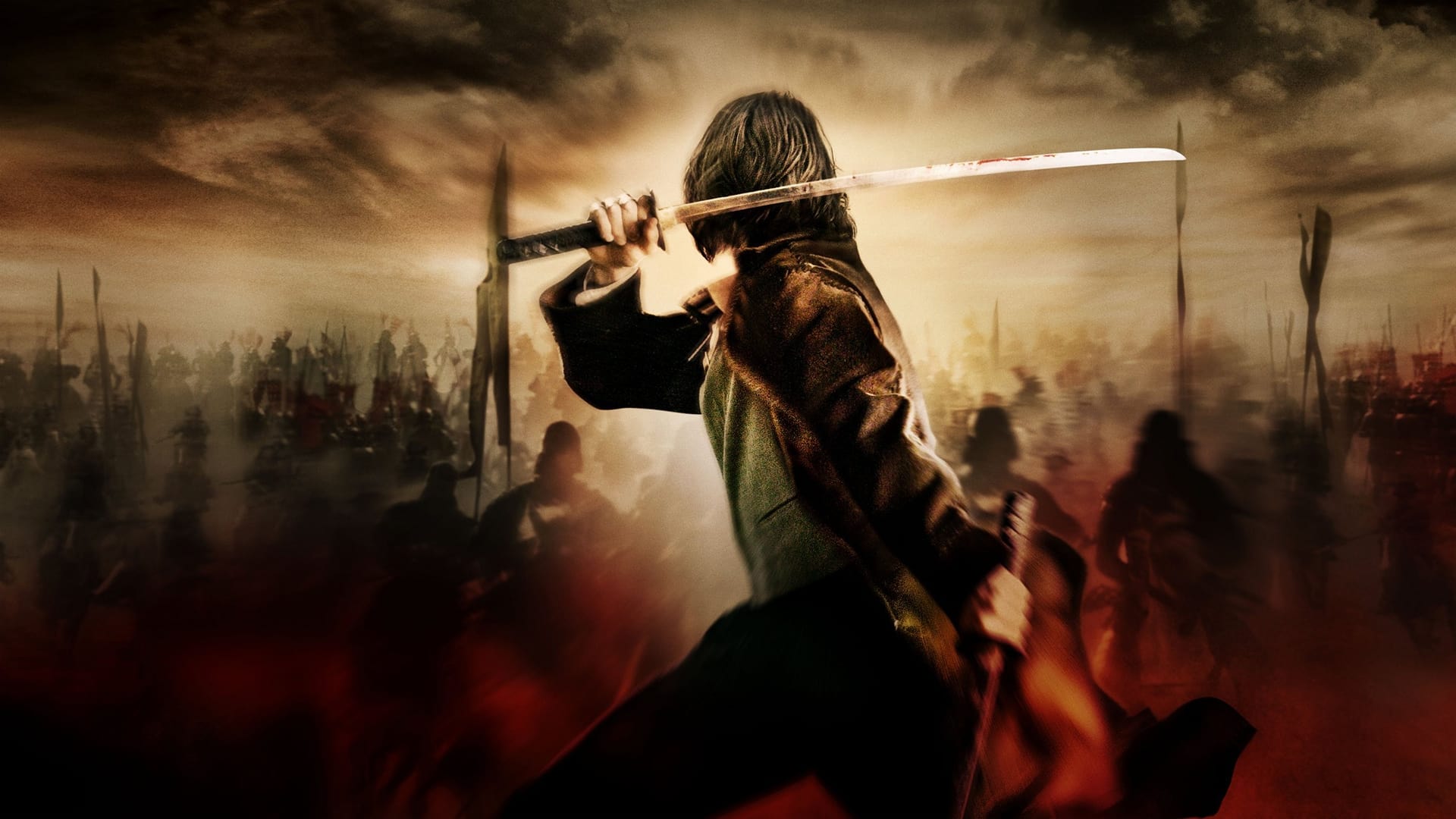
"The Last Samurai" transcends being just a war film, questioning cultural conflict and the individual's understanding of honor. The film presents the clash between modernization and traditional values while offering viewers an unforgettable experience. This work, under Zwick's direction, also stands out for its cinematography and music. Particularly, Hans Zimmer's impressive score underscores the emotional moments in the film, allowing the audience to connect more deeply with the story. "The Last Samurai" is an important work to watch, as it presents a narrative that delves into both the depths of war and the human spirit. If you are looking for a film with deep meaning among Edward Zwick's works, "The Last Samurai" should definitely be on your list.
In conclusion, "The Last Samurai" not only offers action-packed scenes but also presents deep character development and cultural understanding. Therefore, if you say "watch The Last Samurai," this film will provide you with an unforgettable experience. Visually stunning and emotionally deep, this film is a must-see for cinema lovers.
Why Watch?
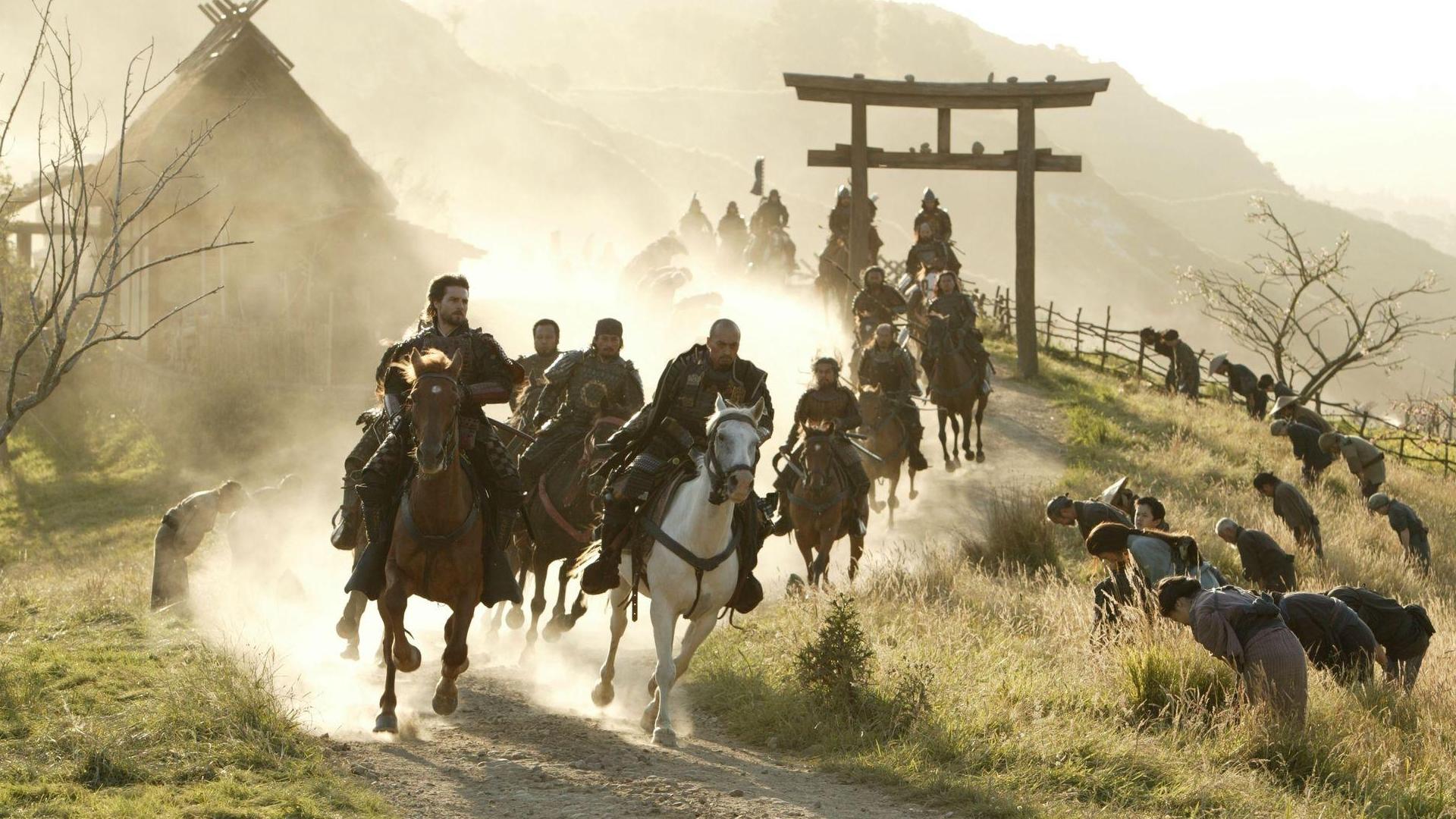
STRONG POINTS: Emotional depth: The film effectively portrays the inner conflicts and transformation processes of the characters. Visual aesthetics: Stunning landscapes and striking battle scenes draw viewers in. Historical context: Tells the story of Japan's Meiji Restoration period in an impressive manner, offering an educational experience for history enthusiasts.
WHO IT APPEALS TO: Appeals to viewers who enjoy historical dramas, seeking deep character development and visual splendor.
EXPECTATION MANAGEMENT: This film may progress slowly for those who prefer action-packed, fast-paced films.
Frequently Asked Questions
What is the plot of The Last Samurai?
The Last Samurai takes place in 19th century Japan and tells the story of Nathan Algren, an American soldier who encounters samurai culture and develops respect for it. The film explores Algren's internal conflicts and the samurai's commitment to their traditions.
Is The Last Samurai based on a true story?
Yes, The Last Samurai is inspired by real historical events. The film reflects the challenges faced by samurai during Japan's modernization process and the conflicts of that era.
Where can I watch The Last Samurai?
The Last Samurai can be watched on various digital platforms, in DVD or Blu-ray format, and on some television channels. There may also be opportunities for screenings at film festivals.
How long is The Last Samurai?
154 minutes.
What does the ending of The Last Samurai mean?
The ending of The Last Samurai symbolizes the conflict between traditional values and modernization. Algren's choice emphasizes the importance of individual honor and the preservation of cultural heritage.
What year was The Last Samurai released?
2003.
Is The Last Samurai worth watching?
Yes, The Last Samurai is a film worth watching. It offers viewers an unforgettable experience with its visual aesthetics, deep character development, and compelling story.