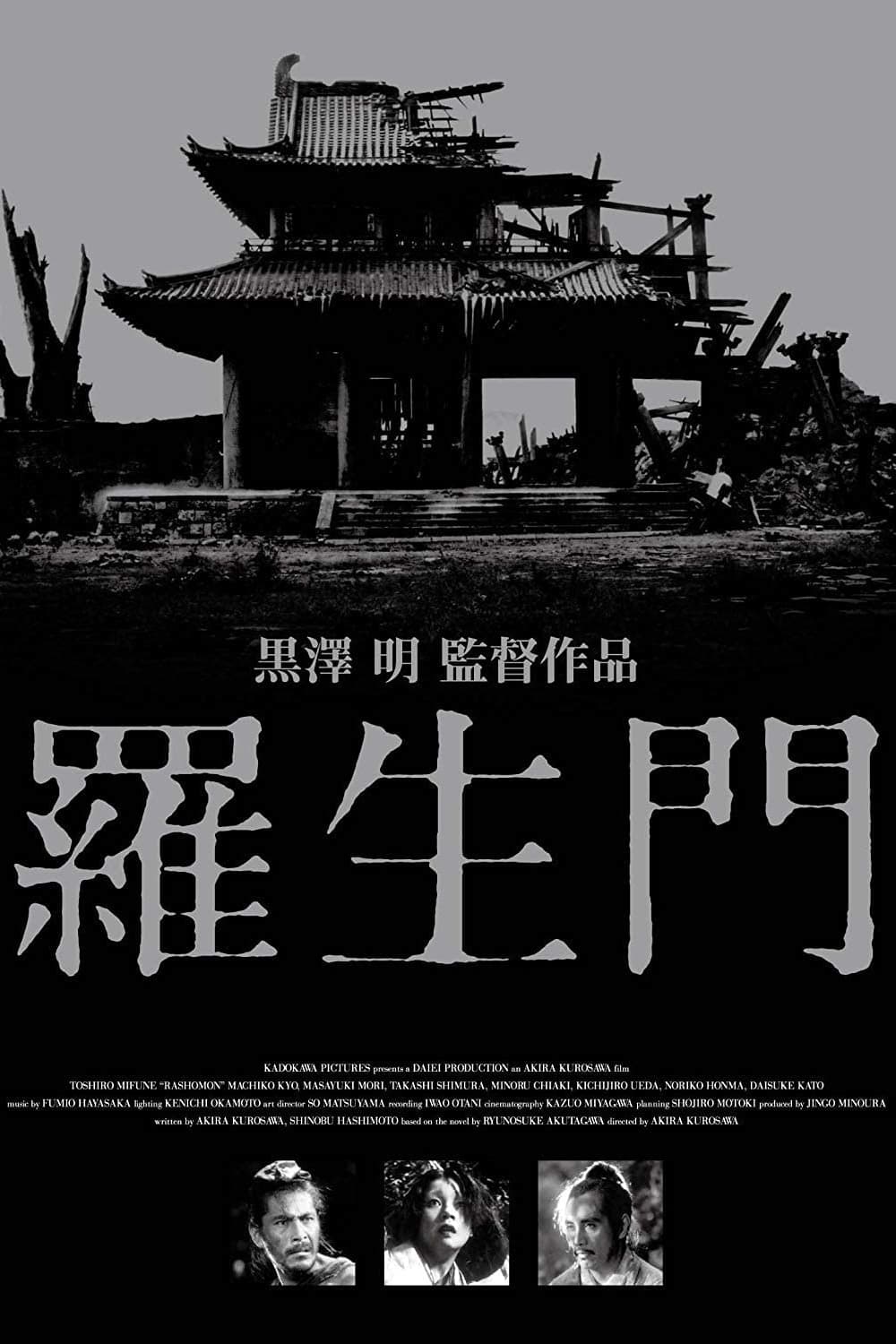
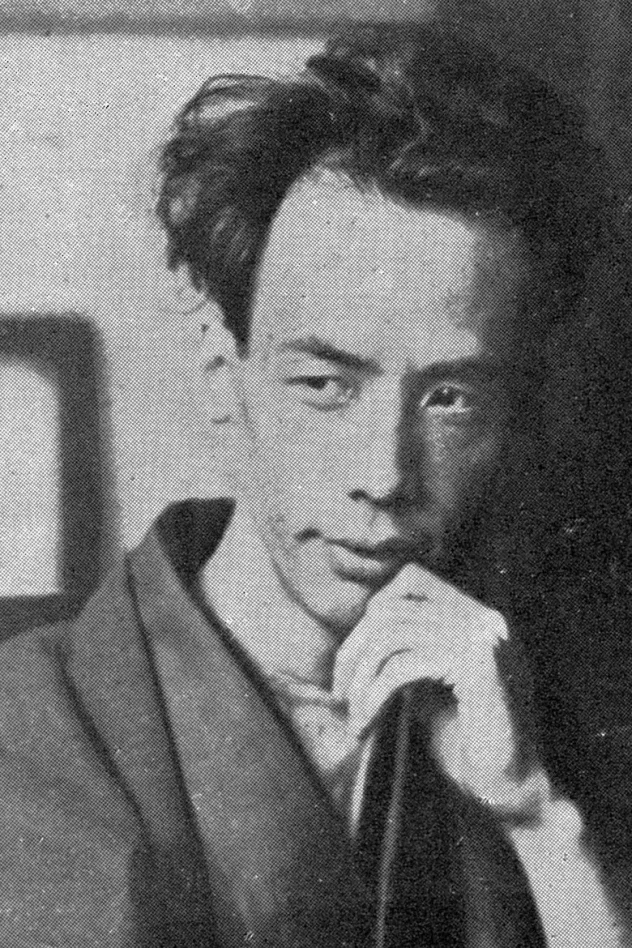
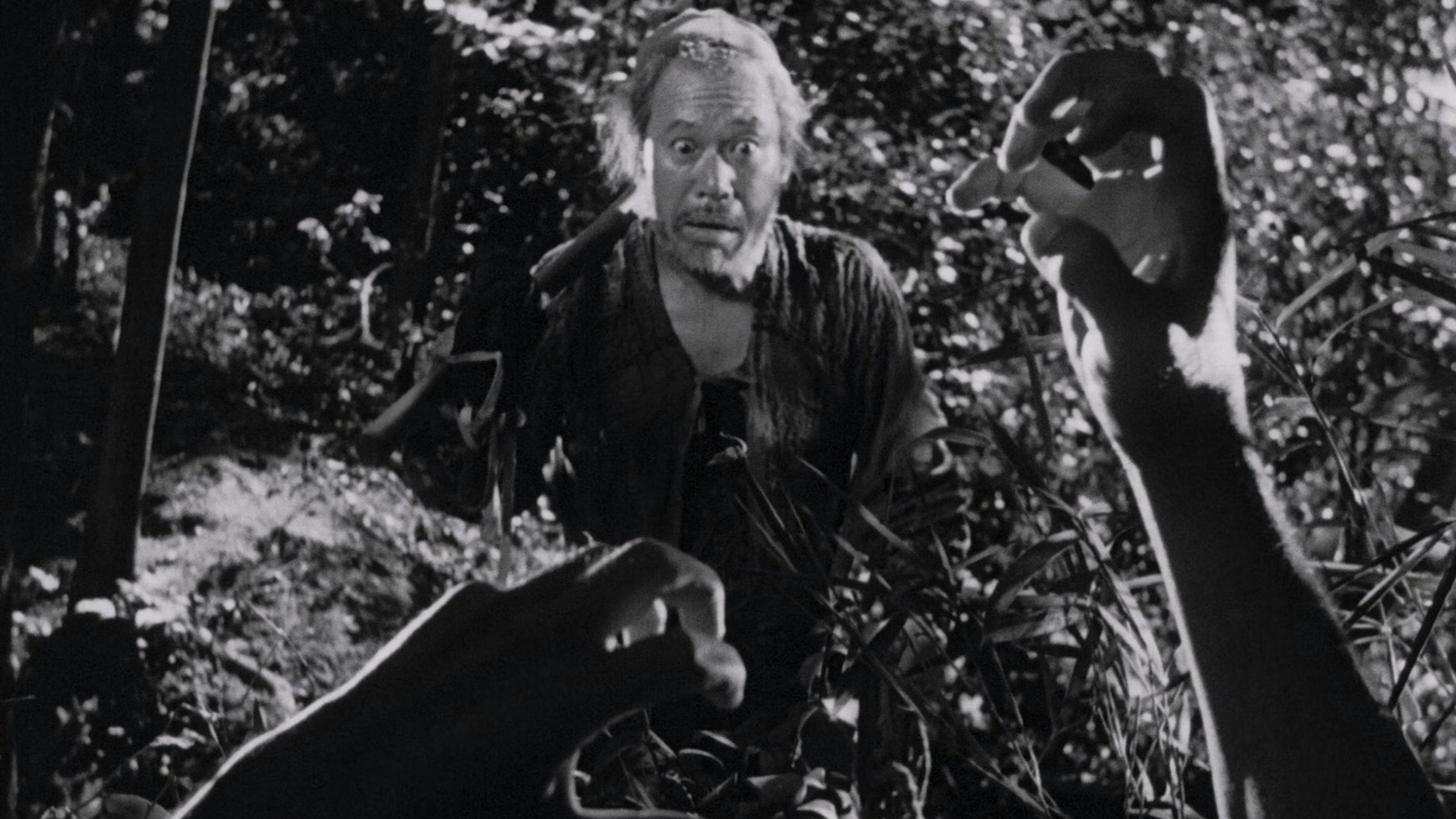
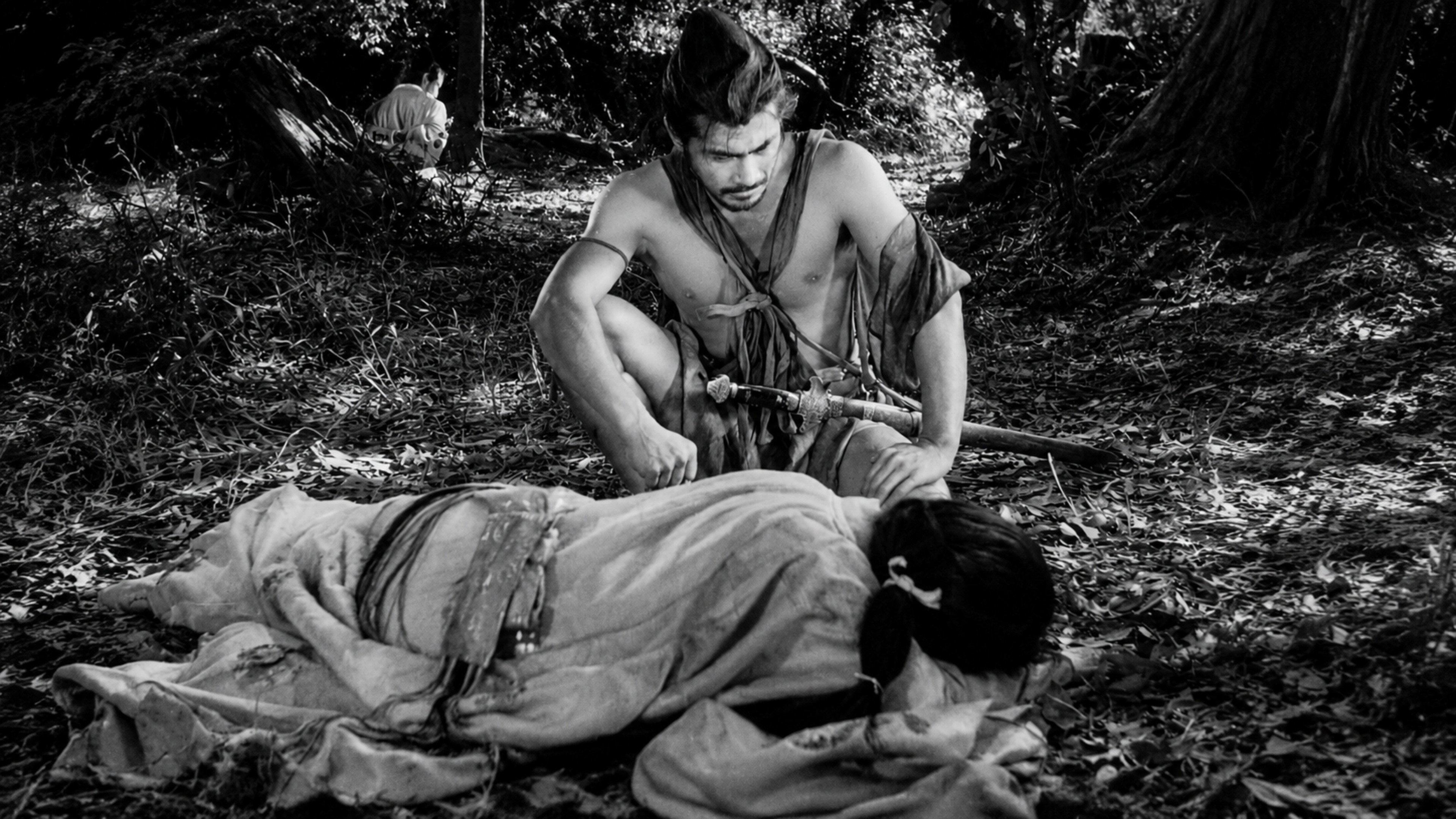
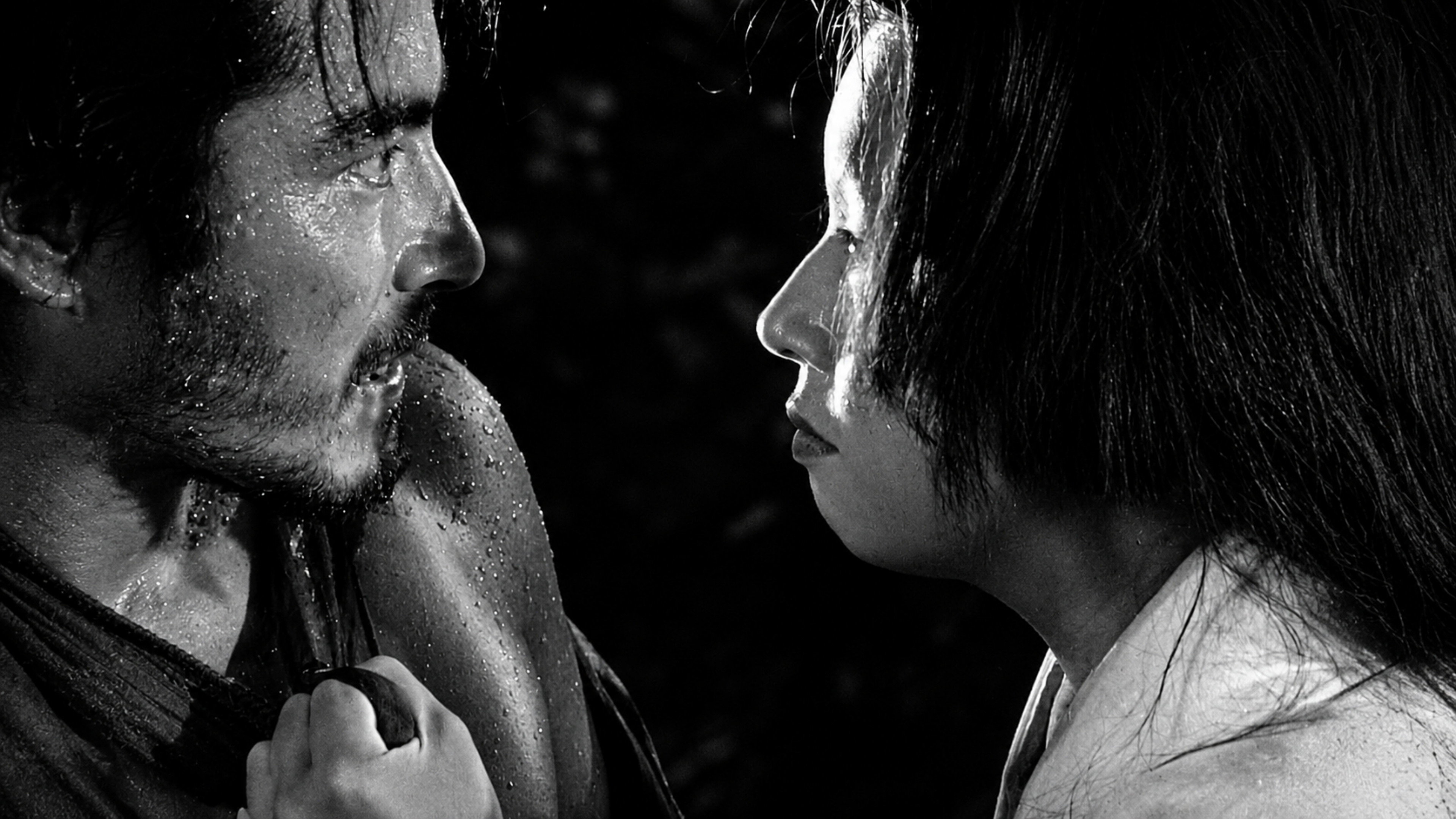
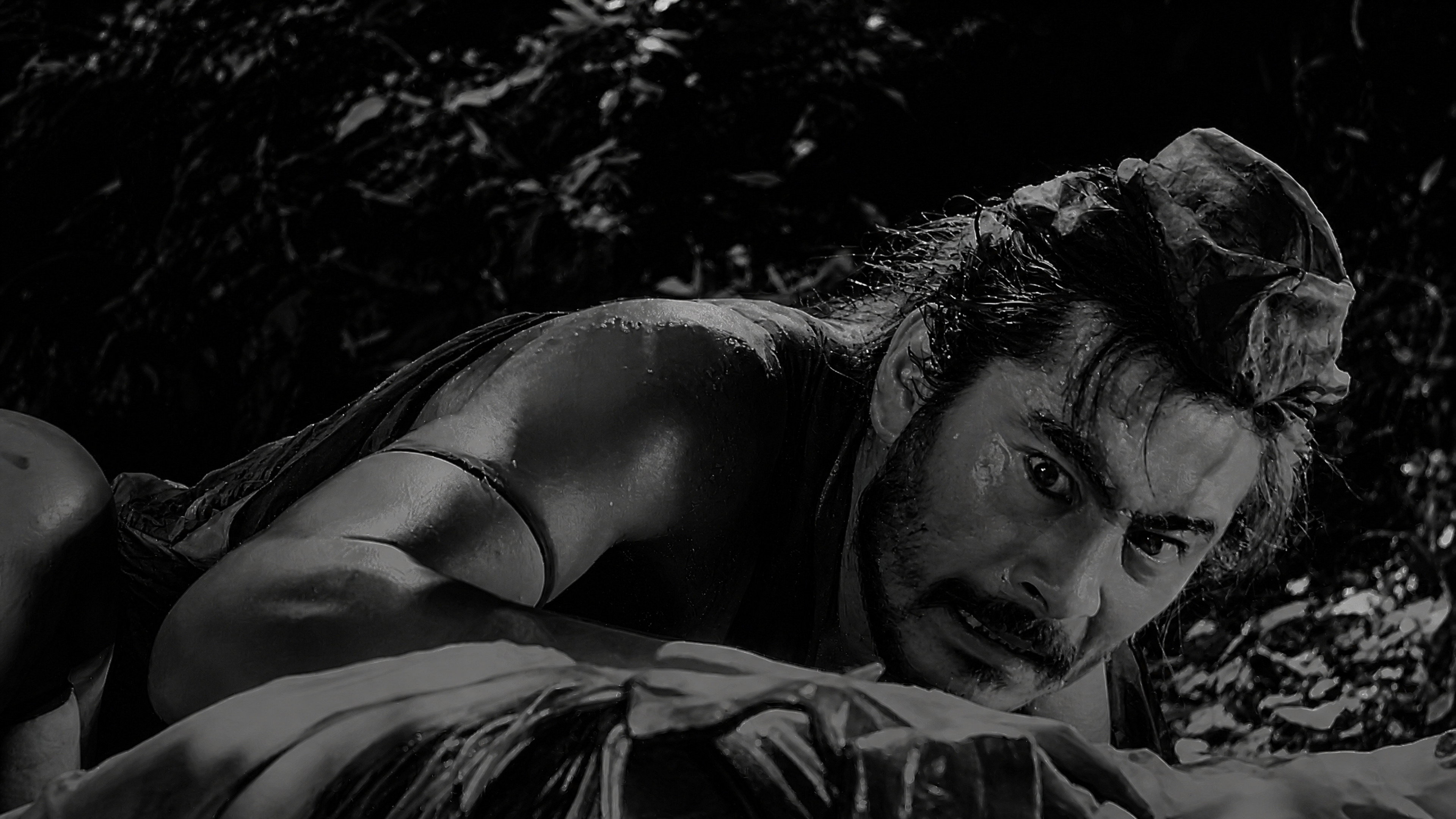
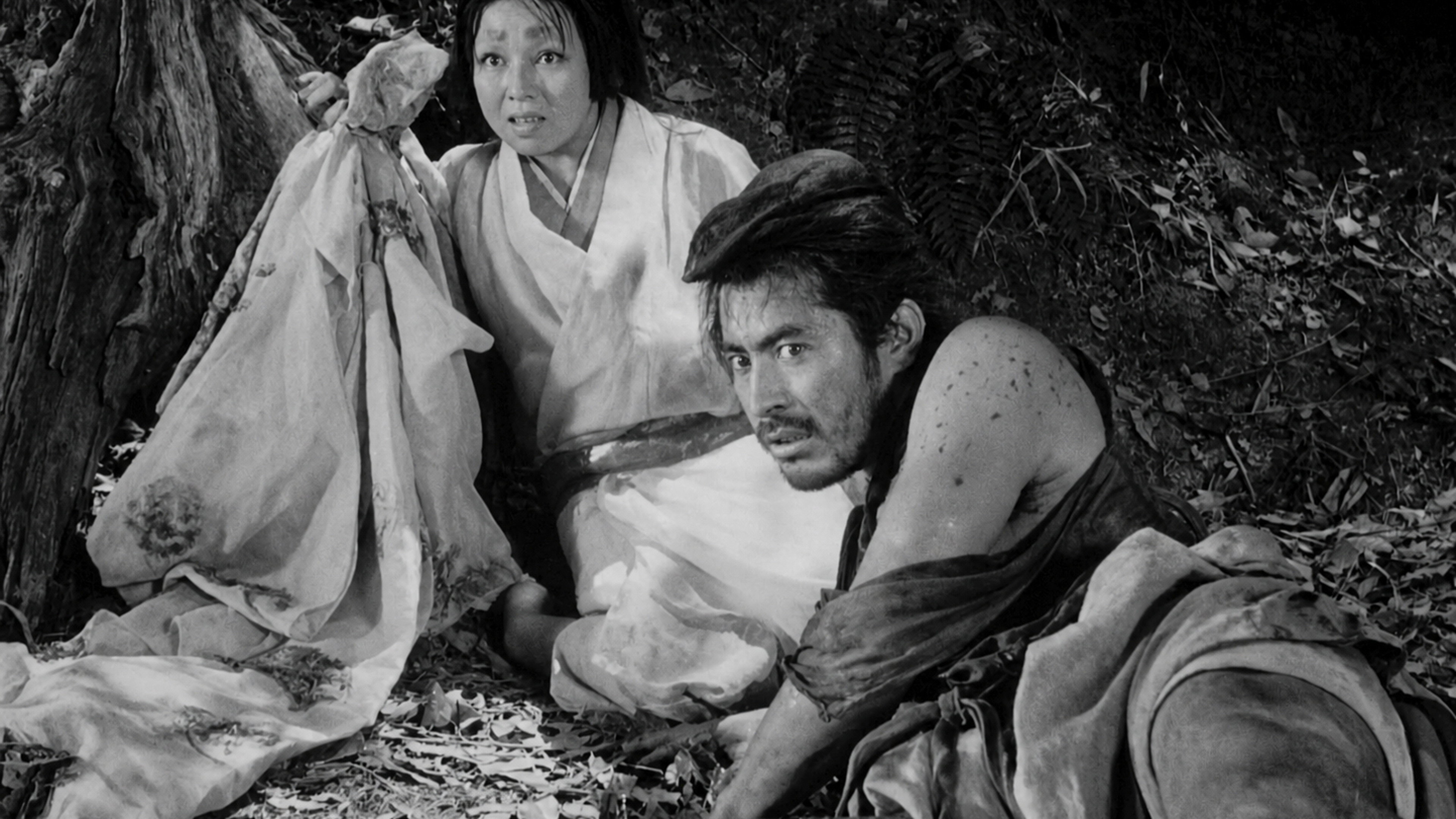
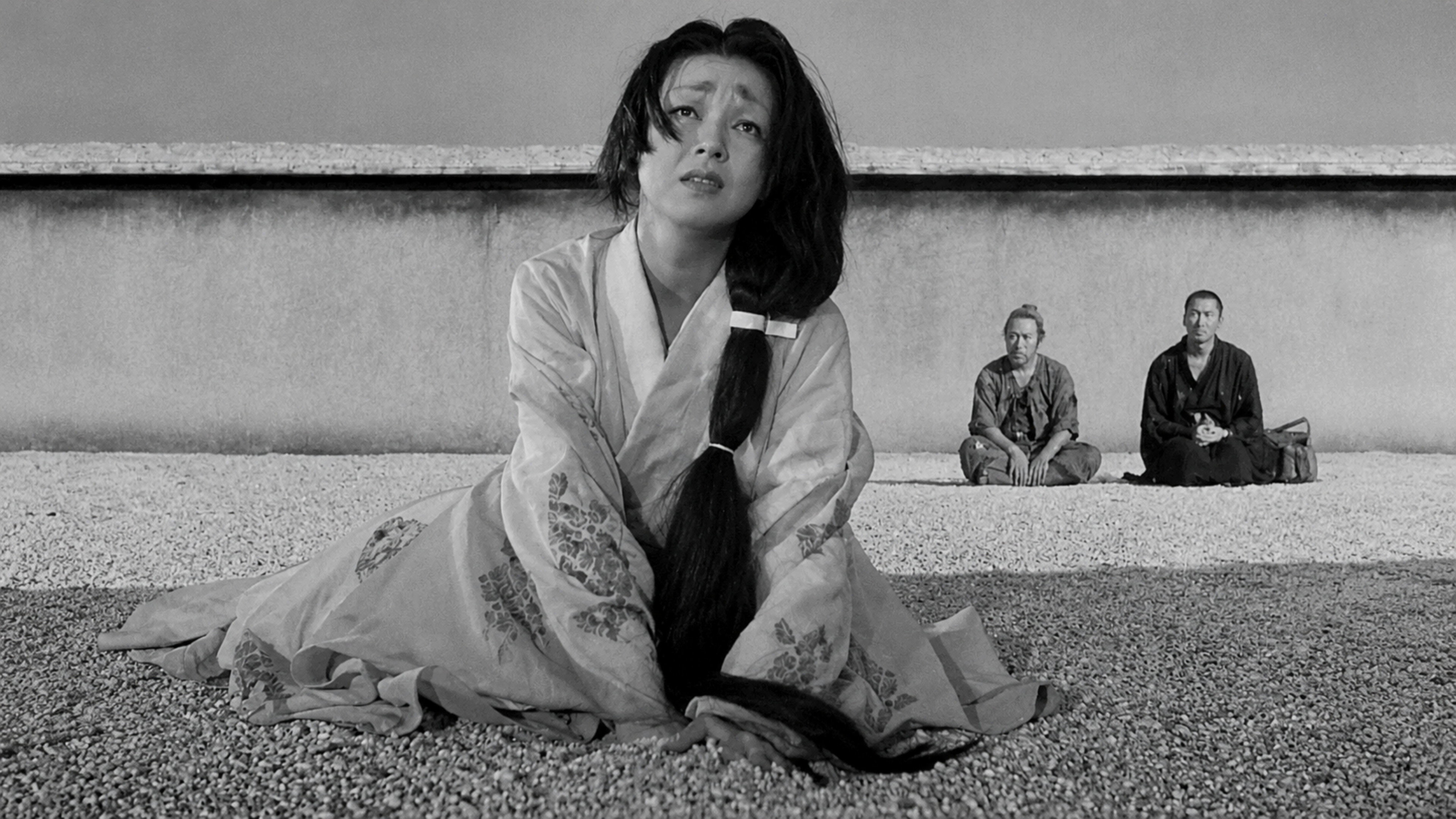
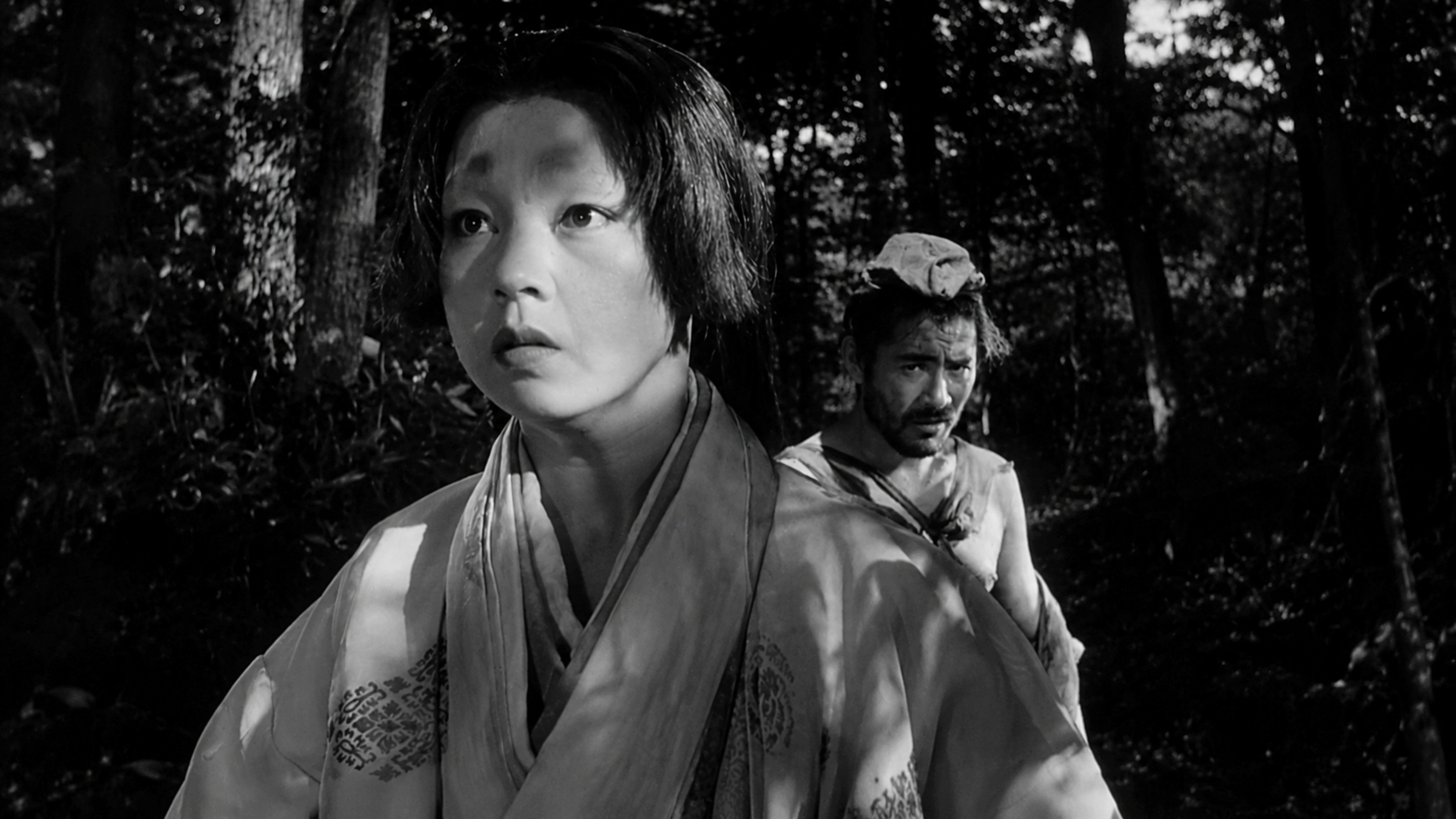
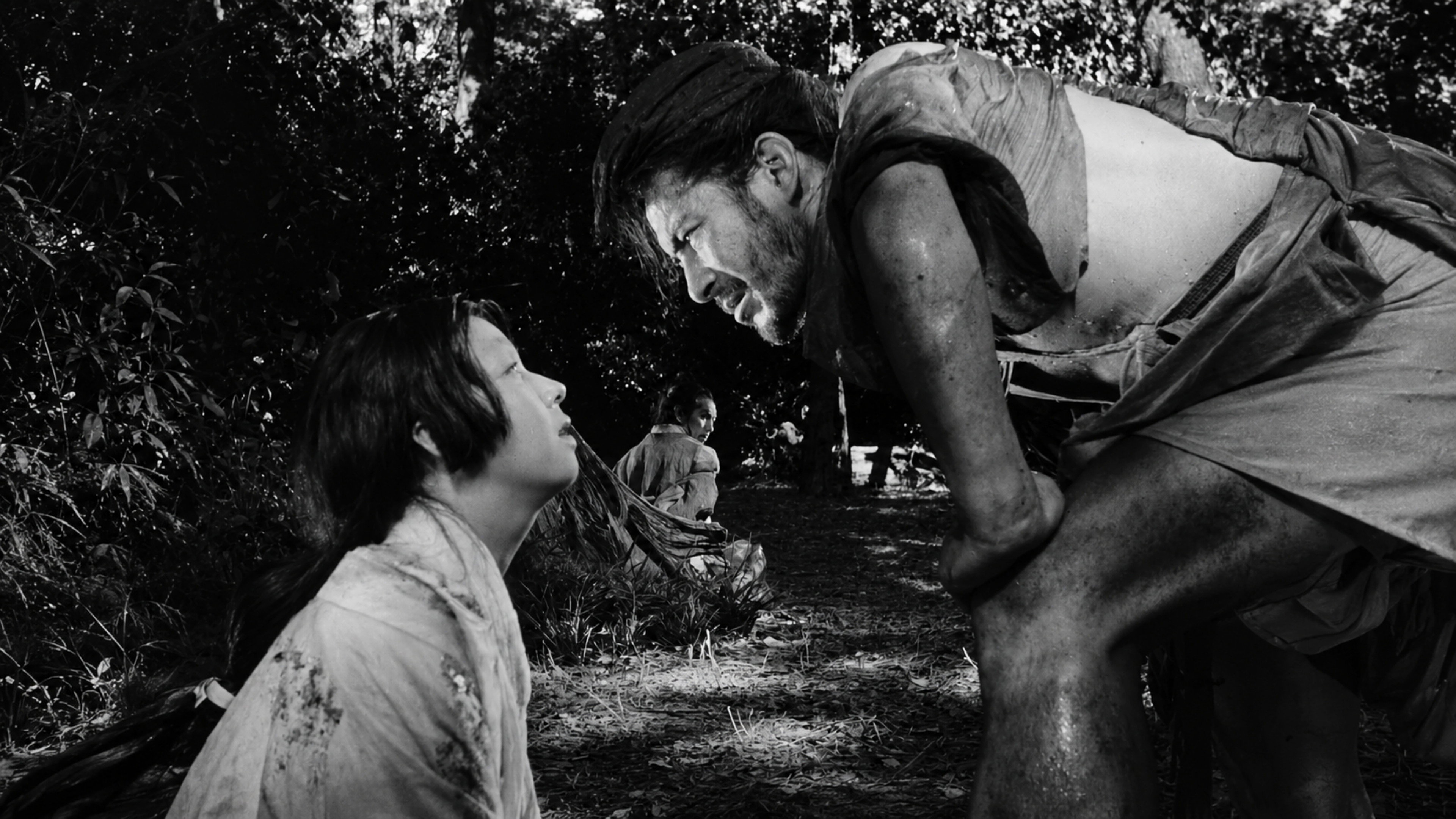
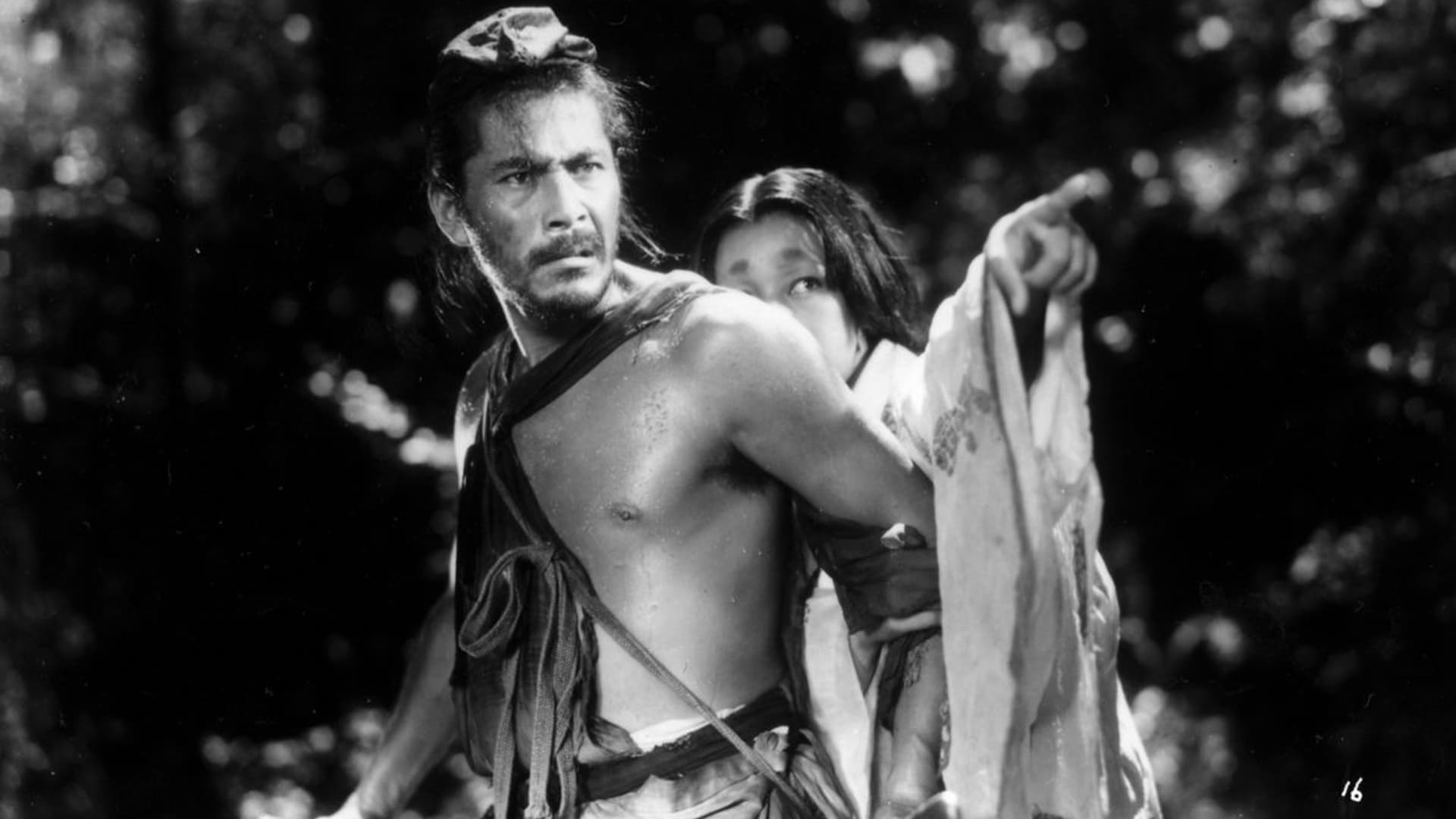
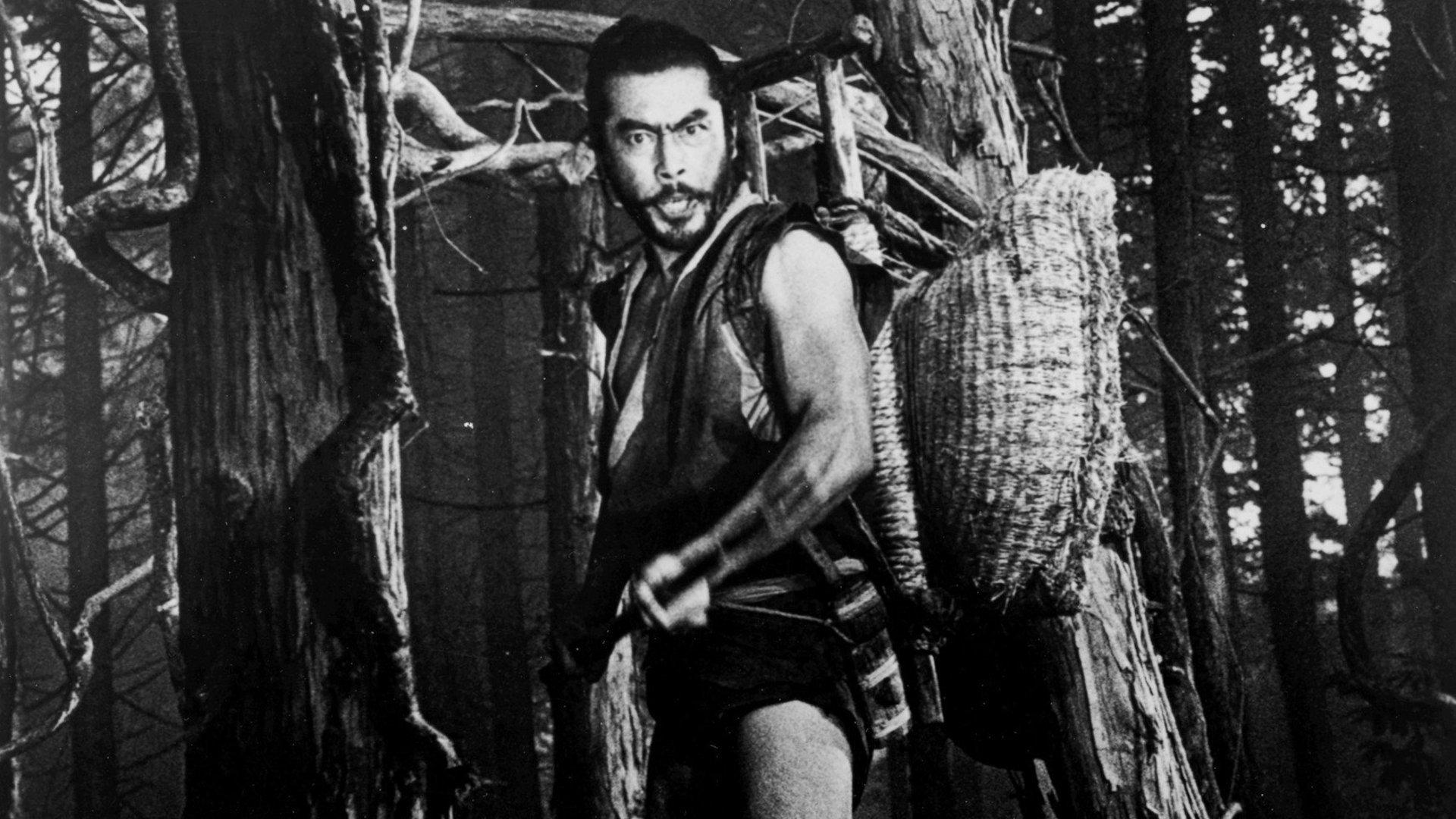
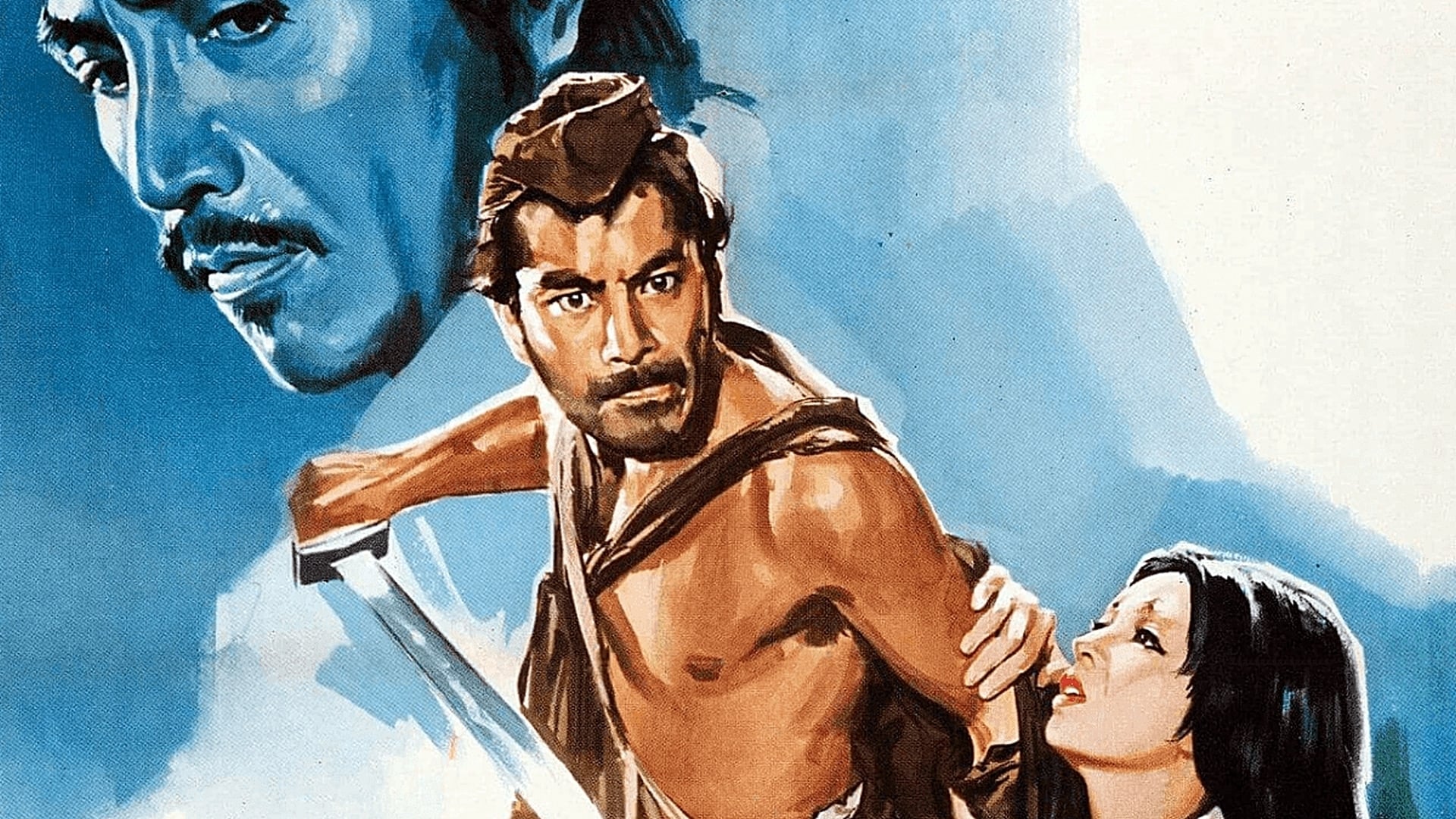
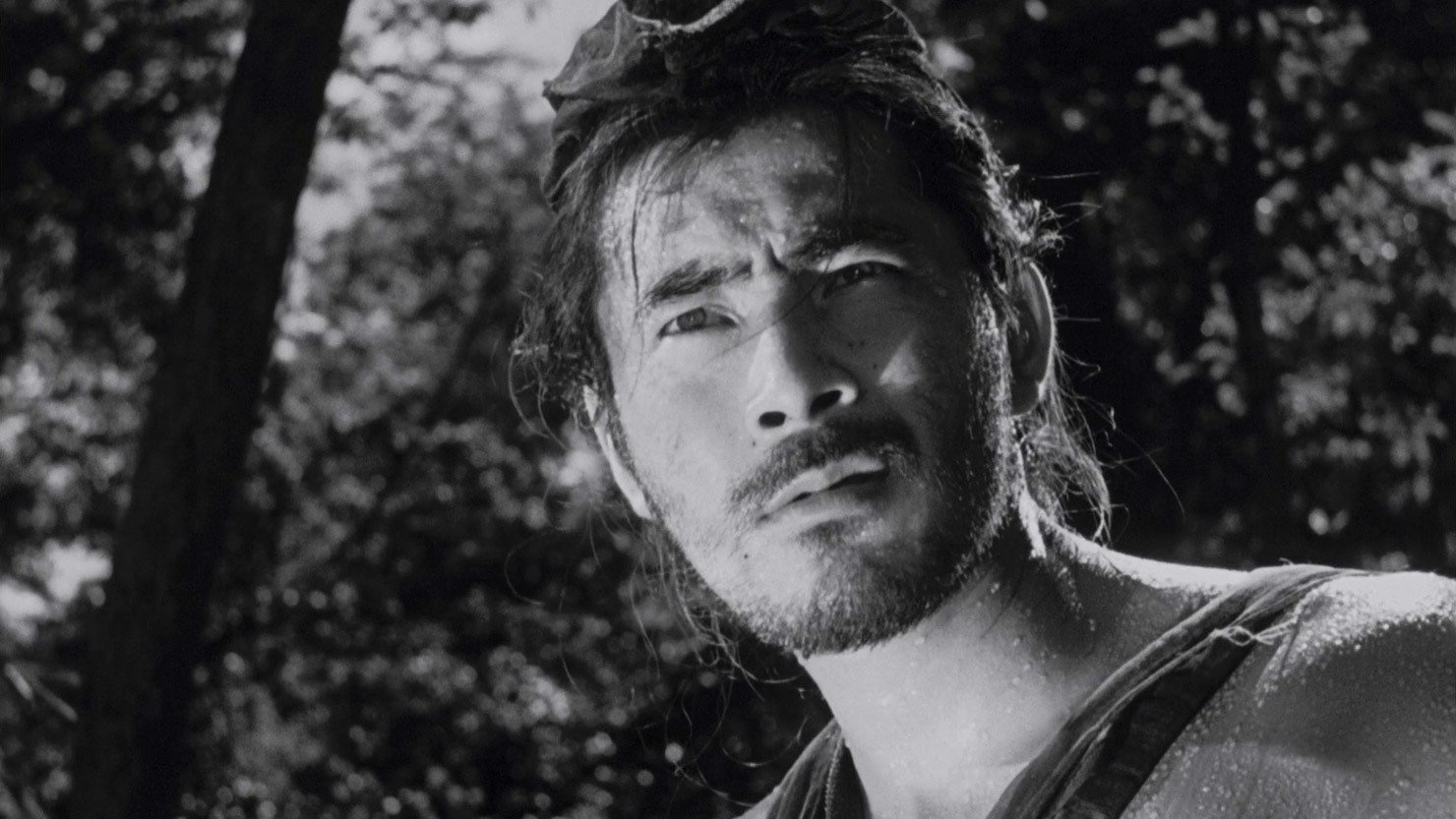
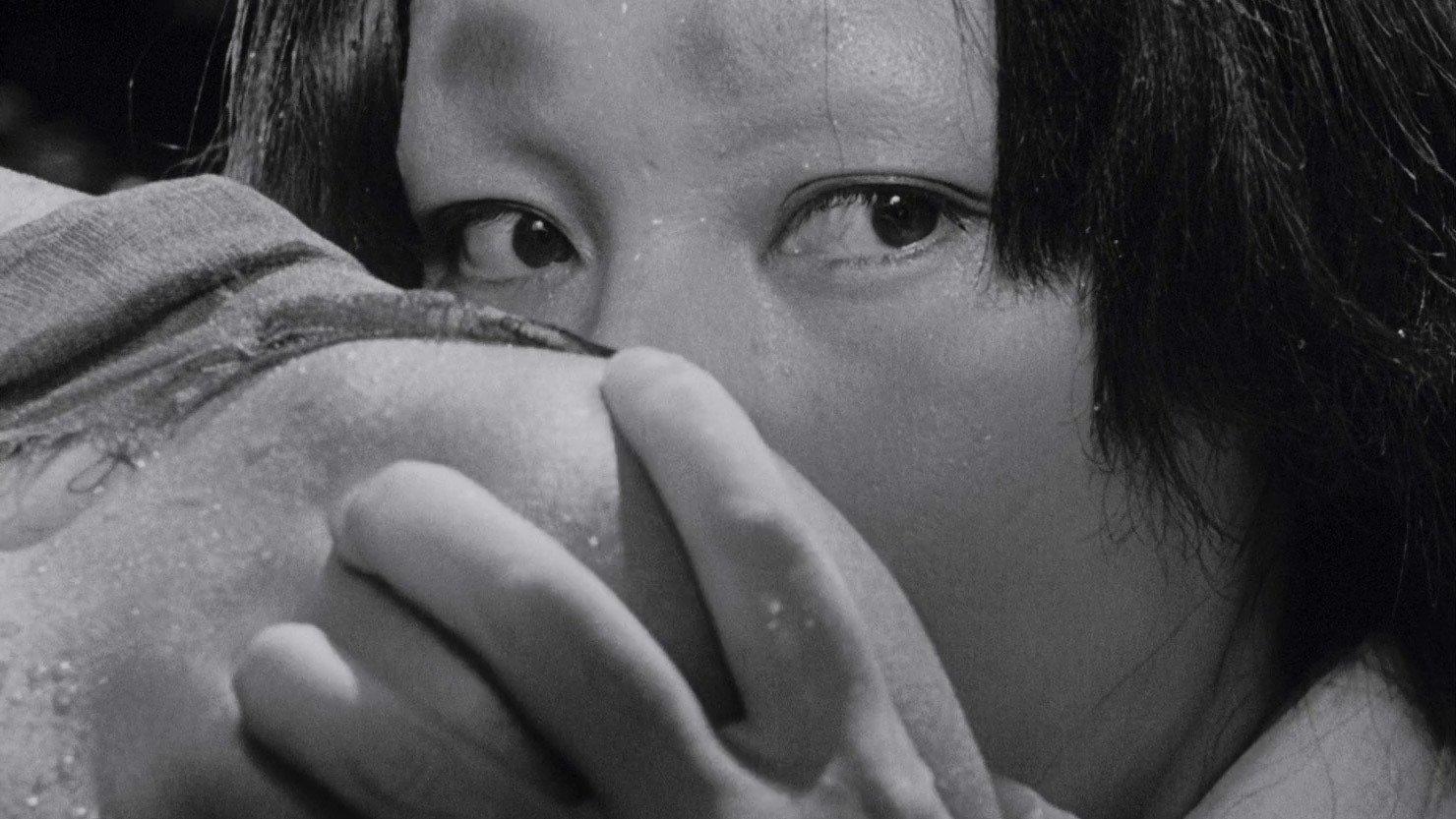
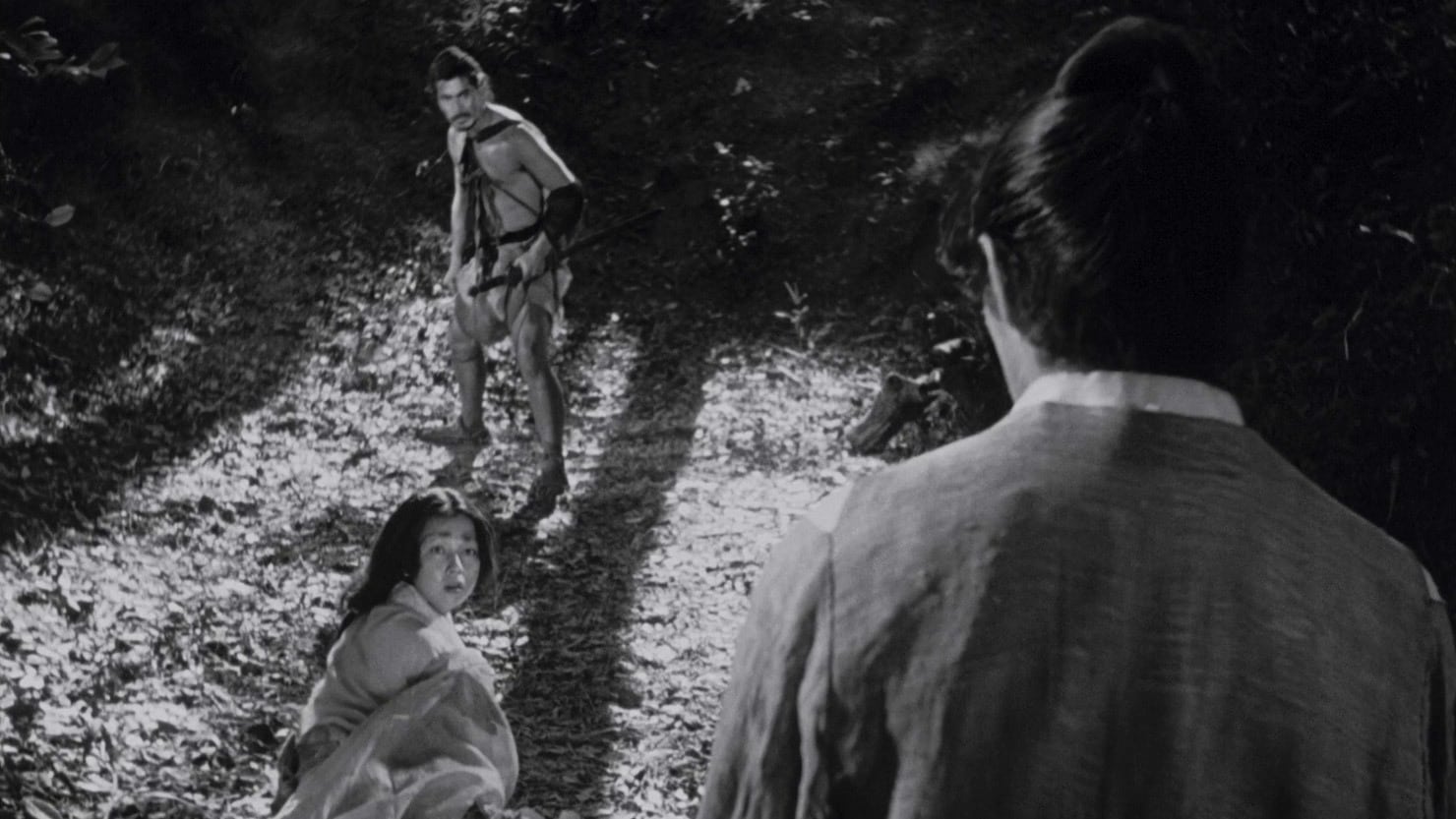
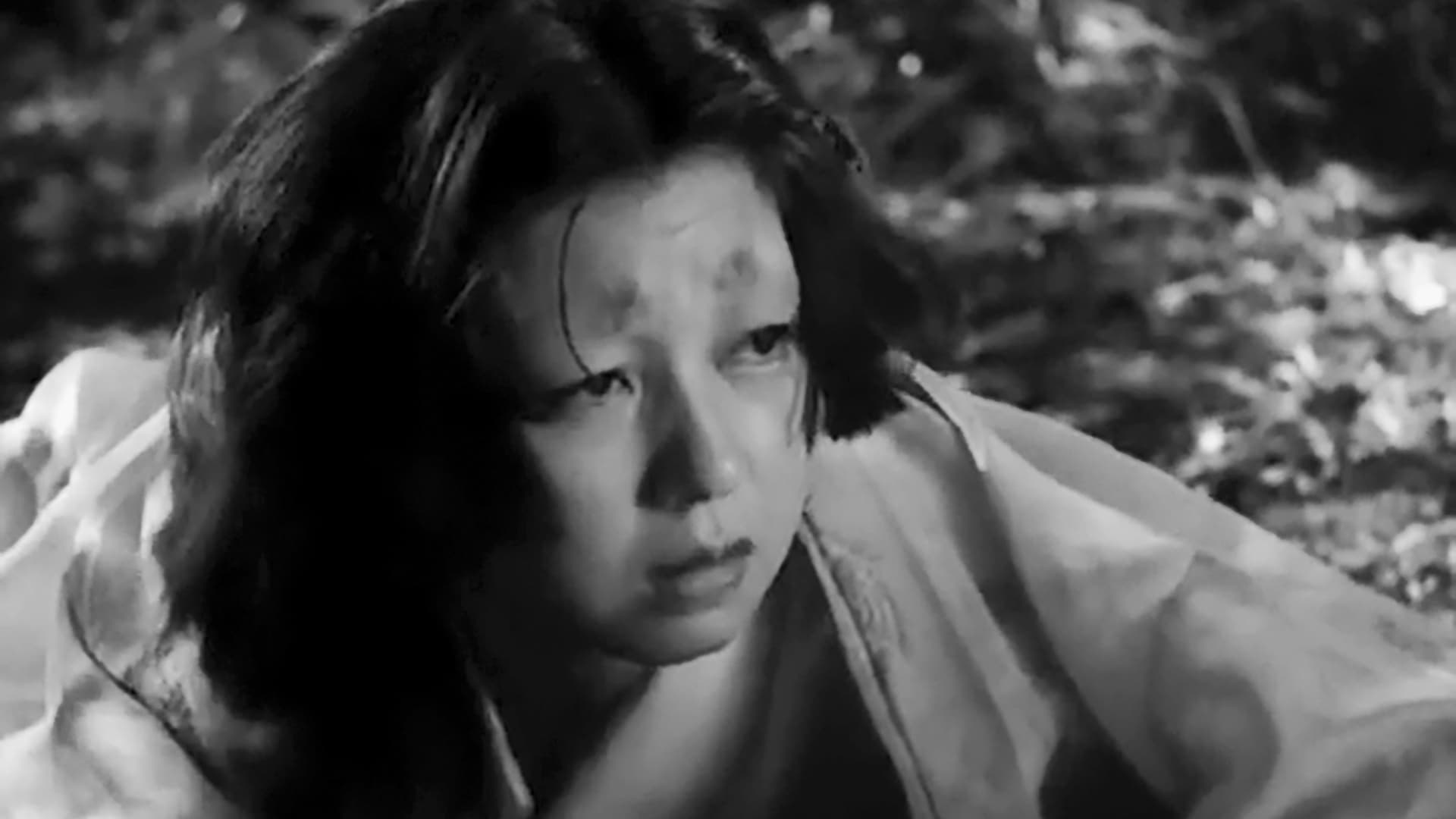
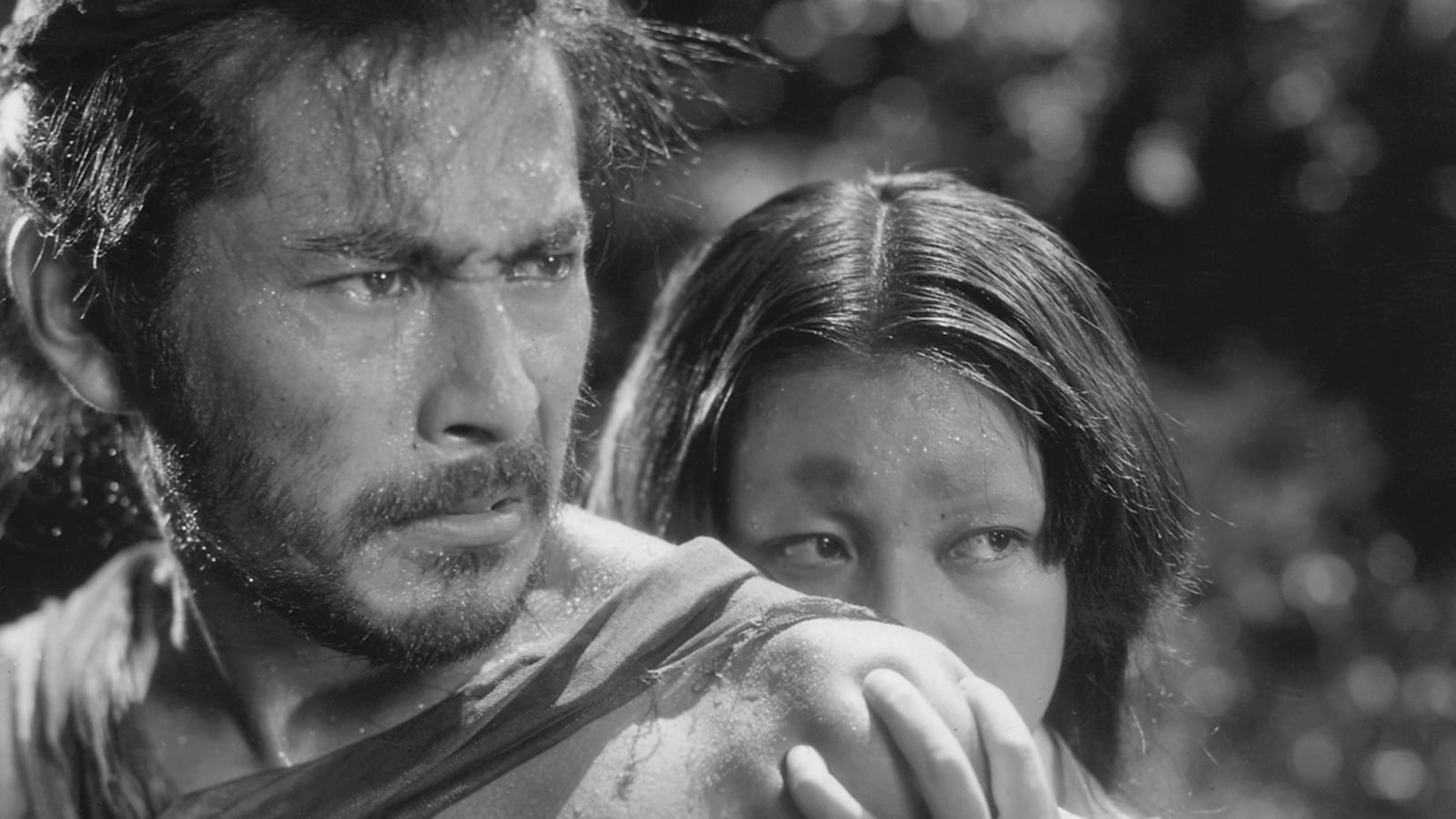
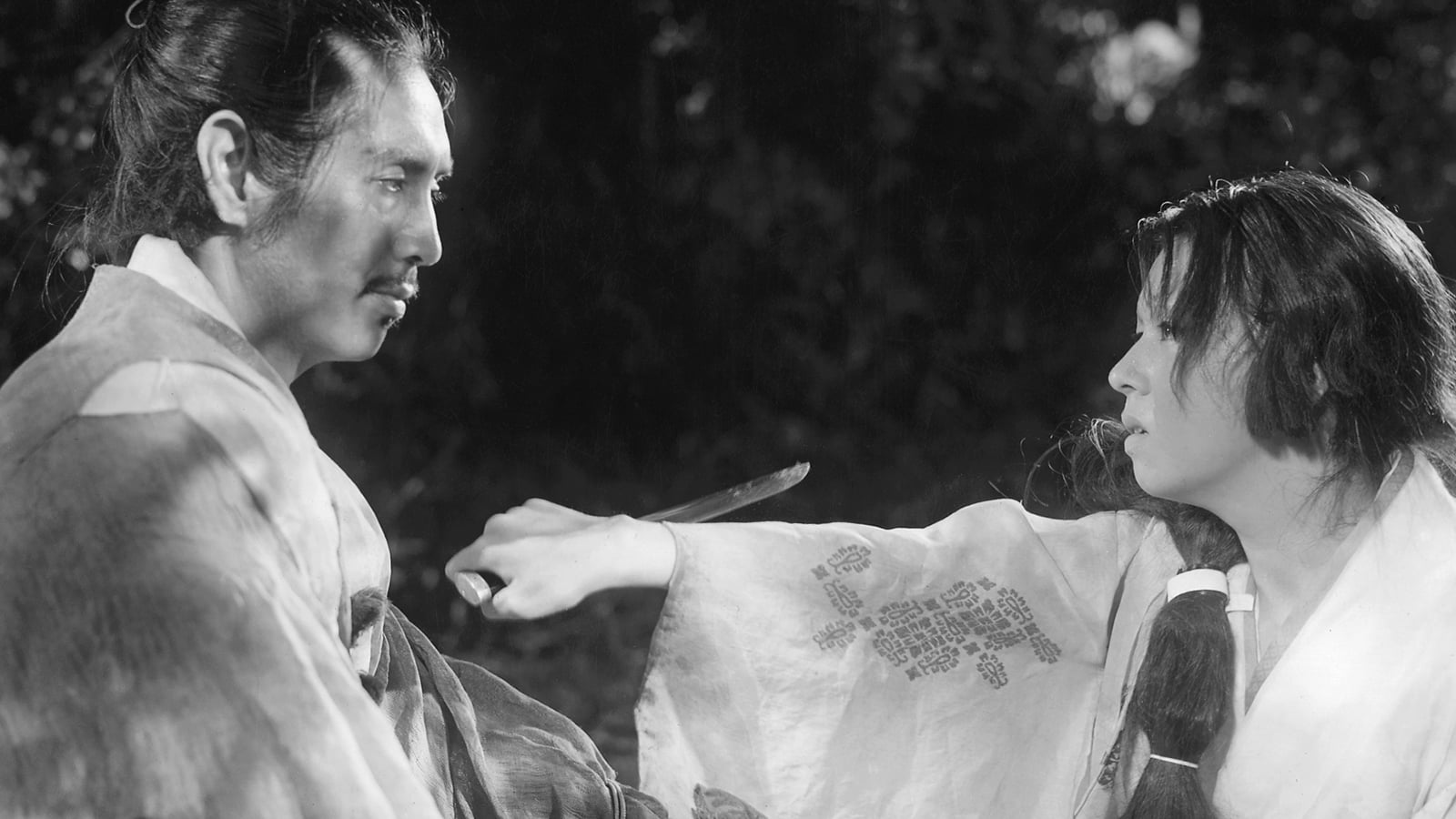
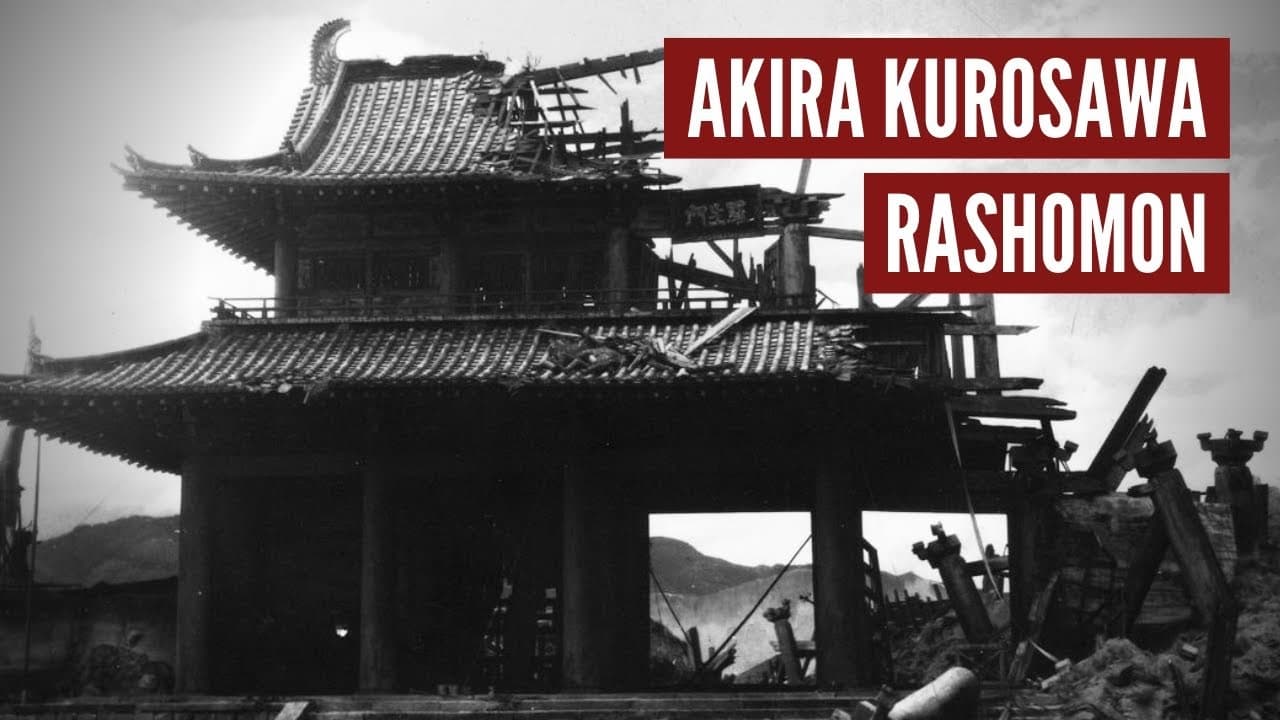
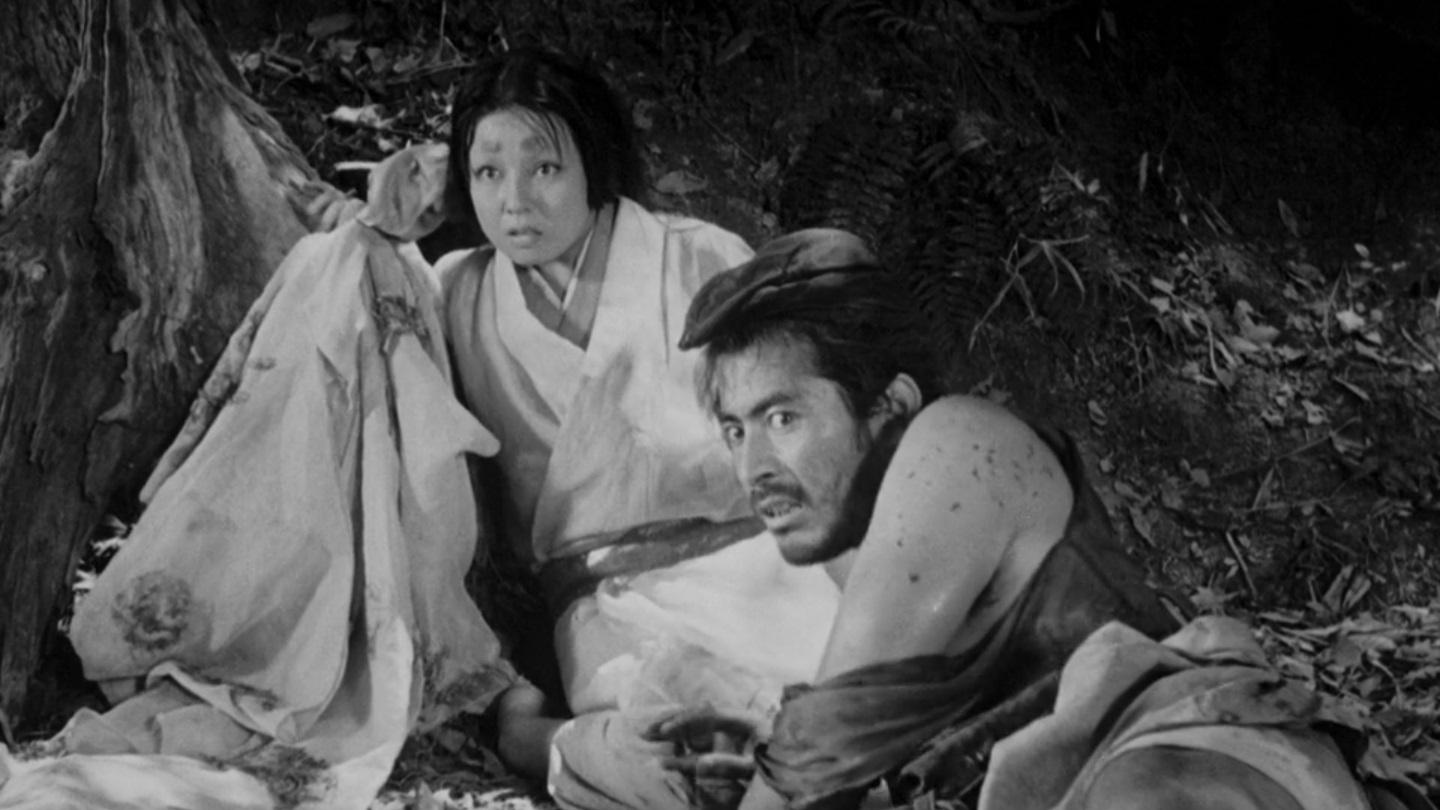
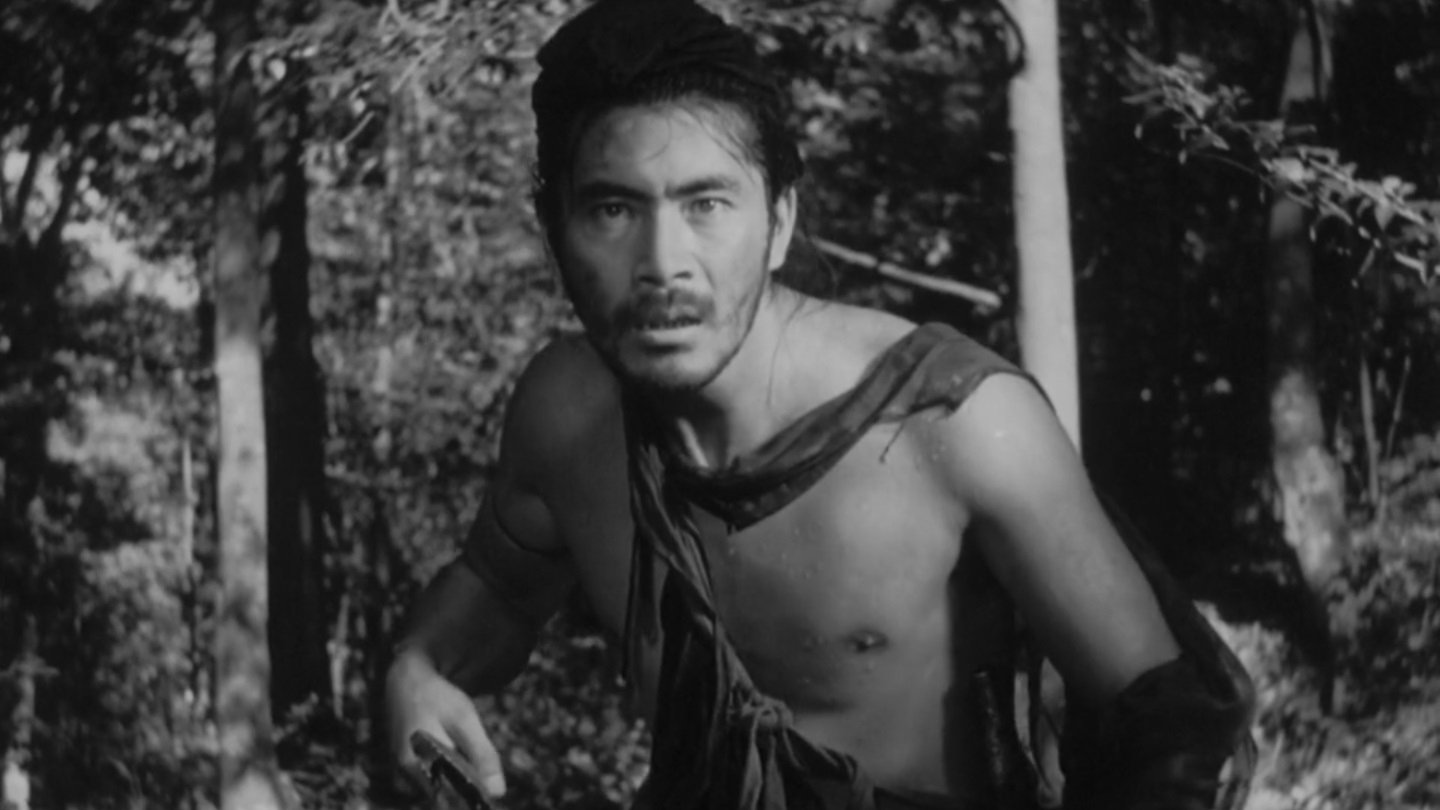
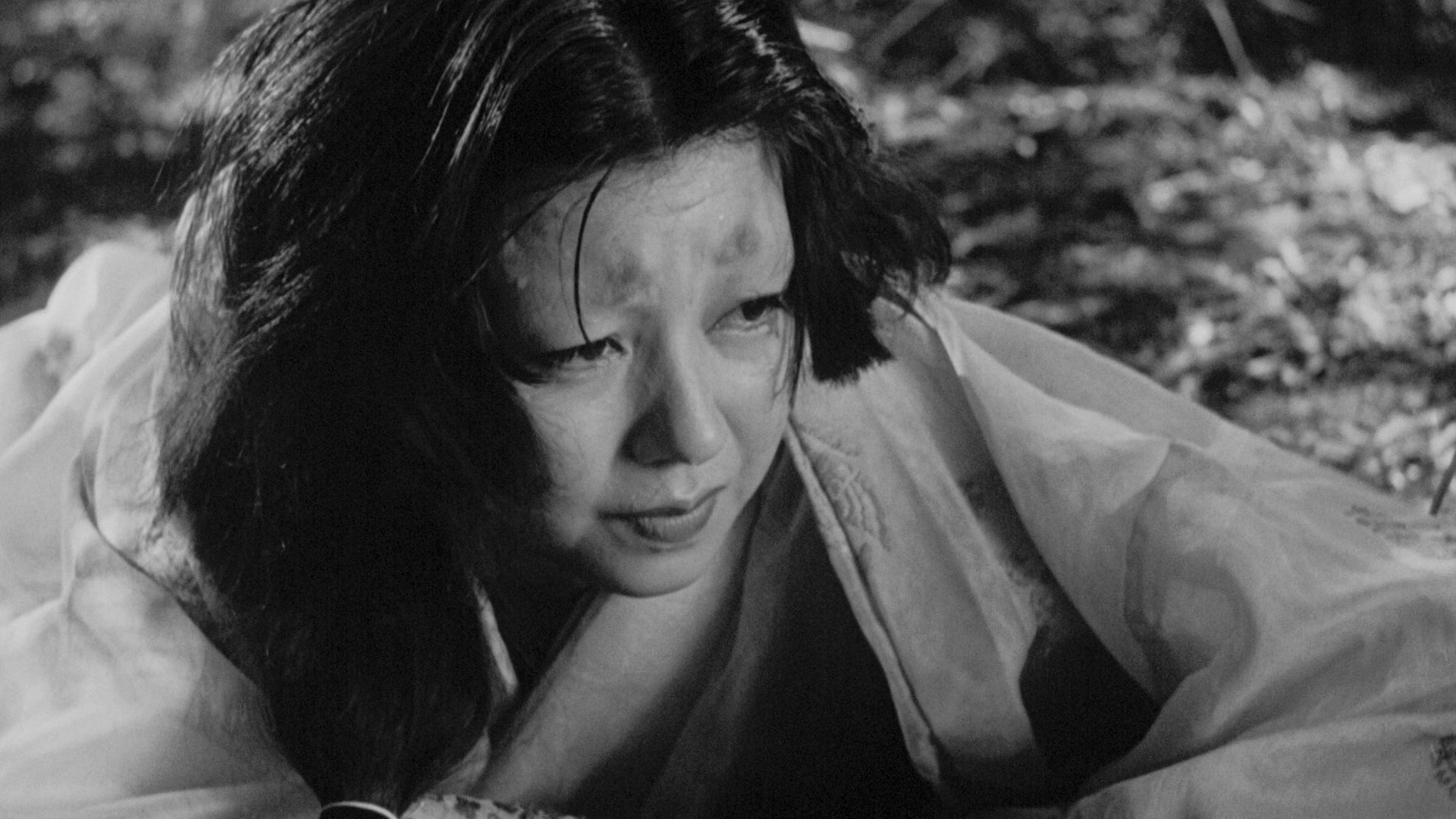
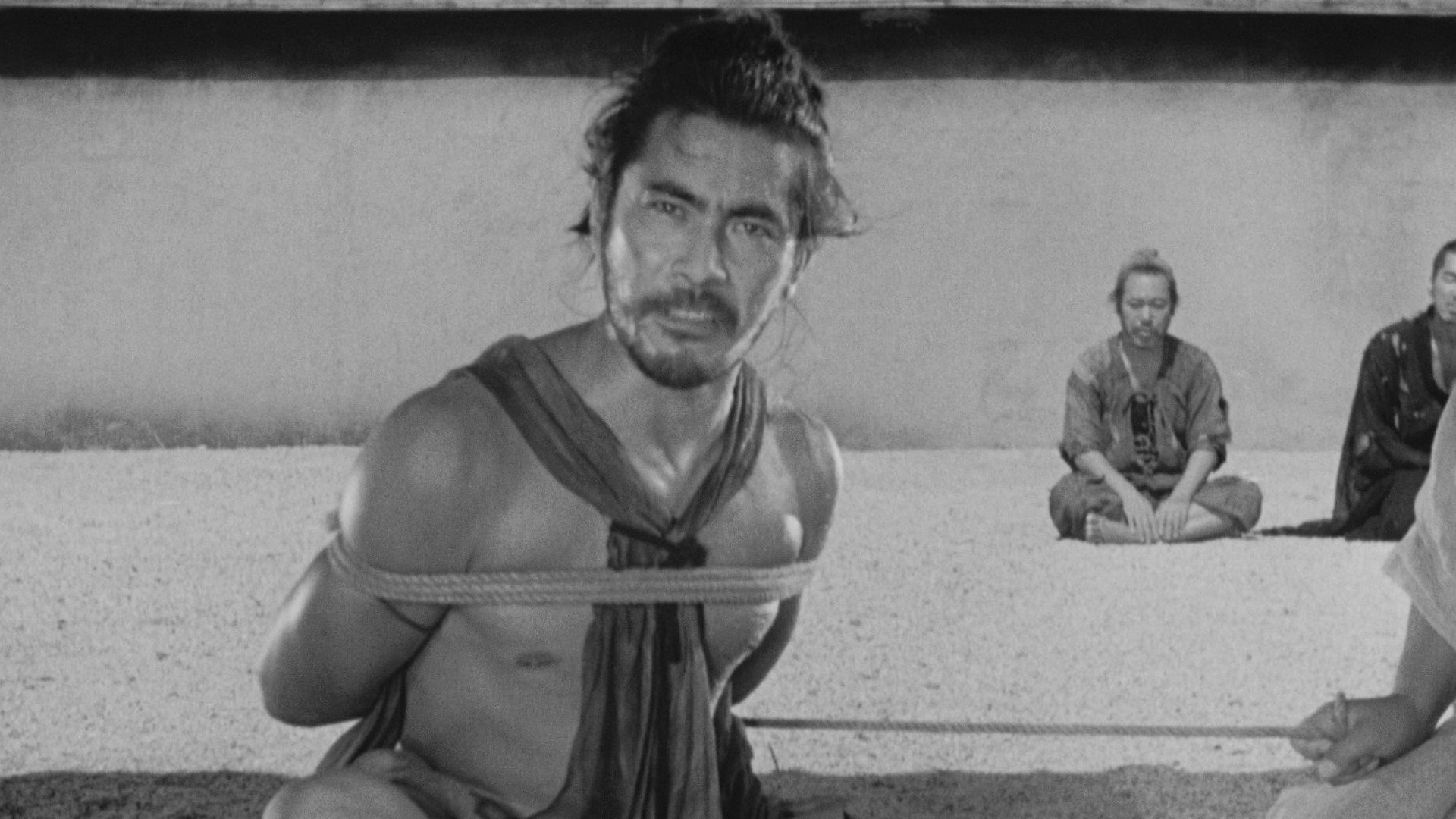
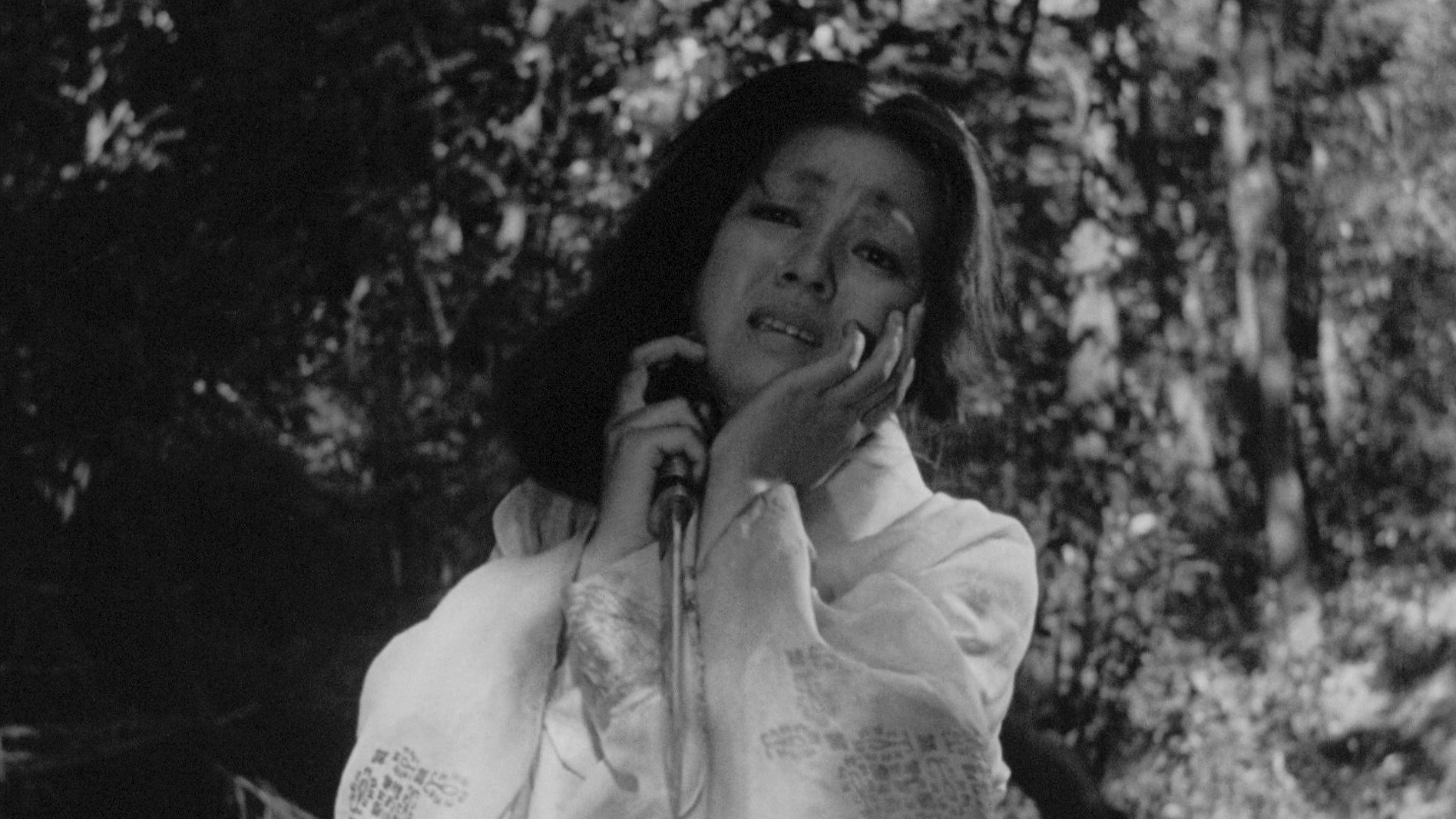
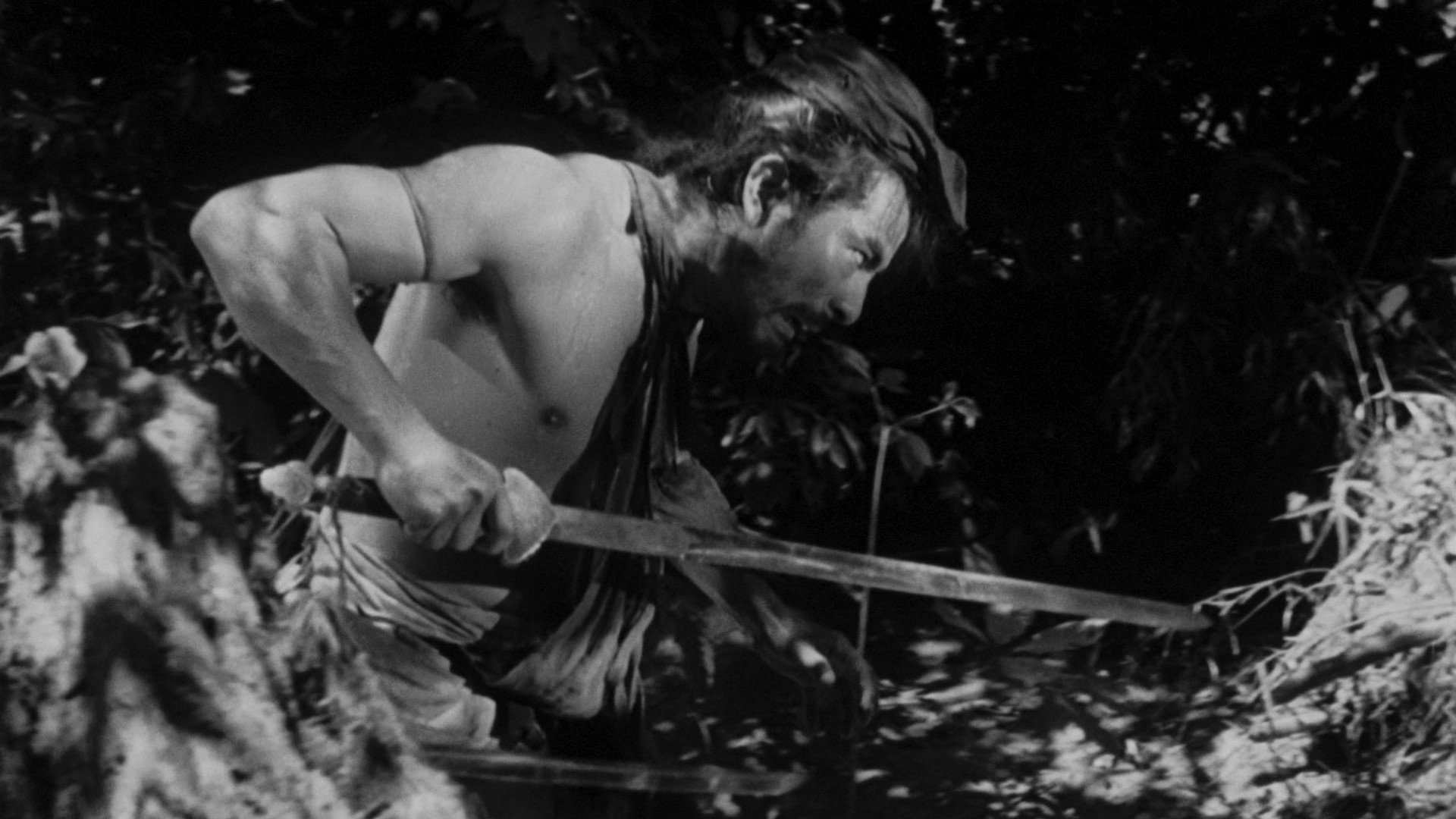
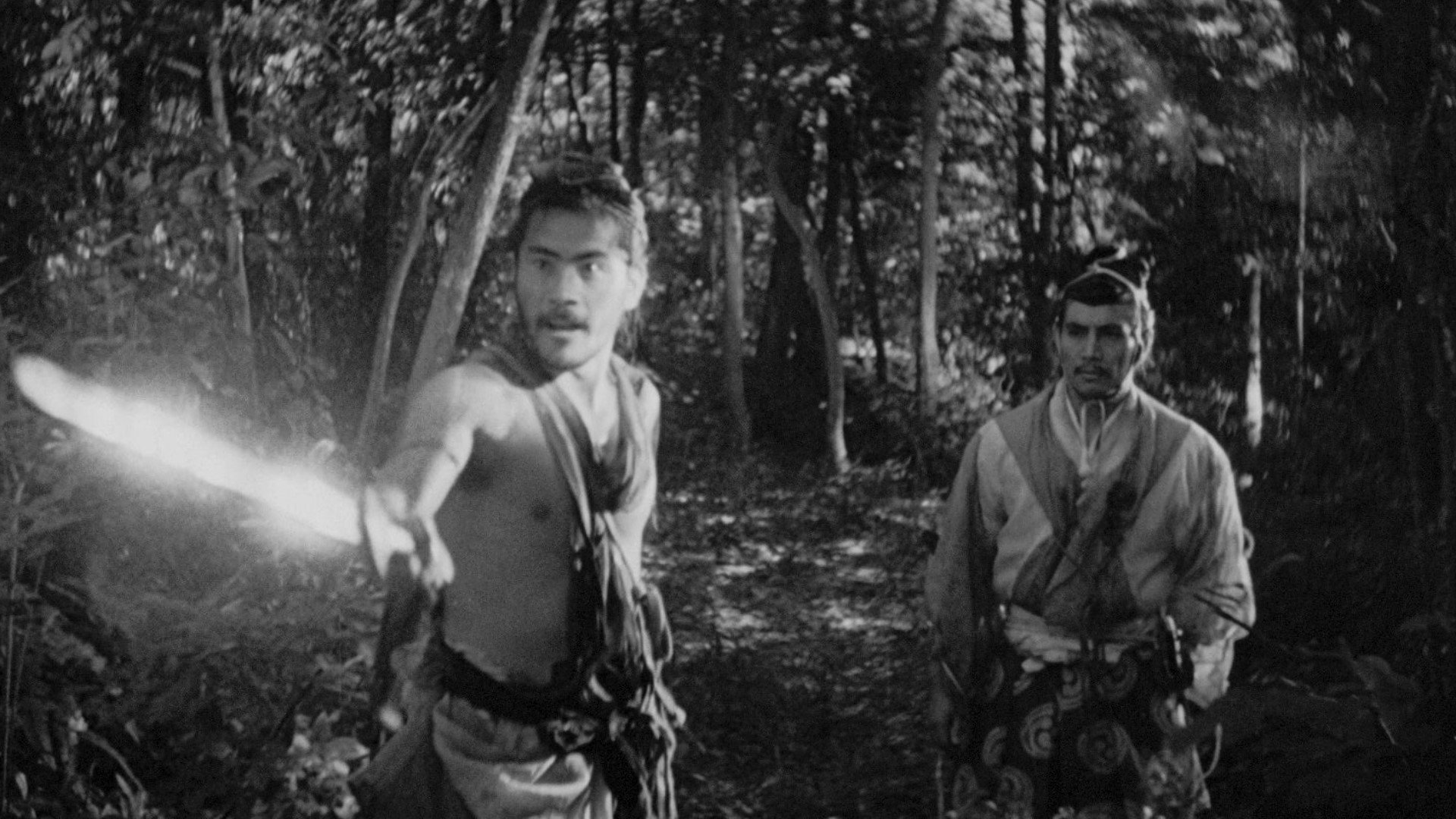
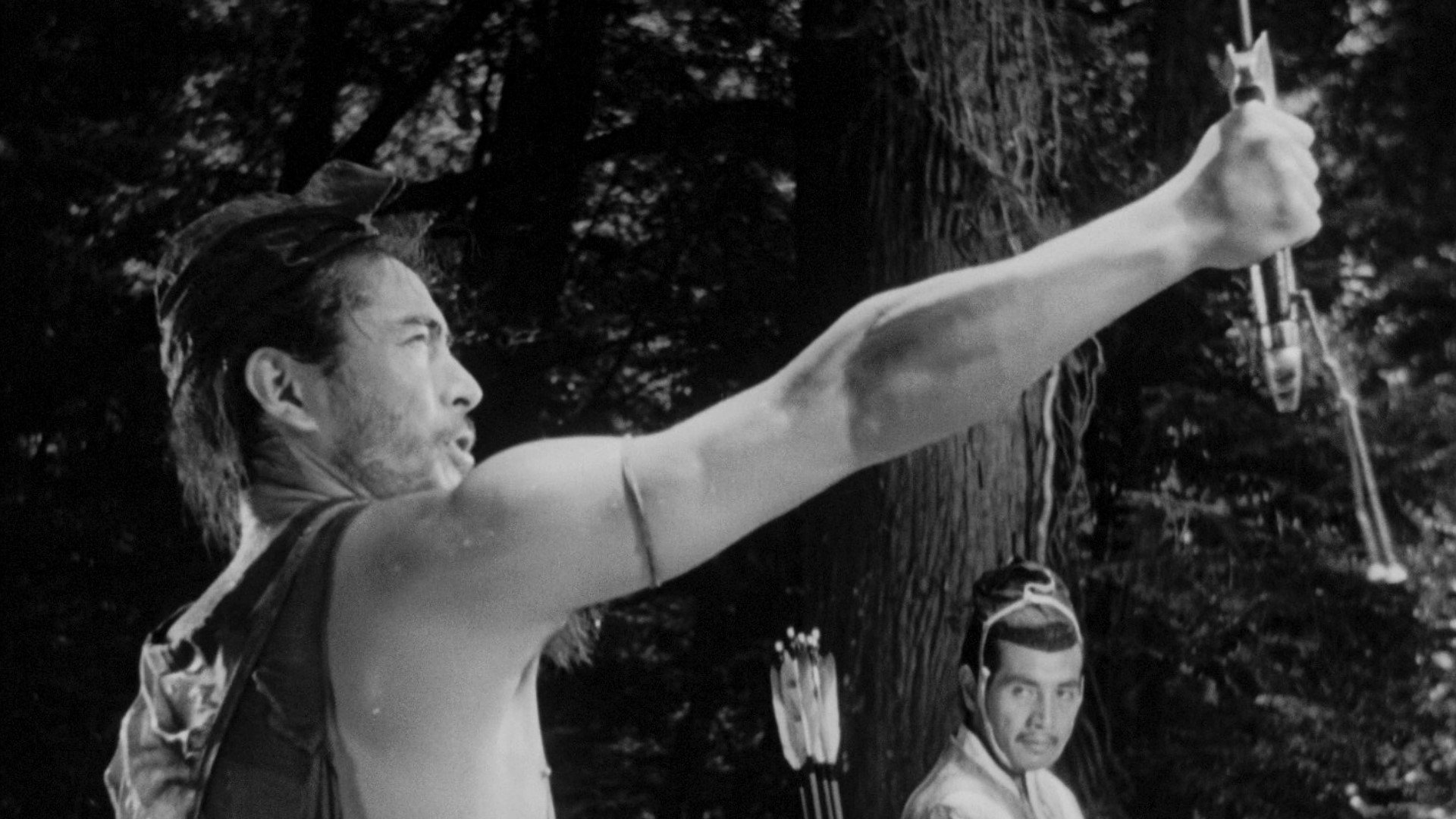
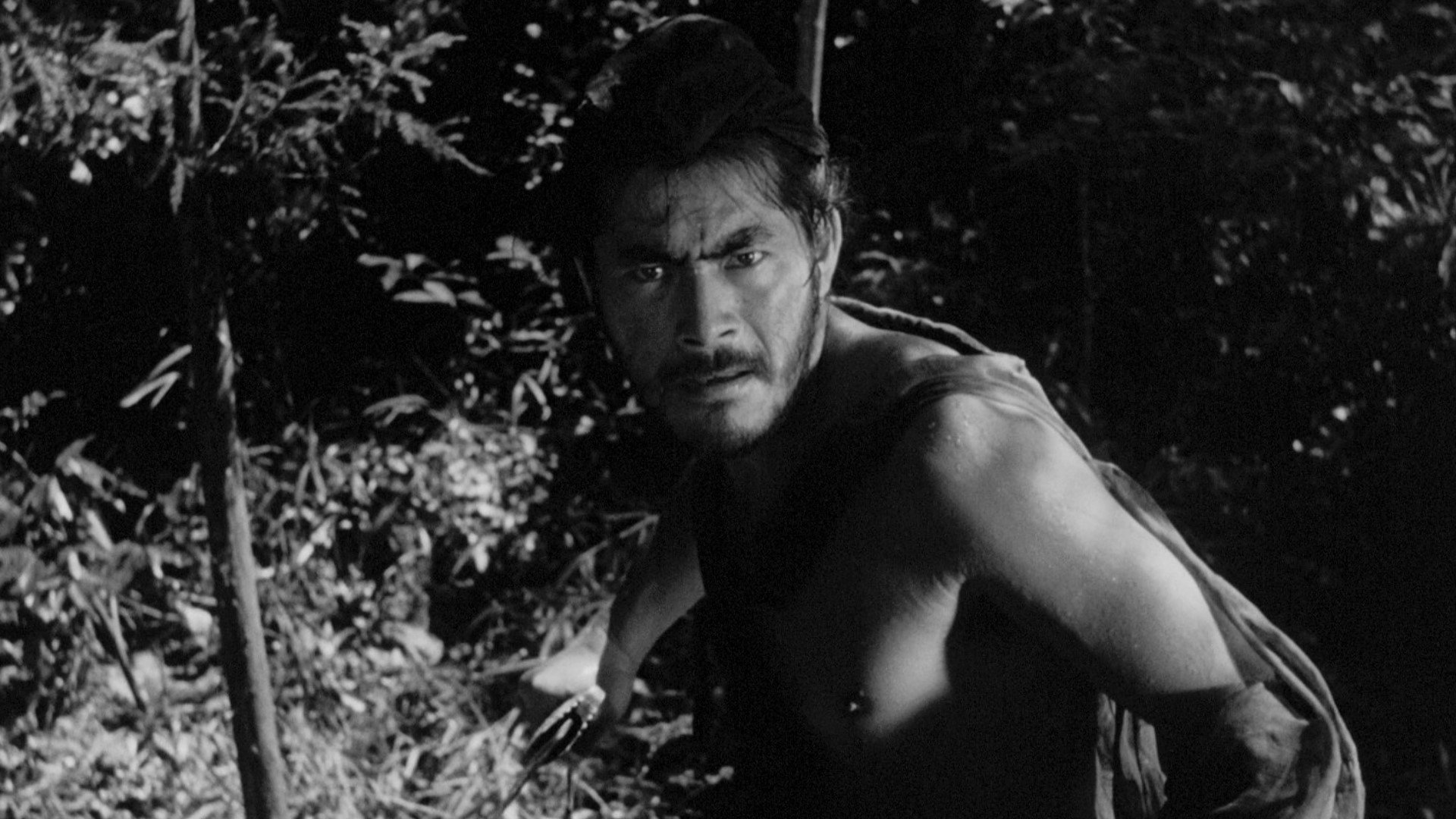
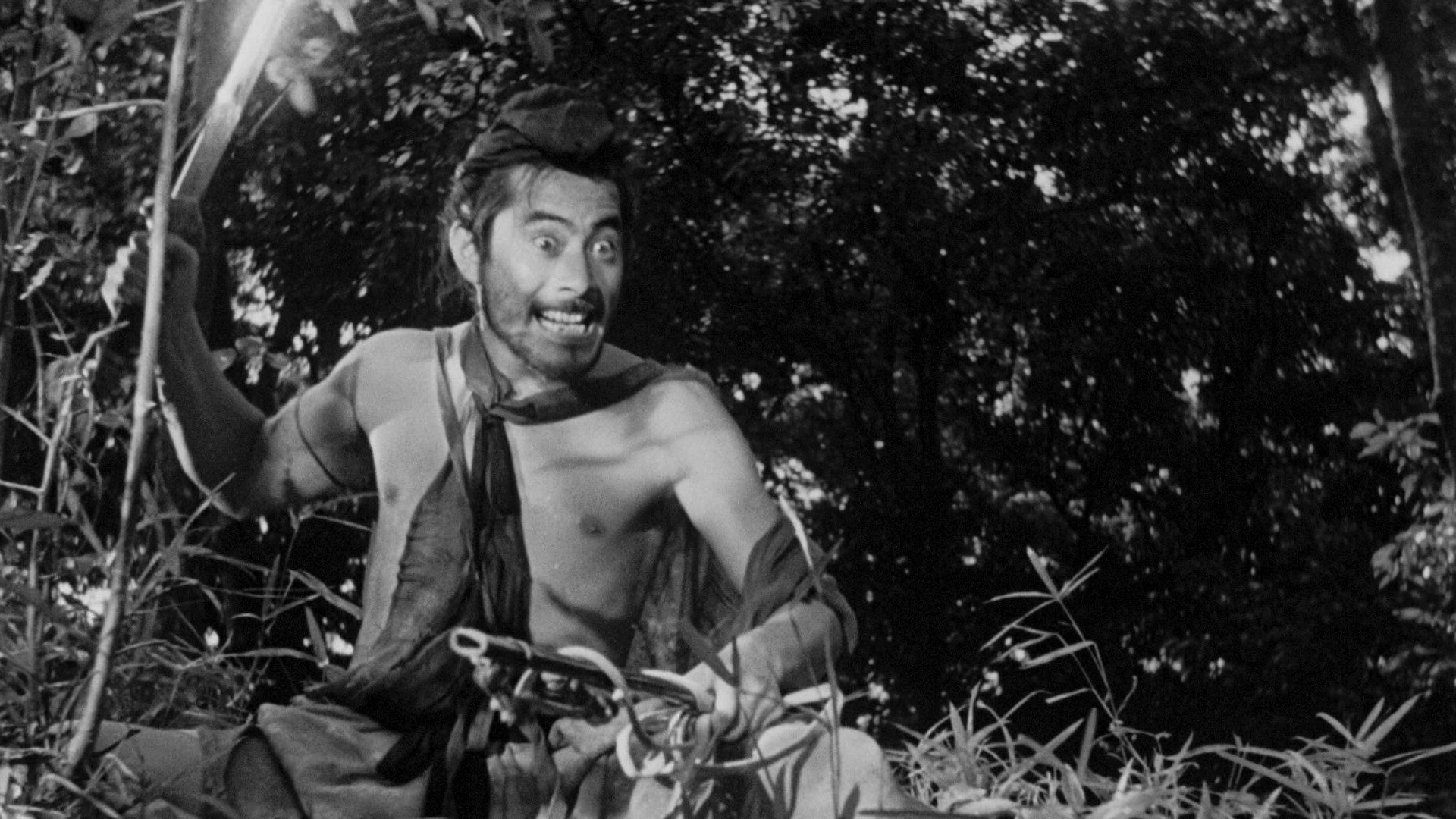
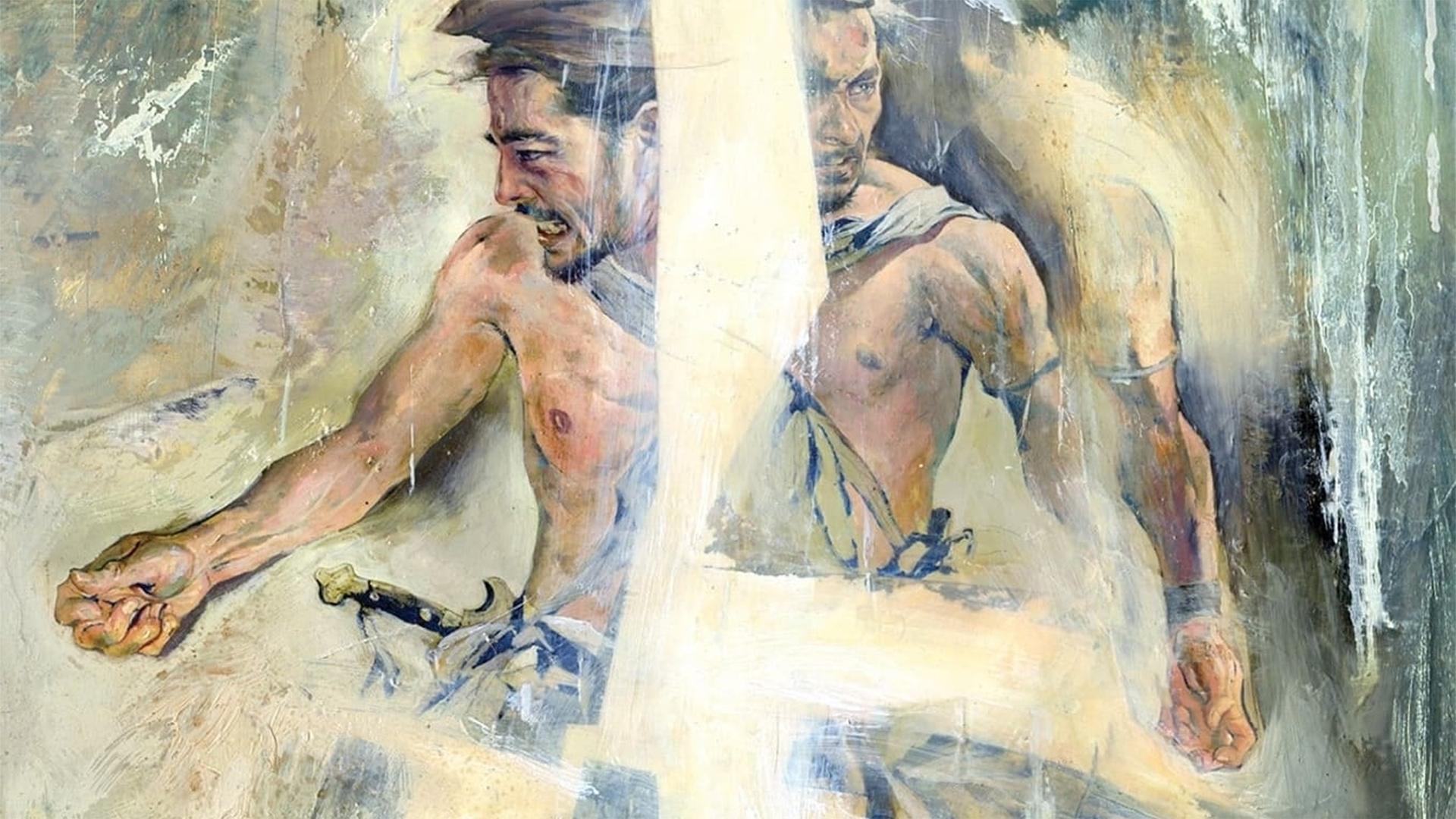
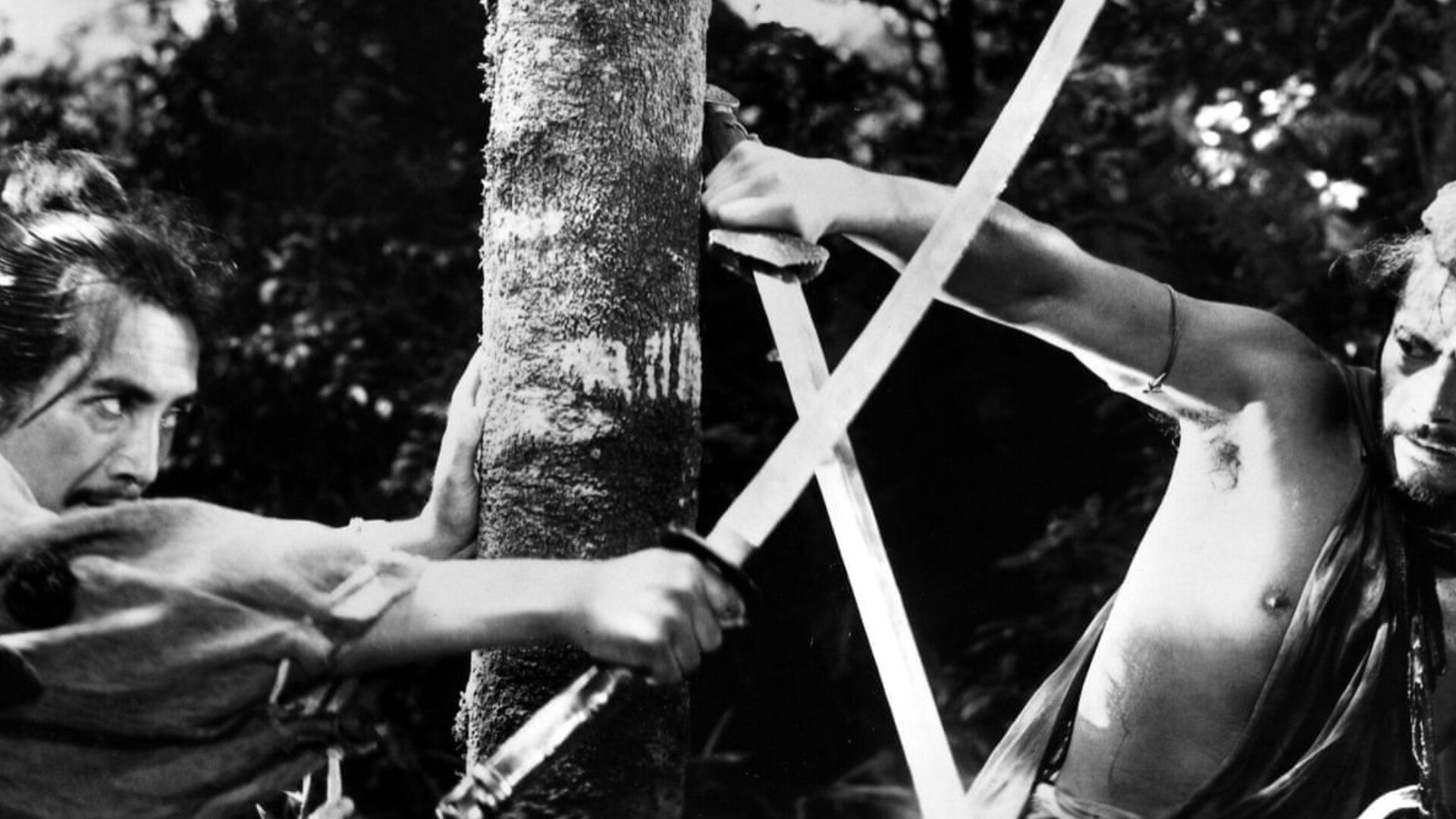
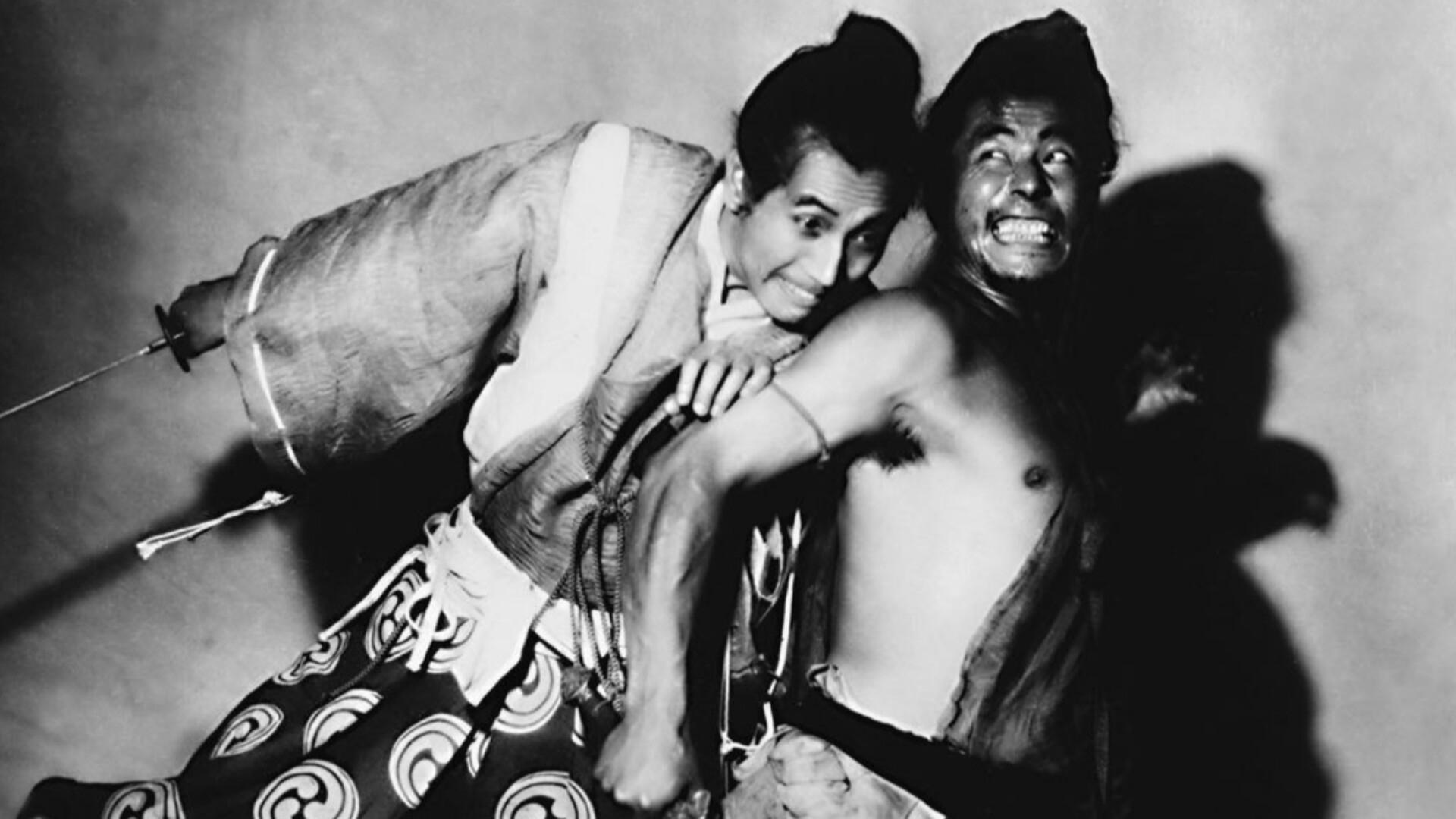
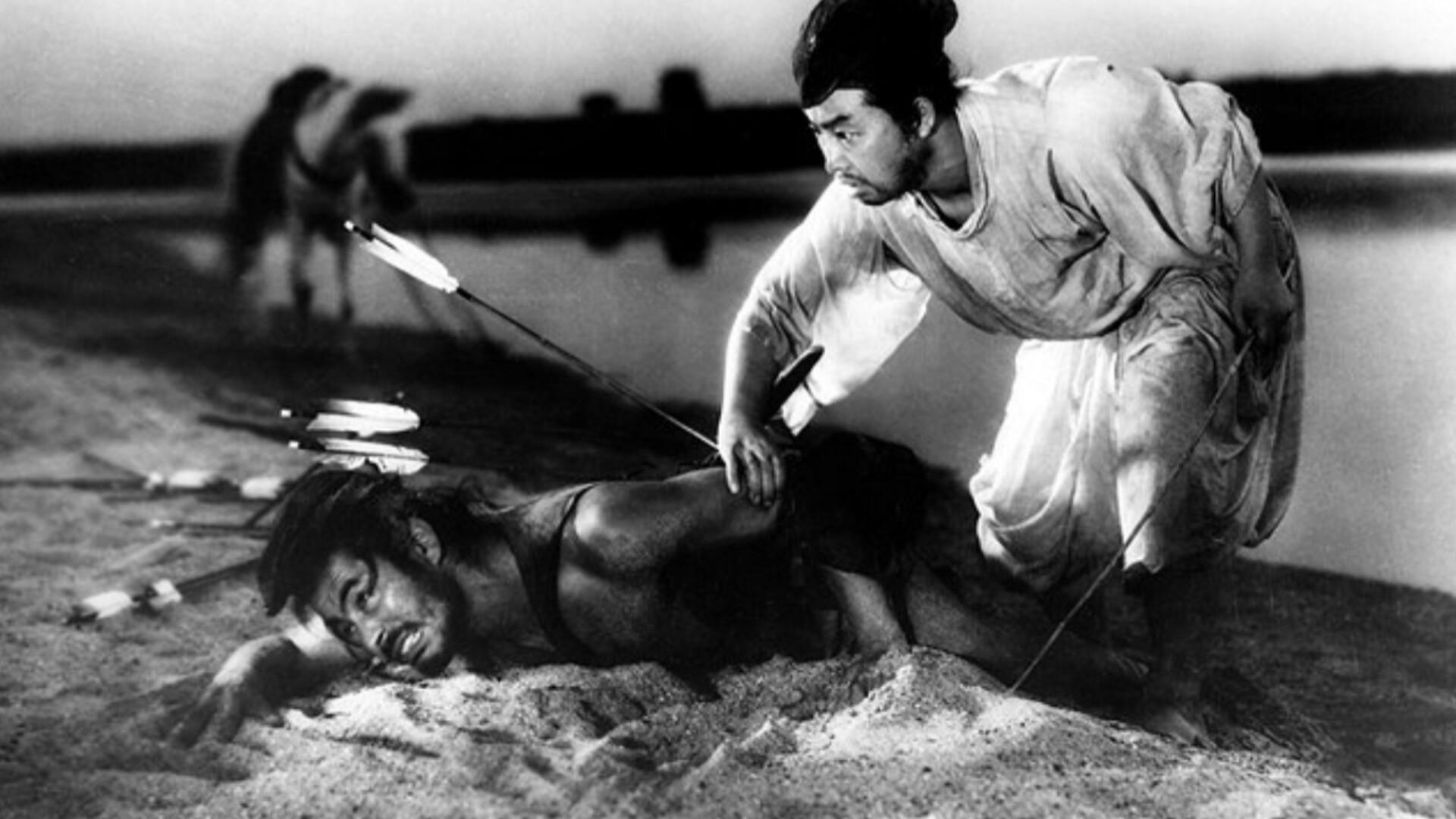
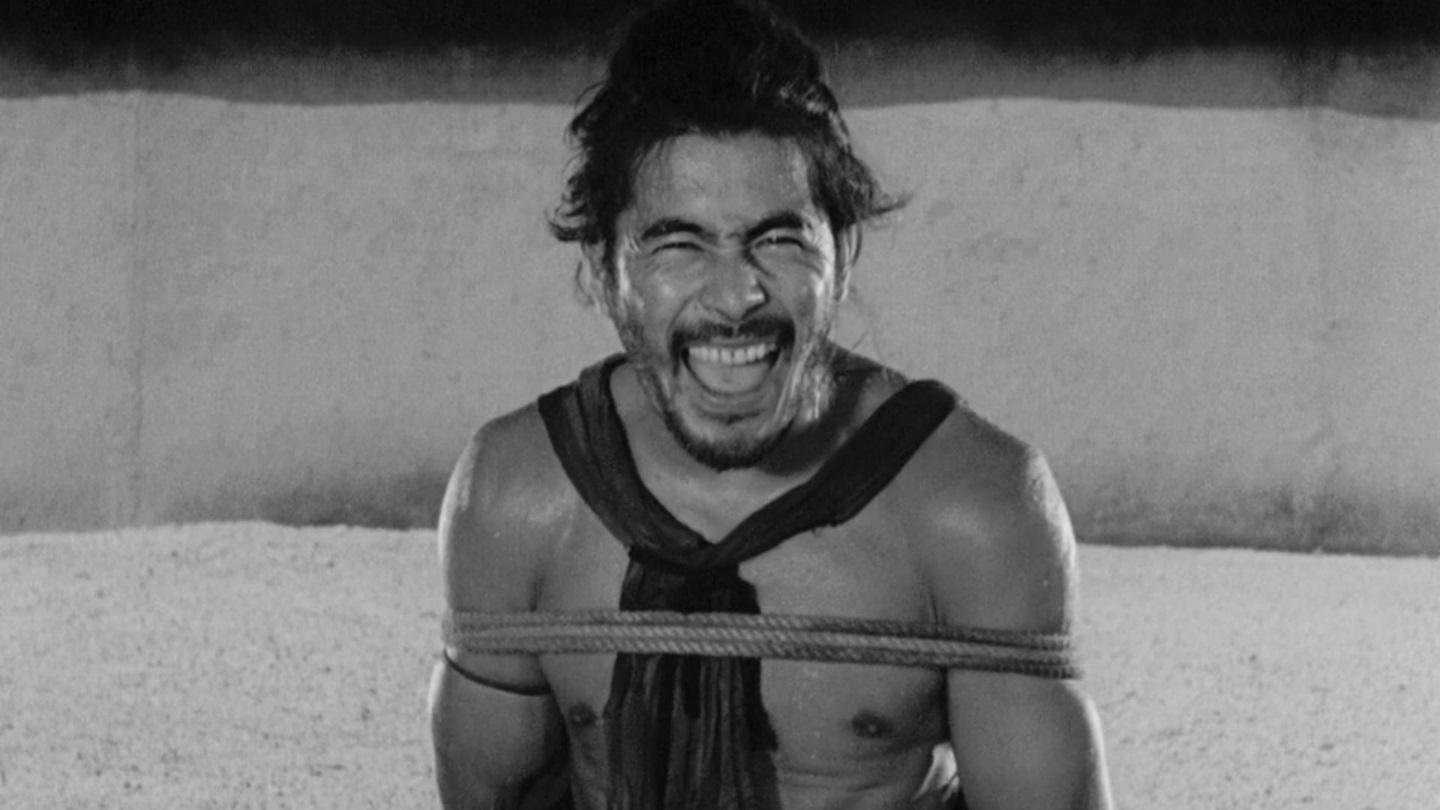
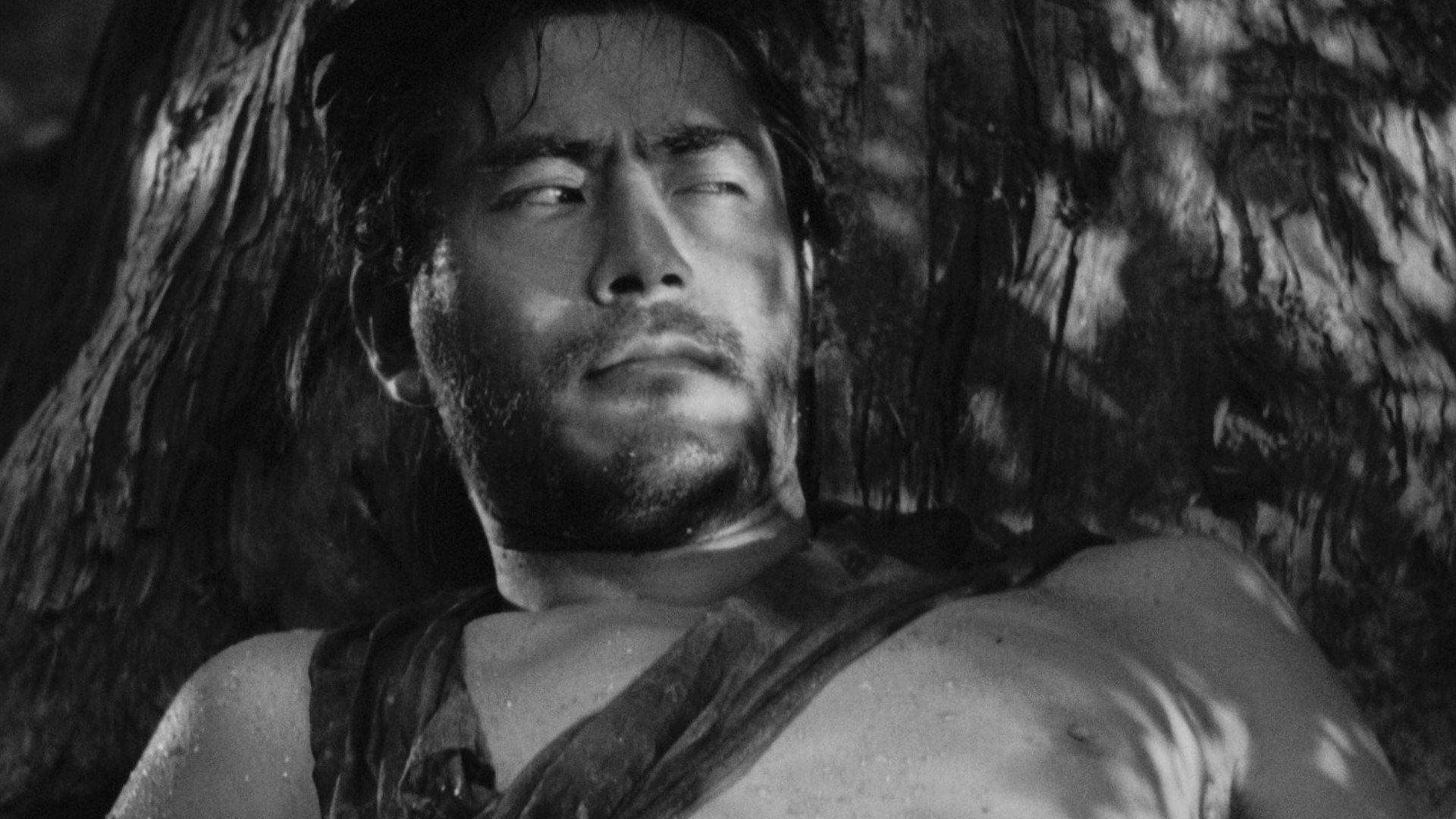
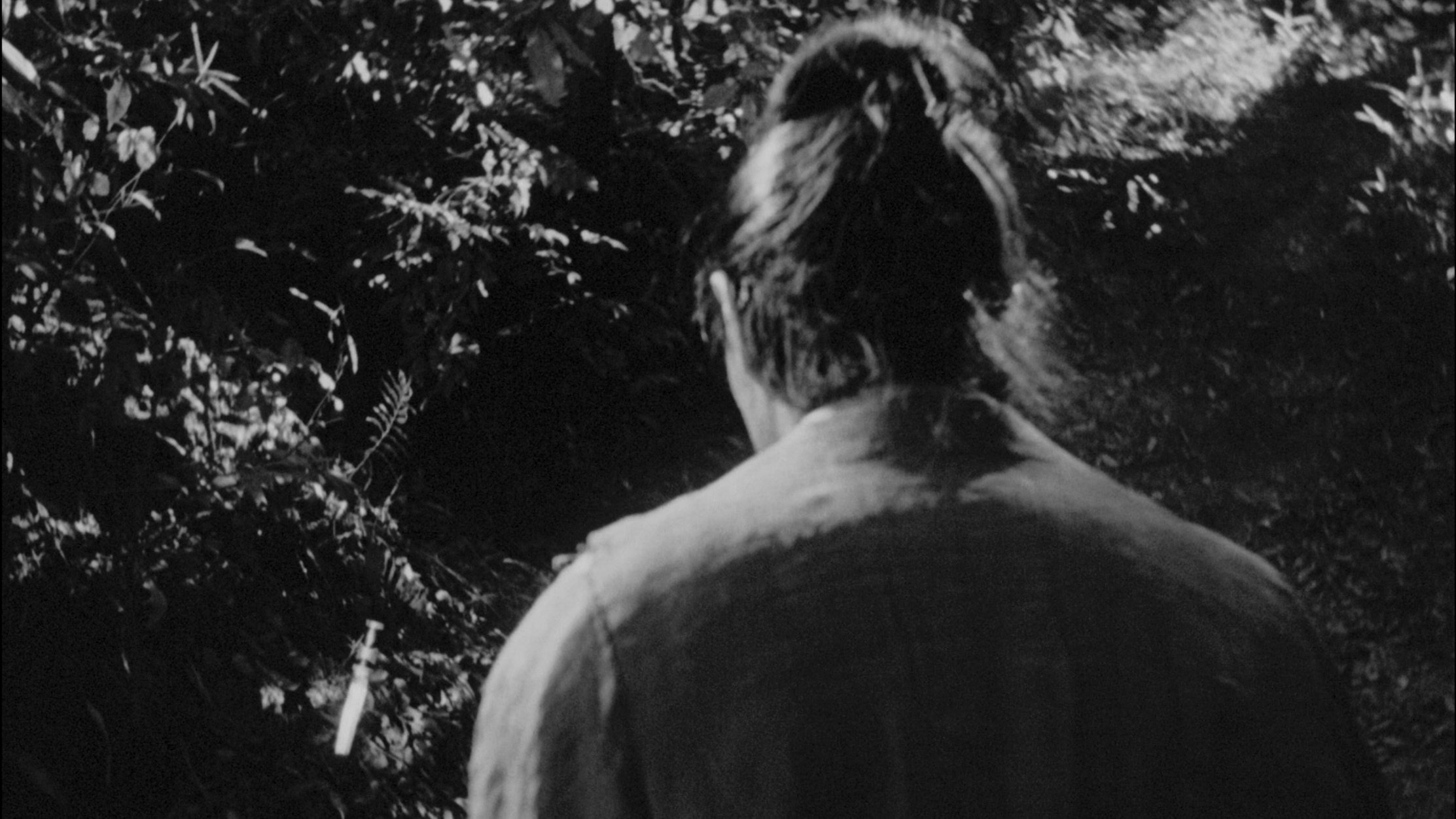
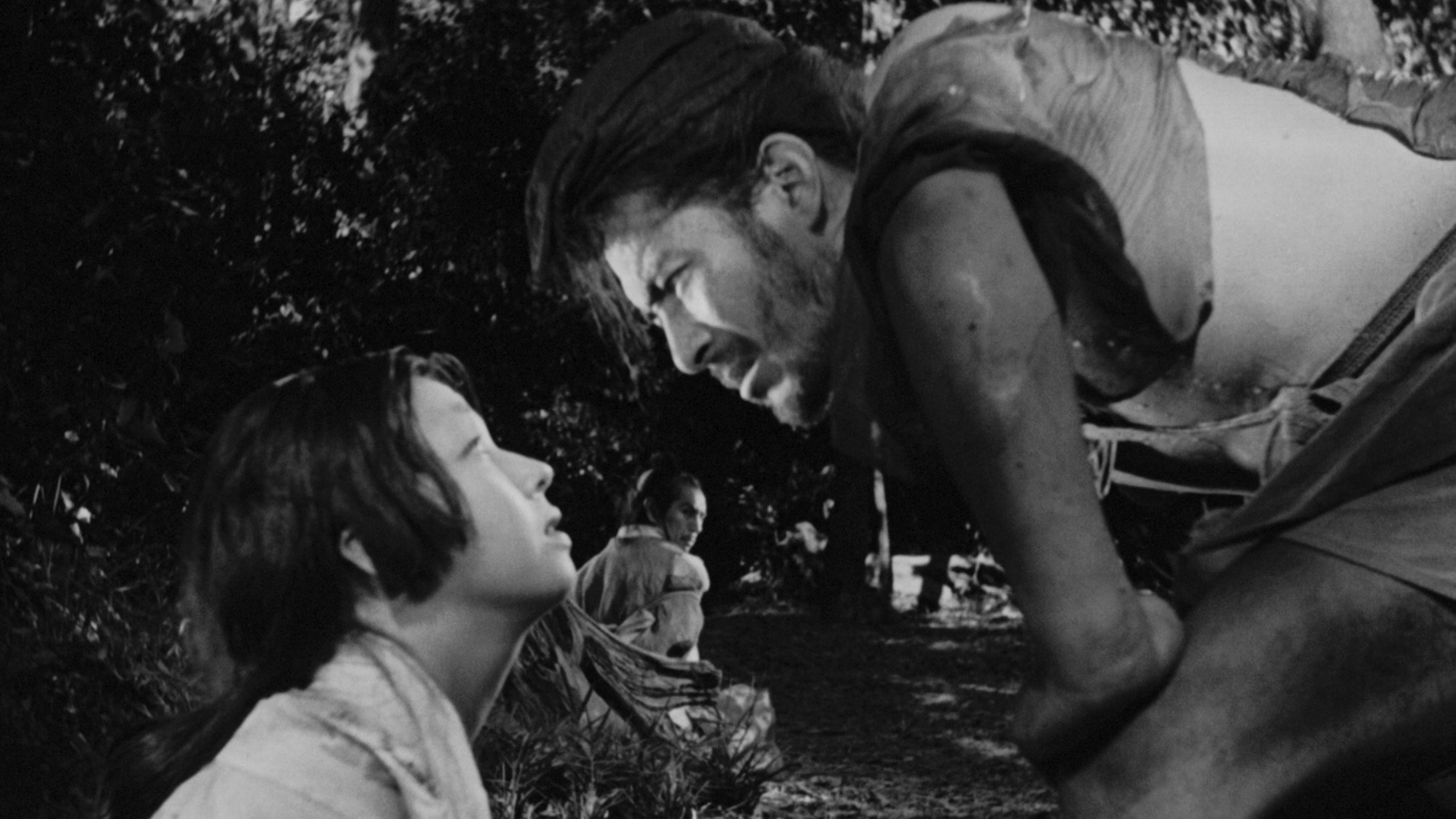
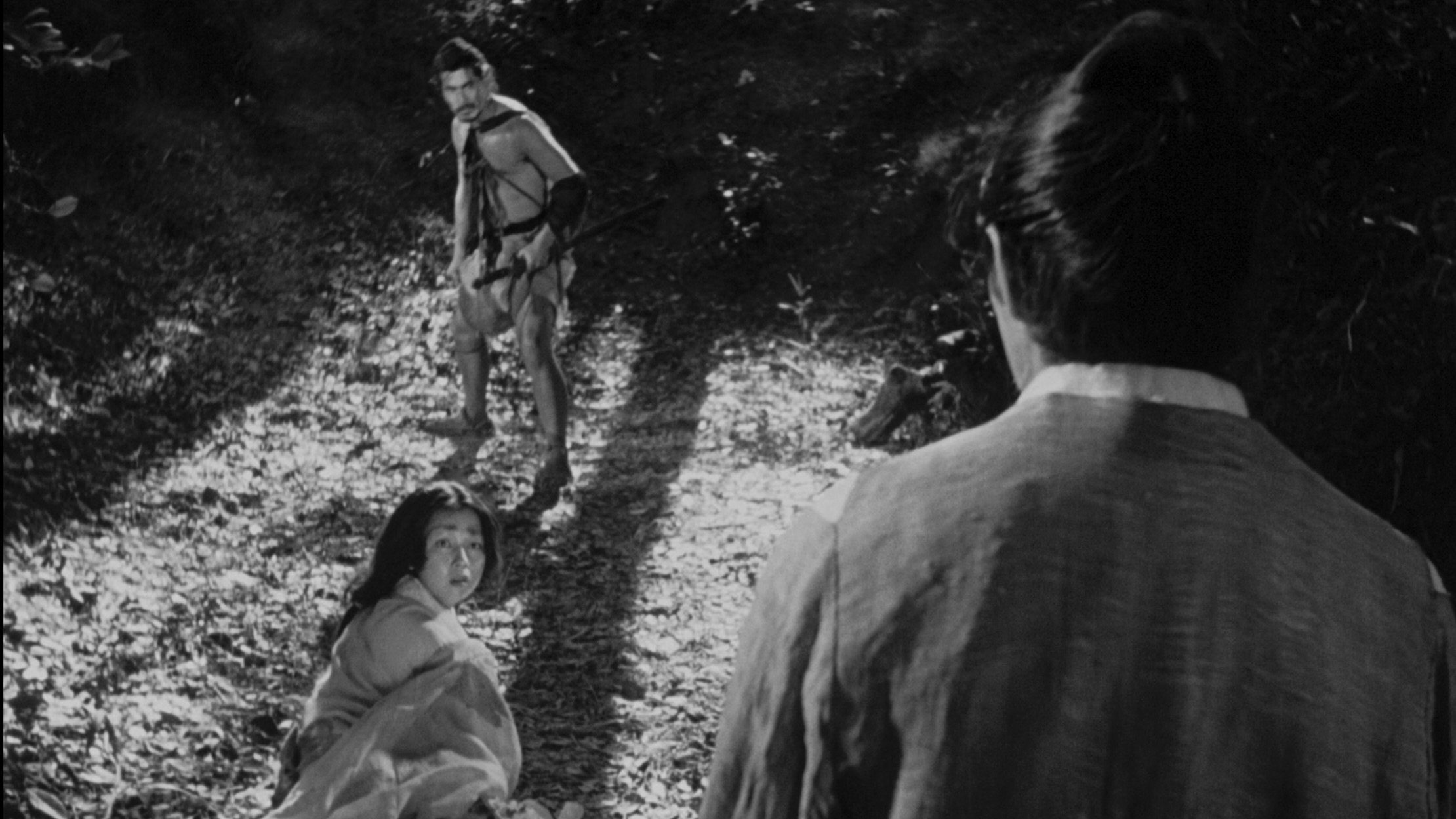
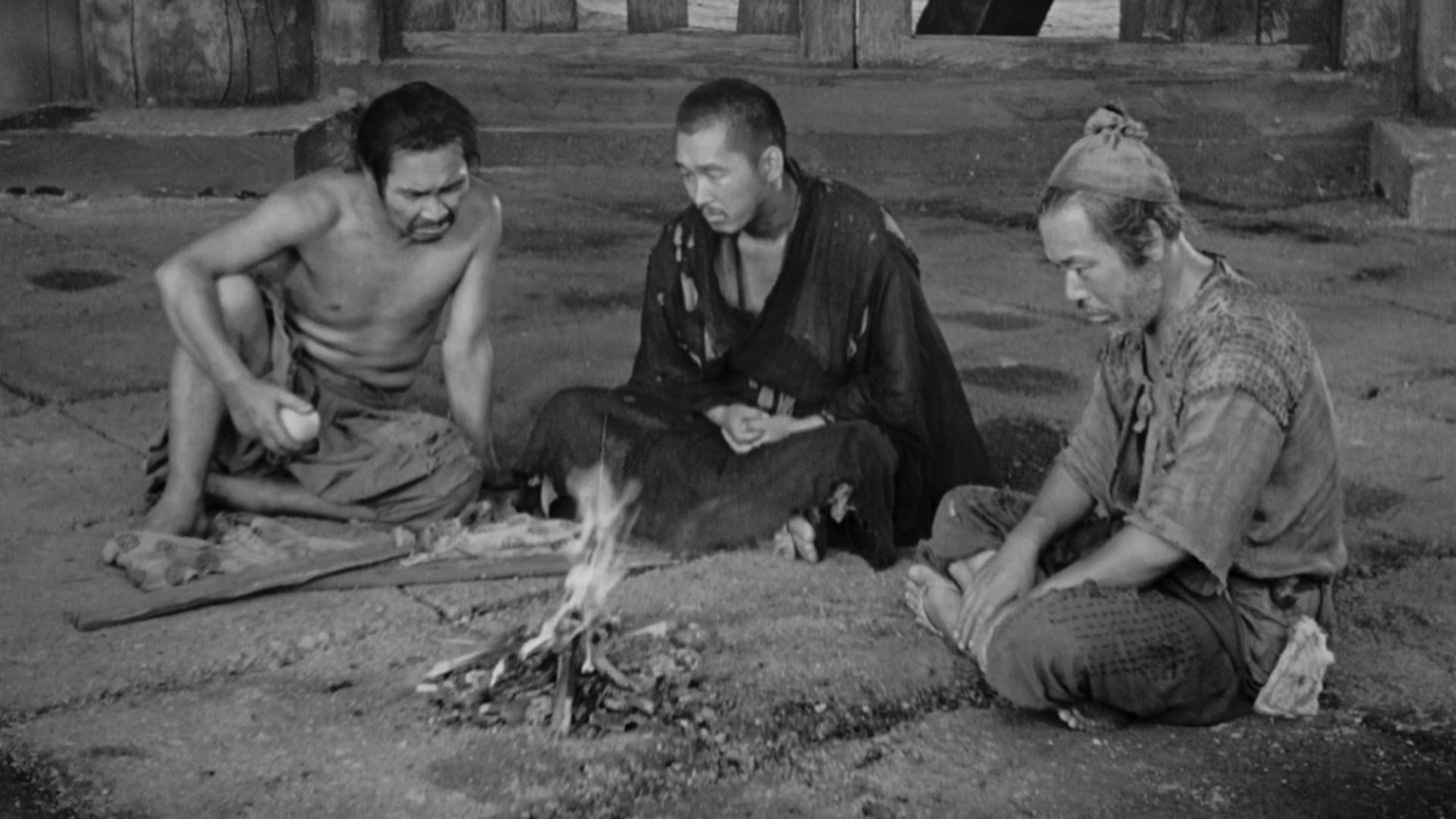
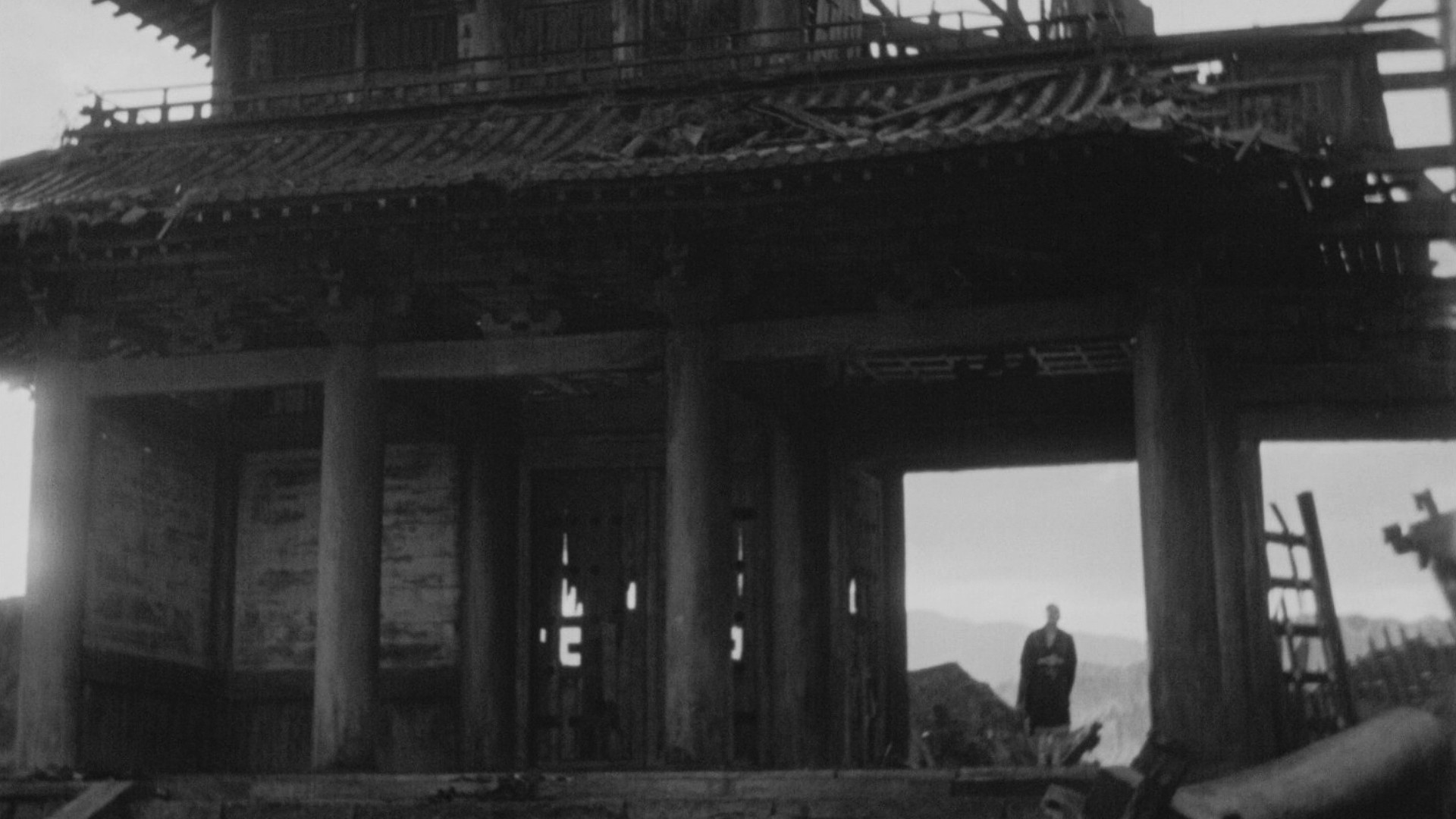
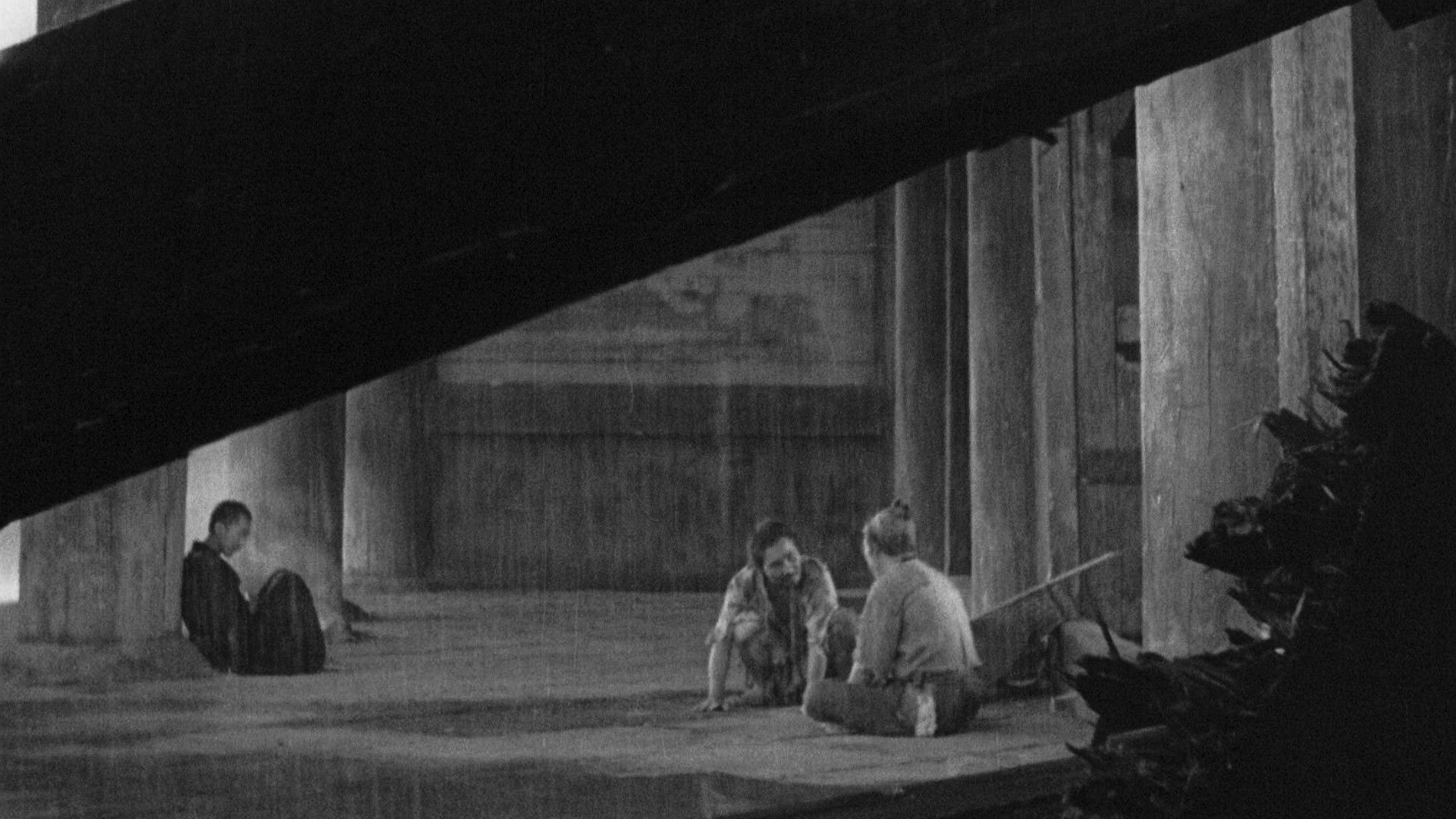
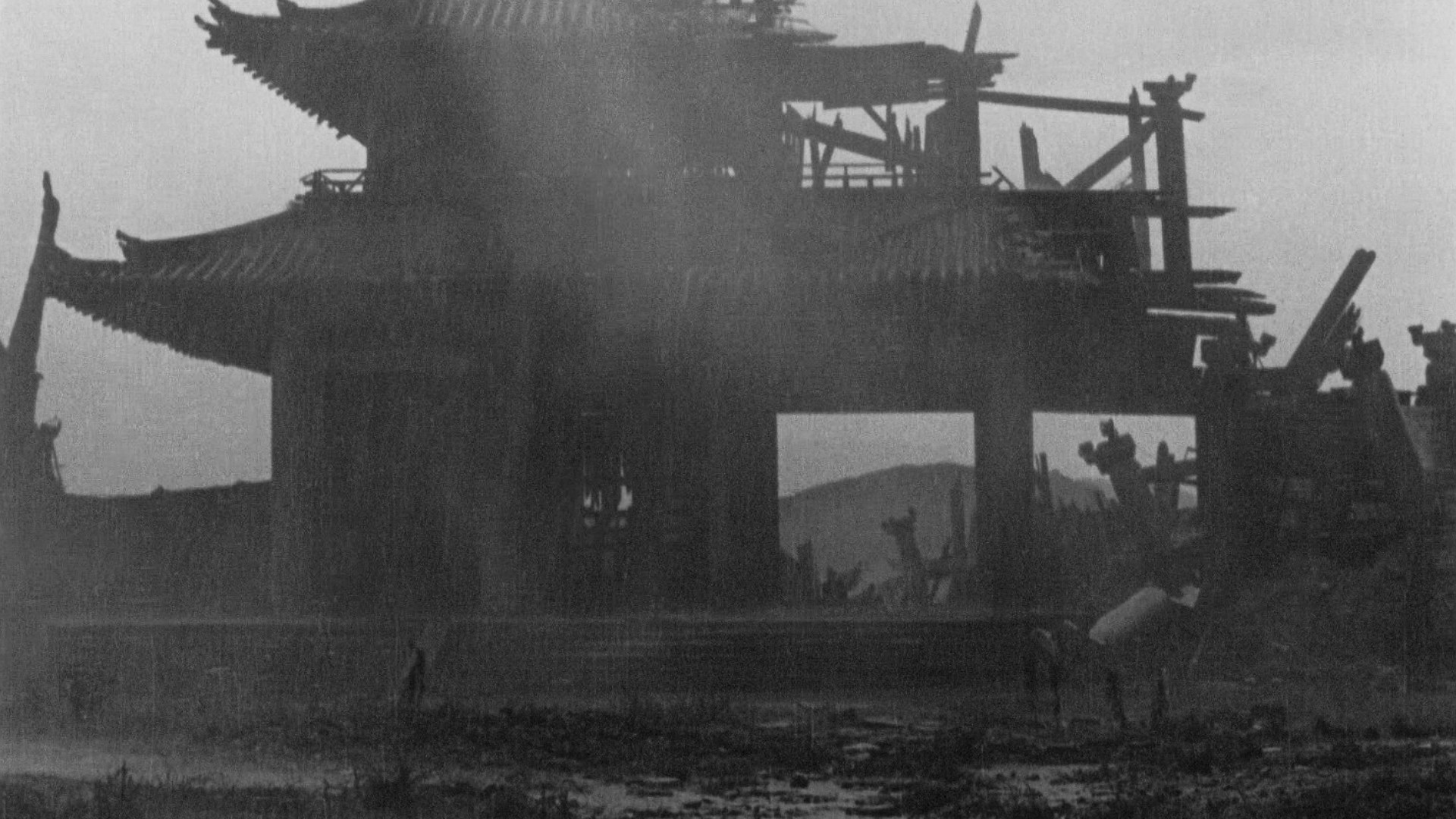
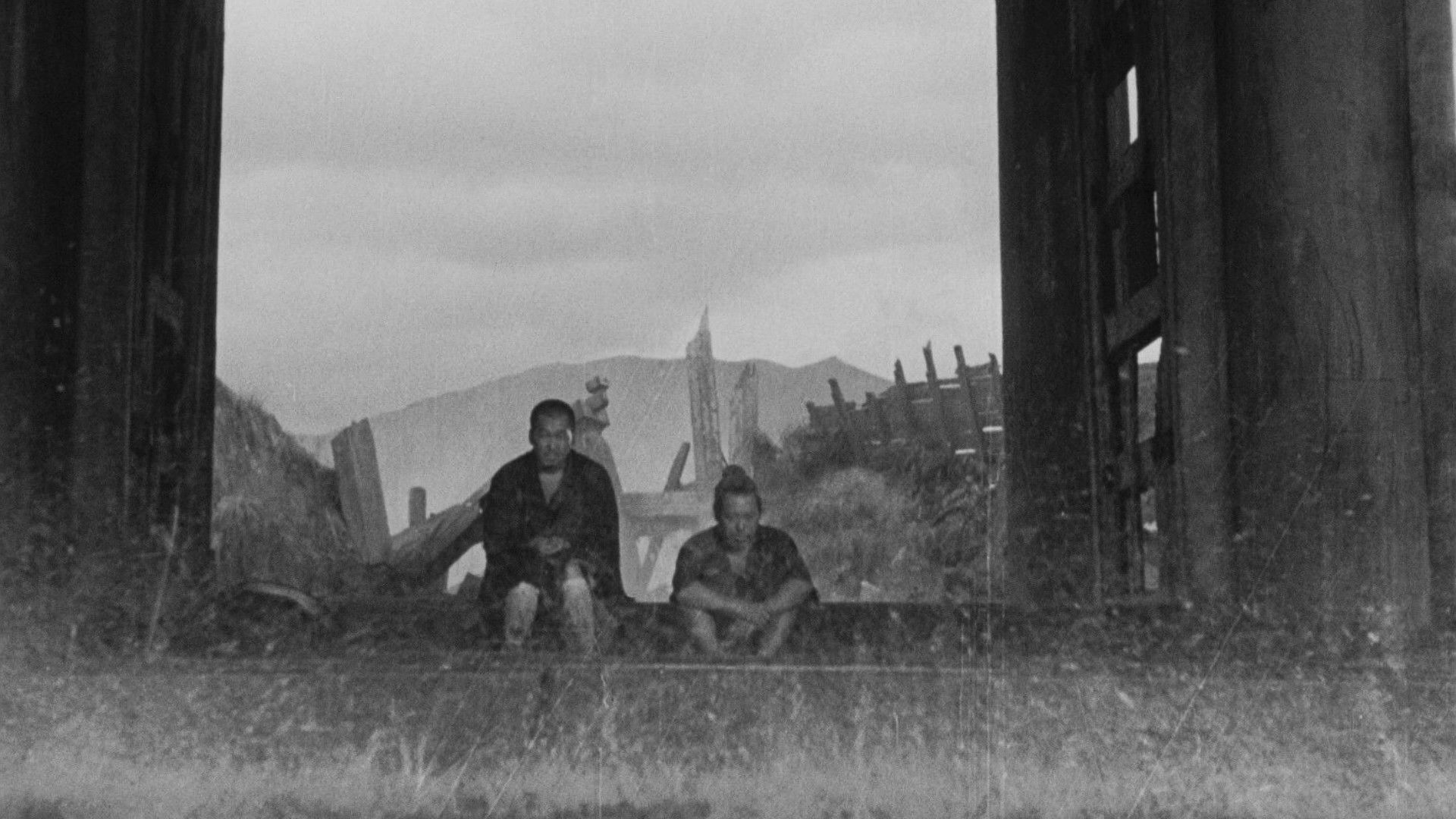
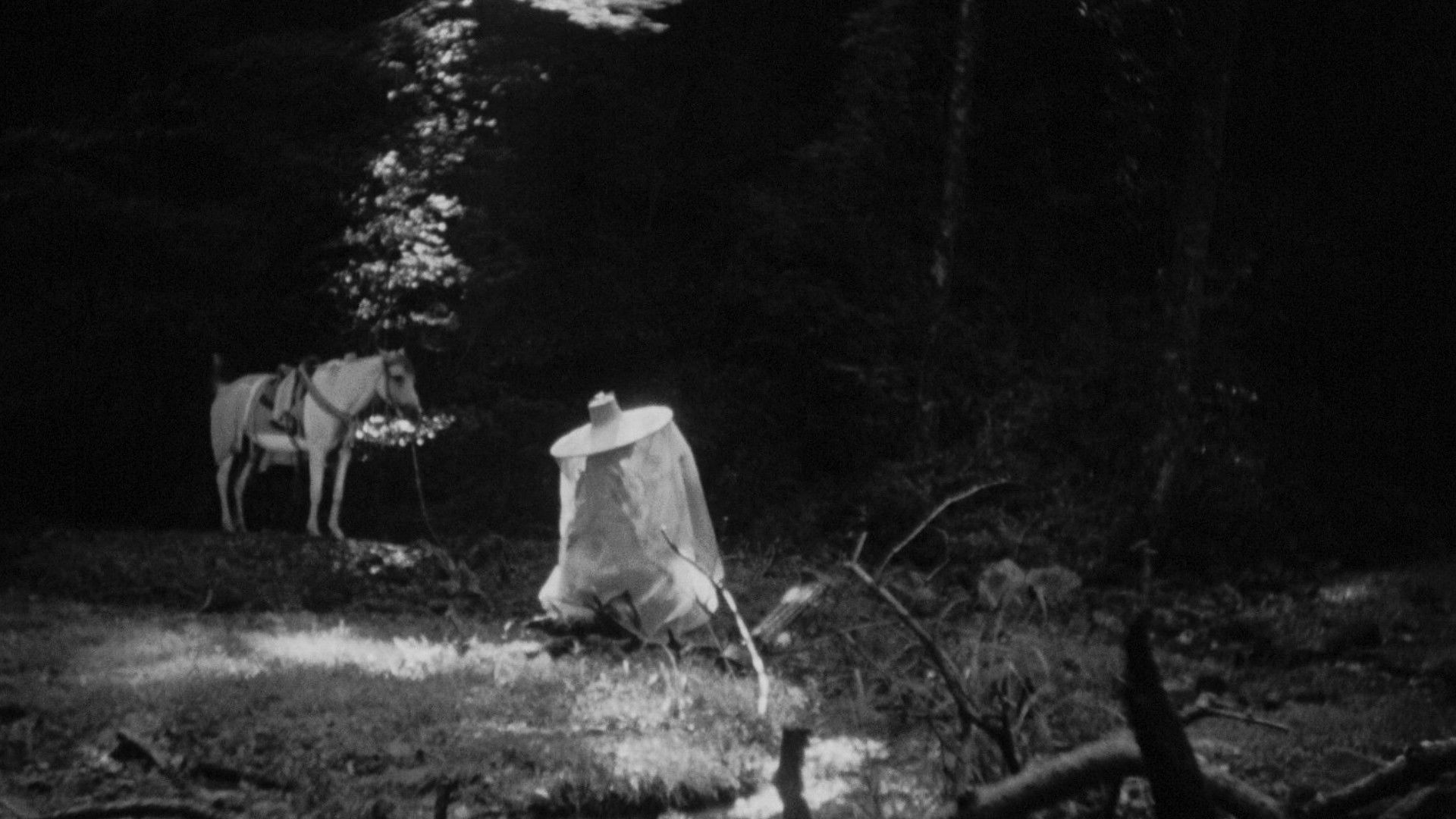
The body of a murdered man is found by patrolling police in the forest. The man's wife has also been raped. There are three witnesses to the incident: a traveler, a woodcutter, and a bandit. As viewers, we are the jury and listen to the stories of the witnesses. All their accounts, including that of the raped woman, are different from one another. In this film, where we also witness the murdered man's perspective, we face a challenging puzzle: someone among them is lying, but who and why? The film is an adaptation of the book 'The Depth of the Forest' by writer Ryunosuke Akutagawa, who lived in the early 20th century. However, since the total duration does not exceed 60 minutes, the film has been finalized with cuts taken from the author's other book, 'Rashômon.' Although this film by Kurosawa, a master of Japanese cinema, has not received many awards, it is quite successful. 'Rashômon' is a Japanese drama that explores human psychology and challenges the boundaries of lies.
Overview
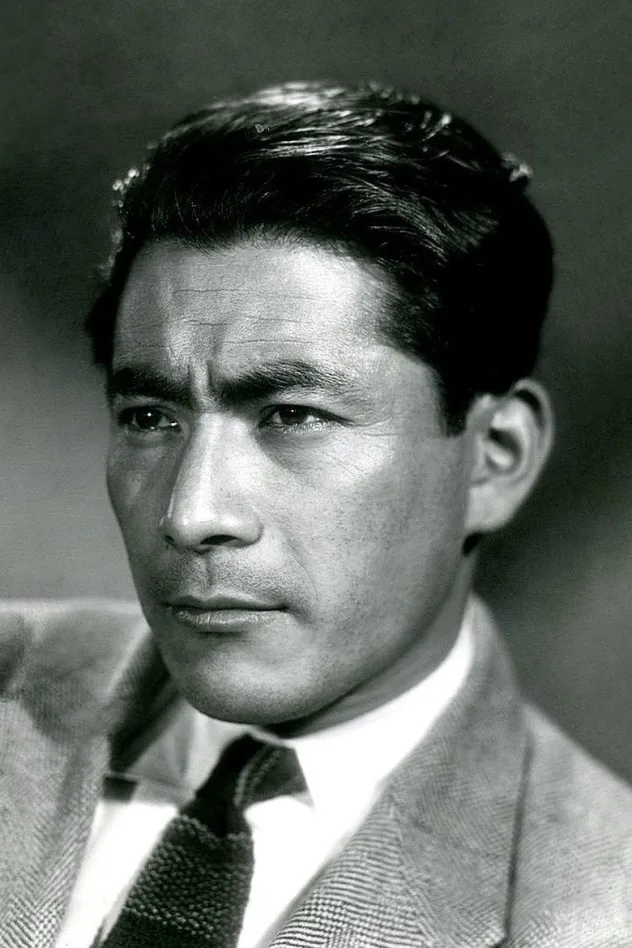
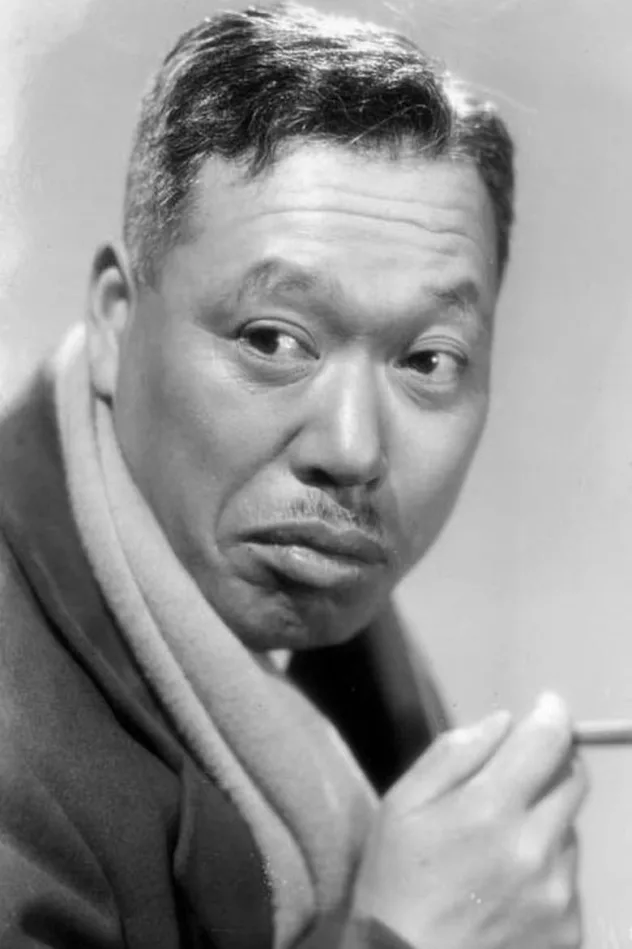
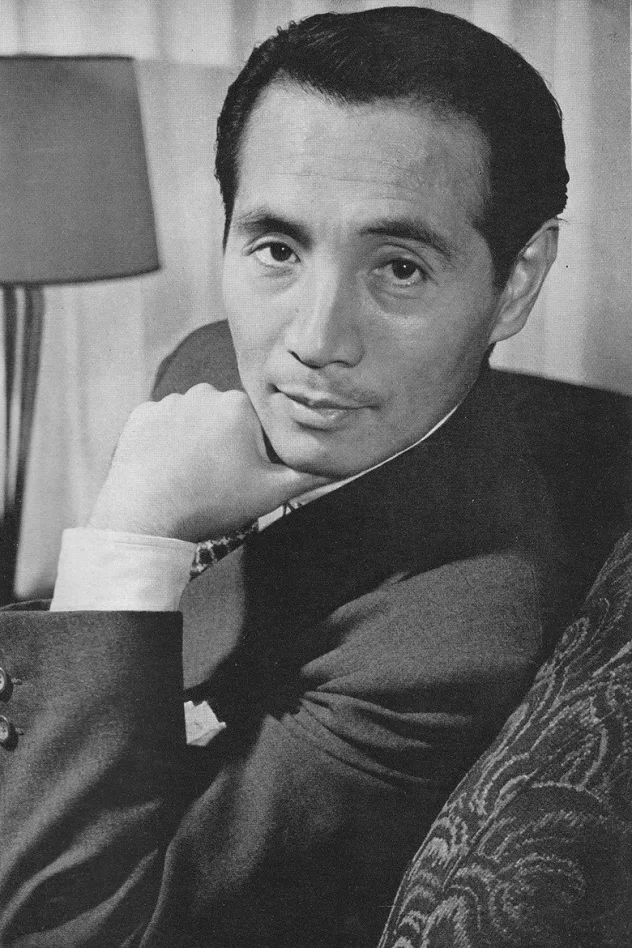
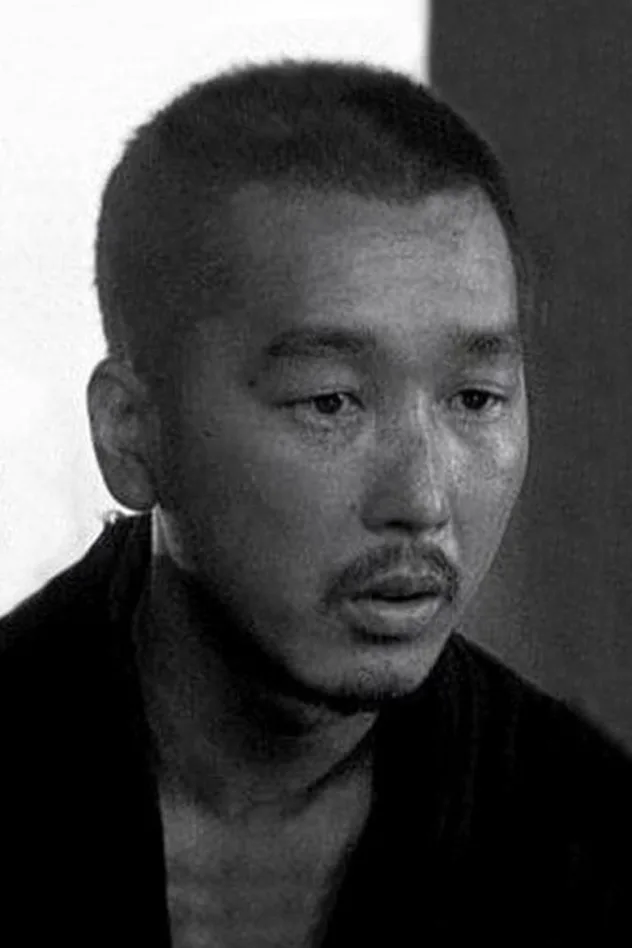
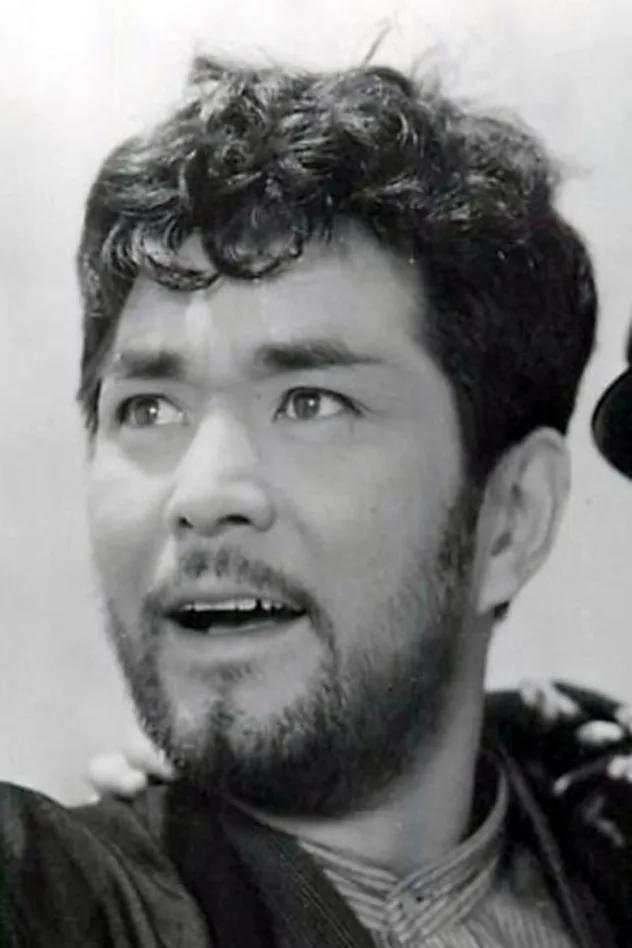
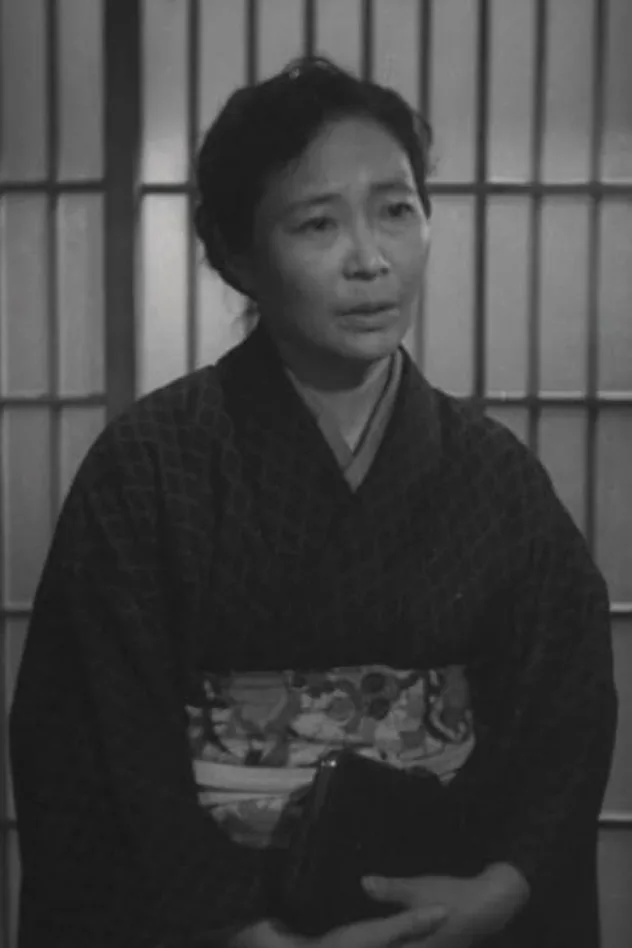
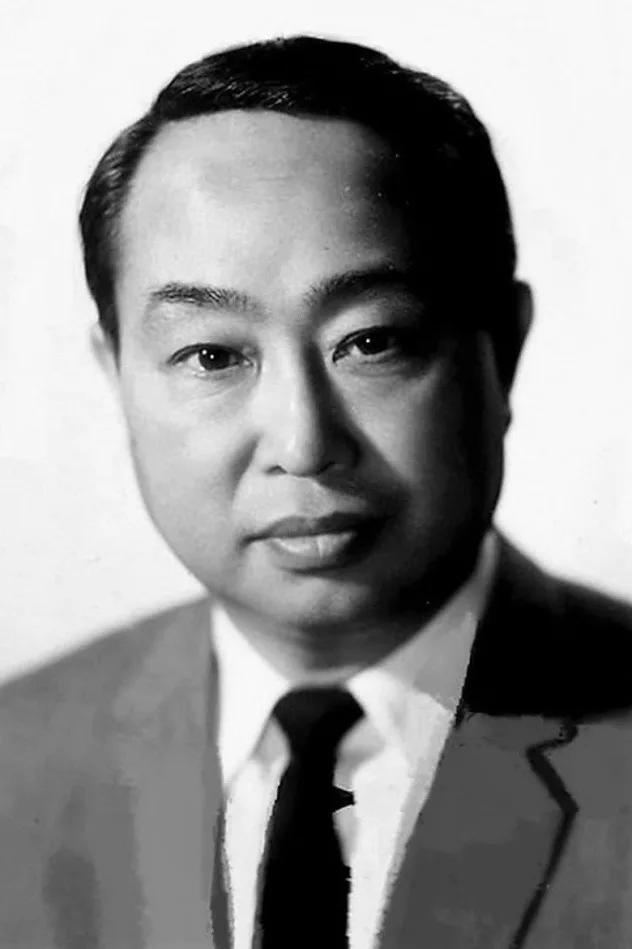
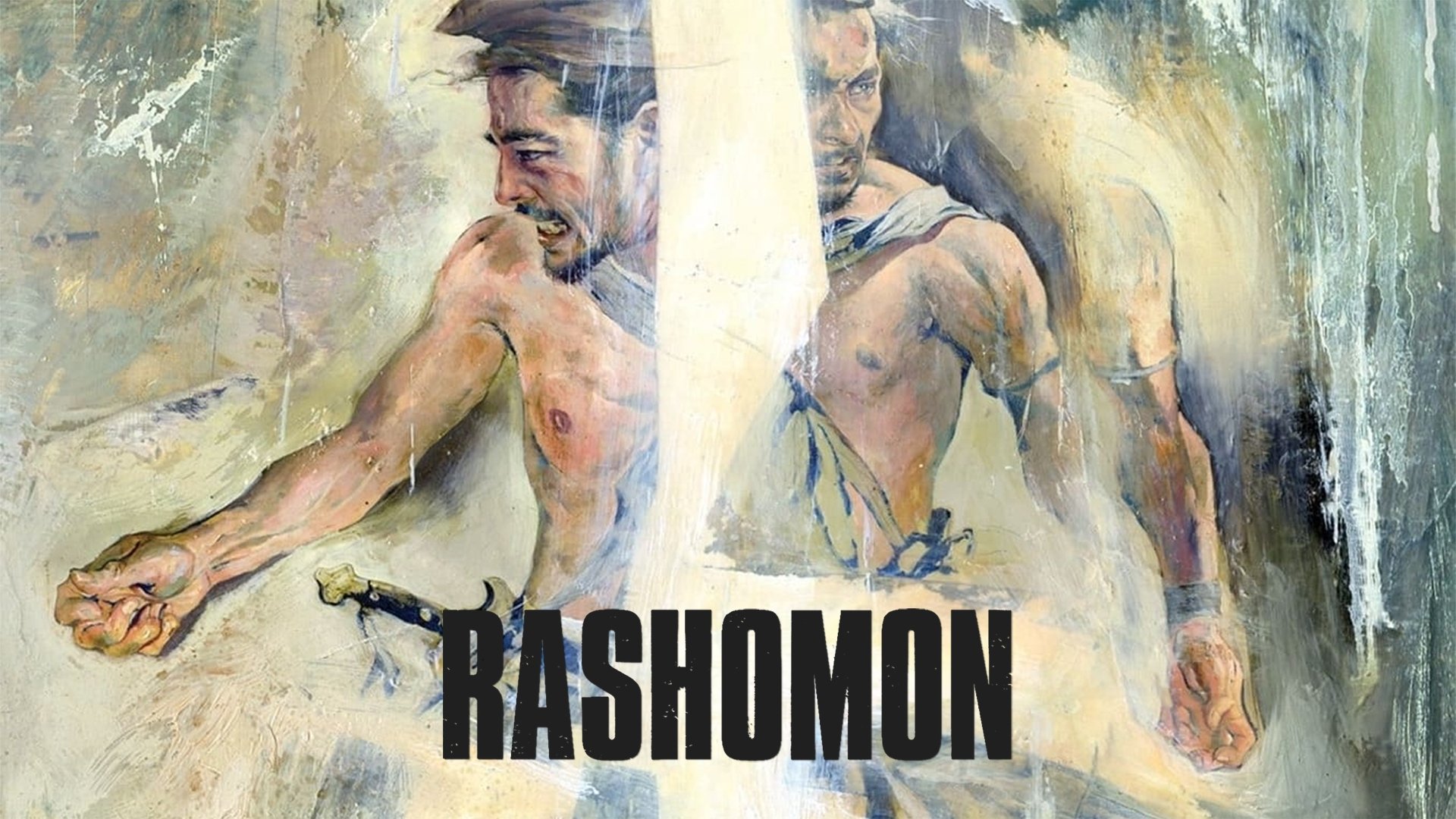
Rashomon (1950) is one of the landmark works of the famous Japanese director Akira Kurosawa. The film stars talented actors such as Toshirō Mifune, 京マチ子, Takashi Shimura, 森雅之, and Minoru Chiaki. Blending elements of drama, mystery, and crime, this film offers viewers an unforgettable cinematic experience.
The story of "Rashomon" begins when police patrolling a forest discover the body of a murdered man. The man's wife has also been raped in the same incident. Three witnesses to the event—a traveler, a woodcutter, and a bandit—are heard in court. What is interesting here is that each witness tells a different story about the incident. These differing narratives draw the audience into a complex puzzle. Who is lying? Why? These questions form the foundation of the film and present the audience with an intense thought process.
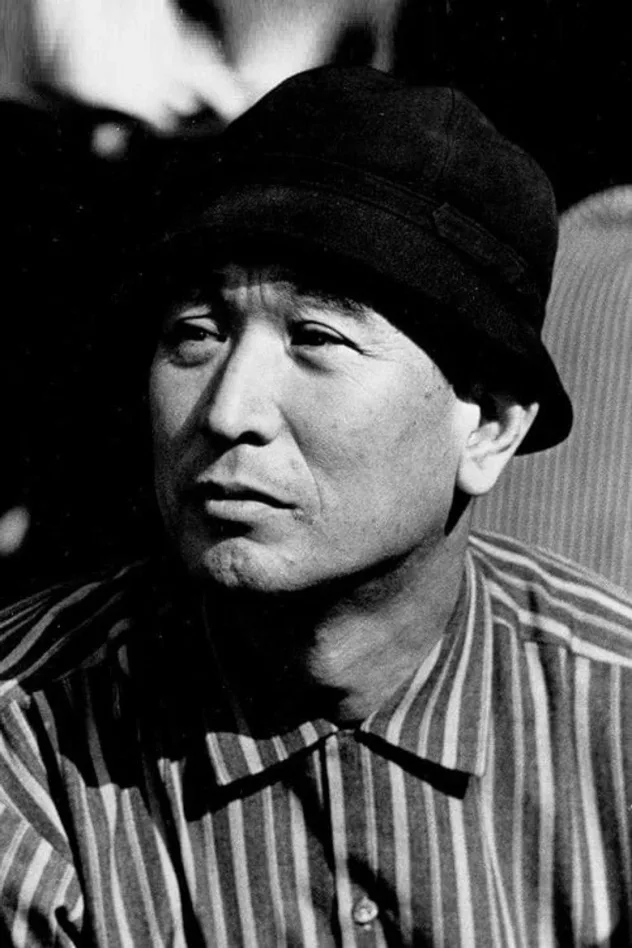
Akira Kurosawa showcases his mastery in "Rashomon," drawing attention with his cinematography and directing style. The film skillfully brings together different perspectives, prompting the audience to question the essence of the event. The techniques Kurosawa employs enhance the film's atmosphere while effectively reflecting the characters' emotional states. Toshirō Mifune's performance particularly stands out; he perfectly conveys the inner conflicts and emotional depth of his character. Other actors are also quite successful in their roles, each adding a different dimension to the story.
"Rashomon" is not just a film; it holds a significant place in cinema history. Kurosawa's work is notable for its innovative narrative style and in-depth character analyses. The film's thought-provoking structure and multilayered story have made it a classic. Additionally, the themes and subject matter of "Rashomon" have inspired many works in the world of cinema. Therefore, saying "Watch Rashomon" is not just about watching a film; it is also about witnessing the evolution of cinema.
In conclusion, "Rashomon," which holds a special place among Akira Kurosawa's films, takes viewers on a deep journey by presenting different perspectives. The film is not just a murder investigation; it also questions the complex nature of humanity. For this reason, "Rashomon" is a masterpiece that must be watched.
Why Watch?
STRONG POINTS: Deep storytelling: 'Rashomon' presents events from different perspectives, prompting viewers to think. Visual aesthetics: Kurosawa's masterful shots make the film an artistic experience. Timeless themes: It addresses universal concepts such as justice, the nature of truth, and the human condition.
WHO IT APPEALS TO: Viewers who enjoy deep character studies and complex story structures will love this film.
EXPECTATION MANAGEMENT: Viewers who prefer action and fast-paced films may not appreciate the slow-paced structure of 'Rashomon.'
Frequently Asked Questions
What is the plot of Rashomon?
Rashomon deals with the contradictory stories that arise from different witnesses recounting a murder and rape incident. The film questions the subjective nature of truth and how people shape their memories.
Is Rashomon based on a true story?
Yes, Rashomon is inspired by short stories by Ryūnosuke Akutagawa. However, the film presents a narrative enriched with fictional elements.
Where can I watch Rashomon?
Rashomon can be watched on various digital platforms and in theaters. It can also be purchased in DVD or Blu-ray format.
How long is Rashomon?
Rashomon is a film that runs for a total of 88 minutes.
What does the ending of Rashomon mean?
The film's ending questions the possibility that truth can be different for each individual and challenges the existence of an objective reality. It leaves the viewer with uncertainty about which narrative is true.
What year was Rashomon released?
Rashomon was released in 1950.
Is Rashomon worth watching?
Absolutely, Rashomon is one of the significant works in cinema history. It offers viewers a thought-provoking experience with its deep themes and innovative narrative style.