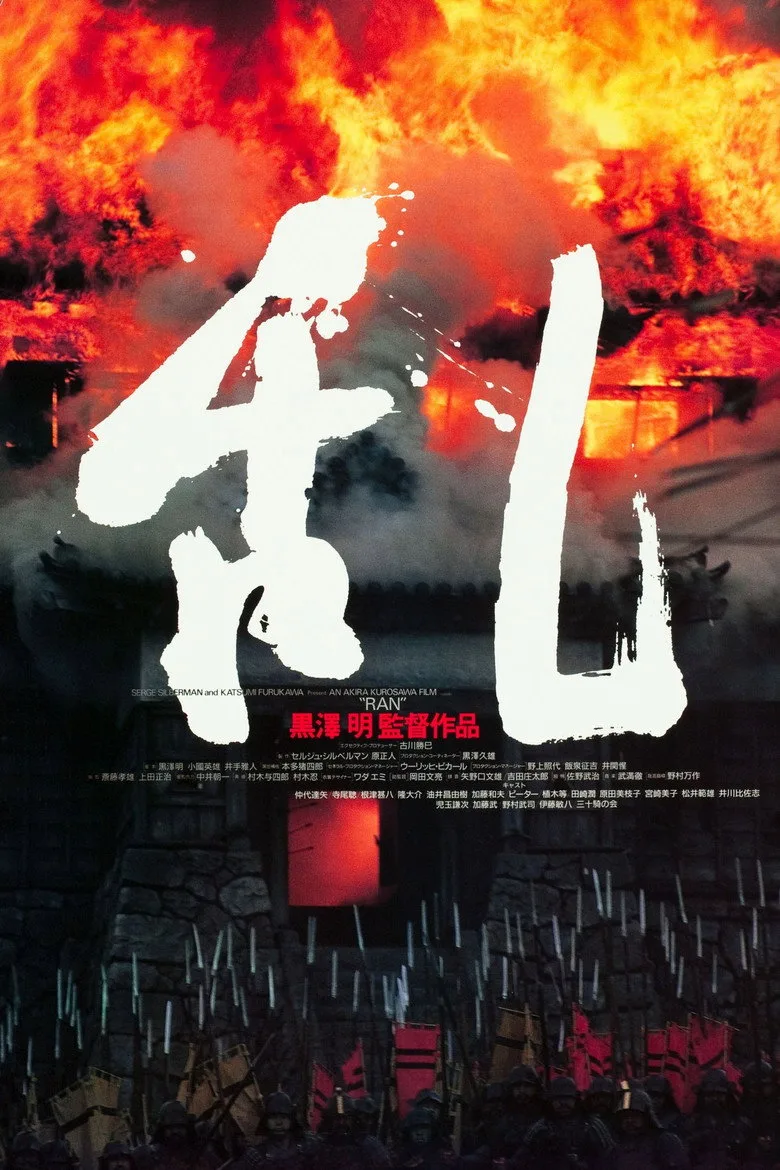
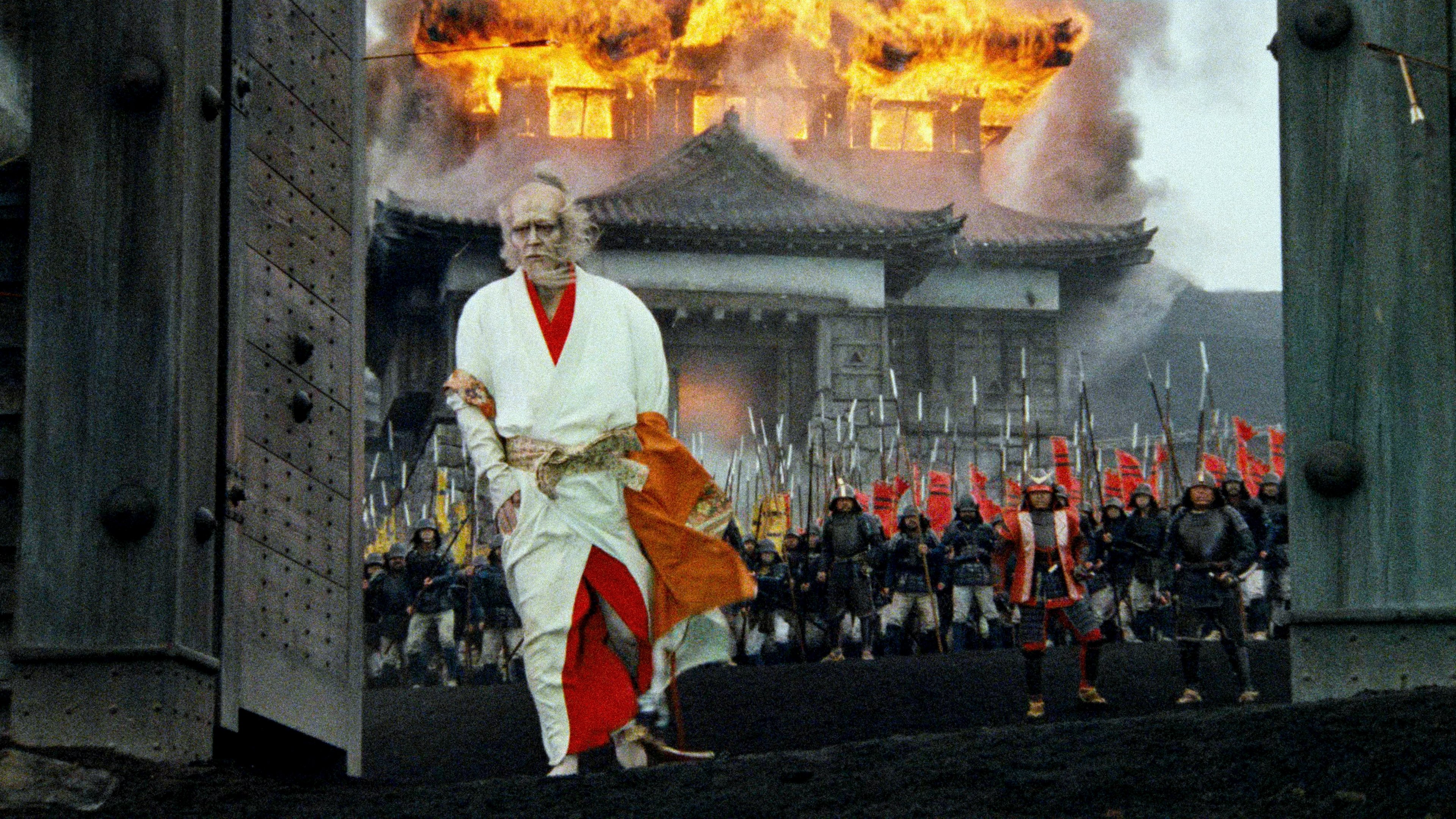
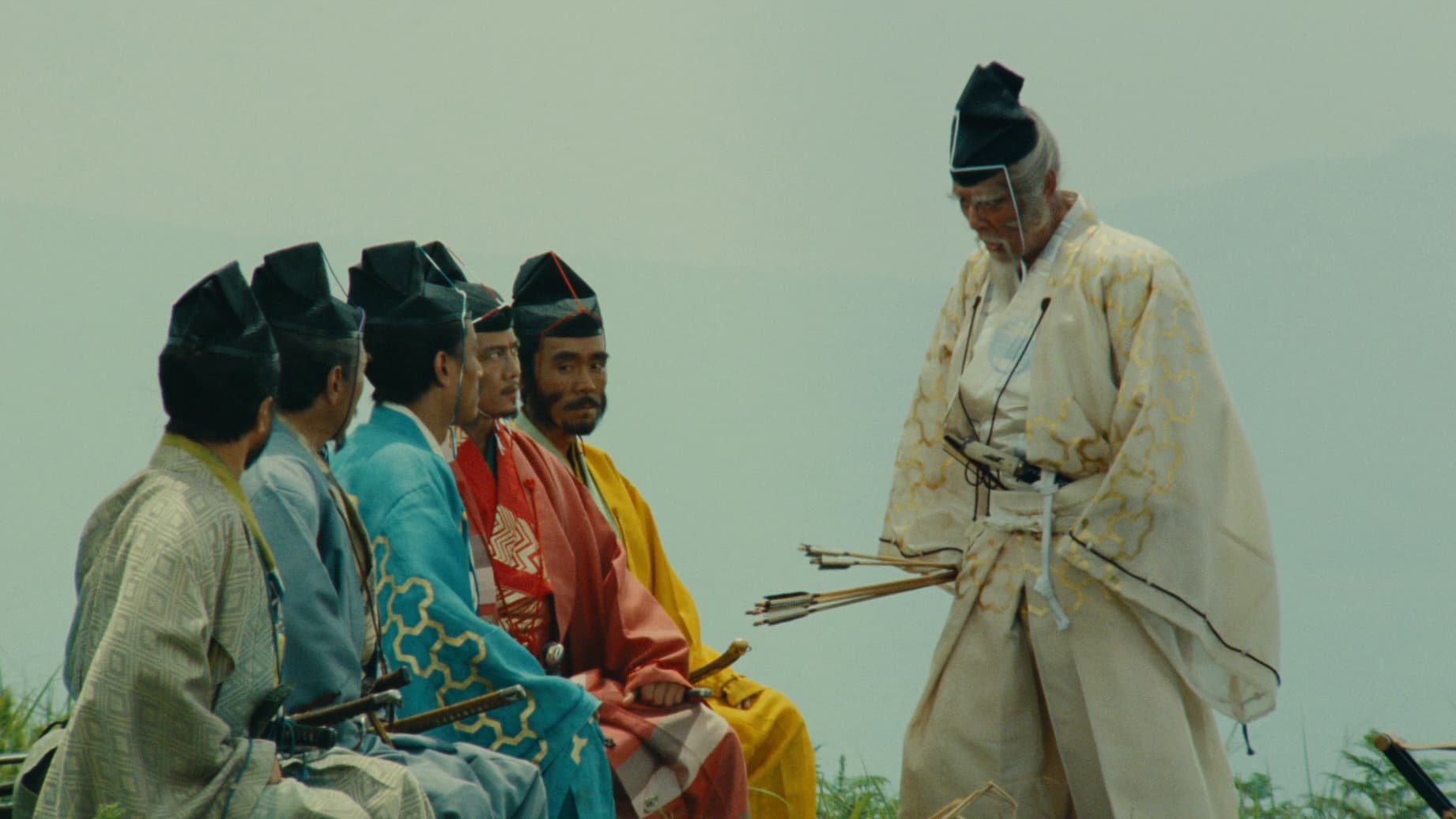
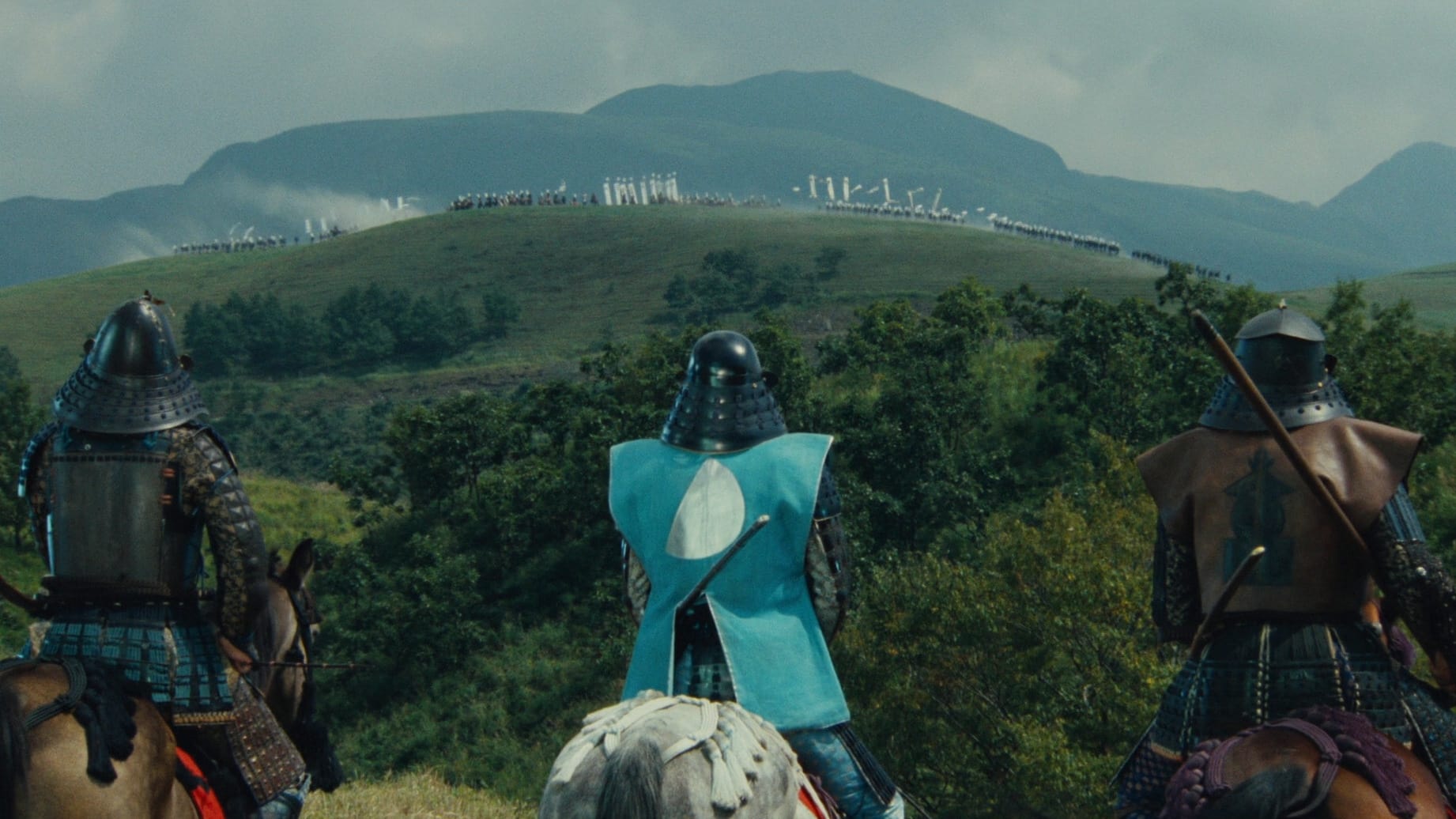
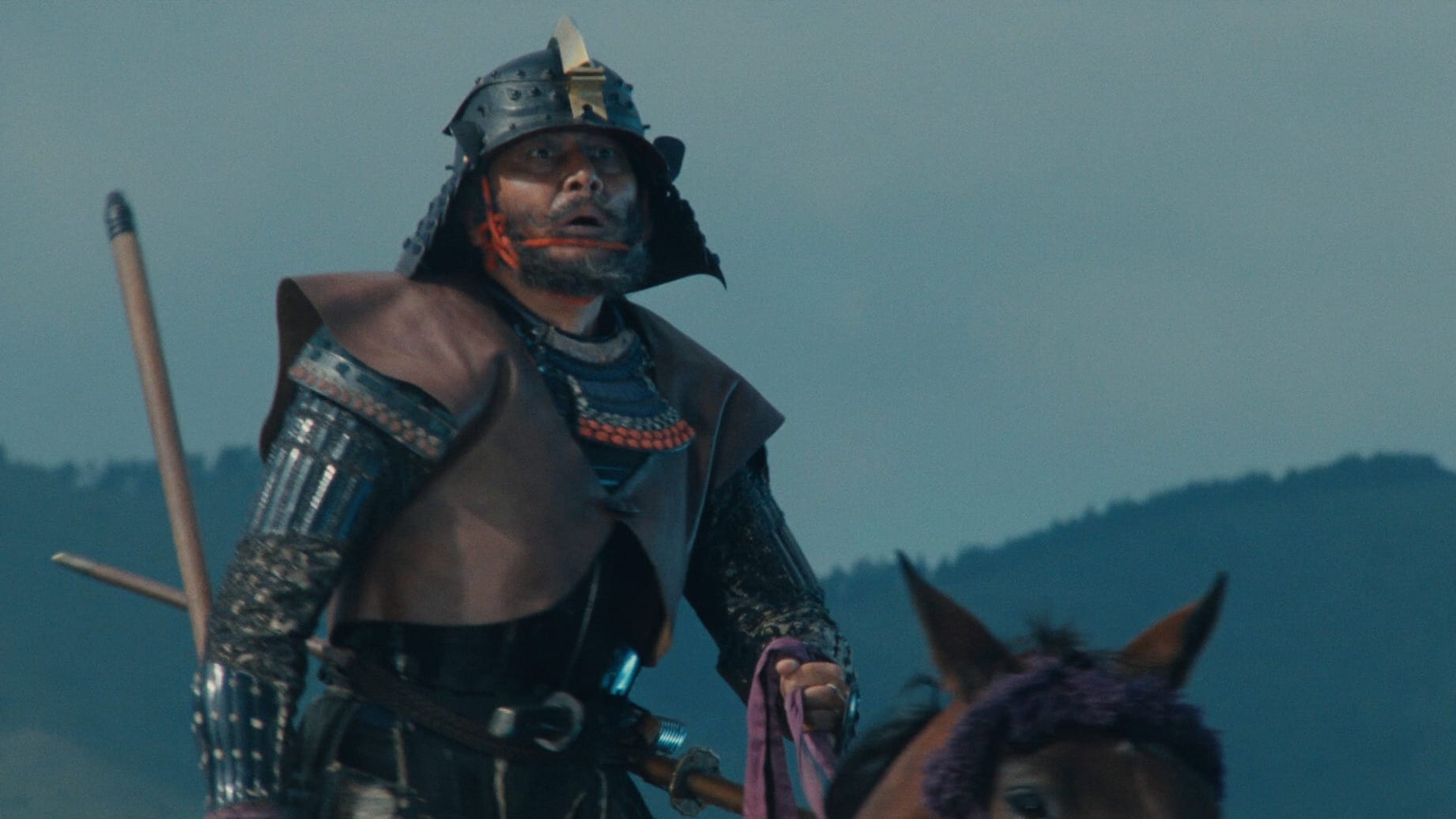
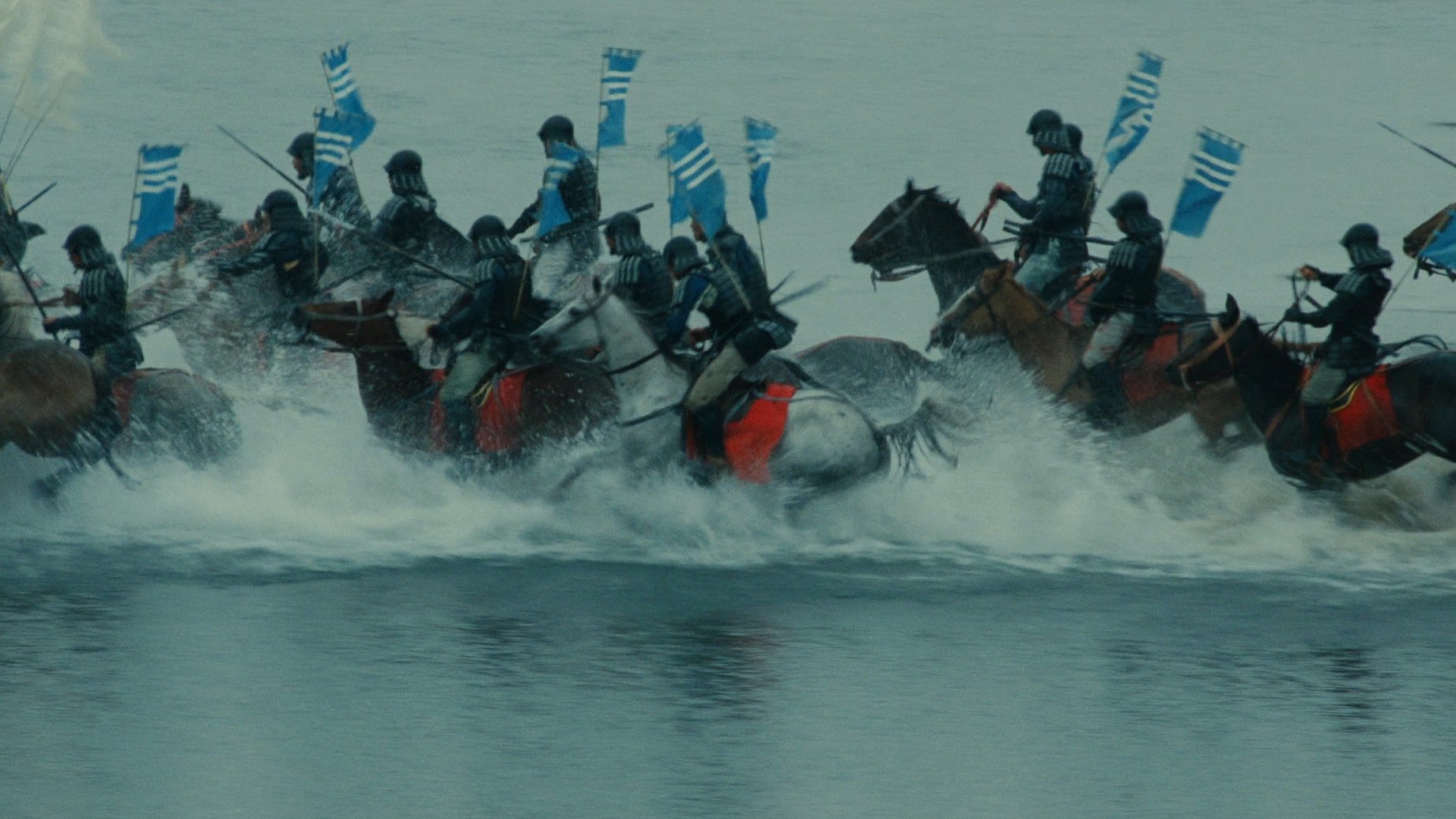
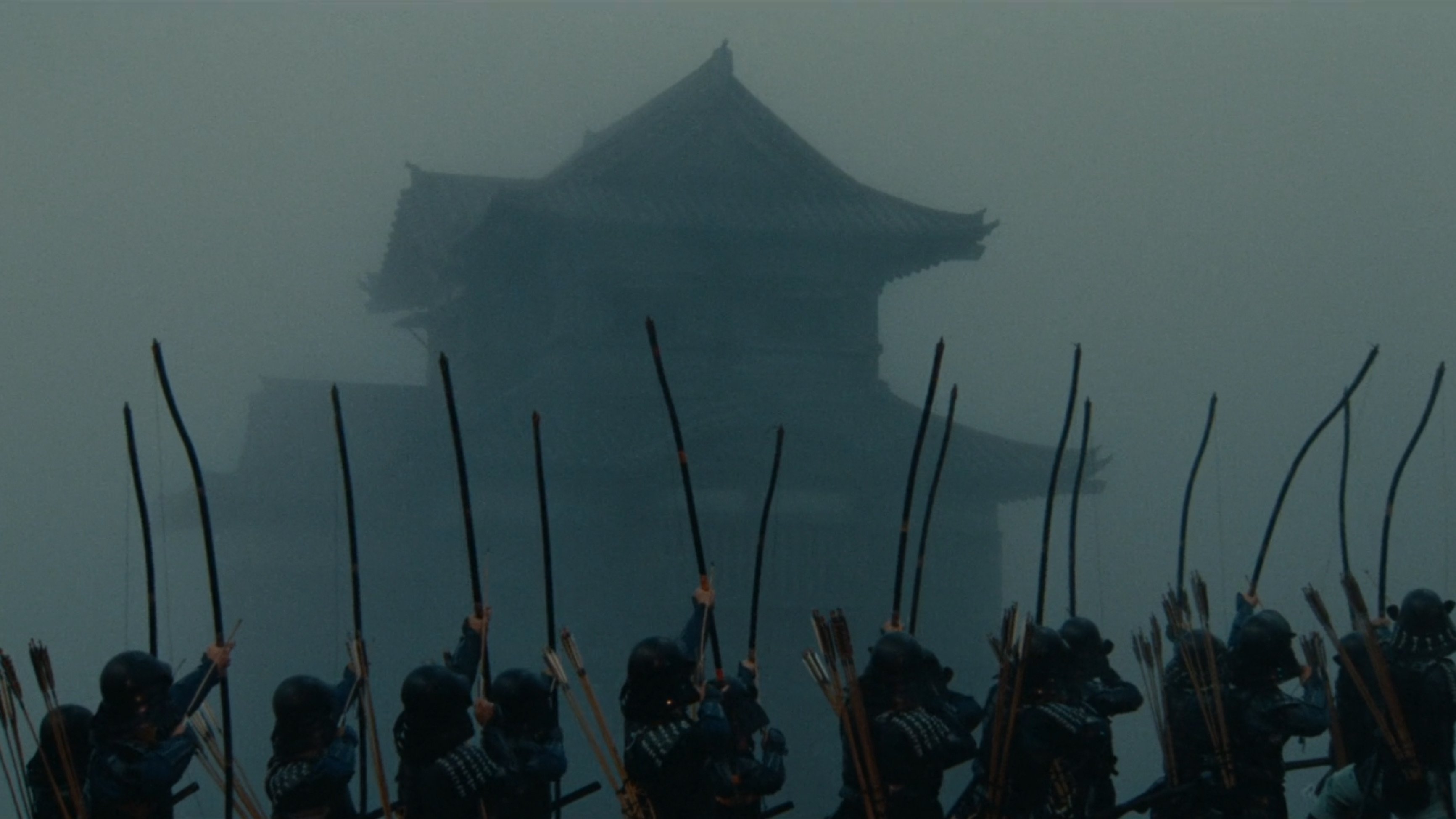
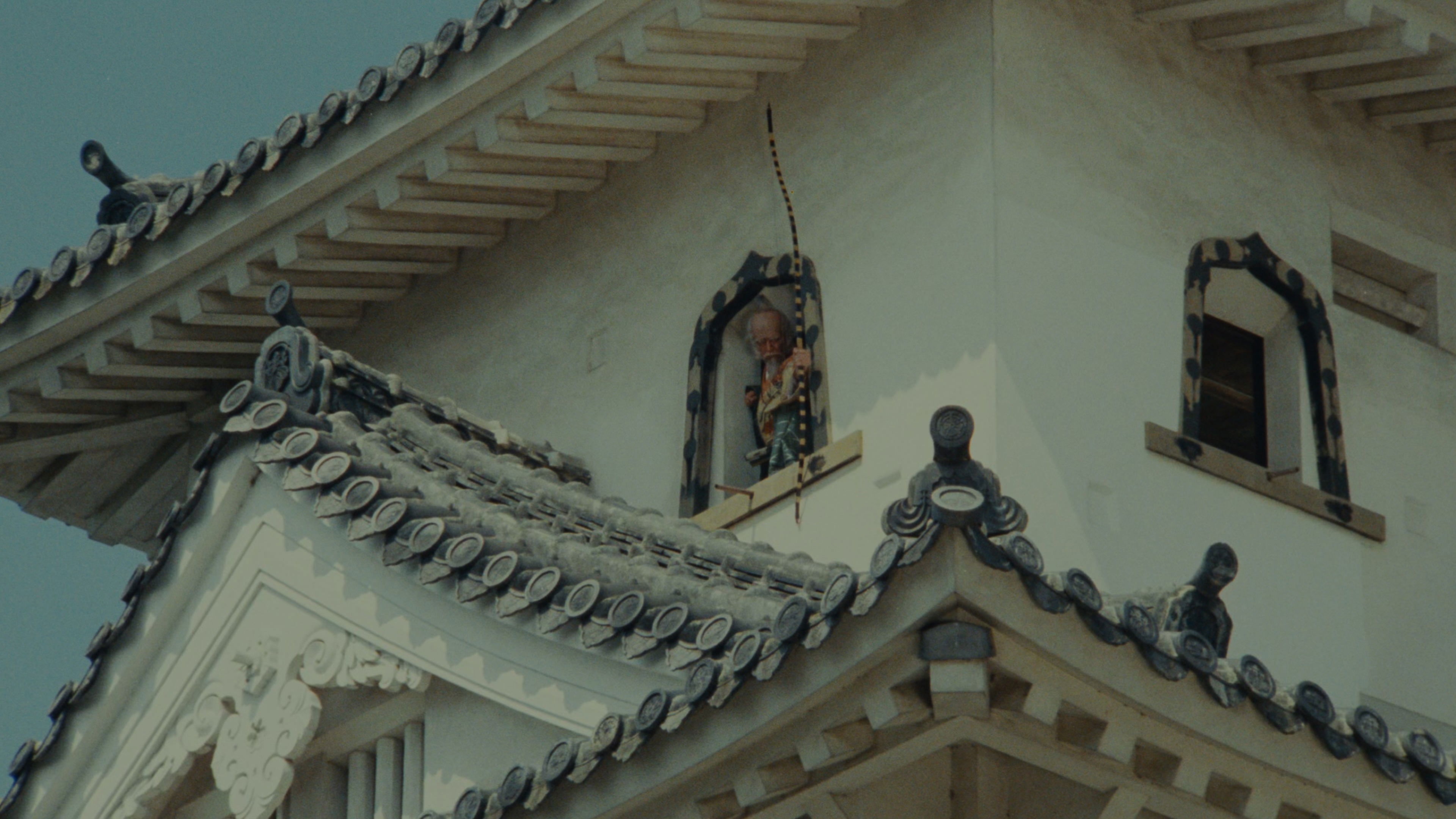
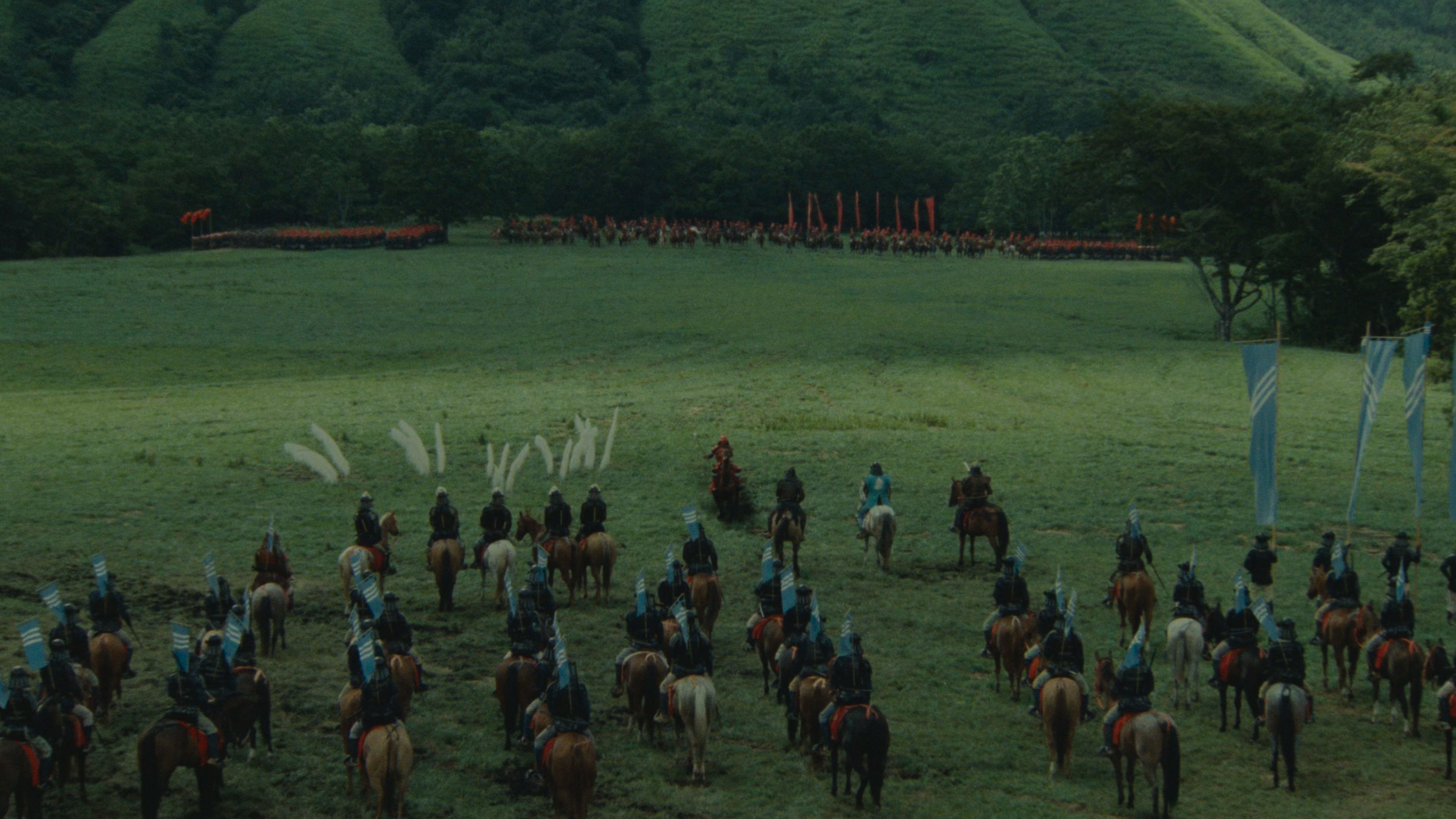
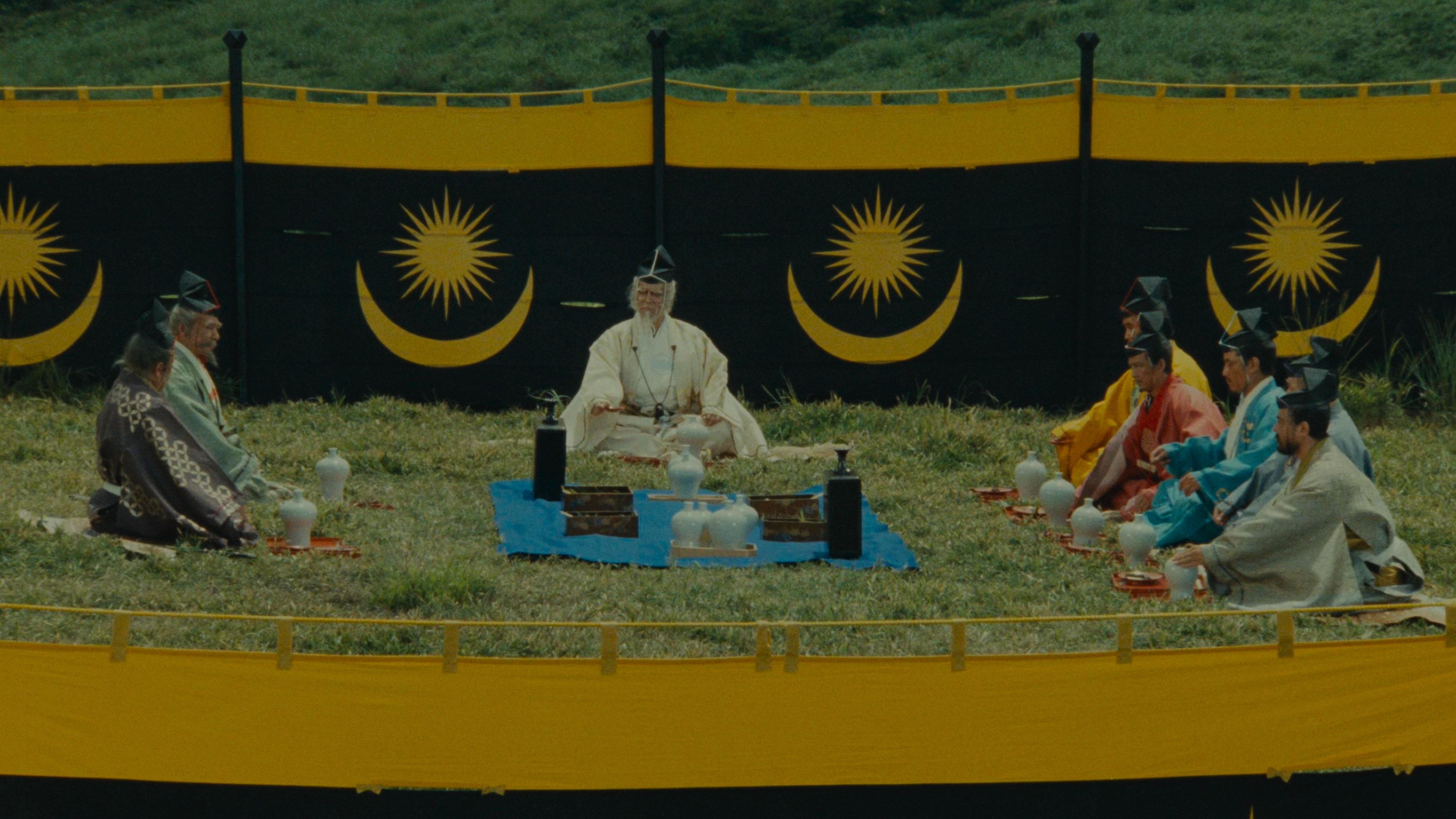
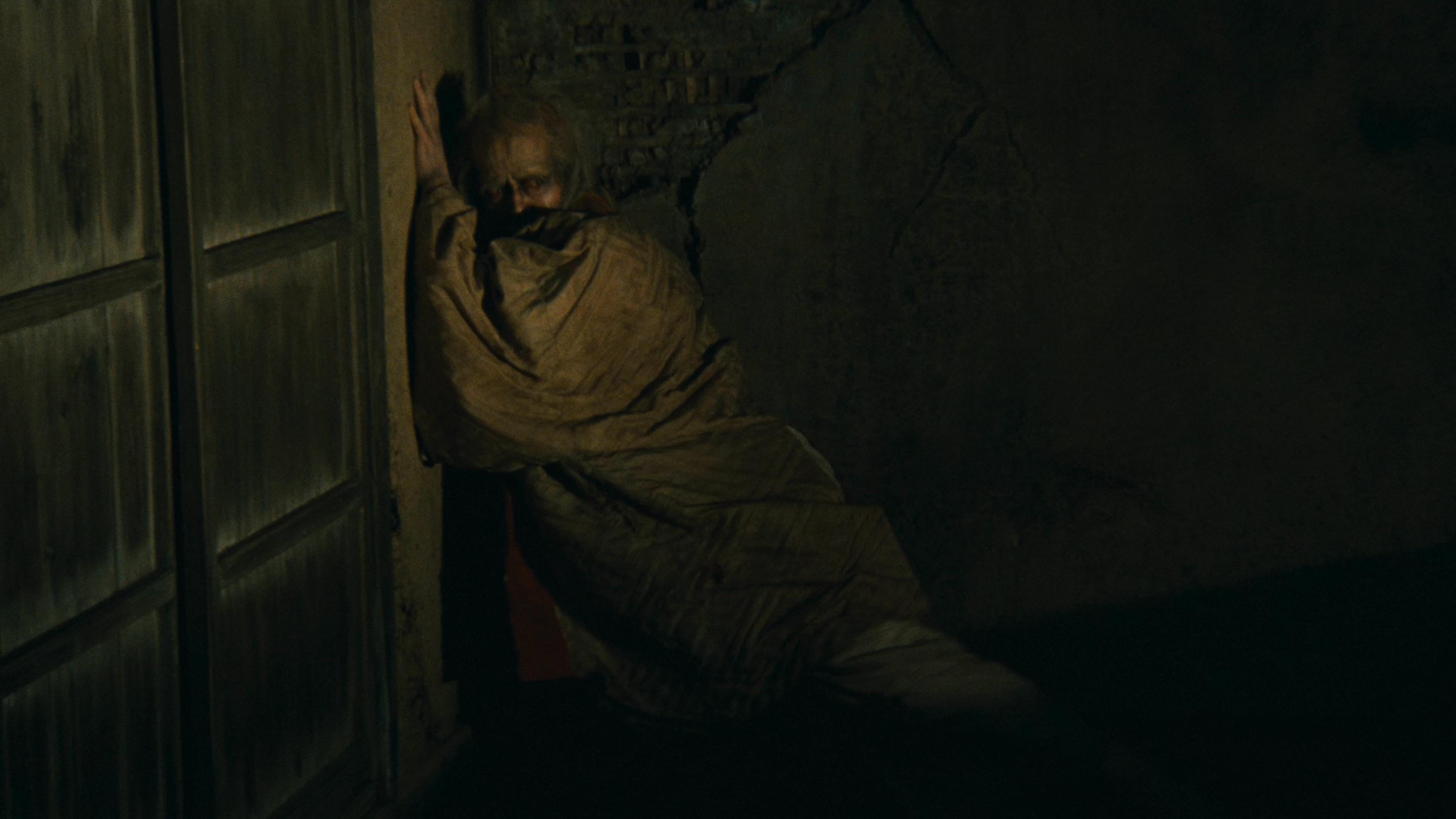
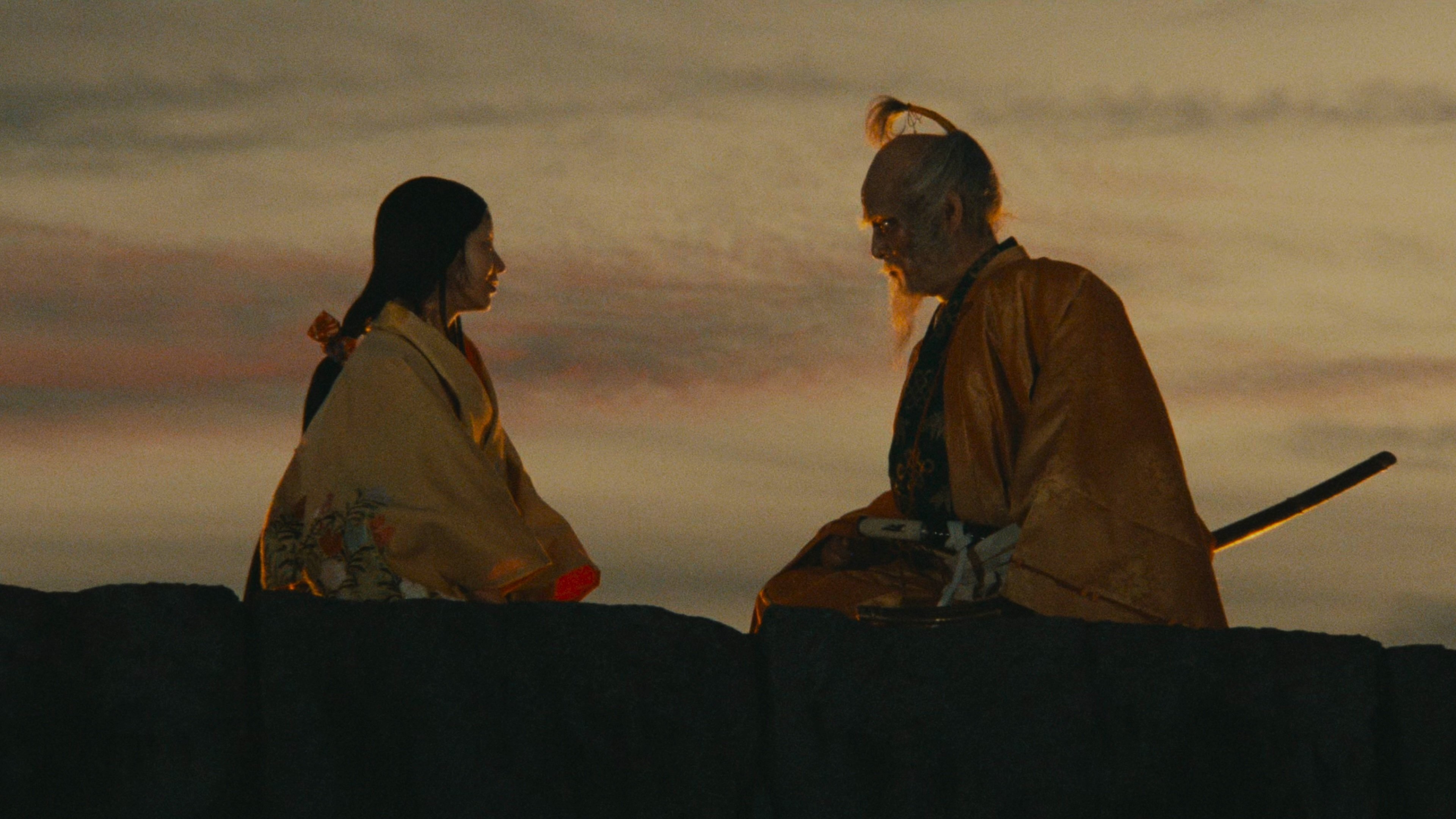
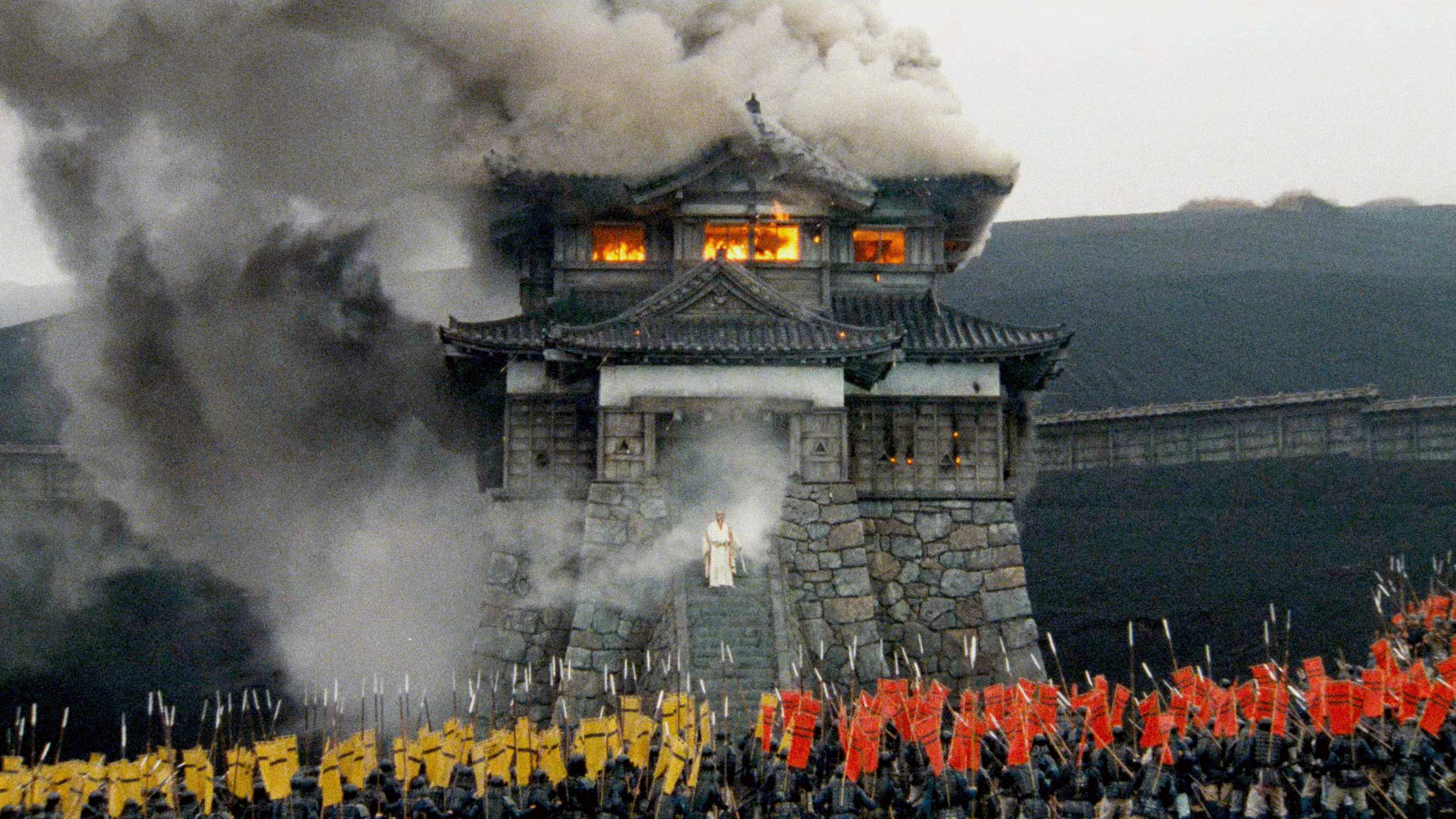
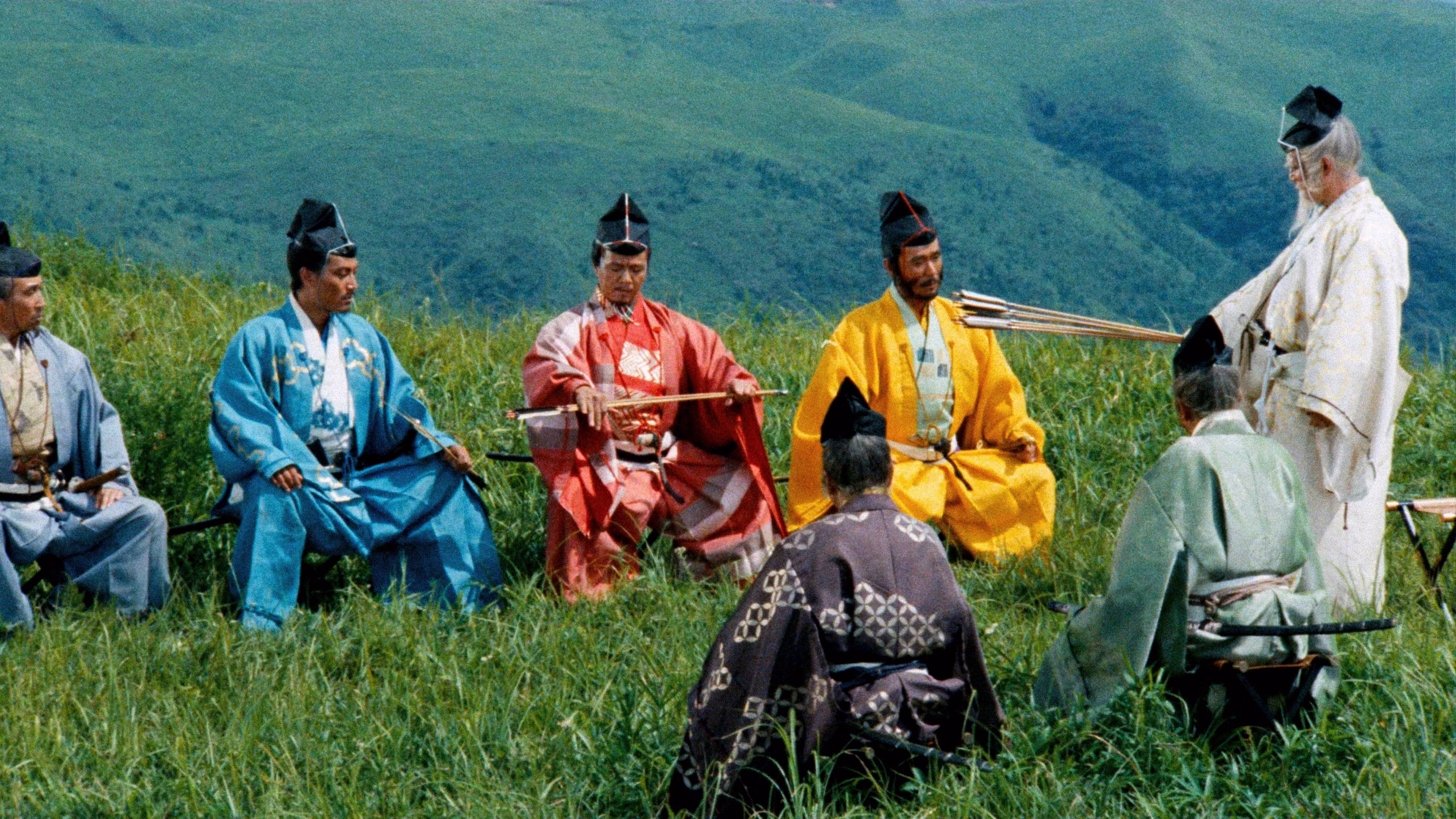
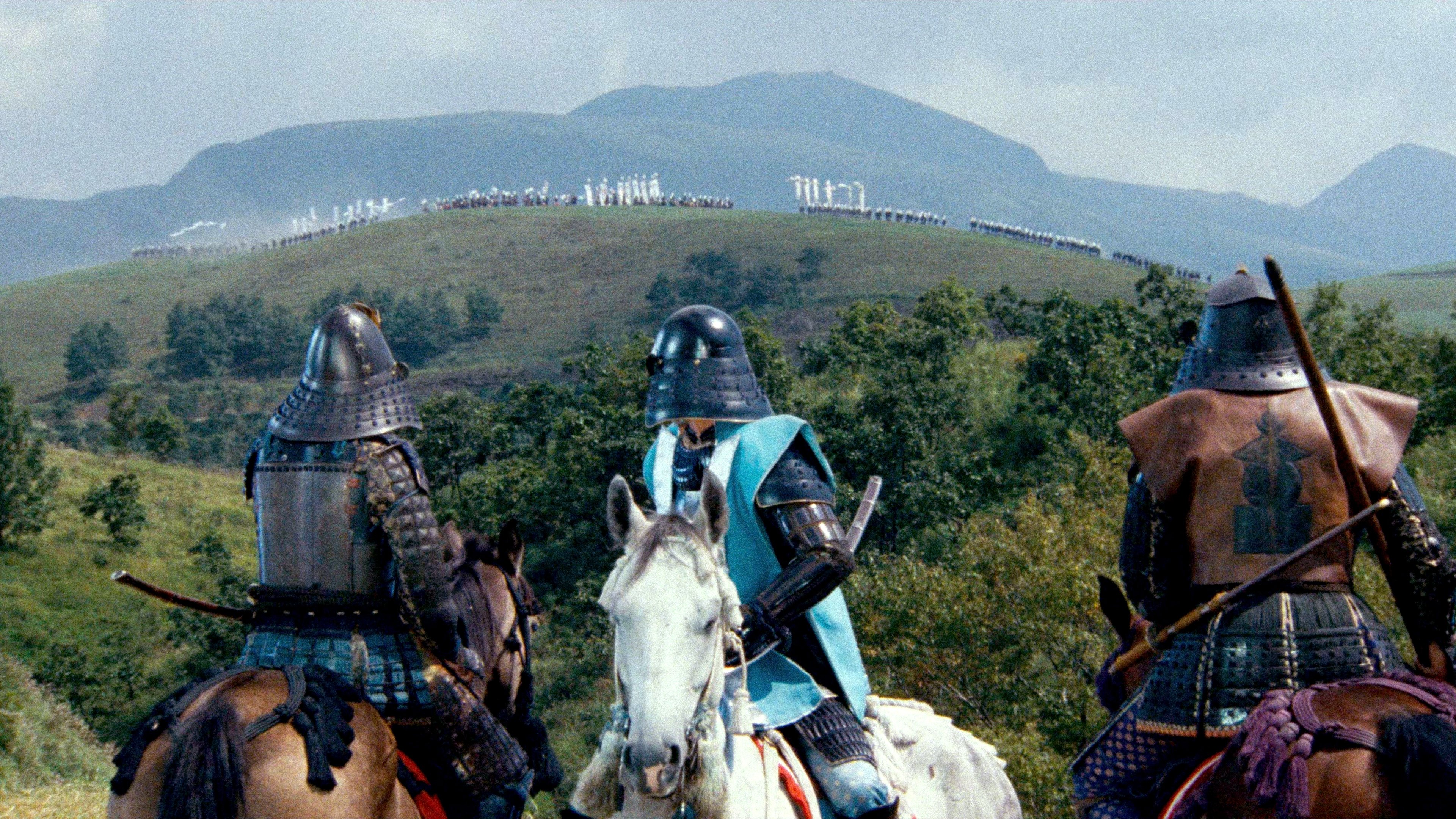
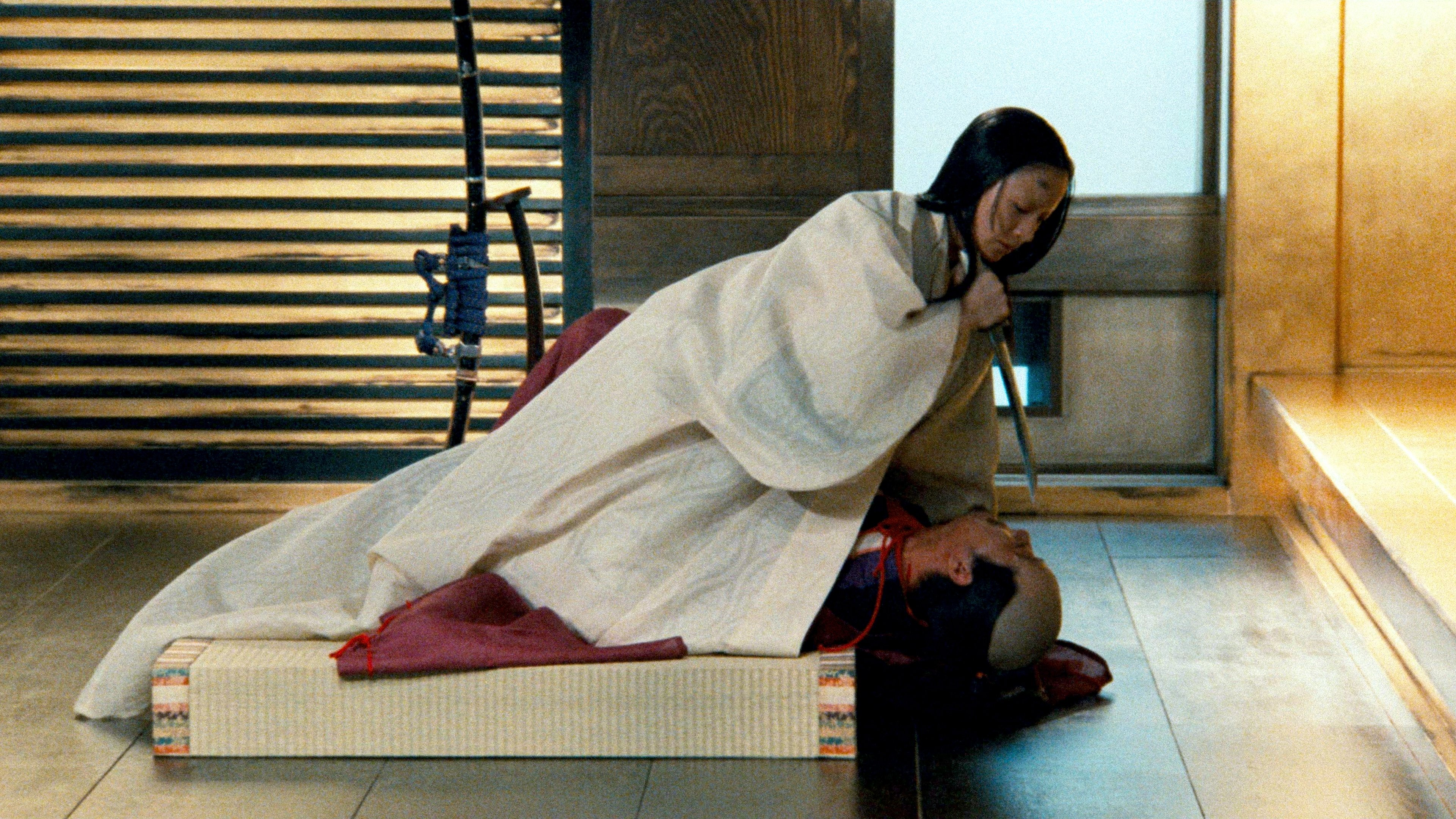
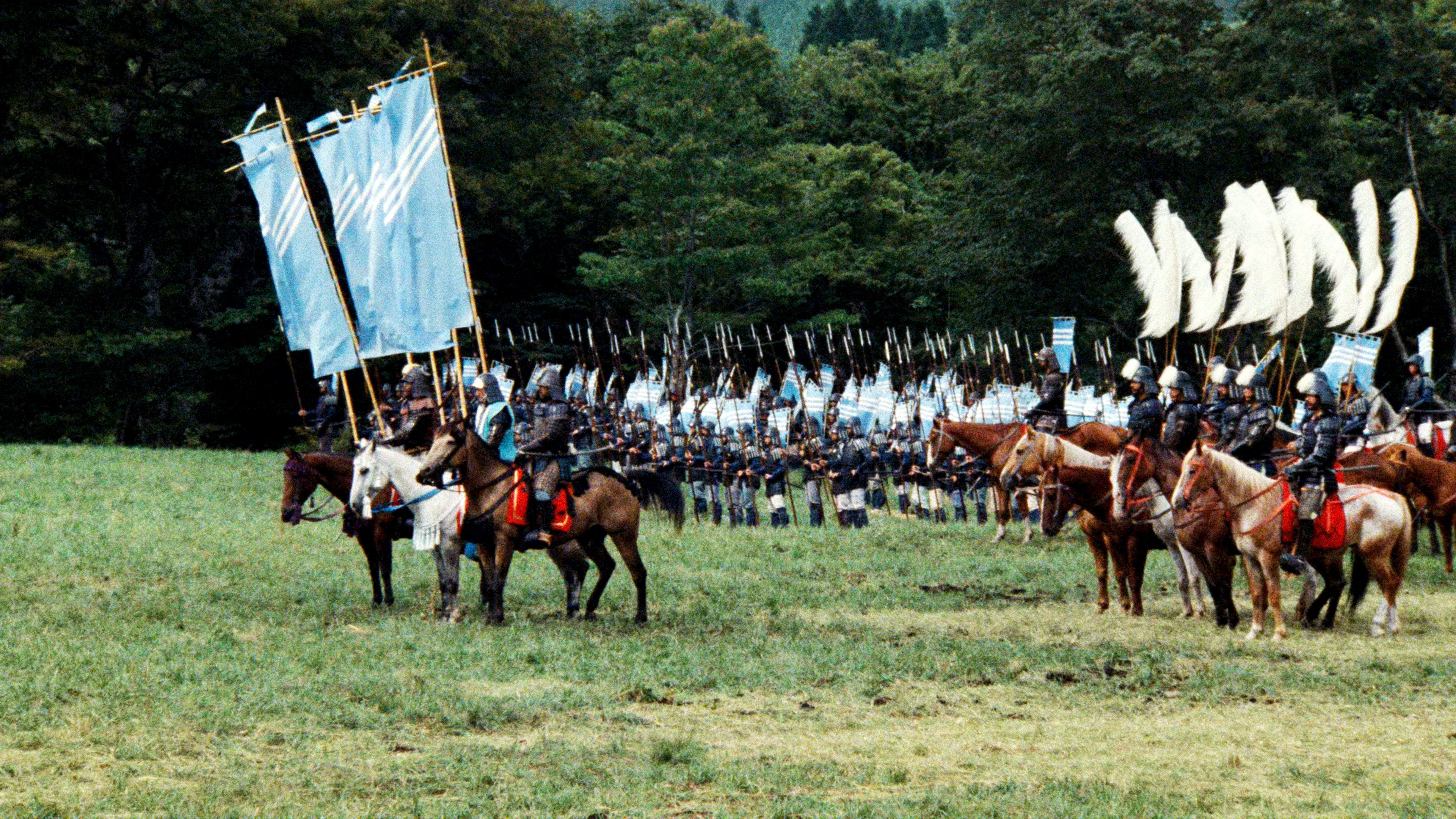
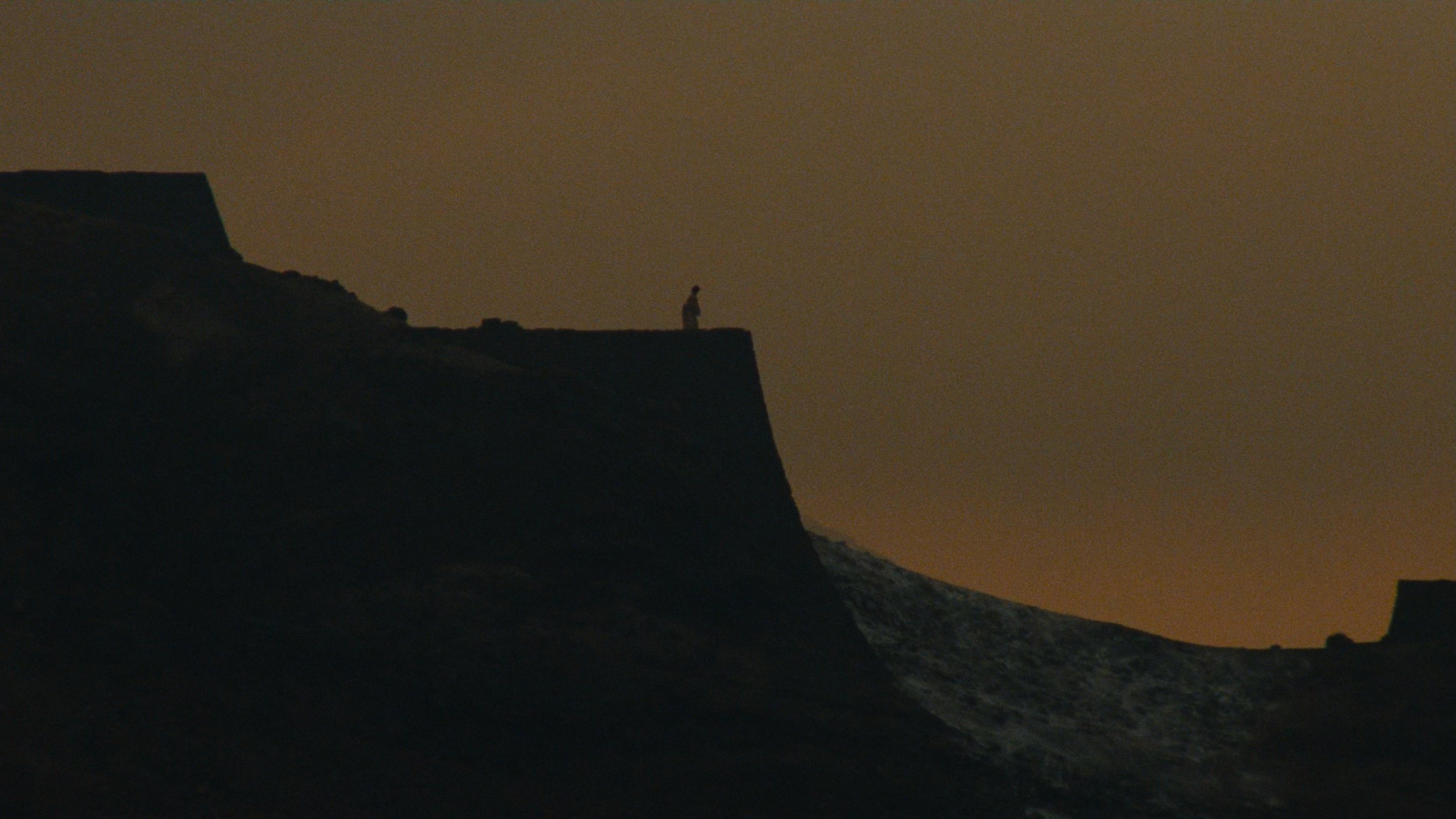
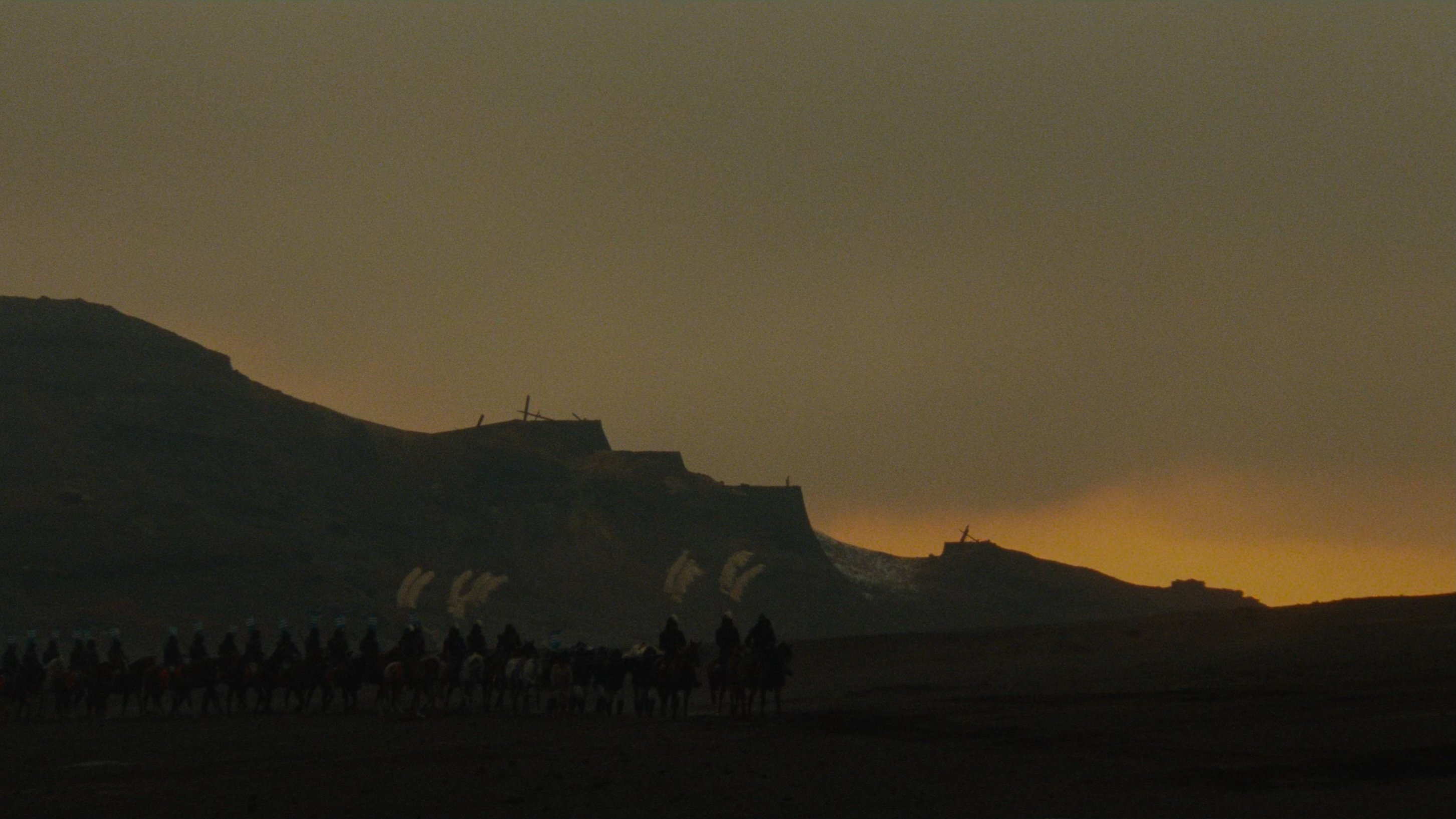
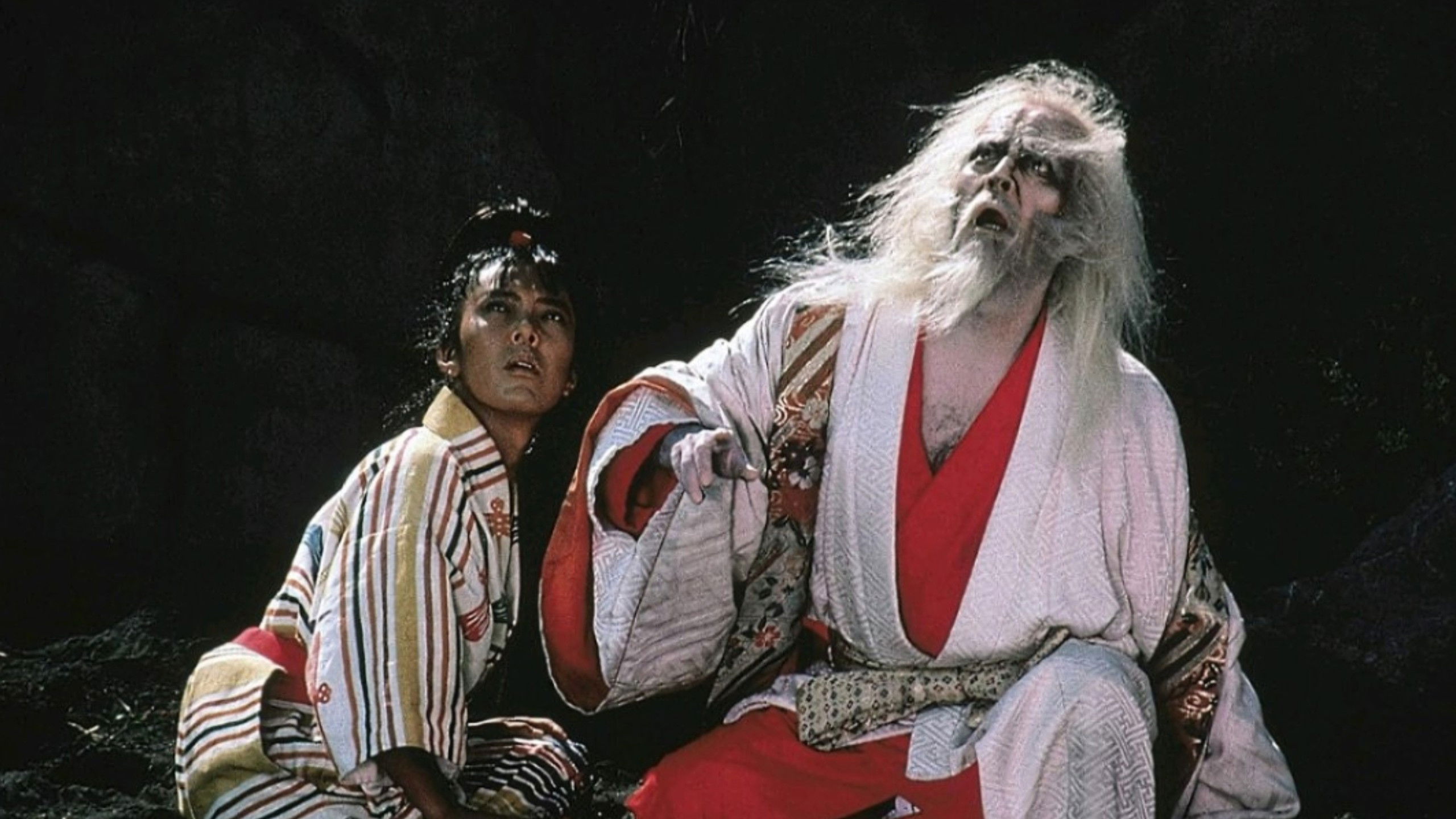
In Shakespeare's King Lear, the elderly lord Lear decides to divide his kingdom among his three daughters. Each will live in castles in three different parts of the country to prove their loyalty. While the eldest daughters feign sincerity for their own benefit, the youngest daughter struggles to make her father see the truth with her genuine love for him. Ran is a Japanese adaptation of this work from English literature. The daughters from the original have been changed to sons, and the character of King Lear appears as Lord Hidetora Ichimonji.
Overview
Ran (1985) – Akira Kurosawa’s Masterpiece
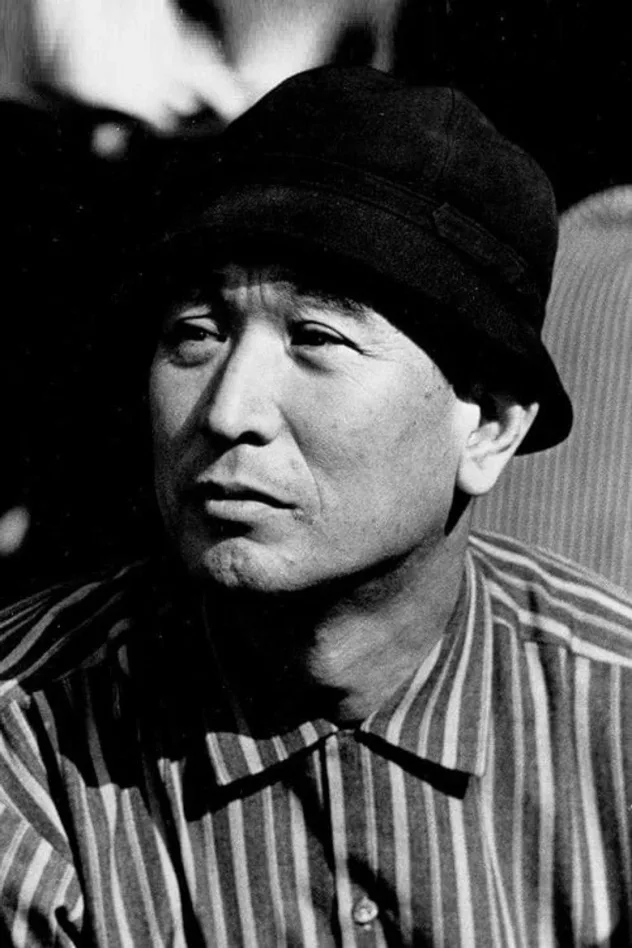
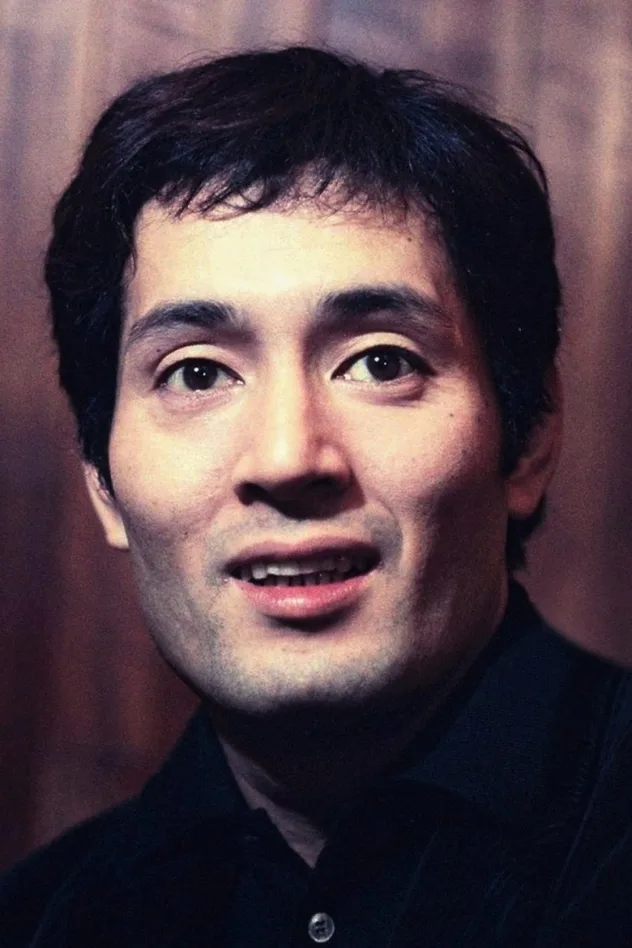
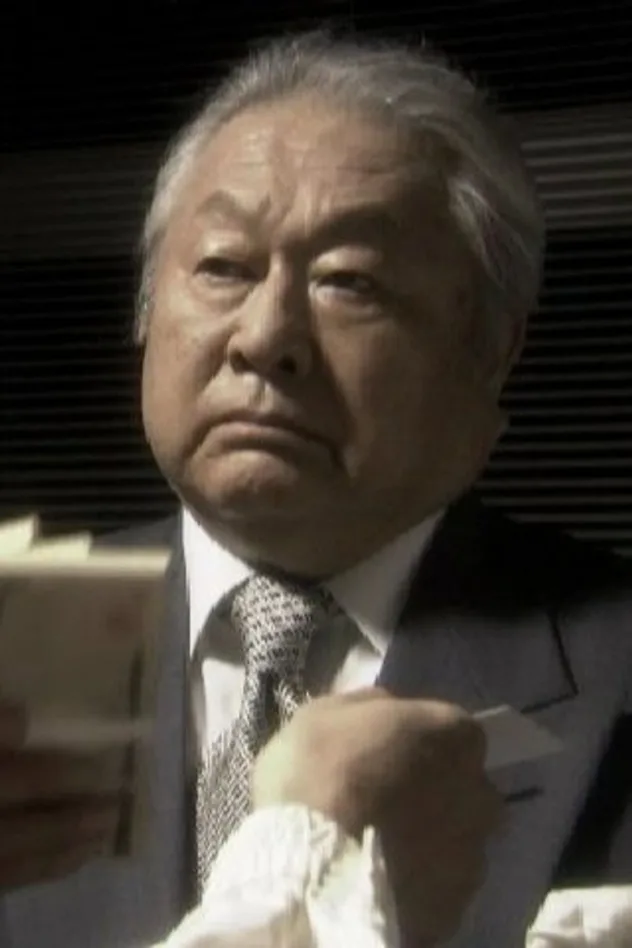
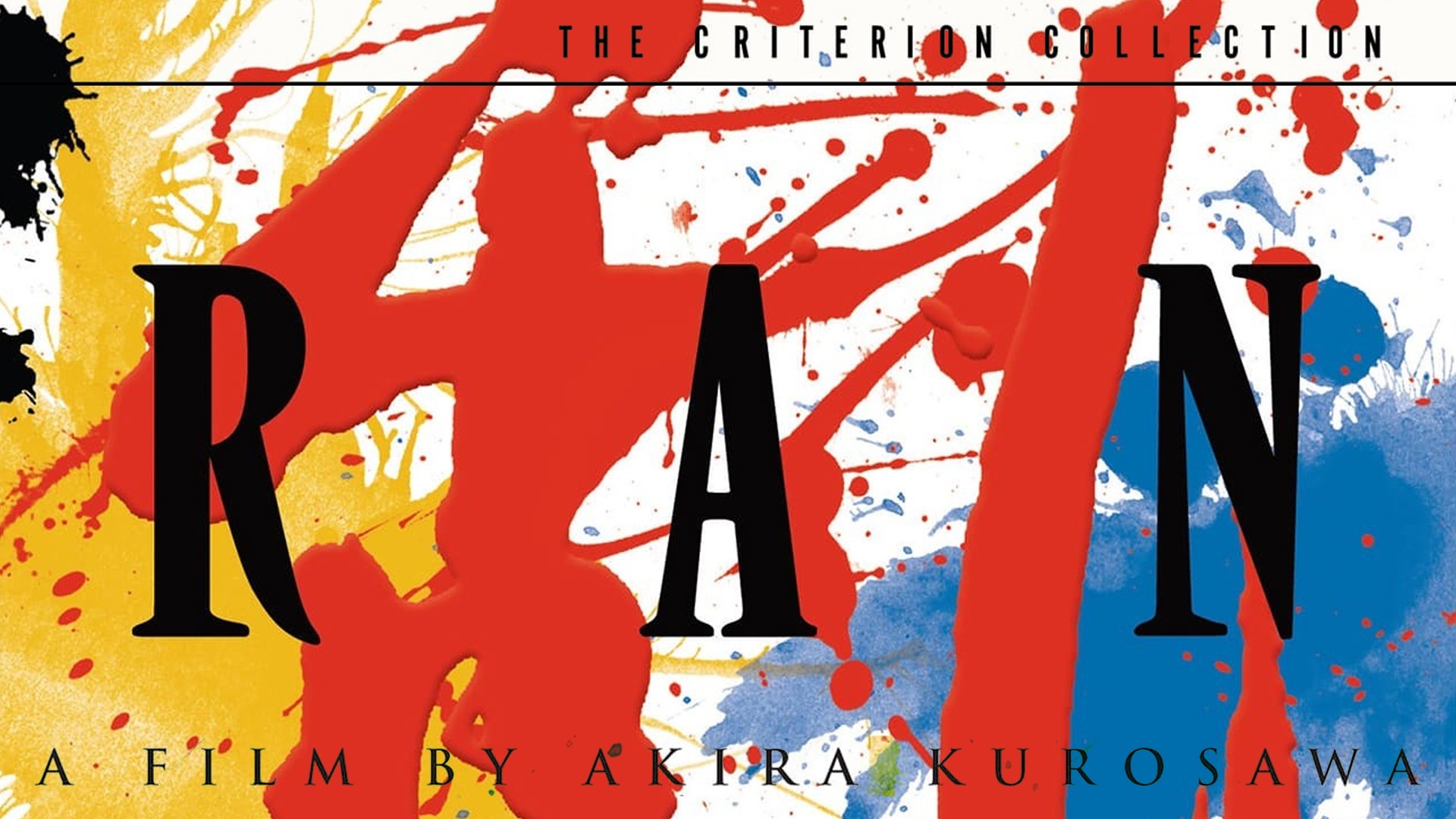
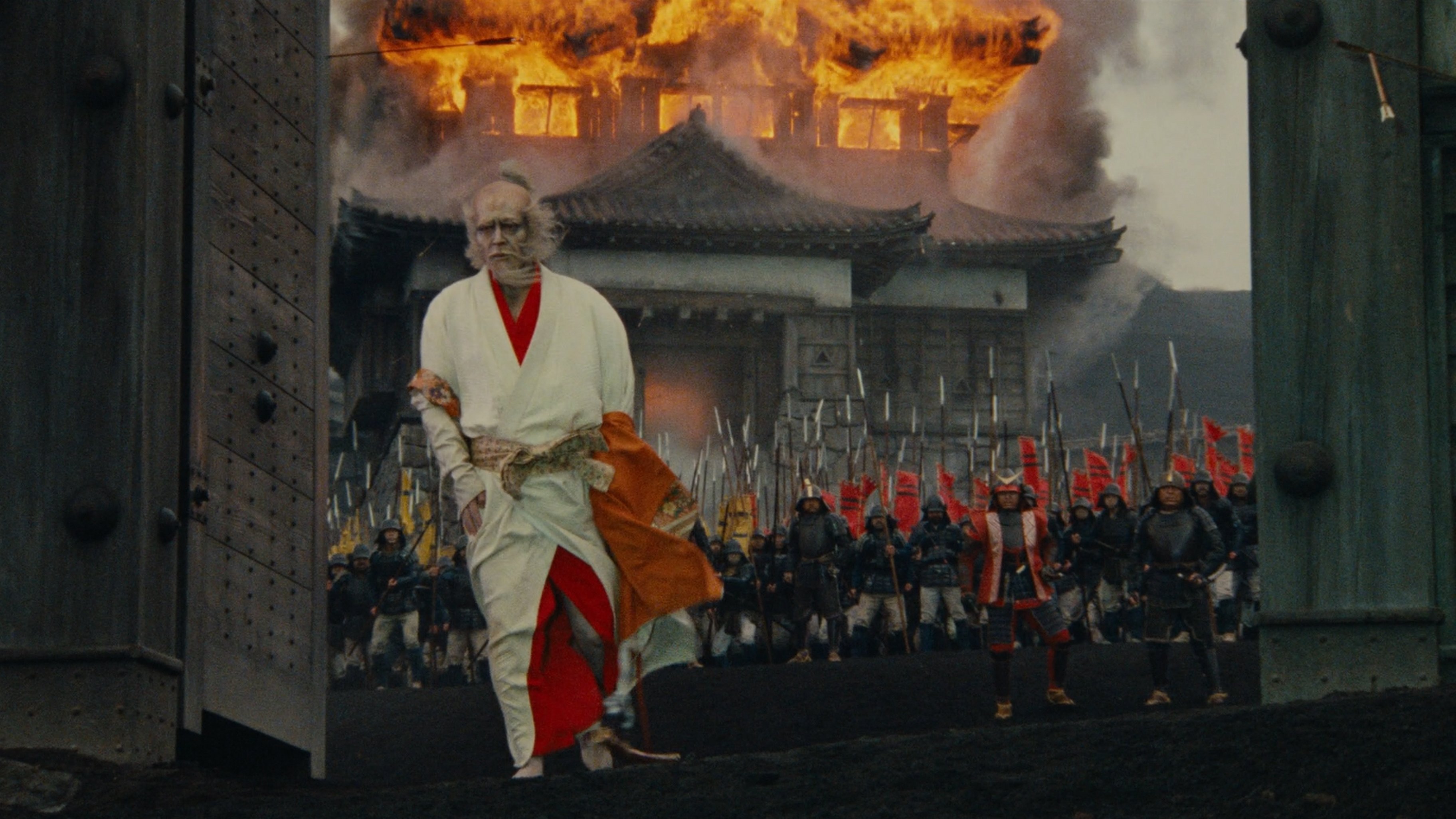
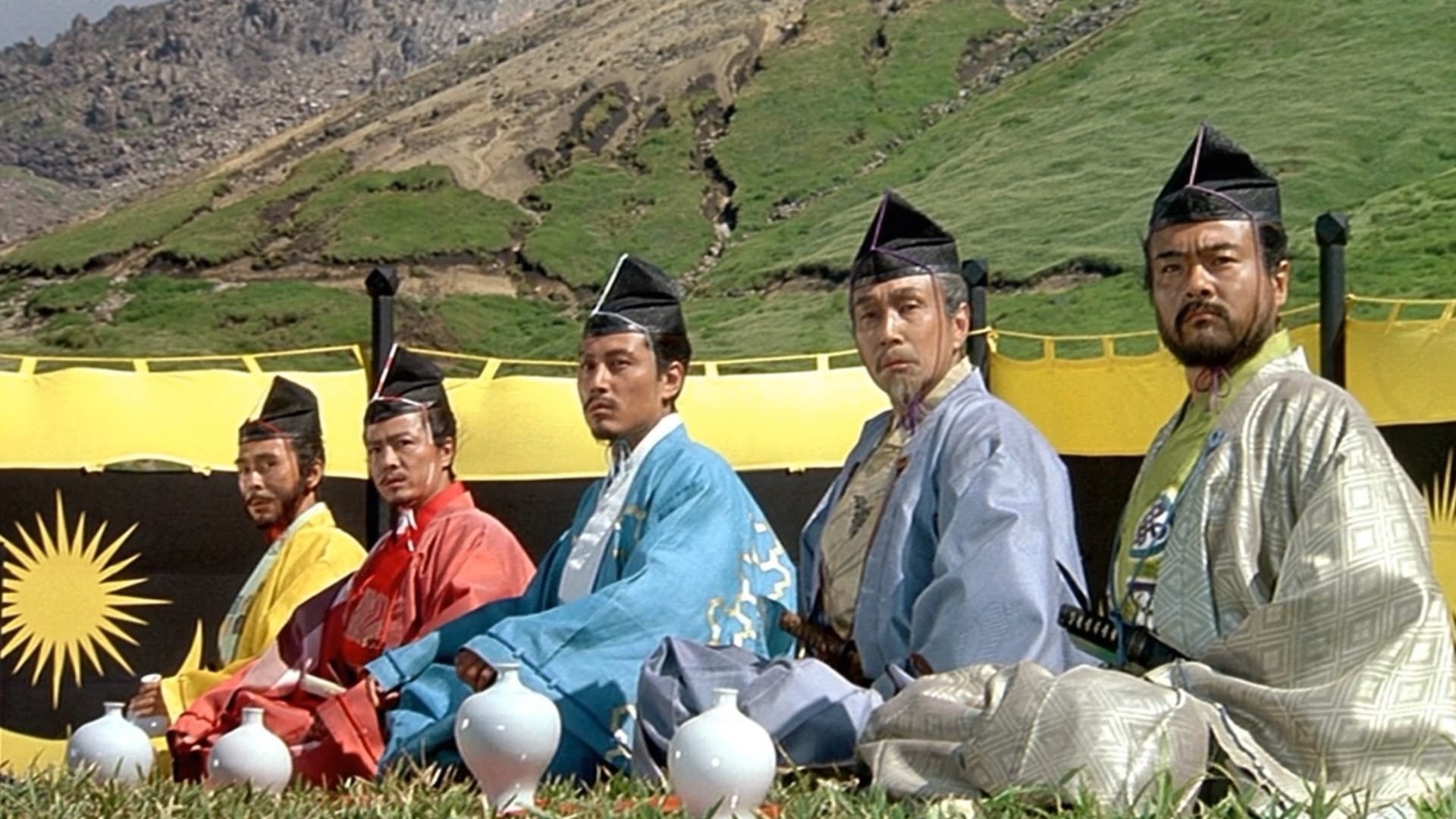
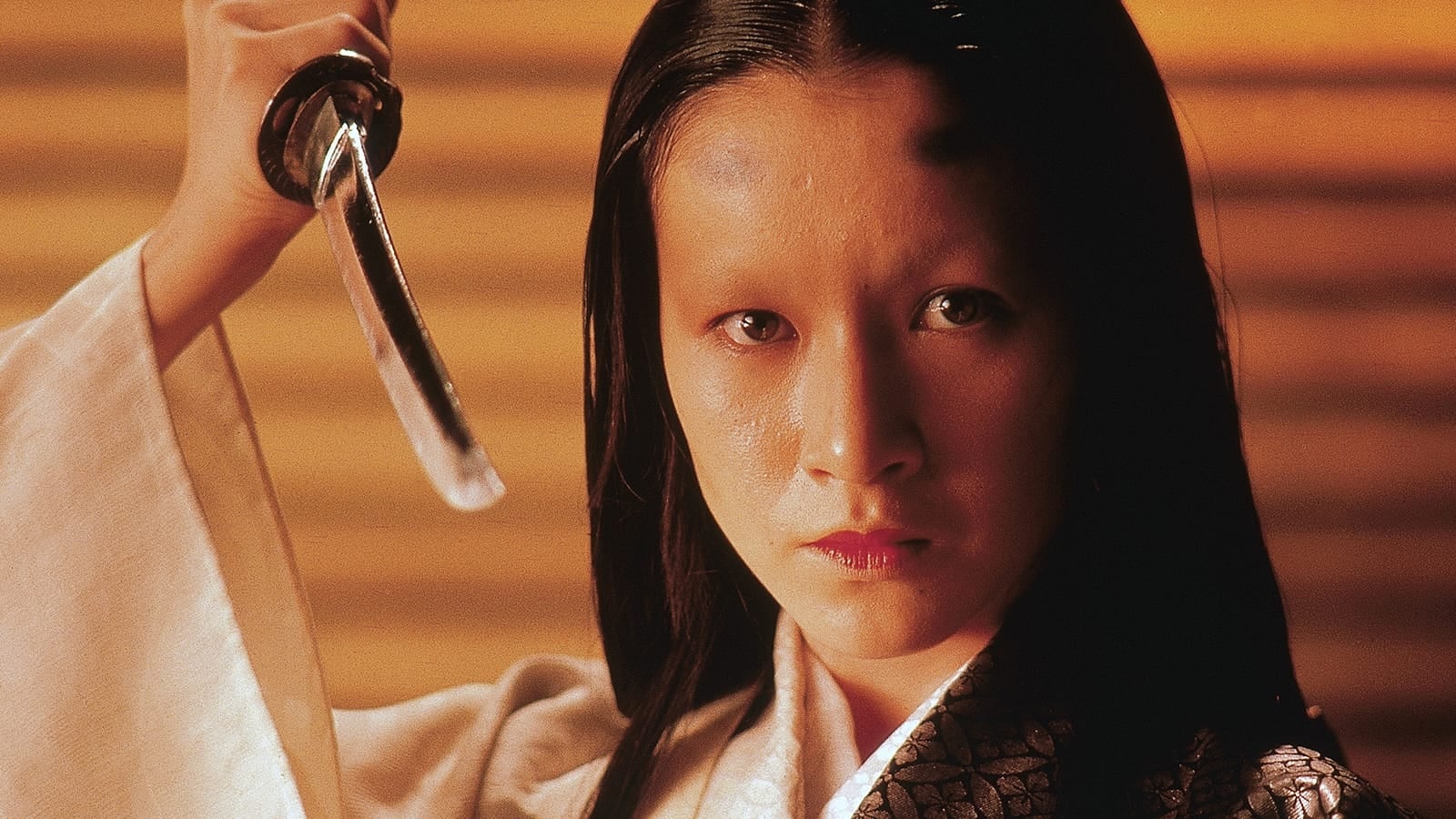
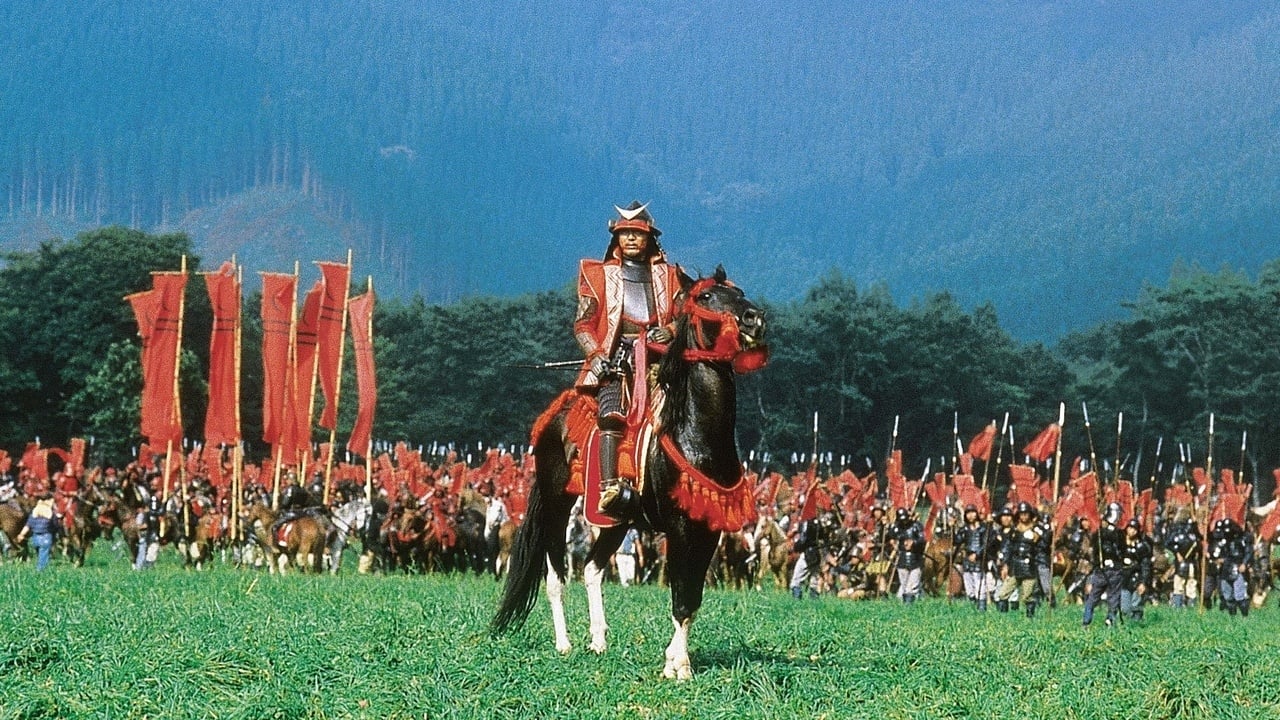
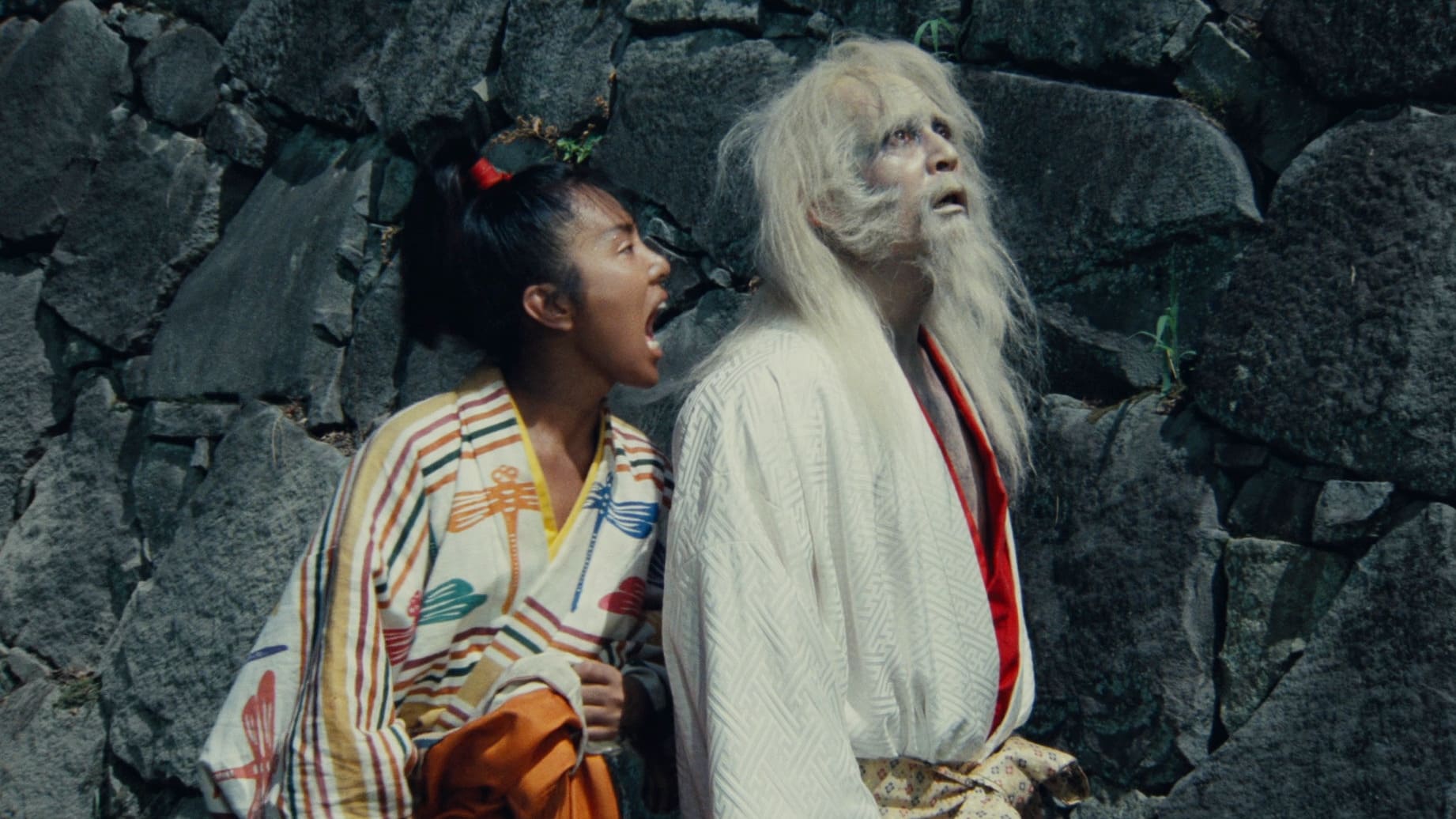
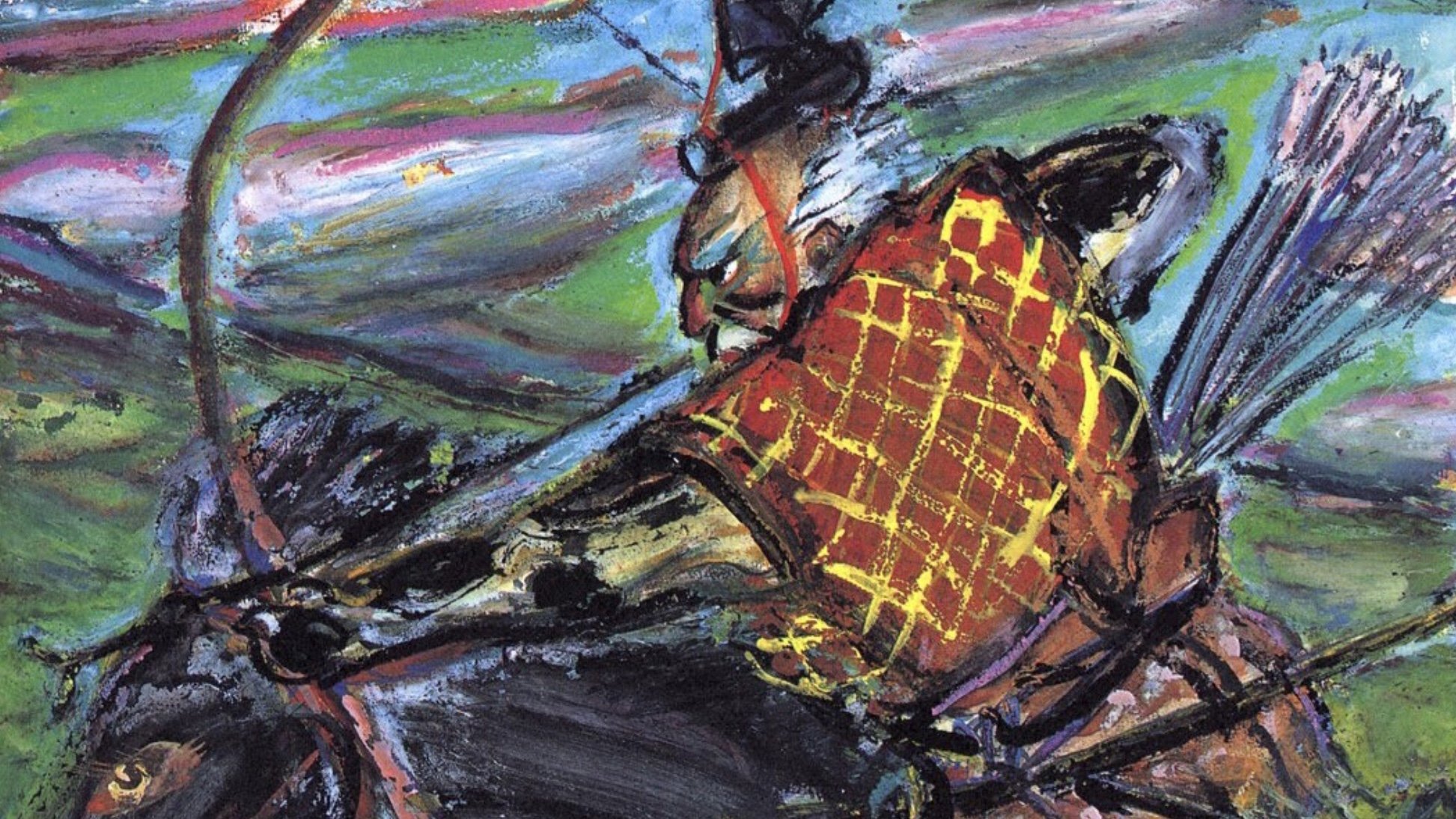
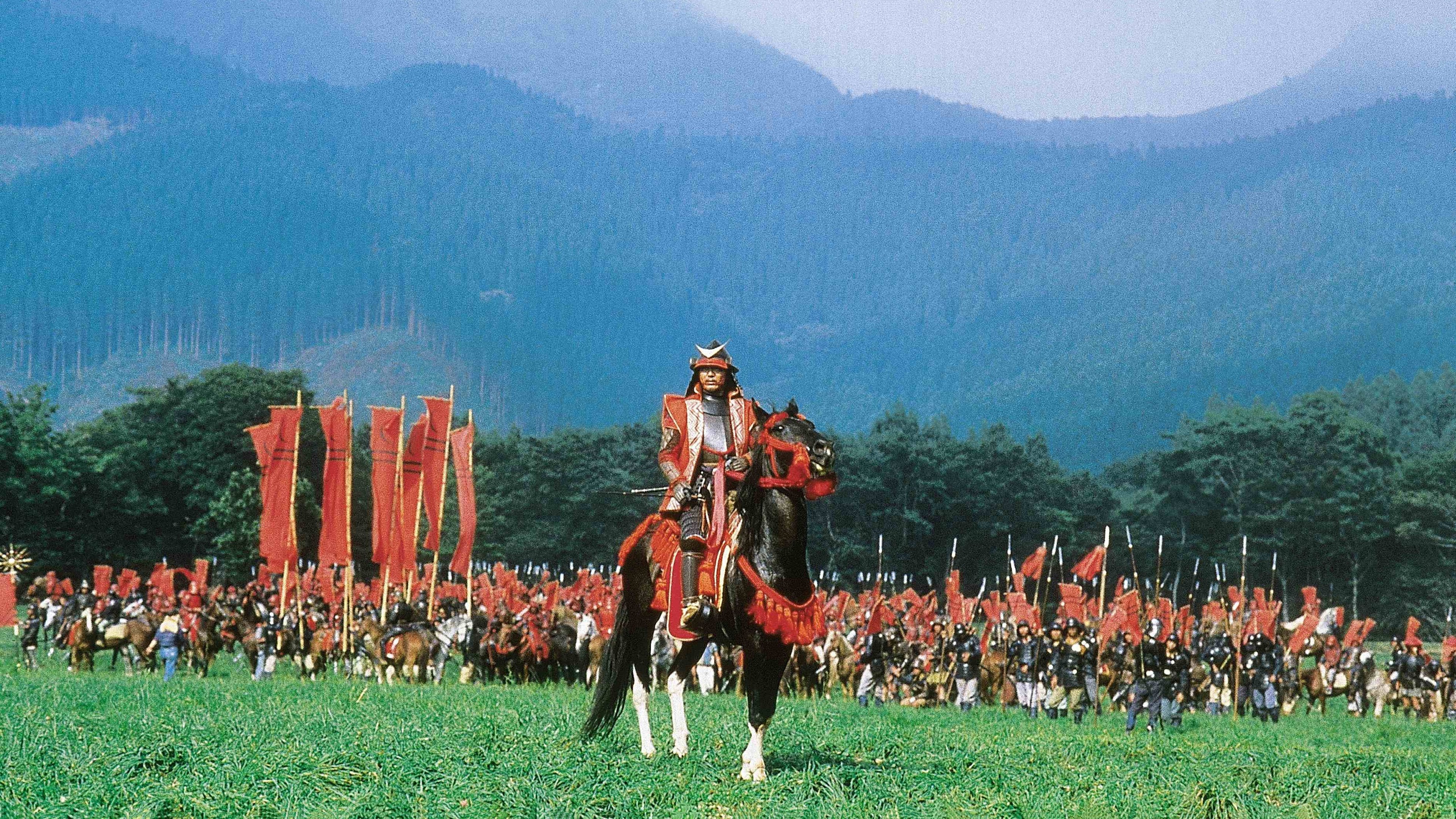
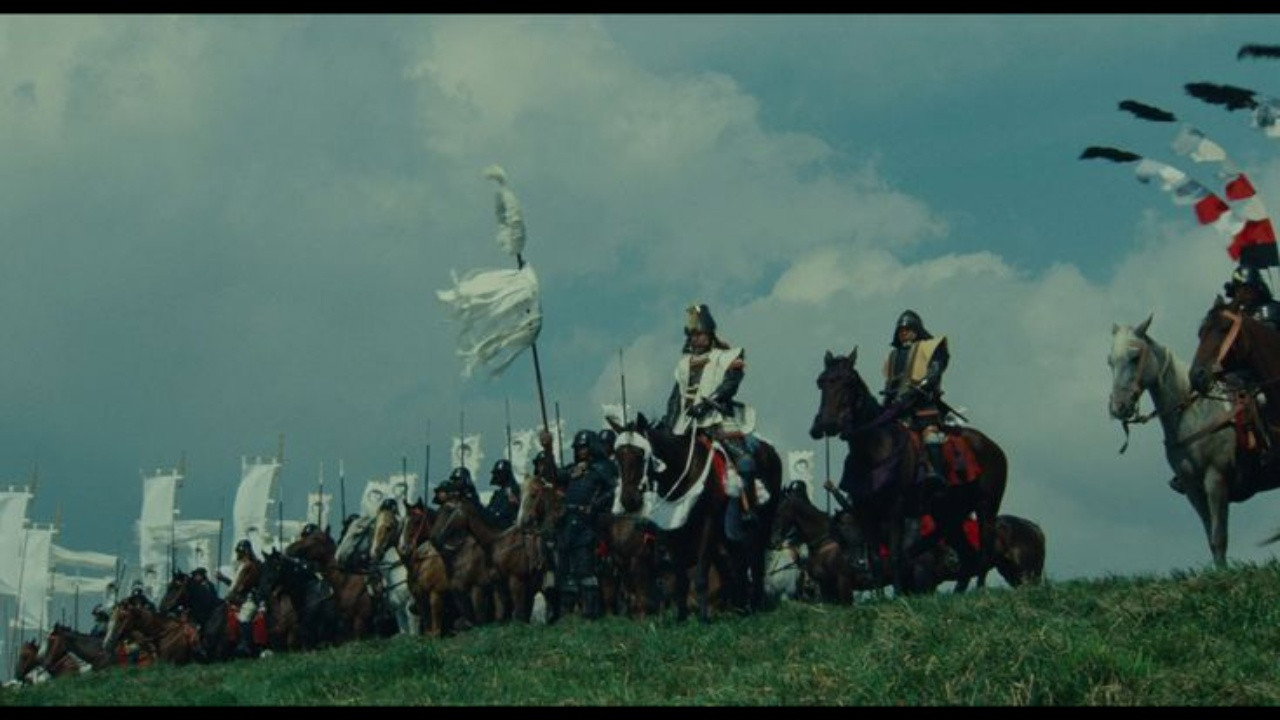
The 1985 film "Ran" is a historical drama and action film directed by one of the great masters of Japanese cinema, Akira Kurosawa. The film features successful actors such as Tatsuya Nakadai, Akira Terao, Jinpachi Nezu, 隆大介, and Mieko Harada, and is adapted from Shakespeare’s "King Lear" into Japanese culture. Kurosawa offers viewers an unforgettable experience both visually and narratively in this film.
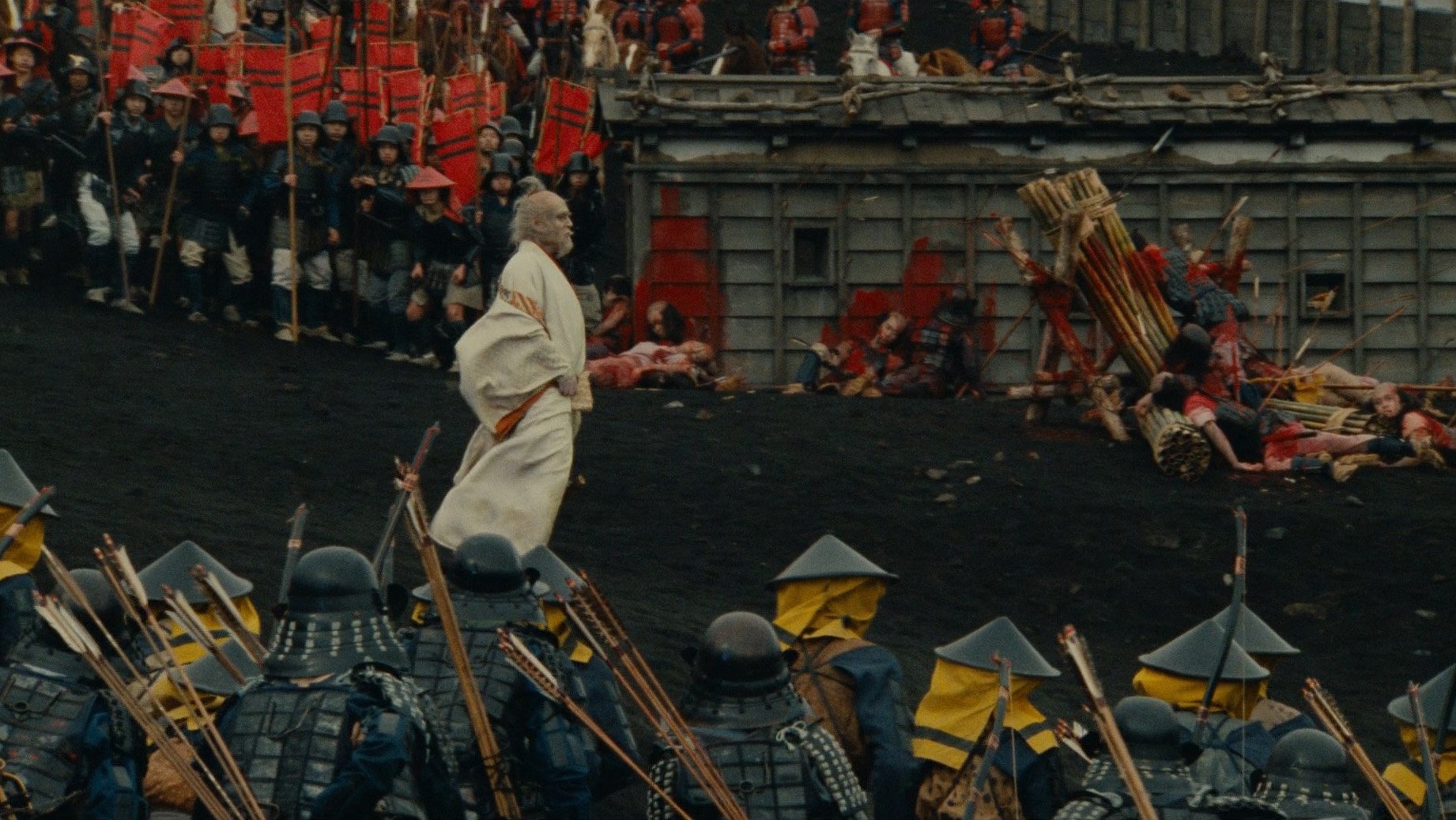
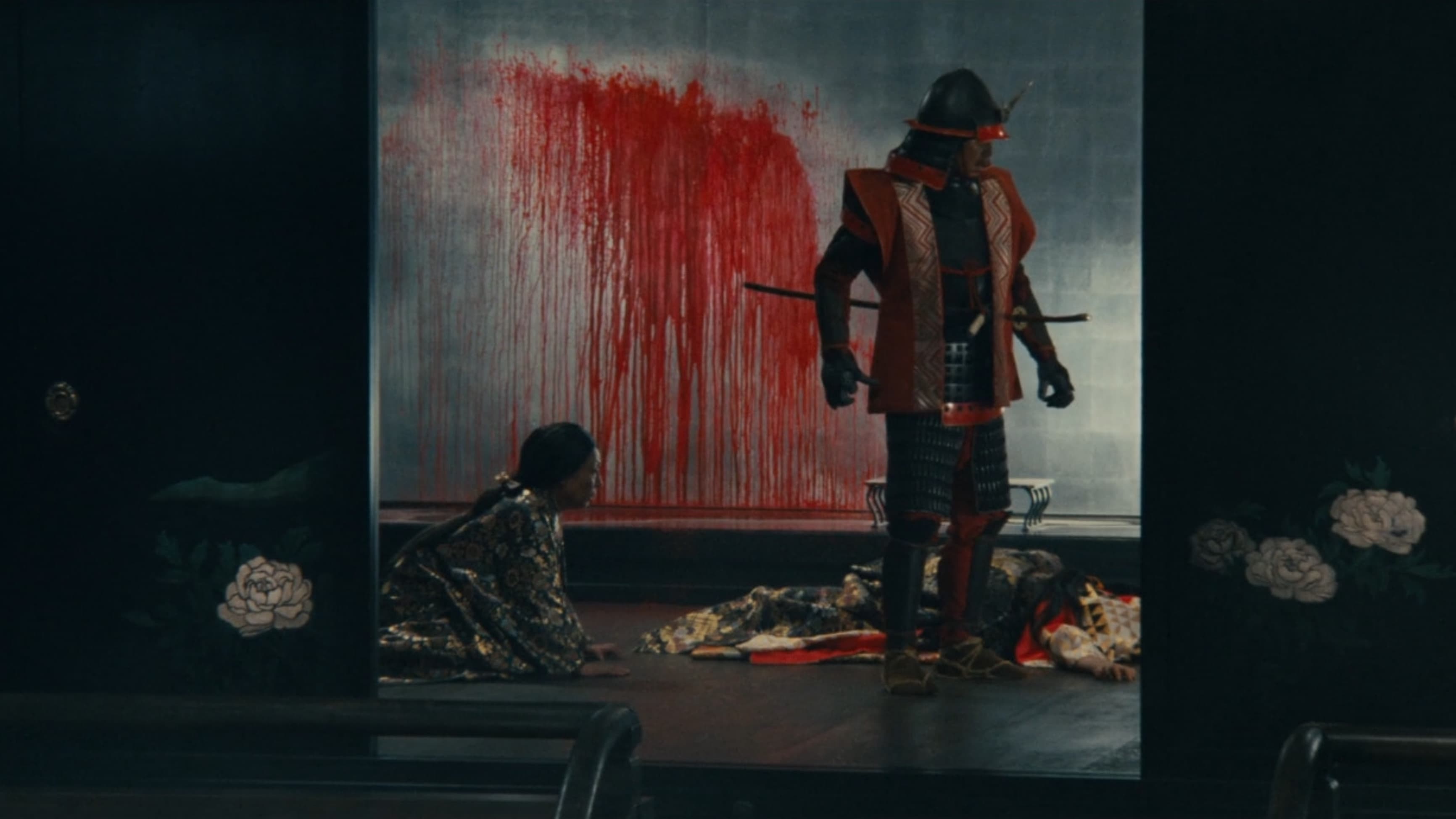
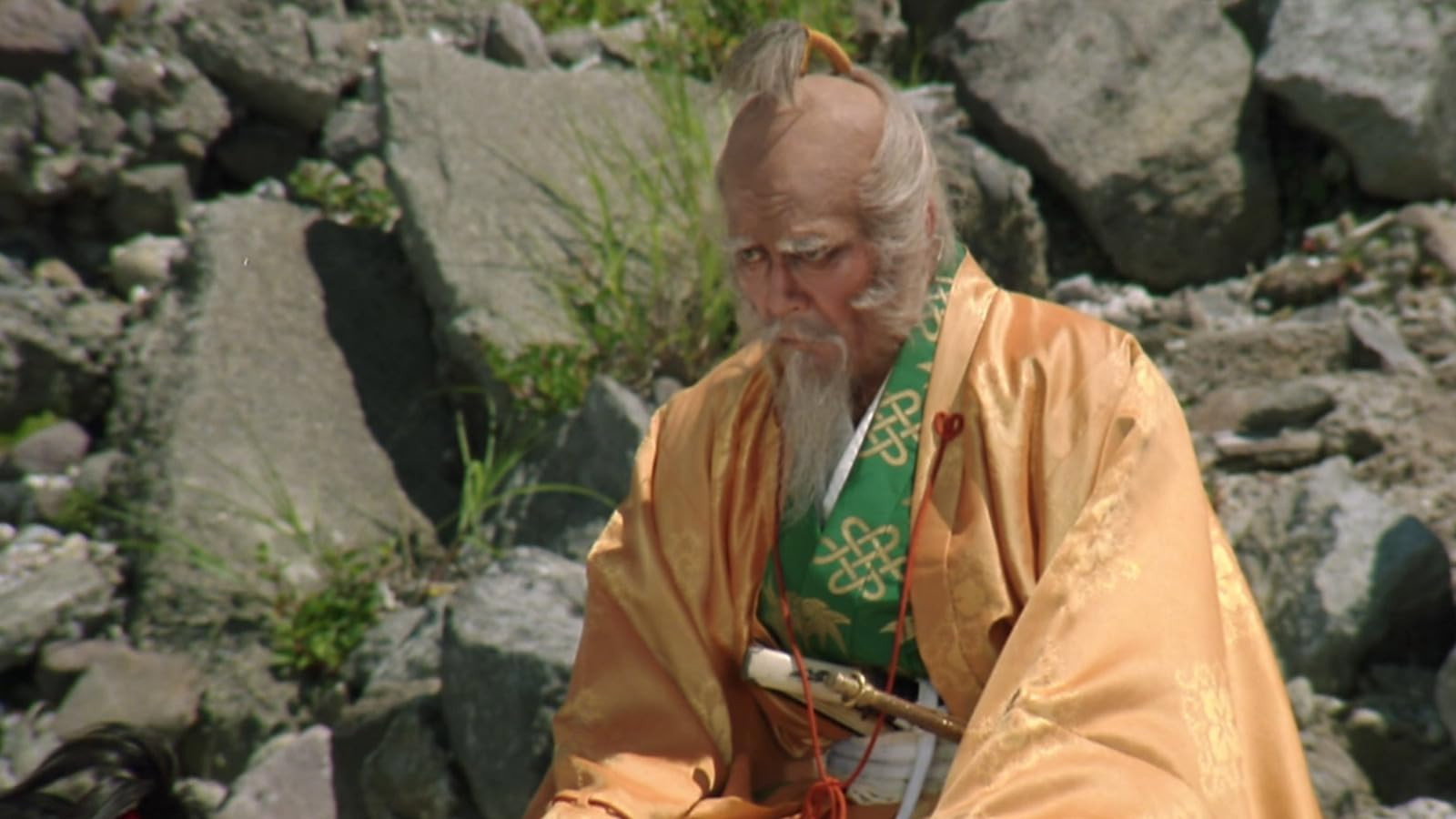
The story of "Ran" begins in the 16th century. The aging lord Hidetora Ichimonji decides to divide his kingdom among his three daughters. Each must prove their loyalty to their father by living in different castles. However, the eldest daughters show false love towards their father for their own interests, while the youngest daughter represents true loyalty and love. The story deeply explores betrayal and power struggles within the family, taking the audience on an emotional journey. With Kurosawa's mastery, this drama is not just a family story but also presents a profound inquiry into human nature.
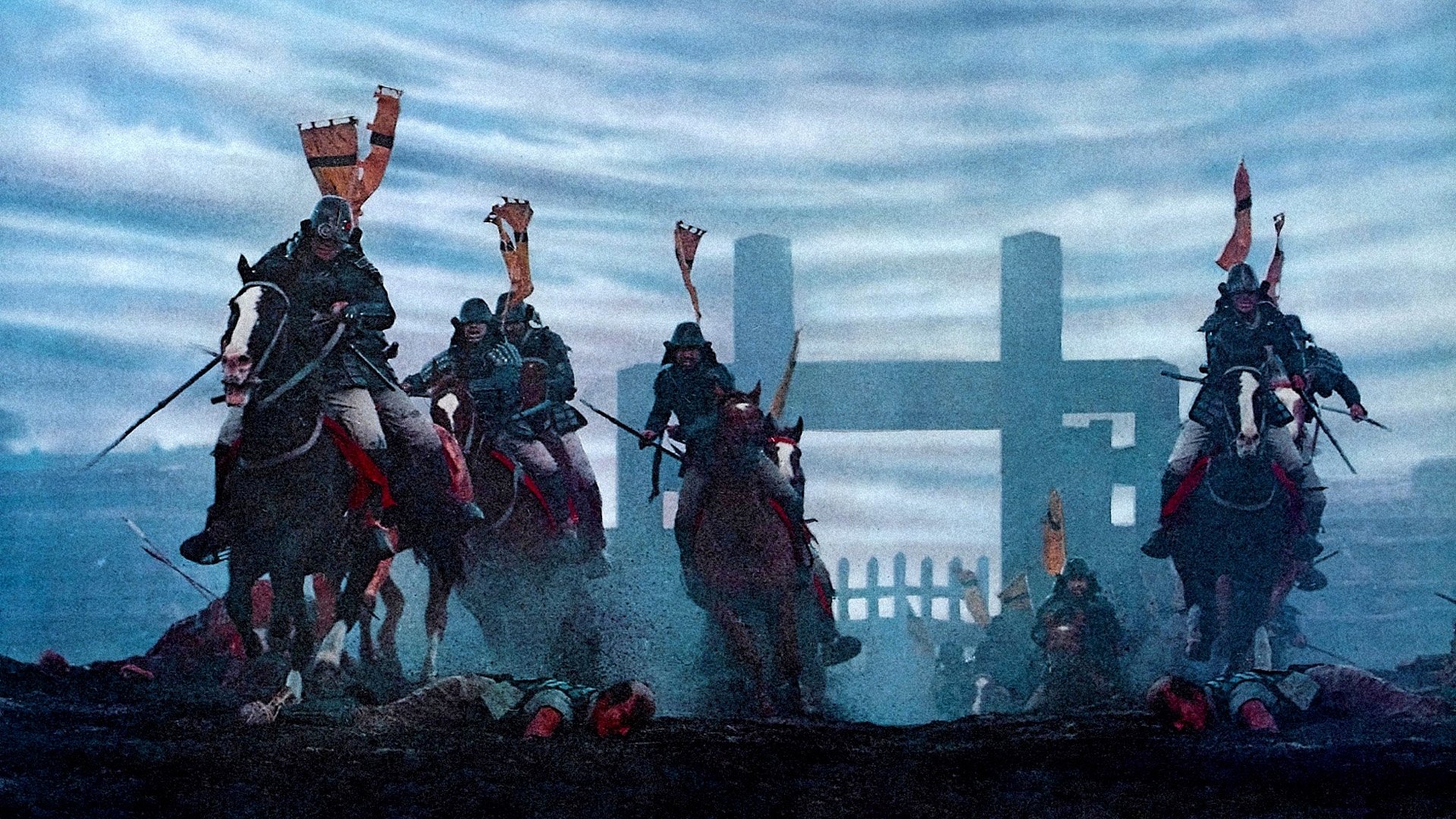
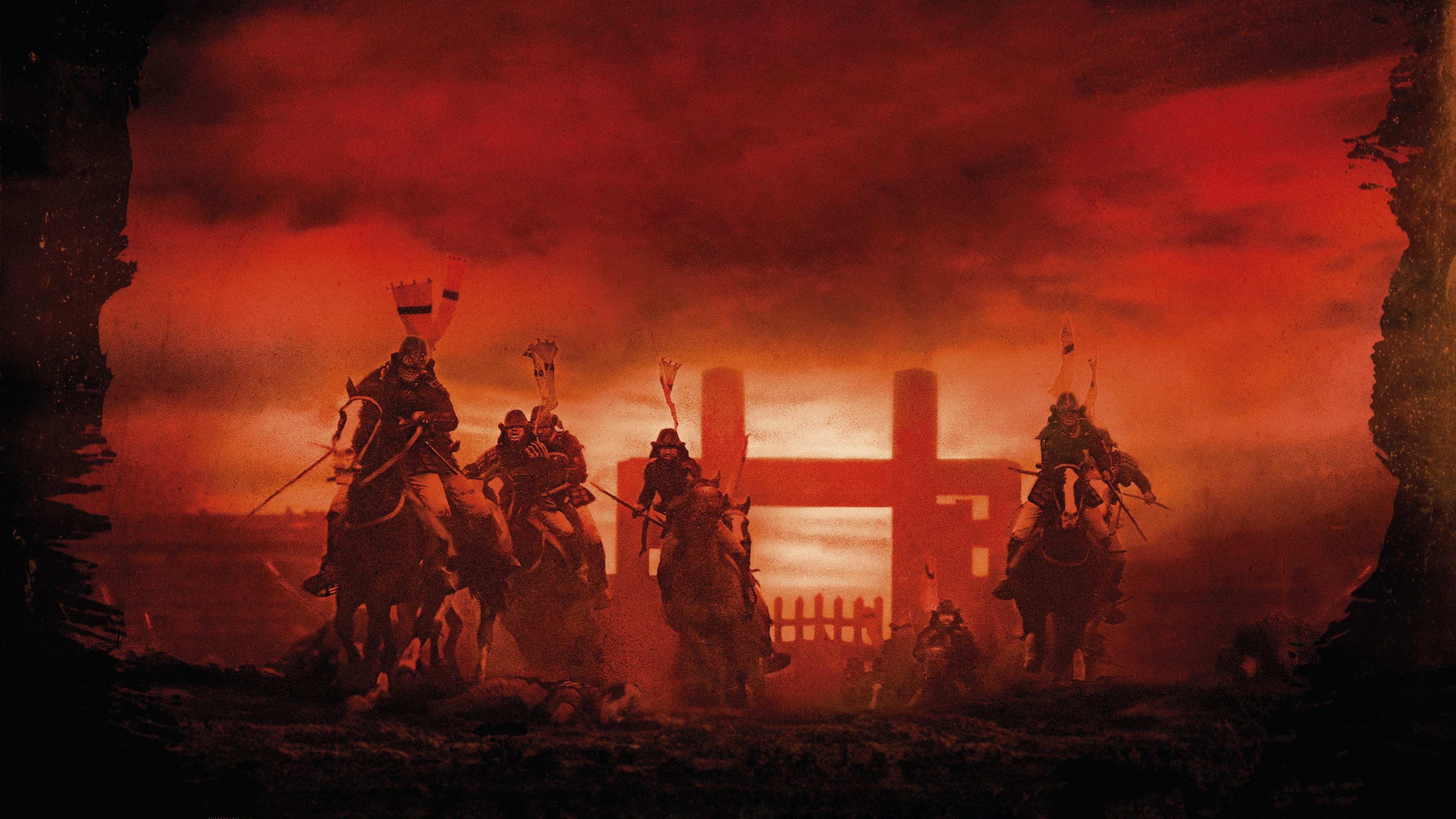
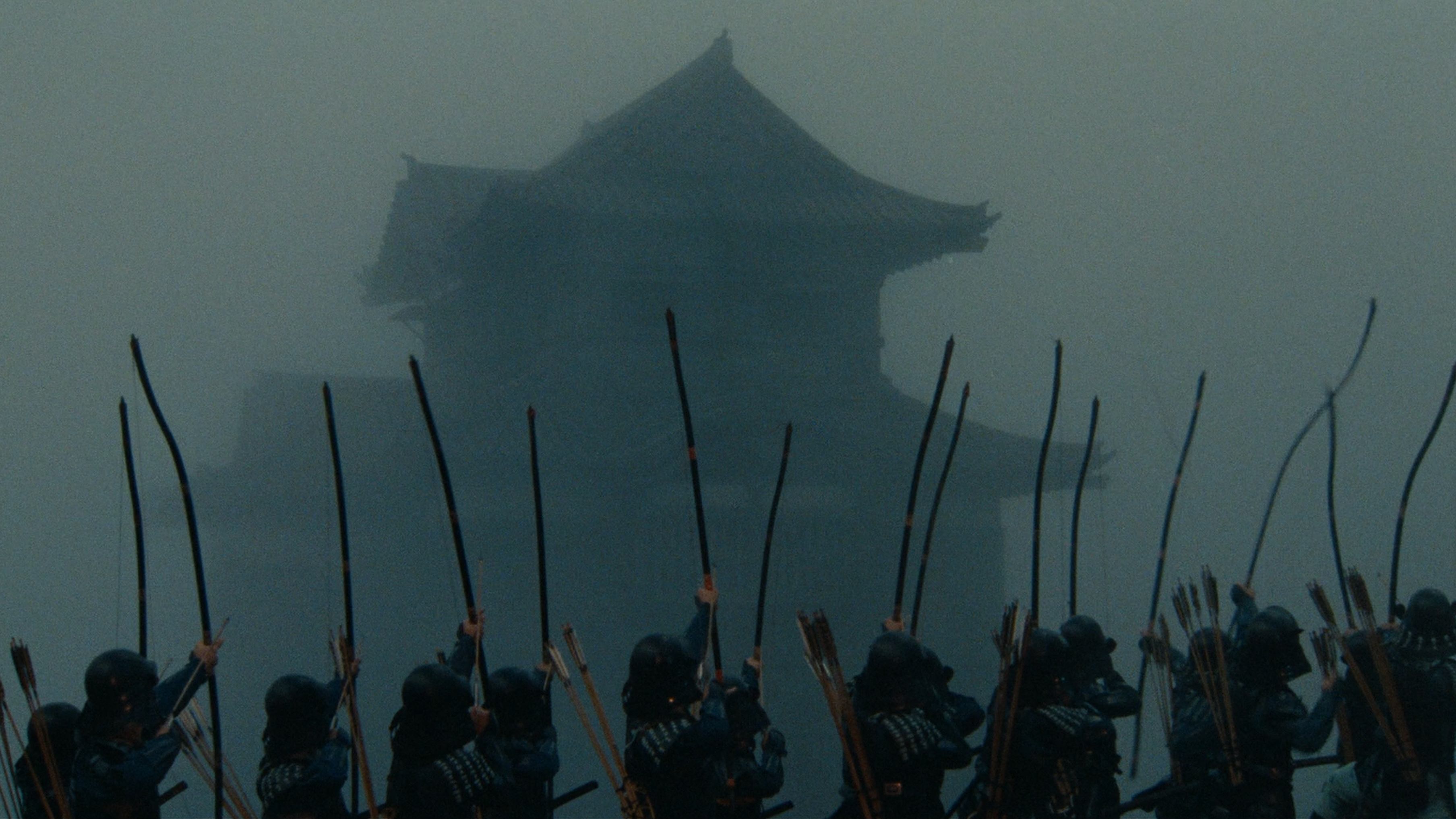
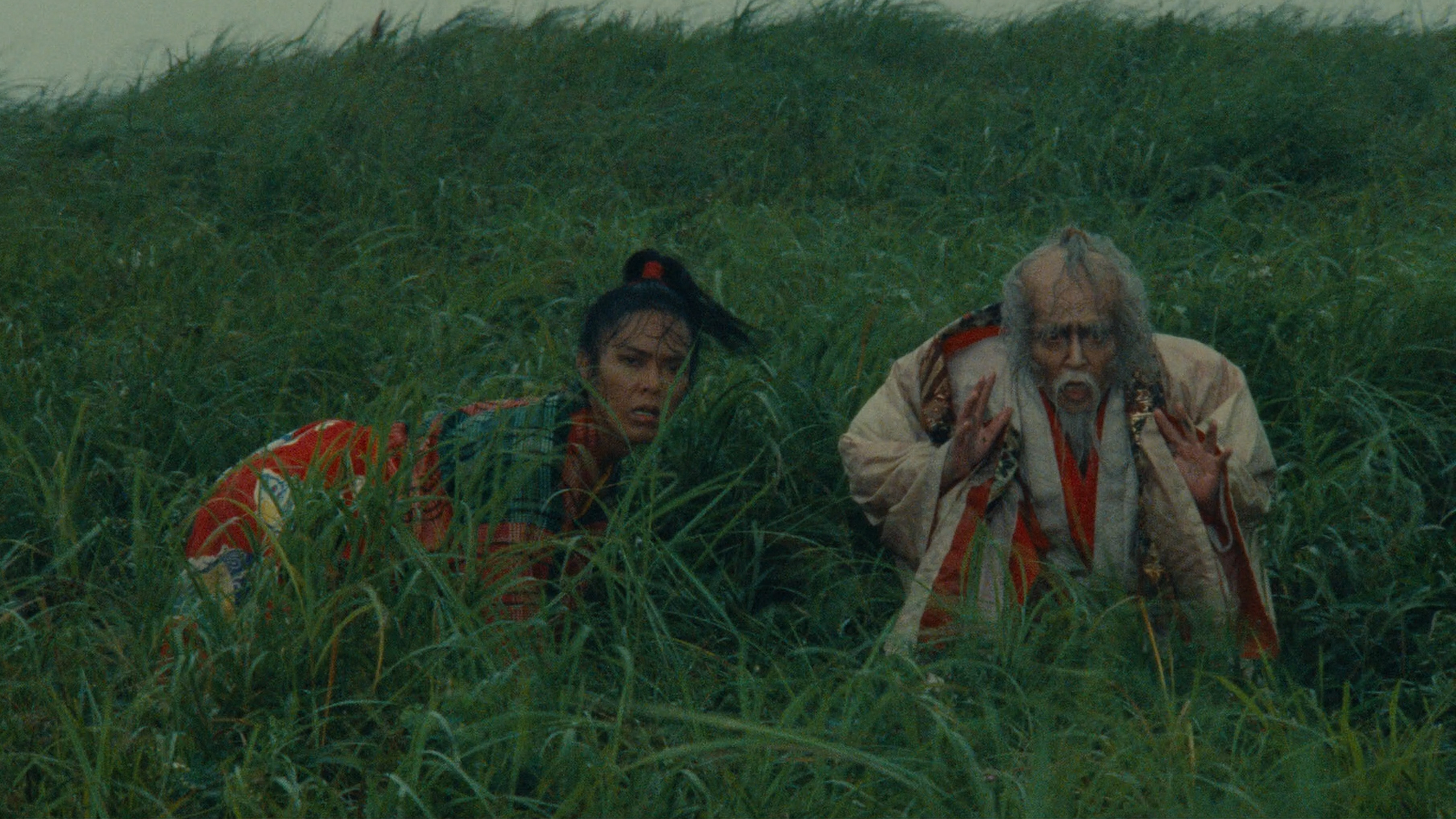
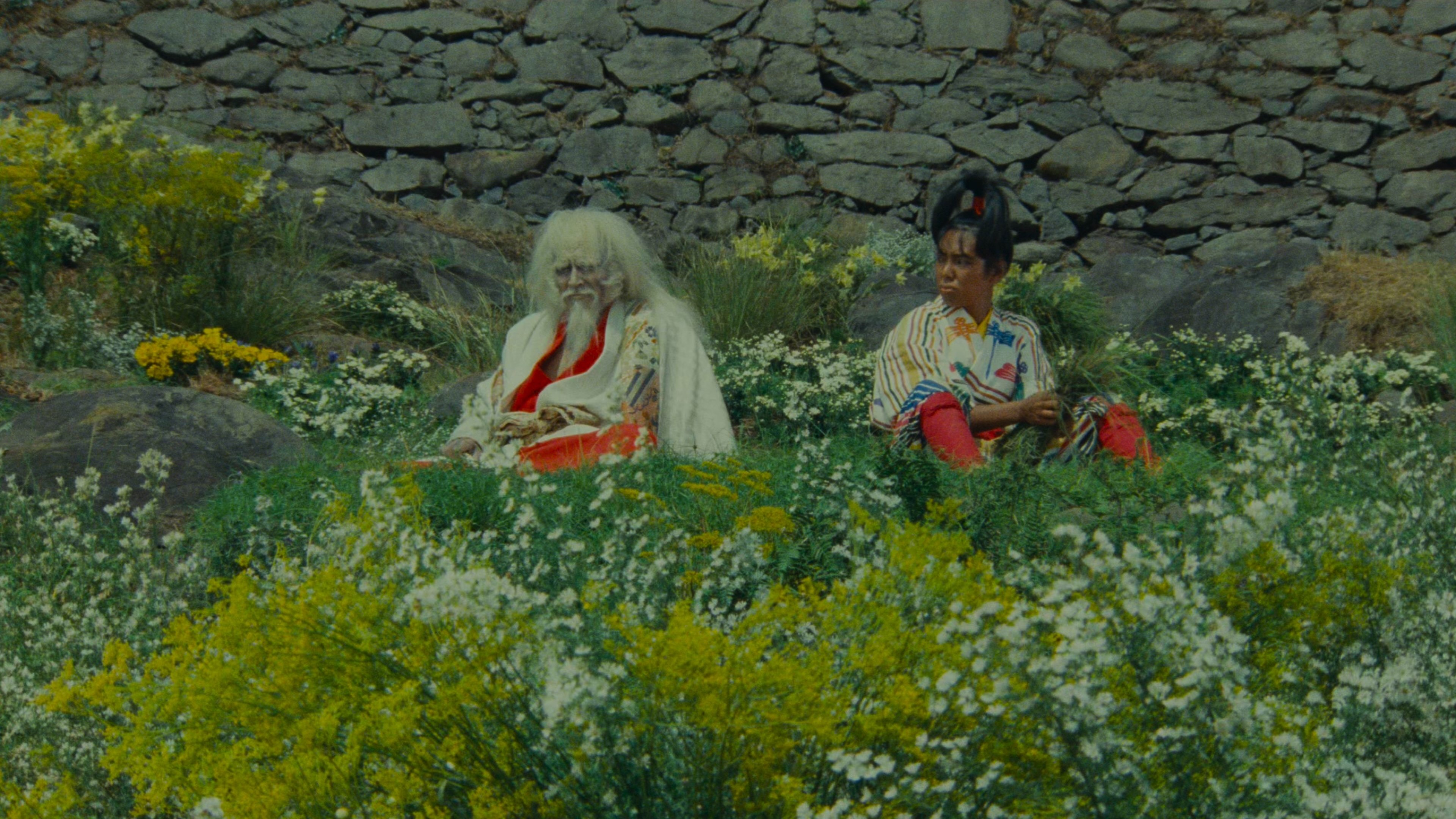
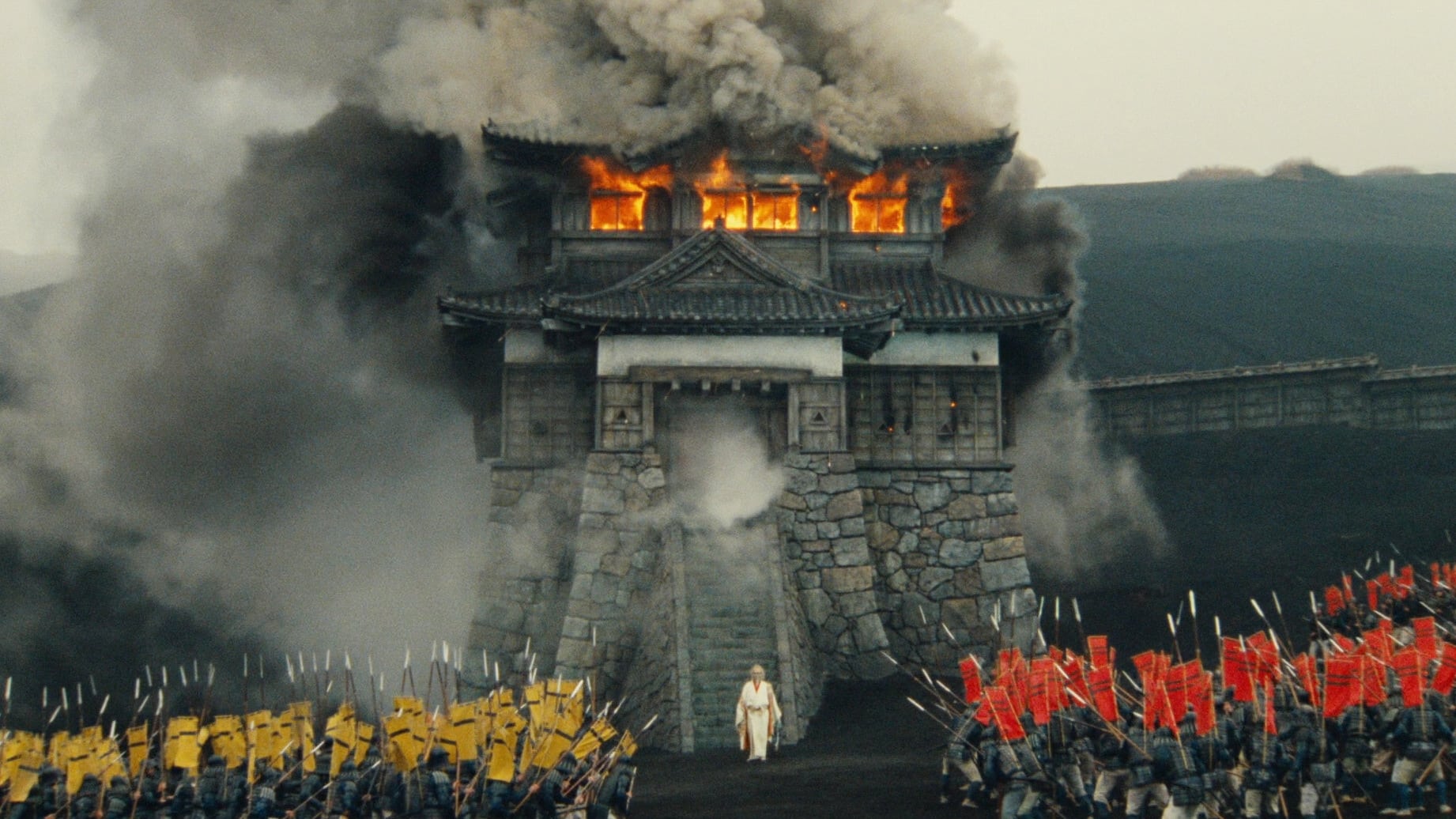
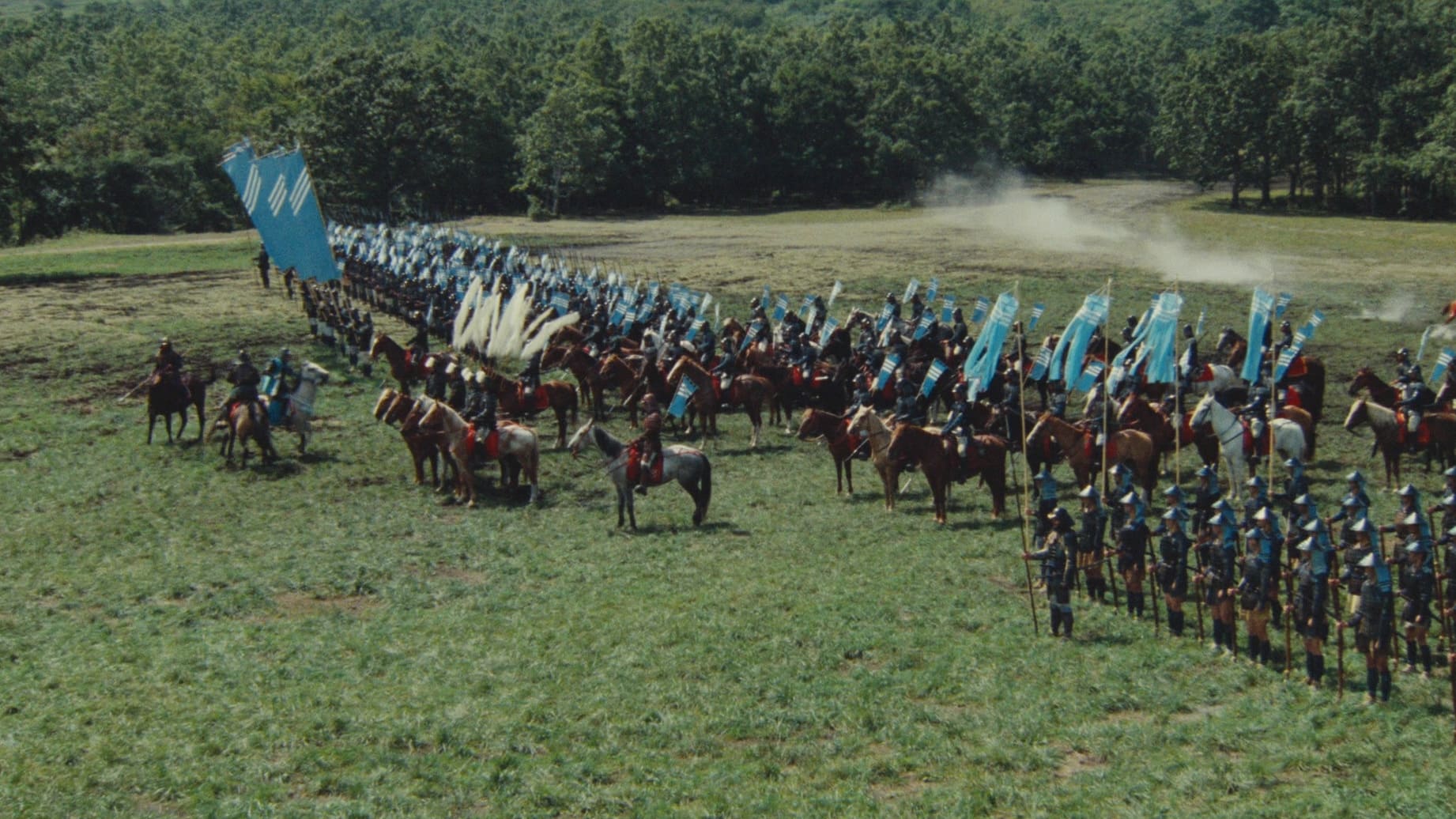
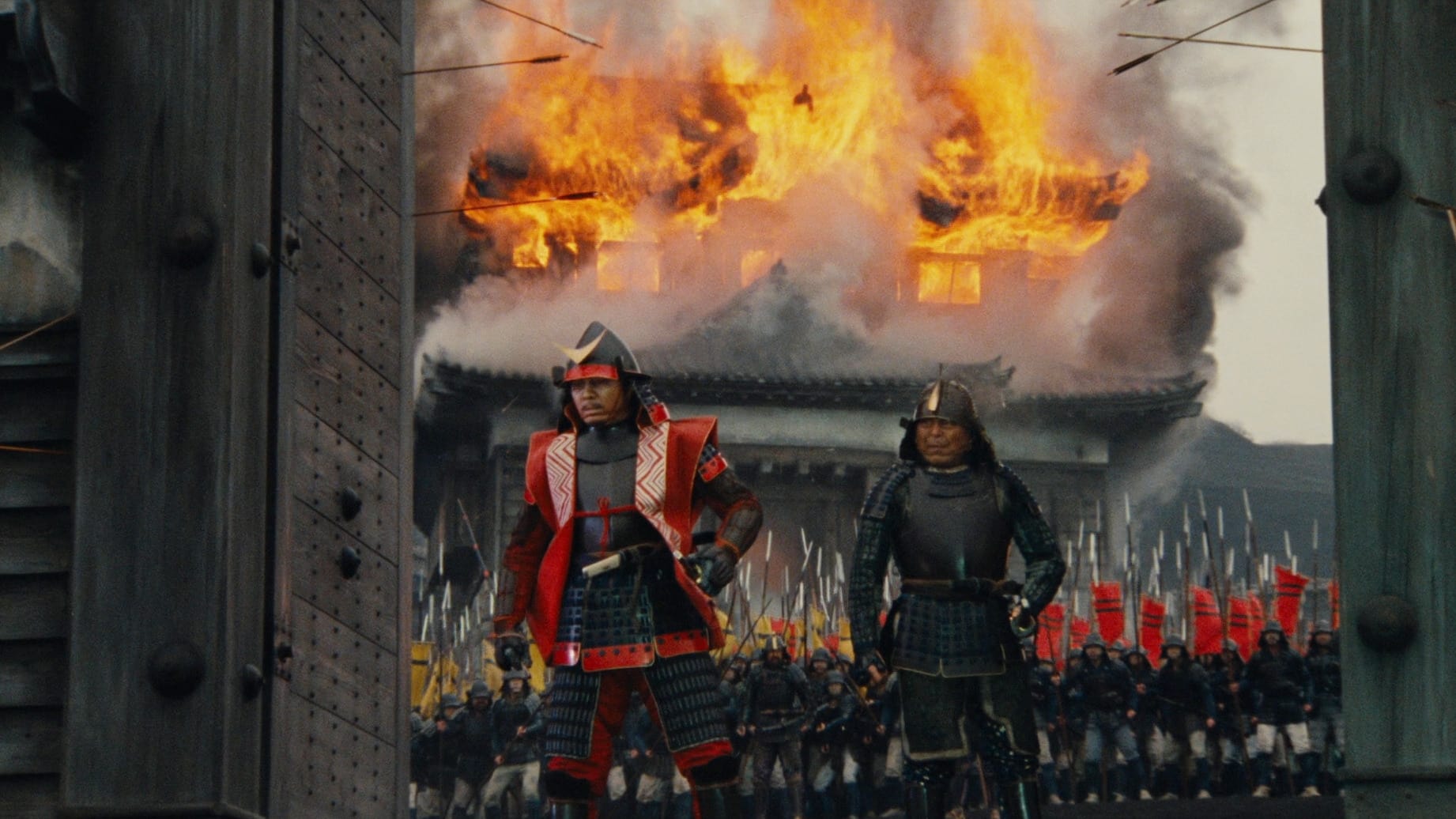
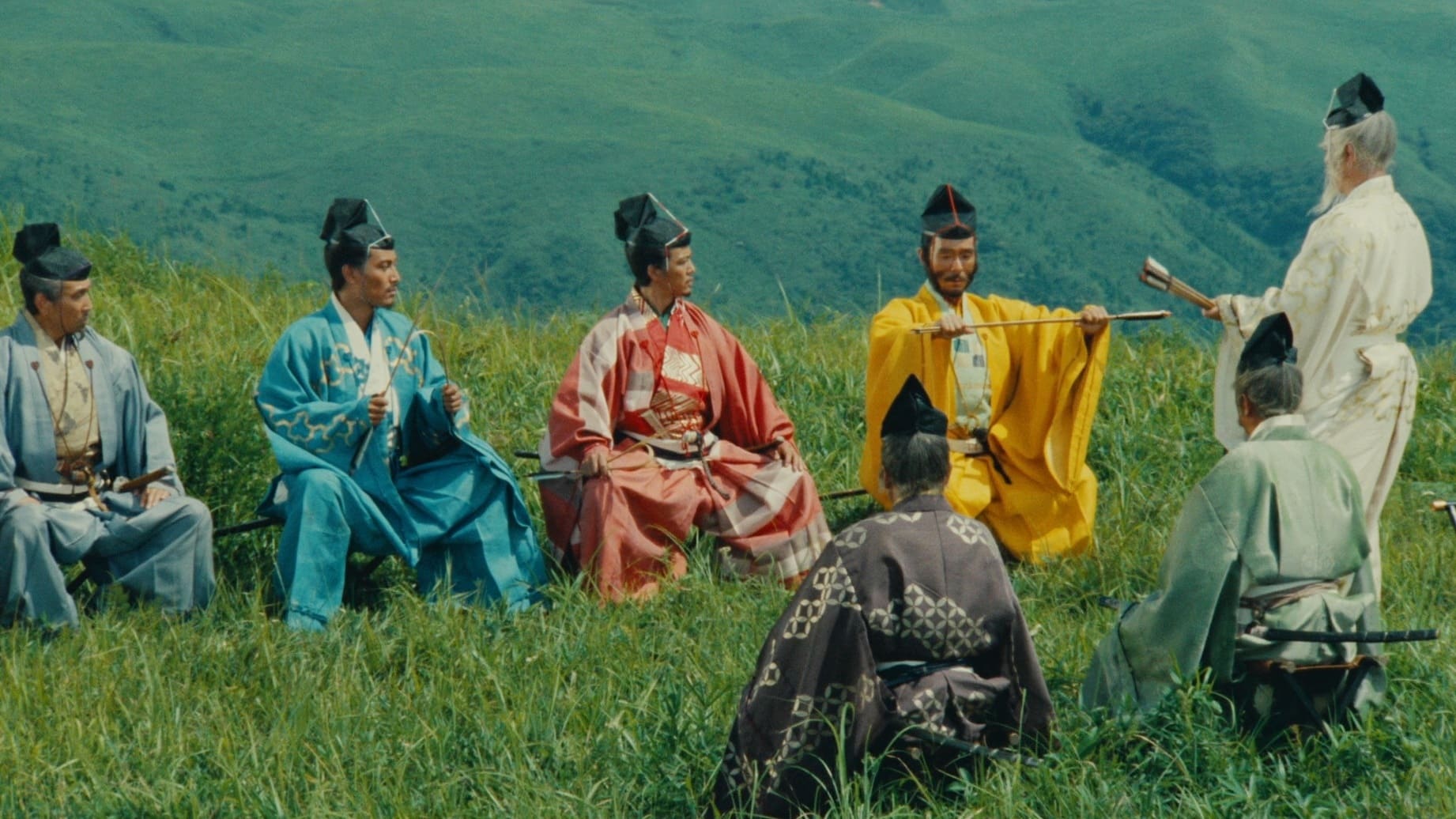
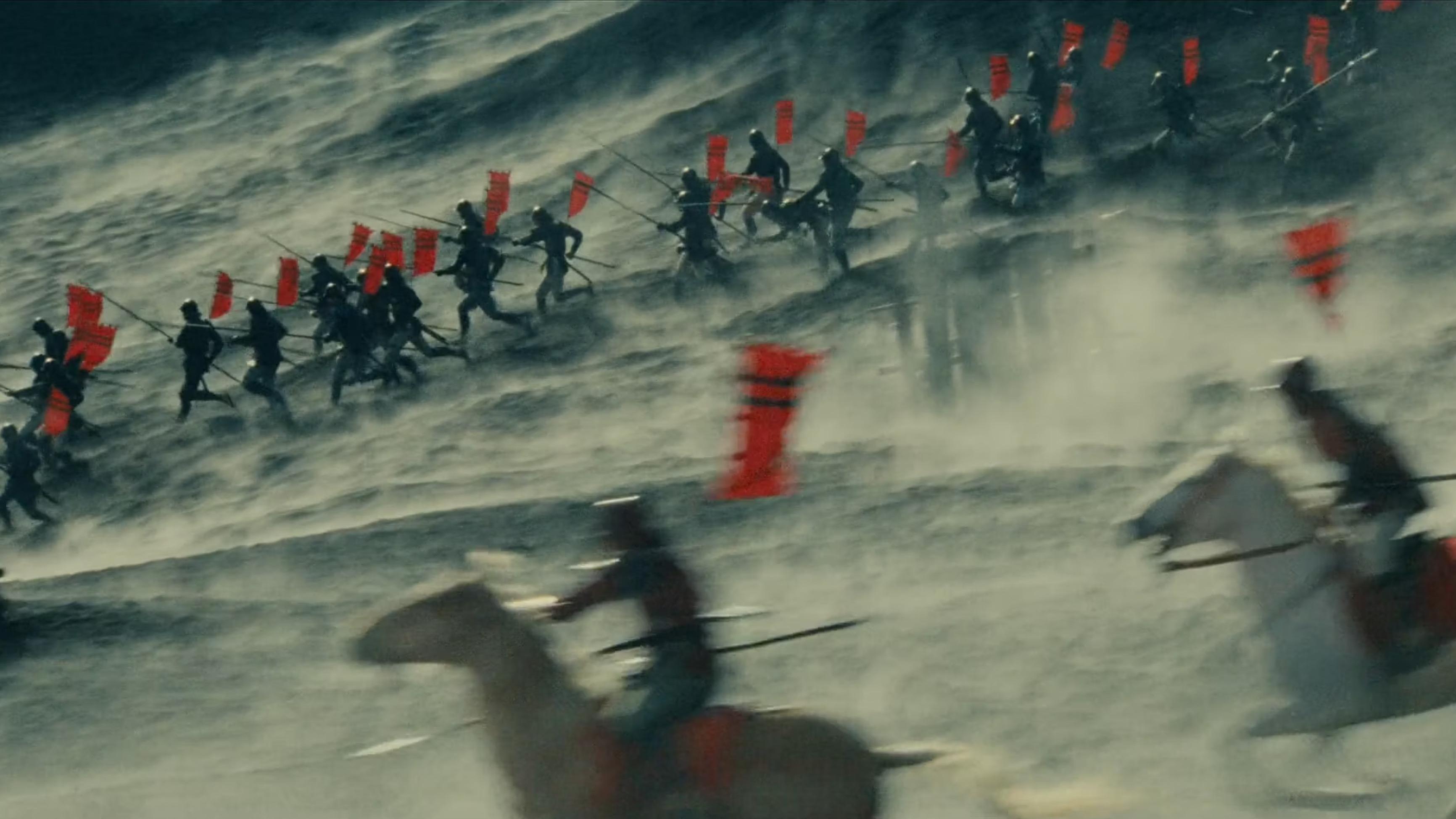
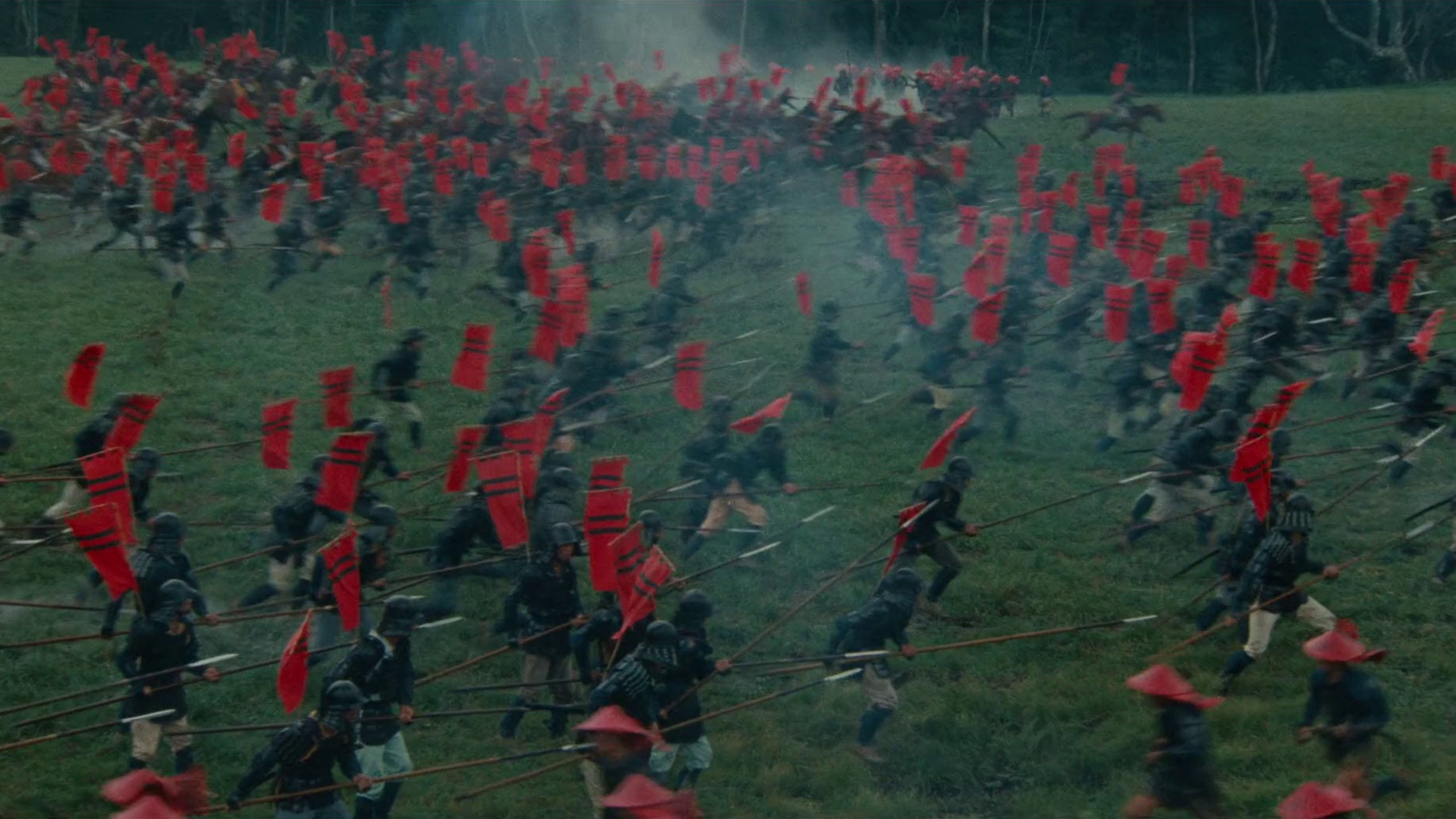
Akira Kurosawa is known for creating deeply crafted stories filled with strong characters. These elements are prominently displayed in "Ran." The performances in the film, especially Tatsuya Nakadai's mastery in the role of Hidetora, captivate the audience. Nakadai perfectly reflects his character's inner conflicts and emotional depth. Other actors also stand out as strong supporting characters thanks to Kurosawa’s talent for character development. "Ran" also stands out for its visual aesthetics, showcasing Kurosawa's cinematic intelligence and grand production design.
"Ran" is not just a film but also a profound work of art in many respects. Considered one of Akira Kurosawa's landmark works in cinema history, this film combines the power of visual storytelling, deep character analyses, and the complexities of human relationships. This film, which prompts viewers to question themes of power, betrayal, and loyalty, is a masterpiece for cinema enthusiasts. As a film that should be included in "Watch Ran" and "Akira Kurosawa films," it offers an experience that should not be missed by cinephiles.
In conclusion, "Ran" is an important work that showcases Akira Kurosawa’s talents and contributions to the art of cinema. By remaining faithful to Shakespeare’s themes while reflecting Japanese culture, it leaves a deep impact on viewers. Watching this film means not just listening to a story but also developing a deep understanding of human nature. Watching "Ran" means embarking on an unforgettable journey in the world of cinema.
Why Watch?
STRONG POINTS: A work that has made its mark in cinema history with its visual and auditory aesthetics. Strong character depths and dramatic conflicts masterfully crafted by Kurosawa. A narrative that provokes thought by addressing universal themes in a historical context.
WHO IT APPEALS TO: Classic cinema enthusiasts and viewers seeking stories enriched with deep character analyses will love this film.
EXPECTATION MANAGEMENT: Those looking for action-packed scenes or a fast-paced story may find the film lacking.
Frequently Asked Questions
What is the plot of Ran?
Ran tells the story of an aging feudal lord who decides to divide his kingdom among his three sons, leading to betrayal and conflict. The film deeply explores themes of power, family, and tragedy.
Is Ran based on a true story?
No, Ran is not based on a true story. The film is a dramatic work inspired by Shakespeare's play 'King Lear'.
Where can I watch Ran?
Ran can be watched on various digital platforms and at some film festivals. It can also be purchased in DVD or Blu-ray format.
How long is Ran?
Ran has a total runtime of 160 minutes.
What does the ending of Ran mean?
The ending of Ran concludes with a tragedy that emphasizes the consequences of power and betrayal. It reveals the dark sides of family bonds and human nature.
What year was Ran released?
Ran was released in 1985.
Is Ran worth watching?
Yes, Ran is definitely worth watching. It is one of the significant works in cinema history, known for its visual aesthetics, deep themes, and strong characters.