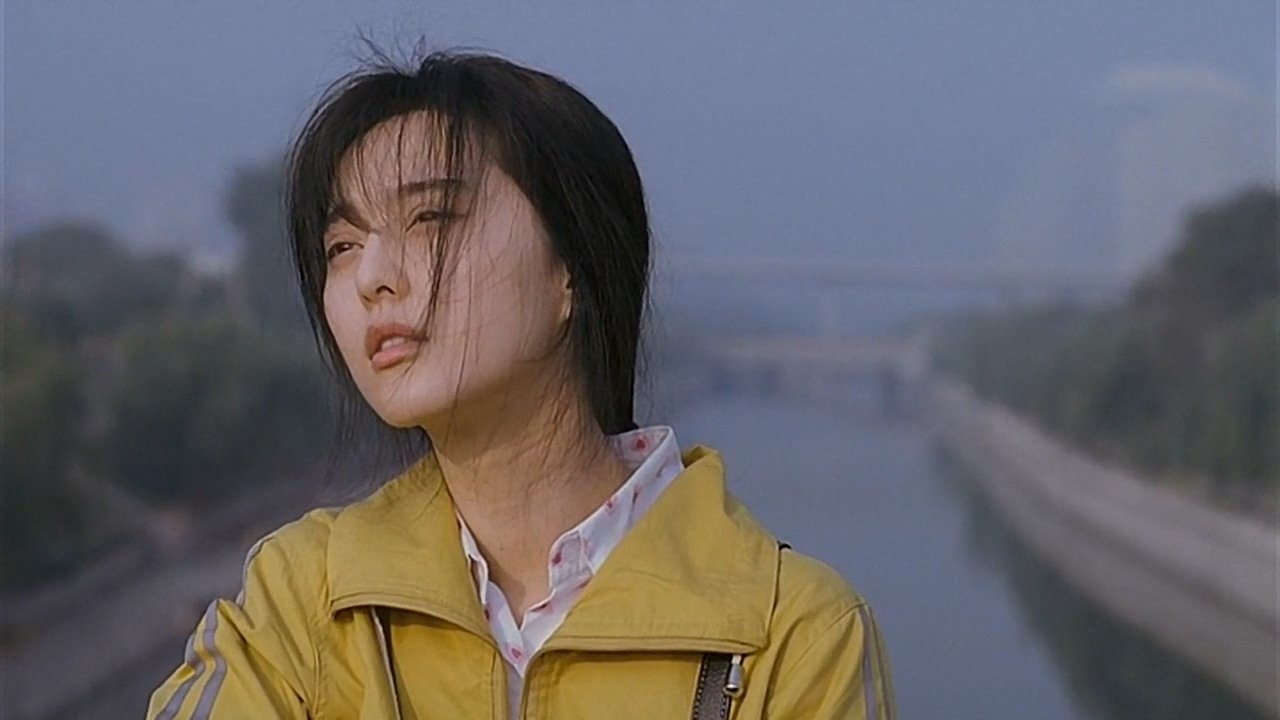
A look at modern-day life in China's capital centered on a ménage-à-quatre involving a young woman, her boss, her husband, and her boss's wife.
Overview
"Lost in Beijing," a 2007 film directed by Chinese filmmaker Li Yu, is a compelling drama and romance. Starring talented actors such as Fan Bingbing, Tony Leung Ka-fai, 金燕玲, Tong Dawei, and Chloe Maayan, the film is set in modern Beijing and explores the complex relationships of today. "Lost in Beijing" not only presents a love story but also offers a deep perspective on social dynamics and human relationships.
The plot centers around a young woman named Wei (Fan Bingbing) and her complicated relationships with her boss, her husband, and her boss's wife. At a turning point in her life, Wei finds herself lost in the fast-paced life of Beijing while questioning love, betrayal, and loyalty. The story of "Lost in Beijing" revolves around the development and evolution of the relationships among this quartet. The film takes the audience on an emotional journey by presenting the characters' inner conflicts, desires, and disappointments. Although the film has a dramatic backdrop, it features a narrative that provokes thought and inquiry.
Li Yu is known for examining the complex nature of human relationships in her cinema. "Lost in Beijing" continues this tradition. The director's commitment to character depth allows the audience to connect with the characters as they watch the film. Fan Bingbing's performance skillfully reflects the inner conflicts of the Wei character. Tony Leung Ka-fai delivers a charismatic performance as the boss. The other actors also contribute their strengths to convincingly portray this complex web of relationships. Li Yu's visual storytelling style and character depth elevate "Lost in Beijing" to not just a film but also a work of art.
"Lost in Beijing" transcends being merely a love story and offers a profound social examination. It reveals the dynamics of modern Chinese society, the needs of individuals, and the complexities of relationships. The conflicts experienced by the characters prompt the audience to think and question. In this respect, "Lost in Beijing" provides viewers not only with a film but also an opportunity to deeply reflect on human relationships and society. If you want to explore Li Yu's cinema and Chinese cinema, "Lost in Beijing" is an essential work to watch. If you're looking to watch the film, you can experience this captivating journey by searching for "Lost in Beijing izle."
In conclusion, "Lost in Beijing" is a film that effectively portrays the challenges of modern life and the complexities of human relationships, showcasing Li Yu's mastery. Watching this film offers a great opportunity to go beyond a love story and delve into the depths of Chinese society.
Why Watch?
Why You Should Watch?
STRONG POINTS: It offers an in-depth character analysis and an impressive narrative on human relationships. It strikingly presents the modern life and traditional values of Beijing. It deeply affects the audience with emotionally intense scenes.
WHO IT APPEALS TO: It appeals to audiences who enjoy emotional and social themes, particularly those who prefer drama films.
EXPECTATION MANAGEMENT: It may seem boring for viewers who prefer action and fast-paced films.
Frequently Asked Questions
What is the plot of Lost in Beijing?
Lost in Beijing tells the story of a woman working in a massage parlor whose life changes unexpectedly. The film explores complex relationships revolving around love, betrayal, and societal pressures.
Is Lost in Beijing based on a true story?
No, Lost in Beijing is not based on a true story. However, the film is a fictional work that reflects social issues and the challenges faced by individuals in modern Chinese society.
Where can I watch Lost in Beijing?
Lost in Beijing is available on various digital platforms and at some film festivals. It can also be purchased in DVD or Blu-ray format.
How long is Lost in Beijing?
The film has a runtime of 112 minutes.
What does the ending of Lost in Beijing mean?
The film's ending symbolizes the consequences of the characters' choices and the challenges brought by the struggle for survival. It emphasizes the importance of facing life's unexpected aspects.
What year was Lost in Beijing released?
The film was released in 2007.
Is Lost in Beijing worth watching?
Yes, Lost in Beijing is worth watching. The film stands out with its deep character analyses and social critiques.