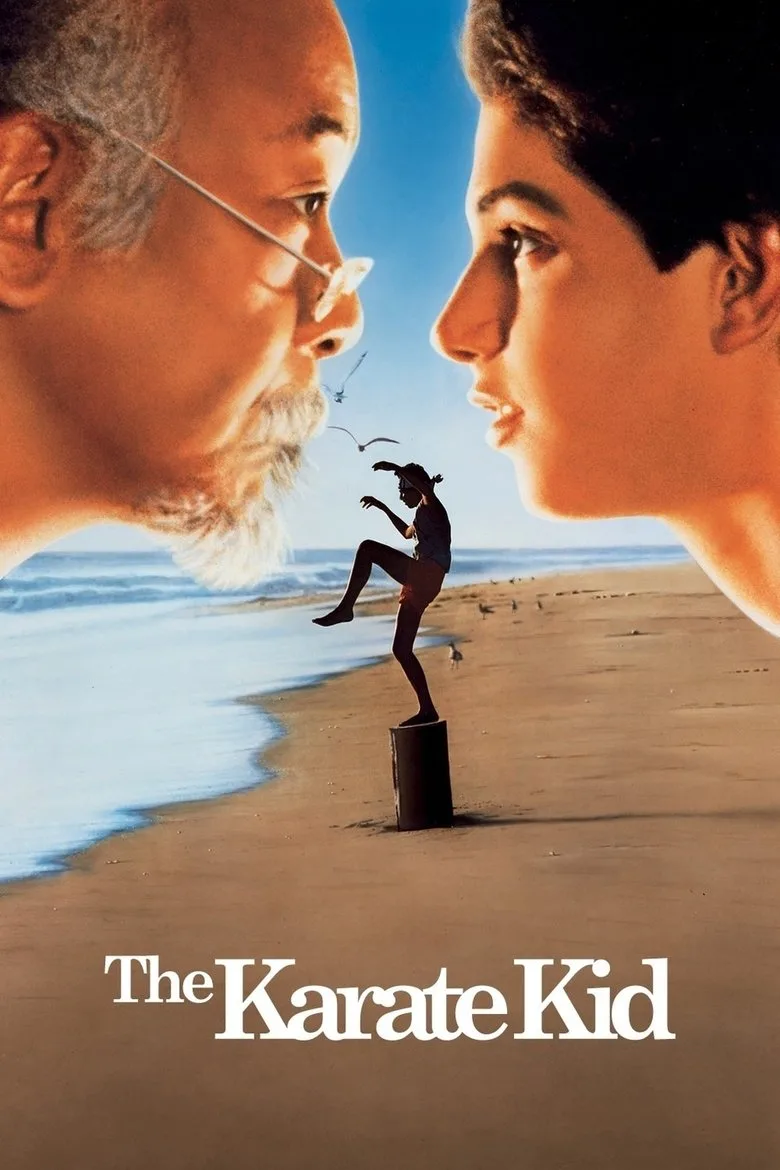
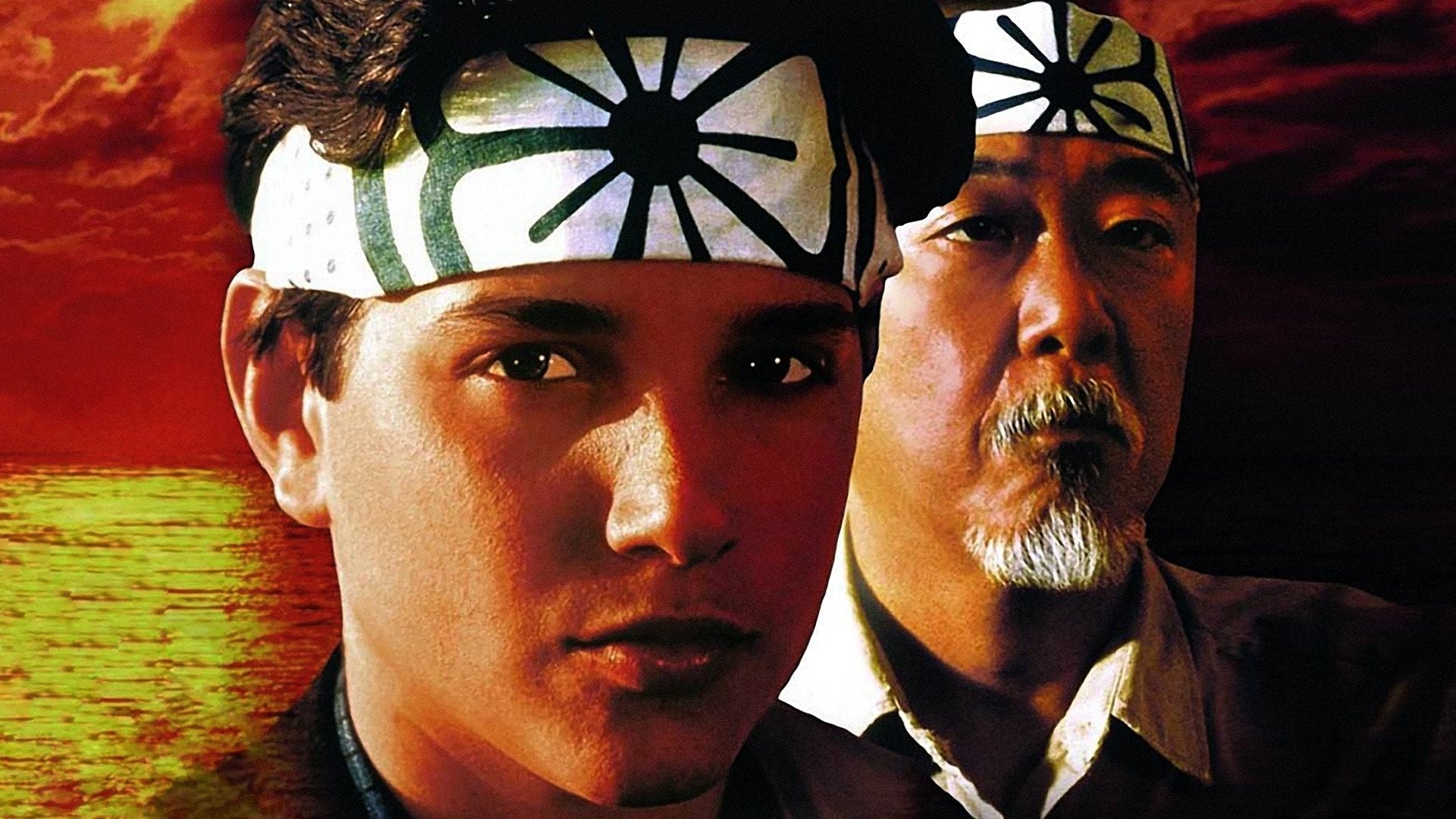
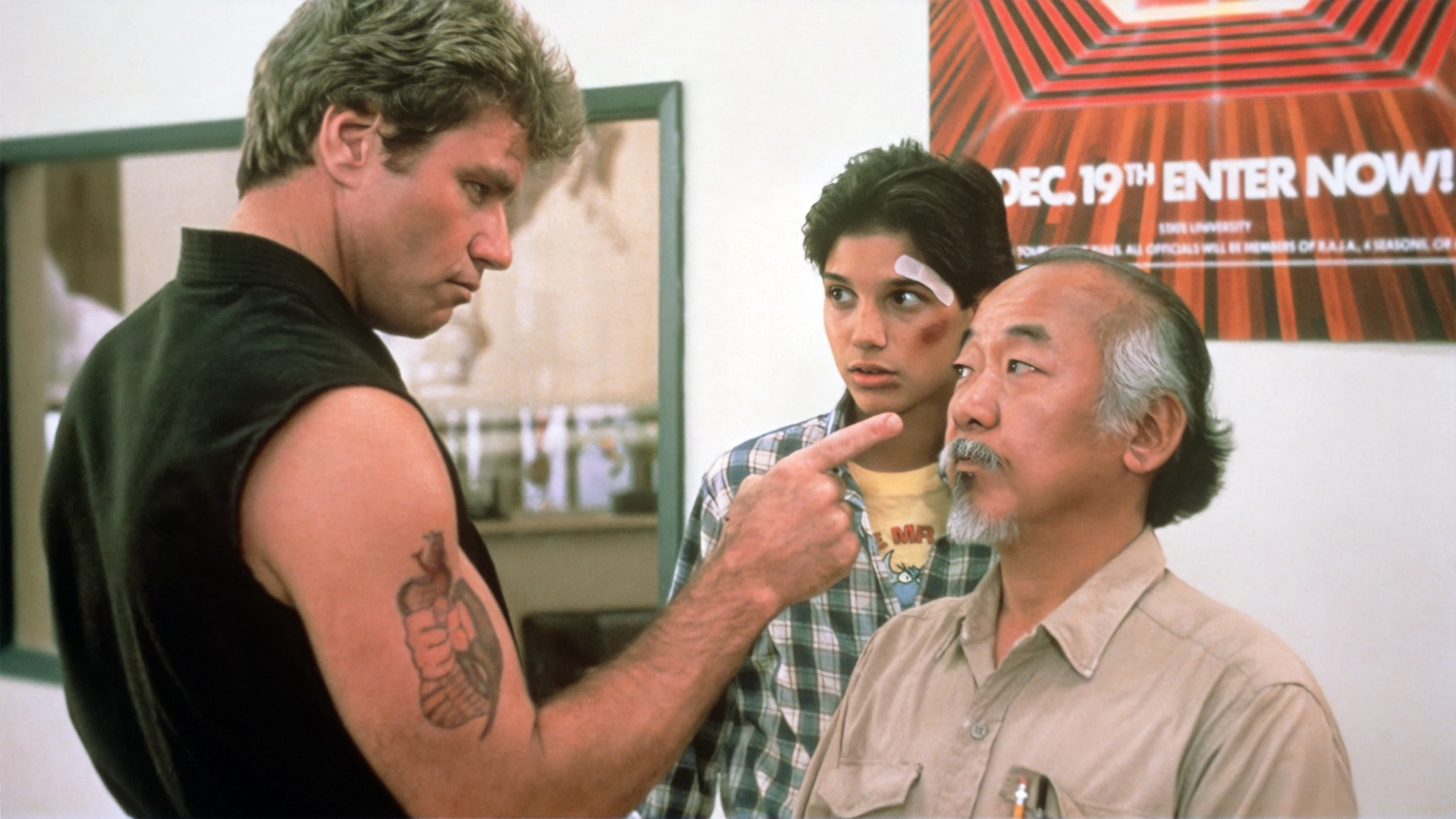
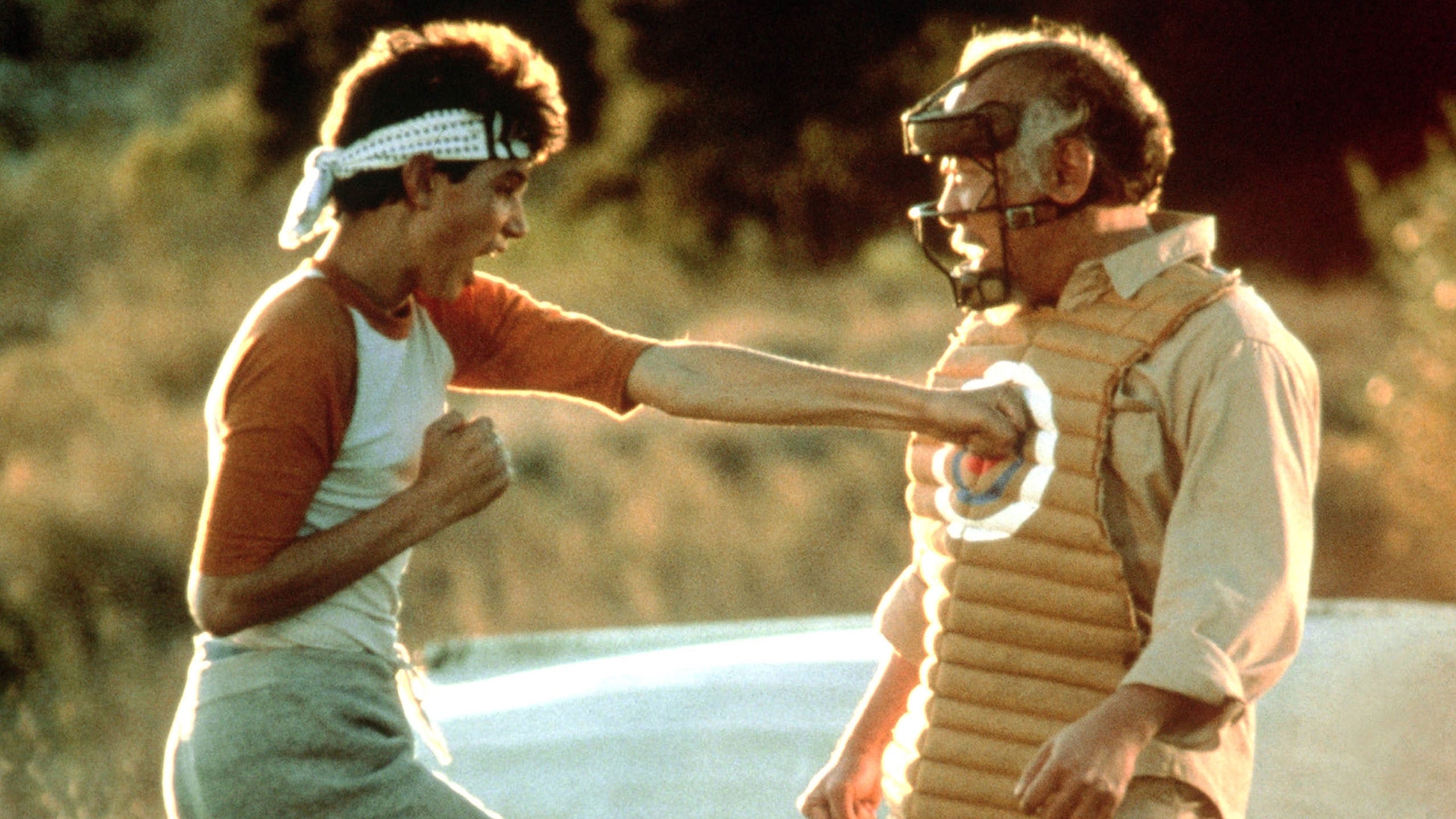
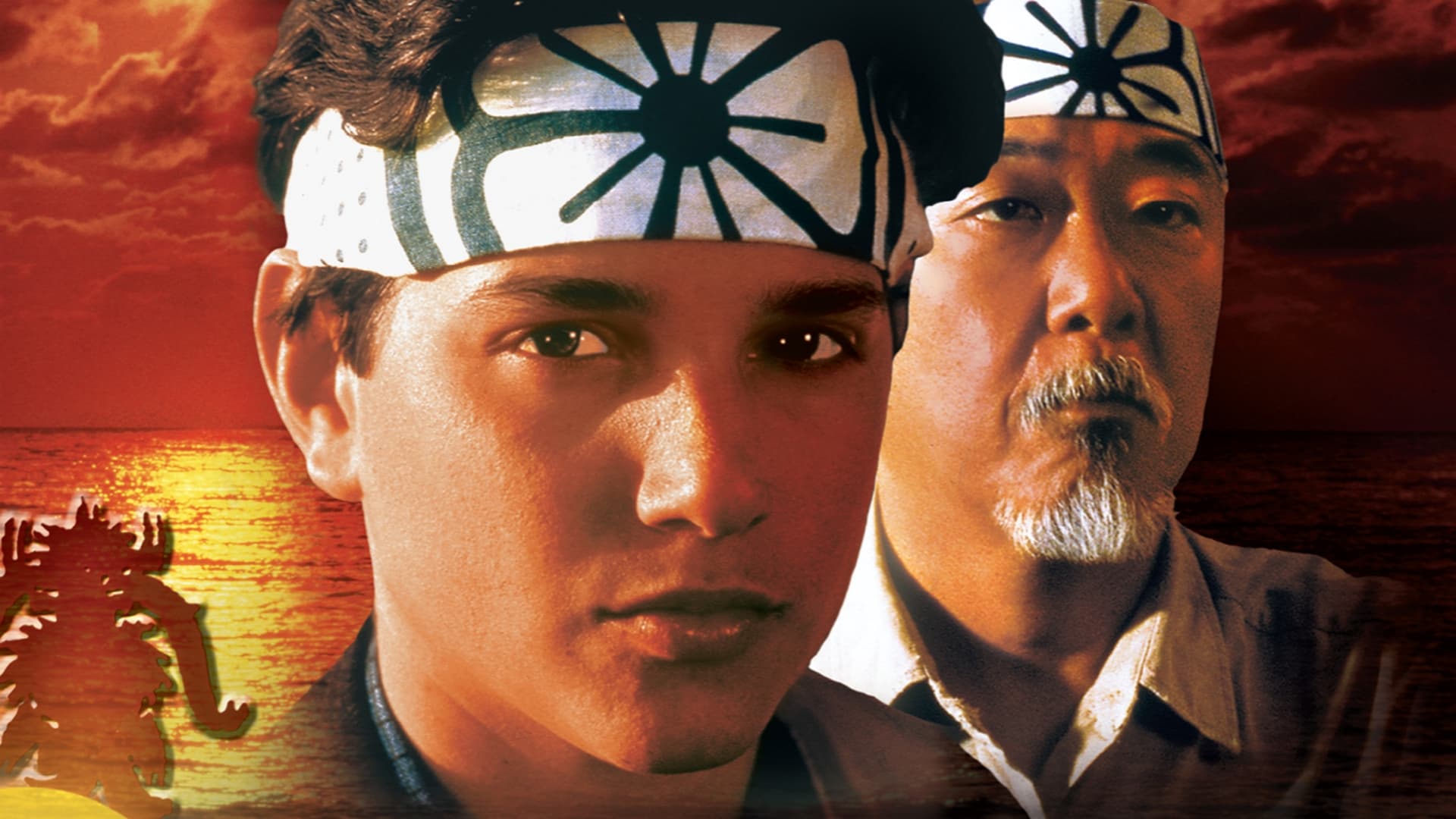
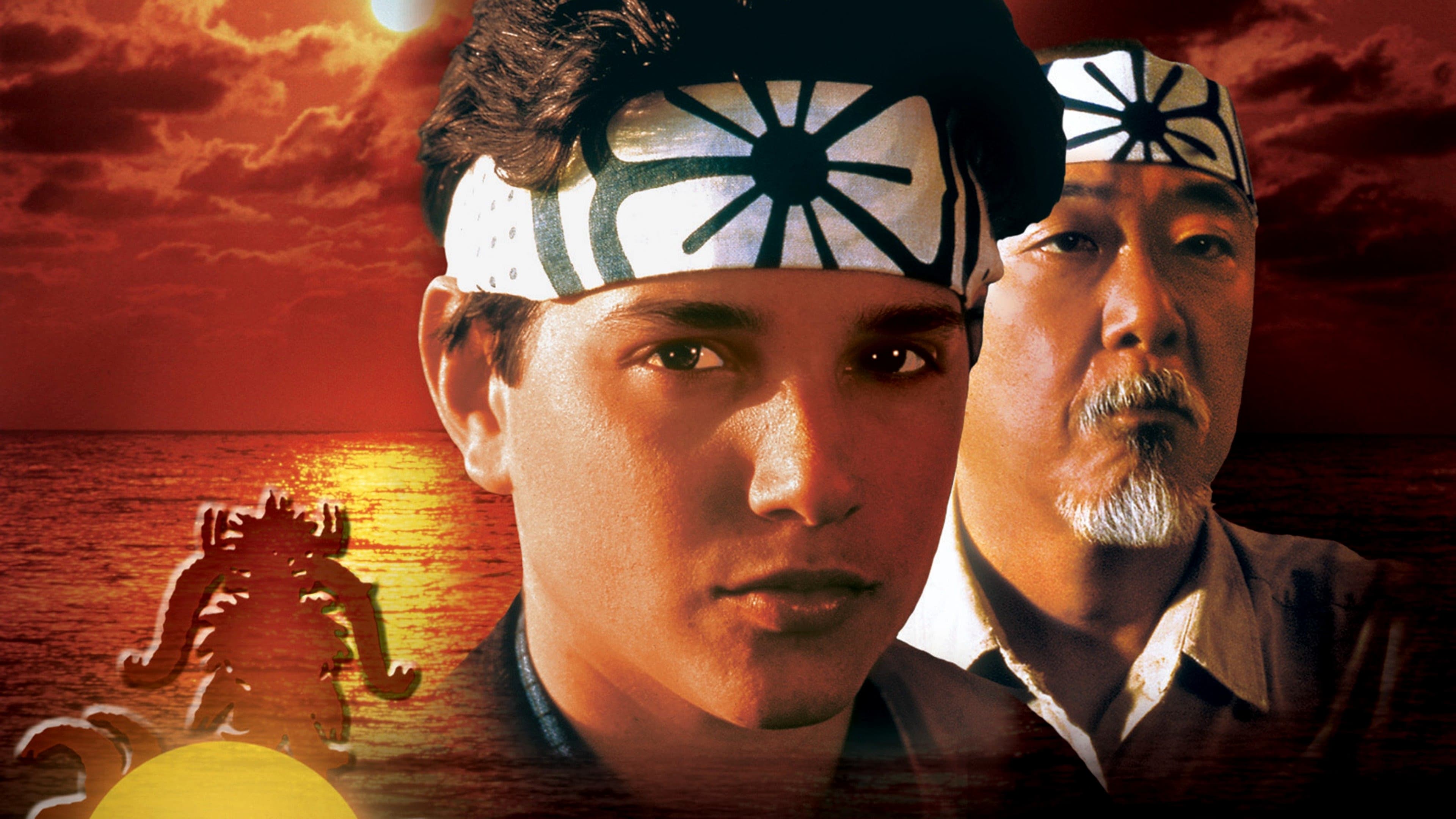
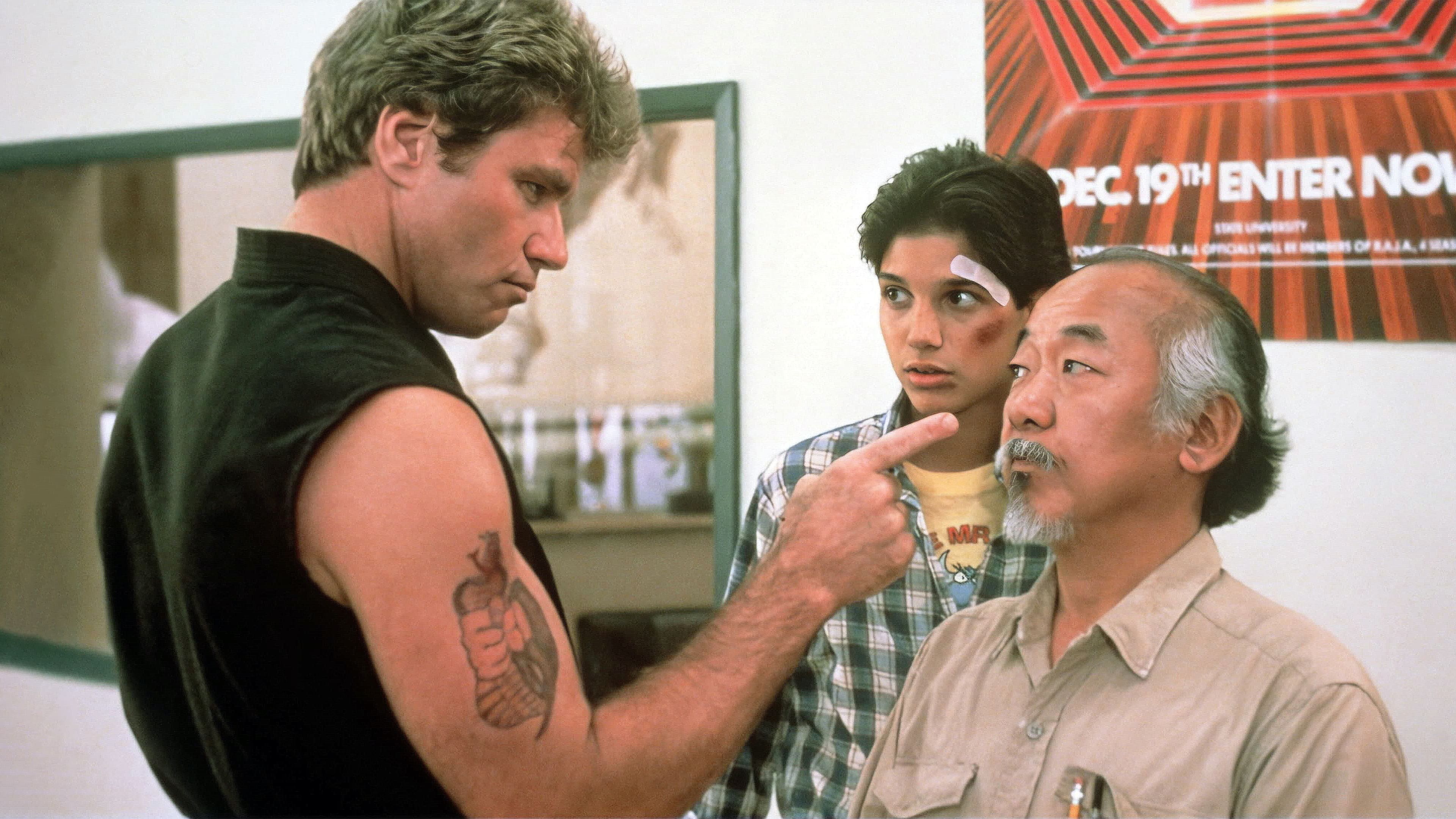
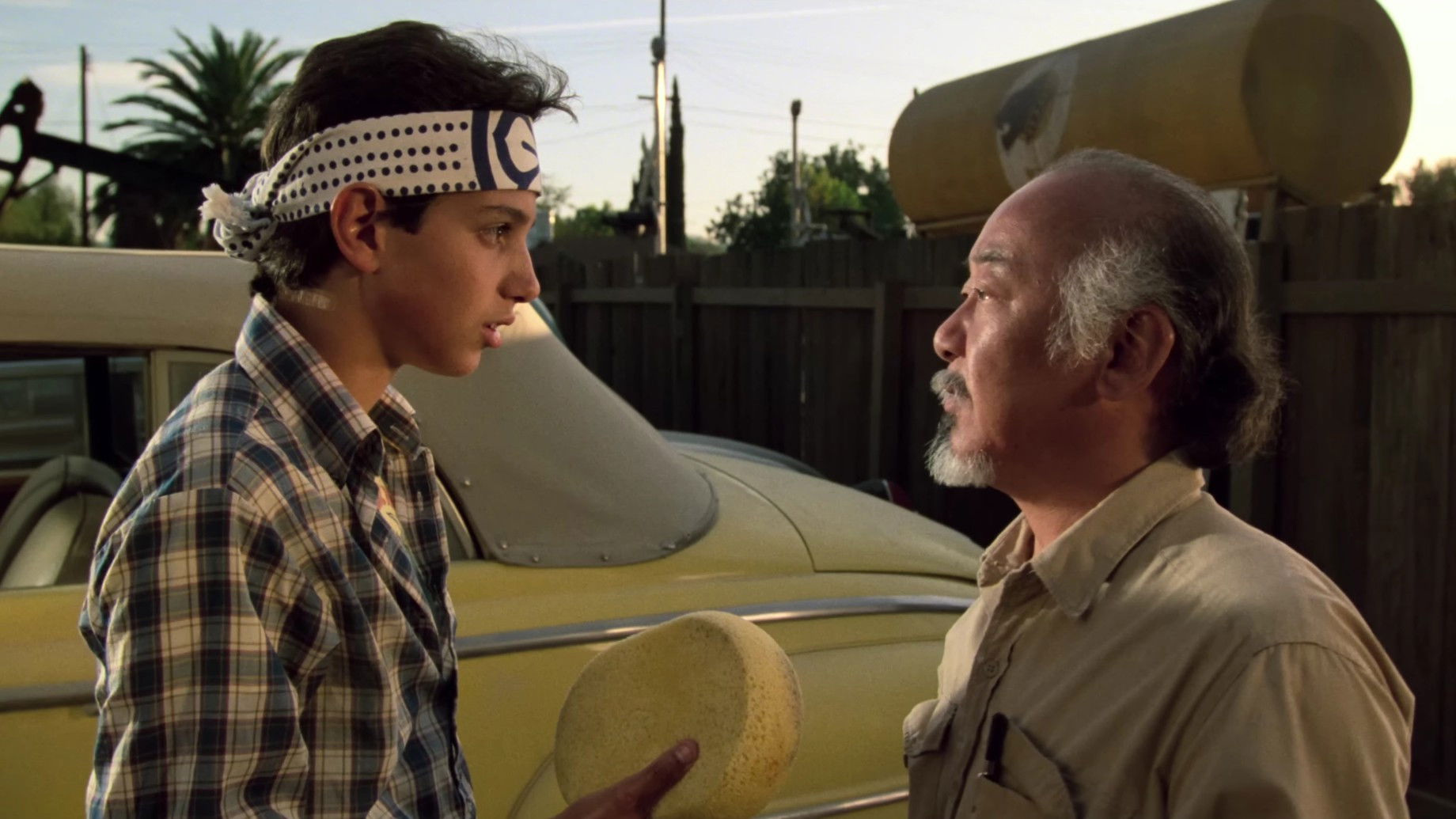
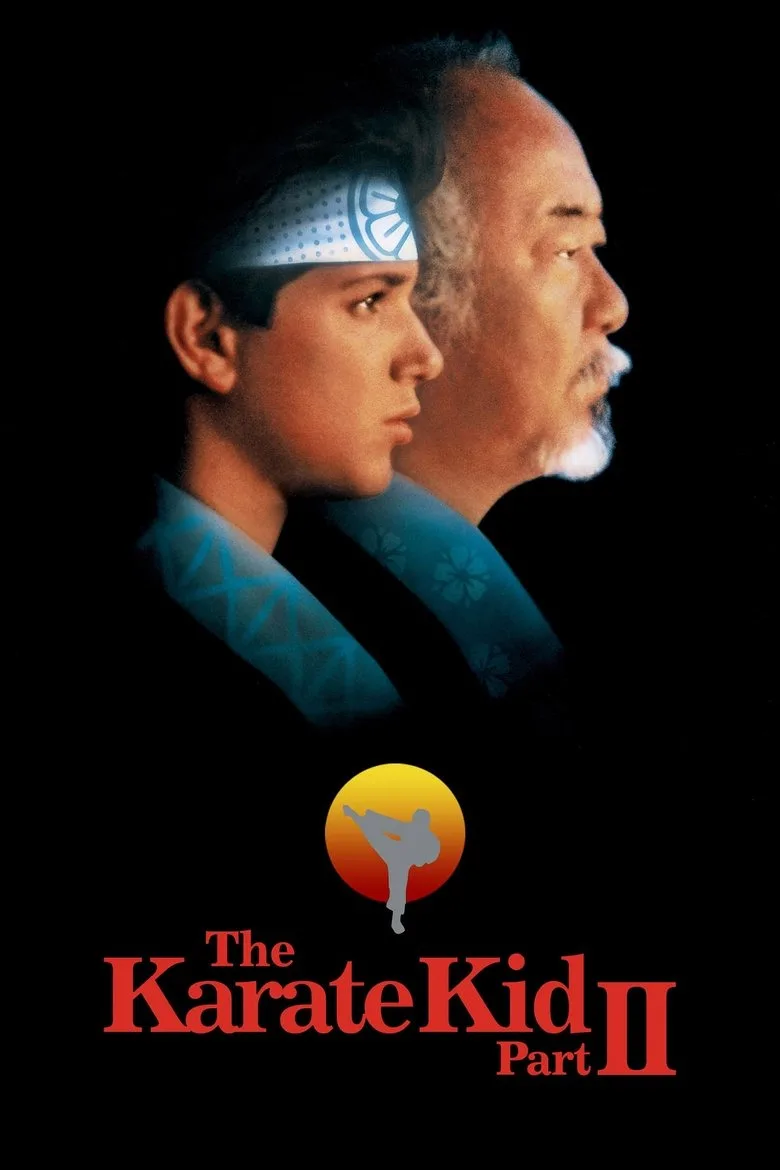
After his father's death, Daniel moves with his mother from Newark to New Jersey. There, he meets the kind Okinawan Mr. Miyagi. While walking on the beach with his new friend Ali Mills, he gets into trouble with her ex-boyfriend Johnny, the best student at the Cobra karate school. This conflict sets off a series of events that leads to a day when Daniel is beaten by Johnny and his karate school friends, prompting Mr. Miyagi to come to his rescue. Miyagi initially refuses Daniel's request to be his sensei. However, after Johnny and his friends seek revenge, he agrees to become his teacher.
Overview
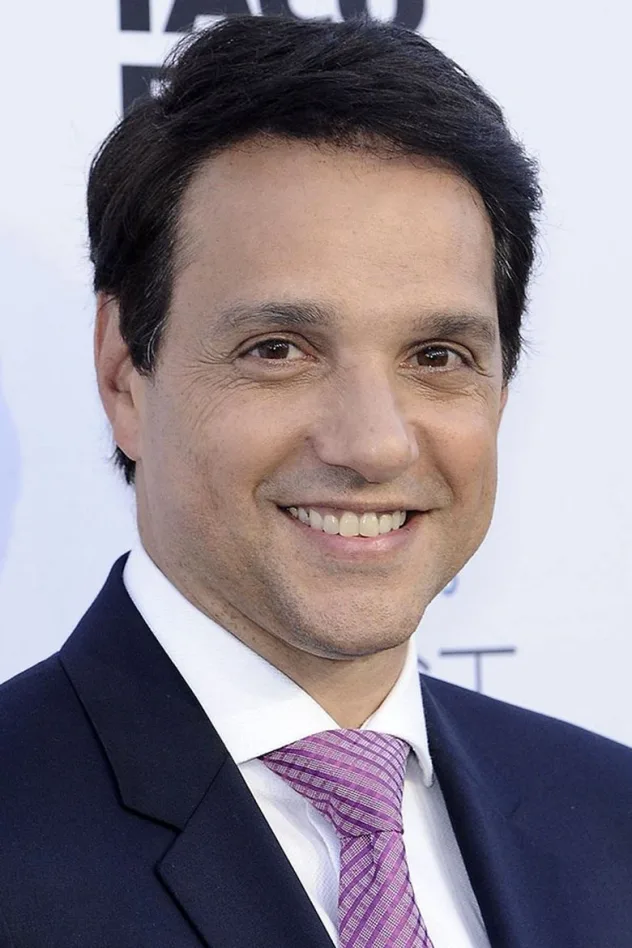
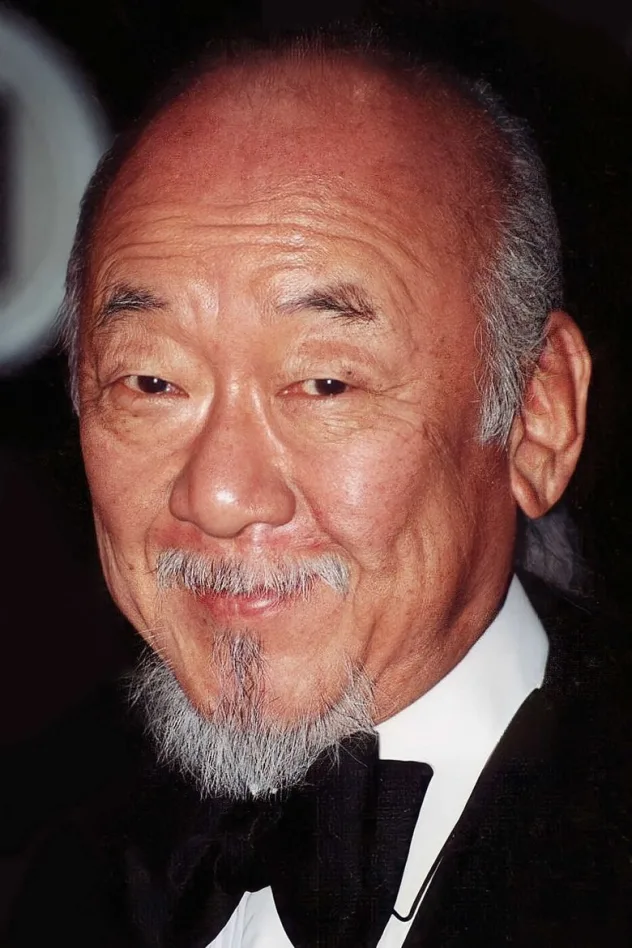
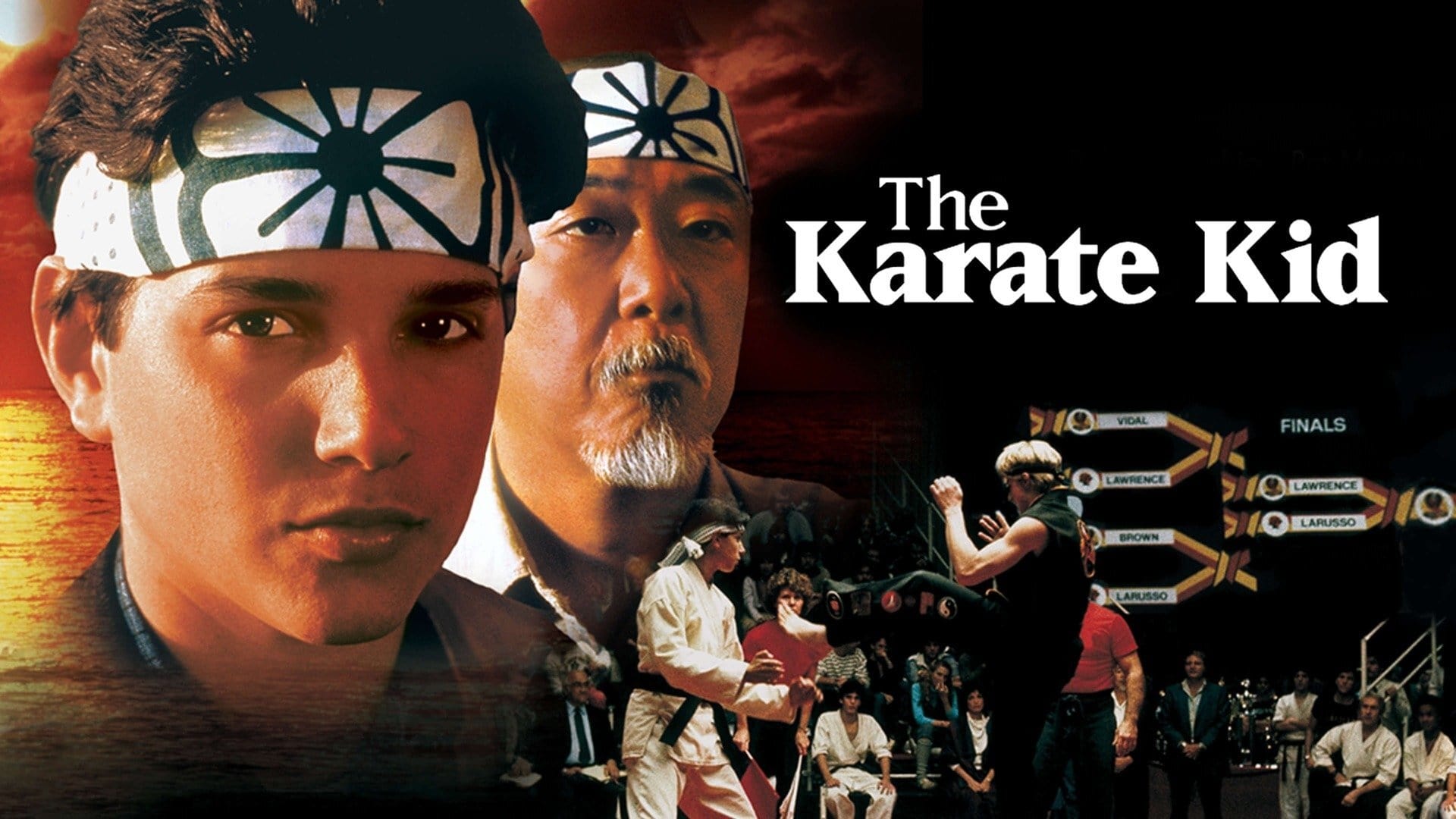
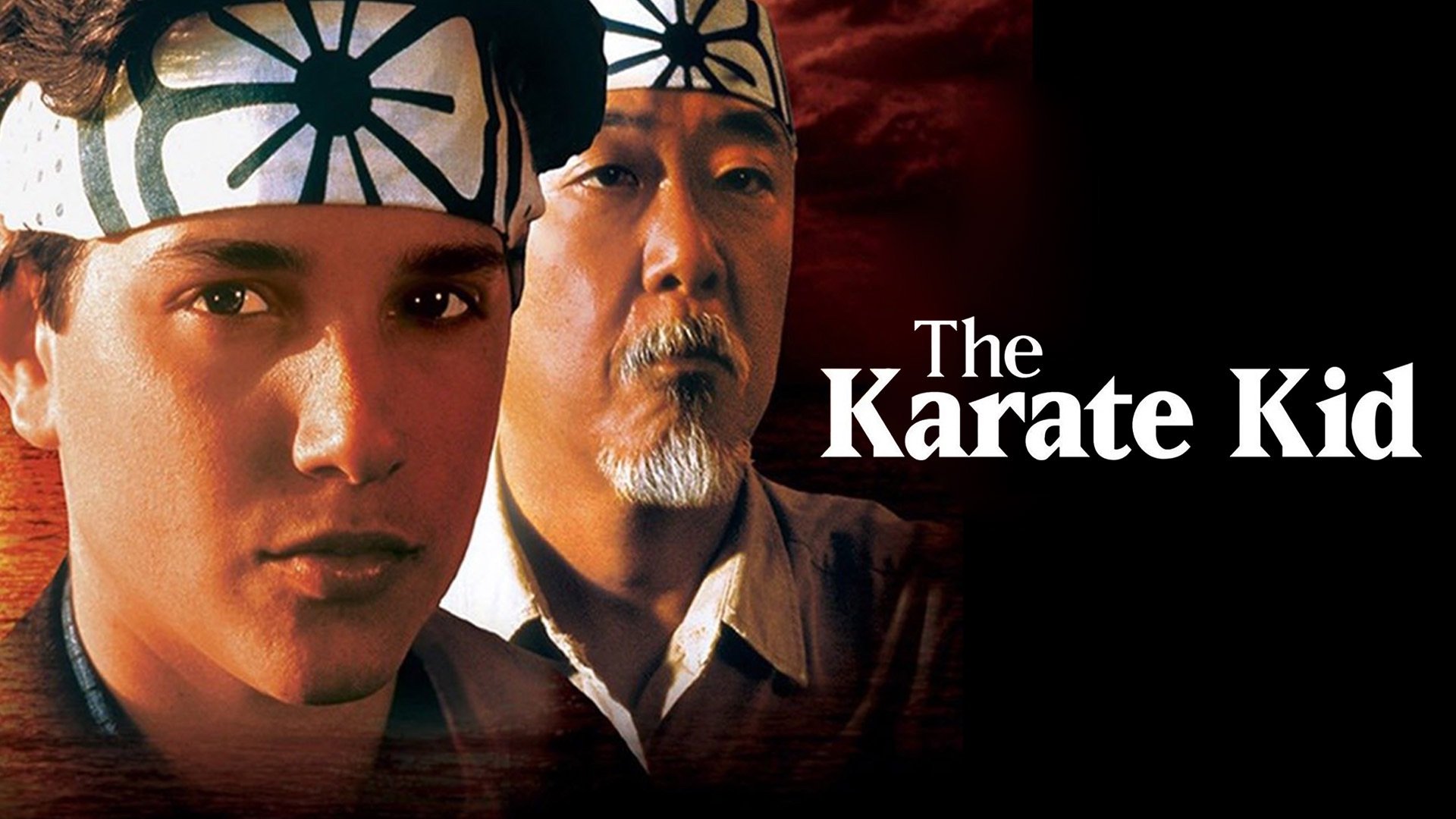
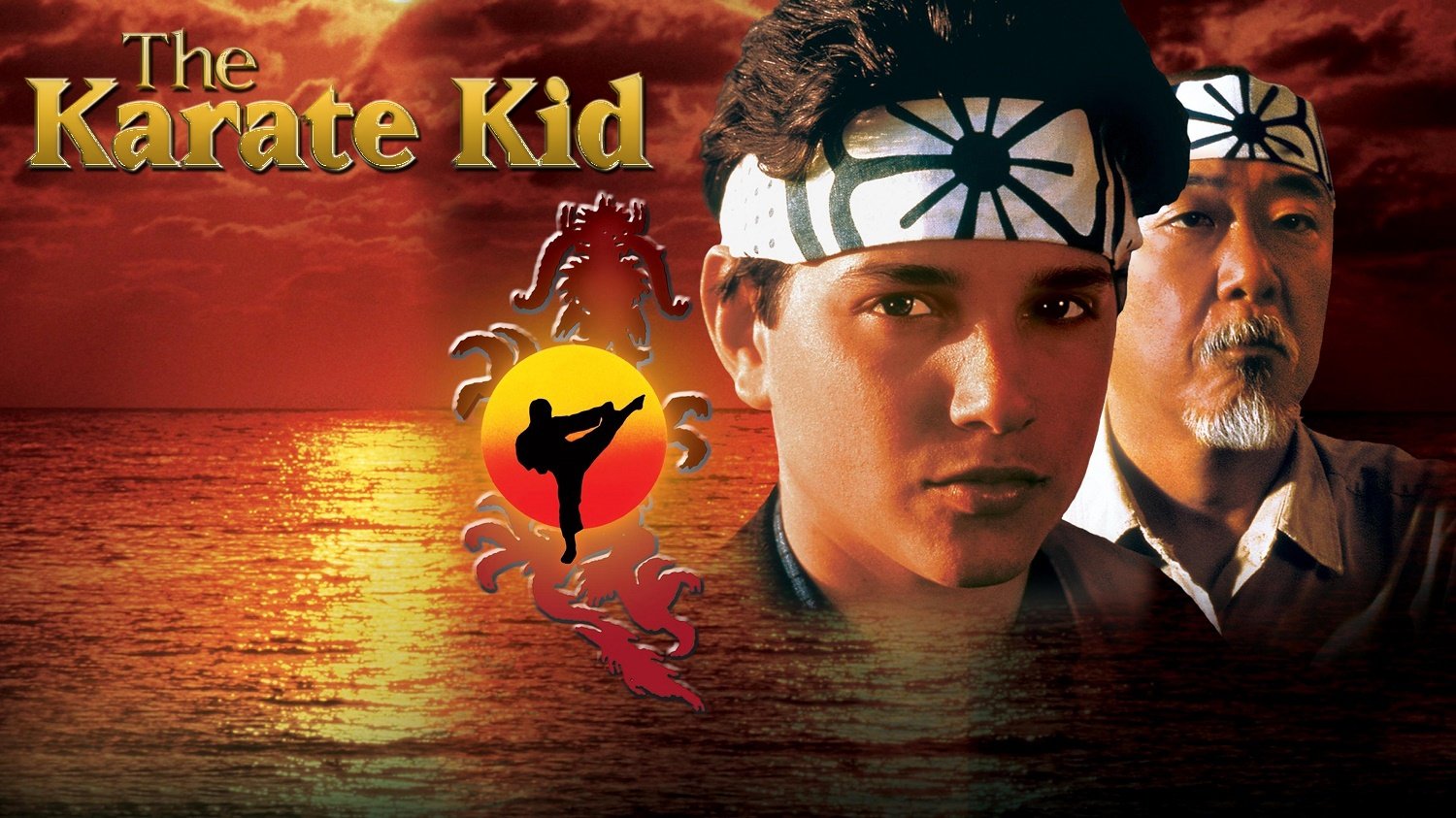
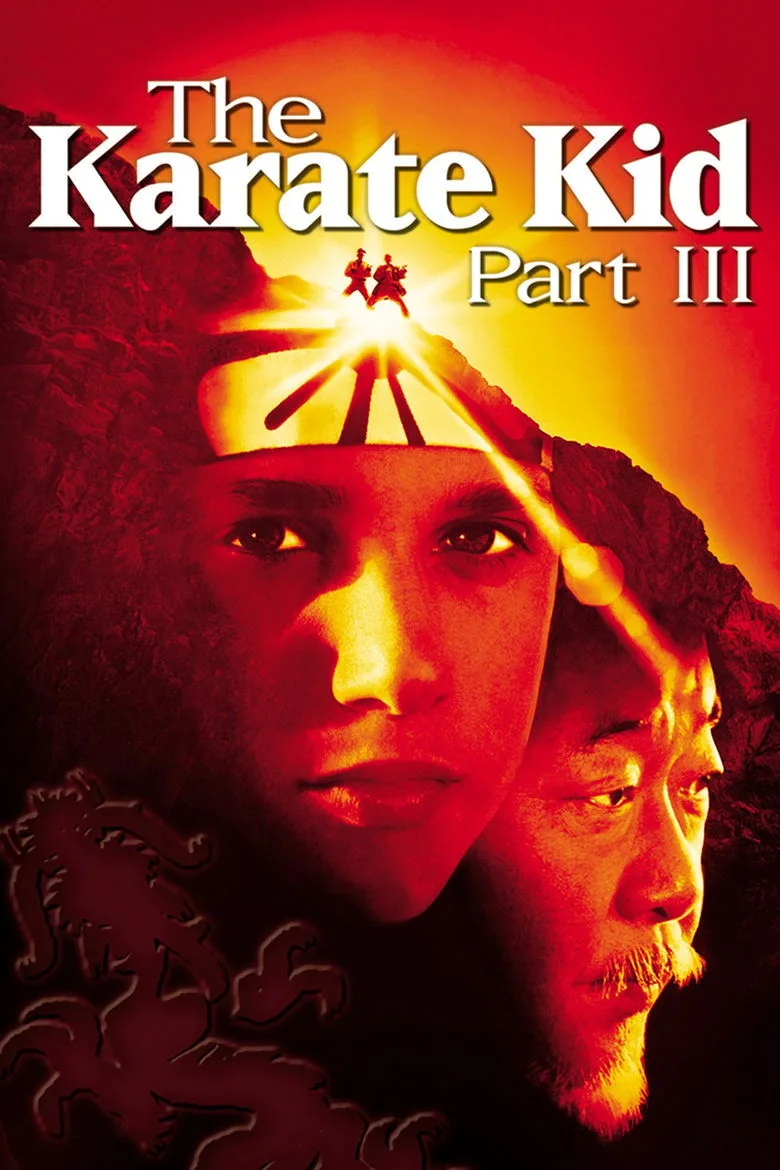
The Karate Kid (1984) is an unforgettable production directed by John G. Avildsen, featuring Ralph Macchio, Pat Morita, Elisabeth Shue, William Zabka, and Martin Kove. This family, action, drama, and adventure film, which is among the legendary films of the 1980s, first met the audience in 1984. The Karate Kid manages to create a timeless impact by presenting a story that contains lessons for both teenagers and adults.
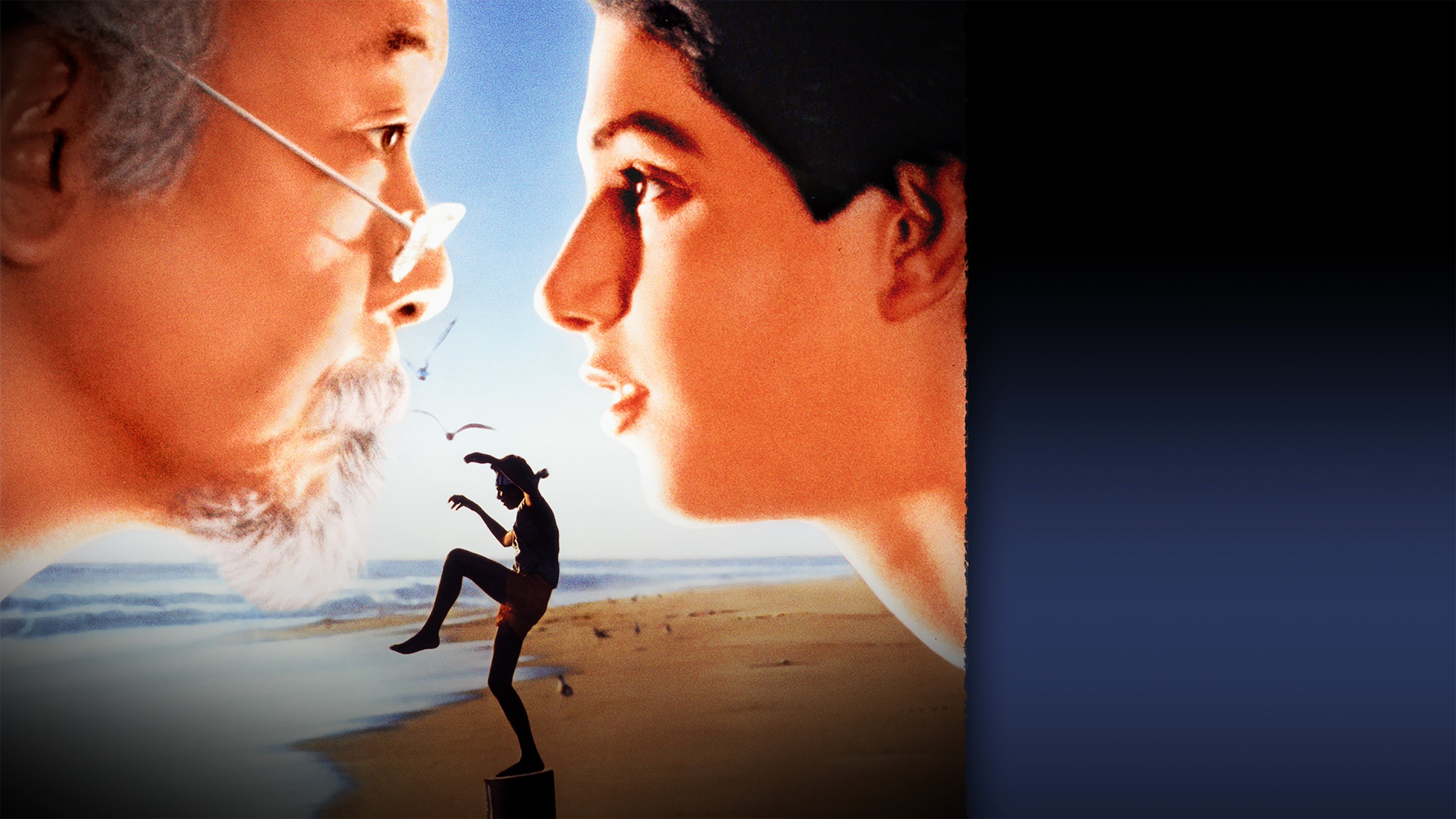
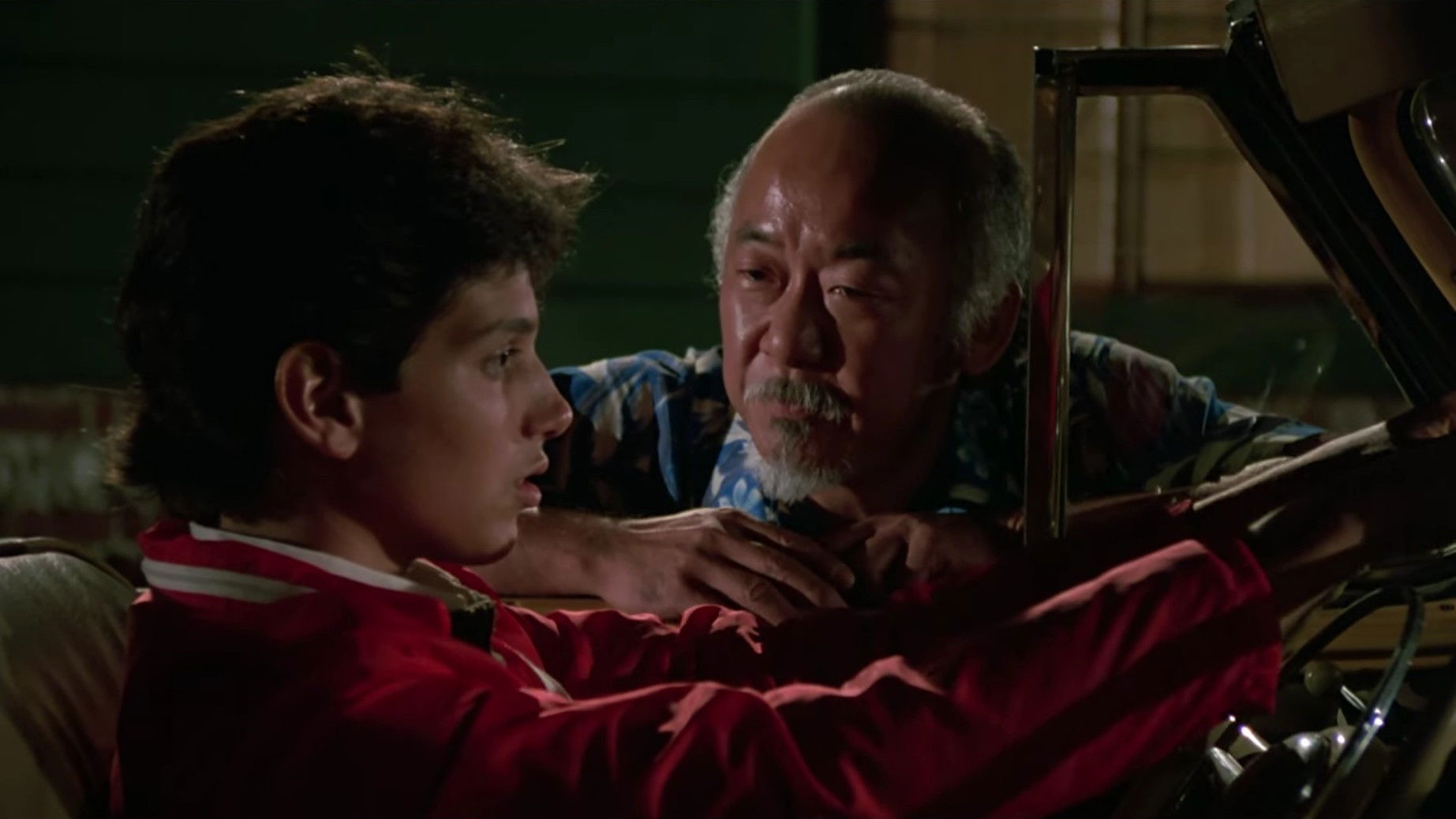
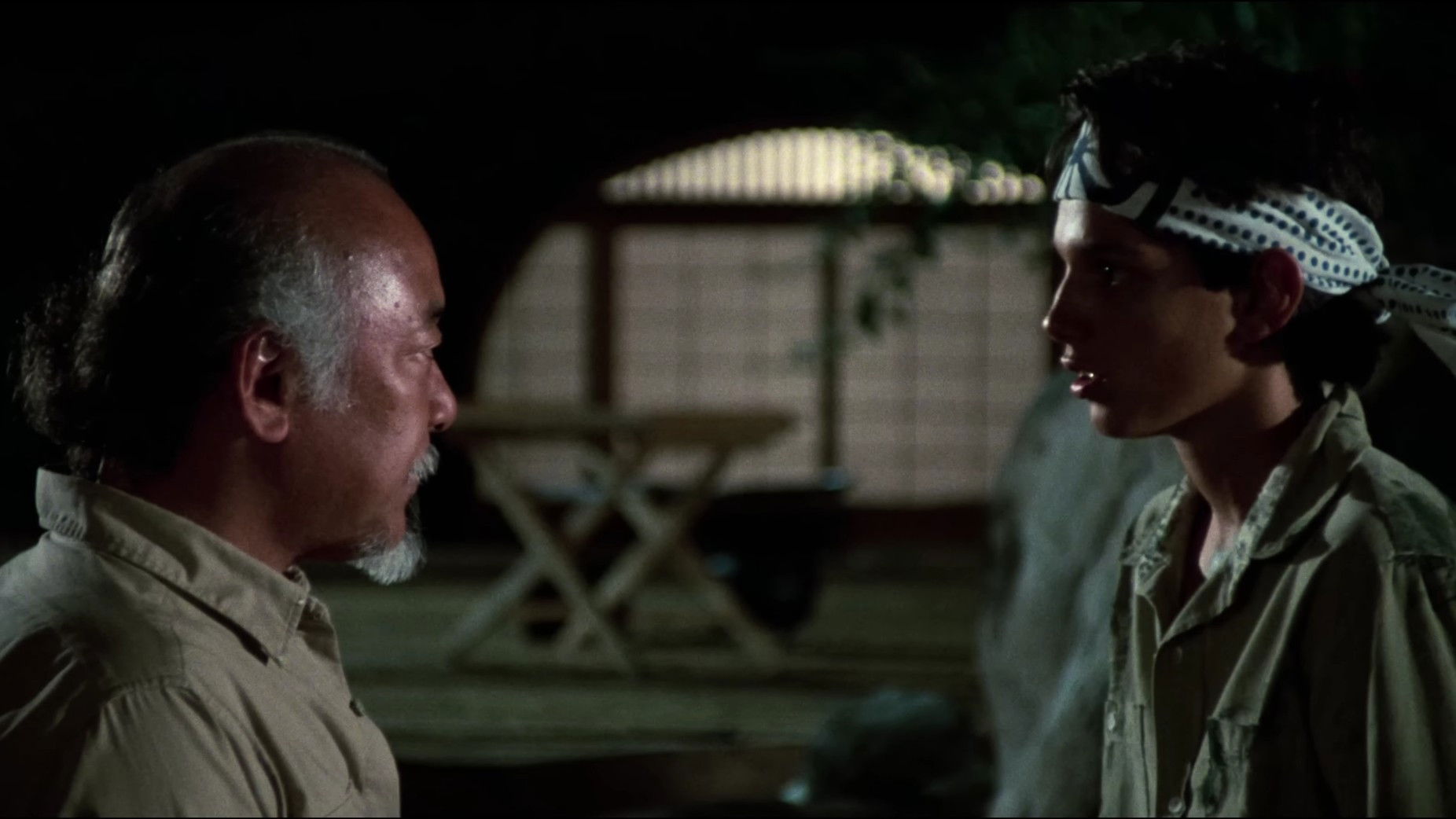
The film tells the story of young Daniel LaRusso (Ralph Macchio). After the sudden death of his father, Daniel moves from Newark to New Jersey with his mother, where he meets Mr. Miyagi (Pat Morita), who is of Okinawan descent. The time he spends with his new friend Ali Mills (Elisabeth Shue) at school leads them into conflicts with Johnny (William Zabka) and other students from the Cobra Karate School. As Daniel finds himself needing to defend himself in this dangerous environment, a transformation process begins when Mr. Miyagi initially refuses his request to teach him karate. The challenges Daniel faces and his friendship with Mr. Miyagi form the heart of the film.
John G. Avildsen skillfully combines an adult's perspective with a teenager's view in The Karate Kid. The director's ability to capture the depth of characters and emotional moments elevates the film beyond just a martial arts story. Ralph Macchio's performance effectively reflects the struggles and inner growth of a young man, while Pat Morita's Mr. Miyagi becomes one of the most memorable aspects of the film. Morita's sincere and wise demeanor stands out as a mentor figure that deeply affects the audience. Additionally, Elisabeth Shue's character Ali significantly contributes to the story, successfully portraying the pure emotions of young love.
The Karate Kid is more than just a martial arts film; it explores themes of friendship, self-respect, determination, and personal development. It reminds viewers not to give up when faced with challenges. The film also opens a window into the world of martial arts, helping both young and adult audiences understand that this art is not just a physical struggle but also a mental discipline. The Karate Kid is a classic that must be watched, as the messages and character journeys in this film remain relevant for every generation.
Finally, the impact of The Karate Kid on the audience has transformed it from just a film into a cultural phenomenon. Holding a special place among John G. Avildsen's films, The Karate Kid is still remembered and loved by many today. If you haven't watched it yet, The Karate Kid invites you on an inspiring journey that you must experience.
Why Watch?
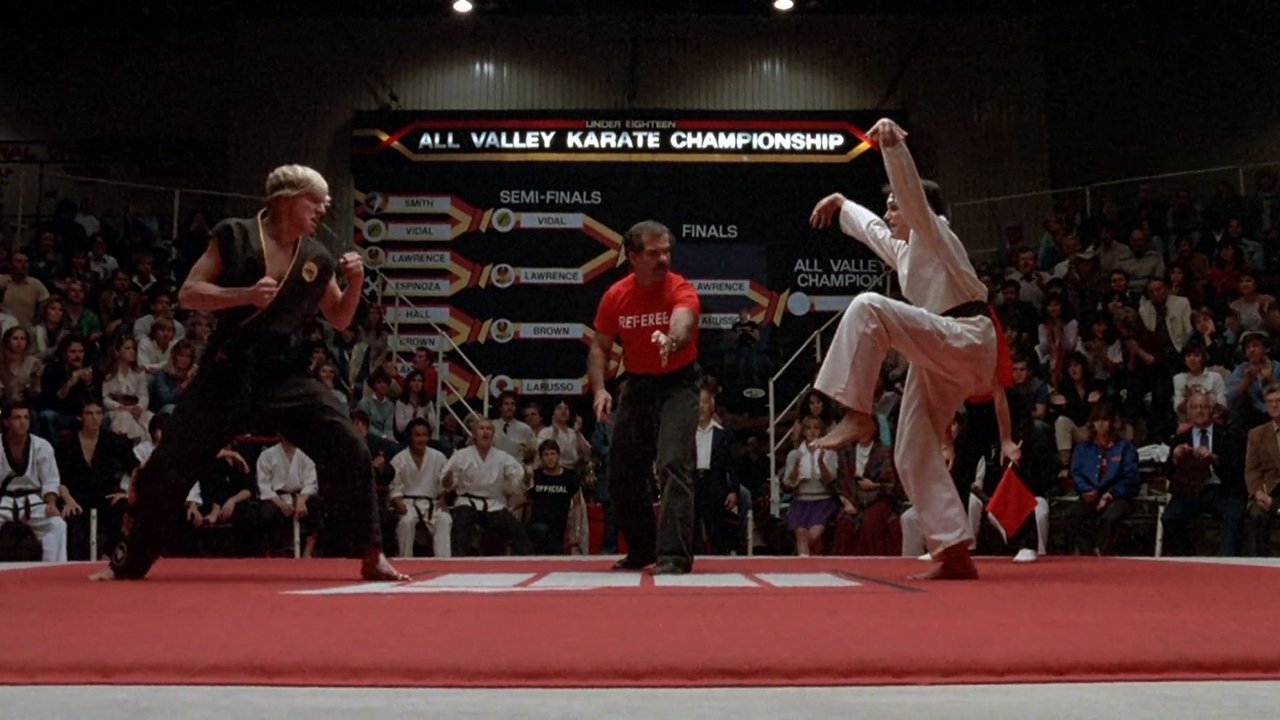
STRONG POINTS: Emotional depth: The film explores not only martial arts but also themes of friendship, determination, and personal development. Iconic scenes: "The Karate Kid" is filled with unforgettable moments and impressive fight scenes that keep viewers glued to the screen. Master-student relationship: The film establishes a deep connection by presenting a traditional master-student story in a modern context.
WHO IT APPEALS TO: Offers an enjoyable experience for viewers of all ages who love action, drama, and martial arts.
EXPECTATION MANAGEMENT: It may not be satisfying enough for viewers looking for excessive action or visual effects.
Frequently Asked Questions
What is the plot of The Karate Kid?
The Karate Kid tells the story of young Daniel LaRusso's journey to learn karate and the challenges he faces along the way. With the help of his mentor Mr. Miyagi, Daniel learns martial arts and gains confidence.
Is The Karate Kid based on a true story?
Although The Karate Kid is a fictional story, some characters and events in the film are inspired by real life. However, the film is not based on a true story.
Where can I watch The Karate Kid?
The Karate Kid can be watched on various digital platforms and television channels. It can also be purchased in DVD or Blu-ray format.
How long is The Karate Kid?
The Karate Kid has a total runtime of 127 minutes.
What does the ending of The Karate Kid mean?
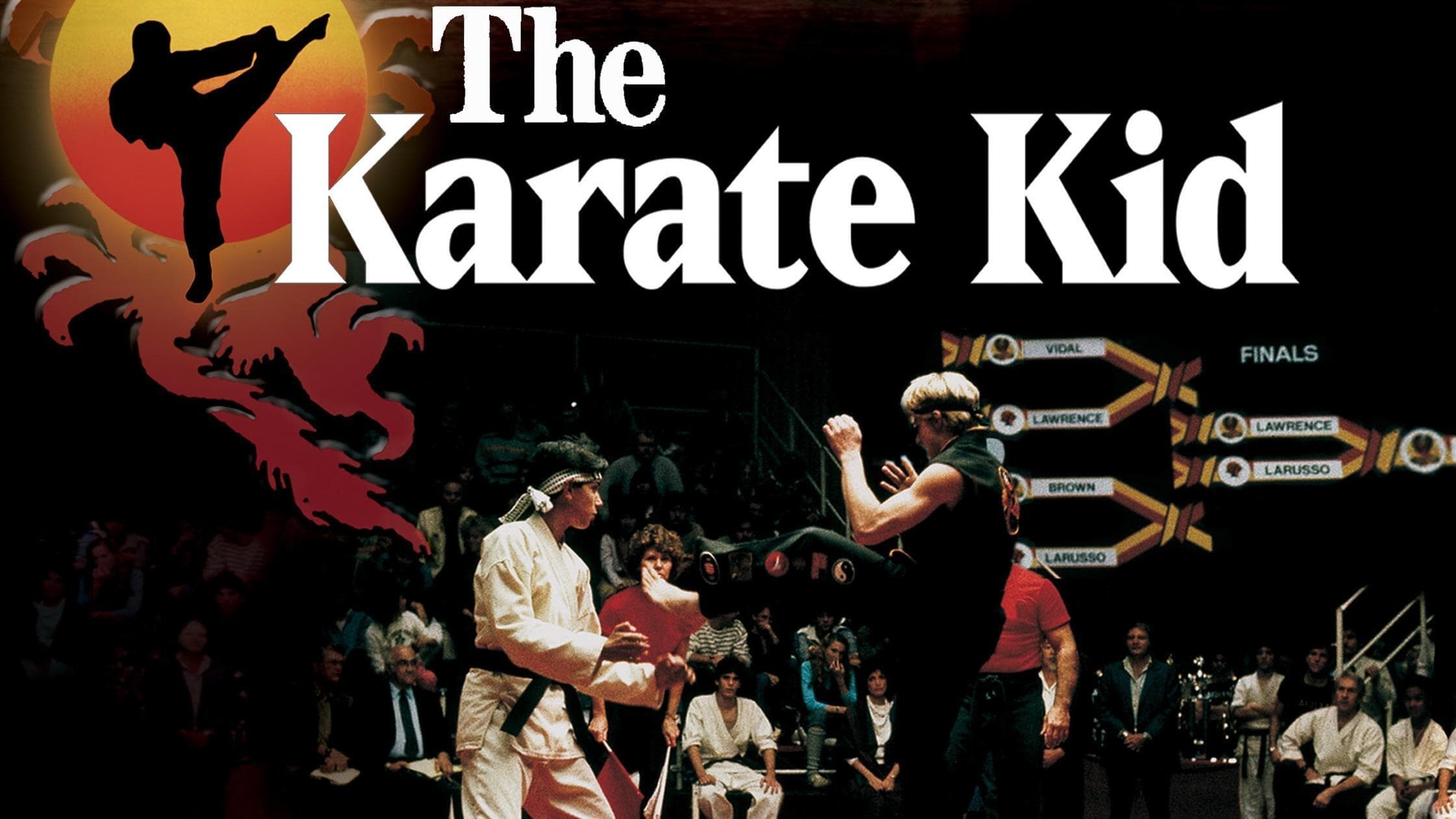
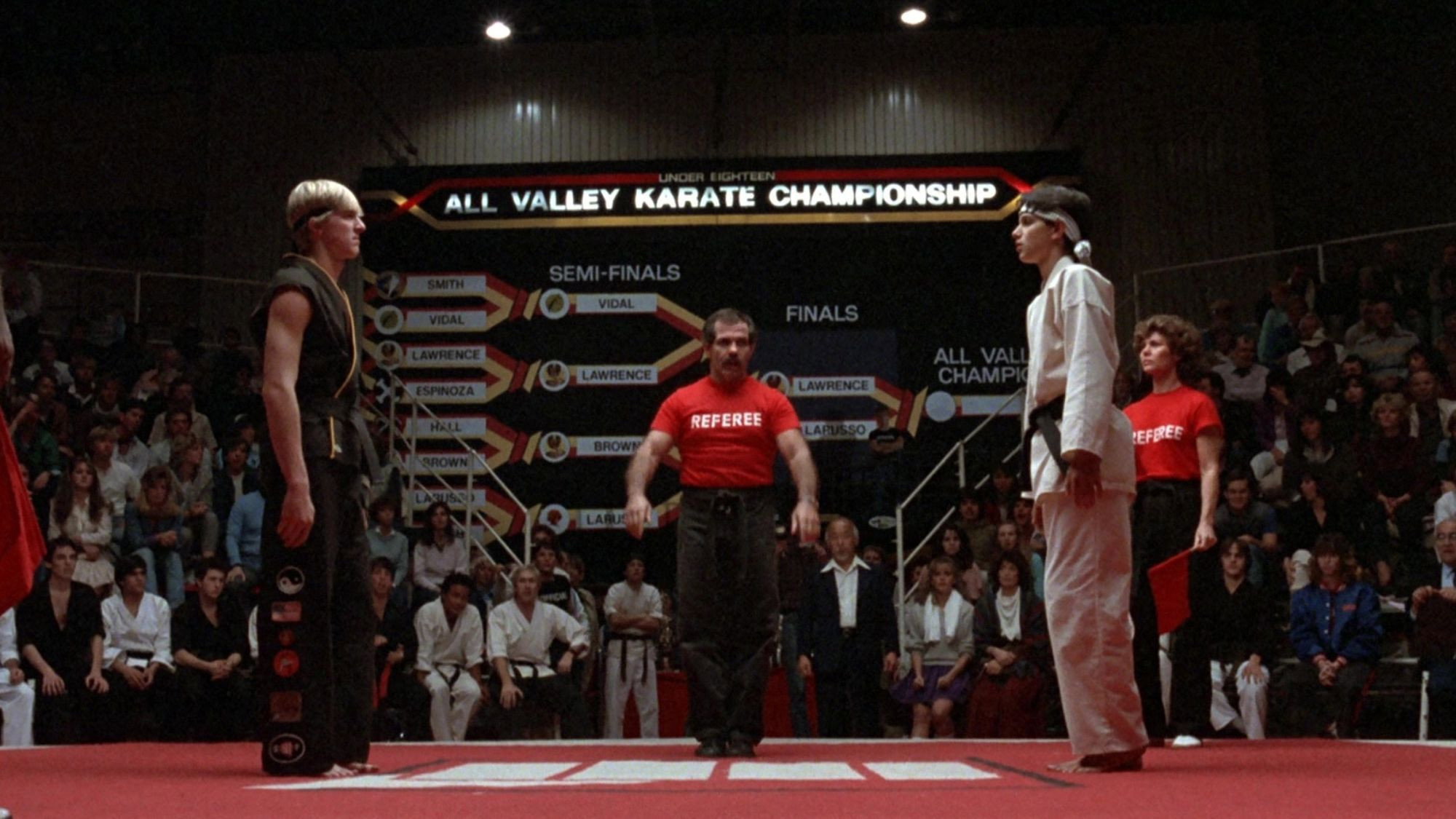
The ending of The Karate Kid symbolizes Daniel's increased confidence with his victory in the karate tournament and his ability to overcome challenges. This emphasizes themes of personal growth and determination.
What year was The Karate Kid released?
The Karate Kid was released in 1984.
Is The Karate Kid worth watching?
The Karate Kid is a film that appeals to viewers with its fight scenes and emotional depth. It offers an inspiring story, especially for young audiences.