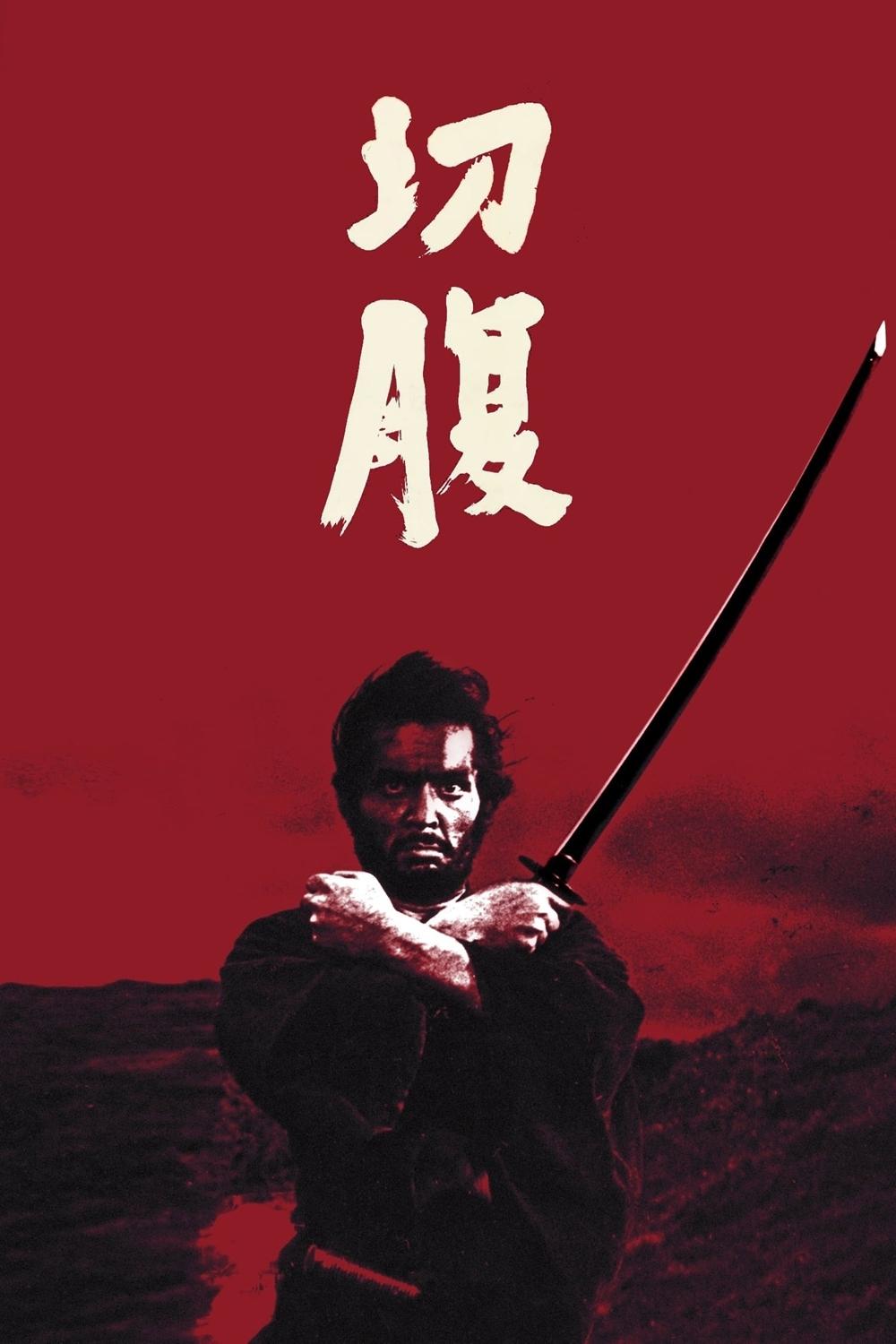
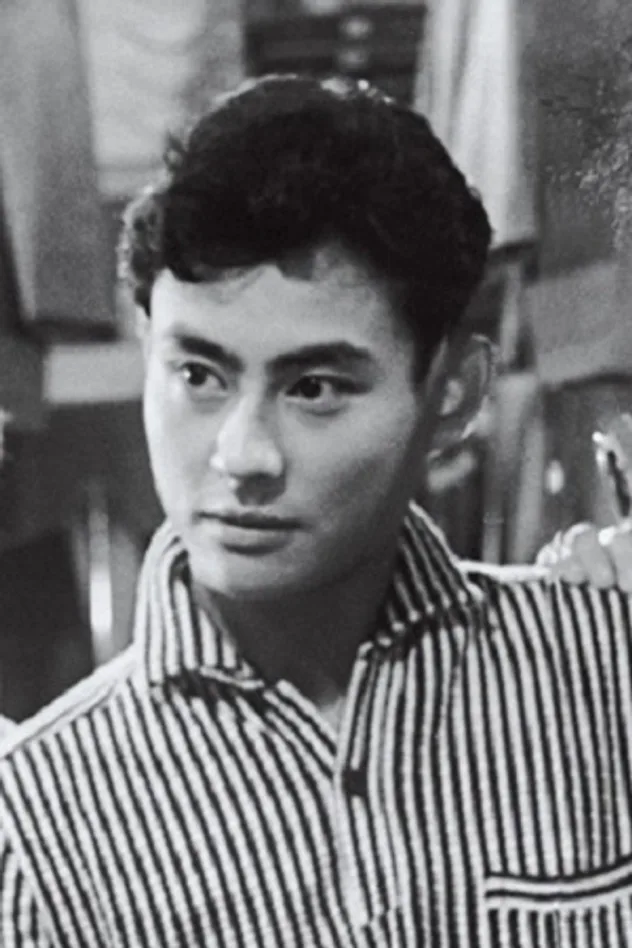
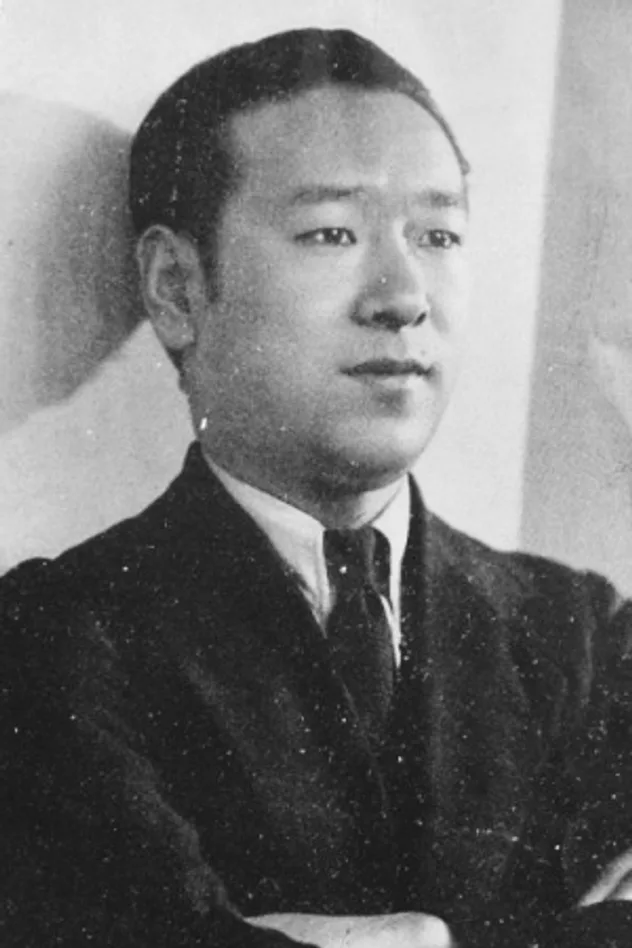
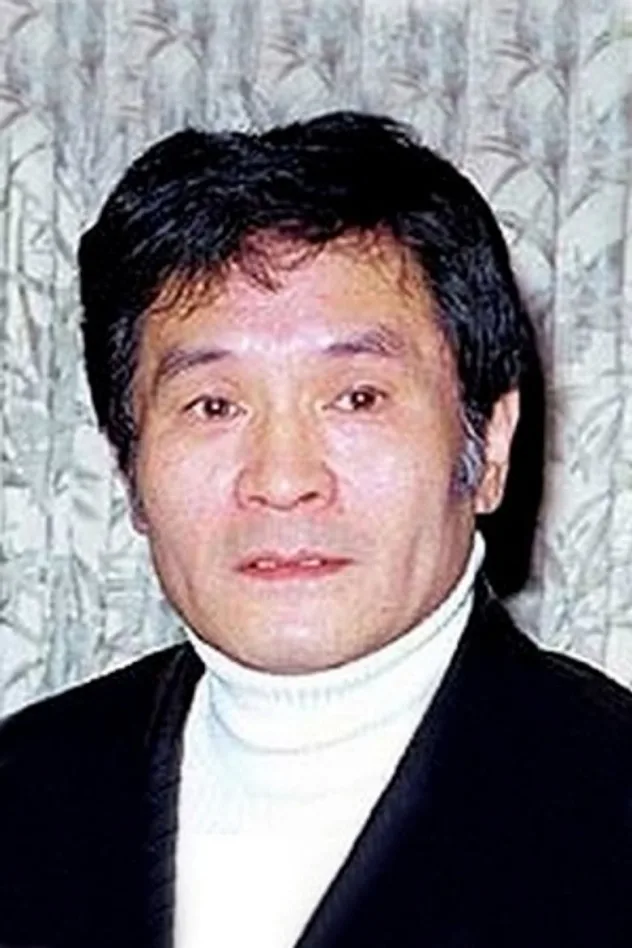
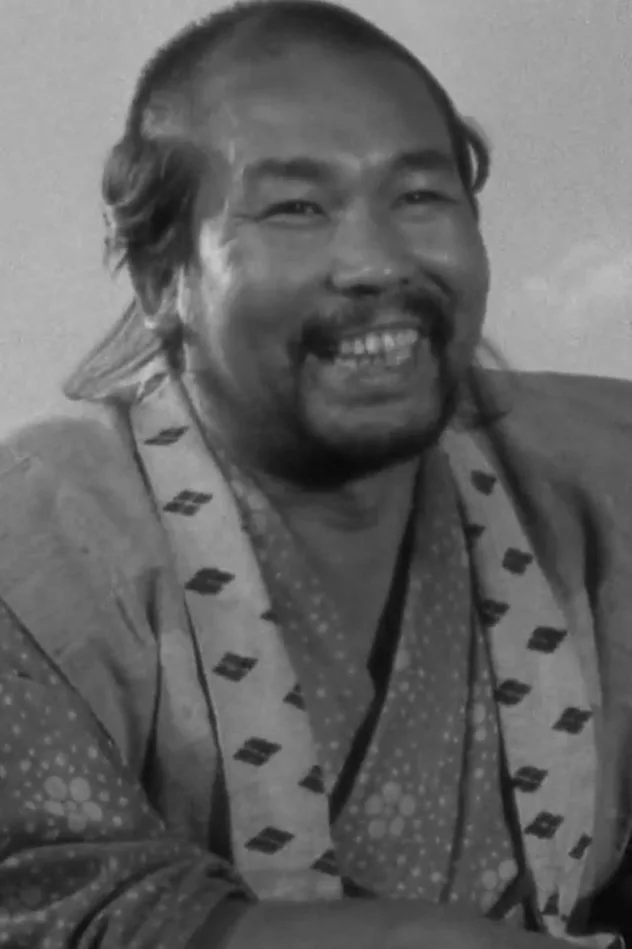
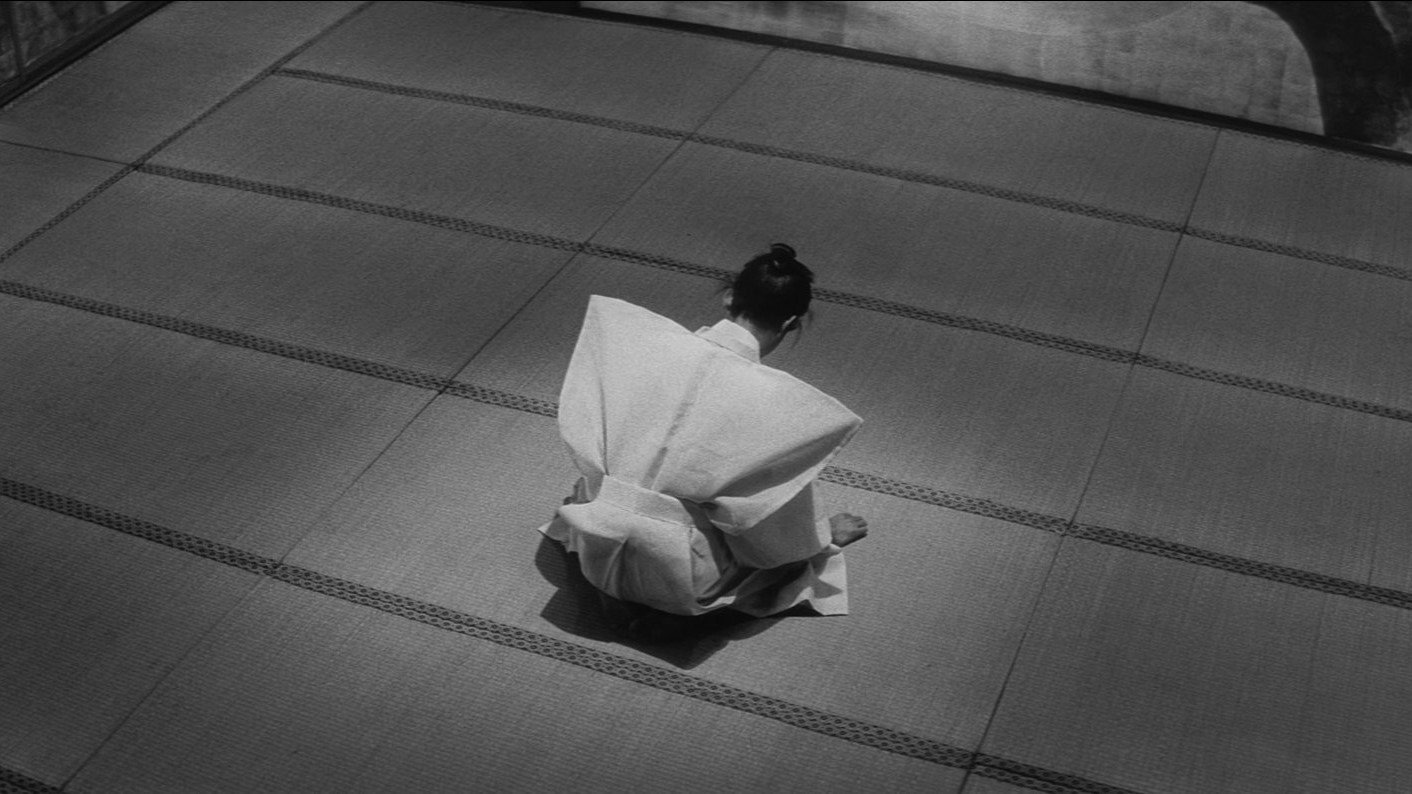
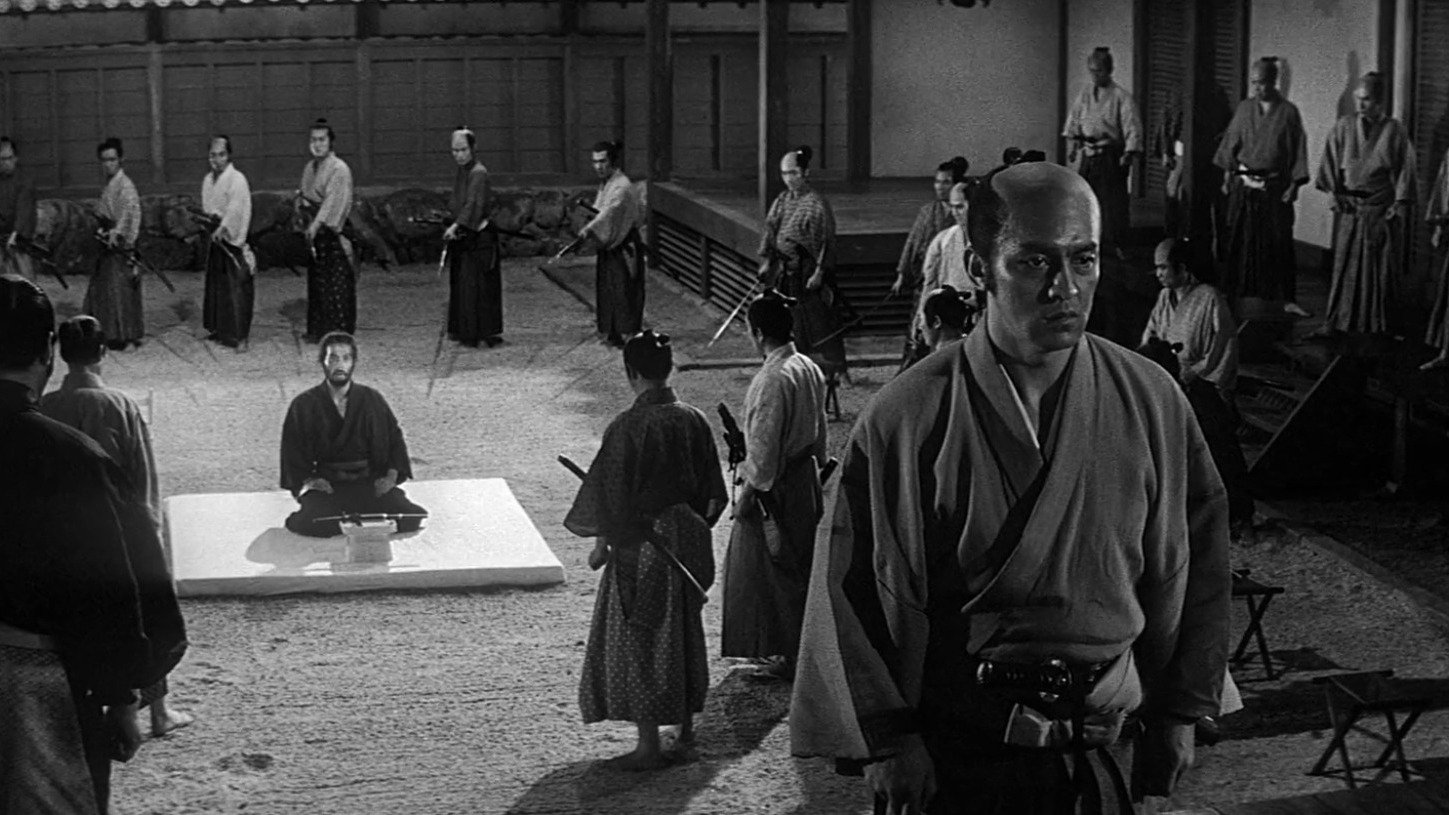
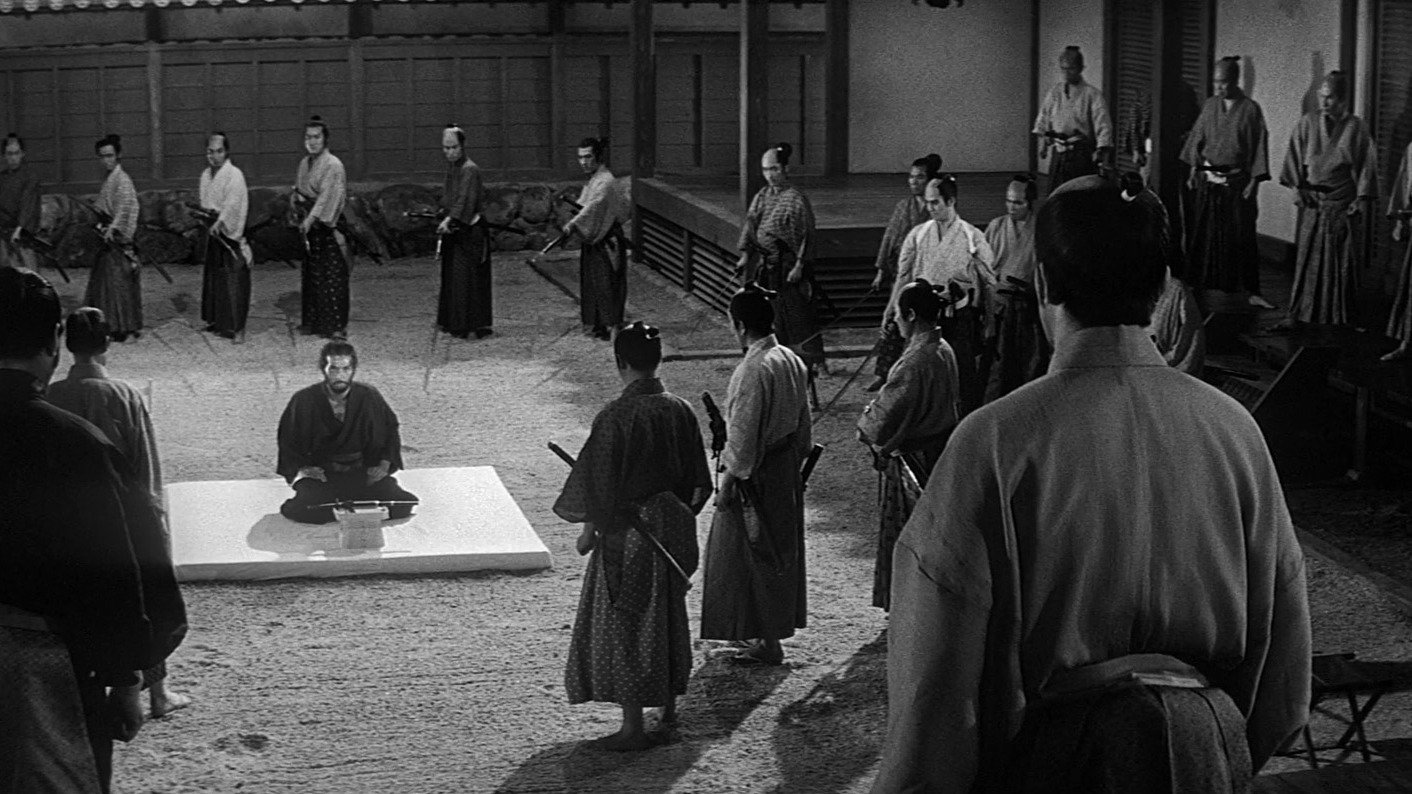
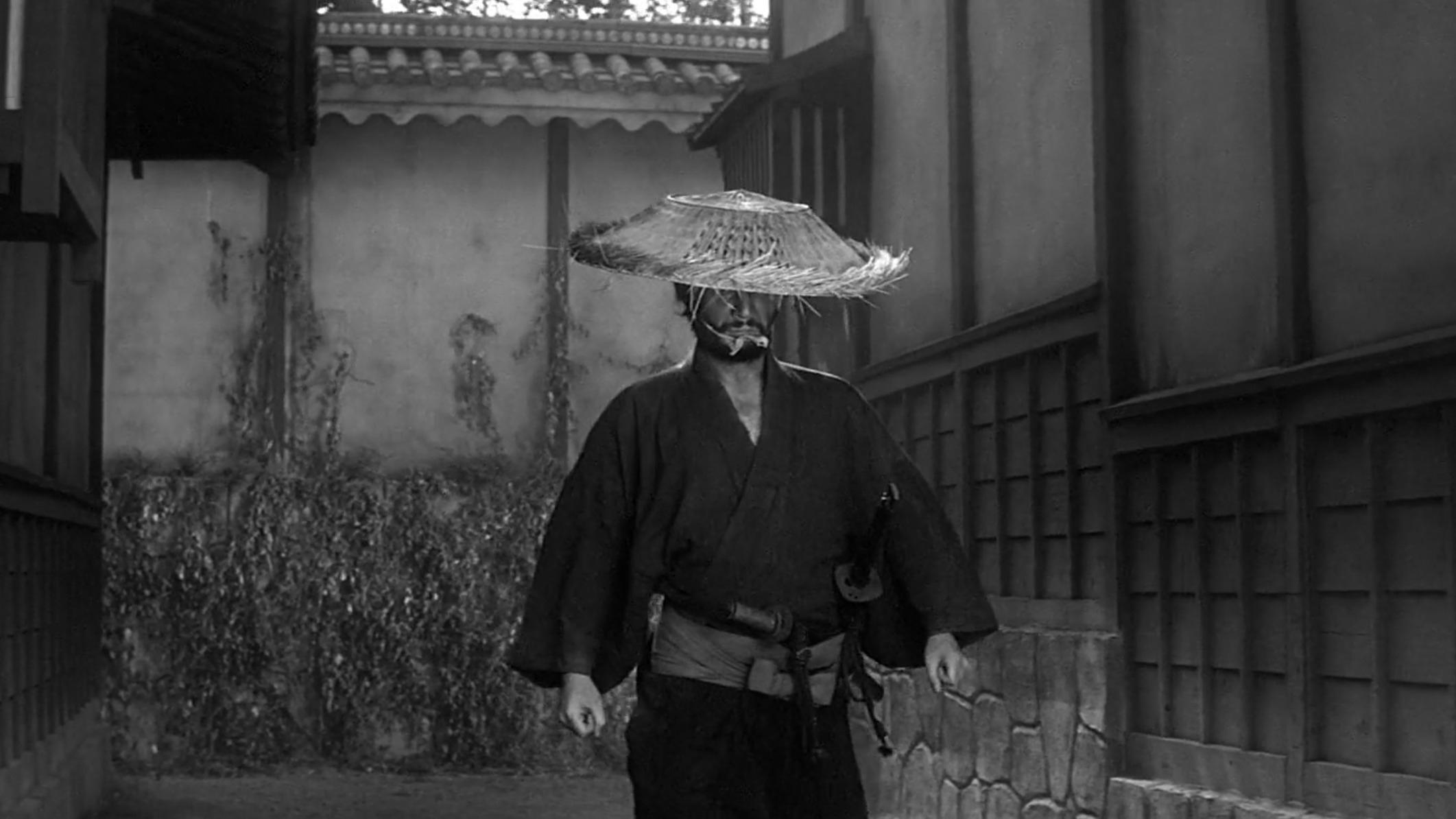
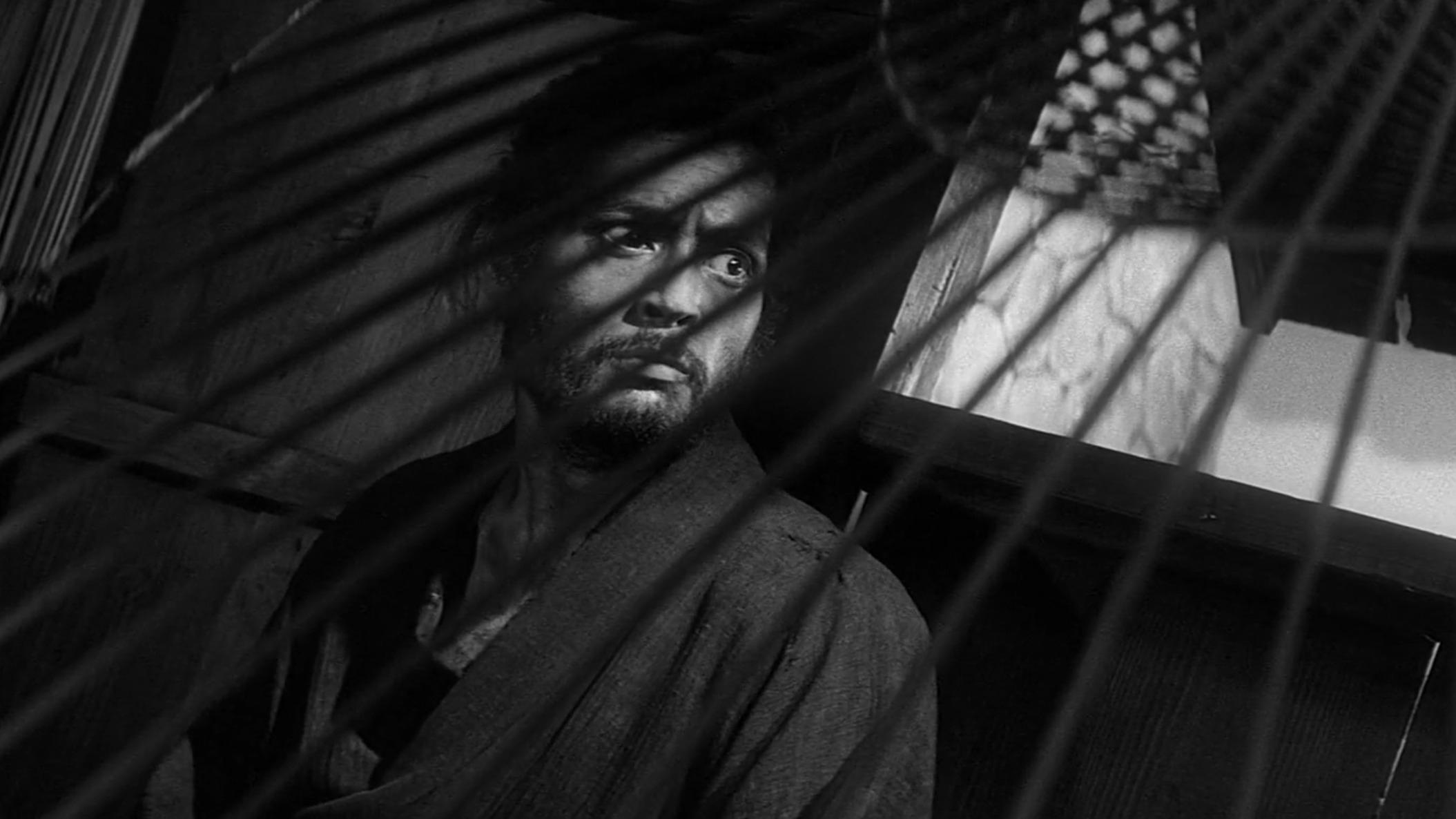
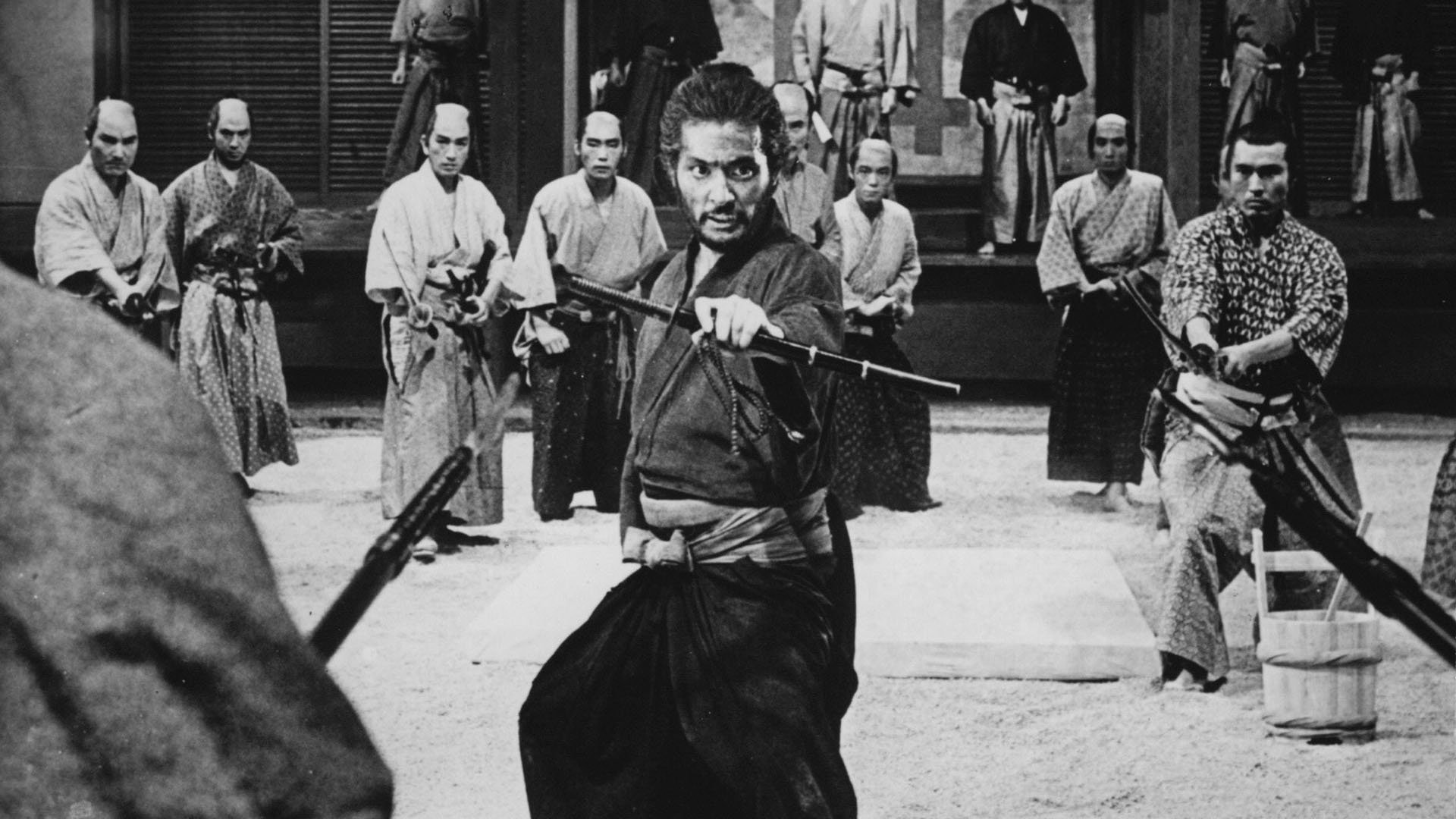
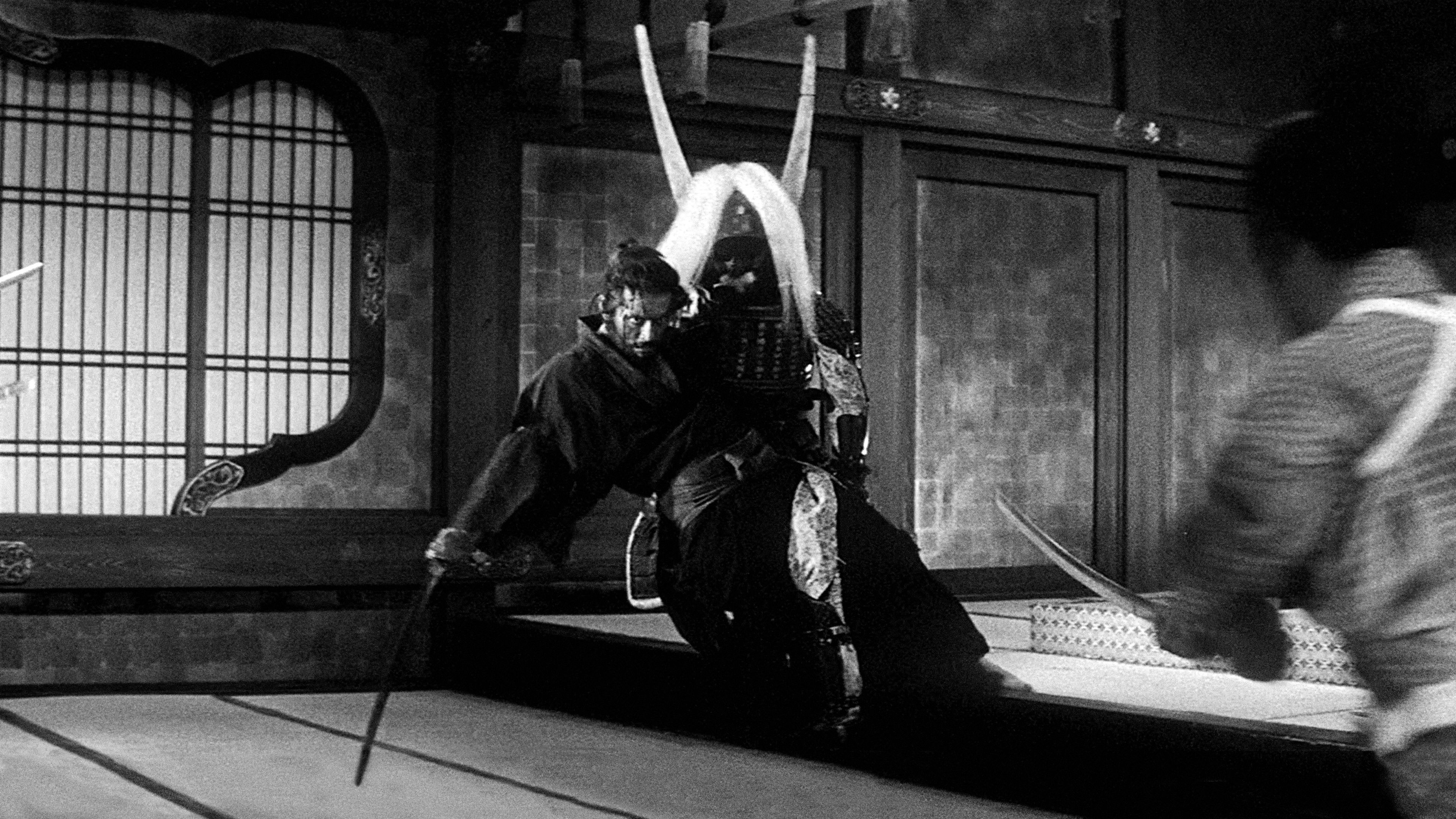
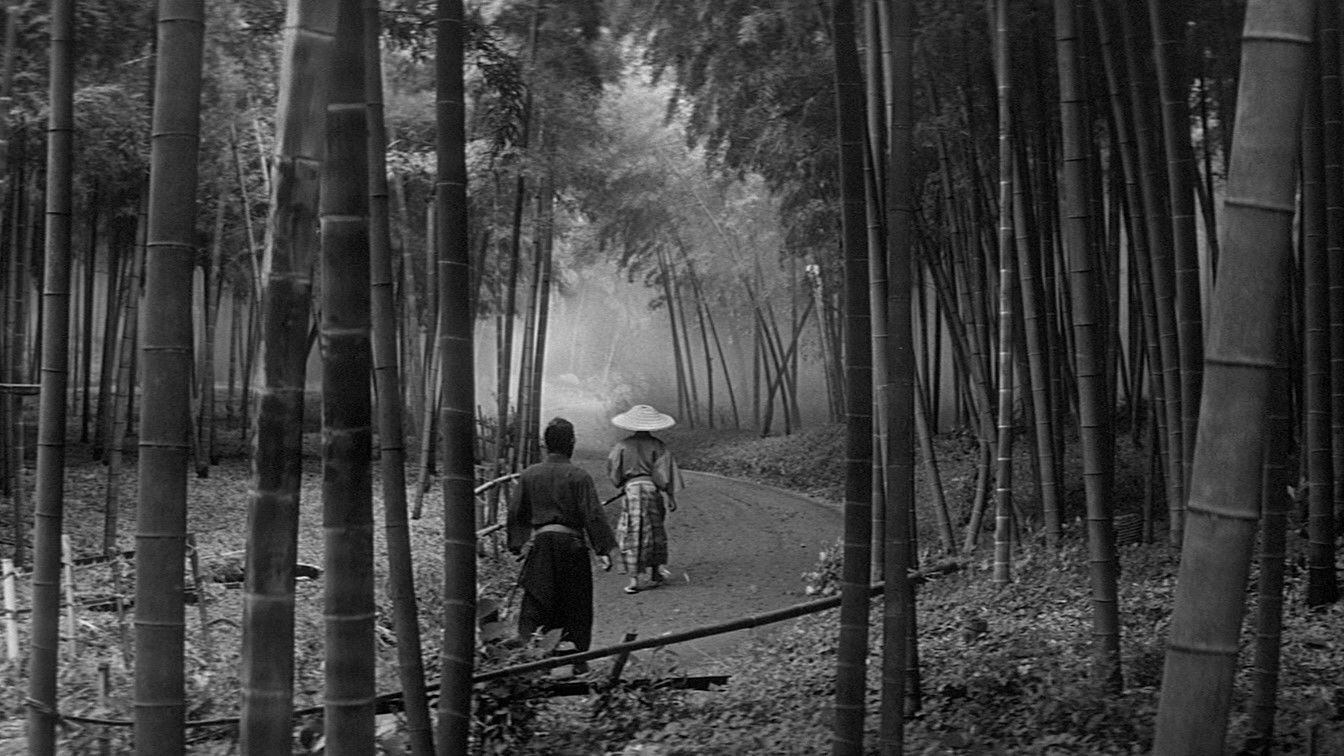
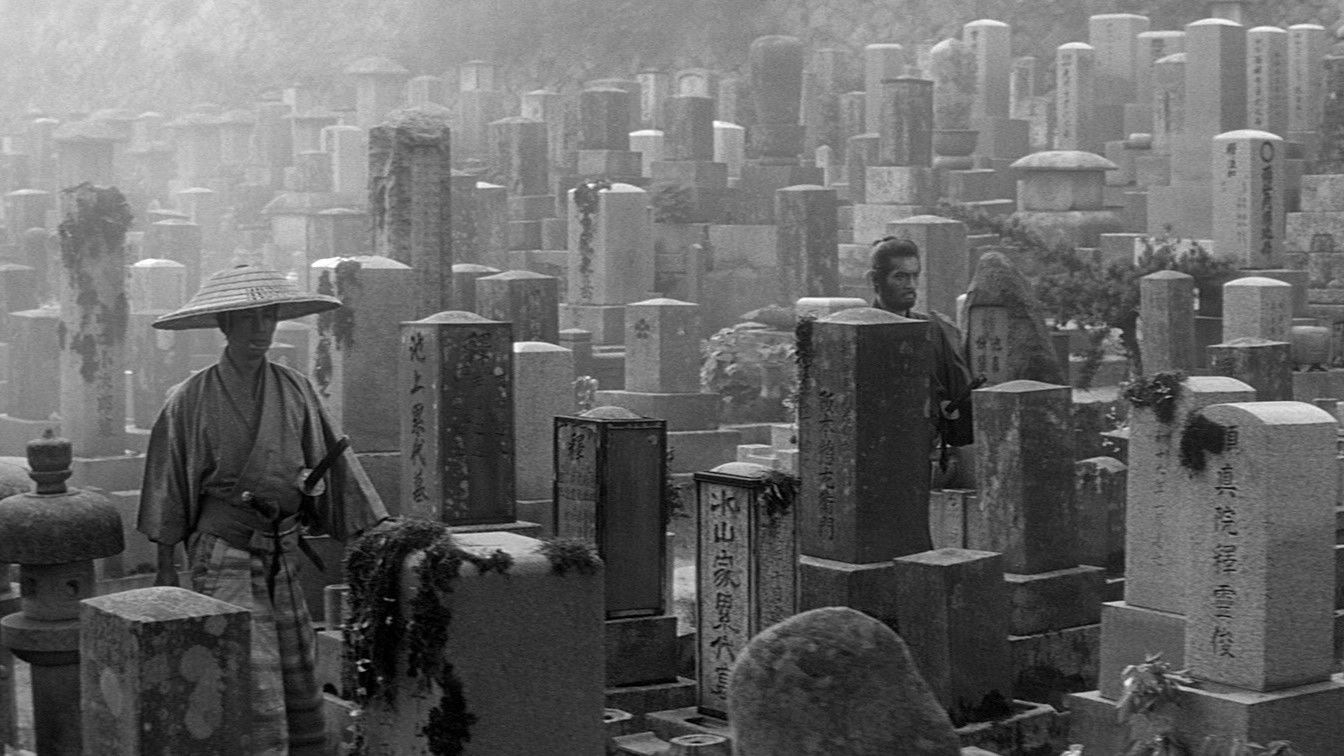
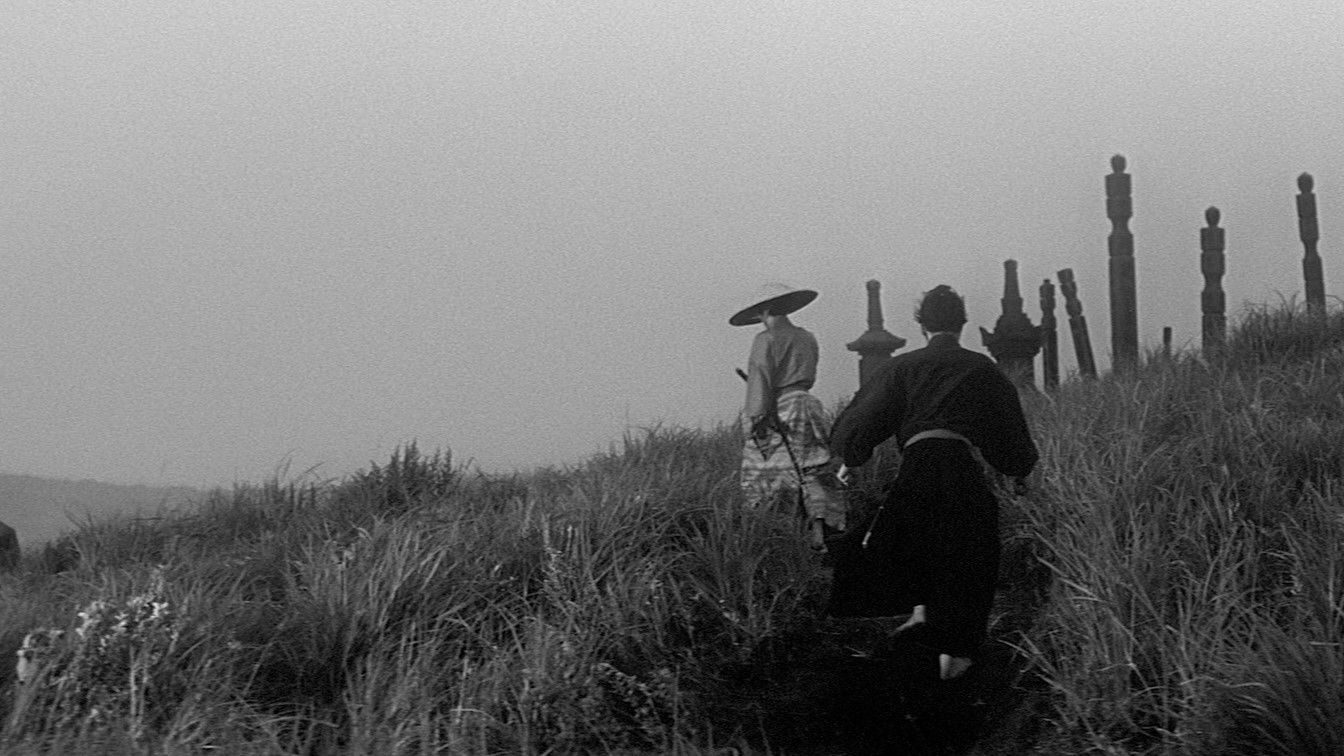
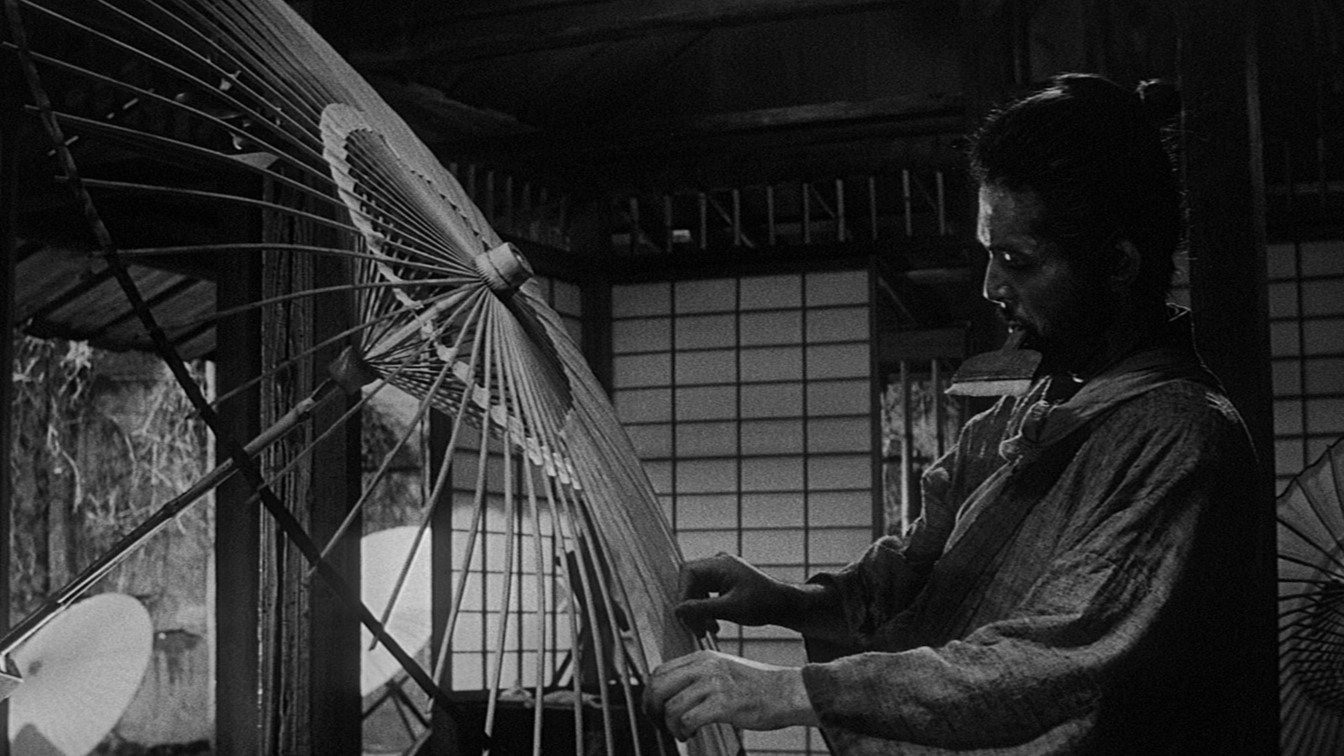
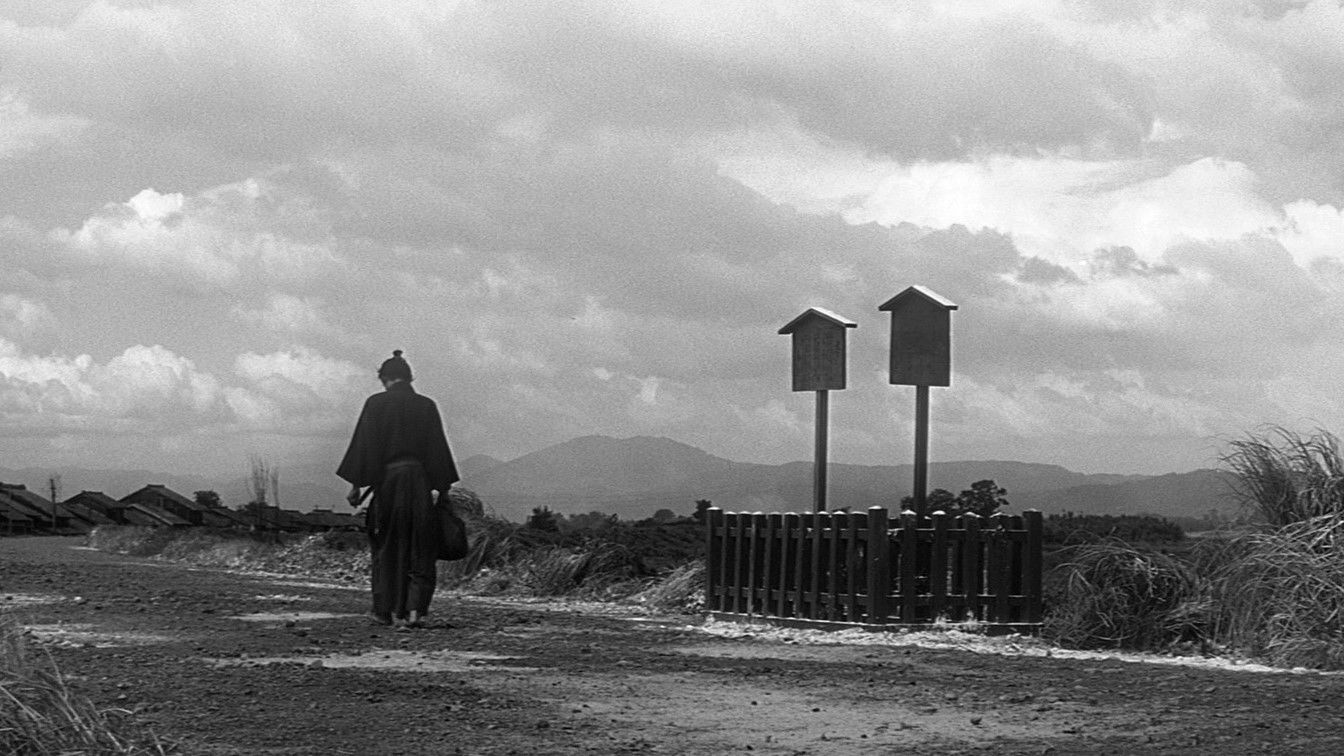
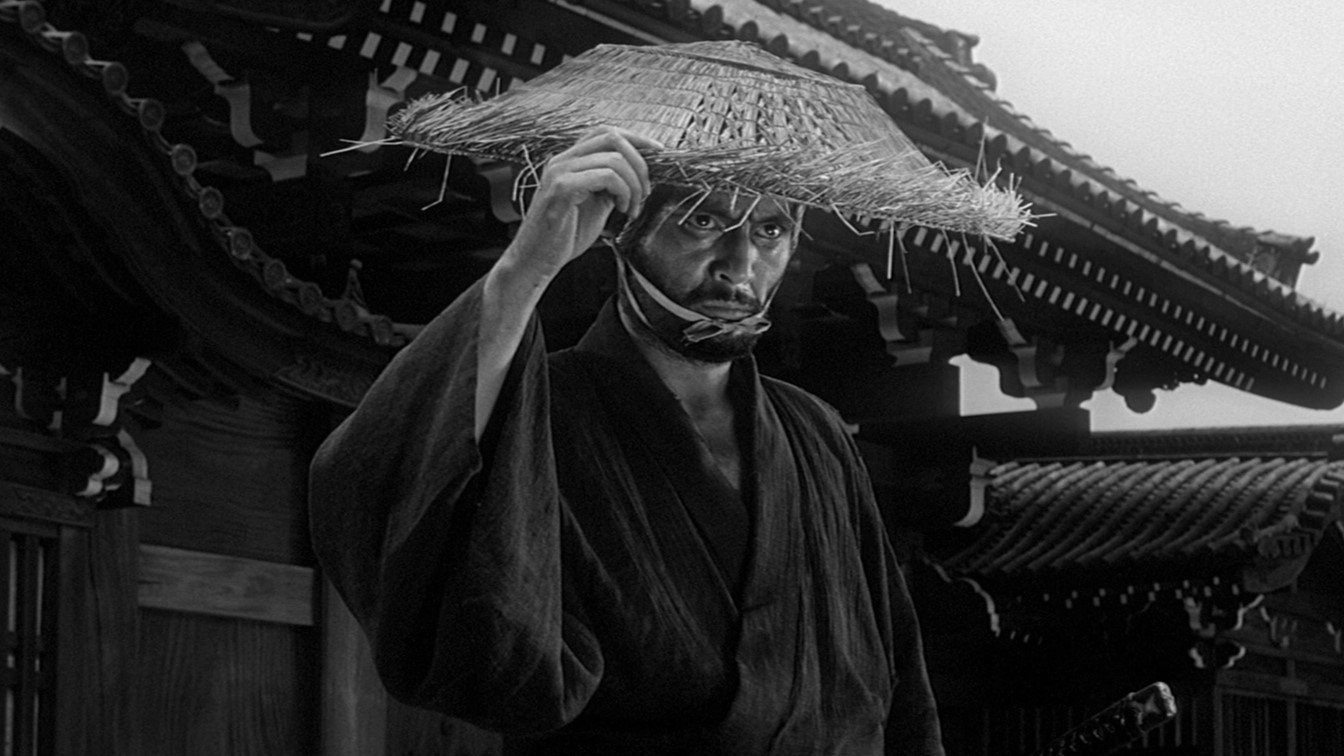
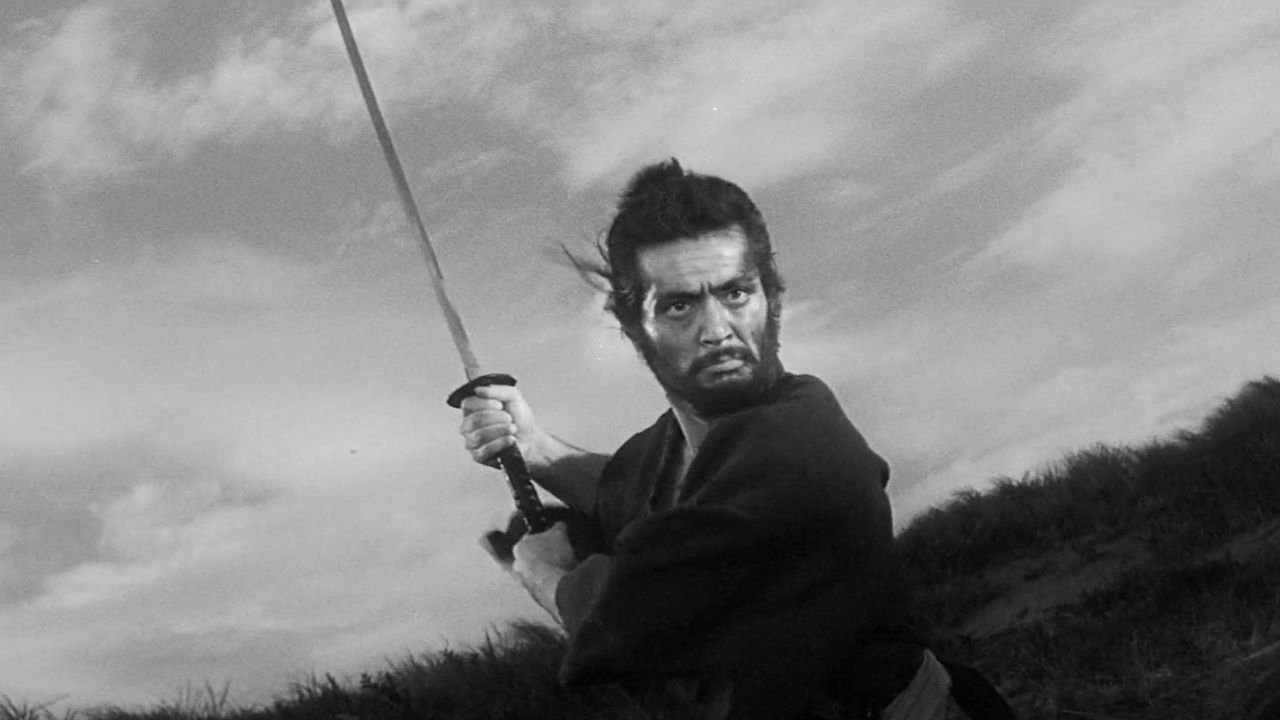
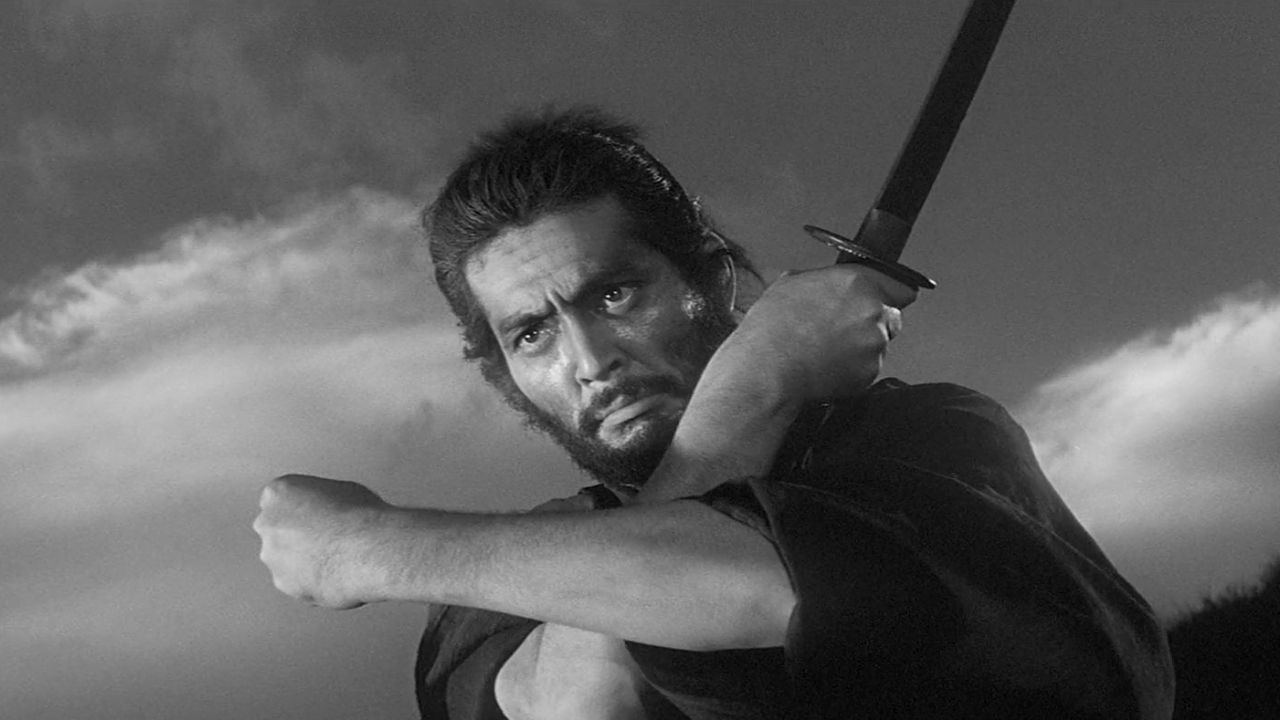
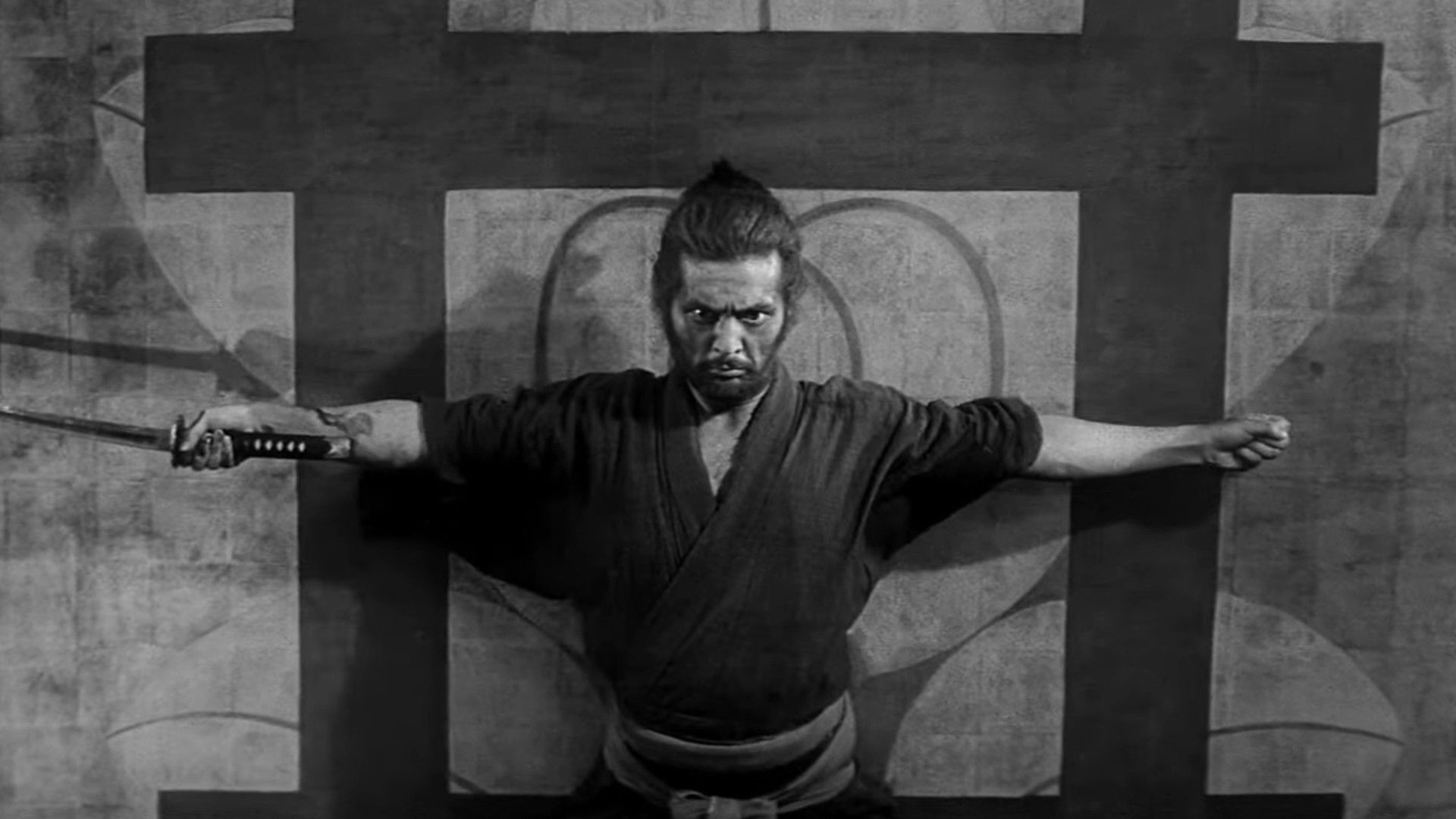
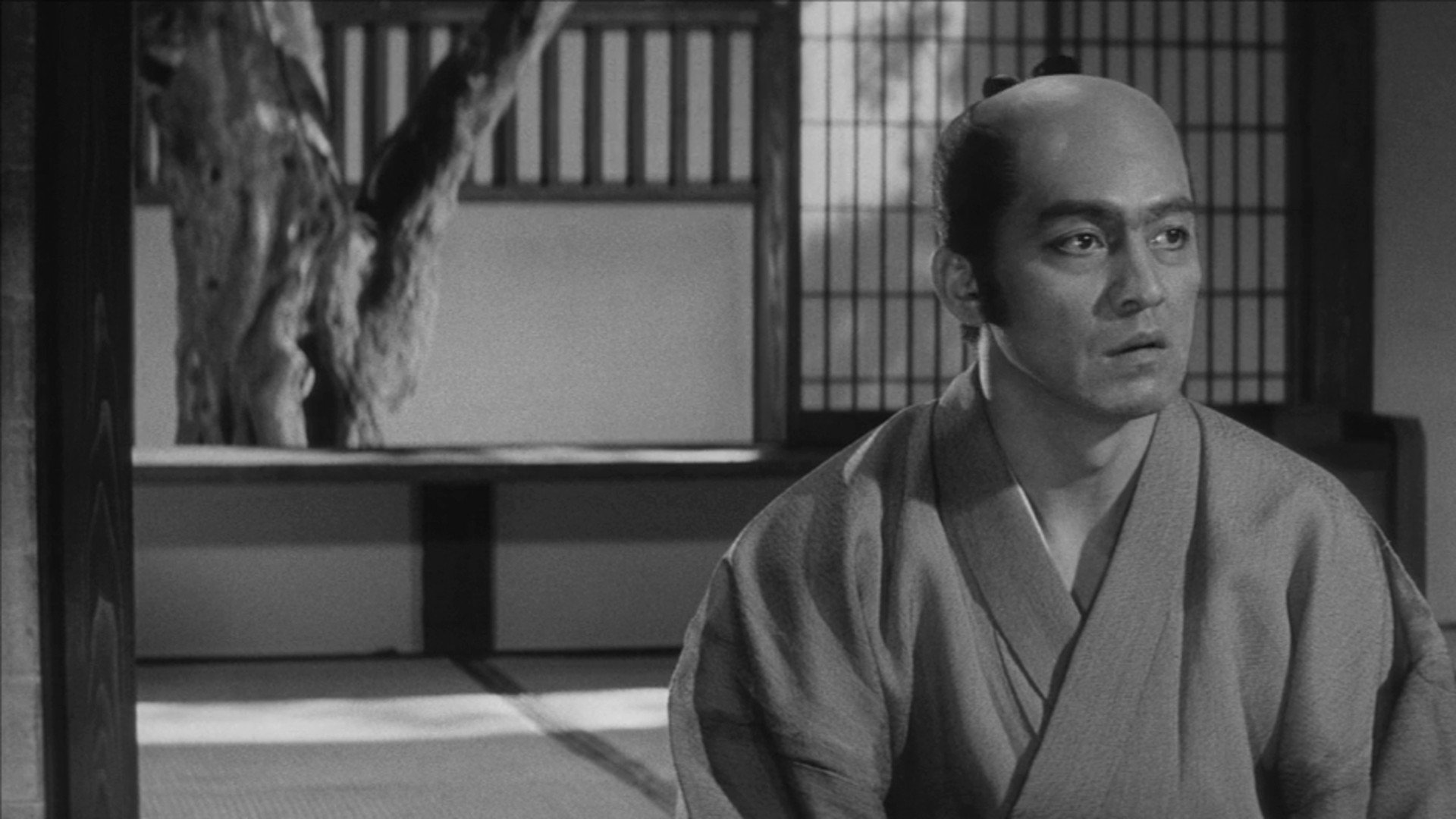
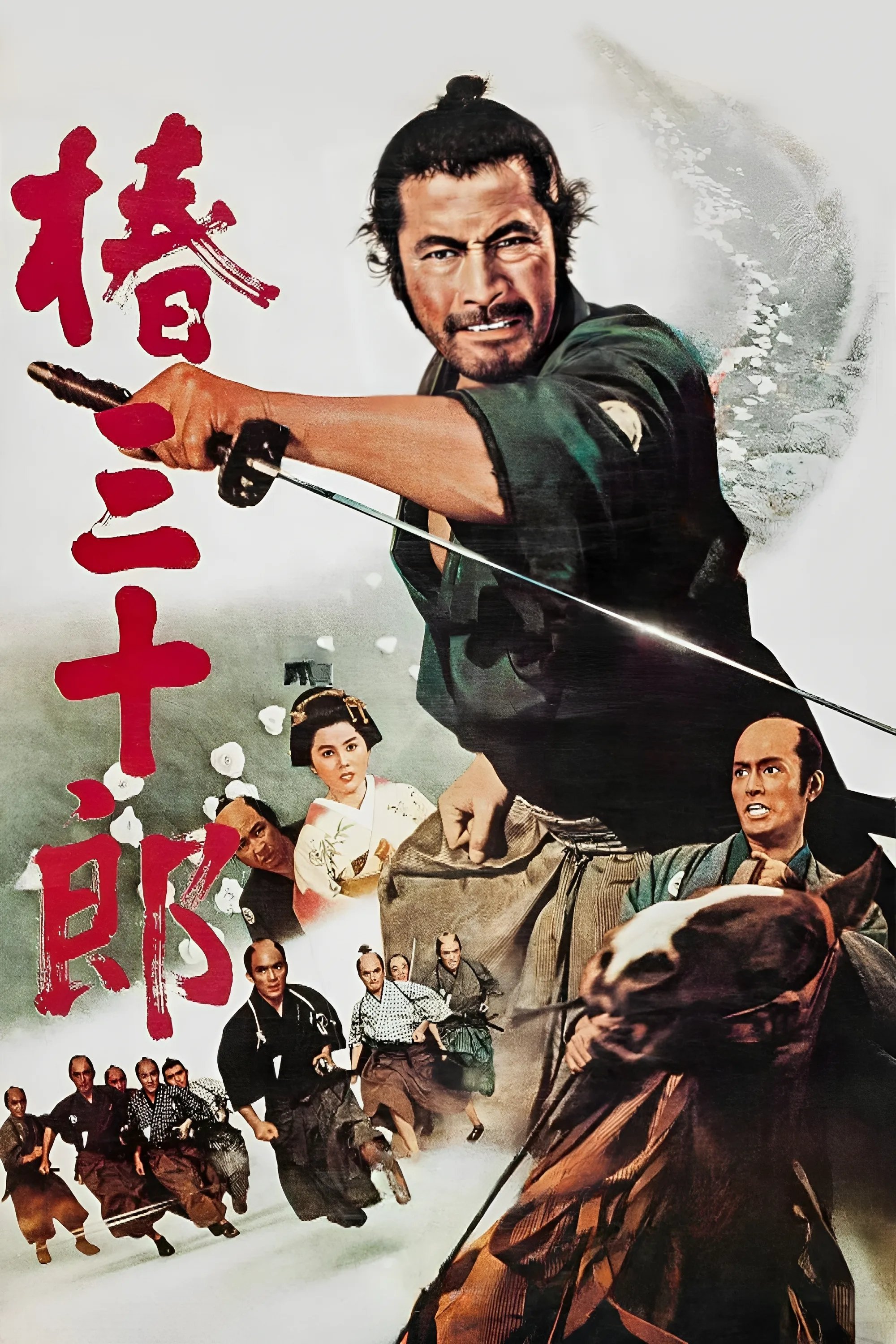
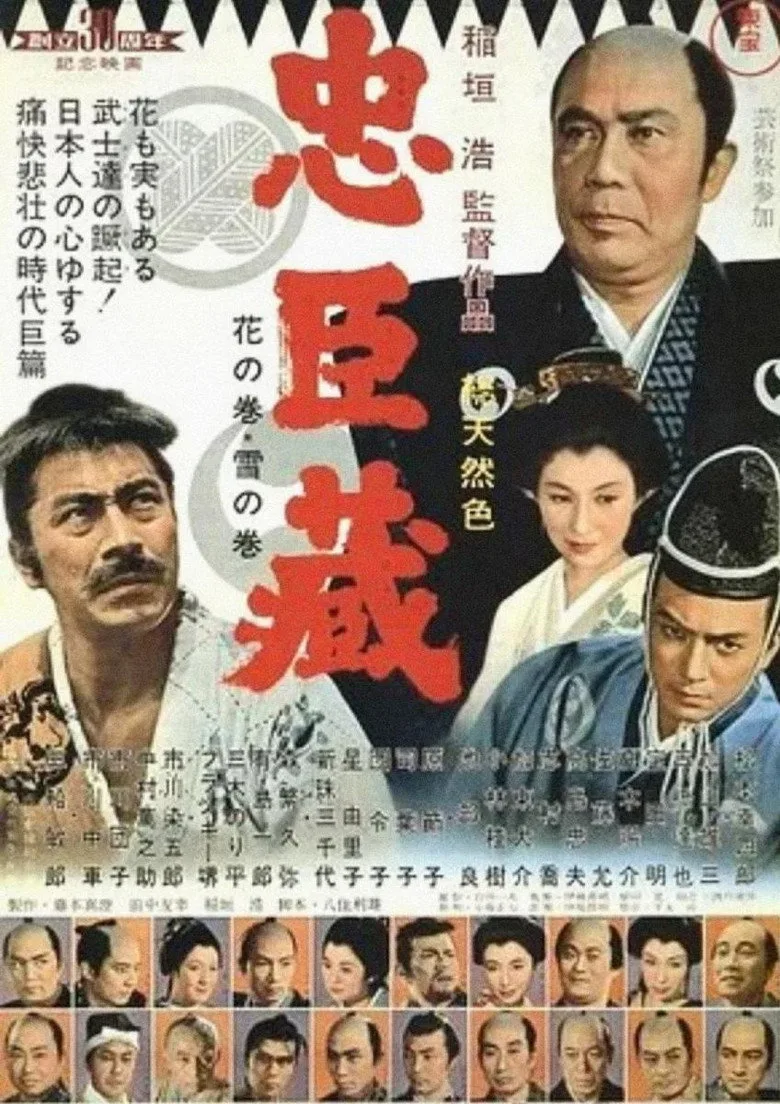
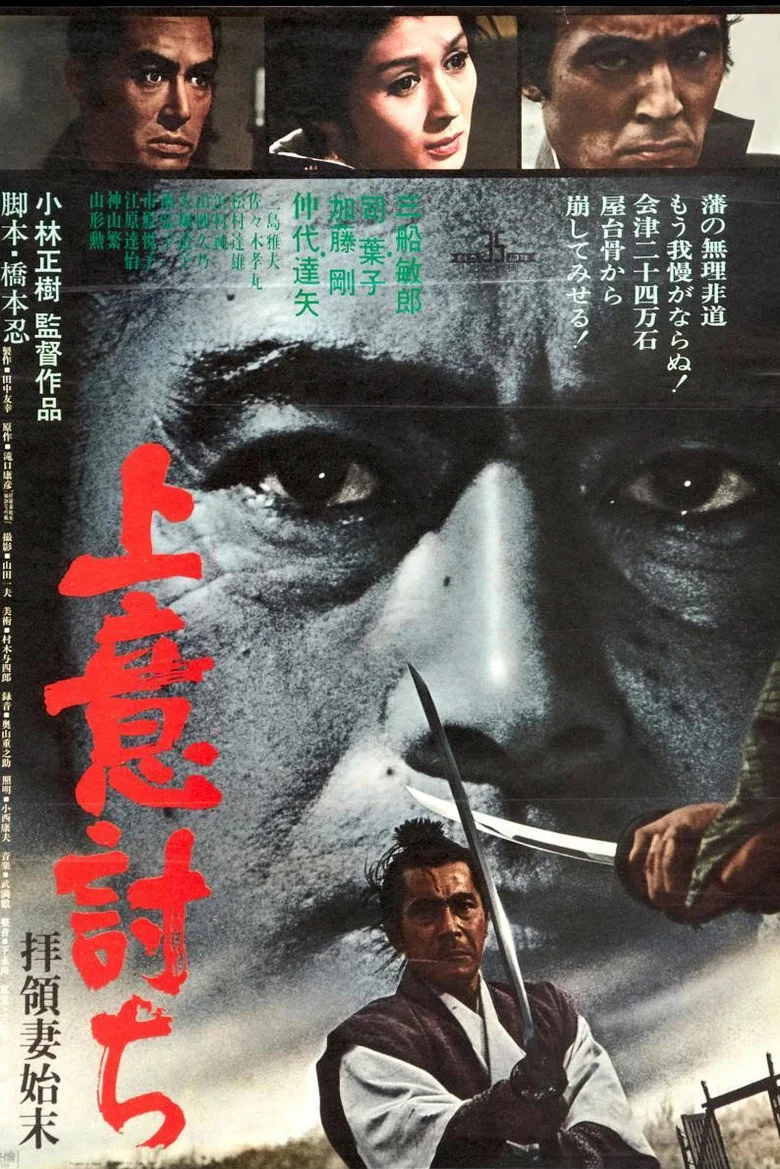
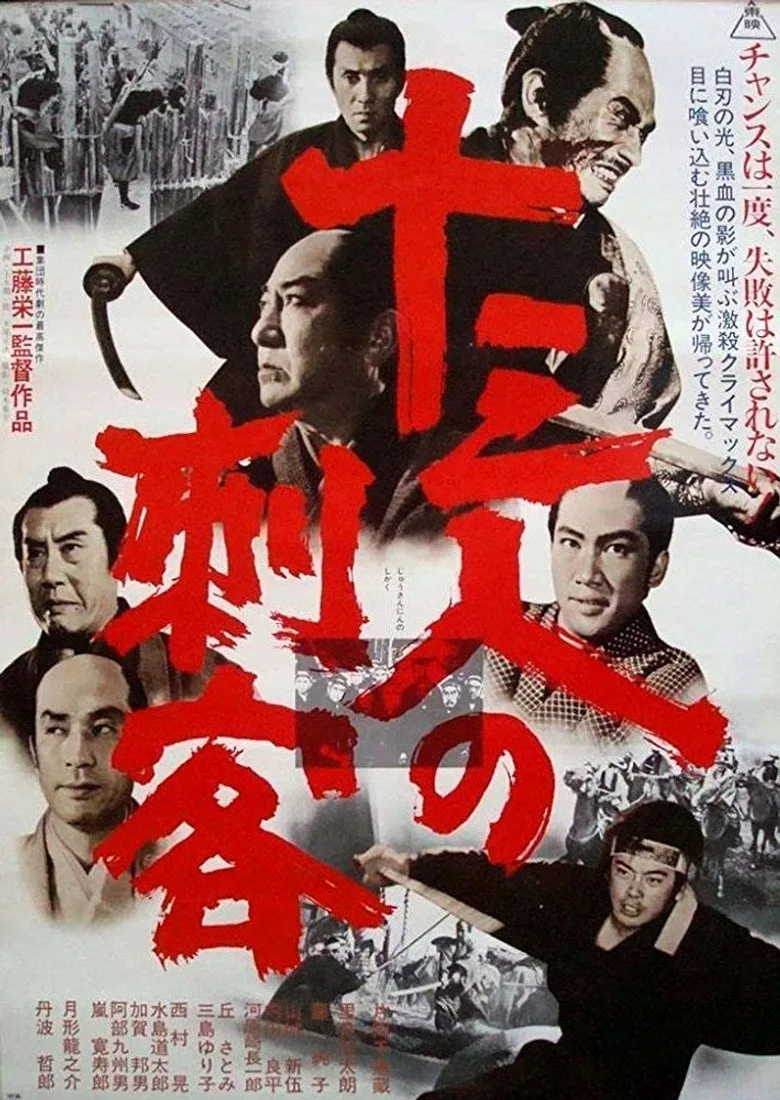
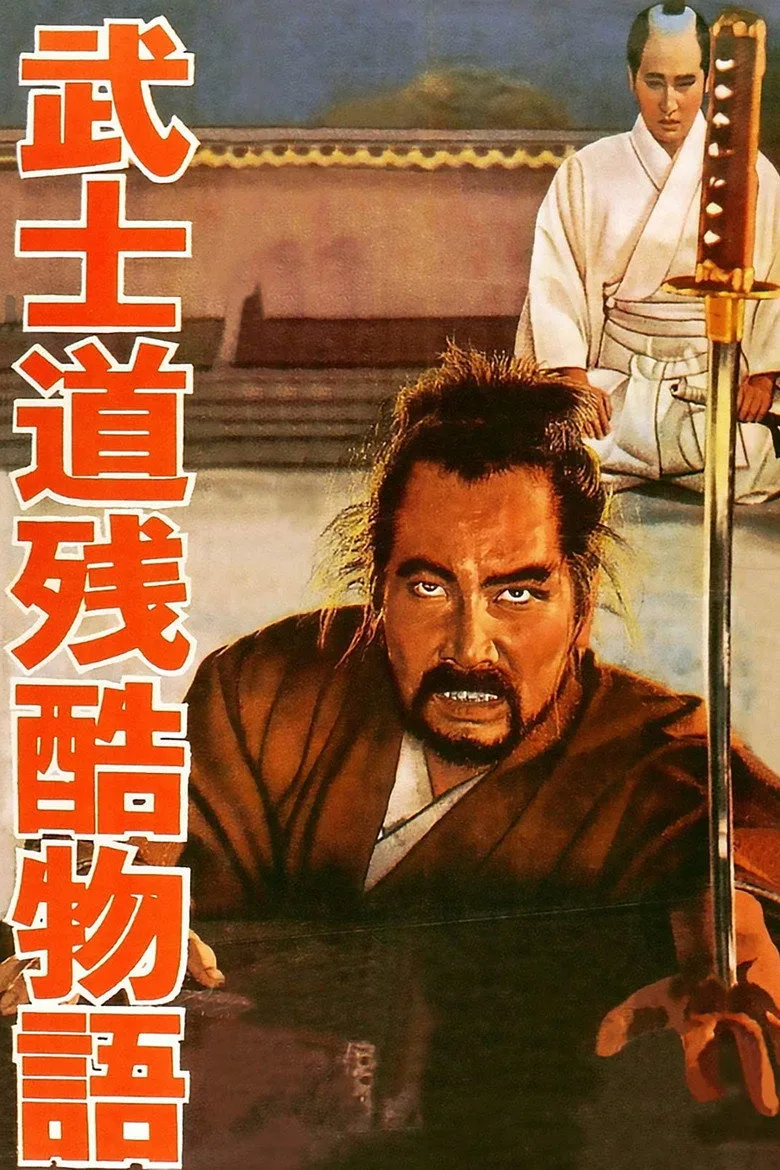
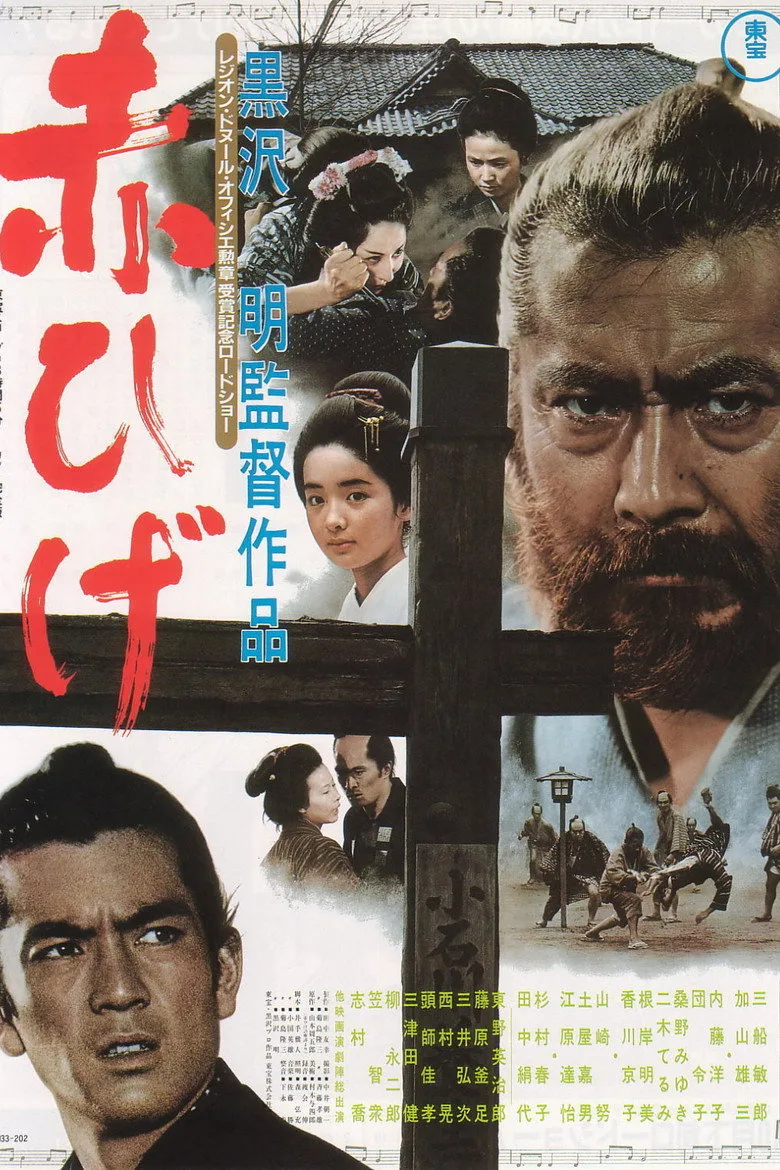
In 17th century Japan, as the years of war come to an end, the samurais find themselves out of work. The Ronin, who have been ground down by the monarchical system, are seen as mere remnants in times of peace and are committing harakiri one by one. In fact, due to hunger, they even abandon their honor, begging for money from those in power, threatening to commit harakiri at their doorsteps if their demands are not met. In such an environment, an old samurai named Hanshiro approaches a local lord and requests permission for a seppuku ceremony.
Overview
Harakiri (1962) - The Honor of a Samurai
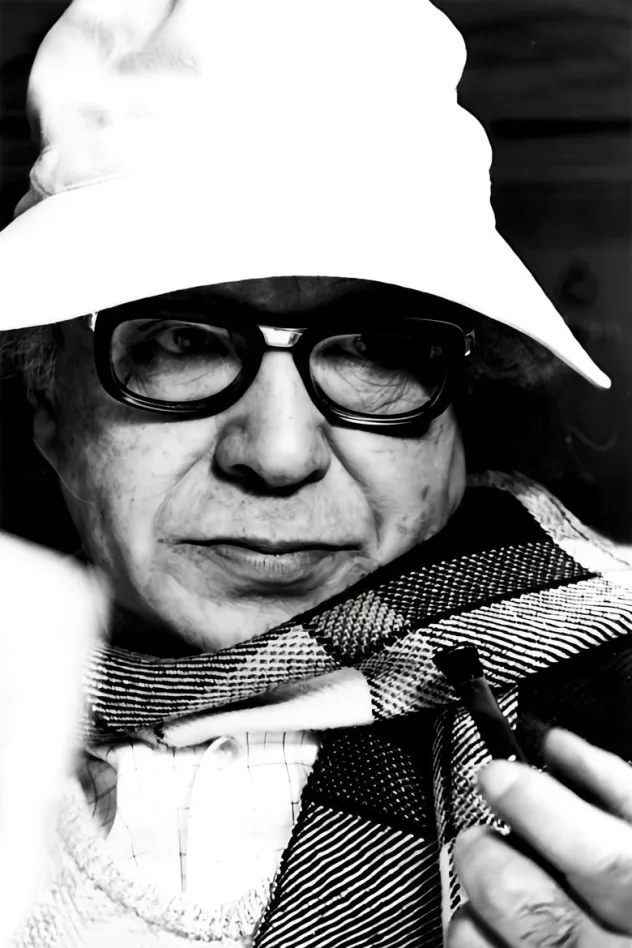
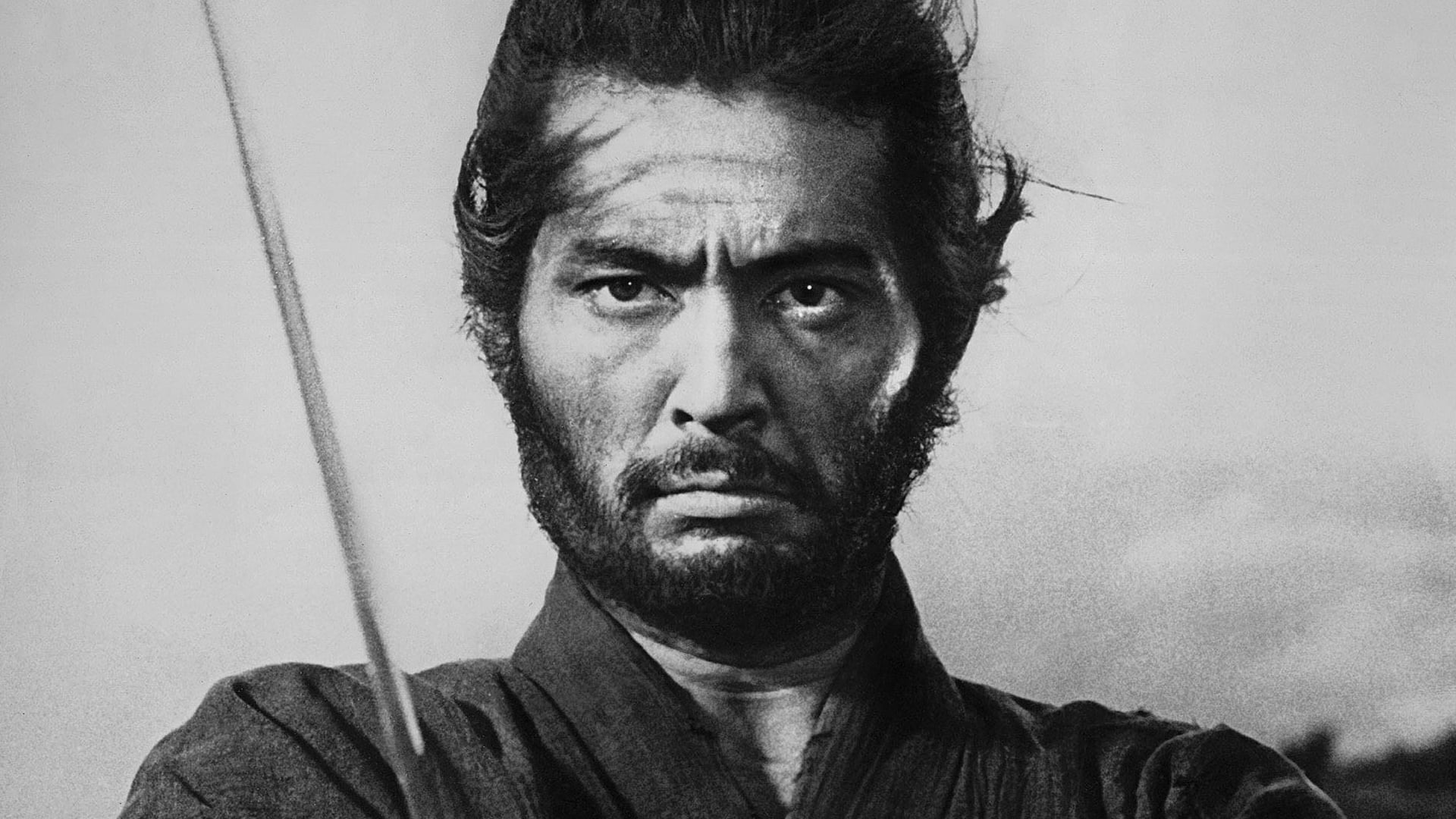
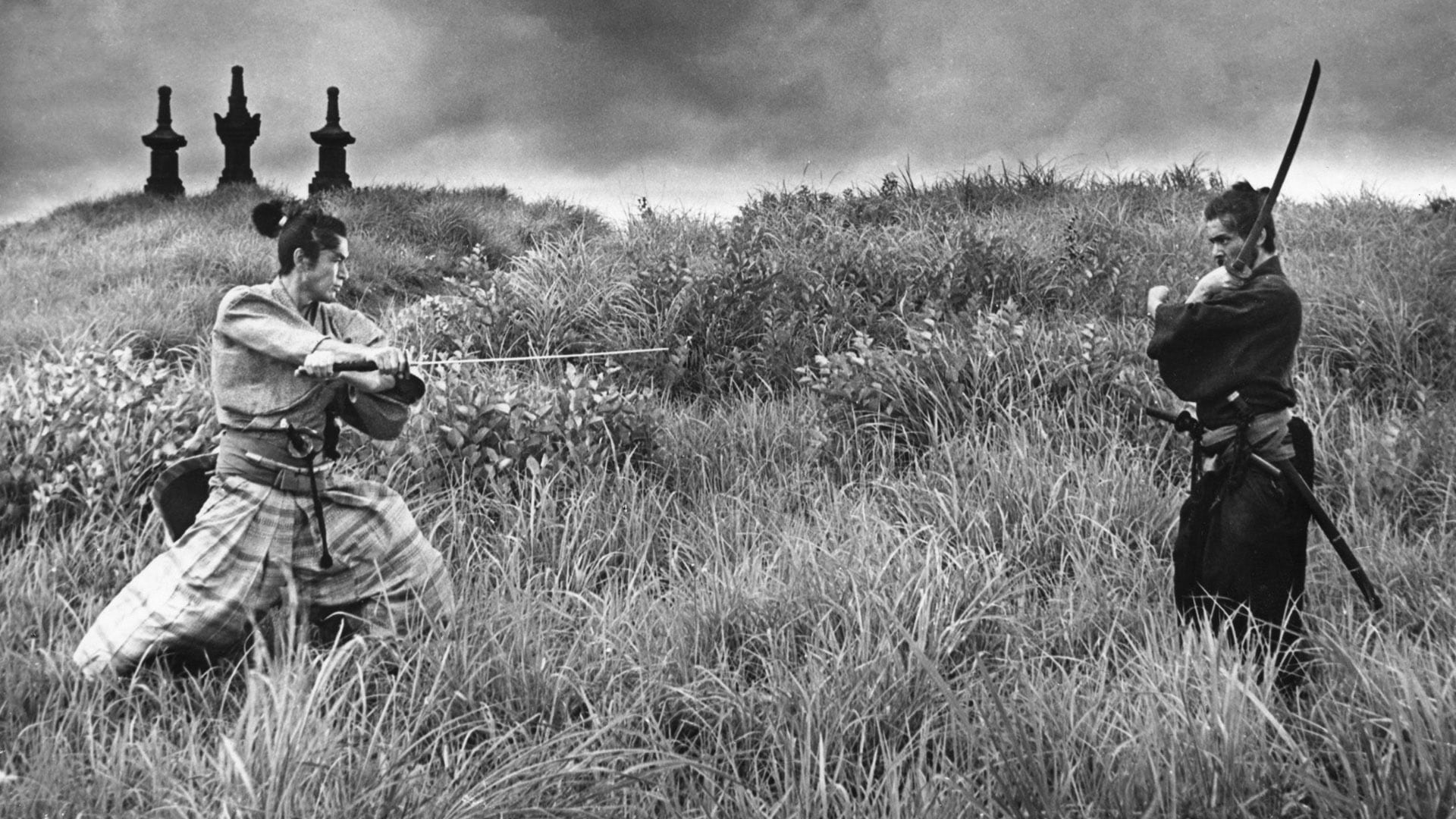
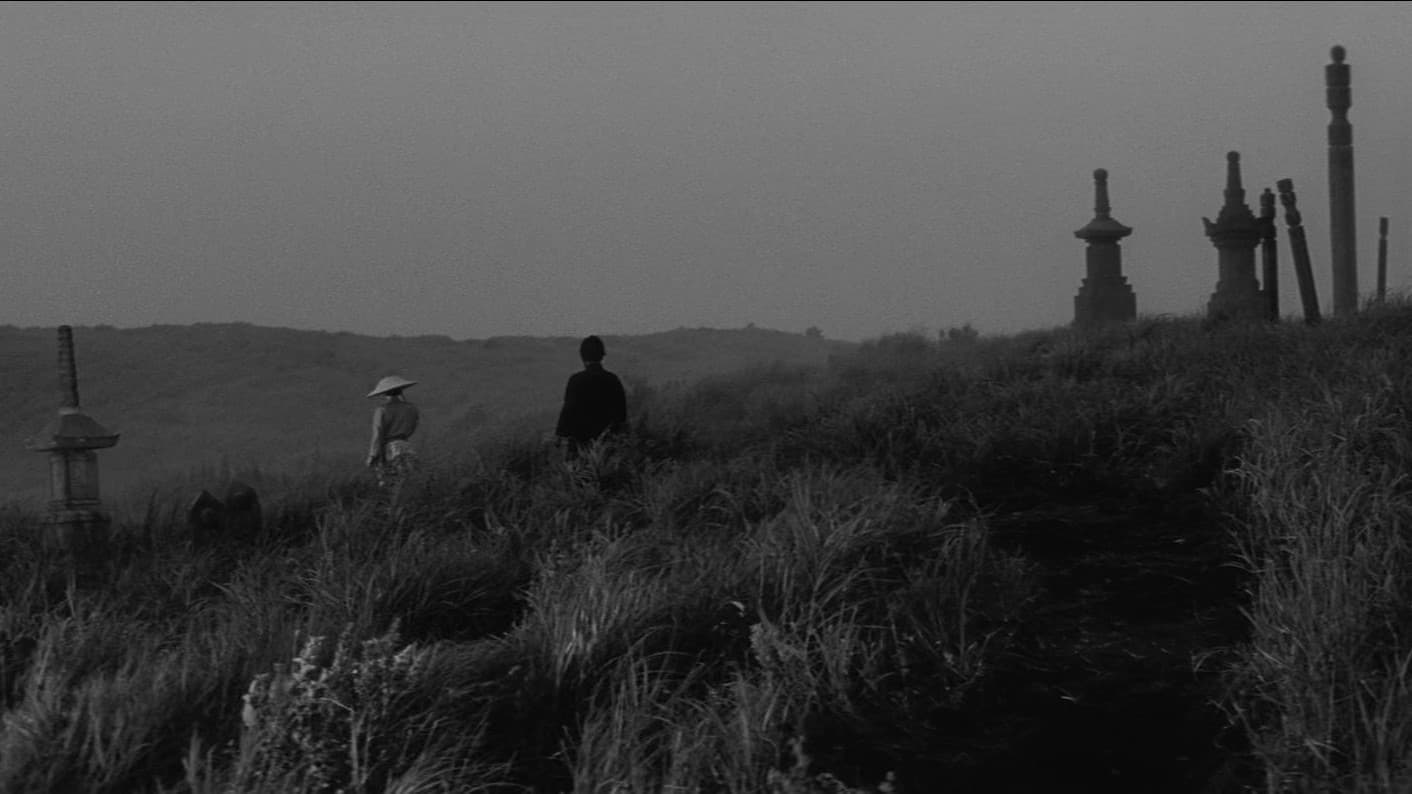
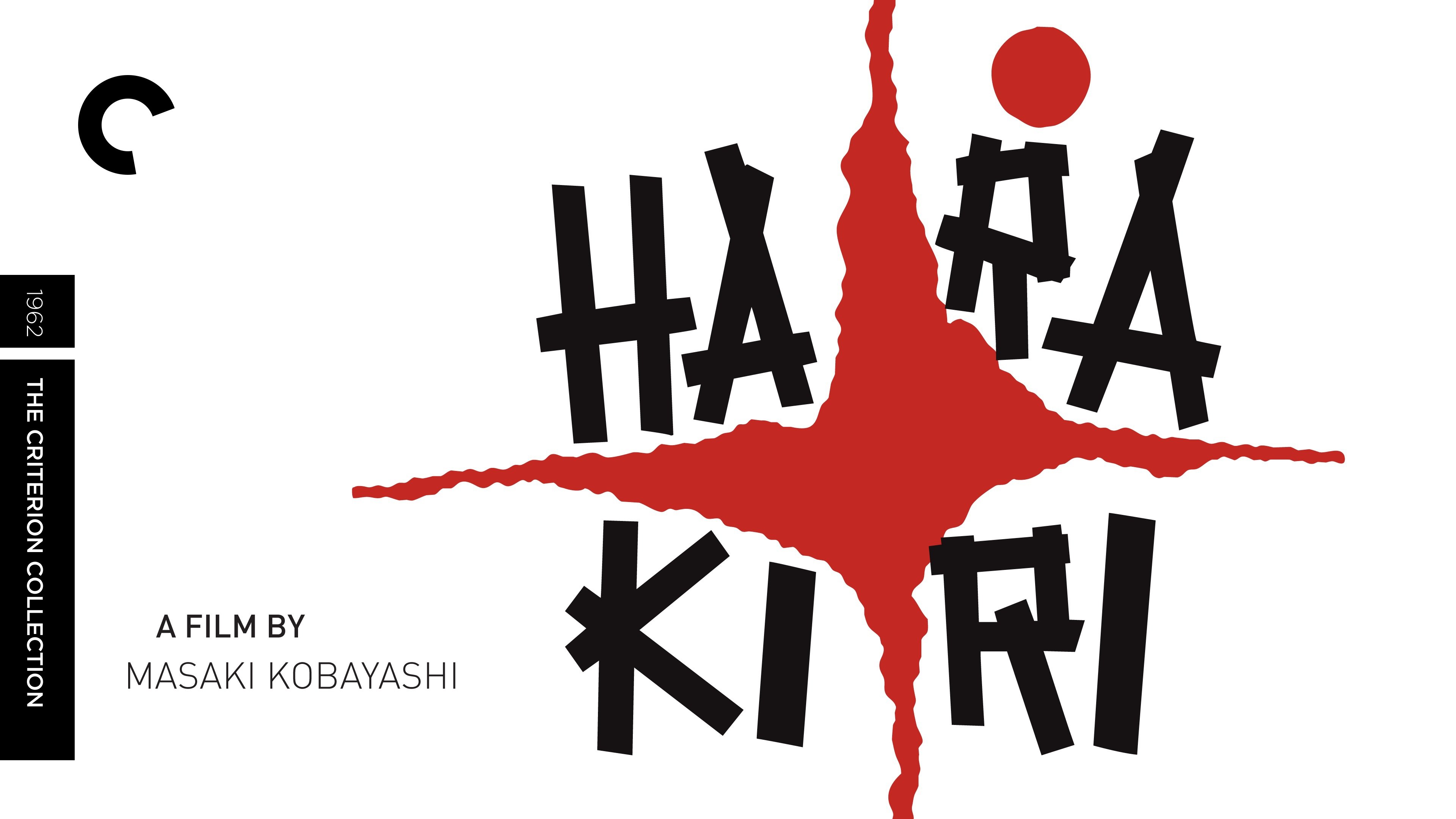
The 1962 film "Harakiri" is an unforgettable work by the famous Japanese director Masaki Kobayashi (小林正樹). The film presents a dramatic story set in 17th century Japan, featuring Tatsuya Nakadai's impressive performance as the character Hanshiro. This film reveals the conflict between the samurai's past warrior identities and their struggles for survival in contemporary life during a time when samurais are unemployed and their honor is questioned.
As for the plot, Hanshiro, an unemployed samurai, approaches a local lord and requests permission for a seppuku (harakiri) ceremony. However, this request unveils painful memories of the past and the samurai's efforts to preserve their honor. Hanshiro's courageous step prompts deep thoughts in the audience while laying the groundwork for questioning the samurai culture and the concept of honor. In this context, "Harakiri" not only tells a story but also presents a profound philosophical inquiry.
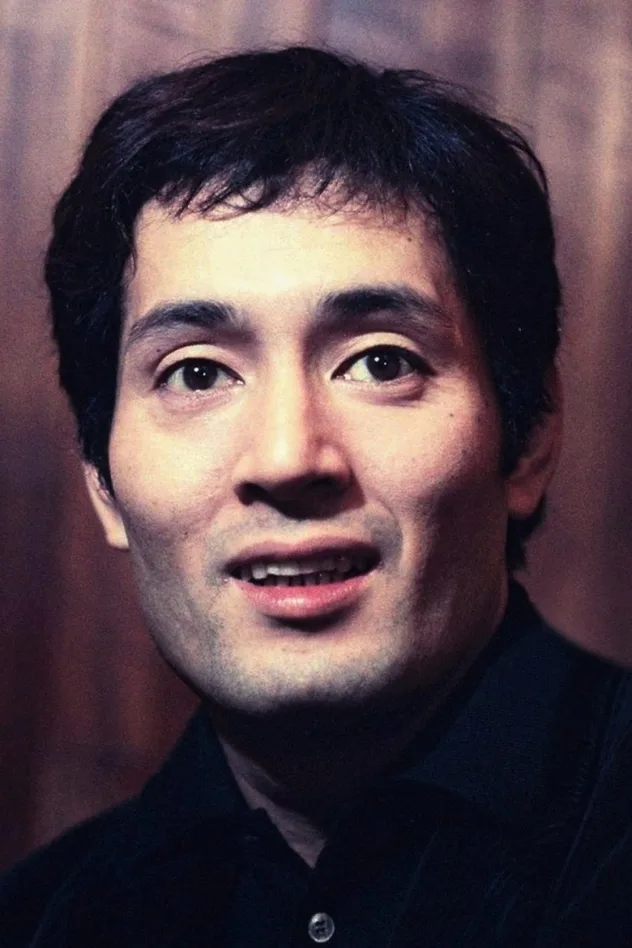
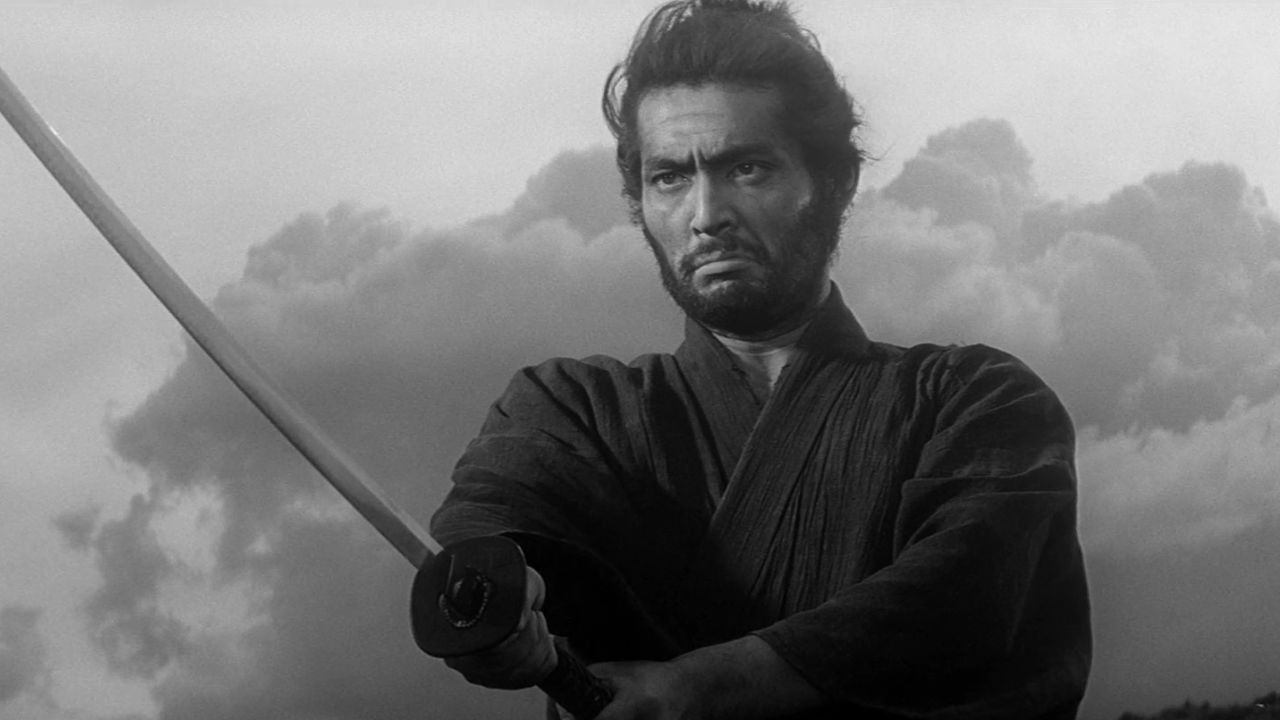
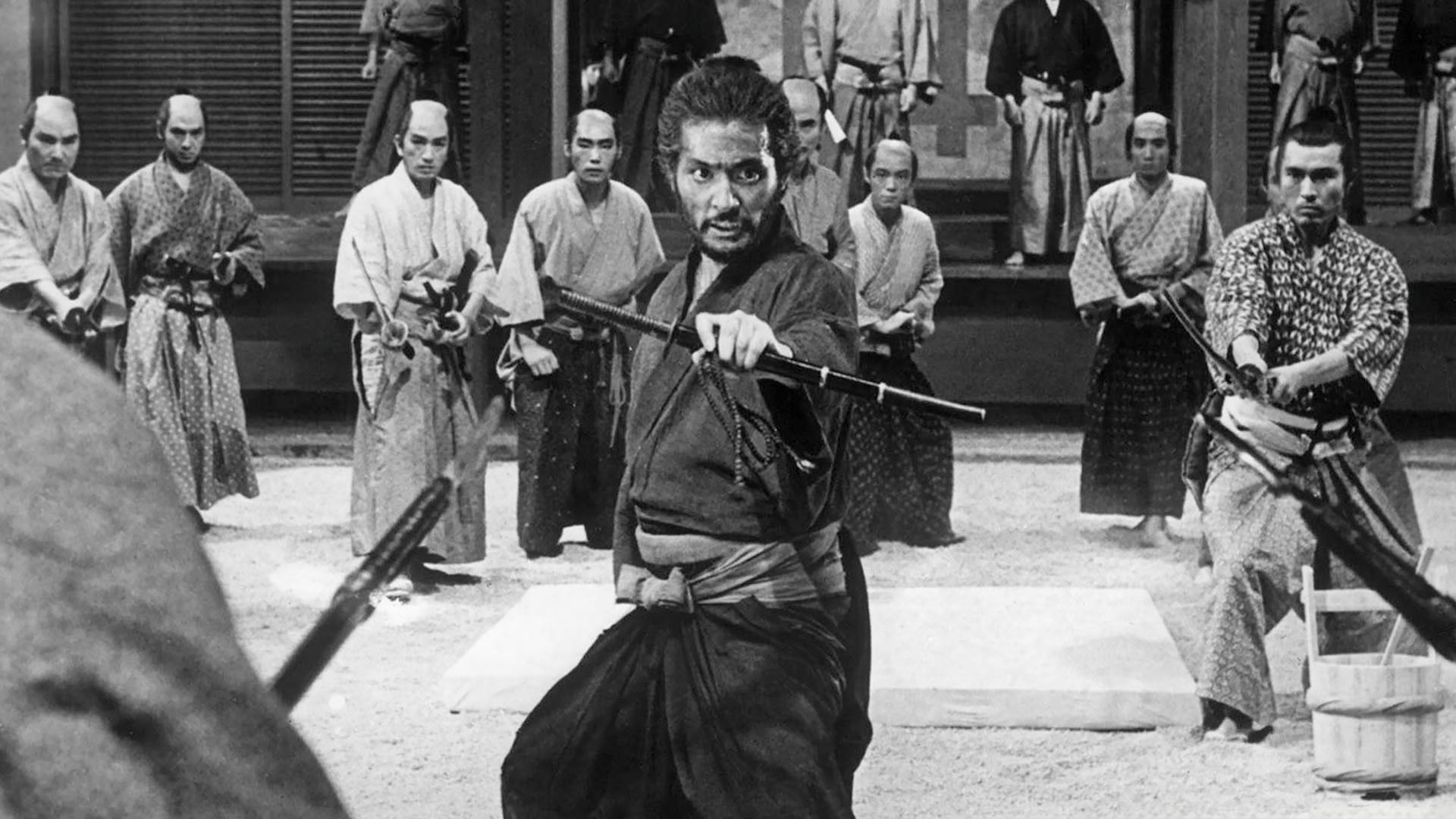
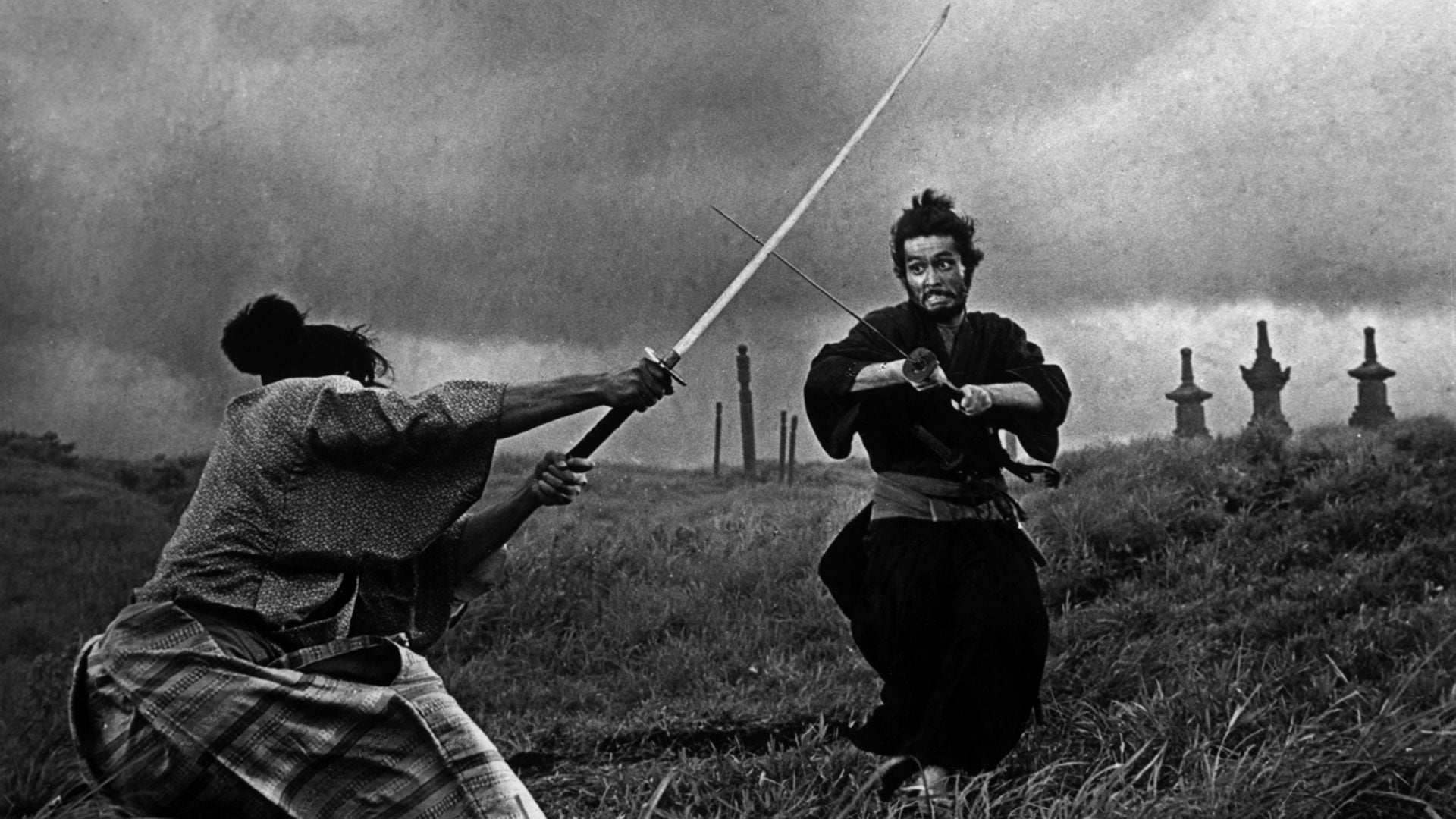
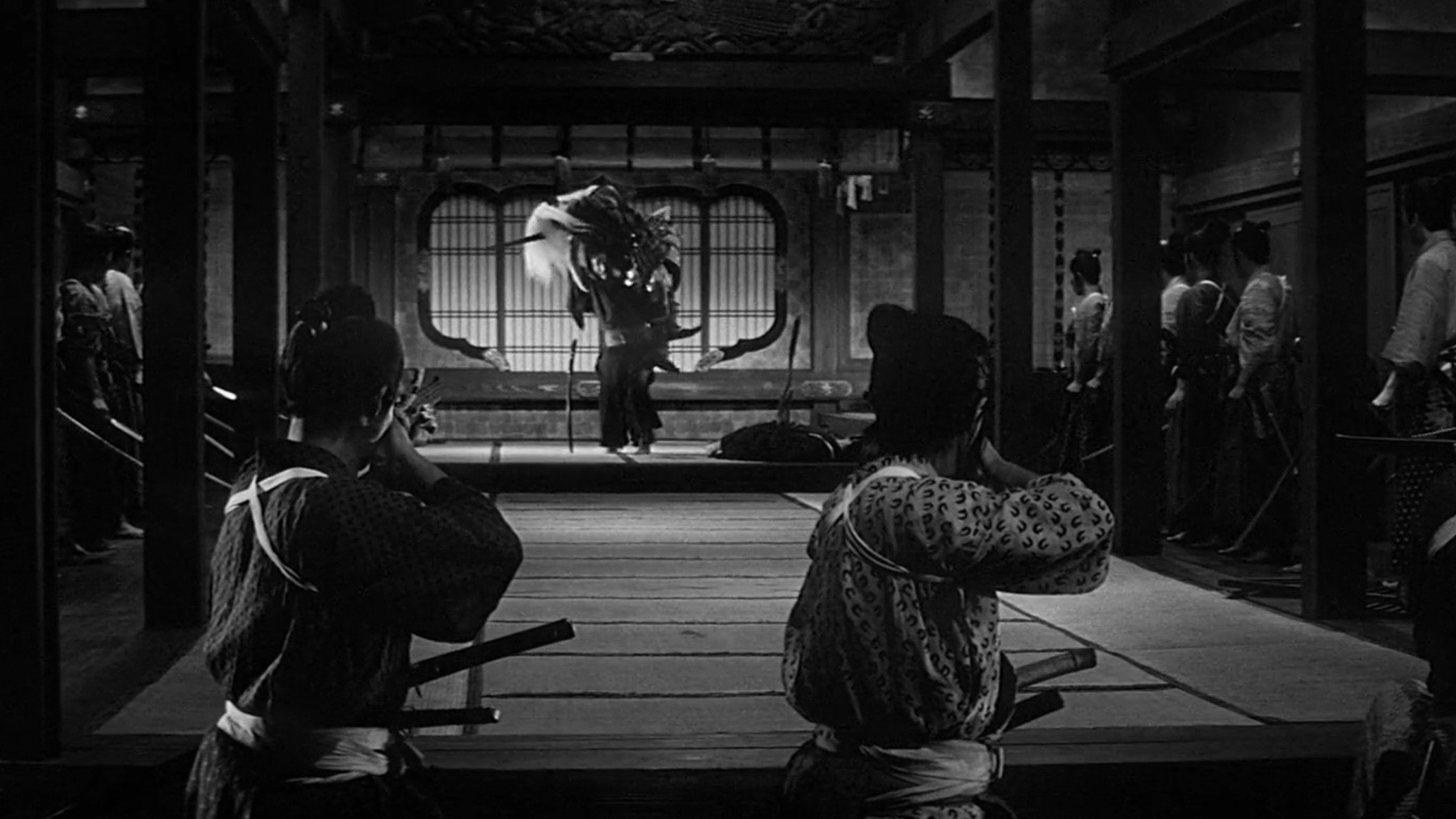
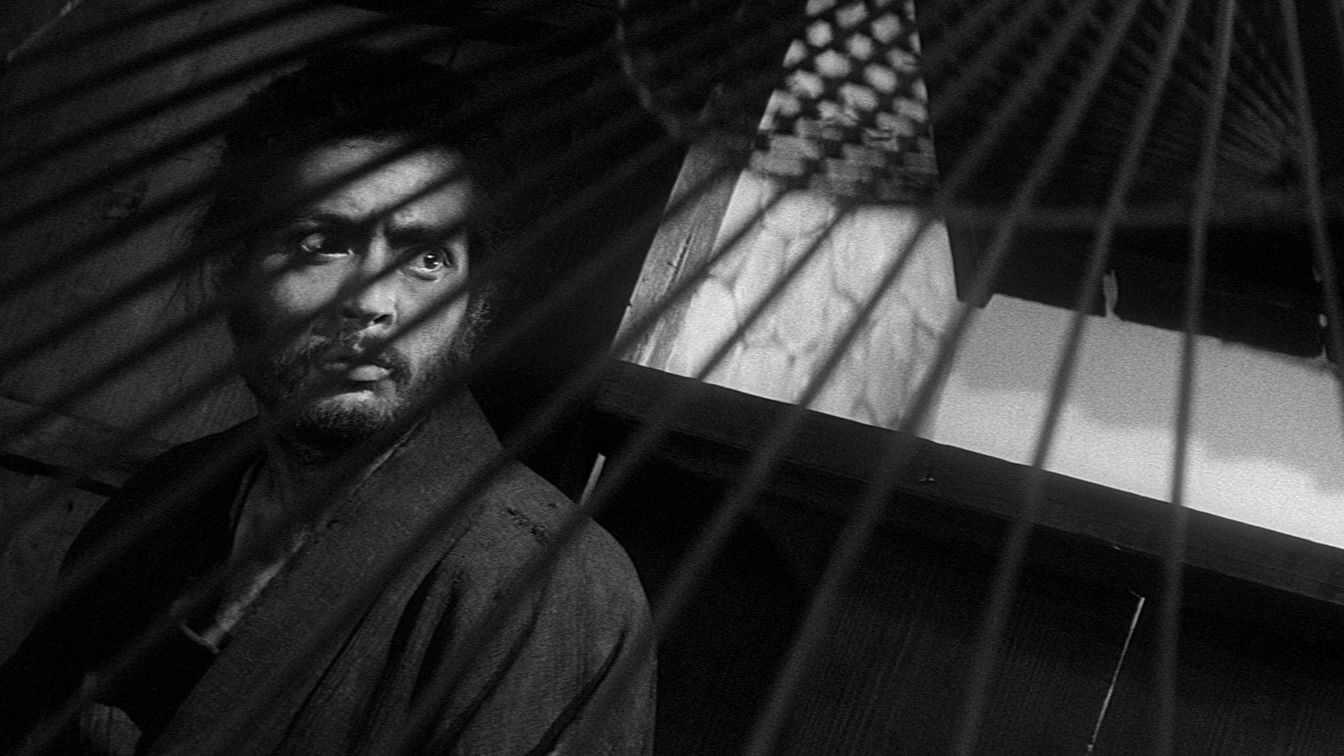
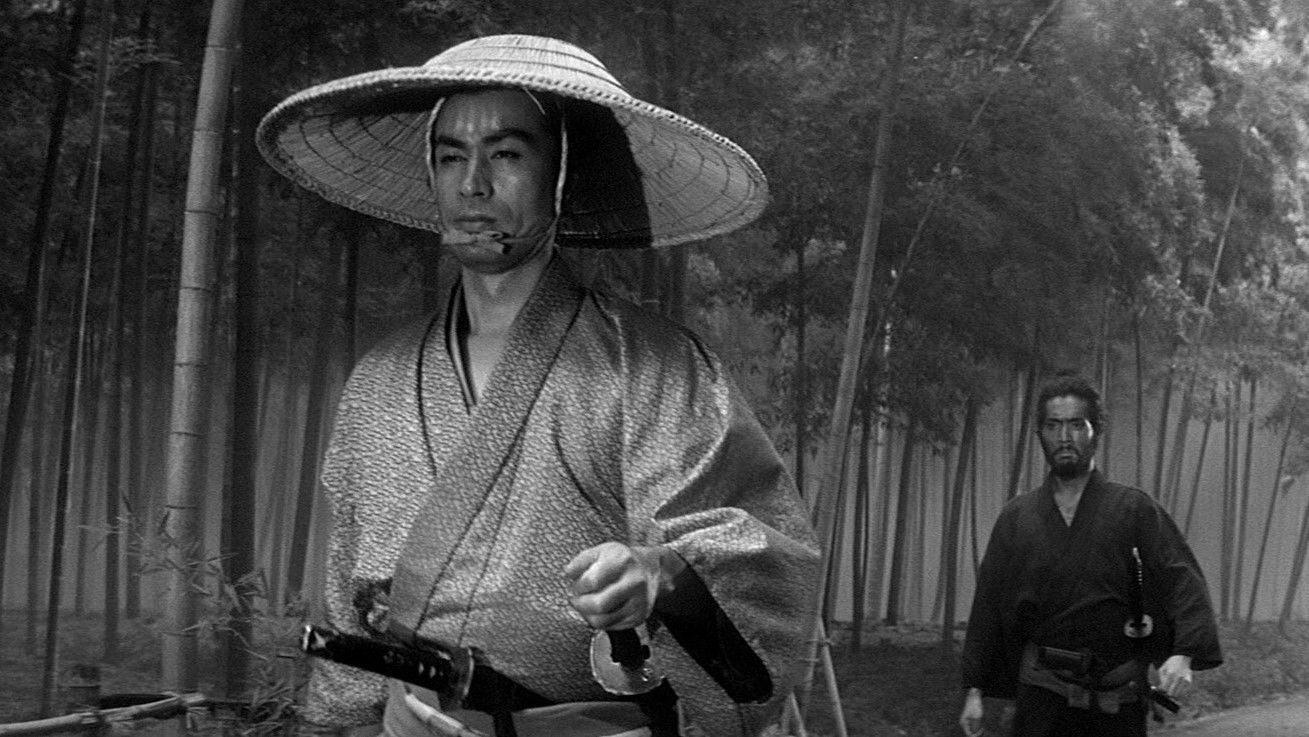
Masaki Kobayashi draws attention with his mastery in the film, highlighting character depths and visual presentations. Kobayashi's style is known for its simple yet impactful storytelling that emphasizes the characters' inner conflicts. Tatsuya Nakadai's performance as Hanshiro carries a deep emotional intensity that profoundly affects the audience. Nakadai perfectly reflects his character's inner contradictions, painting a portrait that questions the samurai's understanding of honor. Additionally, the performances of other actors in the film contribute to the story's credibility.
"Harakiri" goes beyond being just an action and drama film, offering a deep perspective on Japanese culture and samurai philosophy. The film provides viewers with an opportunity to question universal themes such as honor, suicide, and the struggle for life. Therefore, it is a must-watch for both cinema lovers and those interested in historical dramas. This film, which you can find by searching for "Harakiri watch," holds an important place in cinema history. To understand Masaki Kobayashi's (小林正樹) mastery and samurai culture, "Harakiri" is an experience not to be missed.
In conclusion, "Harakiri" stands out as a film that affects and provokes thought with its visuals and deep narrative. For anyone wishing to question the honor and struggle of samurais, this film is a masterpiece.
Why Watch?
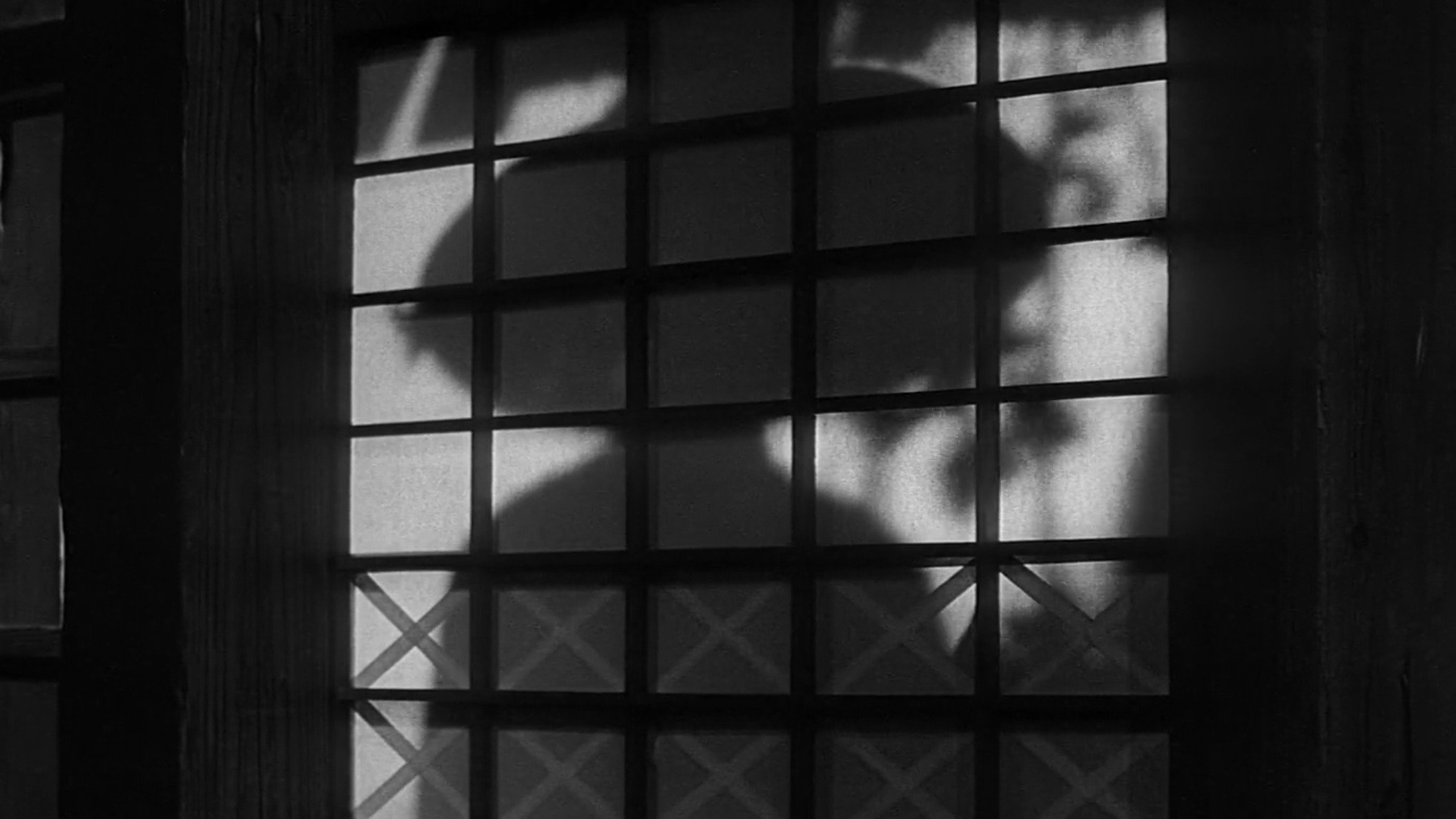
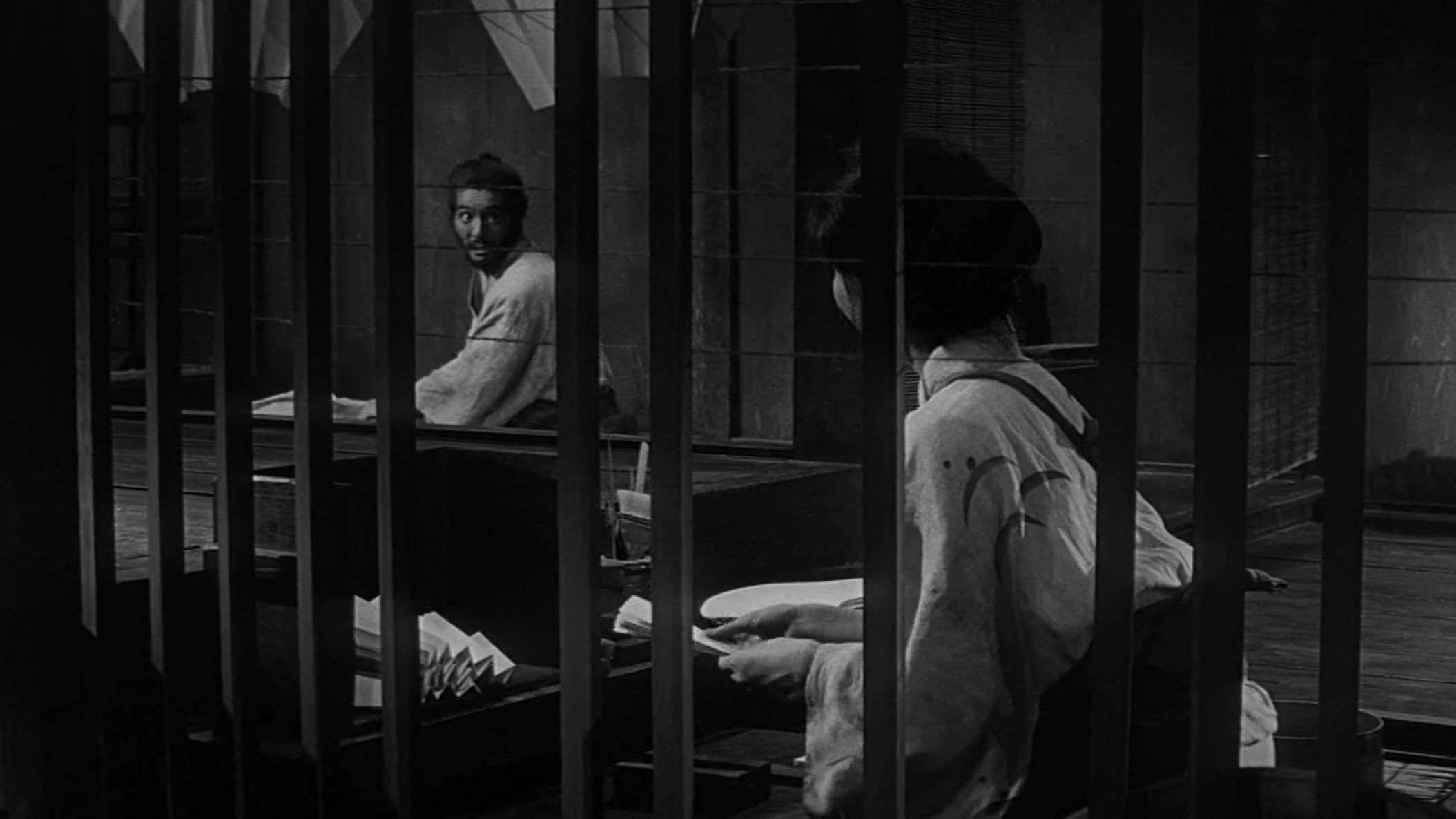
STRONG POINTS: It skillfully reflects Japanese culture with a deep and impactful story. It dazzles with its visual aesthetics and cinematography. It captivates the audience with character depth and emotional intensity.
WHO IT APPEALS TO: It appeals to viewers seeking emotional depth, those who enjoy culturally rich films, and those interested in dramatic productions.
EXPECTATION MANAGEMENT: Viewers who prefer action-packed and fast-paced films may not enjoy this production.
Frequently Asked Questions
What is the plot of Harakiri?
Harakiri tells the story of a samurai in the Edo period who commits suicide to preserve his honor. The film deeply explores the social and cultural dynamics behind suicide.
Is Harakiri based on a true story?
Yes, Harakiri is based on real suicide rituals and the understanding of honor in Japanese samurai culture. However, the events in the film contain a fictional narrative.
Where can I watch Harakiri?
Harakiri is being screened in various digital platforms and some cinemas. It is also available for purchase in DVD or Blu-ray format.
How long is Harakiri?
The runtime of Harakiri is 135 minutes.
What does the ending of Harakiri mean?
The film's ending emphasizes the complex relationship between honor and suicide. The character's choice presents a deep inquiry into societal norms and individual values.
What year was Harakiri released?
Harakiri was released in 1962.
Is Harakiri worth watching?
Yes, Harakiri is worth watching for its profound storytelling and impressive visuals. The film skillfully addresses themes of samurai culture and honor.