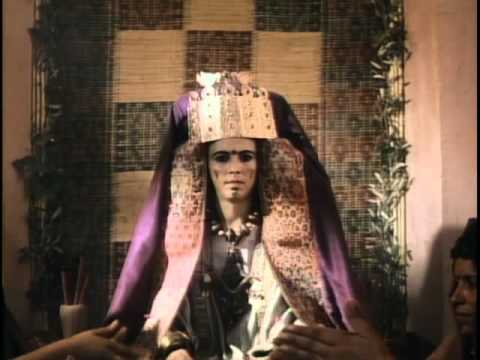



Last Temptation of Christ (1988) is a bold drama film directed by the famous filmmaker Martin Scorsese, holding an important place in the world of cinema. Featuring master actors such as Willem Dafoe, Harvey Keitel, Paul Greco, Steve Shill, and Verna Bloom, this film offers a simple yet profound perspective on the history of Christianity, away from the classic Hollywood viewpoint. Released in 1988, the film is adapted from Kazantzakis's novel of the same name, placing it at the center of both literary and cinematic discussions.
The plot focuses on the last days of Jesus, questioning his inner conflicts and the sacrifices he made for humanity. Scorsese presents a deep intellectual journey to the audience while addressing religious themes in this film. Viewers have the opportunity to observe the significance of Jesus for humanity and the challenges he faced. The screenplay is filled with elements that directly affect, provoke thought, and question the audience. However, the film does not shy away from disturbing the audience while addressing these themes, making it a controversial work.
Martin Scorsese's directorial style is felt throughout the film. His mastery in character depth and atmosphere creation is one of the most striking elements of "Last Temptation of Christ." Willem Dafoe's performance as Jesus offers a credible and emotionally deep interpretation. Harvey Keitel delivers a strong performance while portraying another significant character in the film. The performances of these two actors bring the audience closer to the emotional journeys of the characters.
"Last Temptation of Christ" is more than just a film; it is a work that contains deep thoughts about religion and humanity, securing an important place in cinema history. The protests and bans experienced during the film's screening demonstrate how radical a work it is. Viewers will not only listen to a story while watching this film but will also be prompted to think about the meaning of religion and humanity. This work, which holds an important place in Martin Scorsese's filmography, is definitely worth watching, especially for its deep and bold themes. For those looking for a work that questions religious and human issues, "Last Temptation of Christ" is a must-watch film.
In conclusion, "Last Temptation of Christ" is an important work in both cinema and literature, offering viewers deep philosophical thoughts and securing its place among the must-watch Martin Scorsese films. To learn more about the film, you can research "Last Temptation of Christ plot" and immediately consider the option to "watch Last Temptation of Christ."