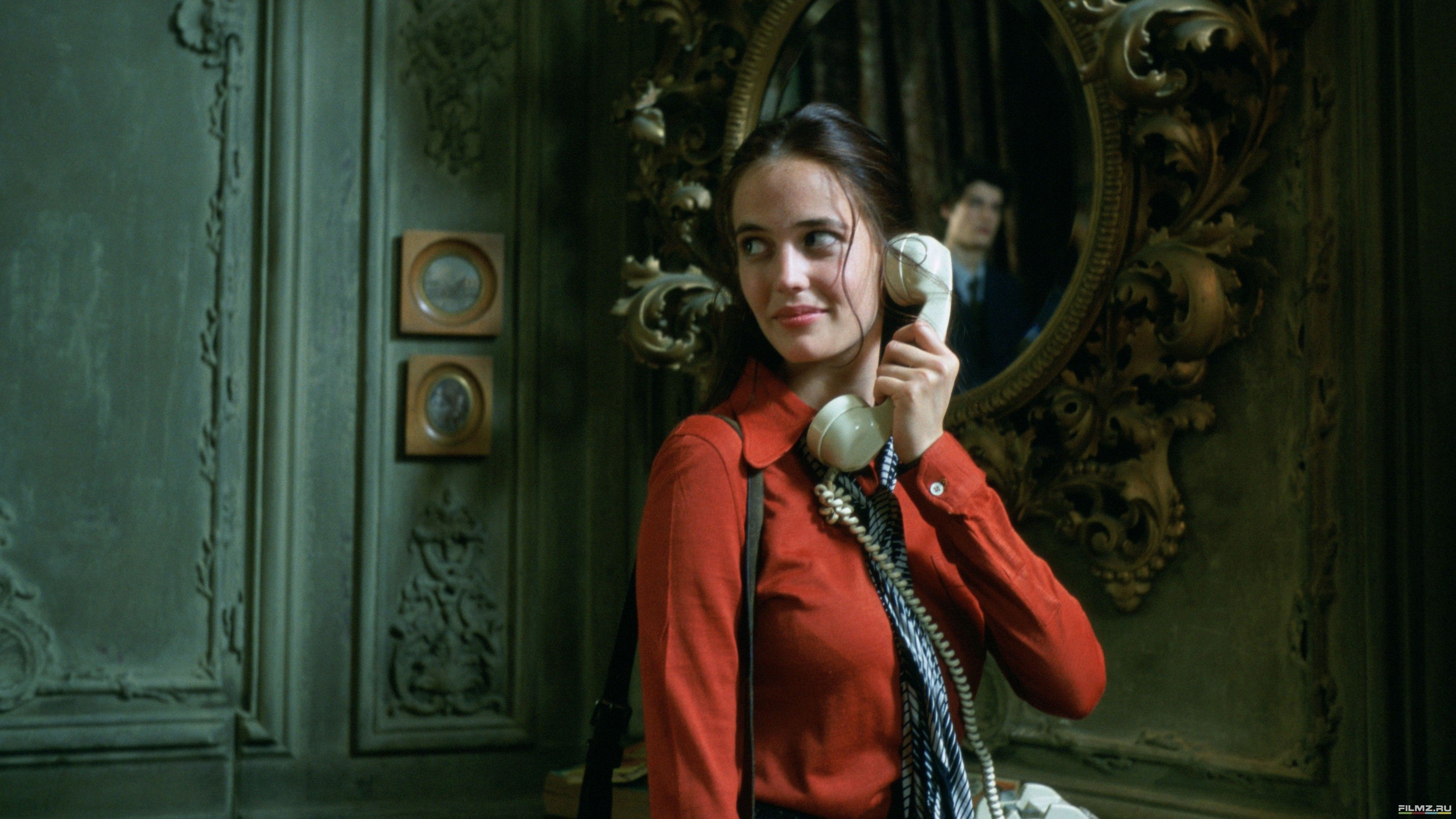
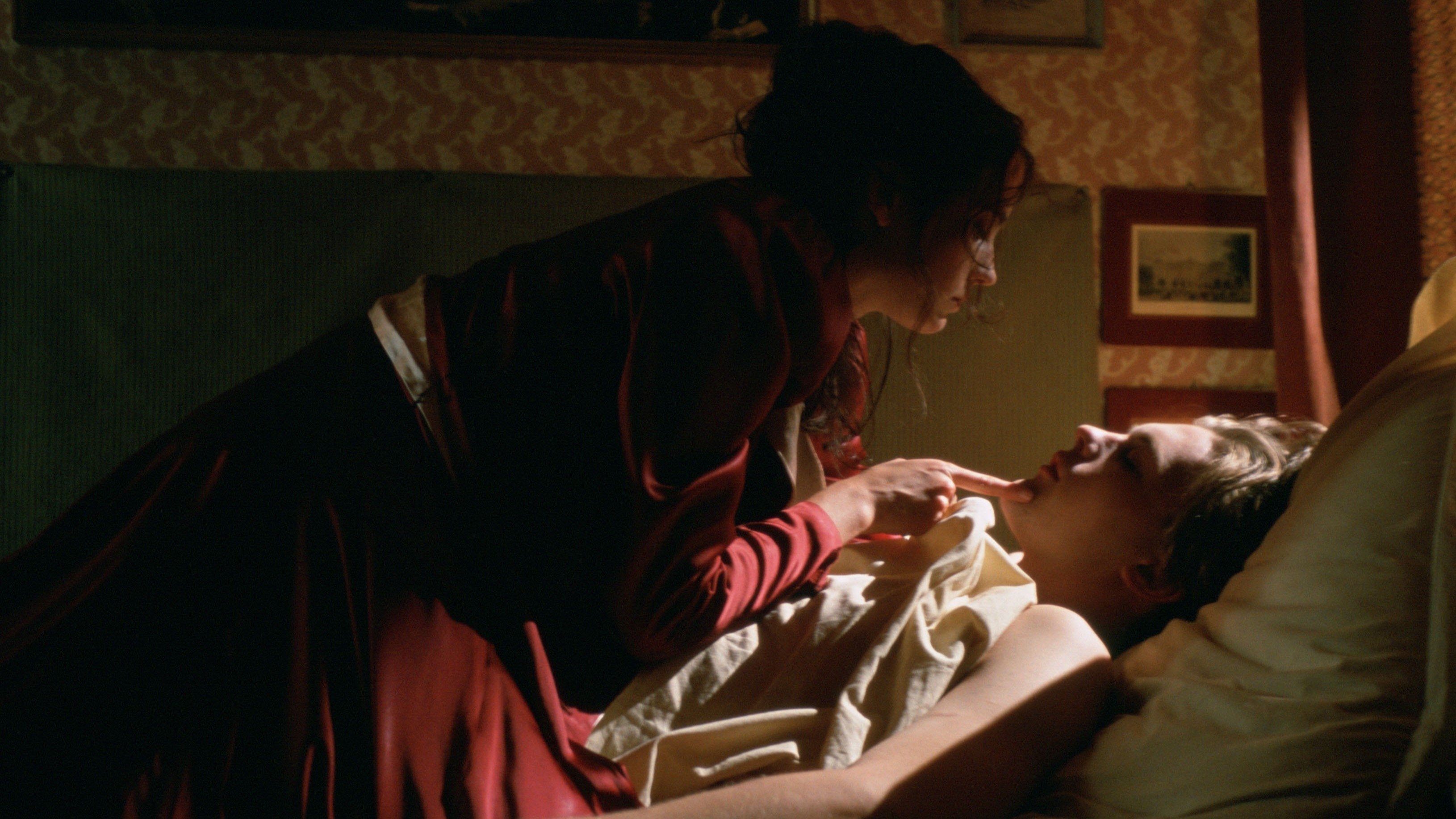
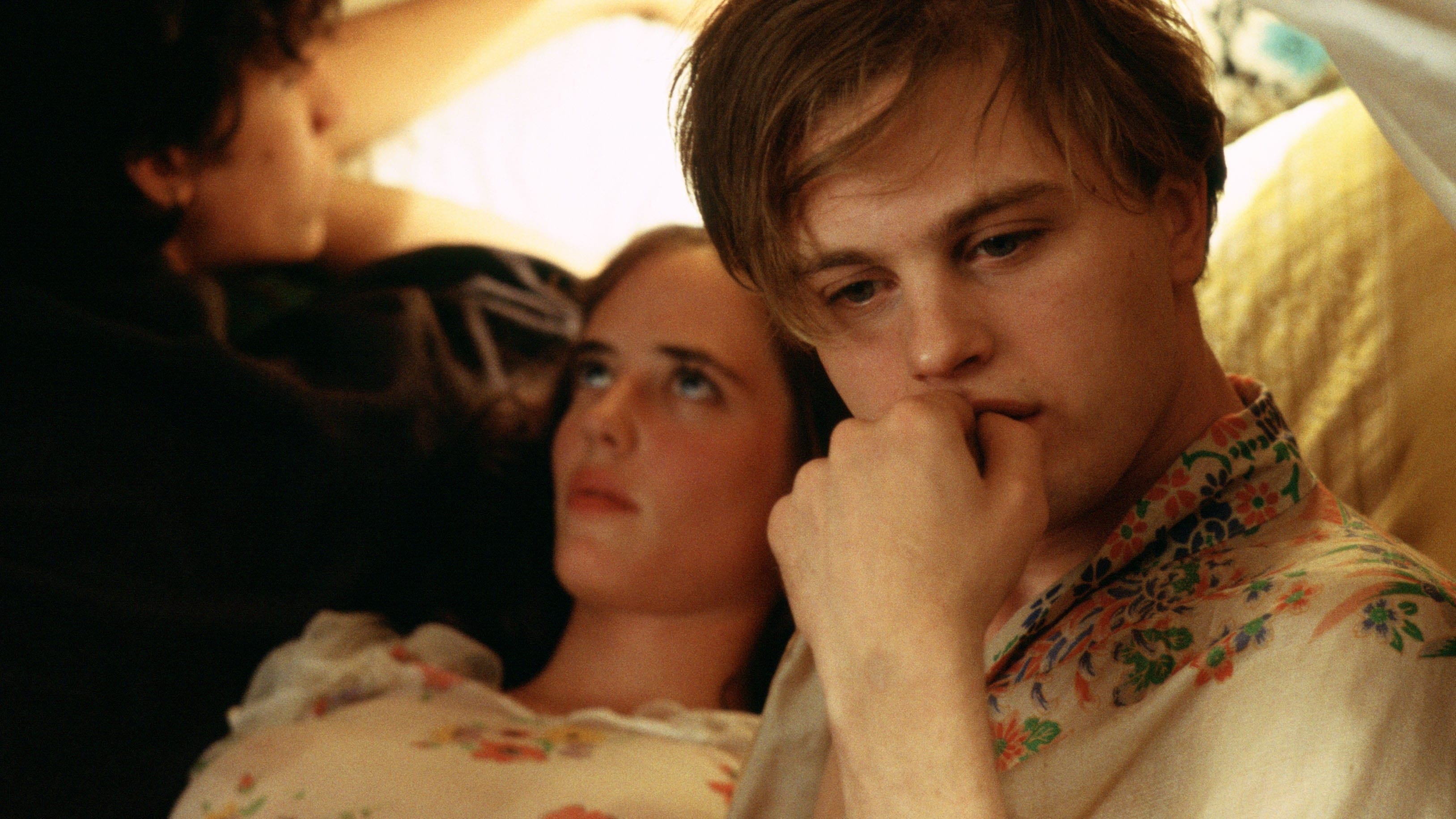
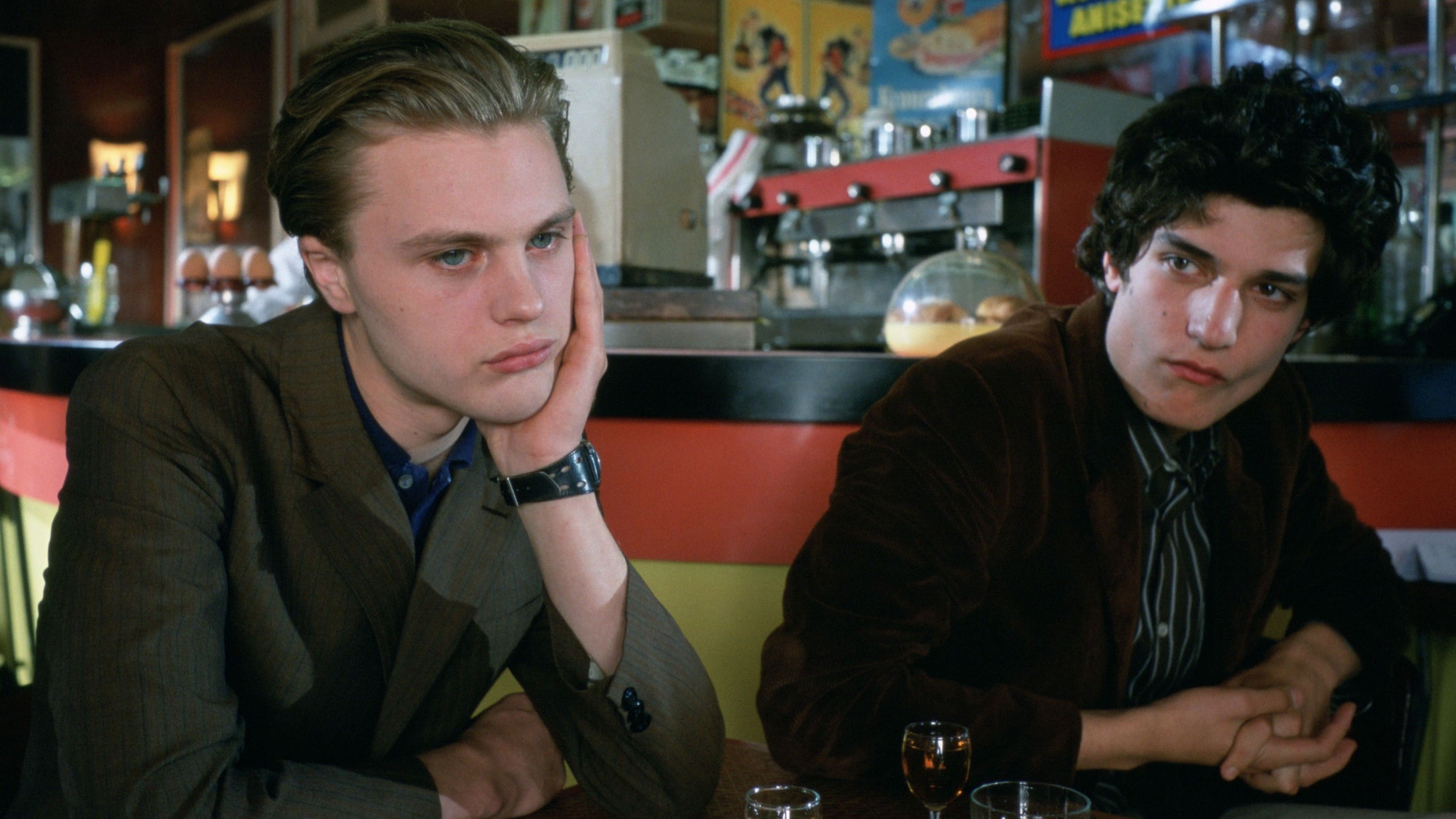
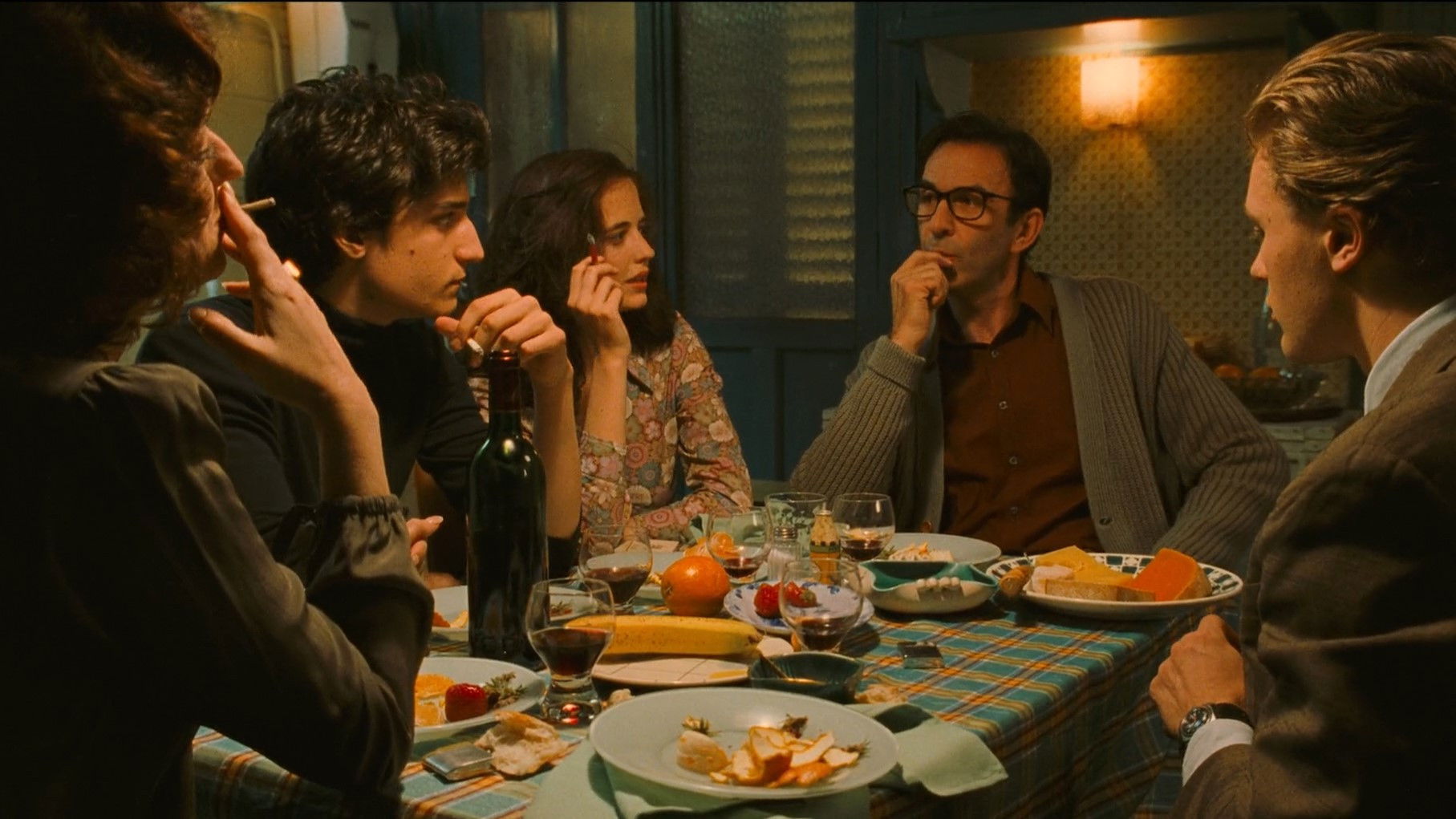
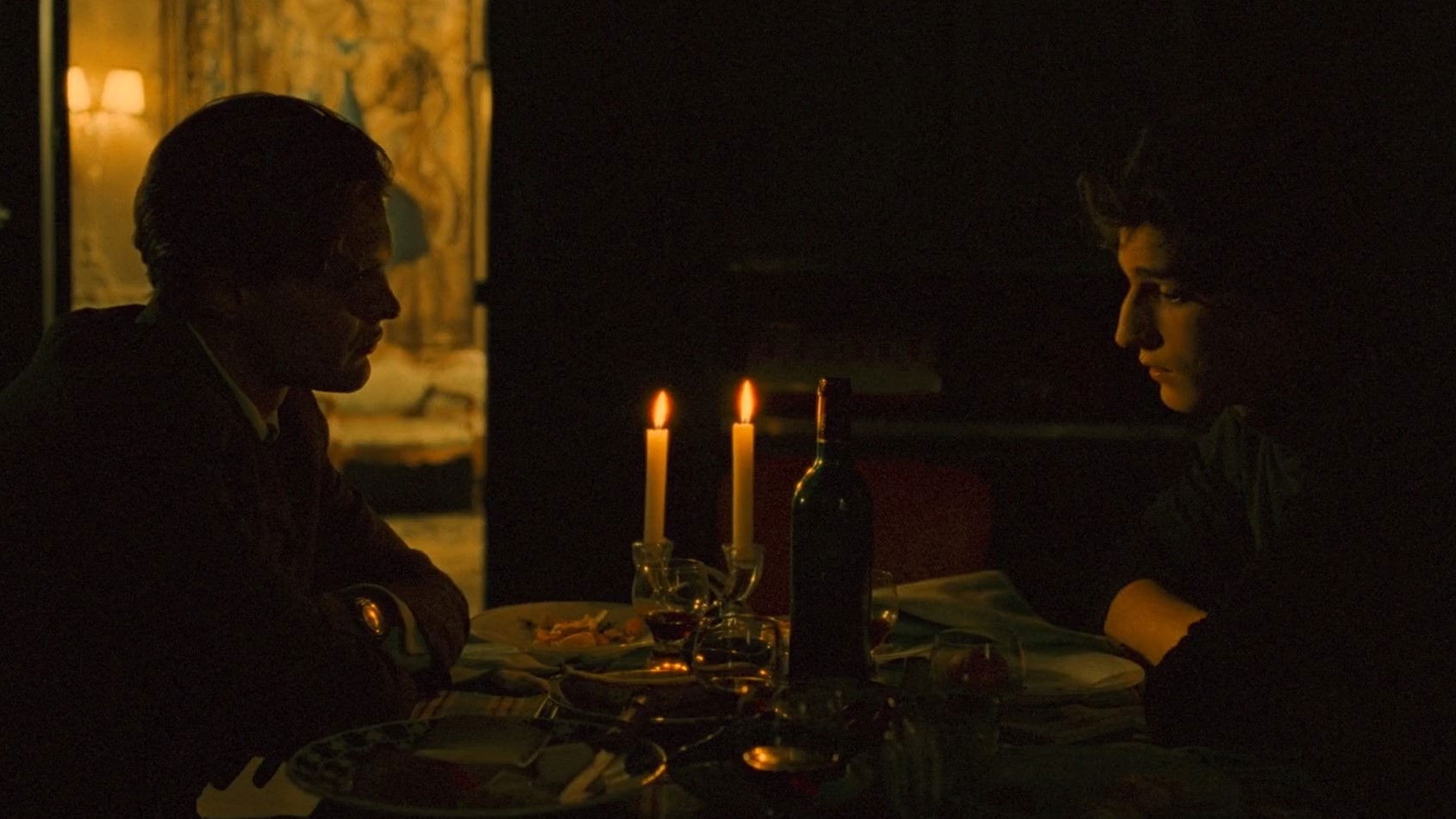
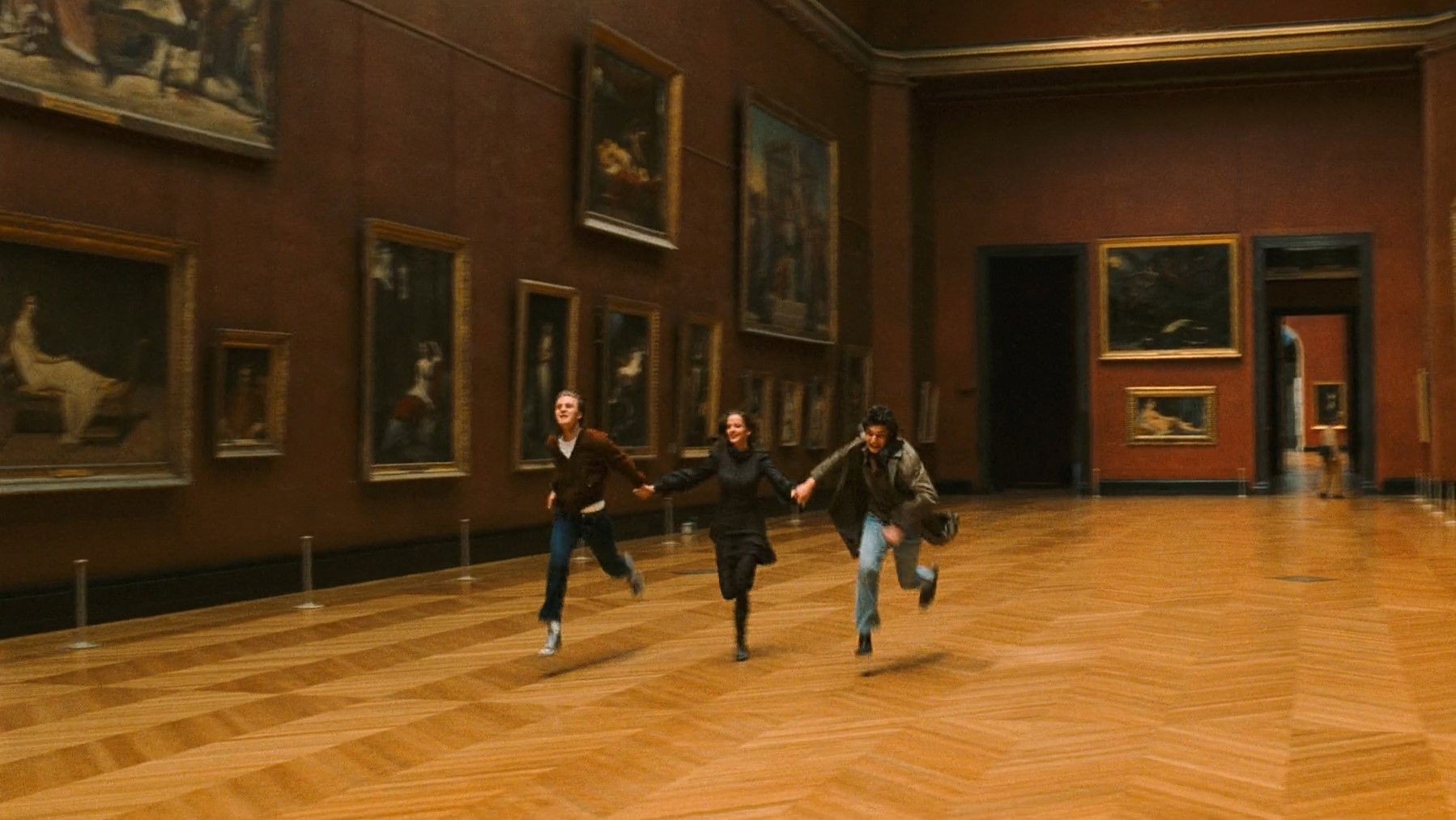
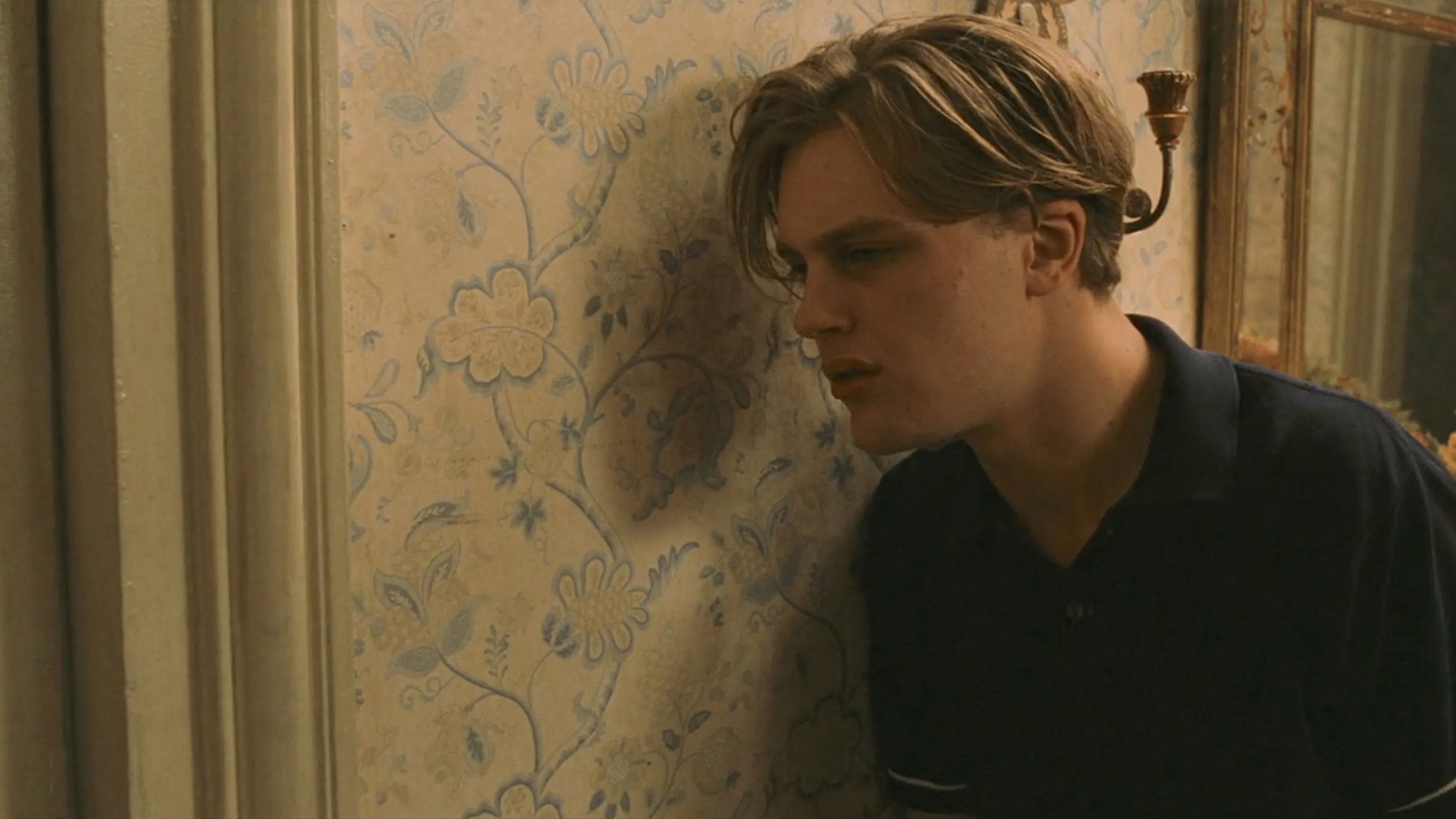
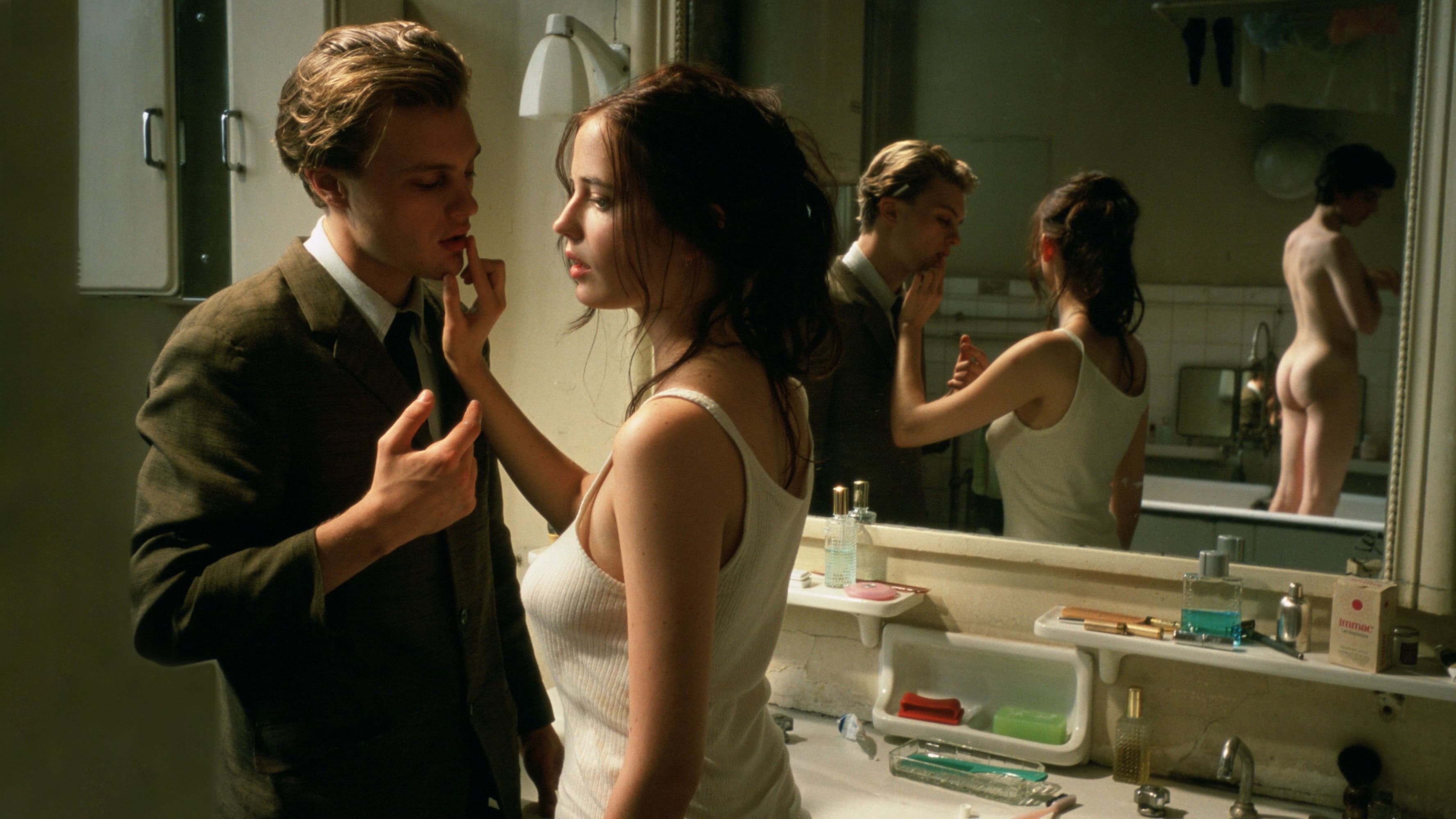
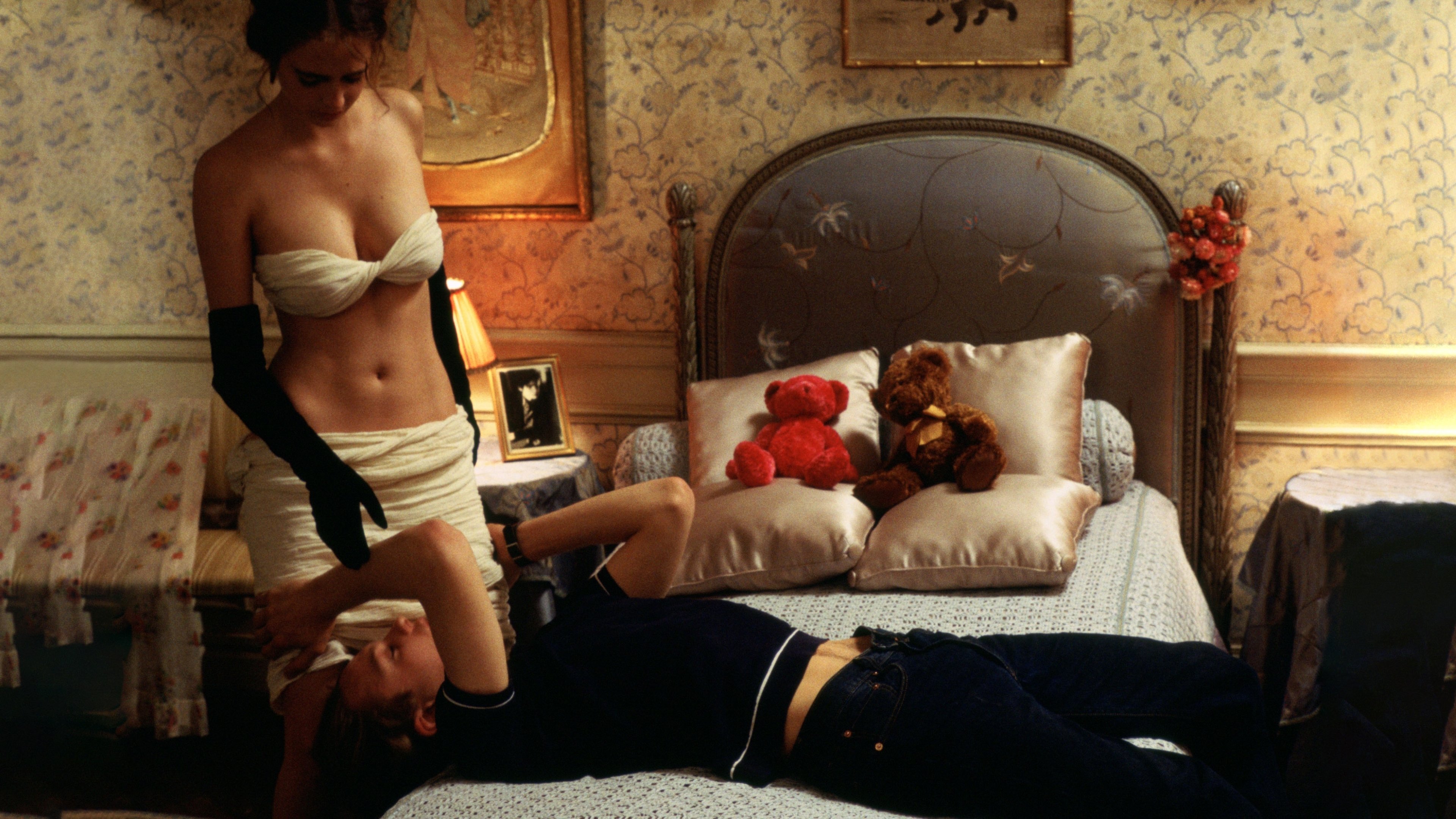
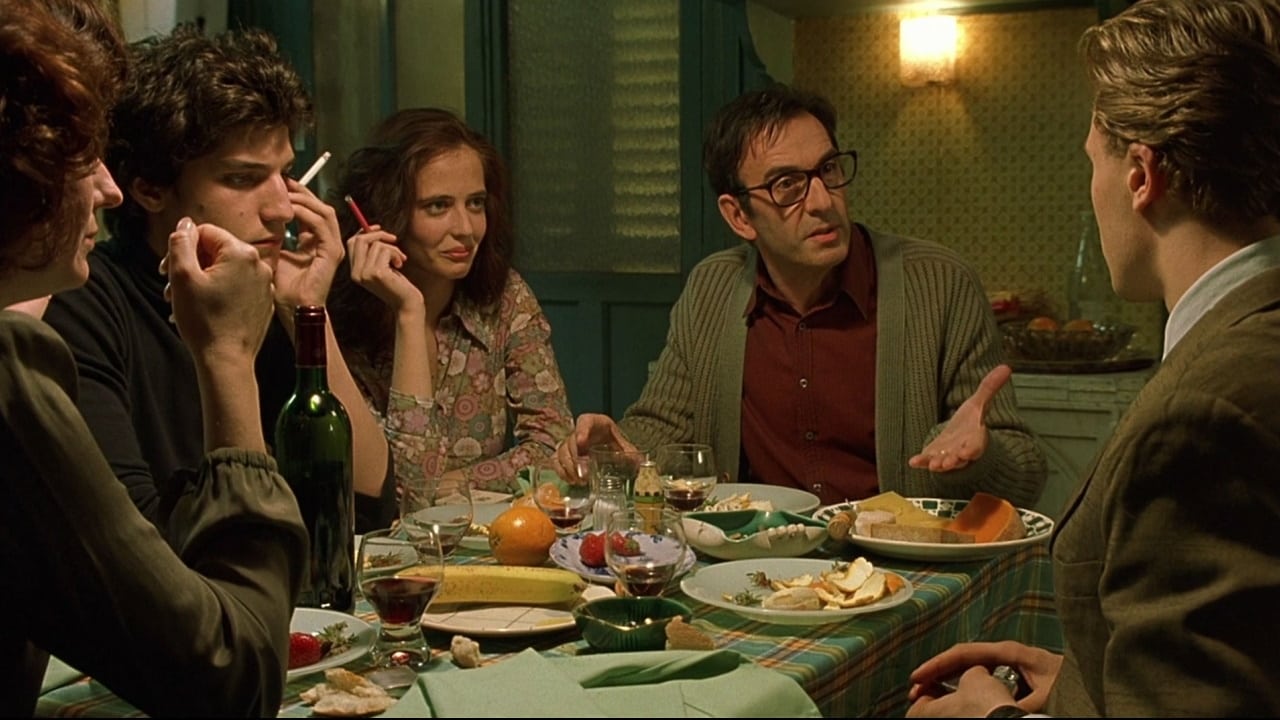
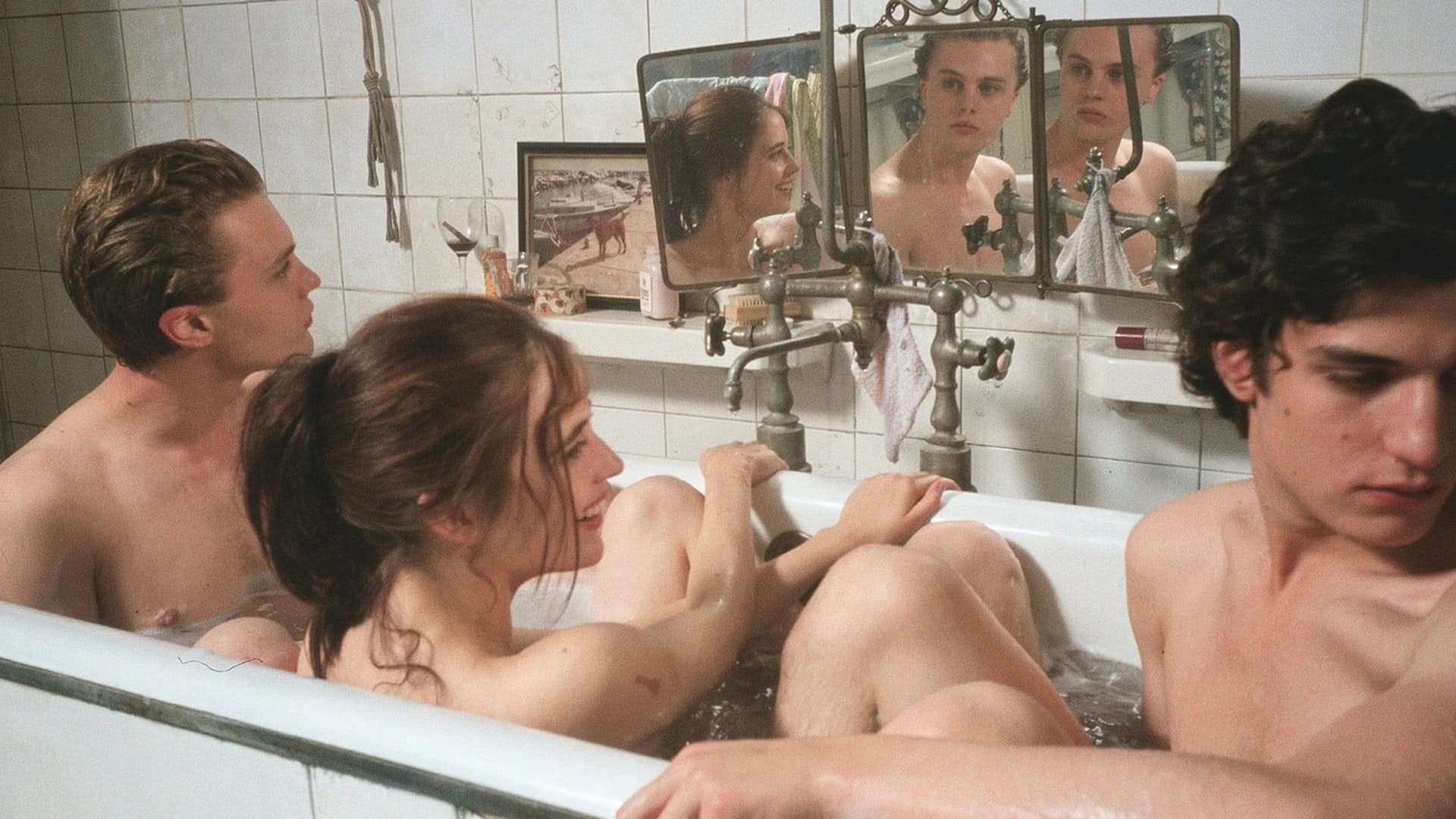
We are in the famous Spring of '68, when students begin to raise their voices. Isabelle and her brother Theo are left alone in Paris while their bohemian parents are on vacation. They invite an American student named Matthew to their home. The common trait among the three is their passion for films. Over time, their relationship with the guest turns into a desire-filled game where they explore sexuality in all its aspects. Outside, the sound of revolution has already begun to rise.
Overview
Dreams, Passions, and Crimes (2003) is a film by renowned Italian director Bernardo Bertolucci. Featuring talented actors such as Michael Pitt, Eva Green, Louis Garrel, Anna Chancellor, and Robin Renucci, the film presents a drama and romantic story that explores the excitement and conflicts of the Spring of '68. Set in Paris, it tells the story of young people in search of freedom and sexuality, prompting deep thoughts among viewers.
The film begins when Isabelle, from a bohemian family, and her brother Theo invite an American student named Matthew to their home during their summer vacation in Paris. The shared passion for cinema among these three young people begins to shape their relationships over time. The dynamics, which turn into a game filled with sexuality and desire, combine with a revolutionary atmosphere, effectively reflecting the spirit of the era. The relationships that blossom in the depths of the film take the audience on both an emotional and intellectual journey.
Bernardo Bertolucci often addresses the complexities of human relationships and social changes in his cinema. Dreams, Passions, and Crimes continues this tradition by masterfully exploring the characters' internal conflicts and emotional depths. Michael Pitt's portrayal of Matthew offers viewers an emotional journey, while Eva Green and Louis Garrel's performances add further depth to the film. The uniqueness each actor brings to their character makes the film even more impactful.
Dreams, Passions, and Crimes is not just a love story; it also offers an in-depth examination of freedom, sexuality, and social change. Blending the passions and desires of youth with the political atmosphere of the time, this film is a must-see for cinema lovers. If you want to embark on a deep journey among Bernardo Bertolucci's films, Dreams, Passions, and Crimes is just for you. The film serves as an important reference point for understanding both the era and the complex structure of the characters. The depth in the film encourages viewers to think and question. Therefore, for those considering watching it, Dreams, Passions, and Crimes is definitely a recommended work.
Why Watch?
STRONG POINTS: A captivating story that draws viewers in with deep character development and psychological analysis. An engaging narrative with unexpected events that constantly arouses curiosity. An artistic experience with visual aesthetics and impactful music.
WHO IT APPEALS TO: Appeals to viewers who enjoy psychological dramas and crime-themed films, and those who love to think deeply.
EXPECTATION MANAGEMENT: Viewers looking for fast-paced action films may find this work boring.
Frequently Asked Questions
What is the plot of Distant Dreams, Passions, and Crimes?
The film tells the story of a writer's life shaped around themes of chaos, passion, and crime. The writer's inner conflicts and the influence of those around him are central to the narrative.
Is Distant Dreams, Passions, and Crimes based on a true story?
No, the film has a fictional script. However, the emotional and psychological states experienced by the characters are inspired by real life.
Where can I watch Distant Dreams, Passions, and Crimes?
The film is available on various digital platforms and some television channels. It can also be obtained in DVD or Blu-ray format.
How long is Distant Dreams, Passions, and Crimes?
The film has a runtime of 115 minutes.
What does the ending of Distant Dreams, Passions, and Crimes mean?
The film's ending symbolizes the characters' inner transformations and confrontations. It prompts the audience to reflect on the importance of choices and personal reckonings in life.
What year was Distant Dreams, Passions, and Crimes released?
The film was released in 2003.
Is Distant Dreams, Passions, and Crimes worth watching?
If you enjoy deep psychological dramas and character-driven stories, this film is worth watching. It is striking with its visuals and storytelling.